
This Slow-Paced Town In Washington Is So Peaceful, You’ll Forget Stress Even Exists
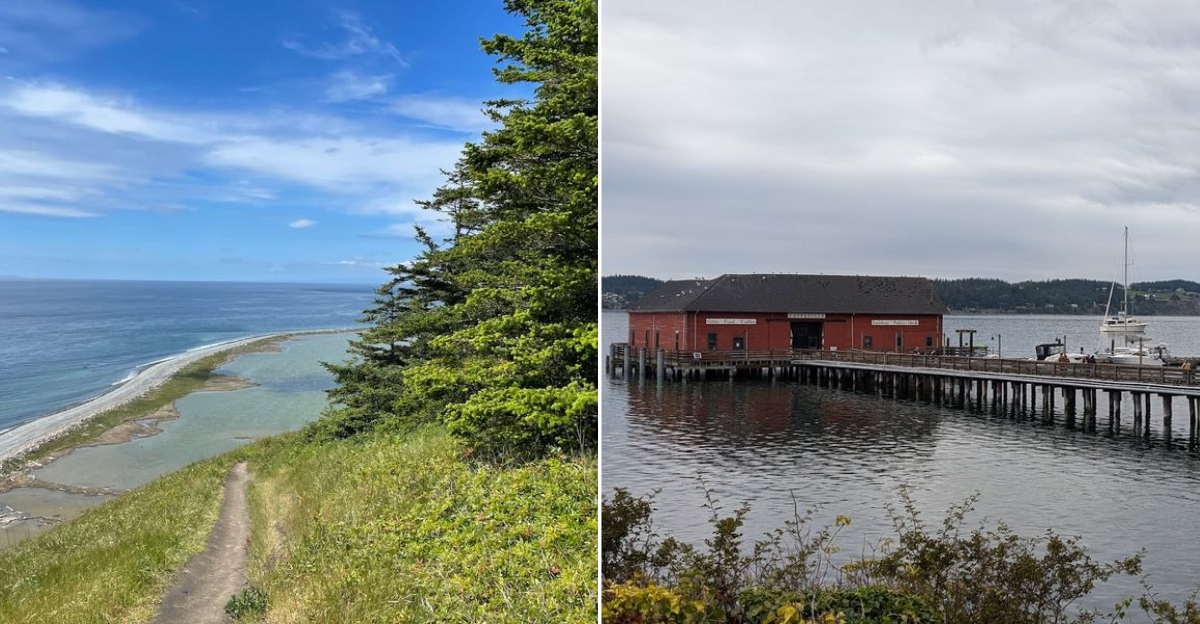
Do you ever have those days where you just want to drive until the GPS stops yelling at you? That’s exactly how I ended up in this sleepy Washington waterfront escape.
There’s no grand fanfare here, no bustling malls or neon-lit nightlife, just a series of weathered docks, historic storefronts, and enough charm to make you consider burning your return ticket.
It’s so quiet that the loudest sound you’ll encounter is a seagull arguing over a crust of bread.
We’re constantly told that “busy” equals “important,” but spending a few days here completely shattered that lie for me. If you’re looking for a place where the biggest decision you’ll make all day is which park bench offers the best view of the gray-blue water, pull up a chair.
You’re home.
The Historic Charm Of Front Street
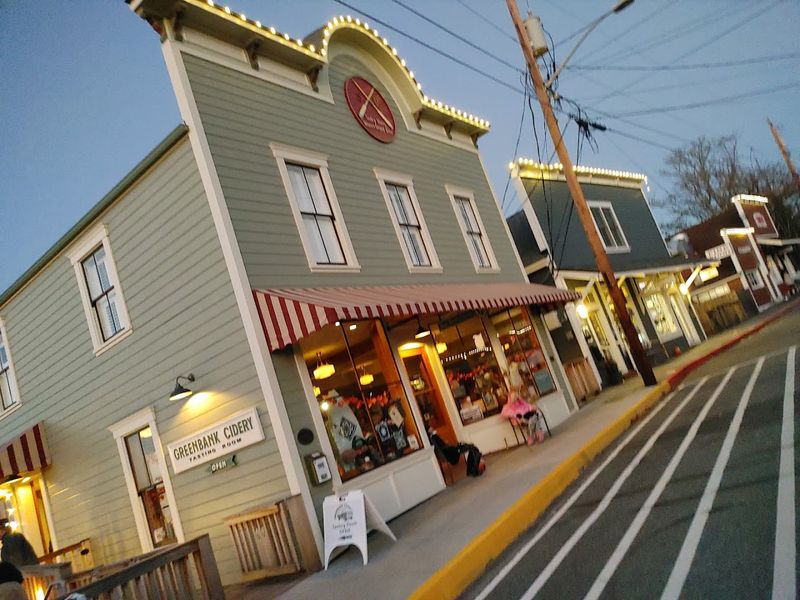
Walking down Front Street in Coupeville feels like stepping into a postcard that someone forgot to send. The buildings here are not replicas or themed facades built for tourists.
These are genuine 19th-century structures, many of them over 150 years old, standing proudly along the waterfront just as they did when the town was first settled in the 1850s.
More than 50 buildings in Coupeville are listed on the National Register of Historic Places, making this one of Washington’s most authentically preserved downtowns. You will notice the absence of chain stores and franchise restaurants, which is honestly refreshing.
Instead, you find independent boutiques, local craft shops, and small galleries that carry real personality.
Coupeville holds the distinction of being Washington state’s second-oldest community, and that history is visible in every weathered beam and painted window frame. Strolling Front Street at your own pace, with no agenda and no rush, is one of those simple pleasures that quietly restores your sense of calm.
Ebey’s Landing National Historical Reserve
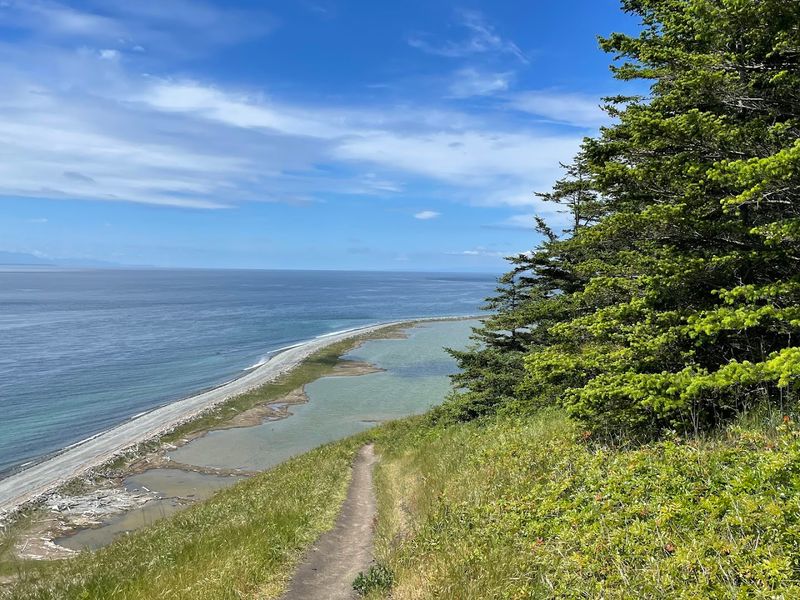
There is something genuinely humbling about standing on the bluffs at Ebey’s Landing and realizing you are looking at a landscape that has barely changed in centuries.
This reserve holds the title of the country’s very first National Historical Reserve, established to protect not just the land but the agricultural and cultural traditions that shaped this part of Washington.
The views from the coastal trail are extraordinary. On a clear day, you can see the Strait of Juan de Fuca stretching wide and blue, with the Olympic Mountains rising dramatically in the distance. Patchwork farmland rolls behind you, and the salt air carries a quiet that feels almost deliberate.
Hiking the bluff loop trail takes about two hours at a comfortable pace, and the terrain is accessible enough for most visitors. I found myself stopping every few minutes just to absorb the scenery rather than push forward.
Ebey’s Landing is the kind of place where the landscape does all the talking, and you are wise to simply listen.
The Iconic Coupeville Wharf
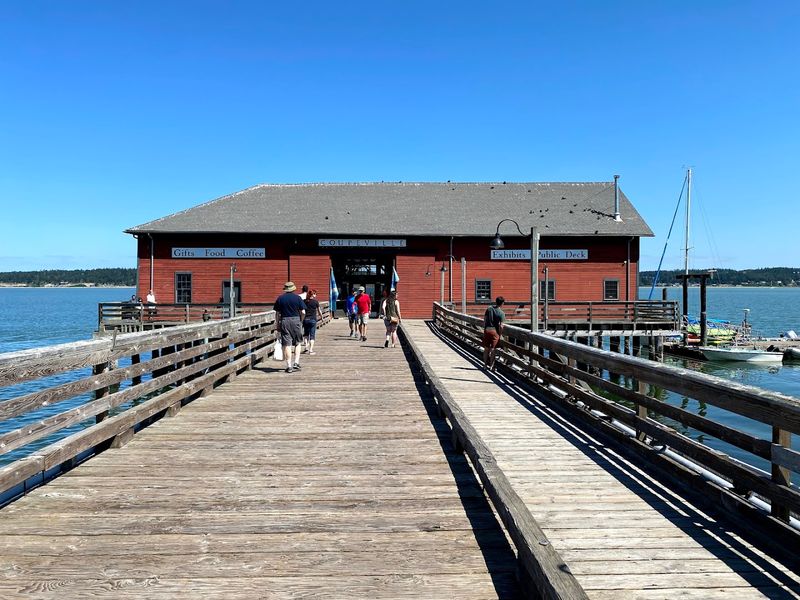
Built in 1905, the Coupeville Wharf is one of those structures that earns its place on every visitor’s must-see list purely through quiet dignity.
It stretches out over the glassy waters of Penn Cove, and the sound of your footsteps on the old wooden planks creates a rhythm that immediately slows your pace down to something more human.
Fishermen sometimes cast lines from the end of the dock, and small boats bob lazily nearby. The wharf is compact enough to explore in fifteen minutes, but most people end up staying much longer because the view from the far end is simply too good to leave quickly.
Penn Cove shimmers in every direction, and the surrounding hills frame the scene perfectly.
A small shop near the wharf serves fresh seafood, including the locally celebrated Penn Cove mussels that have made this bay genuinely famous among food lovers. Sitting on a bench at the end of the dock with a bowl of mussels and nowhere to be is one of life’s underrated pleasures.
Penn Cove Mussels And Waterfront Dining
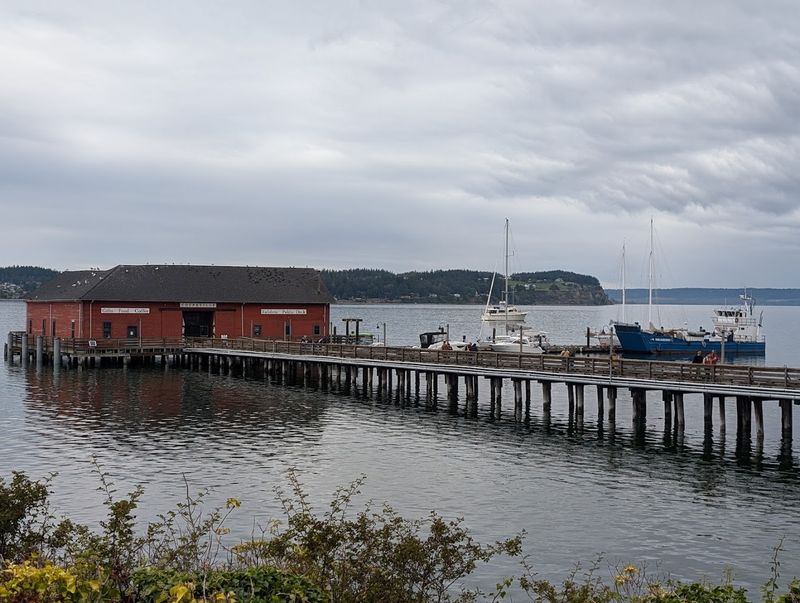
Penn Cove mussels have a reputation that reaches well beyond Washington state, and tasting them here, just a few hundred feet from where they were harvested, makes the experience feel wonderfully direct.
The cove’s cold, nutrient-rich waters produce mussels that are plump, sweet, and genuinely worth planning a trip around.
Several waterfront restaurants along Front Street serve them in various preparations, from simple steamed bowls to more creative dishes that local chefs rotate seasonally.
The atmosphere inside these spots is relaxed and unpretentious, with windows that frame the water and wooden interiors that feel worn in the best possible way.
What makes dining in Coupeville special is the complete absence of urgency. Nobody is rushing you to free up the table. You can linger over your meal, watch kayakers drift across the cove, and order another round of mussels without feeling any social pressure whatsoever.
Good food tastes even better when the setting encourages you to slow down and actually enjoy it.
Price Sculpture Forest
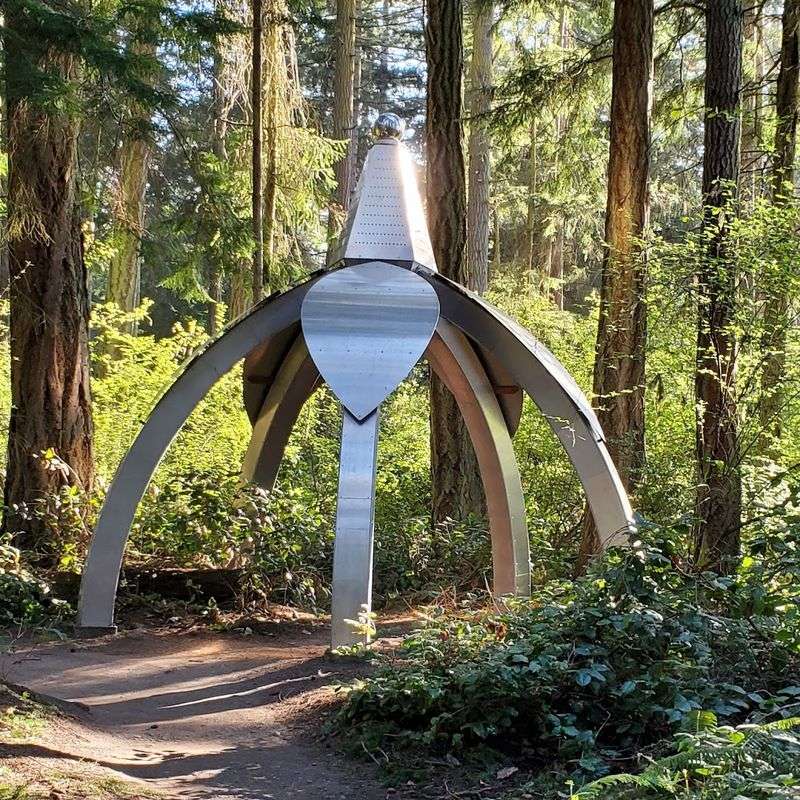
Somewhere between a nature walk and an art gallery, the Price Sculpture Forest occupies a category entirely its own.
Located just outside Coupeville’s compact downtown, this forested property features a winding trail lined with sculptures created by artists from the Pacific Northwest and beyond. The combination of towering evergreens and unexpected art pieces creates an atmosphere that feels both grounding and quietly surprising.
The trail is easy to navigate and takes roughly 45 minutes to complete at a leisurely pace. Pieces range from abstract metalwork to carved wooden forms, each one positioned to interact with the natural surroundings rather than compete with them.
Stumbling upon a new sculpture around a bend in the path carries a small but genuine sense of delight every single time. Admission is free, which makes this one of Coupeville’s most accessible and underappreciated attractions.
I visited on a misty morning when the light filtered softly through the trees, and the forest felt almost otherworldly. Whether you appreciate fine art or simply enjoy a peaceful walk, this place rewards both instincts equally well.
Kayaking Penn Cove And Spotting Orcas
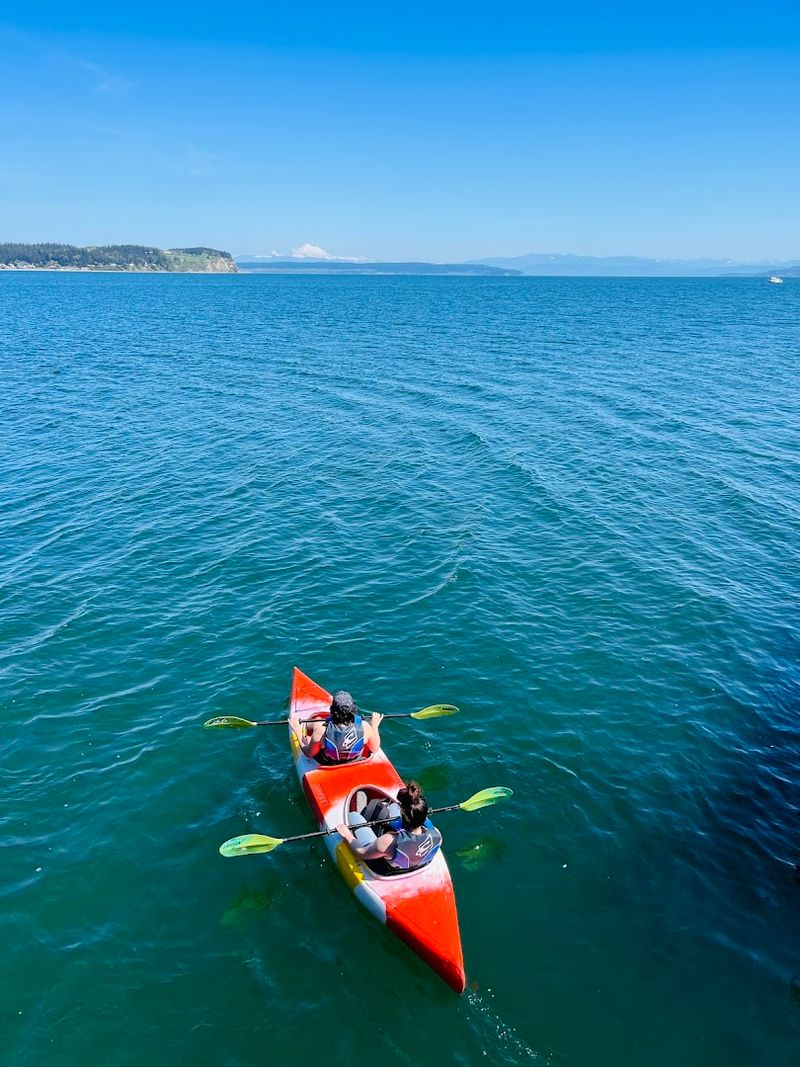
Paddling across Penn Cove at your own pace is one of those experiences that recalibrates your entire nervous system. The water here is remarkably calm, sheltered from open ocean swells, which makes it accessible even for beginner kayakers who have never held a paddle before.
Local outfitters offer rentals and guided tours for those who prefer a little company and navigation support. Spring is the most exciting season to be out on the water, because orca pods occasionally pass through the area during their seasonal migration routes.
Spotting a dorsal fin cutting through the surface of Penn Cove is the kind of moment that makes you forget every work email sitting in your inbox. Harbor seals are a more reliable sighting year-round, often popping their heads up curiously near kayakers.
Even without wildlife, the view from the water back toward the Coupeville Wharf and the surrounding hillsides is worth every minute of paddling. There is a particular stillness that comes from being on the water here that you simply cannot replicate anywhere on land.
Island County Historical Society Museum
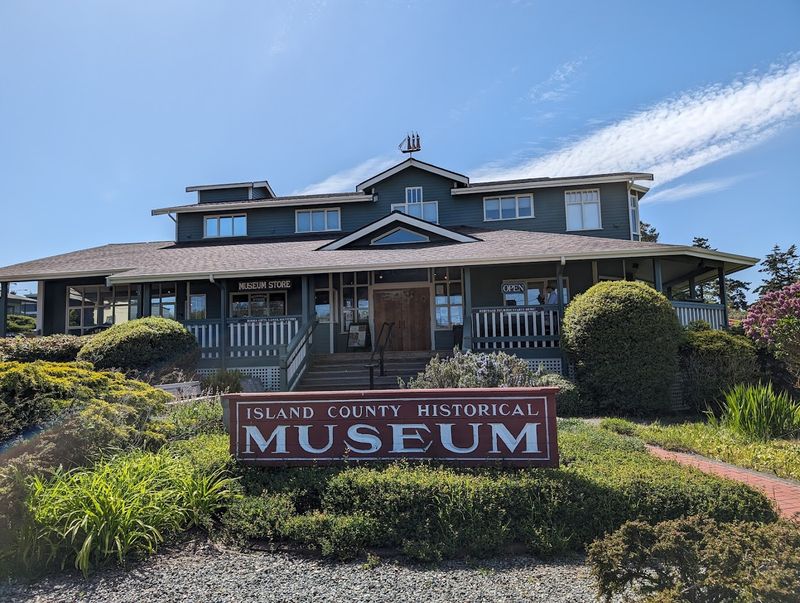
For a town this small, Coupeville carries an impressive weight of history, and the Island County Historical Society Museum is the place that helps you make sense of all of it.
Housed in a building that looks perfectly at home among the other historic structures on the waterfront, the museum covers the full arc of Whidbey Island’s human story, from its Indigenous inhabitants to early European settlers and beyond.
Exhibits include vintage photographs, farming tools, maritime artifacts, and documents that trace how this remote island community developed its own distinct identity over more than 150 years.
The displays are thoughtfully curated and easy to follow, even for visitors who do not usually gravitate toward history museums.
Staff members are genuinely enthusiastic about sharing local knowledge, and a short conversation with them often reveals details about Coupeville that you would never find in any travel guide.
The museum is compact, which means you can absorb everything at a comfortable pace without feeling overwhelmed. It is a satisfying way to understand why this town feels so rooted and so real.
Fort Casey State Park
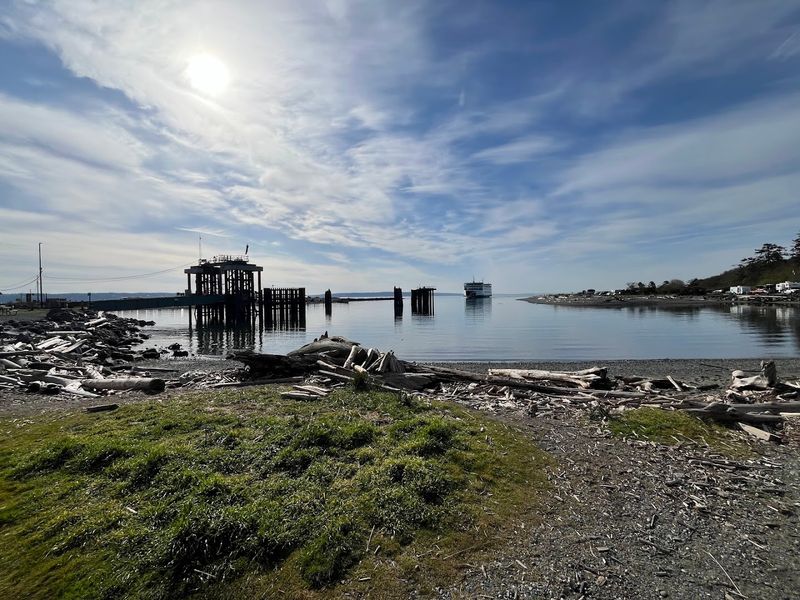
Fort Casey State Park sits quietly on the southern tip of Whidbey Island, just a short drive from Coupeville’s downtown. The park is home to massive concrete gun batteries built in the late 1800s to protect Puget Sound from naval threats that never came.
Walking through those mossy, hollow structures feels like wandering through a secret the rest of the world forgot. The Admiralty Head Lighthouse stands nearby, painted crisp white against the gray-blue sky.
On clear days, the views across Admiralty Inlet reach all the way to the Olympic Mountains. Bring a picnic and let the salt air handle everything. The open lawns around the fort make the whole place feel larger than it looks from the road.
You can wander between bunkers, climb to windy overlooks, and still hear gulls cutting through the silence. It is history without the museum hush, which makes the visit feel easy instead of heavy.
By the time you leave, the ferry ride, the lighthouse, and the old concrete walls all start blending into one very Washington kind of day.