
This Historic Florida Boarding House Museum In St. Augustine Lets You Step Back More Than 225 Years
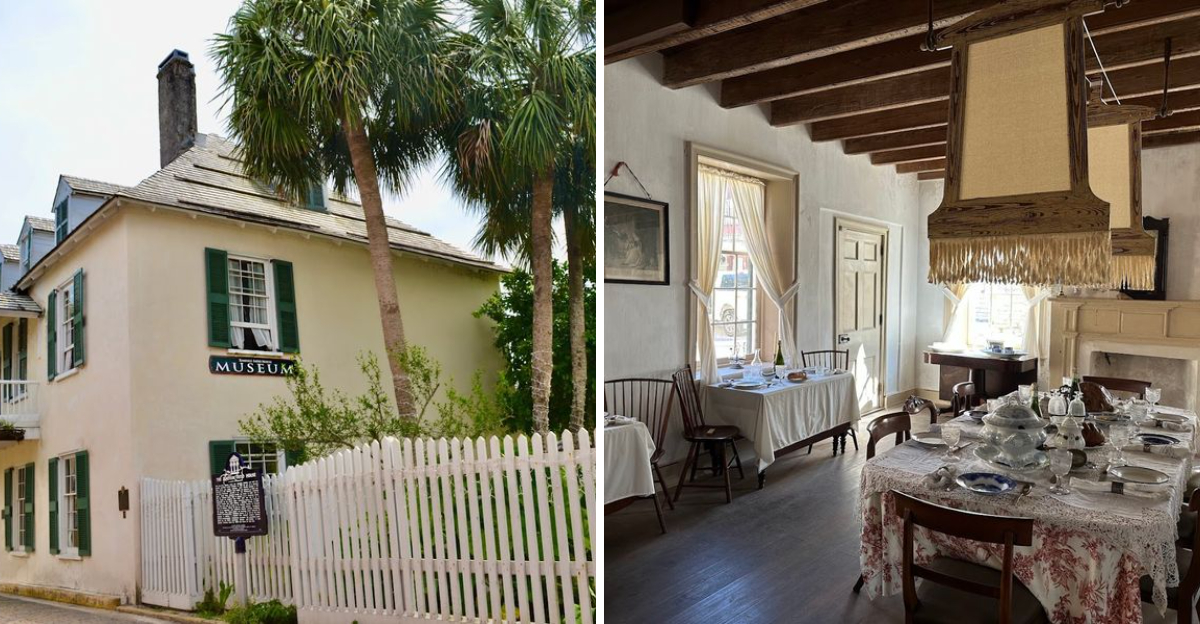
If walls could talk, this Florida house would never stop.
For more than two hundred years, it has watched travelers arrive, fortunes rise and fall, and history unfold just beyond its windows in the nation’s oldest city.
That alone would make it remarkable.
But what makes this place truly special is how alive the past still feels inside its rooms.
Unlike many historic sites that sit quietly behind glass, this house invites visitors into the everyday world of nineteenth-century Florida. The creak of old floorboards, the carefully preserved furnishings, and the stories of the people who once stayed here combine to create an experience that feels less like a museum and more like a journey through time.
In a city famous for history, that is saying something.
And it is exactly why this hidden Florida treasure continues to captivate visitors generation after generation.
A Structure Born During Spanish Colonial Rule
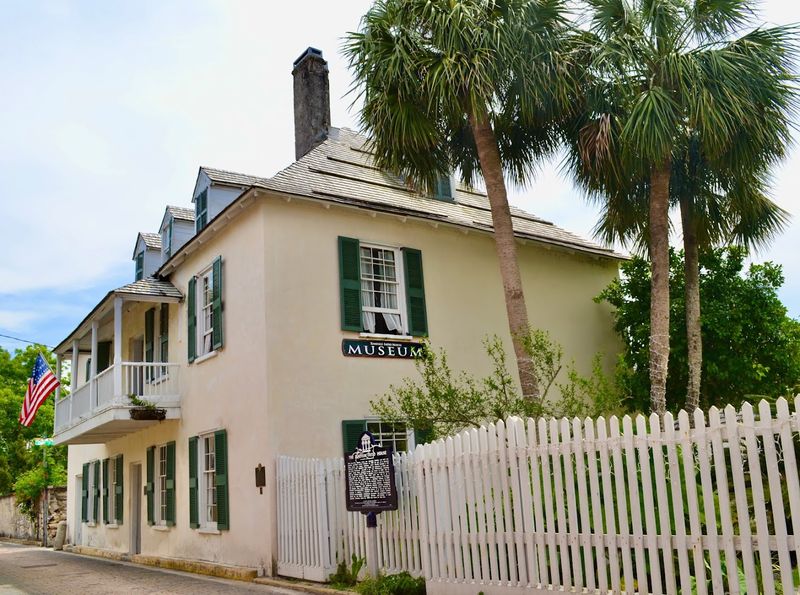
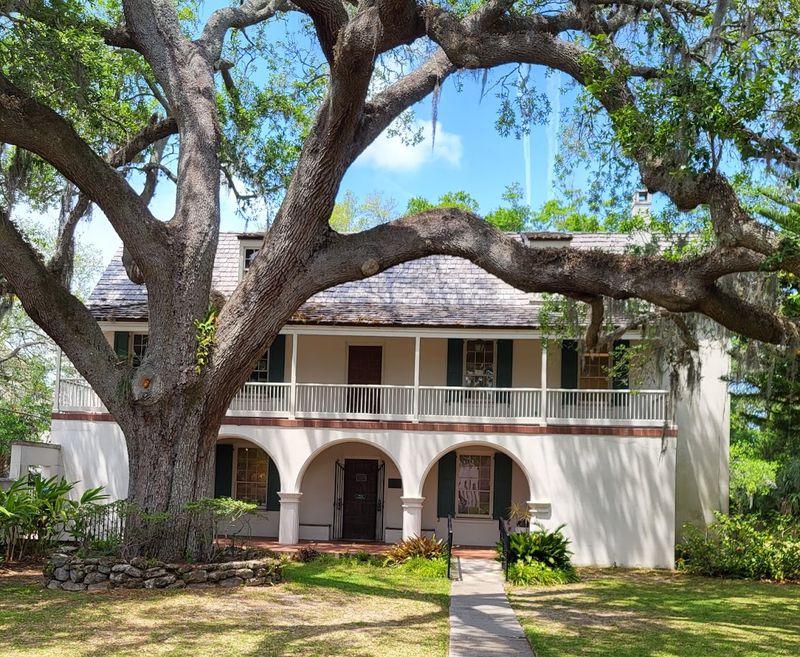
Construction began on this remarkable building in 1798, making it one of the oldest surviving structures in St. Augustine. The original owner, Andres Ximenez, built the house using coquina, a unique sedimentary rock made from compressed shells that was quarried locally and became the signature building material of Spanish Florida.
The thick coquina walls kept the interior cool during sweltering summers and provided remarkable durability that has allowed the structure to survive hurricanes, wars, and more than two centuries of coastal weather. Standing before those weathered walls today, I could almost hear the echoes of Spanish conversations and smell the cooking fires from kitchens long silent.
The architectural style reflects the practical needs of colonial life, with rooms designed for both family living and commercial enterprise. Original features like wooden beams, window placements, and doorways remain intact, offering an authentic window into 18th-century construction methods that modern builders still study and admire.
The Women Who Made It Prosper
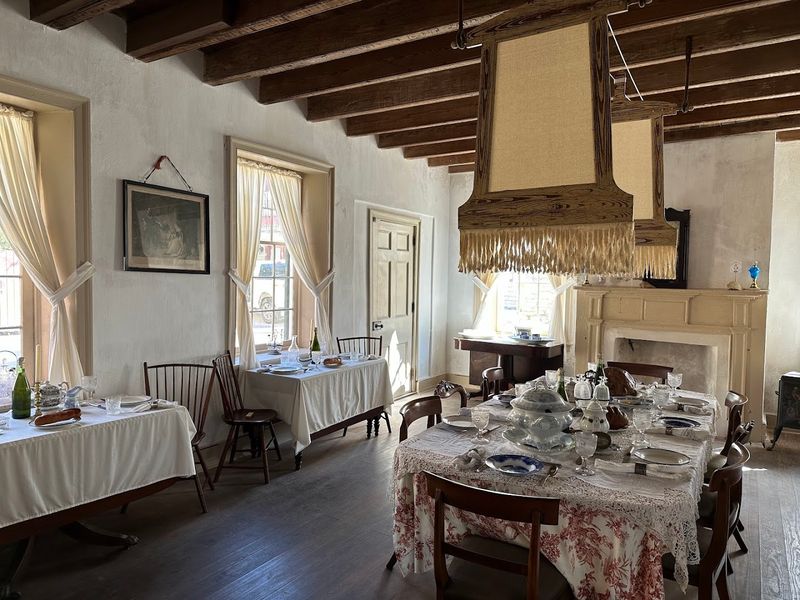
What makes this museum truly special is its focus on the remarkable women who transformed a simple residence into one of Florida’s most successful boarding houses. After Andres Ximenez passed away, his widow continued operating the property, setting a pattern that would define the house for decades to come.
Margaret Cook and later Eliza Whitehurst ran the establishment during its golden years in the 1830s and 1840s, when St. Augustine attracted wealthy northerners seeking warm winter retreats. These entrepreneurial women managed complex households, supervised staff, maintained gardens, and created welcoming environments that earned them glowing reputations across the young United States.
Walking through rooms where these businesswomen once negotiated rates and planned elaborate meals, I gained profound respect for their accomplishments in an era that offered women few opportunities for financial independence. Their success stories challenge common assumptions about women’s roles in 19th-century America and demonstrate the economic power women wielded in Florida’s hospitality industry.
Period Furnishings That Tell Stories
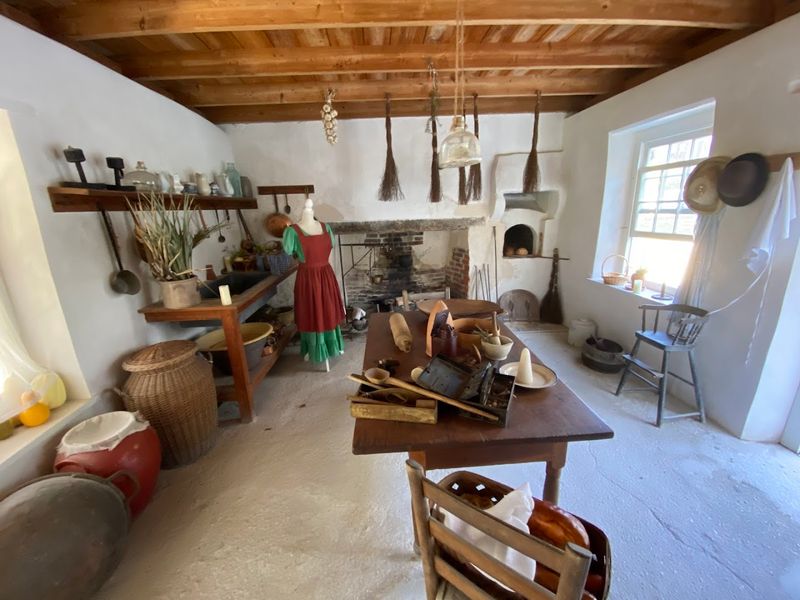
Every room in the museum features carefully researched period furnishings that recreate the atmosphere of a high-end boarding house from the 1830s and 1840s. The collection includes original pieces from the era as well as period-appropriate reproductions that help visitors understand how spaces were actually used.
I found myself captivating by the layers of detail in each room, from the delicate china patterns on dining tables to the heavy wooden furniture that dominated bedchambers. The kitchen area particularly fascinated me, with its cooking implements, storage containers, and work surfaces that revealed the enormous labor required to feed a houseful of paying guests without modern conveniences.
Unlike many museums that keep visitors at arm’s length from artifacts, the Ximenez-Fatio House arranges furnishings to create living scenes you can almost step into. Beds are made with period linens, tables are set for meals, and personal items are arranged as though the occupants just stepped out for a moment and might return any second.
Self-Guided Tours With Modern Technology
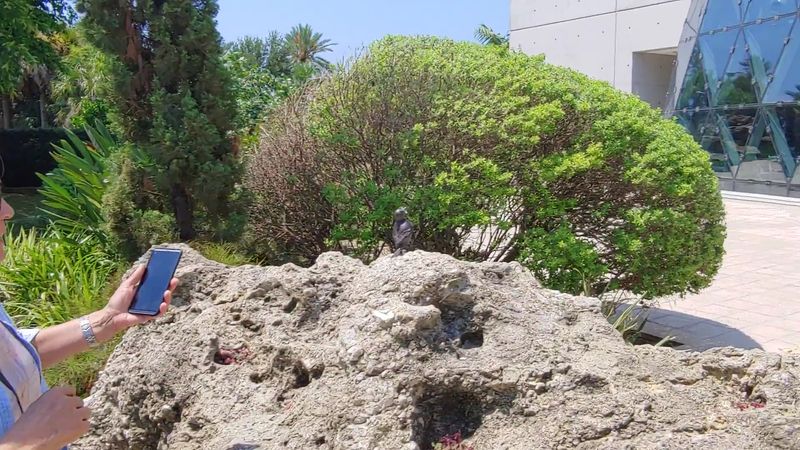
The museum offers an innovative approach to historical interpretation by providing self-guided audio tours accessible through personal smartphones or museum-provided devices. Scanning QR codes in each room triggers detailed narrations that explain the space’s purpose, the objects within it, and the people who once occupied it.
I appreciated the flexibility this system offered, allowing me to move at my own pace and revisit rooms that particularly interested me without feeling rushed by a group tour schedule. The audio content is rich with historical context, personal anecdotes about former residents, and explanations of how daily life unfolded in each space.
For visitors who prefer reading to listening, transcripts are available, making the experience accessible to different learning styles and those with hearing difficulties. The technology feels unobtrusive, enhancing rather than distracting from the historical atmosphere, and children seem especially engaged by the interactive element of scanning codes and controlling their own exploration of the house.
The Garden That Fed Guests
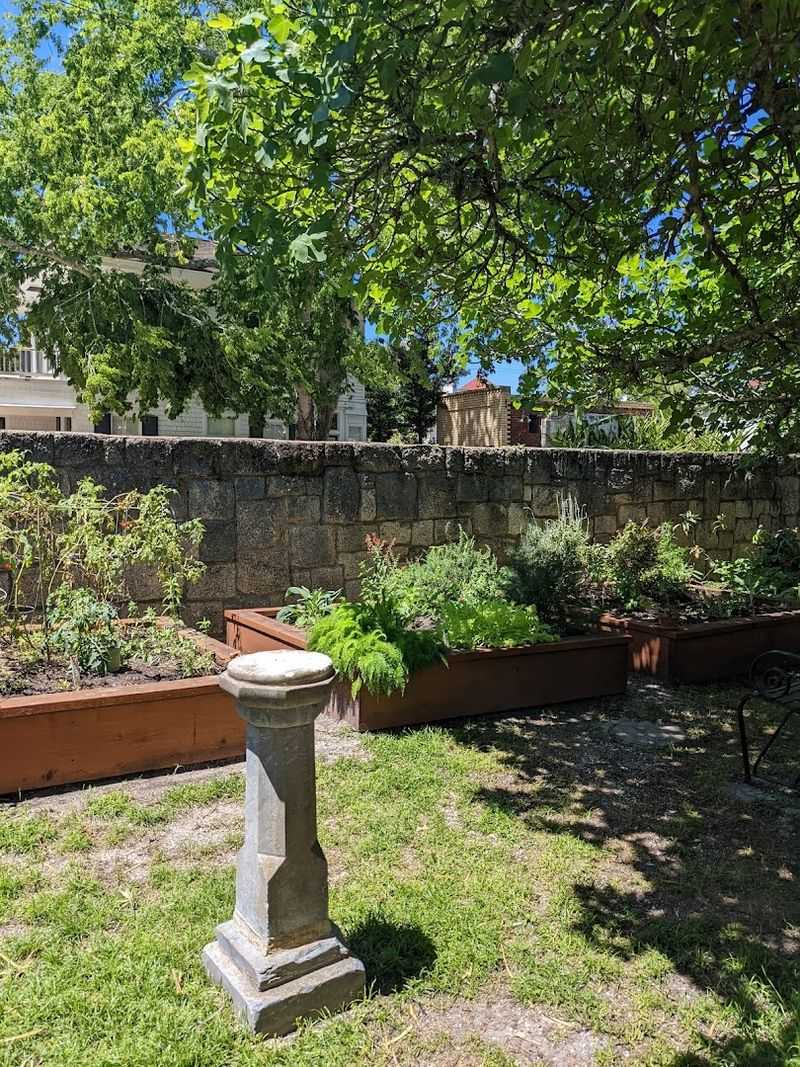
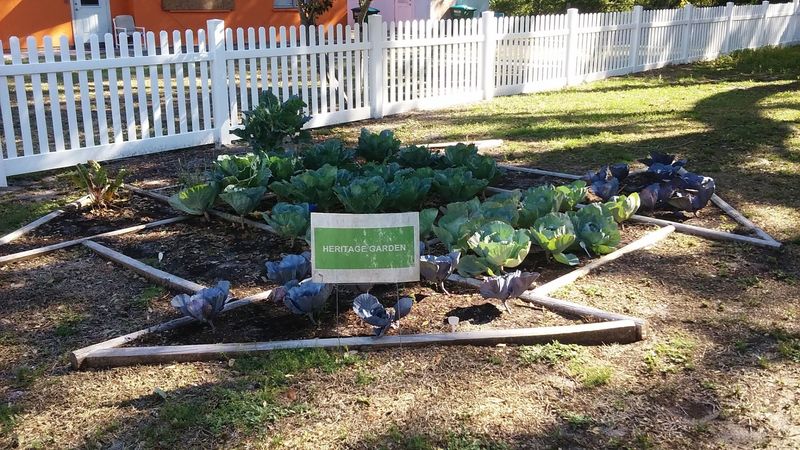
Behind the main house lies a recreated period garden that demonstrates how boarding house operators grew food to feed their guests and reduce expenses. Orange trees, fig trees, herbs, and vegetables fill the space, all species that would have been cultivated in 19th-century St. Augustine.
During my visit, I touched what the staff claimed was one of the oldest fig trees in the area, its gnarled trunk testament to decades of Florida summers. The scent of orange blossoms in spring fills the garden with a perfume that must have delighted guests nearly two centuries ago just as it enchanted me.
The garden serves as a living classroom, showing visitors how people fed themselves before grocery stores and refrigeration transformed American eating habits. Interpretive signs explain which plants were used for cooking, medicine, or simply beautifying the property to attract discerning boarders willing to pay premium rates for pleasant surroundings that made St. Augustine’s heat more bearable.
Special Events That Bring History Alive
Beyond regular tours, the museum hosts special events throughout the year that feature costumed interpreters portraying actual historical figures who lived or worked at the boarding house. These living history presentations, including the popular “I Lived Here As Well” series, offer immersive experiences that standard tours simply cannot match.
I attended one of these specialty tours and found myself completely absorbed as actors embodied enslaved workers, boarders, family members, and proprietors, each sharing their unique perspective on life at the house. The performances are carefully researched, giving voice to people whose stories might otherwise remain silent in the historical record.
The museum also offers themed tours focusing on specific aspects of 19th-century life, such as mourning customs, holiday celebrations, and daily routines. These events often sell out quickly, so checking the museum’s calendar and booking in advance is essential for anyone wanting to experience these deeper dives into the past that transform historical facts into emotional, memorable encounters.
A Boarding House During Florida’s Territorial Period
The museum focuses particularly on the 1830s and 1840s, when Florida was transitioning from Spanish territory to American statehood and St. Augustine became a fashionable winter destination for wealthy northerners. Understanding this context helps visitors appreciate why the boarding house prospered and what guests expected during their stays.
Wealthy families from Boston, New York, and Philadelphia traveled south seeking relief from harsh winters and hoping Florida’s climate might improve various health conditions. The Ximenez-Fatio House catered to this elite clientele, offering accommodations and meals that rivaled fine hotels in major cities.
Walking through the guest rooms, I imagined well-dressed travelers unpacking trunks filled with formal clothing, writing letters home about the exotic Spanish town they were exploring, and gathering for elaborate dinners that showcased local ingredients prepared to northern tastes. The house served as a cultural crossroads where different American regions met, mingled, and sometimes clashed over the issues that would soon tear the nation apart.
The Reality of Life Without Air Conditioning
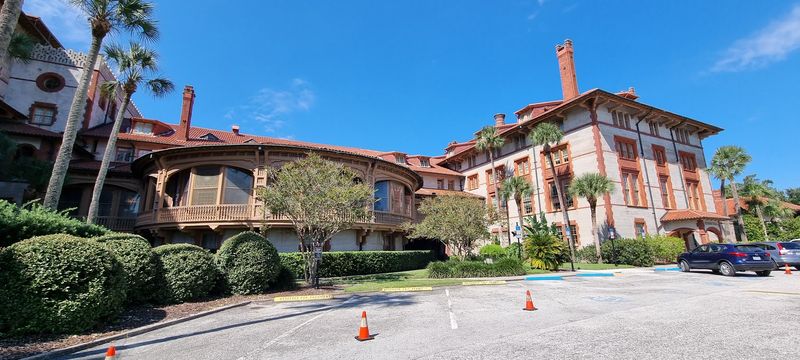
One aspect of the museum experience that modern visitors immediately notice is the lack of air conditioning in the historic rooms, with only the gift shop offering climate-controlled comfort. This authentic detail, while occasionally uncomfortable during summer visits, provides valuable insight into how people managed Florida’s intense heat before modern technology.
The house design incorporates passive cooling strategies including thick coquina walls that insulate against heat, strategically placed windows that create cross-breezes, and high ceilings that allow hot air to rise away from occupants. Period fans are positioned throughout rooms just as they would have been when guests sought relief from temperatures that regularly exceeded ninety degrees.
I visited on a warm day and quickly understood why boarding house operators charged premium rates during winter months when the climate was pleasant and discounted summer stays when heat made even wealthy guests think twice about Florida vacations. Bringing water is highly recommended, and the staff kindly offers bottles for purchase, though experiencing authentic historical discomfort for an hour somehow deepened my appreciation for the people who endured it daily.
Accessibility and Practical Visitor Information
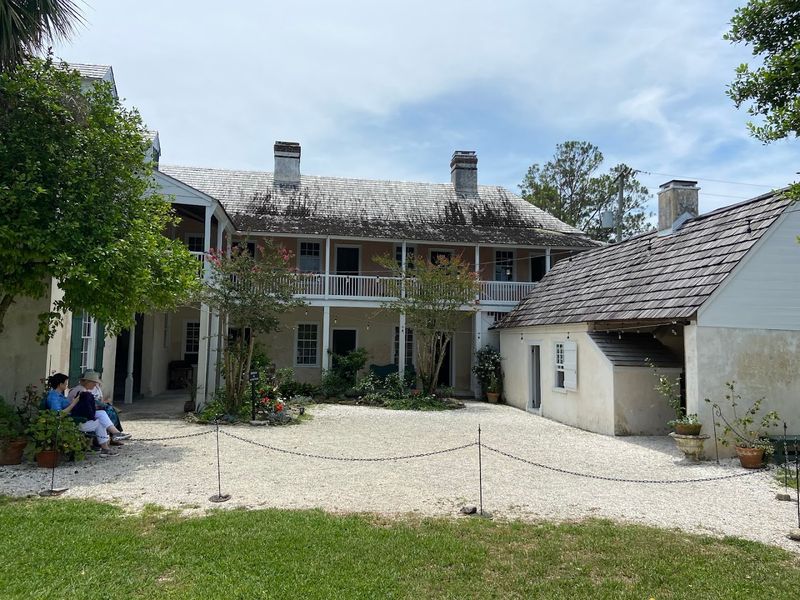
The museum operates Tuesday through Saturday from 10 AM to 5 PM, with the gift shop serving as the check-in point where visitors pay admission and receive audio guide devices or instructions for using smartphone-based tours. Admission prices are reasonable, typically around twelve dollars for adults, with the museum offering excellent value for history enthusiasts.
Parking in St. Augustine’s historic district can be challenging, but the museum provides a small parking lot for guests, which I found incredibly convenient compared to circling narrow colonial streets searching for spaces. The location on Aviles Street places visitors within easy walking distance of restaurants, the historic library, and other attractions.
The museum is housed in a genuinely historic structure with steep stairs connecting the two floors, which may present challenges for visitors with mobility limitations. Restrooms are clean and well-maintained, and the gift shop stocks books about Florida history, items from local artisans, and unique souvenirs that support the museum’s preservation mission far better than generic tourist trinkets found elsewhere in town.
Why This Museum Matters Today
In a city filled with historic attractions, the Ximenez-Fatio House Museum stands out by telling stories often overlooked in traditional historical narratives, particularly the economic and social contributions of women in early Florida. The museum’s commitment to research-based interpretation ensures visitors encounter authentic history rather than romanticized mythology.
The building itself represents remarkable preservation success, with organizations working for decades to maintain the structure’s integrity while making it accessible to modern visitors. Every visit supports ongoing conservation efforts that protect this irreplaceable piece of Florida’s architectural heritage for future generations to experience and learn from.
What moved me most was how the museum humanizes the past, transforming dates and facts into relatable stories about people navigating daily challenges, building businesses, and creating communities in a young, uncertain nation. Whether you’re a serious history buff or simply curious about how people lived before smartphones and supermarkets, this museum offers perspectives that will change how you think about Florida’s complex, fascinating past.