
This Arizona Paleo Site Offers A Rare Chance To Hunt For Fossils From 300 Million Years Ago
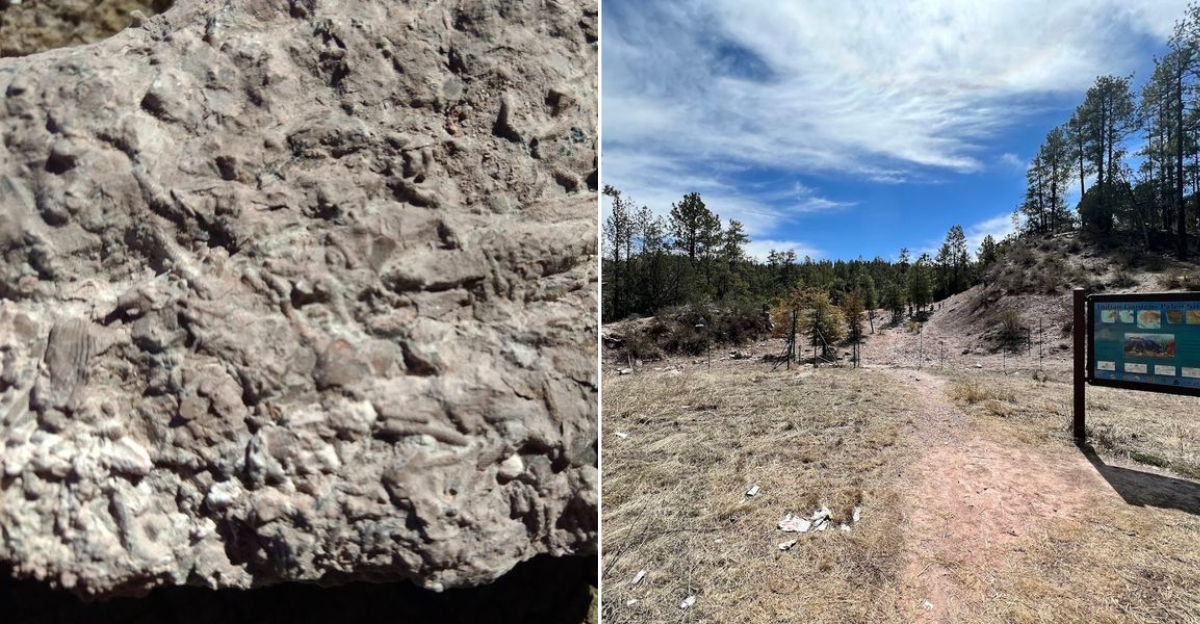
You know how much I love finding hidden gems, but I think I’ve finally stumbled upon the ultimate adventure. I recently spent some time exploring a remote corner of Arizona where the earth opens up to reveal a secret chapter of our planet’s history.
We aren’t talking about recent history here; we are talking about fossils dating back 300 million years.
The silence of the desert is perfect for focusing, and honestly, there is no rush quite like prying back a piece of shale to reveal a fossilized relic that hasn’t seen the light of day since the Paleozoic era. It’s accessible, it’s educational, and it’s arguably the coolest way to spend a day outdoors.
Pack your water and a sturdy pair of boots, we’re going fossil hunting. I visited on a cool morning, and I left with muddy knees, a bucket of brachiopods, and a huge grin on my face.
300 Million Years Of History
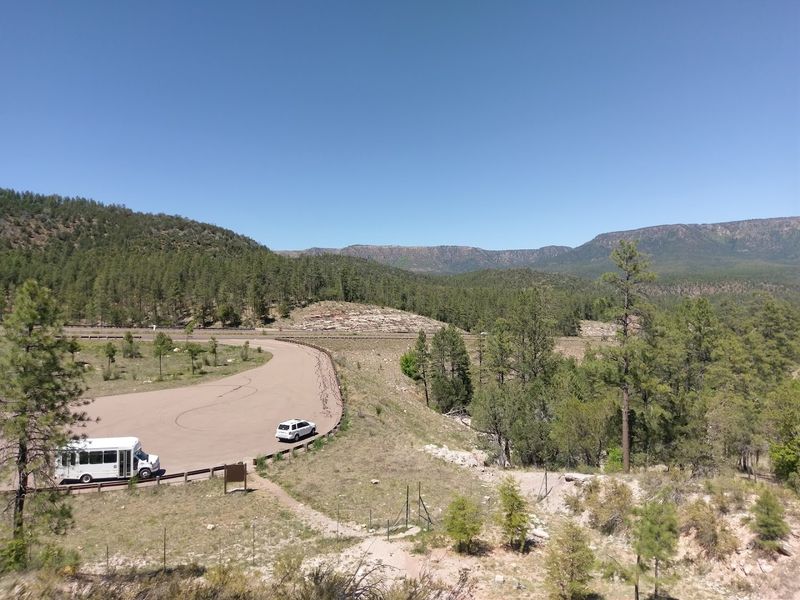
Long before Arizona had deserts, canyons, or even dinosaurs, this corner of the state was sitting at the bottom of a warm, shallow sea.
The Pennsylvanian period, which stretched from roughly 323 to 299 million years ago, left behind an extraordinary record of marine life embedded in the limestone and shale exposed along AZ-260.
The Indian Gardens Paleo Site, also called the Paleo Site Monument, preserves that record in a way that is completely open to the public. A small sign marks the turnoff near the Kohl’s Ranch area, and a dirt parking lot gives you easy access to the fossil-rich outcrops just steps away.
What I found most striking was how ordinary the roadside looks at first glance. You might drive past without a second thought, but once you crouch down and look closely at the rock surfaces, ancient shells and coral structures start appearing everywhere.
This site carries a quiet, powerful reminder that the land beneath our feet has an almost unimaginable backstory.
The Fossils You Can Actually Find Here
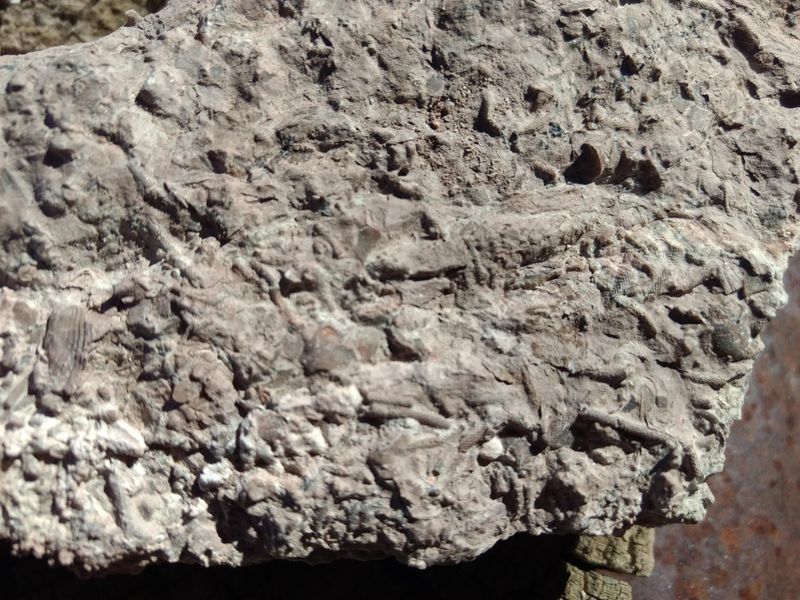
Brachiopods are probably the most common find at this site, and they look like small, ribbed clam shells pressed right into the rock.
Alongside them, you can spot crinoid stem segments, which look like tiny stacked coins, as well as ancient coral formations, small bivalves, bryozoans that resemble delicate sticks, and even worm traces left behind in the sediment.
Mollusks round out the collection, and on a lucky day some visitors have reportedly spotted cartilaginous fish teeth, though those are far rarer. The sheer variety packed into one roadside outcrop is genuinely impressive for a free, casual collecting spot.
I spent about two hours working through loose rock pieces and found brachiopods in almost every handful of material I examined. There is something almost addictive about it. Each rock you flip feels like opening a tiny envelope from 300 million years ago.
The fossils are not always perfectly preserved, but many are clear and recognizable enough to make the experience deeply satisfying for all ages.
What You Are Allowed To Take Home
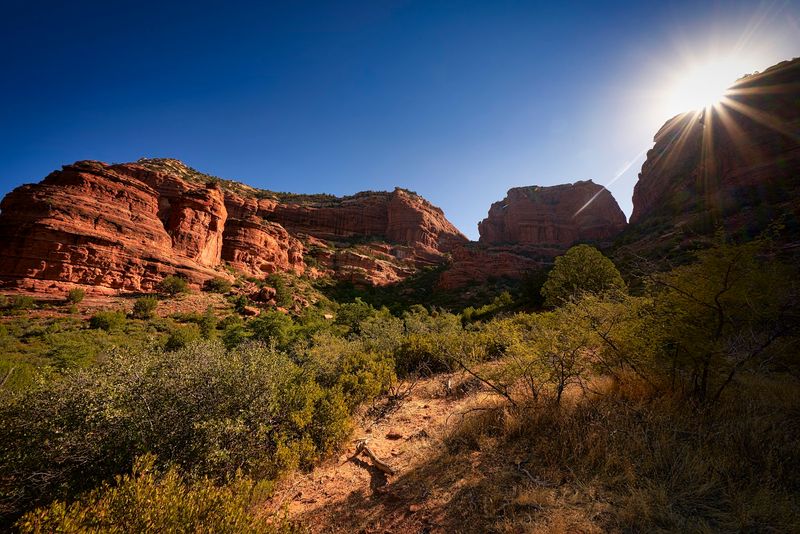
One of the best parts about the Indian Gardens Paleo Site is that collecting is legal and encouraged for casual visitors. Because this land falls under Bureau of Land Management jurisdiction, you are allowed to collect common invertebrate and plant fossils for personal use without needing any kind of permit.
The daily limit is 25 pounds of common non-vertebrate paleontological resources, and the annual maximum is 250 pounds. That might sound like a lot, but a reasonable haul of brachiopods and crinoid pieces adds up faster than you expect.
The key word in all of this is reasonable, so filling an entire truck bed would be pushing it. Vertebrate fossils are off-limits entirely for casual collectors, and the same goes for uncommon invertebrate or plant fossils, which require a formal research permit.
Power tools are also prohibited, so leave the electric equipment at home. Stick to hand tools, follow the posted guidelines, and you will have a perfectly legal, rewarding collecting experience without any complications.
Tools For The Best Fossil Hunting Experience

Showing up without tools at a site like this is a bit like going fishing without a rod. You can still have fun poking around, but the right gear makes a huge difference in what you actually find and bring home.
The recommended toolkit for the Indian Gardens Paleo Site is refreshingly simple and affordable. A rock hammer is the most essential item, used for splitting rocks and exposing fresh fossil surfaces.
A cold chisel helps with more precise work when you want to free a fossil without damaging it. A flat-head screwdriver is handy for prying apart layers of shale, while a soft brush lets you sweep away loose debris to get a clearer look at what you have uncovered.
Bring a sturdy bucket to carry your finds, and pack a few newspaper sheets or small bags to wrap delicate pieces for the drive home. I also recommend bringing a hand lens or small magnifying glass, because some of the finer details on these ancient shells are genuinely worth a closer look.
Getting There And What To Expect
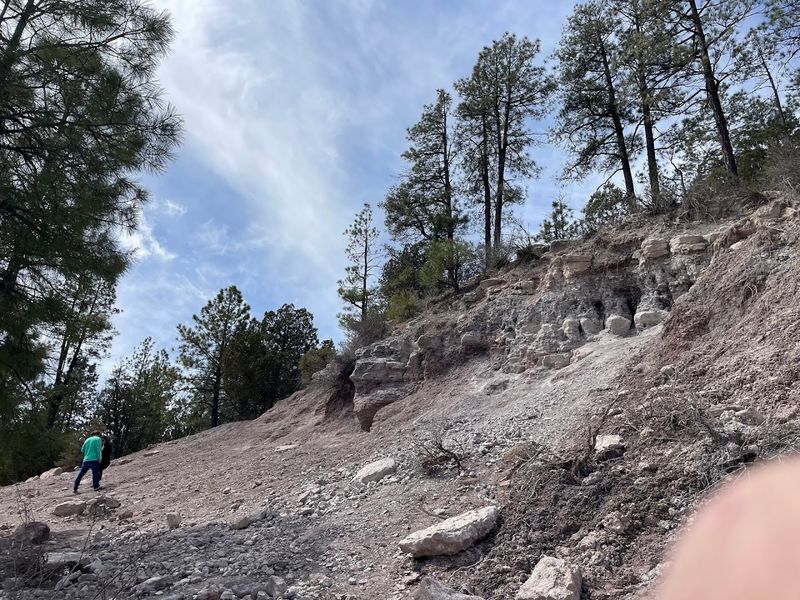
Finding the Indian Gardens Paleo Site is straightforward once you know what to look for. Head east from Payson on Highway AZ-260 for about 12 to 13 miles, keeping an eye out for the Kohl’s Ranch turnoff area.
A roadside sign marks the location, and a small dirt parking lot sits right off the highway. Parking is free, and the site is open to the public year-round. There are no entrance fees, no reservations required, and no ranger station on-site, so it is a true self-guided experience.
That also means you are responsible for your own safety and for following the posted collecting rules. When I pulled in on a weekday morning, there were only two other cars in the lot, which made the whole experience feel refreshingly uncrowded.
The surrounding landscape is beautiful high-country Arizona, with ponderosa pines framing the rocky outcrops. Cell service can be spotty in this area, so download an offline map and review the site rules before you leave home.
Practical Tips For Families
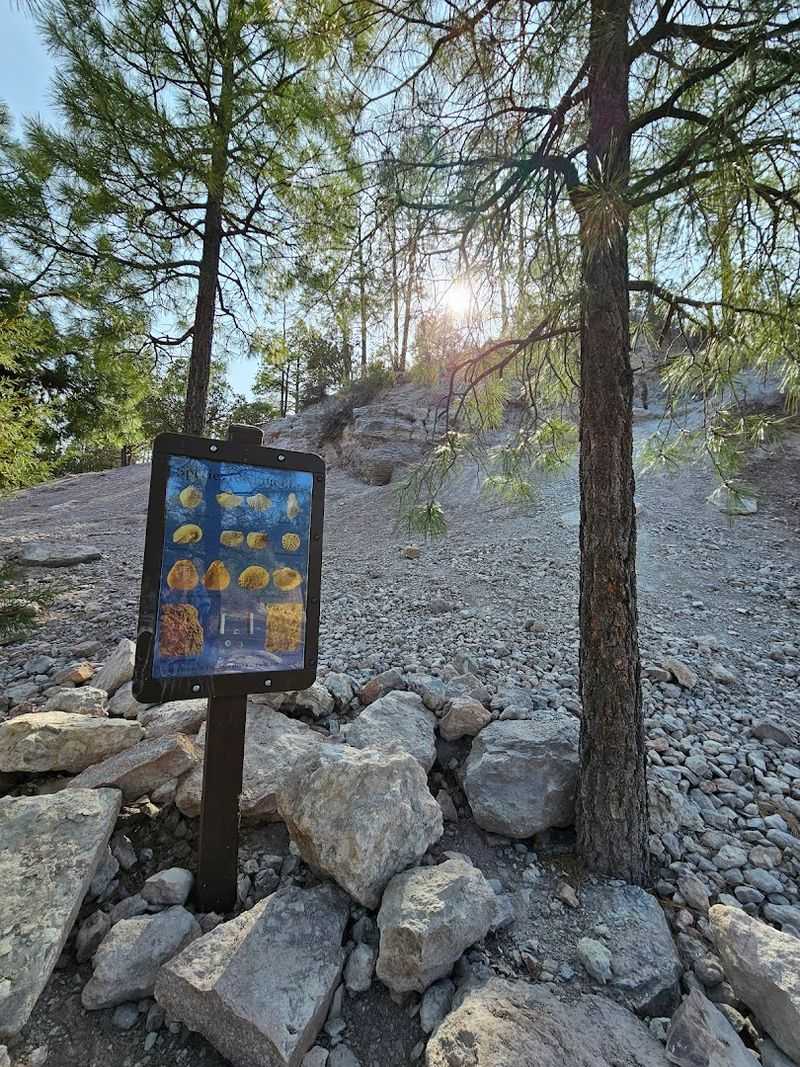
Timing your visit matters more than you might expect at an exposed outdoor site like this one. Summer afternoons in Arizona can push temperatures well above 90 degrees Fahrenheit even at higher elevations, so early mornings or late afternoons are far more comfortable.
Spring and fall are genuinely the sweet spots, offering mild temperatures and often clearer skies. Closed-toe shoes are strongly recommended because the terrain is rocky and uneven.
Sandals or flip-flops will make navigating the site uncomfortable and could lead to minor injuries. Sunscreen, a hat, and plenty of water are non-negotiable essentials, especially if you are bringing kids along.
Families with children will find this site particularly engaging because the fossils are visible at ground level and require no special climbing or technical skill to reach. Kids can hold real 300-million-year-old shells in their hands within minutes of arriving.
Bring snacks, pack patience, and plan to stay at least an hour or two. The site rewards slow, careful exploration far more than a quick walk-through.
Add This Roadside Spot To Your Arizona Itinerary
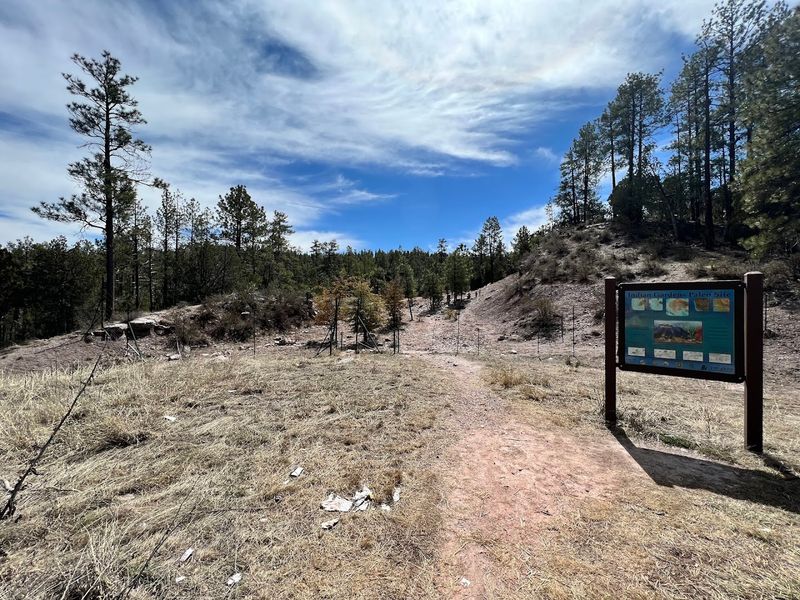
Most roadside stops in Arizona offer a photo opportunity and a stretch of the legs. The Indian Gardens Paleo Site offers something genuinely different: a hands-on connection to a version of this planet that existed long before anything alive today was even imaginable.
That kind of experience is rare, and it costs absolutely nothing to access. The site sits within the broader Tonto National Forest region, which means the surrounding scenery is already worth the drive.
Tall pines, fresh mountain air, and the dramatic terrain of the Mogollon Rim make the journey from Payson a pleasure in its own right.
You are not just visiting a fossil site, you are passing through one of Arizona’s most scenic corridors. I left feeling like I had stumbled onto a genuine secret, even though the site is clearly marked and technically open to everyone.
If you are planning a road trip through central Arizona, building the Indian Gardens Paleo Site into your route is one of those low-effort, high-reward decisions that makes a trip memorable long after you get home.
The Best Time Of Year To Go
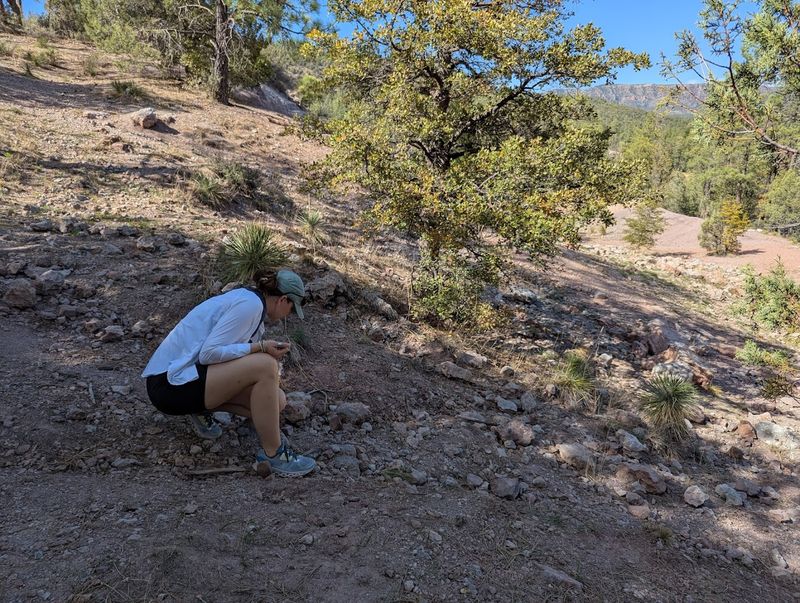
Timing your visit can make a real difference when fossil hunting in Arizona. Summer heat can be brutal, with temperatures soaring past 100 degrees in exposed rocky areas.
Spring and fall offer the most comfortable conditions for exploring outdoors. October through early November is especially popular, when the air is cool and the light is perfect for spotting fossils along the ground. Early mornings are always the best time to head out, no matter the season.
A light rain the night before can work in your favor, washing loose sediment away and exposing brand-new fossil surfaces you might have missed otherwise.
Just make sure the ground is dry enough to walk safely, since loose rock and muddy patches can turn a simple search slippery.
Bring more water than you think you need, because fossil hunting has a sneaky way of stretching a quick stop into a longer treasure hunt. A hat, sturdy shoes, and a small bag for approved finds can make the whole outing easier.
The best visits usually happen when you slow down, scan carefully, and let the desert reveal its ancient details one tiny piece at a time.