
10 Arkansas Campgrounds With Stargazing So Good You’ll Lose Track Of Time
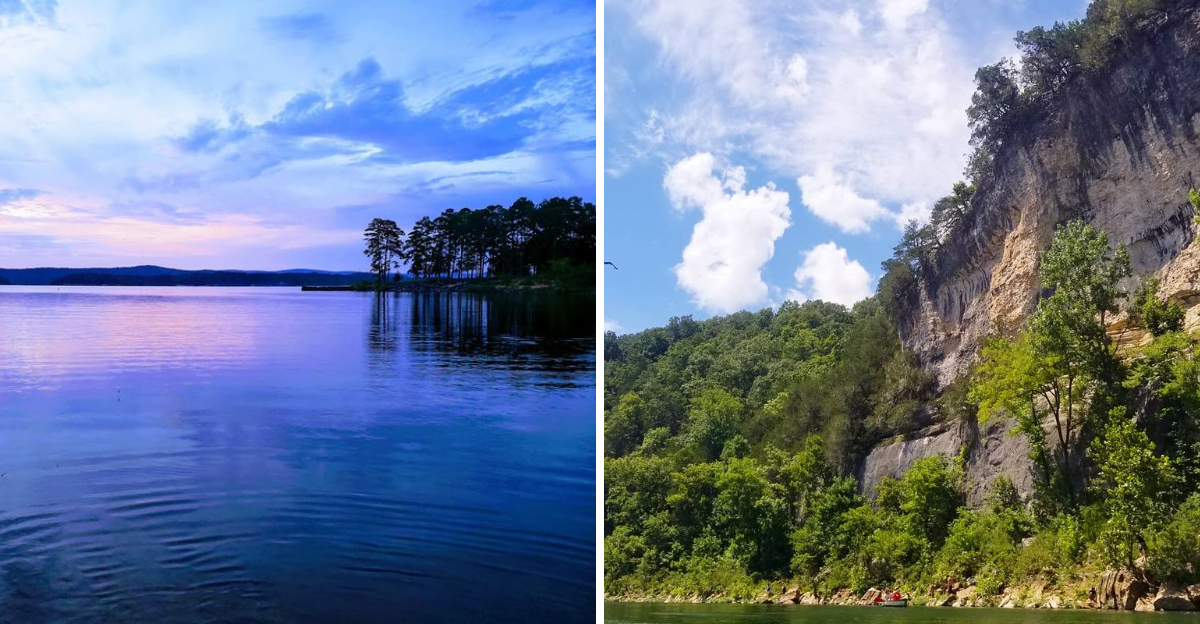
I had the tent in one hand and the flashlight in the other when the sky made me stop. The Ozarks were dark, the campsite was quiet, and overhead the stars looked almost unreal.
I forgot the whole reason I was standing there. That is the pull of Arkansas after sunset.
It catches you mid-task and makes you look up like a kid again. The campgrounds on this list give the night sky room to do its thing, far from the glow that washes out the best parts.
You may plan to take a quick look before bed. Good luck with that.
The Milky Way has a way of turning one glance into ten minutes. Bring a chair and leave room for a slow night.
The best part might not be the campsite at all. It might be the moment everyone stops talking and just watches the sky above quietly.
1. Buffalo Point Campground, Yellville
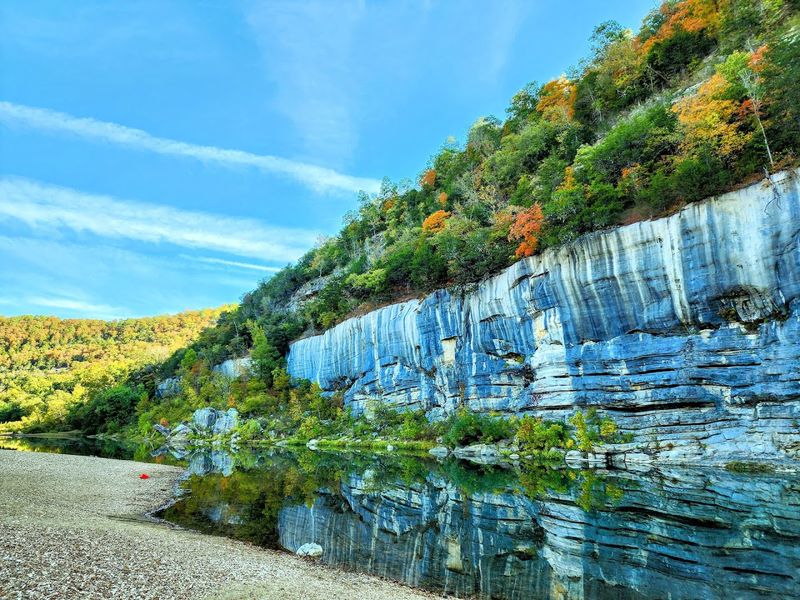
Few campgrounds in the Natural State can match the sheer nighttime drama of Buffalo Point, tucked along the banks of the Buffalo National River at 2261 Hwy 268 E, Yellville, AR 72687.
This is the only campground in the Buffalo National River corridor that offers RV hookups, which means you can stargaze in comfort without sacrificing a prime dark-sky location.
The campground runs parallel to the river, and more than 80 campsites spread through wooded terrain that filters out noise and light pollution beautifully.
One loop stays open during colder months, so fall and winter stargazers are not left out in the cold, so to speak.
Buffalo Point sits within the Buffalo National River, which holds the distinction of being Arkansas’s first International Dark Sky Park, a title earned through serious effort including replacing outdoor fixtures with downward-pointing, dark sky-friendly lighting.
April through October delivers the most jaw-dropping skies, but clear winter nights here have a sharp, glittering quality that summer cannot quite replicate.
Cabins are available to rent if tent camping is not your style, and the river access makes mornings just as rewarding as the evenings.
You will find yourself skipping the campfire some nights just to keep your eyes fully adjusted to the dark.
2. Tyler Bend Campground, St. Joe
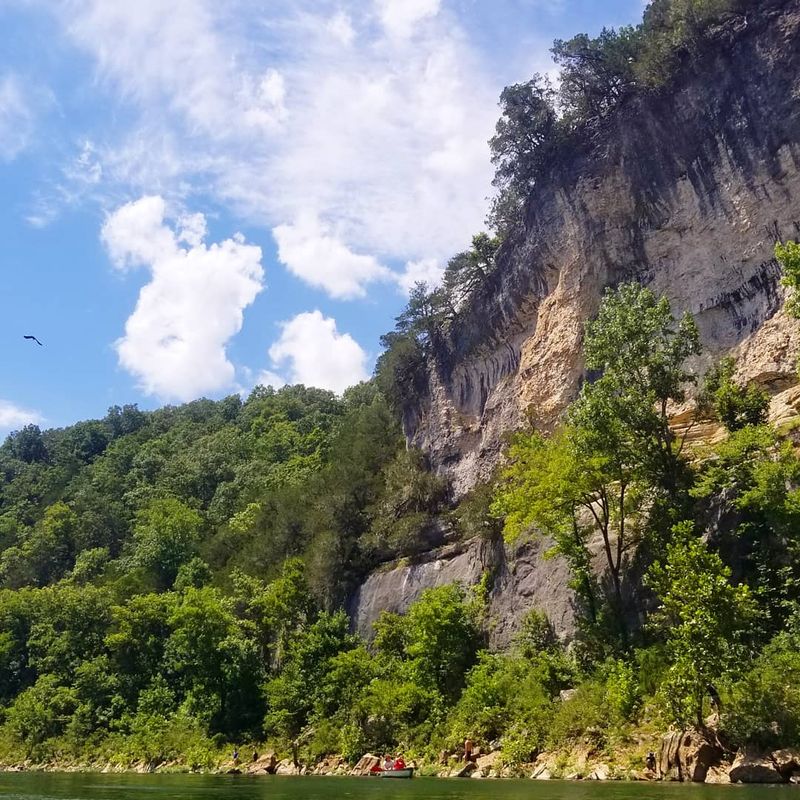
A campground that is actively working toward its own International Dark Sky Park certification is a place worth paying attention to, and Tyler Bend at 2322 Tyler Bend Rd, St. Joe, AR 72675 is doing exactly that.
Park staff have turned off select public lighting after dark specifically to give campers a cleaner view of the night sky above the Buffalo River valley.
Walk-in sites place you away from road traffic and closer to the natural quiet that makes stargazing feel meditative rather than rushed.
Drive-in and group sites round out the options, so the campground works for solo travelers and families alike.
A visitor center and regular ranger programs add an educational layer to your trip, and rangers here genuinely love talking about the stars overhead.
The surrounding hills act as natural barriers against distant light sources, and the river below catches faint moonlight in a way that feels almost staged.
Tyler Bend sits within the same Buffalo National River system as Buffalo Point, benefiting from the same dark sky management practices that earned the park its prestigious designation.
Spring evenings here bring out the tree frogs, which provide a surprisingly pleasant soundtrack for a night of constellation hunting.
Plan to arrive before sunset so you can watch the sky shift from gold to navy to full-on starfield.
3. Steel Creek Campground, Ponca
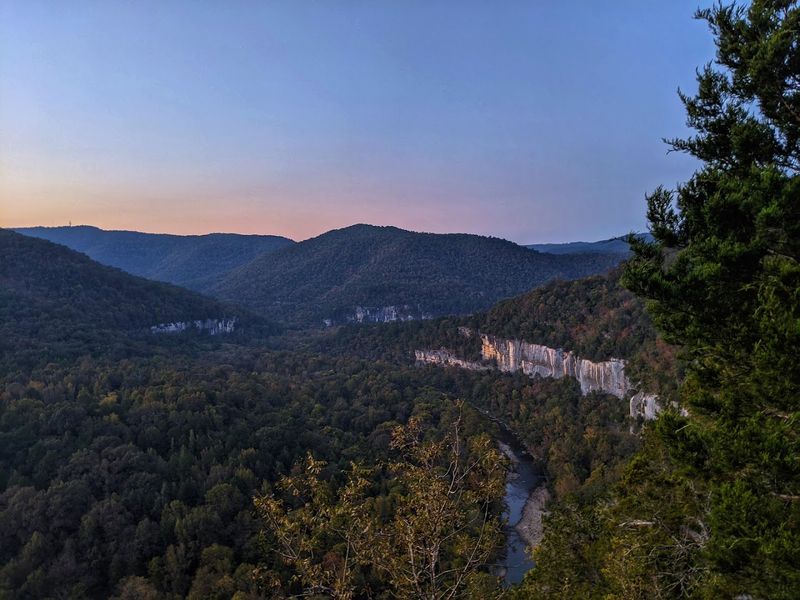
Right at the foot of towering limestone bluffs near Ponca, Steel Creek Campground on Highway 74, Ponca, AR 72670 delivers one of the most dramatic stargazing backdrops you can find without leaving the state.
Open, grassy lots give you an unobstructed view of the sky in multiple directions, which is a real advantage when you are trying to track a meteor shower across a wide arc of darkness.
Steel Creek is tent-only and welcomes horse camping as well, which keeps the campground quiet and free of generator noise that can distract from the experience.
The surrounding mountains create a natural amphitheater effect, and on still nights the silence is deep enough that you can hear your own heartbeat.
Steel Creek falls under the Buffalo National River’s International Dark Sky Park umbrella, meaning the lighting standards here are genuinely strict and the payoff is genuinely spectacular.
The exposed bluffs catch the last light of sunset before plunging into darkness, and that transition from dusk to full night sky happens faster here than you might expect.
Hikers love this spot for daytime access to the Ponca Wilderness, but the real magic reveals itself after dinner when the stars start punching through the blue-black sky one by one.
Bring a red-light headlamp so you can navigate camp without ruining your night vision mid-session.
4. Cossatot River State Park-Natural Area, Wickes
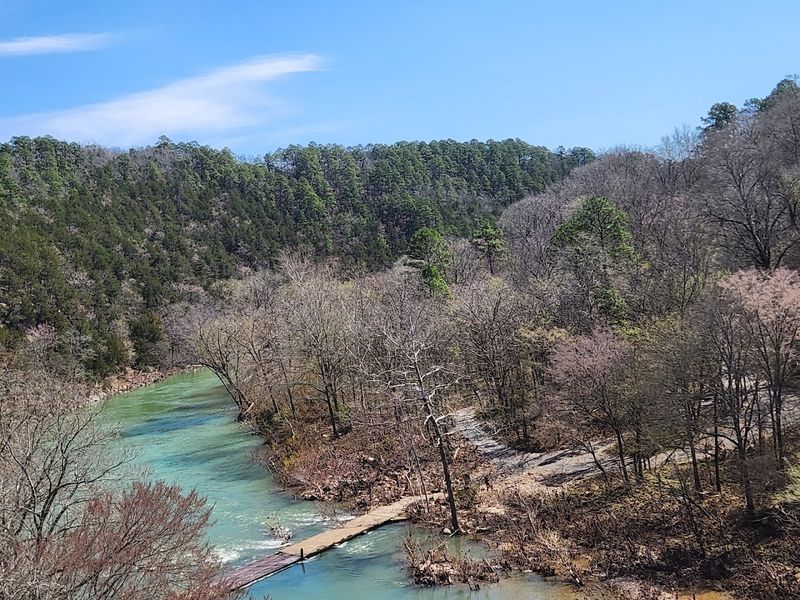
The Cossatot River earned its reputation as one of the most challenging whitewater rivers in the mid-South, but after the kayaks are put away and the sun drops behind the Ouachita Mountains, this park becomes something else entirely.
Located at 1980 Hwy 278 W, Wickes, AR 71973, Cossatot River State Park-Natural Area sits deep in a rural corner of the state where artificial light is genuinely scarce.
The park’s remote setting means the horizon in every direction stays dark, giving the Milky Way room to stretch fully across the sky without competition from town glow.
Camping here puts you close to the river’s edge, and the sound of moving water keeps the atmosphere lively even on the quietest nights.
The natural area designation means the land is managed with minimal development, which works strongly in favor of anyone chasing pristine dark skies.
Fall is a particularly rewarding time to visit, when the hardwood forest shifts to red and orange by day and the cooling air sharpens the clarity of the night sky.
Wildlife is active at night here too, so keep your ears open for owls and the occasional splash from the river below.
A sky this dark in a setting this wild is a combination that does not come along often, and Cossatot delivers both without apology.
5. Mount Magazine State Park Campground, Paris
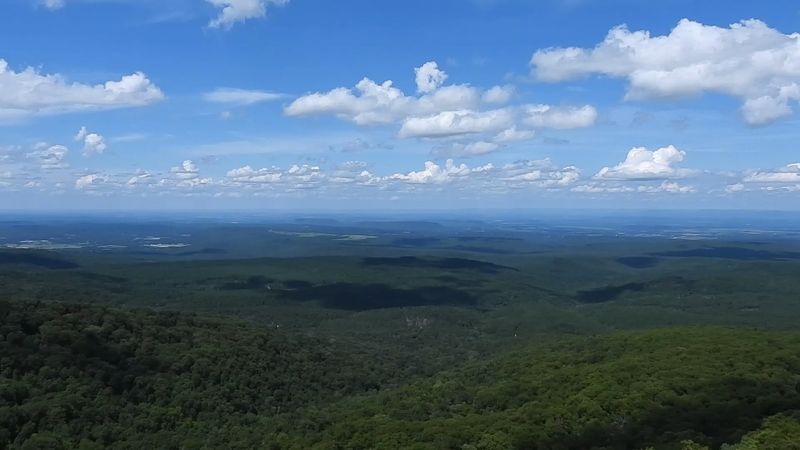
Standing on top of the highest peak in Arkansas tends to put things in perspective, and Mount Magazine State Park Campground at 16878 AR-309, Paris, AR 72855 uses every foot of that elevation to spectacular effect after dark.
The summit plateau creates an open, elevated platform that pushes you closer to the sky while leaving the light pollution of surrounding towns far below the ridgeline.
Campsites here range from basic tent pads to full-hookup RV sites, and the park lodge offers cabin options for those who prefer a roof but still want access to the same extraordinary sky.
The exposed ridgeline catches wind, so bring an extra layer even in summer because nighttime temperatures up top drop faster than you might expect.
Viewing conditions are best on moonless nights when the Milky Way arches over the plateau in a way that feels almost three-dimensional.
The park is known for its butterfly populations by day and its star populations by night, and both are worth planning a trip around.
Nearby trails lead to overlooks that frame the Arkansas River Valley below, and those same overlooks become front-row seats for stargazing once the valley lights dim.
Telescope owners especially love this spot because the flat summit gives them stable ground and minimal atmospheric interference.
A clear night here is the kind you describe to people for years afterward.
6. Queen Wilhelmina State Park Campground, Mena
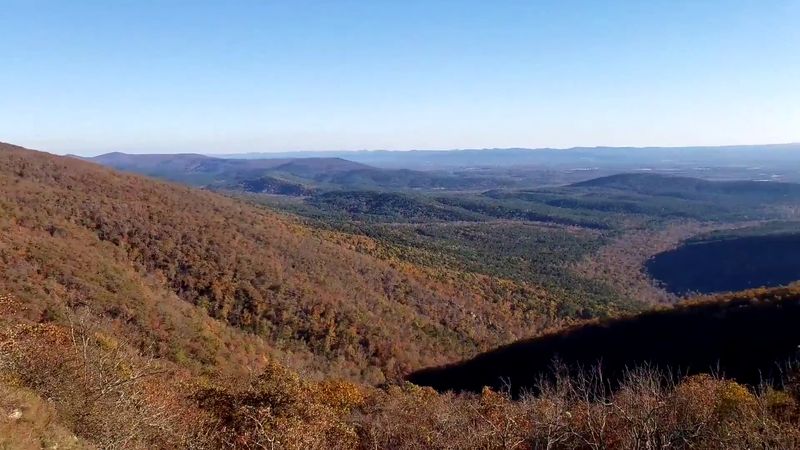
Queen Wilhelmina State Park carries one of the most distinctive names in Arkansas state parks, and its dark sky credentials are just as impressive as the story behind it.
The campground at 3877 Highway 88 W, Mena, AR 71953 sits high in the Ouachita Mountains and holds a Bortle Class 2 rating, which places it among the darkest skies measurable on the standard scale used by astronomers.
A Bortle Class 2 sky means you can see faint nebulae with the naked eye and the zodiacal light stretches visibly across the horizon on the right nights.
Camping options here span frontcountry sites, dispersed camping, and backcountry spots, so the park accommodates everyone from first-time campers to seasoned backpackers chasing the darkest possible conditions.
The park lodge sits nearby and adds a touch of comfort to what is otherwise a genuinely wild mountain setting.
Rich Mountain, where the park sits, rises above the surrounding terrain and creates natural distance from any nearby towns, which is a key reason the skies here stay so impressively dark.
Fall foliage season doubles the appeal, pairing brilliant daytime colors with equally brilliant nighttime skies in a combination that makes the drive up Highway 88 worth every curve.
Bring a star chart and a warm jacket, and let the mountain do the rest of the work.
7. Lake Ouachita State Park Campground, Mountain Pine
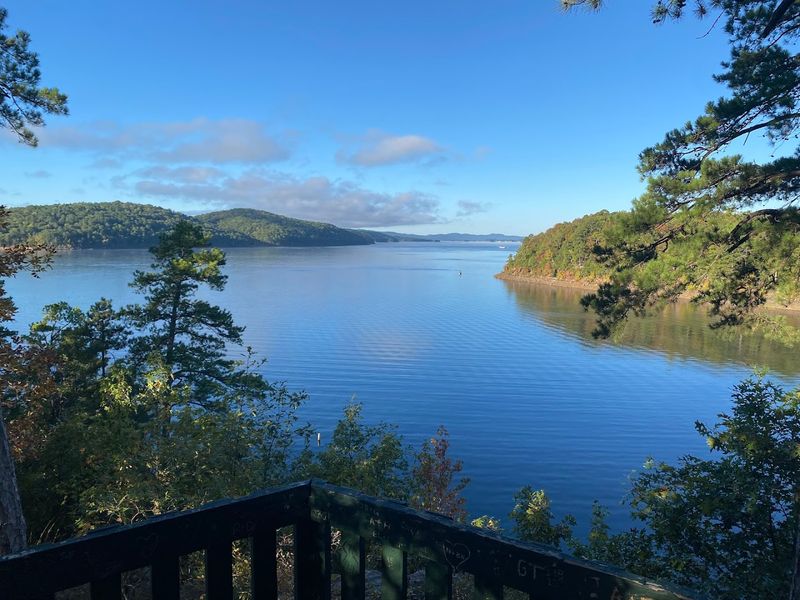
Lake Ouachita is one of the clearest lakes in the country, and at night its glassy surface turns into a mirror for one of the most spectacular skies in the Ouachita Mountain region.
The campground at 5451 Mountain Pine Rd, Mountain Pine, AR 71956 positions you right at the water’s edge, giving you the rare experience of watching stars appear both overhead and reflected below your feet.
The surrounding national forest absorbs light from nearby communities, and the lake’s open water means your sightlines stay wide and unobstructed in every direction.
Campsites range from basic primitive spots to full-hookup pads, and the park offers cabins as well for those who want a comfortable base without sacrificing the dark sky experience.
Summer nights here are warm and calm, perfect for laying a blanket on the dock and watching satellites drift across the sky between constellations.
The park also offers boat rentals, and taking a kayak out onto the lake after dark for a stargazing paddle is an experience that feels genuinely otherworldly.
Hot Springs National Park, a recognized dark sky destination, sits nearby and adds another option if you want to extend your trip through the region.
Wildlife around the lake is active at dusk, so you often get a natural light show from fireflies before the stars take over completely.
Pack a hammock for the trees near the water and thank yourself later.
8. Brady Mountain Campground, Royal
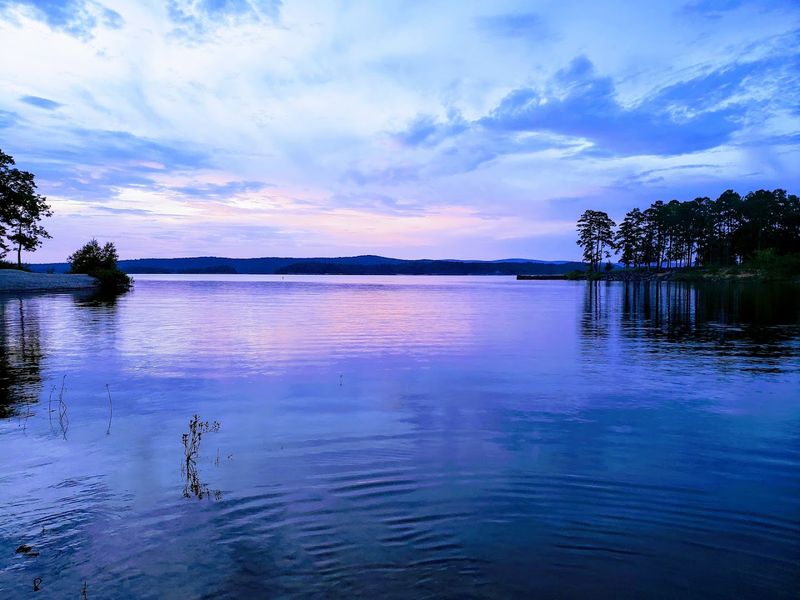
The name says it all in the best possible way: Brady Mountain Overlook at 1320 Brady Mountain Overlook, Royal, AR 71968 gives you a perch above Lake Ouachita that turns nighttime stargazing into a full sensory event.
The campground sits on a ridge that drops away on multiple sides, opening up the sky in a panoramic sweep that flat-ground campgrounds simply cannot match.
Sites here accommodate tents and RVs, and the elevated position means you are already above the tree line in many spots, removing one of the most common obstacles for stargazers.
The Ouachita National Forest surrounds the campground on all sides, and that dense forest coverage keeps nearby roads dark and quiet through the night.
Brady Mountain is a favorite among locals who know the area well, which is usually a reliable sign that a spot is worth the drive down the access road.
The overlook itself is a short walk from several campsites, and standing there at midnight with the lake shimmering faintly below is one of those moments that resets your perspective on everyday life.
Morning fog rolls off the lake at dawn and curls up the mountain in slow ribbons, making the sunrise almost as rewarding as the stargazing the night before.
Pack a thermos and stay for both ends of the night.
9. Lake Fort Smith State Park Campground, Mountainburg
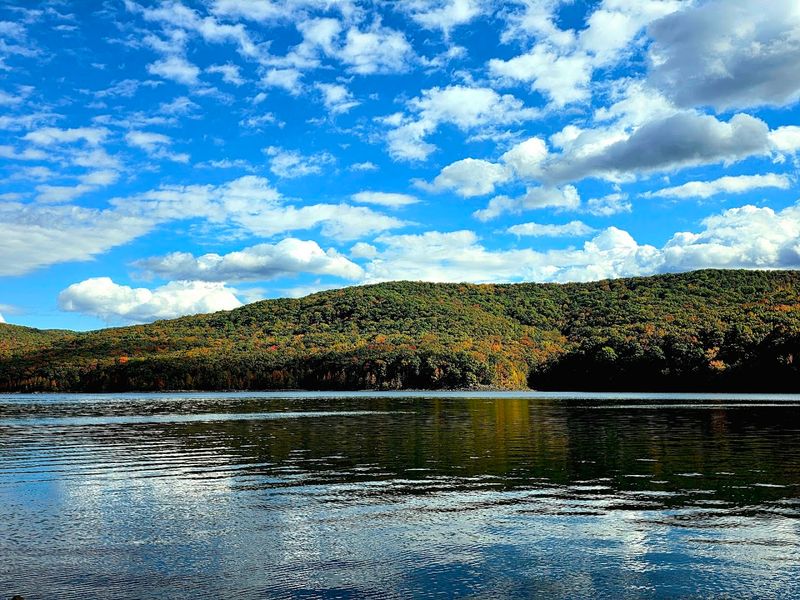
Lake Fort Smith State Park Campground is located at 15458 Sheperd Springs Rd, Mountainburg, AR 72946. It offers a stargazing experience anchored by genuine mountain isolation.
The Boston Mountains are the highest and most rugged section of the Ozark Plateau, and that ruggedness translates directly into darker skies and quieter nights than most campgrounds in the region can offer.
The lake sits at the heart of the park and reflects the night sky on calm evenings, adding a second layer of stars below the ones already spread overhead.
Campsites here include both electric hookup sites and primitive tent pads, giving you flexibility depending on how close to nature you want to get.
The park is popular with hikers who tackle the Lake Fort Smith Trail by day, then reward themselves with a slow evening of stargazing by the water.
Late summer and early fall bring the best combination of warm temperatures and low humidity, which clears the atmosphere and sharpens the stars considerably.
The surrounding forest stays quiet after dark, and the absence of road noise from the nearby highway makes the campground feel more remote than its address might suggest.
A solid pair of binoculars will reveal star clusters and faint galaxies that the naked eye just barely misses on these dark mountain nights.
10. Woolly Hollow State Park Campground, Greenbrier
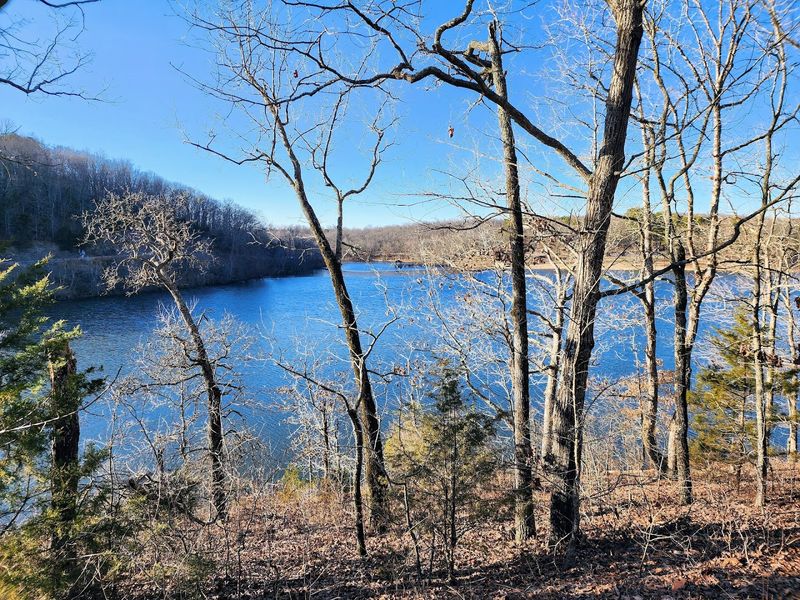
Do not let the name fool you: Woolly Hollow State Park Campground packs a surprisingly dark sky into a park that sits closer to central Arkansas than most people expect. It’s located at 82 Woolly Hollow Rd, Greenbrier, AR 72058.
The park wraps around a small, calm lake ringed by hardwood forest. That combination of water and trees creates a natural buffer that softens the light from nearby Greenbrier and Conway.
Campsites sit close enough to the lake that you can hear the water lapping at night, which adds a peaceful layer of sound to your stargazing session.
The park is compact and intimate, which means you are never far from a clear opening in the tree canopy where the sky opens up beautifully.
Woolly Hollow tends to draw families and weekend campers who discover the stargazing almost by accident, then come back specifically for it the next time.
The Ozark foothills surrounding the park gently block distant town glow, and the lake’s open center gives you a reliable window to the sky even when the trees crowd in on the campsites.
Fireflies put on a reliable show here from late spring through midsummer, bridging the gap between sunset and full dark in a way that feels like a warm-up act for the stars.
Woolly Hollow proves that world-class stargazing does not always require a world-class drive to reach it.