
10 Michigan Amtrak Day Trips Via The Blue Water Line That Make The Ride Worth It
Train travel in Michigan has a quiet charm that road trips cannot replicate. The Blue Water line runs from Chicago through ten Michigan stops, each one pulling passengers into a different pocket of the state.
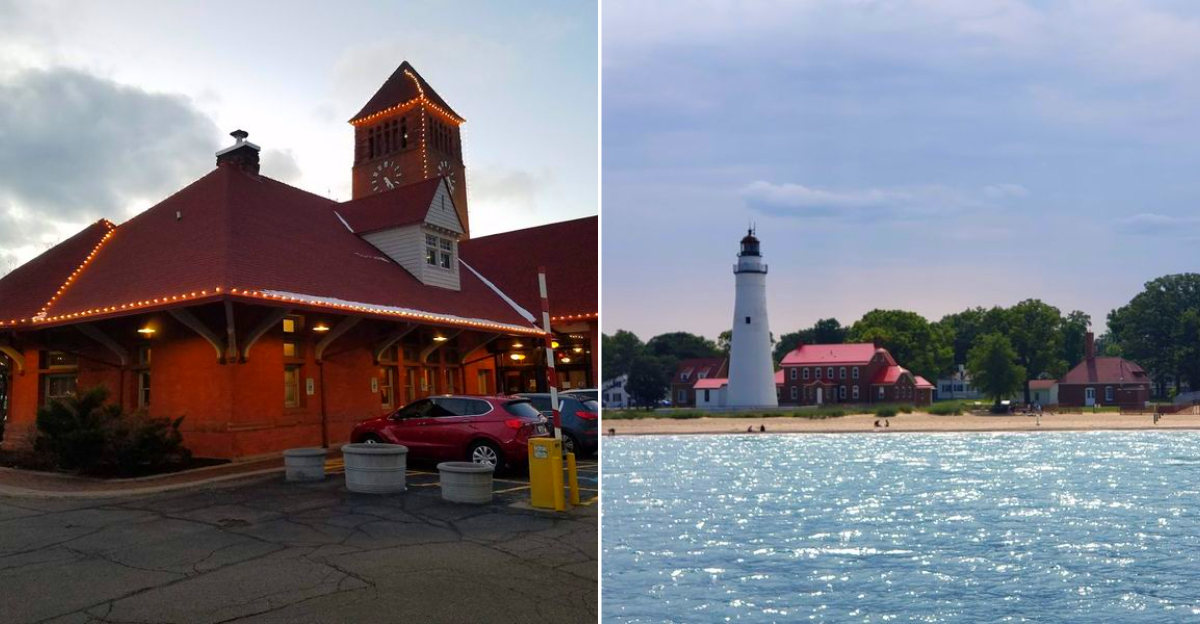
New Buffalo delivers Lake Michigan shoreline within walking distance of the station, Port Huron anchors the eastern end with the Blue Water Bridge and a lighthouse that has guided ships for over a century.
Kalamazoo brings college-town energy, outdoor art, plus walkable downtowns that reward exploration. Smaller stops like Dowagiac and Durand reward travelers who slow down long enough to notice the architecture, diners, Main Street storefronts unchanged in decades.
Battle Creek offers cereal history and a sprawling zoo; East Lansing wraps visitors in campus culture, Lapeer provides small-town peace.
Whether the goal is a museum afternoon, a beach sunset, or a small-town diner breakfast, these ten destinations prove that the ride itself is part of the adventure in Michigan.
1. New Buffalo
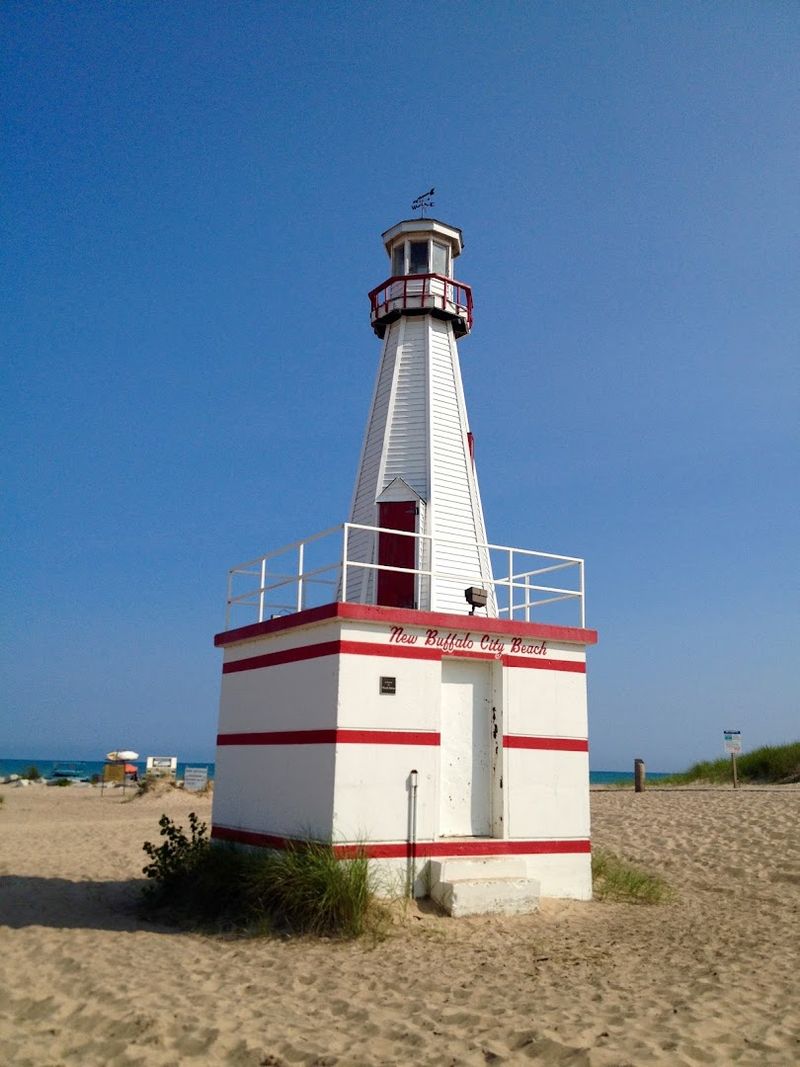
Lake air reaches you quickly after stepping off at New Buffalo Station, 226 North Whittaker Street, New Buffalo, MI 49117. The platform sits close enough to the harbor and beach that the trip immediately feels like a reward for choosing the train instead of fighting summer traffic.
For a same-day Blue Water stop, the smartest plan is almost comically simple: walk toward the marina, follow the lake breeze, eat something casual, and let the schedule loosen a little. Shops, restaurants, ice cream counters, and New Buffalo Public Beach make the itinerary easy without turning it thin.
What I like here is the instant change of atmosphere. Inland Michigan falls away, and suddenly the day belongs to sail masts, sand, gulls, and that bright Lake Michigan light that makes even a short visit feel longer.
You do not need to chase every attraction. Bring a beach bag, check the return schedule, and keep the plan loose.
This is the stop for travelers who want the Blue Water Line to deliver them straight into vacation mode, with just enough walking to make arrival feel delightfully earned. Pack layers too, because Lake Michigan evenings can turn cool fast, even after bright sunny afternoons.
2. Niles
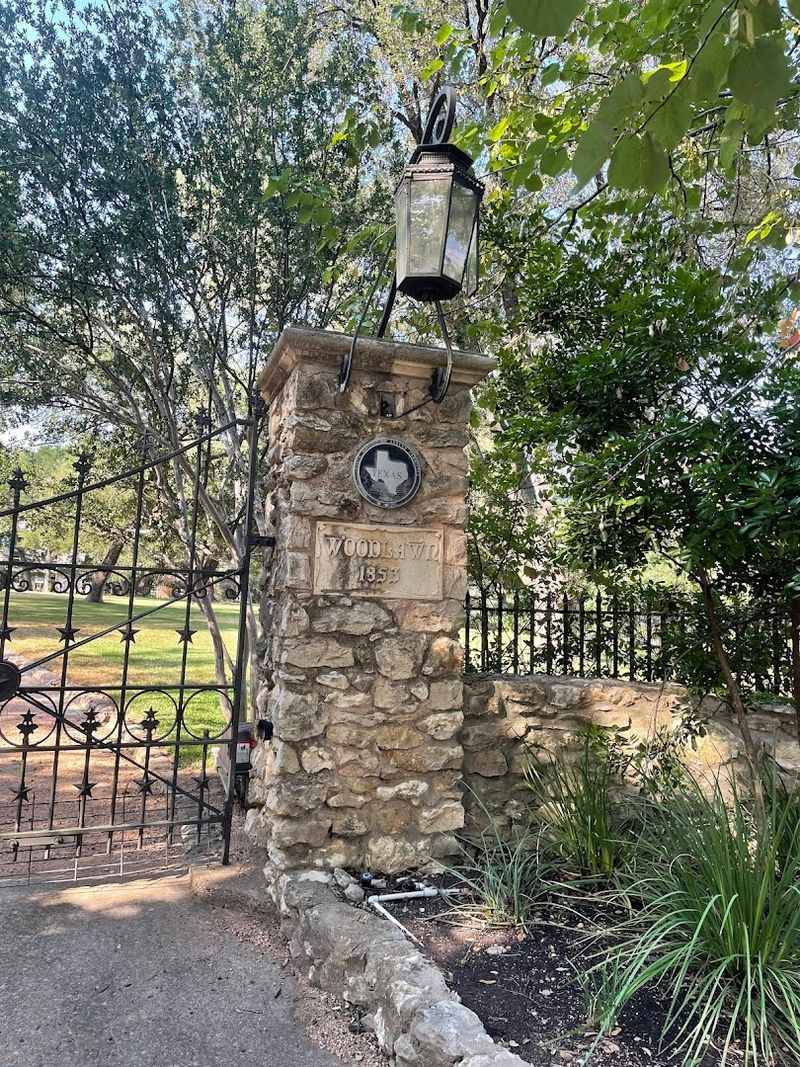
Historic brickwork sets the tone when you arrive at Niles Station, 598 Dey Street, Niles, MI 49120. The depot itself has presence, with its tower, landscaped grounds, and old railroad dignity making the first few minutes feel more intentional than a standard platform stop.
A day here rewards walkers who like towns with visible layers. Downtown Niles sits near the St. Joseph River, and the streets carry that older commercial rhythm of storefronts, bridges, churches, and civic buildings that still seem connected to earlier patterns of trade. It is not flashy, but it has real shape.
The Fort St. Joseph Museum gives the town a useful historical anchor, especially if you want context beyond coffee and a stroll. I would treat Niles as a slow-looking destination: take the river views, browse downtown, pause for lunch, and notice architectural details instead of racing toward a checklist.
The best part is the scale. You can feel oriented quickly, which makes the whole trip calmer.
For travelers who enjoy small cities with roots, this Blue Water stop offers a grounded, pleasantly old-fashioned kind of day. If time allows, add a bakery stop, because small-town pastries make the return ride feel much brighter later.
3. Dowagiac
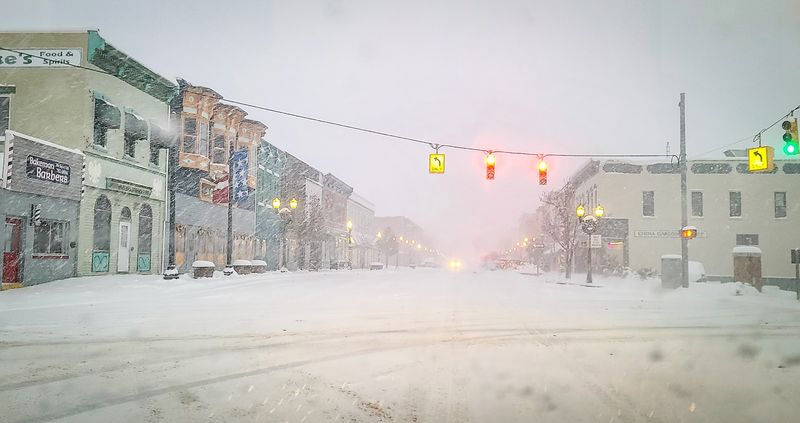
Small-town clarity is the pleasure after stepping off at Dowagiac Station, 200 Depot Drive, Dowagiac, MI 49047. The depot sits close to a compact downtown where the day feels manageable before you have even checked a map, which is a serious advantage on a rail trip.
A visit works best when you let the historic core set the pace. Downtown Dowagiac has preserved storefronts, civic buildings, galleries, and local businesses that make walking feel natural instead of obligatory.
The scale is modest, but the personality is stronger than many travelers expect from an intermediate station.
What I enjoy about this stop is the sense of being somewhere specific. The town grew with the railroad, and the restored depot reinforces that connection before you reach the first shop window.
Come for a quiet lunch, a browse through the center, and a little architectural wandering. Do not overschedule it.
Dowagiac works because it is not trying to become a giant destination. It gives you a clean, human-sized break from the train, and that can feel surprisingly refreshing between bigger Michigan stops.
A farmers market or gallery hour, when available, gives the stop a little extra shine without complicating the afternoon plan much.
4. Kalamazoo
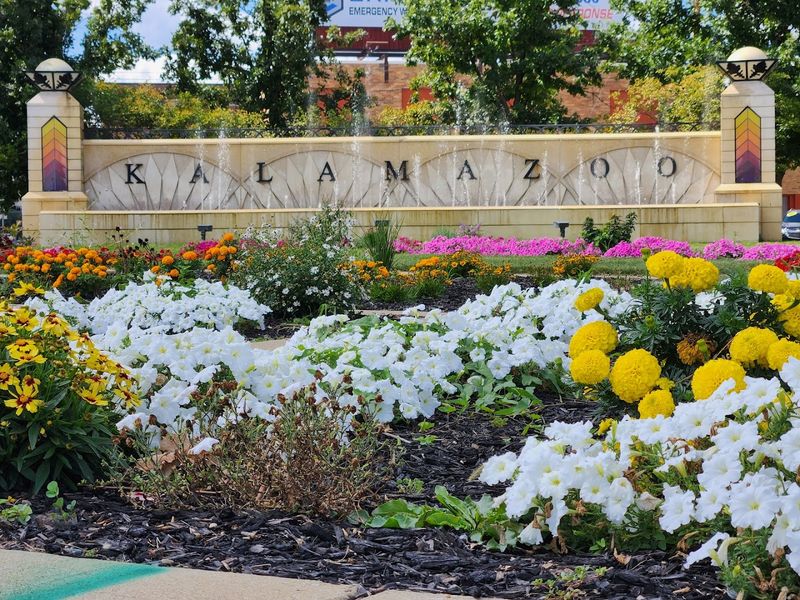
College-town energy starts close to the tracks at Kalamazoo Station, 459 North Burdick Street, Kalamazoo, MI 49007. The historic station anchors the Kalamazoo Transportation Center, and its downtown location makes this one of the easiest Blue Water stops to turn into a full, walkable day.
The city gives you options without requiring a car immediately. Restaurants, coffee, breweries, theaters, and the Kalamazoo Valley Museum all help build a flexible itinerary, while Western Michigan University and Kalamazoo College add that bookish, lively current that keeps the streets from feeling sleepy.
I like Kalamazoo because it can handle several moods. You can make the day about beer and lunch, museum time, a performance, or just wandering the pedestrian-friendly core until something pulls you in.
Bell’s Brewery remains the famous name, but the stop works even if you skip the obvious anchor. Arrive hungry, check hours before committing to indoor stops, and leave a little room for improvisation.
This is not a town that needs a rigid plan; it rewards curiosity, appetite, and a willingness to follow the downtown rhythm. A short bookstore detour never hurts either, especially in a city that makes lingering feel productive rather than lazy on a rail day.
5. Battle Creek
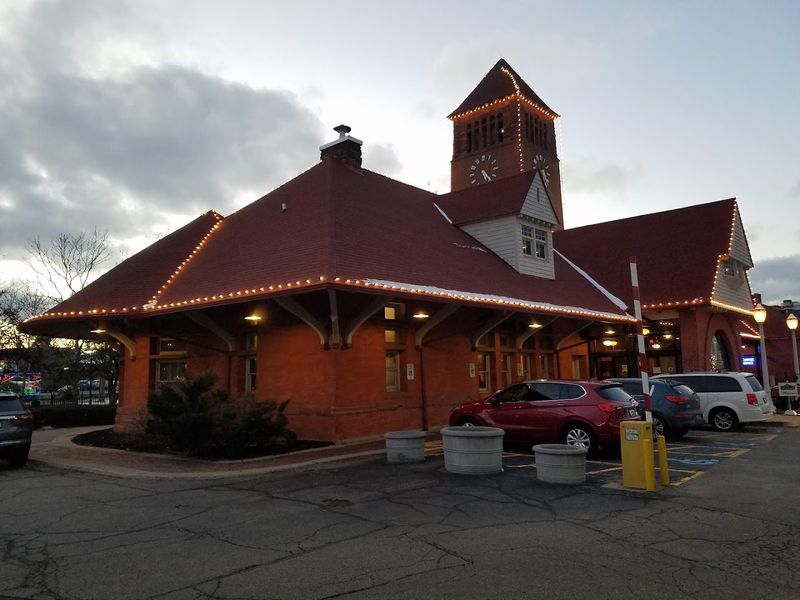
Cereal history follows you almost immediately after arriving at Battle Creek Station, 119 McCamly Street South, Battle Creek, MI 49017. The city is famous for breakfast-food legacy, but the best day trip does not have to turn into one long cereal joke, even if the theme is impossible to ignore.
Downtown gives you a practical starting point, with public art, restaurants, and local stops close enough to make the station feel useful.
Families may want to plan transportation to Binder Park Zoo, one of the area’s biggest attractions, while history-minded visitors can look for sites tied to wellness reform, industry, and the city’s unusual role in American food culture.
What I appreciate about Battle Creek is that it feels more layered than the nickname suggests. Yes, Cereal City is part of the appeal, but there is also a working Midwestern quality that keeps the visit grounded.
Build the day around one main attraction, then give yourself time for a downtown meal or a walk. The Blue Water Line makes the stop easy; the city becomes interesting when you stop treating it like a punchline.
A cereal-themed photo stop is optional, but honestly, resistance feels a little pointless here by lunchtime.
6. East Lansing
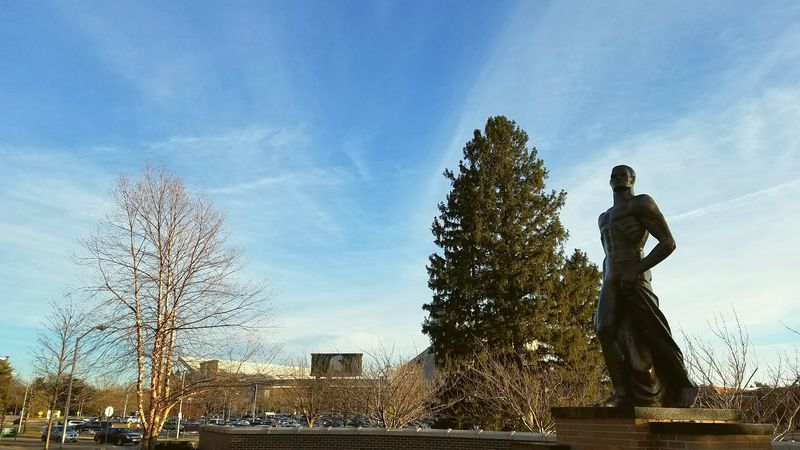
Campus scale defines the experience once you reach the Capital Area Multimodal Gateway, 1240 South Harrison Road, East Lansing, MI 48823. The station sits near Michigan State University, which means the day can expand quickly into gardens, museums, bookstores, sports history, river walks, and food.
A good visit starts with realistic walking expectations. MSU is large, and distances can surprise you if you treat campus like a small downtown square.
The Red Cedar River, W.J. Beal Botanical Garden, Broad Art Museum, and Grand River Avenue all offer different ways to shape the day depending on season and energy.
What I like about East Lansing is its openness. Lawns, paths, academic buildings, students, bikes, and trees create a rhythm that feels active without being overwhelming.
You can come for culture, a casual lunch, a long campus wander, or the pleasure of being somewhere that keeps moving. Check museum hours and game-day calendars before you go, because timing changes everything here.
As a Blue Water stop, East Lansing is strongest when you treat the whole campus district as the attraction, not just one address. A backpack helps, since the best campus day usually involves more walking than expected between meals anyway.
7. Durand
Rail history becomes the destination at Durand Station, 200 South Railroad Street, Durand, MI 48429. Few Blue Water stops connect the romance of arriving by train to the place itself so neatly, because the depot is not background scenery; it is the main event.
The historic Durand Union Station has the kind of architectural presence that makes rail fans slow down immediately. Its grand style, restoration story, and role as the home of the Michigan Railroad History Museum give the stop a strong identity even before you look for anything else in town.
I would not treat Durand as a quick platform photo. The pleasure is in noticing the waiting room, the scale, the detailing, and the way the building reminds you that rail travel once shaped everyday life with much greater force.
Check museum hours before making the trip, because access changes the value of the stop. If the timing works, this is one of the most satisfying places on the Blue Water Line for transportation lovers.
It turns the ride into both the method and the subject of the day. Bring a camera, because the station has angles that reward slow, slightly nerdy attention from nearly every corner.
8. Flint
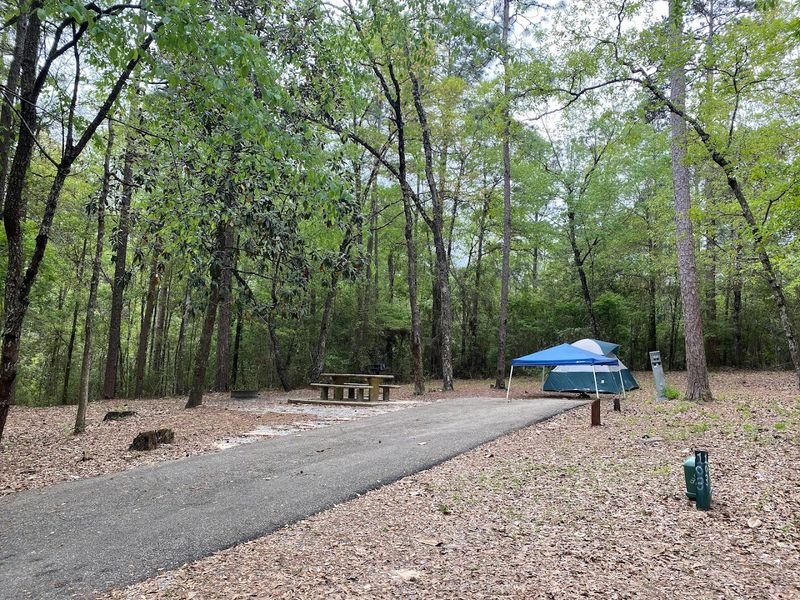
Assumptions start falling away when the train reaches Flint Station, 1407 South Dort Highway, Flint, MI 48503. The station is not right in the cultural district, so a bus, rideshare, or planned pickup helps, but the city rewards travelers who make that extra connection.
The strongest day trip centers on the Flint Cultural Center. The Flint Institute of Arts, Sloan Museum of Discovery, Longway Planetarium, and nearby public spaces give the city a surprisingly dense cultural offering.
Instead of trying to see every corner, choose one or two anchors and let them shape the visit.
What I find compelling about Flint is that the stop asks for a more generous look. Industrial history is part of the story, but so are art, science, community institutions, and ongoing civic texture.
A rail day here feels best when it is intentional rather than casual. Check hours carefully, arrange local transportation, and give yourself enough time inside the museums to make the ride worthwhile.
Flint may not be the easiest stop on the route, but it has more substance than many travelers expect. That seriousness makes the stop feel less like a detour and more like a correction to your mental map too.
9. Lapeer
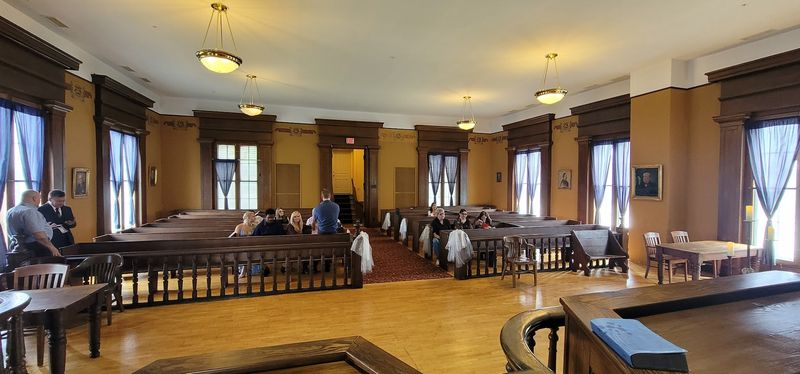
Quiet historic texture is the reward at Lapeer Station, 73 Howard Street, Lapeer, MI 48446. The depot has its own charm, and the surrounding city offers the kind of compact, county-seat steadiness that suits a slower Blue Water Line day.
A visit here works best if you enjoy small downtowns rather than headline attractions. Historic buildings, local shops, coffee stops, courthouse-area wandering, and a manageable street grid make Lapeer feel approachable within a few hours.
Nothing demands that you hurry, which is exactly the point.
I like Lapeer as a palate cleanser between larger stops. It lets you notice ordinary civic details: storefront rhythm, preserved architecture, community events, and the way a railroad town can still feel connected to its depot.
Check business hours before arrival, especially if you are visiting on a quieter day, because small-town timing matters. When things line up, this is a gentle, satisfying stop for travelers who prefer atmosphere over spectacle.
The Blue Water Line brings you into a place that does not oversell itself, and that restraint becomes part of its appeal. A sunny courthouse-square walk gives the visit a gentle center, especially if lunch is nearby and the whole afternoon stays pleasantly open.
10. Port Huron
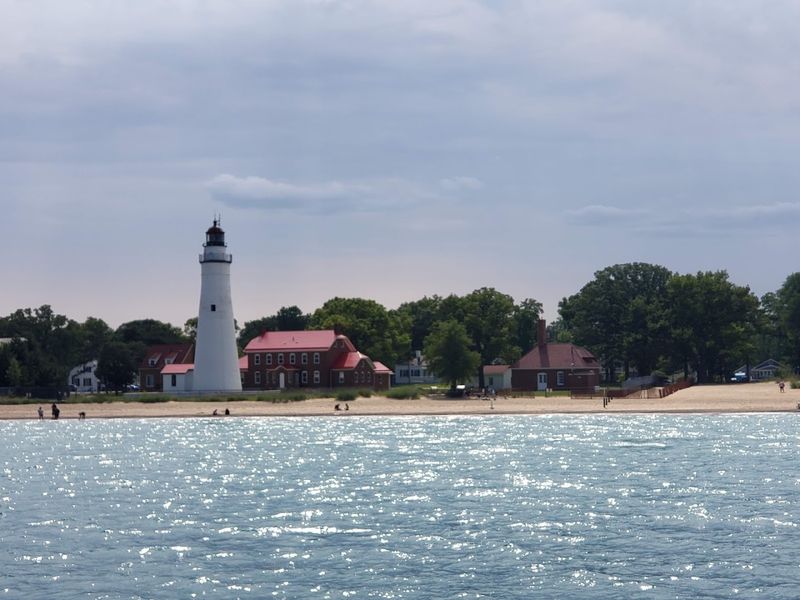
Water gives the finale its force when you arrive at Port Huron Station, 2223 16th Street, Port Huron, MI 48060. The station sits away from the busiest waterfront, so plan a transfer, but the payoff is a city shaped by freighters, river current, lighthouse history, and open lake light.
The Blue Water Bridge, St. Clair River, Fort Gratiot Lighthouse, Blue Water River Walk, and Port Huron Museum all help make this more than an end-of-line technicality. Maritime history feels visible here because ships still move through the landscape instead of being reduced to old photographs.
What I like most is the sense of arrival. After crossing much of Michigan by rail, you end at a place where water takes over the story.
Give yourself a full day if possible, because the riverfront deserves slow time and the lighthouse area rewards lingering. This is not a stop to rush before turning around.
Port Huron works best when you let the train journey conclude with wind, freighters, a long walk, and the feeling that Michigan has finally opened onto something larger. Choose a clear day if possible; this city is at its best when the horizon feels wide and deeply blue today.