
This Remote Michigan Upper Peninsula Campground Takes A 3-Mile Hike To Reach, But The Lake Superior Views Feel Unreal
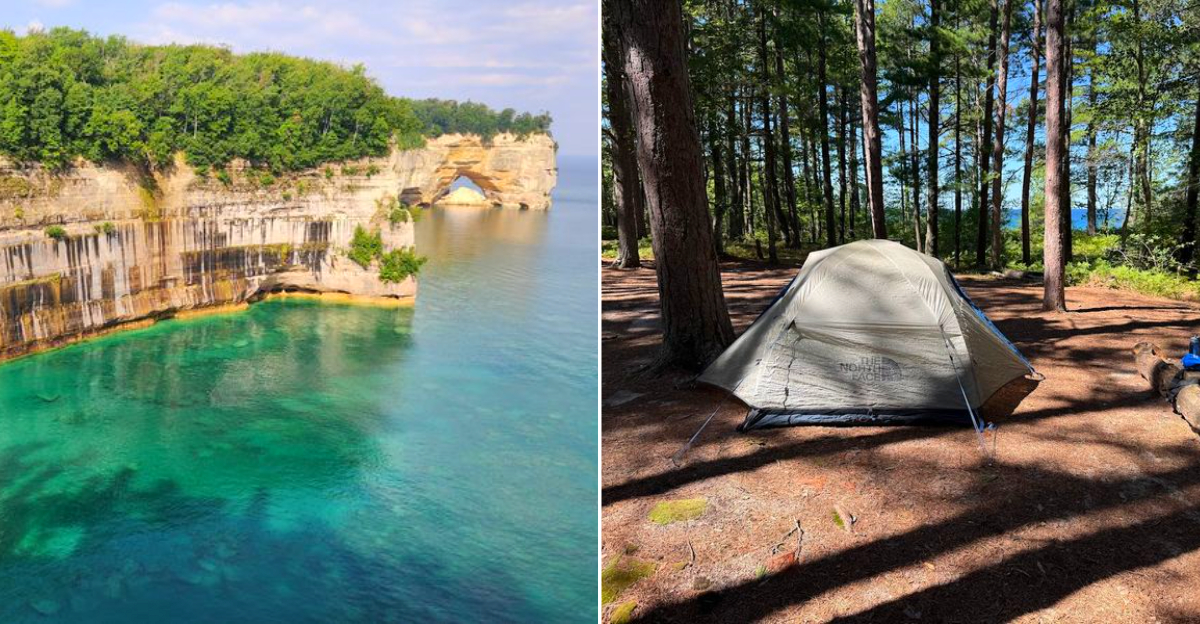
Not every camping spot in Michigan rewards you for the effort it takes to get there. Chapel Beach Campground, tucked into the Pictured Rocks National Lakeshore along Lake Superior, sits roughly three miles from the nearest trailhead.
Every step of that hike passes through old-growth forest dense enough to swallow the sound of the parking lot you left behind.
The payoff arrives all at once: sandstone cliffs rising out of turquoise water, Chapel Rock standing where a tree somehow grows from bare stone, a beach that catches the first light of morning without a single building in sight.
Backcountry permits are required, the campsites are primitive by design, because the point has never been comfort. The point is waking up in a place that looks like it belongs on a postcard, knowing that most people will only ever see it from a boat in Michigan.
Backpack First, Beach Later
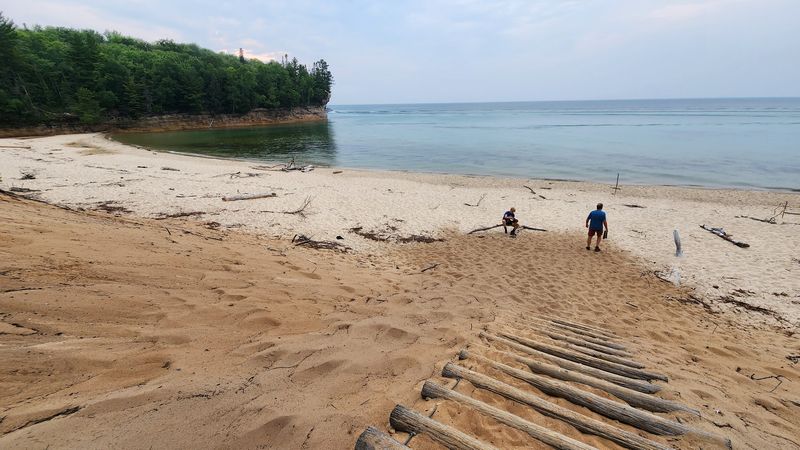
Chapel Beach Campground feels like the kind of Pictured Rocks stop that makes you earn the shoreline before you sleep beside it. This is hike-in backcountry camping, so the adventure starts with your pack, your legs, and the forest trail ahead.
You’ll find it at Chapel Beach Campground, Pictured Rocks National Lakeshore, Munising, Michigan 49862, with overnight stays requiring a backcountry permit reserved through Recreation.gov.
Arrive prepared, not casual. There is no rolling up to a campsite with a cooler and a folding chair; the reward comes after the hike, when Lake Superior opens up and the campground feels wonderfully far from the parking lot.
Pack For A True Hike-In Site
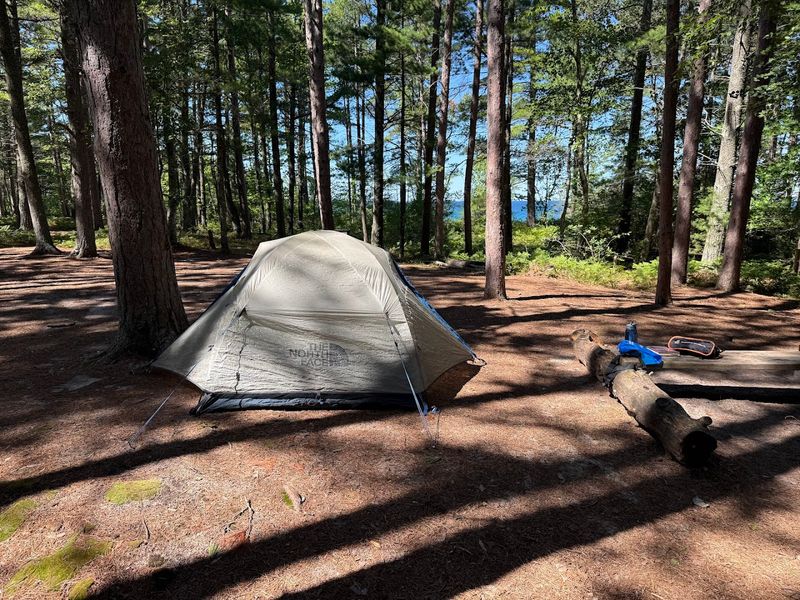
Nothing about Chapel Beach works well with overpacking. This is a backcountry campground with only six numbered sites, and everything feels easier when your load matches the reality of a three-mile walk instead of a drive-up stay.
A light tent, practical layers, compact food, and a camp stove make much more sense here than bulky extras that sound comforting in a parking lot.
Campfires are prohibited, so dinner planning should be simple and stove-based from the start. Each site has a bear-proof food locker, which solves one important problem, but it does not excuse messy packing.
The smartest approach is to carry less, organize better, and save your energy for the shoreline and the cliff views that make the walk worth it.
Start Earlier Than You Think
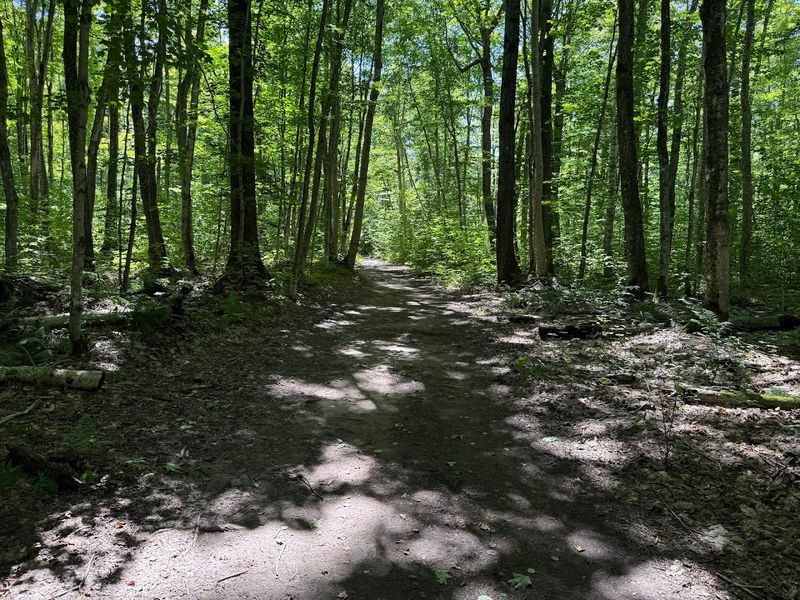
The first surprise at Chapel Beach is that the difficulty can start before the actual backpacking does. Chapel Road is rough, the trailhead is popular, and summer or early fall parking often fills by around 9 AM, so arriving late can turn a calm plan into a scramble.
If you are aiming for an overnight here, treat the drive in as part of the logistics, not a casual prelude.
Once you shoulder your pack, the three-mile hike feels much more pleasant when you are not already flustered. I found that an early start made the whole place read differently, with quieter trails, cooler air, and enough margin to reach camp, filter water, and still enjoy the beach before evening changed the lake.
Pick Your Campsite Expectations Carefully
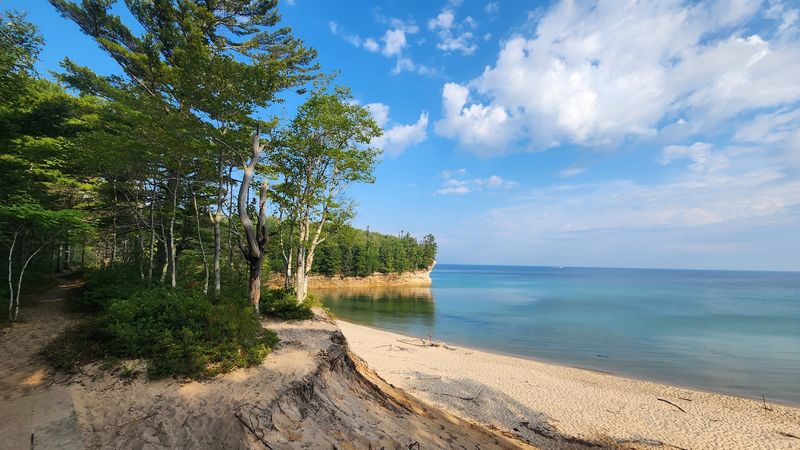
One reason Chapel Beach stays memorable is that its six campsites do not all feel the same. Some have stronger Lake Superior or cliff-line views, while others sit more quietly among the trees, and each site is designed for one to six people with a maximum of three tents or hammocks.
That means your overnight experience can tilt toward scenery, shelter, or separation depending on where you land.
Even so, this is not a giant campground with endless private corners. During peak season, you may still notice nearby campers and daytime foot traffic from the popular Chapel area trails.
What I appreciated most was adjusting expectations early: it is remote by access, not always by silence, and that distinction makes the good parts easier to notice once the beach settles down toward evening.
Plan Your Water Before You Get Thirsty
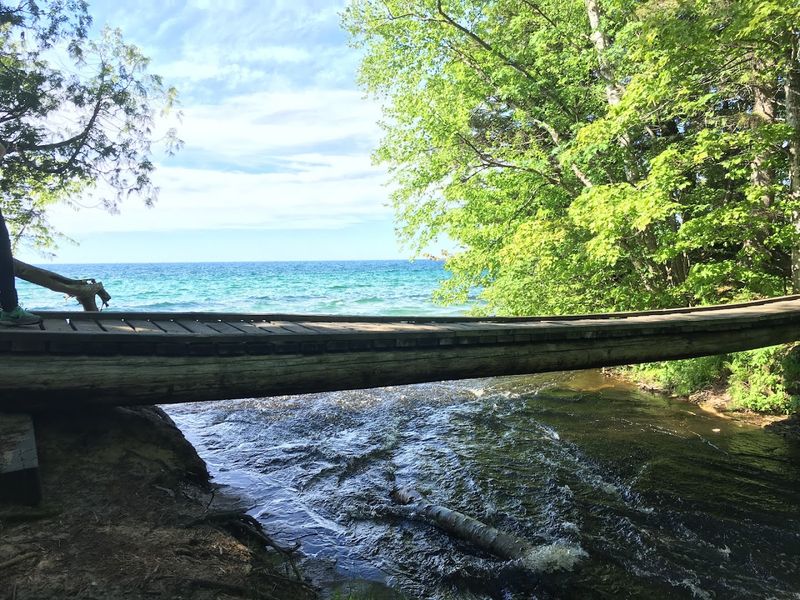
The lake can look abundant enough to make you forget the basic rule here: there is no potable water at Chapel Beach Campground. Campers need to filter or treat water from Chapel Creek or Lake Superior, and that is one detail I would never leave to improvisation.
Bring the system you already trust, plus enough bottles or bladders to avoid repeated trips when the weather turns windy or cold.
Chapel Creek is often the practical source, especially because it is close to camp and easier to manage than open lake water in rough conditions. Lake Superior is beautiful, not convenient, and certainly not casual.
If you arrive with a reliable filter, backup treatment, and a habit of topping off early, the whole campground immediately feels calmer and more manageable.
Treat The Beach Weather With Respect
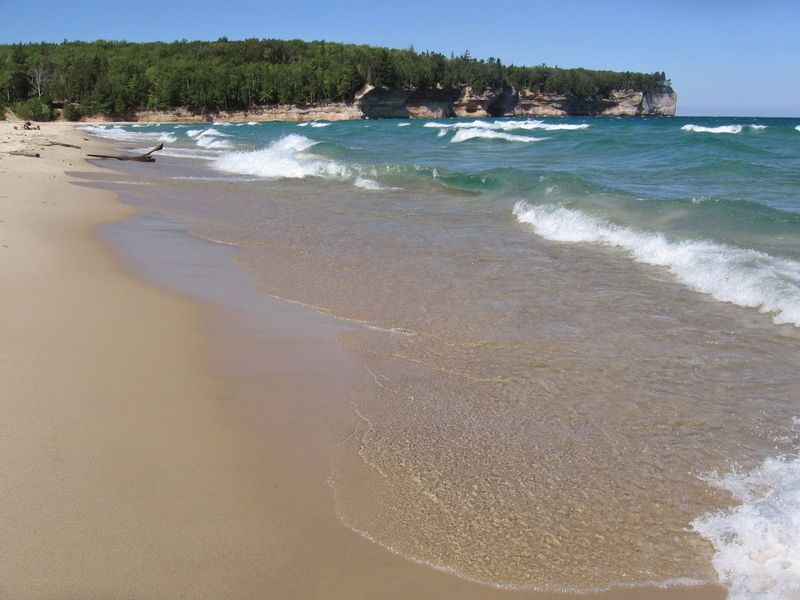
Lake Superior has a talent for making warm forecasts feel theoretical. At Chapel Beach, even summer can bring chilly wind, cold water, rain, and a beach mood that changes quickly once the light shifts.
The shoreline is gorgeous enough to distract you from the obvious, which is precisely why warm layers, rain protection, and dry sleeping clothes deserve space in your pack.
I would not call the hike especially punishing for experienced walkers, but weather can make an easy plan feel clumsy fast. Strong currents also matter if you are tempted to treat the lake like a simple swim stop.
This is the kind of campsite where comfort comes less from luxury than from one good fleece, a sensible shell, and respect for what Superior tends to do.
Expect Bugs And Day Visitors
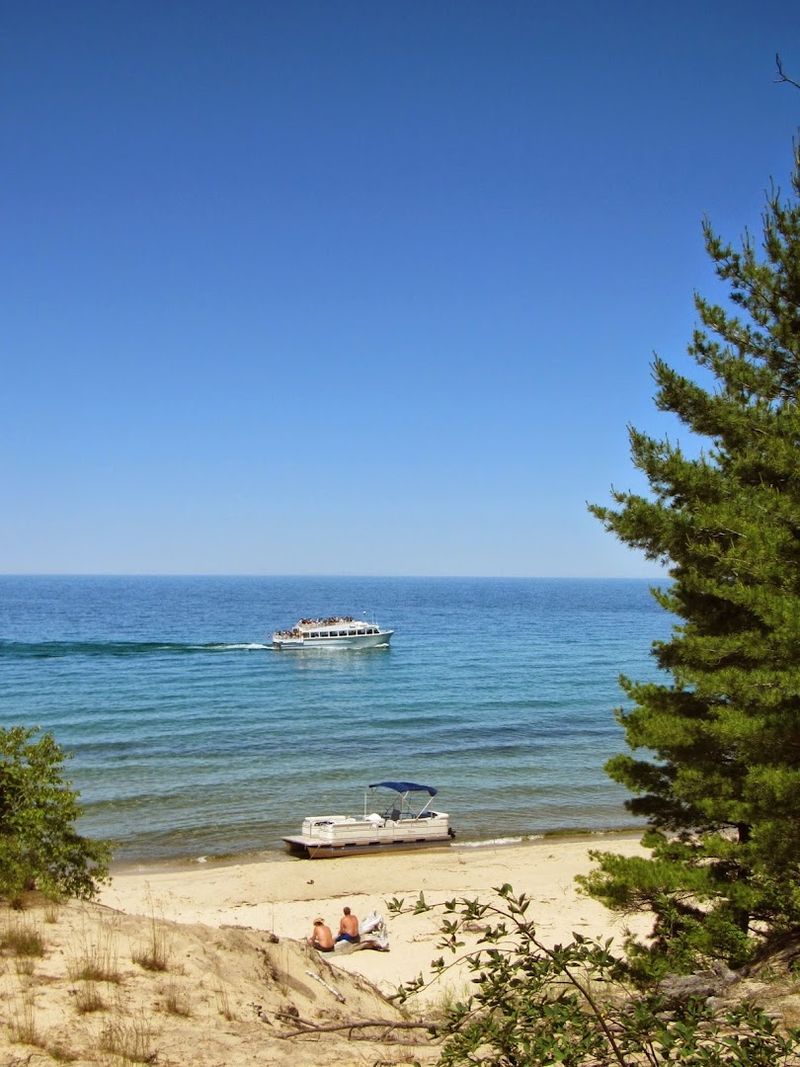
The oddest contrast at Chapel Beach is how remote your campsite can feel while the beach itself still has daytime energy. This part of Pictured Rocks is a popular day-use area, so you may see hikers passing through, especially in busier months, and boat tours sometimes move offshore along the cliffs.
That activity does not ruin the place, but it does change the fantasy many people bring to the word backcountry.
Then there are the biting flies, which can be annoying enough to reorganize your afternoon. Long sleeves, timing, and a bit of patience help more than dramatic suffering.
If you understand that solitude tends to improve later in the day, you can use the busy hours for a shoreline walk, water chores, or simply watching the scene shift as the trail traffic gradually thins.
Use The Campground As A Base, Not Just A Bed
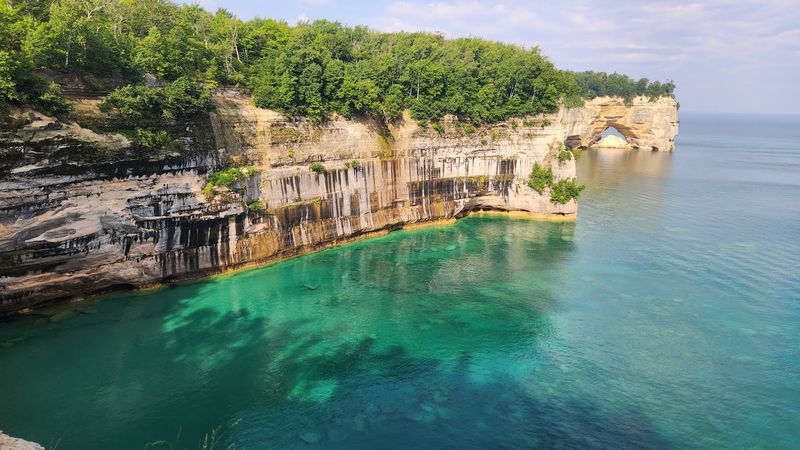
A night at Chapel Beach changes the geography in your head. Famous features in the Chapel area, including the sandstone cliffs and Chapel Rock, stop feeling like checkpoints on a crowded day hike and start feeling like neighbors you can visit when the timing suits you.
That simple shift is the real luxury here, more than any amenity the campground does or does not have.
Because you are already in place, it becomes easier to hike with a lighter day setup after camp is established. I liked that rhythm far more than trying to force every landmark into one long loop under a full pack.
Staying overnight gives the shoreline room to breathe, and it lets you notice details such as changing light, quieter trails, and the steady sound of water working at the beach.
Take The Primitive Amenities Seriously
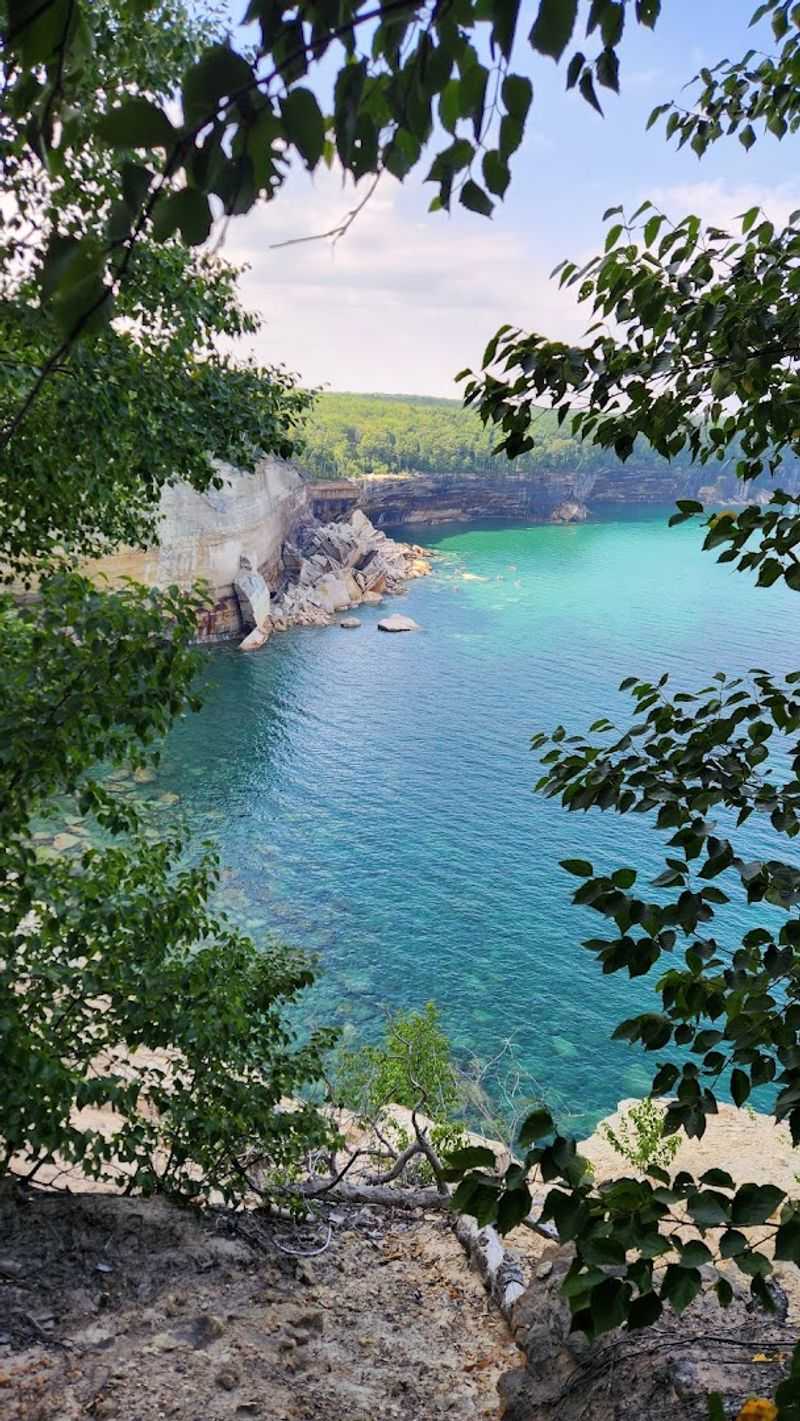
Chapel Beach has seasonal shared vault toilets, and that counts as useful infrastructure, not pampering. Conditions are primitive, maintenance can vary, and bringing your own hand sanitizer is one of those unglamorous decisions that pays off immediately.
The campground works best when you treat every basic amenity as helpful but limited, rather than assuming it will function like a front-country campground.
The same practical mindset applies to trash, cooking, and camp organization. Leave No Trace matters here, and packing out everything is part of the bargain for sleeping in a place this beautiful.
I also found that a tidy site makes the whole evening easier, especially when wind picks up or a simple task suddenly becomes more awkward in sand, trees, and fading light.
Respect The Cliffs, The Beach, And The Rules
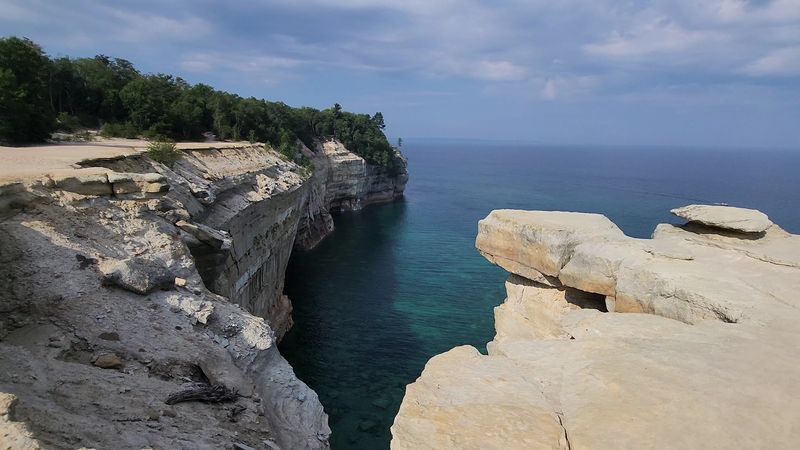
Some places invite drama, and Chapel Beach is better if you resist the urge to add any.
Stay away from cliff edges for your own safety and to help reduce erosion, keep food secured in the bear-proof locker because bear activity has been noted in the area, and remember that pets are not allowed on Chapel Beach, the Chapel area trails, or any backcountry campground here.
The rules are specific because the landscape is fragile and heavily loved. That is also why this shoreline feels so intact once evening settles over it. The beach, creek mouth, and cliff views are not improved by shortcuts, scrambling, or casual rule bending.
When visitors move carefully, the place keeps its balance, and your time there feels less like consumption and more like being trusted with something rare.
Choose Your Season With Honesty
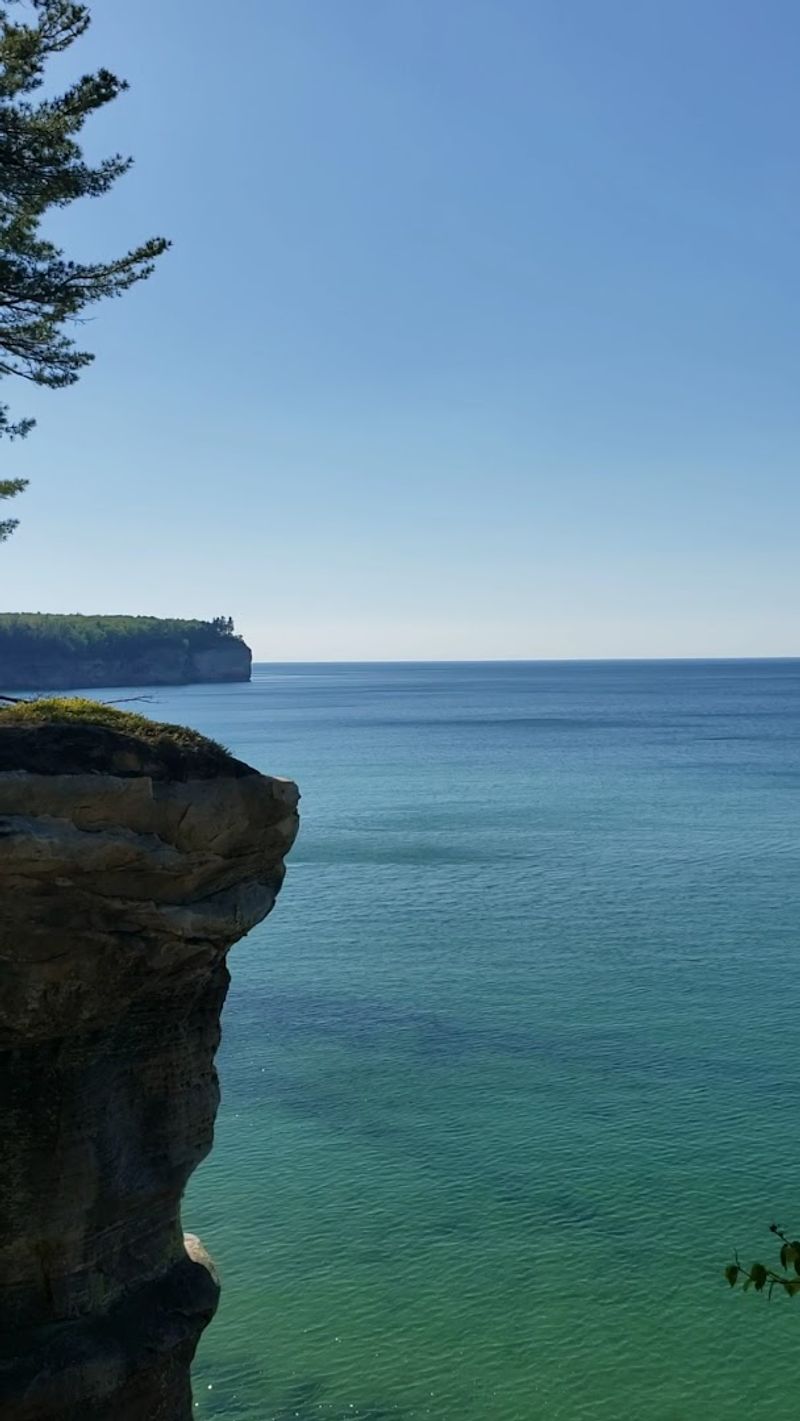
The best time for Chapel Beach depends less on a universal ideal and more on your tolerance for company, insects, and temperature swings.
Summer and early fall bring strong scenery and accessible trail conditions, but they also bring crowded parking, more foot traffic, and a campground that can feel less solitary than its map location suggests. Shoulder seasons can be quieter, though they ask for more caution with weather and comfort.
That tradeoff is the whole personality of the place. If you want a social-adjacent, high-demand version of backcountry, peak season works fine.
If you want the beach and forest to exhale a little, a quieter weekday or later season may suit you better, provided you pack warmly, check conditions carefully, and accept that Lake Superior never really agrees to be easy.