
This Community Art Studio Near Detroit, Michigan, Offers Pottery Wheels, Open Studio Nights, And A Loyal Following Of Local Artists

A building that has been shaping clay since 1903 is bound to know something about shaping community. Pewabic Pottery, occupying a Tudor-style National Historic Landmark on Detroit’s east side, has spent over a century turning raw earth into art with no intention of stopping.
Visitors walk through the gallery store past shelves of handcrafted vases and tiles, then climb to the second-floor museum where the founding family’s original glazes still set the standard for ceramic artists nationwide.
Downstairs, the working studio keeps production running: pottery wheels turning, kilns firing, artisans shaping architectural tiles for installations around the city.
Tile glazing workshops let first-timers coat their own pieces in Pewabic’s signature colors, and studio sessions draw regulars back week after week.
A loyal following of local artists who return season after season proves that a place built on craft does not need a marketing campaign to fill its studio sessions in Michigan.
Start With The Building Before The Shelves

Before looking at a single vase, pause outside and let the building do some of the talking. Pewabic Pottery operates from a National Historic Landmark on Detroit’s east side, and that status feels earned the moment you notice the brickwork, the proportions, and the quiet seriousness of the place.
It does not posture as quaint. Founded in 1903, Pewabic is among the oldest continually operating potteries in the United States. Knowing that changes the visit, because the shop and museum stop feeling like separate attractions and start reading as one long civic sentence.
You arrive for ceramics, but the architecture gently reminds you that Detroit has been making beauty here for a very long time.
Detroit Tile With A Century Of Shine
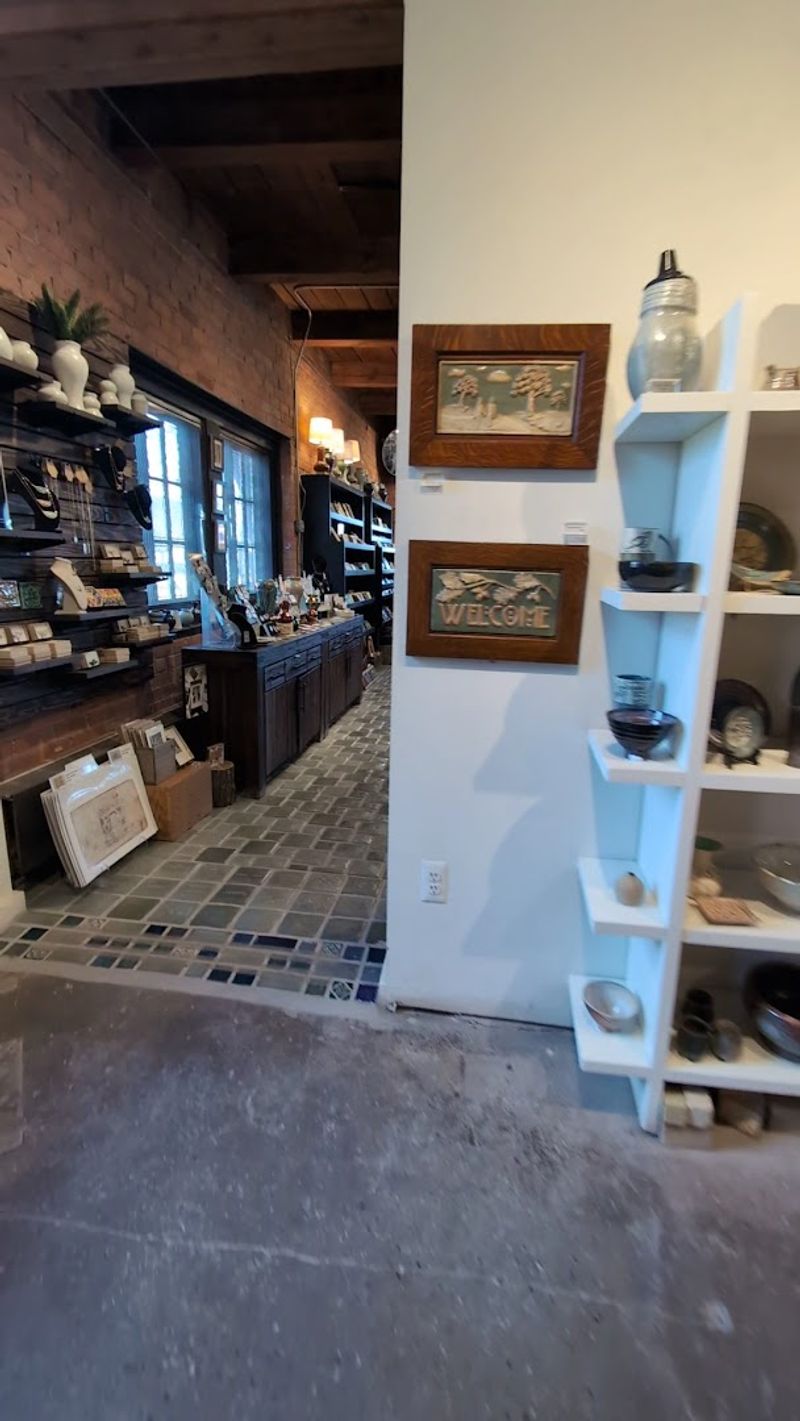
Pewabic Pottery feels like the kind of Detroit stop where the building itself starts making the case before you even reach the door: historic, handmade, and quietly glowing with Arts and Crafts charm.
You’ll find it at 10125 E Jefferson Ave, Detroit, Michigan 48214, the official address for the working pottery, gallery, museum, and shop.
Park nearby and walk in with browsing time built in. A quick visit can easily turn into tiles, mugs, glazes, gift-shop temptation, and a sudden belief that your home needs more ceramic drama.
Go Upstairs Early For The Free Museum
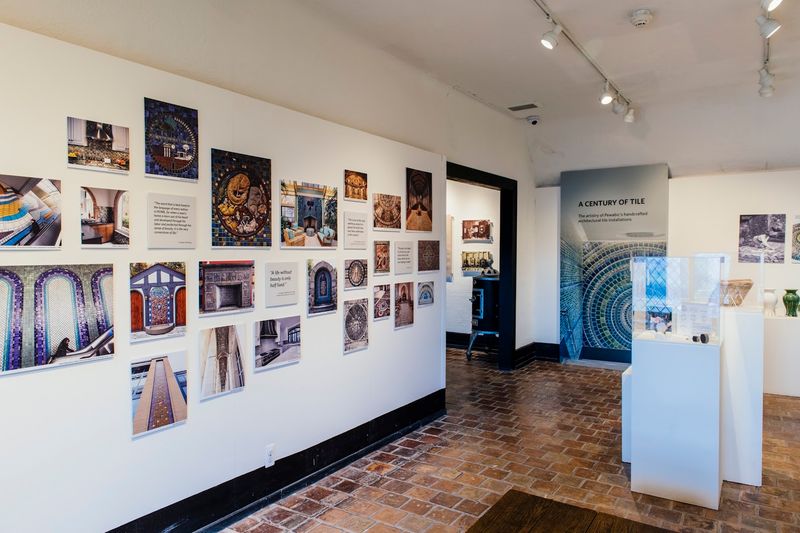
The upstairs museum is small enough to feel manageable and strong enough to change how you see everything downstairs. Admission is free, which removes any excuse to skip it, and the displays give useful context on Pewabic’s history, tile making, and Detroit’s ceramic story without turning the experience into homework.
I found that seeing the historic pieces first made the shop feel sharper, not merely prettier. Forms, glazes, and prices begin to make sense when you understand the labor and legacy behind them.
If your schedule is tight, this is still worth making time for, because the museum quietly calibrates the rest of the visit and keeps impulse browsing from being the whole story.
Time Your Visit Around Studio Access
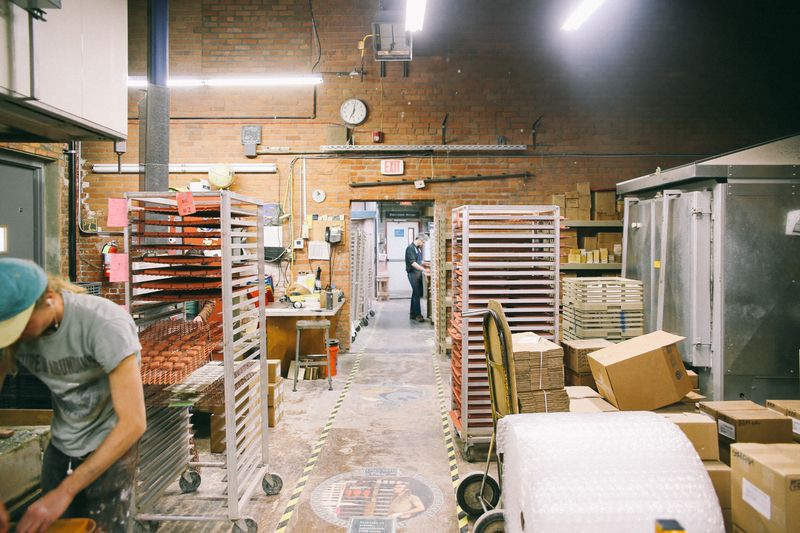
One of the most interesting details at Pewabic is that the place is not just historical, it is working. The production studio can be seen during self-guided tours on Fridays, and classes include beginner wheel and intermediate wheel instruction, so the pottery wheel is not decorative symbolism here.
It remains part of the daily language. That practical fact changes the atmosphere. You are not walking through a memorial to craft, but a site where craft is still being taught, practiced, and refined.
Check current schedules before heading over, because hours and access vary, and the difference between a pleasant browse and a deeply memorable visit may be as simple as arriving when the making is visible.
Treat The Shop Like A Gallery With Prices
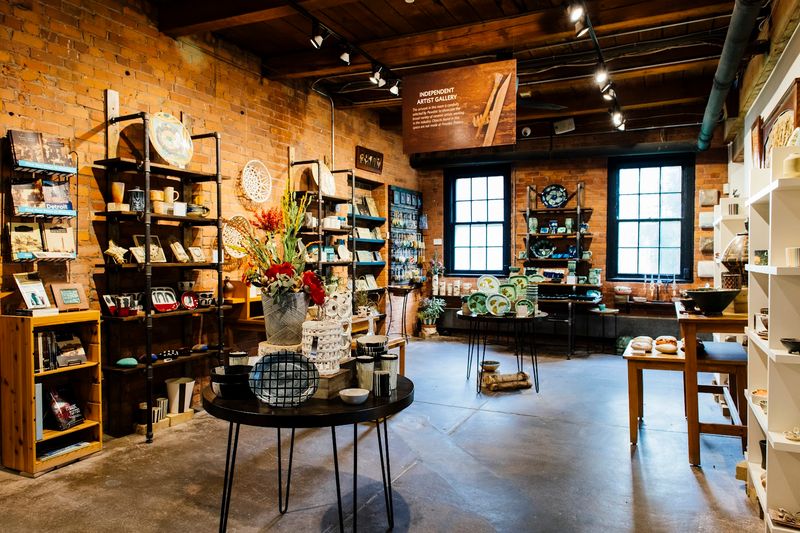
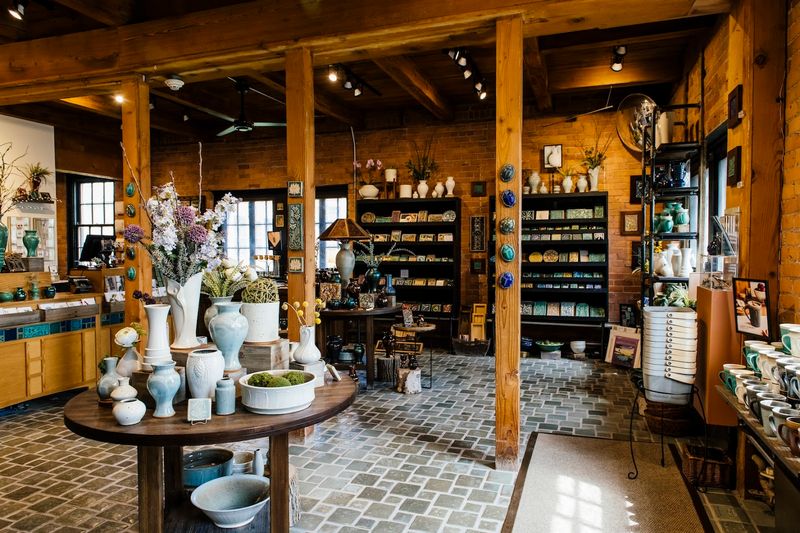
The shop has the slightly disorienting pleasure of feeling like a museum where, somehow, you are allowed to take things home.
Handcrafted Pewabic tiles and pottery anchor the room, while work from more than 30 independent ceramic artists broadens the conversation without diluting the house identity. Everything looks considered.
You can browse at several budget levels, from smaller souvenir tiles to major pieces that ask for commitment. That range matters because it makes the place welcoming rather than intimidating.
If you are unsure what to choose, spend a few minutes noticing glaze, shape, and scale before buying. The right piece tends to declare itself once you stop shopping for a generic keepsake and start looking for character.
Pay Attention To The Glazes
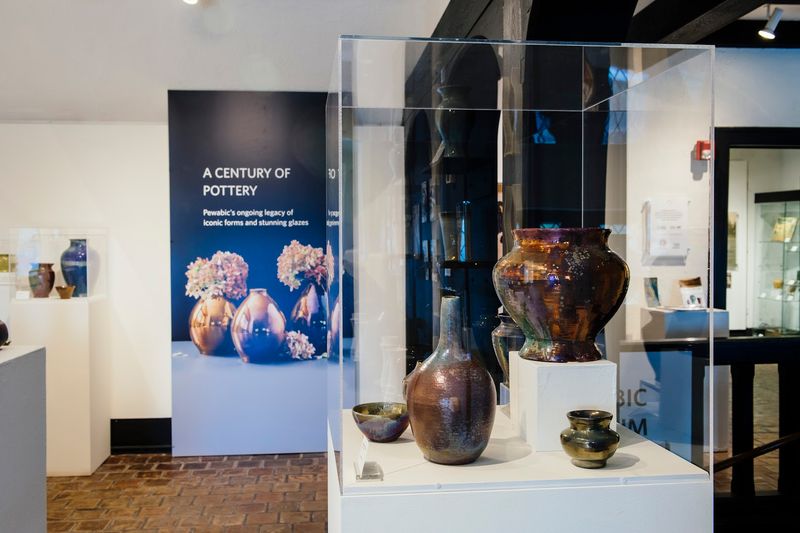
Some places reward your attention with a grand reveal. Pewabic rewards it with surfaces.
The famed glazes, especially the iridescent finishes associated with the pottery, are where the work starts behaving less like merchandise and more like weather caught in clay, shifting as light moves across tile edges and vessel curves.
That visual complexity is part of why the pottery has mattered for so long in Detroit design history. It also explains why a quick glance is not enough.
Move slowly, circle pieces, and let daylight or gallery lighting do its work. If you are choosing between colors, hold the finalists in your mind for a minute longer than usual. Pewabic glazes tend to deepen rather than flatten with attention.
Remember This Is A Nonprofit, Not Just A Store
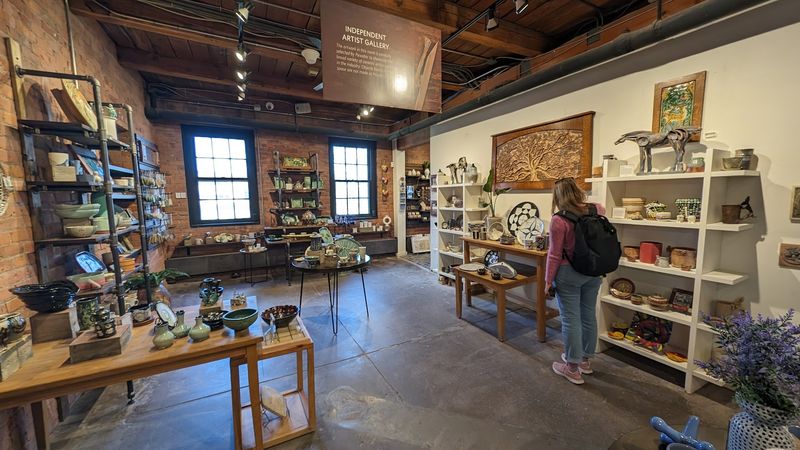
It helps to understand Pewabic as a nonprofit ceramic arts education center, not simply a stylish retail stop. Its stated mission is to enrich the human spirit through clay, and education has been central to the organization from the beginning.
That mission explains the museum, the classes, and the continued investment in making.
You feel the difference in the overall rhythm of the place. The emphasis is not on rushing you toward a register, but on inviting you into a longer relationship with ceramic art, whether that means learning, collecting, or returning for events.
For a visitor, this makes spending money here feel less transactional and more connected to the continuation of a distinctly Detroit cultural institution.
If You Make Art, Look Into Open Studio Nights

The phrase open studio can sound vague until you picture what it means here: dedicated time for artists to keep working, practicing, and staying in conversation with clay.
Pewabic includes open studios in its educational offerings, which helps explain why the place has such a loyal pull for local artists rather than only occasional visitors.
Even if you are not enrolling immediately, that ongoing studio life adds substance to the visit. I like knowing the building continues after public browsing hours into something more communal and workmanlike.
If you are a maker, check the current program details on Pewabic’s website or call ahead. The best souvenir from a place like this may not be a mug or tile, but a reason to come back regularly.
Use The Hours Strategically
Pewabic keeps museum-shop hours that reward a little planning. It is generally open Tuesday through Thursday and Saturday from 10 AM to 5 PM, Sunday from 11 AM to 4 PM, and closed Monday, with Friday listed closed even though self-guided production studio viewing has been offered that day, so checking ahead is wise.
This is not the kind of place to leave to chance at the ragged end of an itinerary. Give yourself enough time to see the museum, browse the shop, and linger over details without watching the clock.
Parking and restrooms are available, which makes the stop easy in practical terms. The best strategy is simple: arrive earlier than you think you need and move slowly.
Notice How Detroit Shows Up In The Details
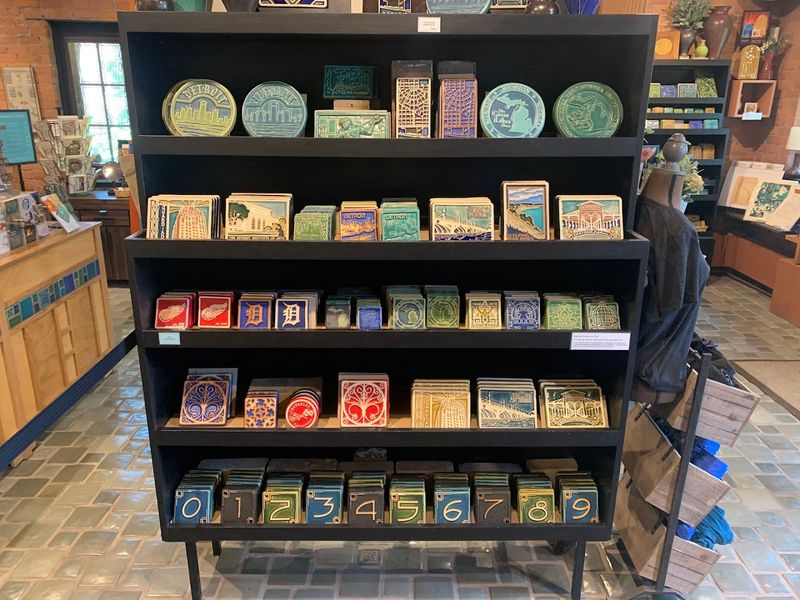
What stays with you at Pewabic is not only craftsmanship but the specifically Detroit way that craftsmanship is framed. This pottery has supplied tile to important places, shaped visual memory across the city, and continues to present ceramic art as something civic, domestic, and public all at once.
That mix feels distinctly local. You can sense it in the way the museum connects objects to broader history and in the way the shop balances tradition with contemporary work. Even playful pieces carry that undertone of continuity.
For visitors from outside the city, Pewabic offers a more useful Detroit lesson than any slogan could. It shows a place where industry, design, and neighborhood loyalty have learned to share the same shelf.
Buy One Small Piece If You Can
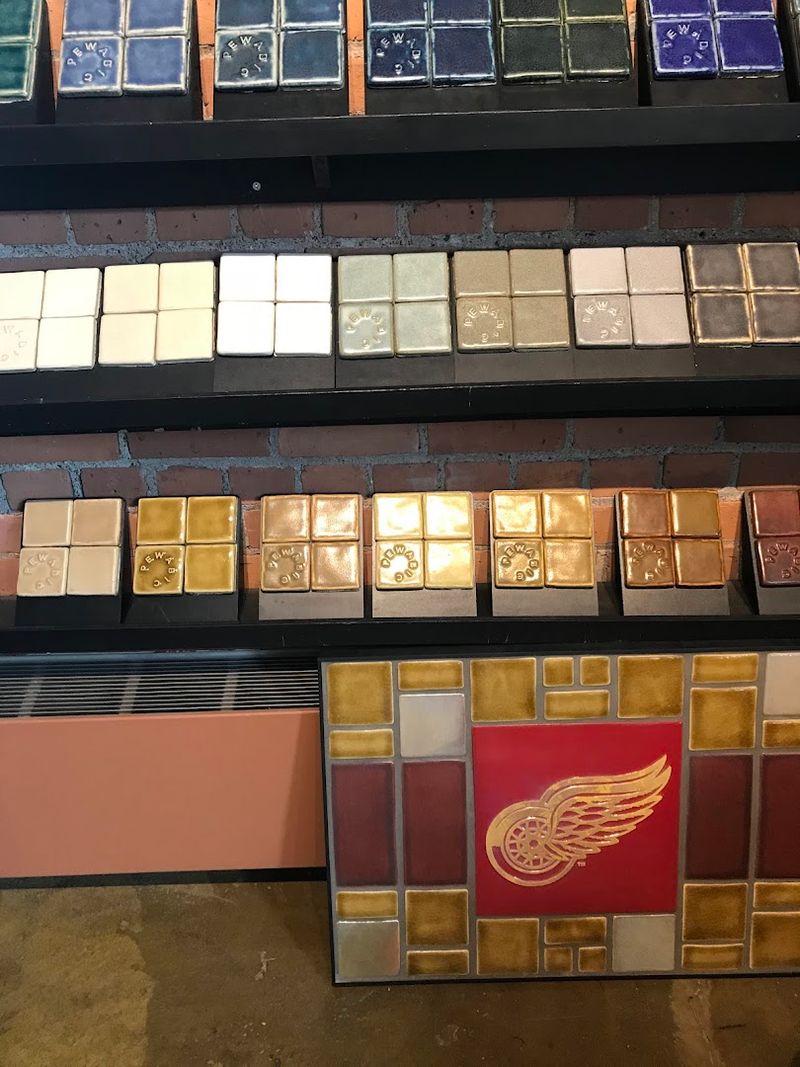
Not every memorable stop needs to end with a major purchase, but Pewabic makes a good case for taking home something small and durable.
A single tile, mug, ornament, or modest decorative piece can carry the visit surprisingly well, especially when the object comes with real material weight, visible handwork, and a clear connection to place.
The point is not accumulation. It is choosing a piece that lets the experience remain active after you leave Jefferson Avenue.
I would rather bring home one well-made object with local history behind it than a bag full of generic souvenirs. At Pewabic, even the smaller items tend to feel intentional, which is another way of saying the visit keeps its dignity all the way to the checkout.