
The Arizona Desert Town That Locals Say Is Tourist-Ruined Beyond Recognition
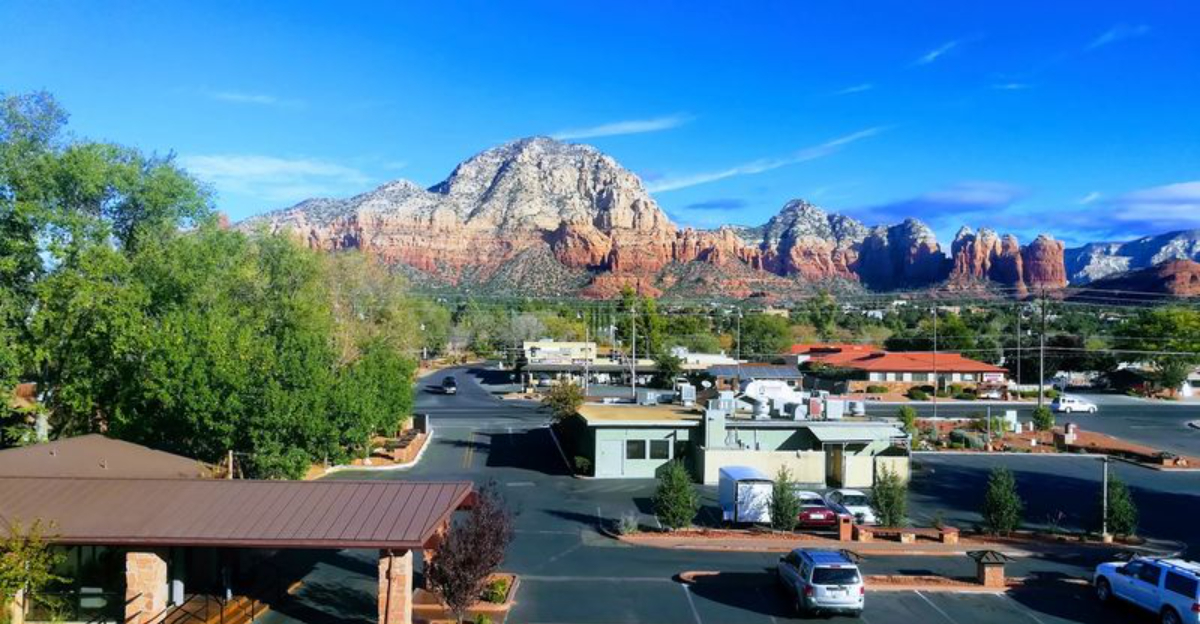
There is a desert Arizona town perched on red rock ridges that glow like embers at sunset. I grew up dodging tour buses that clog main drag, while locals mourn the “good old days” before shops took over.
My mornings now start with a hike, but I share the trail with selfie sticks and Jeeps. The coffee shop where I used to read now serves “artisanal” water for $5.
I laugh at the irony: the same red stones that once whispered ancient secrets now echo with cash registers. Yet, I love the place, even if it feels like a theme park that forgot its plot.
My friends and I trade stories about “secret” spots now listed on travel blogs, and we joke that we should start a “how to survive tourist tide” club.
What was once a quiet desert town known for its art galleries, spiritual energy, and jaw-dropping scenery has become a place where locals joke that the only thing harder to find than a parking spot is a little peace and quiet.
This article takes an honest look at exactly what has changed here, and why so many residents feel their beloved hometown has been loved a little too hard.
The Traffic Nightmare At The Y
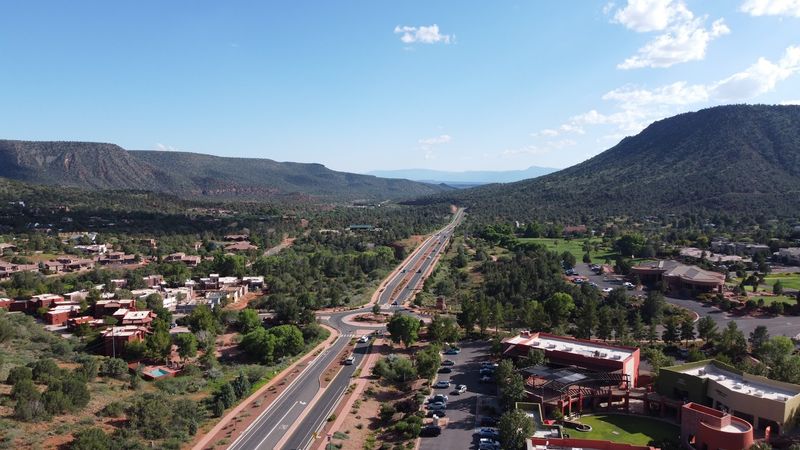
Ask any Sedona local what single thing drives them closest to packing up and leaving, and a good number will point directly to the intersection of Highways 89A and 179, locally known as “The Y.”
On a busy summer weekend, the backup can stretch for miles in every direction, turning what should be a five-minute drive into a 45-minute ordeal. Residents have started calling this junction a “negative vortex,” borrowing the spiritual language Sedona is famous for and flipping it on its head.
The irony is hard to miss. A town celebrated for its calming red rock energy now has a traffic hotspot that raises blood pressure instead of lowering it.
City planners have made attempts to ease the flow, including trailhead shuttle services, but the volume of cars continues to outpace solutions. If you visit, leaving your car at a shuttle stop and riding in is genuinely one of the smartest decisions you can make.
Overcrowded Trails And Vanishing Solitude
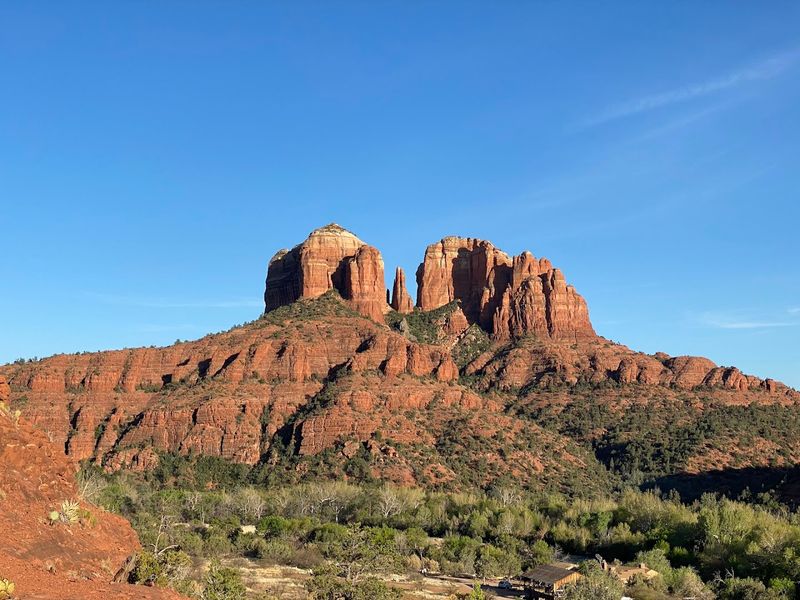
Cathedral Rock, Devil’s Bridge, and Bell Rock were once places where hikers could stop, breathe deep, and genuinely feel alone with the landscape. Today, those same trails can feel closer to a theme park queue than a wilderness experience, especially on weekends between March and May.
Some longtime Sedona residents have simply stopped visiting their favorite spots because the crowds have made the experience unrecognizable. That is a quiet kind of heartbreak that does not show up in any tourism brochure.
Trailhead parking lots overflow before 8 a.m., and cars spill into residential neighborhoods, frustrating homeowners who never signed up to live next to a de facto parking garage.
The good news for visitors who actually want solitude is that lesser-known trails exist throughout the area.
Going early on a weekday, picking a route that does not appear on the top ten lists, and using the city shuttle system can still deliver a genuinely memorable desert hike without the shoulder-to-shoulder crowd.
The Housing Affordability Crisis
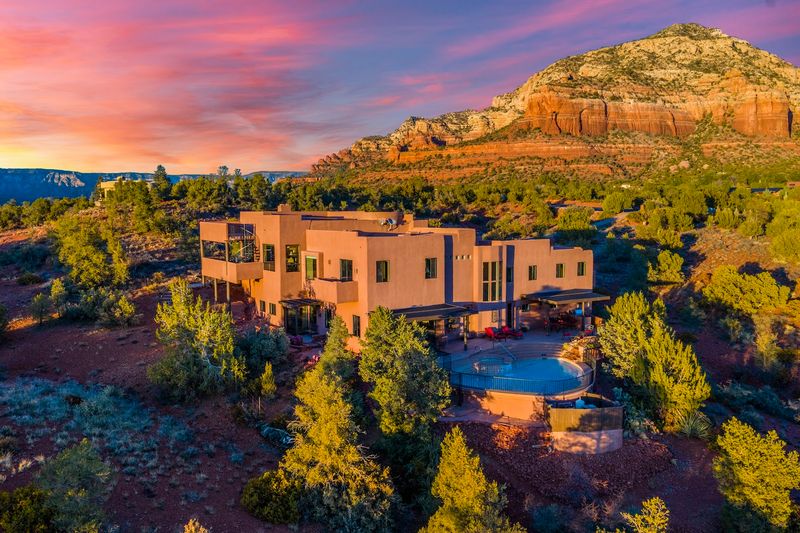
The same breathtaking scenery that draws millions of visitors each year has quietly made Sedona one of the least affordable small towns in Arizona.
The average home price in Sedona runs about 115 percent above the national average, a staggering gap that squeezes out the very workers who keep the town running.
Restaurant servers, hotel housekeepers, retail clerks, and trail guides often cannot afford to live within reasonable distance of their jobs. Many commute from Verde Valley communities like Cottonwood and Camp Verde, adding stress, time, and cost to lives that are already stretched thin.
Young families who grew up in Sedona find themselves priced out of a hometown they love. Tourism drives enormous tax revenue, which is undeniably useful for city services, but money flowing into civic coffers does not automatically translate into affordable apartments for a barista earning hourly wages.
The city has acknowledged this tension and is working on housing strategies, though meaningful progress has been slow to materialize on the ground.
Instagram Hotspots Destroying Fragile Desert Land
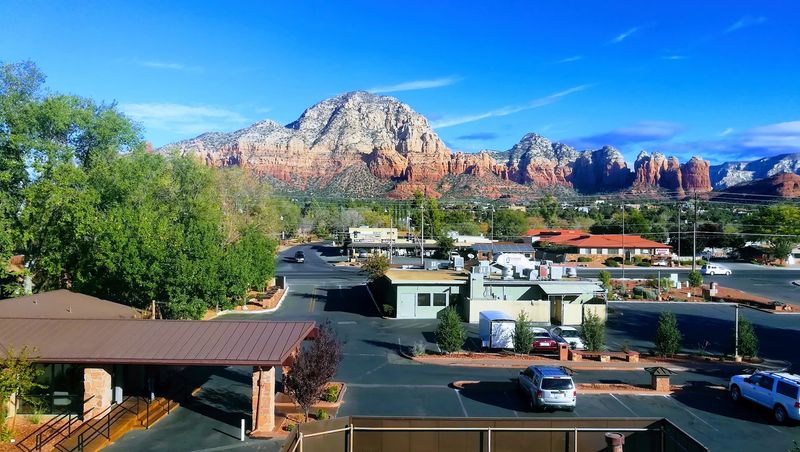
Social media has done something to Sedona that even the most pessimistic urban planner did not fully anticipate.
When a photo of a hidden arch or an off-trail viewpoint goes viral, hundreds of people immediately set out to recreate that exact shot, regardless of whether a marked trail exists to get there safely or responsibly.
The result is a web of unauthorized paths spreading across sensitive desert terrain, trampling cryptobiotic soil crust that takes decades to recover, and disturbing cultural and archaeological sites that belong to Indigenous communities with deep historical ties to the land.
Litter has become a genuine problem at some of these impromptu photo destinations. Rangers and volunteers do their best to educate visitors and restore damaged areas, but the pace of destruction currently outstrips the pace of recovery.
If you are visiting and you see a dramatic landscape that has no trail leading to it, the most respectful choice is to admire it from a distance and keep your boots on the established path.
Noise Pollution And The Helicopter Tour Controversy

Sedona’s red rock country looks absolutely spectacular from the air, and helicopter tour operators figured that out a long time ago. For visitors, a scenic flight over formations like Courthouse Butte or Merry-Go-Round Rock is genuinely thrilling.
For residents sitting in their backyard trying to enjoy a quiet Sunday afternoon, the constant drone of rotors overhead is a different story entirely.
Complaints grew loud enough that the city eventually negotiated a “Fly Friendly” agreement with tour operators, establishing voluntary restrictions on flight paths over residential zones and ecologically sensitive areas.
The agreement helped, but enforcement of voluntary commitments has its natural limits, and residents report that noise remains a persistent frustration.
Beyond helicopters, the sheer volume of traffic, tour jeeps, and outdoor sound systems at popular gathering spots adds up to a soundscape that feels less like a peaceful desert retreat and more like a busy suburban strip.
The quiet that originally made Sedona special is now something residents have to actively seek out rather than simply enjoy.
The Economic Double-Edged Sword Of Tourism Dollars
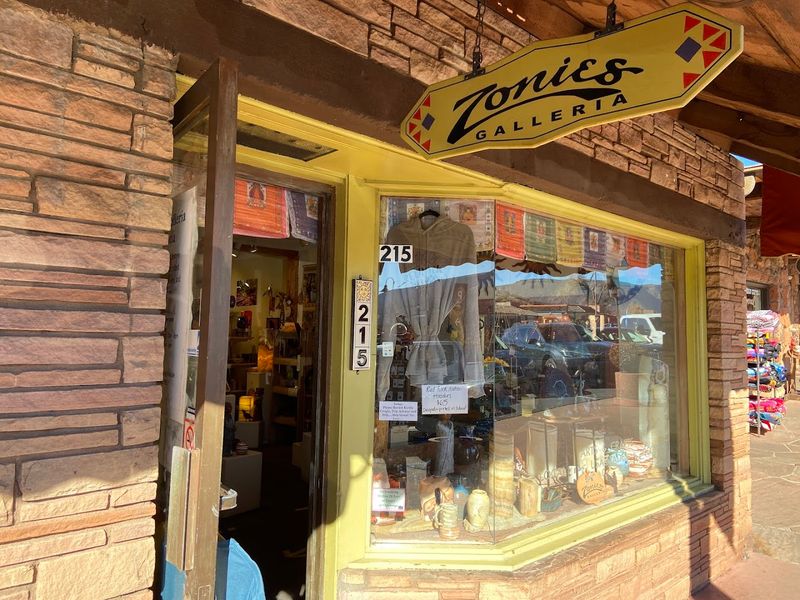
Here is where the story gets genuinely complicated. Tourism in Sedona is not just a nuisance that residents tolerate. It is the financial backbone of the entire community, contributing roughly 77 percent of the city’s sales tax revenue and supporting around 10,000 local jobs.
That is a number almost equal to the entire resident population. About 70 percent of Sedona residents openly acknowledge that tourism is the most important driver of the local economy.
Yet nearly half of those same residents believe the role of tourism should be scaled back. That tension, knowing you need something while also feeling harmed by it, is genuinely difficult to resolve through policy alone.
The city’s Sustainable Tourism Plan, launched in 2019, attempts to thread this needle by managing visitor behavior rather than simply maximizing visitor numbers. A temporary marketing pause was even implemented to slow the influx.
Whether those efforts can hold the line against the gravitational pull of a destination this photogenic remains the central question facing Sedona’s future.
The Spiritual Vortex Scene And Its Commercialization
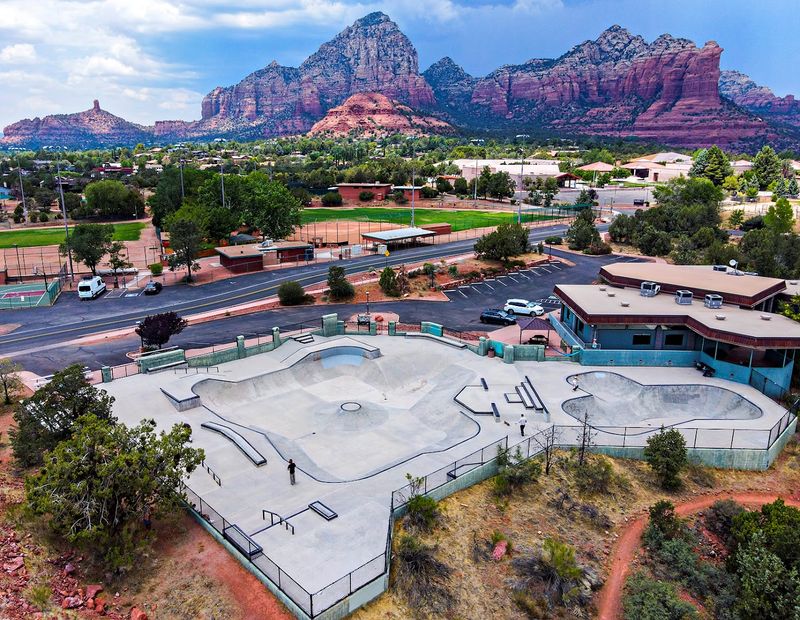
Long before Sedona became a bucket-list destination for hikers and road trippers, it built a reputation as a center for spiritual seekers drawn to its famous energy vortexes, spots where the earth is said to emit a concentrated field of energy that promotes healing, meditation, and self-discovery.
That identity attracted a genuinely thoughtful community of artists, healers, and spiritual practitioners. Today, the vortex scene has been packaged, branded, and sold with an enthusiasm that some longtime spiritual residents find more than a little uncomfortable.
Crystal shops line every commercial block. Vortex tours depart hourly. Psychic readings and energy healing sessions are priced for a tourist budget that has nothing to do with accessibility for local seekers.
The irony is that the commercialization has made the spiritual dimension of Sedona feel less authentic to the very people who valued it most. Visitors searching for genuine stillness and inward reflection can still find it, but they may need to step well away from the gift shops to get there.
What Thoughtful Visitors Can Do Differently
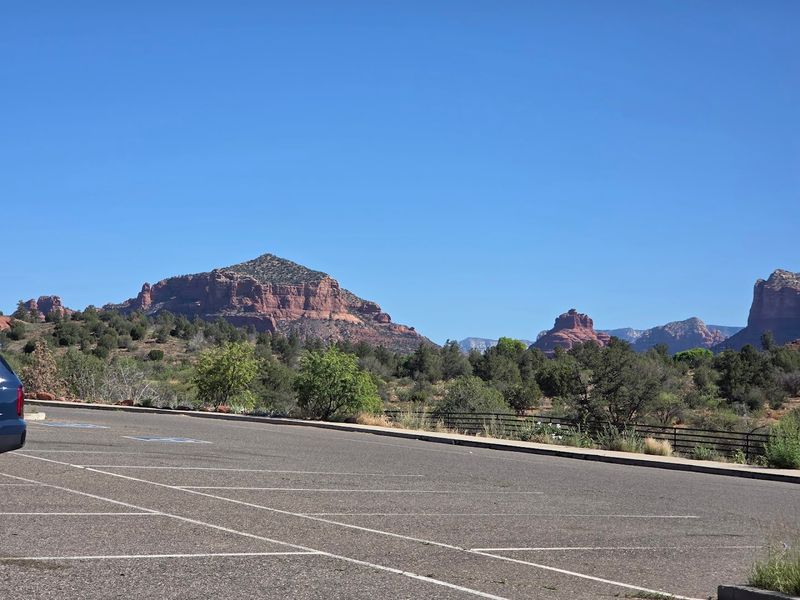
Sedona has not given up on visitors, and visitors should not give up on Sedona. The city genuinely wants people to experience its beauty.
What it asks, through its Sustainable Tourism Plan and through the increasingly vocal voices of its residents, is that travelers arrive with a little more intention and a little less entitlement.
Practical steps make a real difference. Park at a designated shuttle stop rather than circling trailheads. Visit in the shoulder seasons of late autumn or early winter when crowds thin out and the desert light turns golden and soft.
Choose trails that are not on every top-ten list. Pack out every piece of trash, even the ones you did not bring in. Book locally owned accommodations and eat at locally owned restaurants to keep dollars circulating in the community rather than flowing to distant corporate owners.
A destination this remarkable deserves visitors who treat it with the same care they would want shown to their own neighborhoods. Sedona’s red rocks will outlast all of us, but the community built among them needs a little more consideration right now.