
11 Colorado Campgrounds Hidden So Well Even Locals Don’t Know About Them
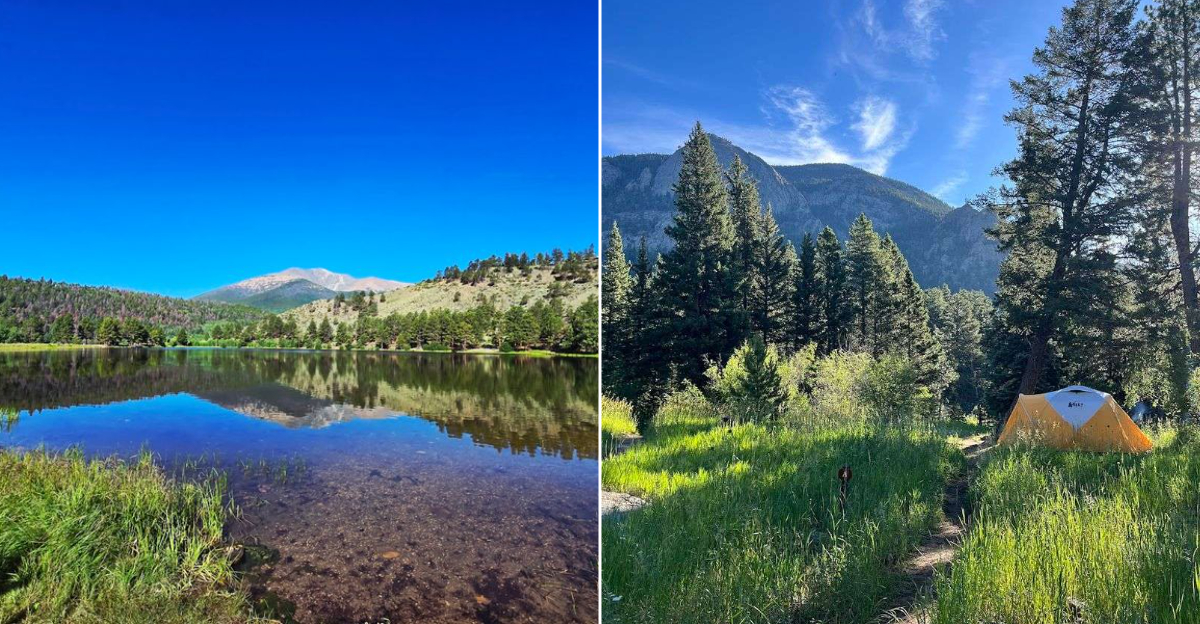
The wildest campsites are not always the hardest to reach, they are the ones most people drive past too quickly. Colorado is famous for scenery that can stop a conversation mid-sentence, but the real magic often begins beyond the obvious pullouts and crowded photo spots.
Some campsites reward patience more than planning, with quieter roads, bigger skies, and mornings that feel like they were saved for whoever bothered to look twice. This list is for campers who like a little mystery with their map reading, the kind who do not need a souvenir sign to know they found something special.
From quiet established sites to rugged public-land clearings, these eleven choices each bring their own reason to unpack slowly and stay longer. Colorado’s lesser-seen wild corners can turn a simple night outside into the story you keep retelling.
Load the gear, check the route, and leave room for surprise.
1. Aspenglen Campground
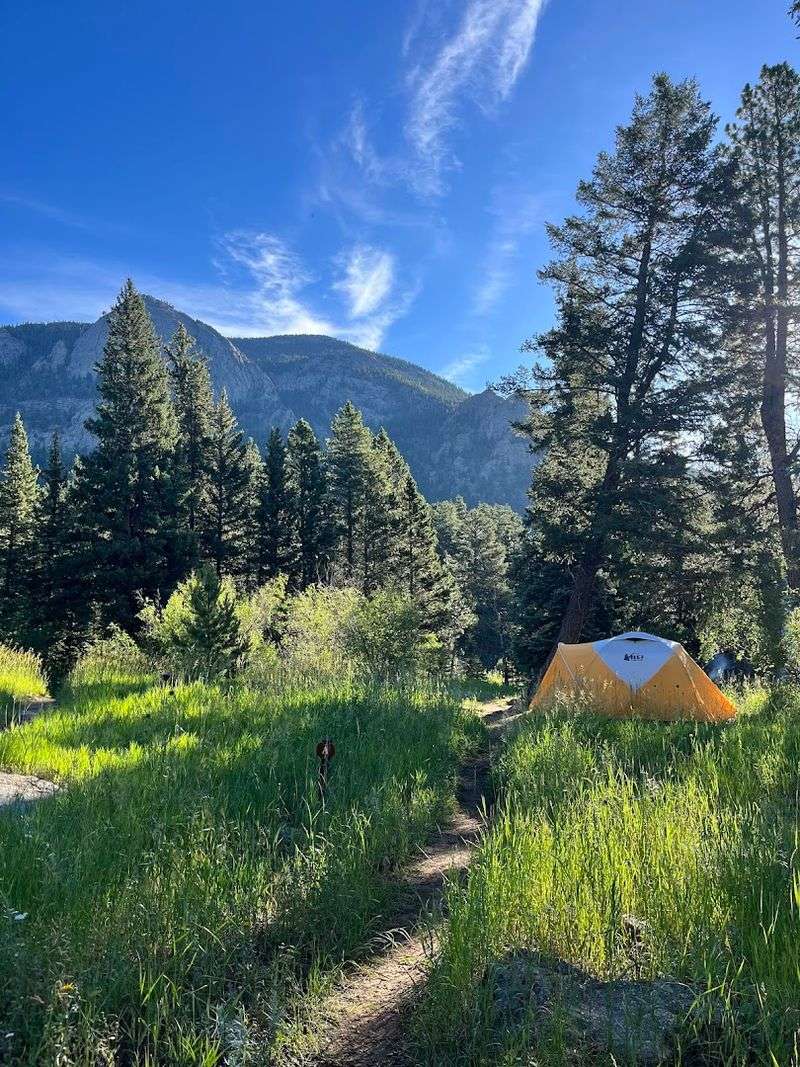
Tucked into the northeastern corner of Rocky Mountain National Park, Aspenglen sits closer to the Fall River Entrance than most campers ever bother to check. While everyone else is fighting for a reservation at Moraine Park, this small, quiet loop hums along almost unbothered.
The campground sits right along Fall River, and the sound of moving water becomes your default soundtrack from the moment you pull in.
There are only 52 sites here, which keeps the crowd thin and the atmosphere genuinely peaceful. Elk wander through at dusk like they own the place, because honestly, they kind of do.
The walk to the river is short enough for kids but wild enough to feel like a real adventure.
Aspenglen is also close to the Old Fall River Road, one of the park’s most underrated drives. I always tell people this is the campground for those who want the full Rocky Mountain experience without the circus.
Reservations are still required, so plan ahead, but the payoff is absolutely worth the extra effort. Arrive in late summer for the best wildflower color along the riverbanks.
2. Piñon Flats Campground
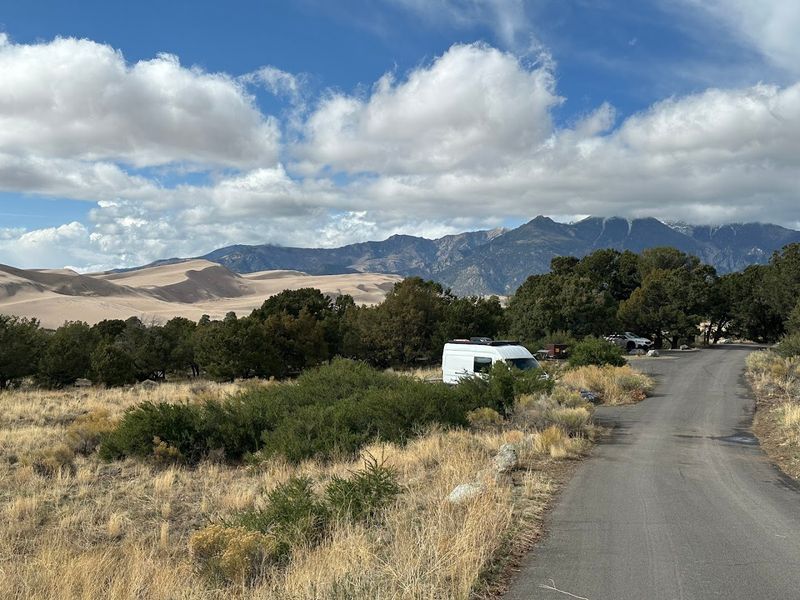
Waking up inside Great Sand Dunes National Park is one of those experiences that takes a moment to process. Piñon Flats Campground sits right at the base of the tallest sand dunes in North America, and the view from your tent door is genuinely surreal.
Most visitors drive in for a few hours and leave, never knowing they could have stayed overnight and had the dunes almost entirely to themselves at dawn.
The campground is split into two loops, with the upper loop offering better views and a bit more wind protection from the pinon pines. Medano Creek runs nearby, and in late spring it flows strong enough for kids to splash around in, which makes the whole setup feel almost tropical in a high-desert kind of way.
Night skies here are spectacular because the surrounding San Luis Valley has very little light pollution. I camped here on a clear September night and counted more stars than I could reasonably explain.
Bring sandals for the creek, layers for the cold nights, and a wide-angle lens if photography is your thing. This one lingers in your memory long after the sand works its way out of your sleeping bag.
3. Difficult Campground
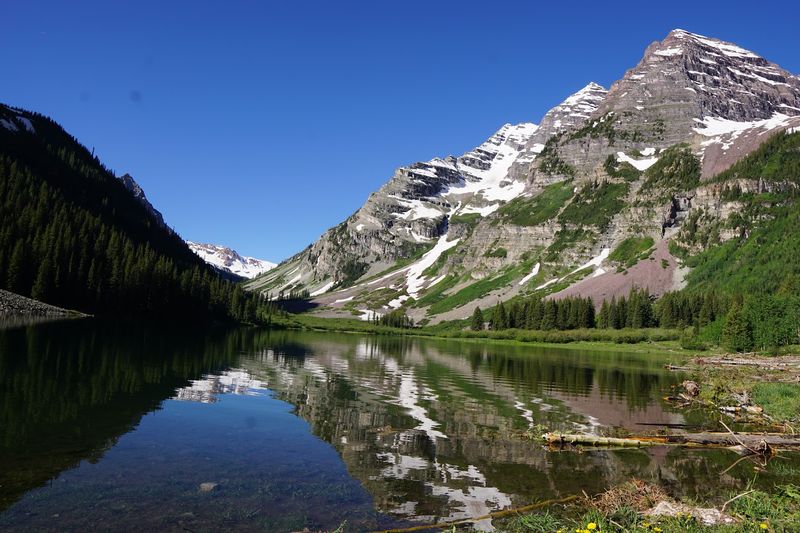
The name alone makes people skip it, which is honestly the best thing that ever happened to Difficult Campground. Sitting just outside Aspen along the Roaring Fork River, this spot offers the kind of setting that would cost you several hundred dollars a night at a nearby resort.
Instead, you get a riverside site, the sound of rushing water, and a surprisingly manageable drive from Denver.
The campground itself is managed by the White River National Forest, and it stays busy enough in peak summer to warrant a reservation, but it never reaches the chaos of some Colorado front-range spots. The Roaring Fork runs cold and fast right alongside many of the sites, making it ideal for anyone who wants to fall asleep to actual moving water rather than a phone app simulating it.
Aspen is just a few miles away, which means you can grab a coffee, hit a trail, or browse a farmers market and still be back at camp before the afternoon thunderstorms roll in. I love the irony of camping this close to one of Colorado’s priciest towns and spending almost nothing.
Difficult by name, not by nature. Fall visits offer a golden canopy of aspen leaves that genuinely takes your breath away.
4. Sweetwater River Resort Campground
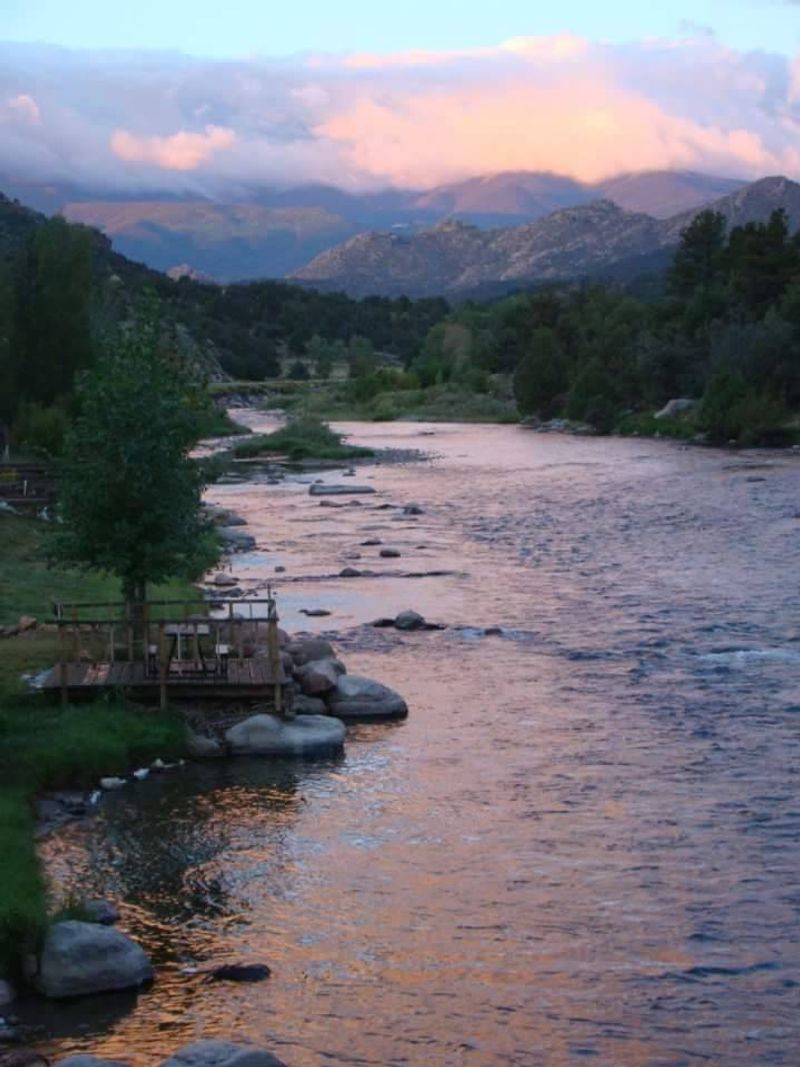
Cotopaxi is not a place most people can find on a map without squinting, which makes Sweetwater River Resort Campground one of the more genuinely off-the-radar stops in this whole list. Parked along U.S.
Highway 50 in the Arkansas River Canyon, this campground sits in a stretch of Colorado that feels like it belongs to a different, quieter era entirely.
The Arkansas River here is famous among rafters and kayakers, but the campground itself draws a mellower crowd. Families, couples, and solo travelers looking for a no-fuss base camp come here to decompress.
The sites are well-spaced, the river access is easy, and the surrounding canyon walls give the whole place a dramatic, enclosed feeling that bigger campgrounds simply cannot replicate.
Highway 50 is one of Colorado’s most scenic drives, and Sweetwater puts you right in the middle of it. I stumbled on this one during a road trip years ago and ended up staying two extra nights because I could not think of a good reason to leave.
The combination of river sound, canyon scenery, and genuine quiet is hard to argue with. Pack enough food for extra days.
You will thank yourself later.
5. South Rim Campground — Black Canyon of the Gunnison National Park
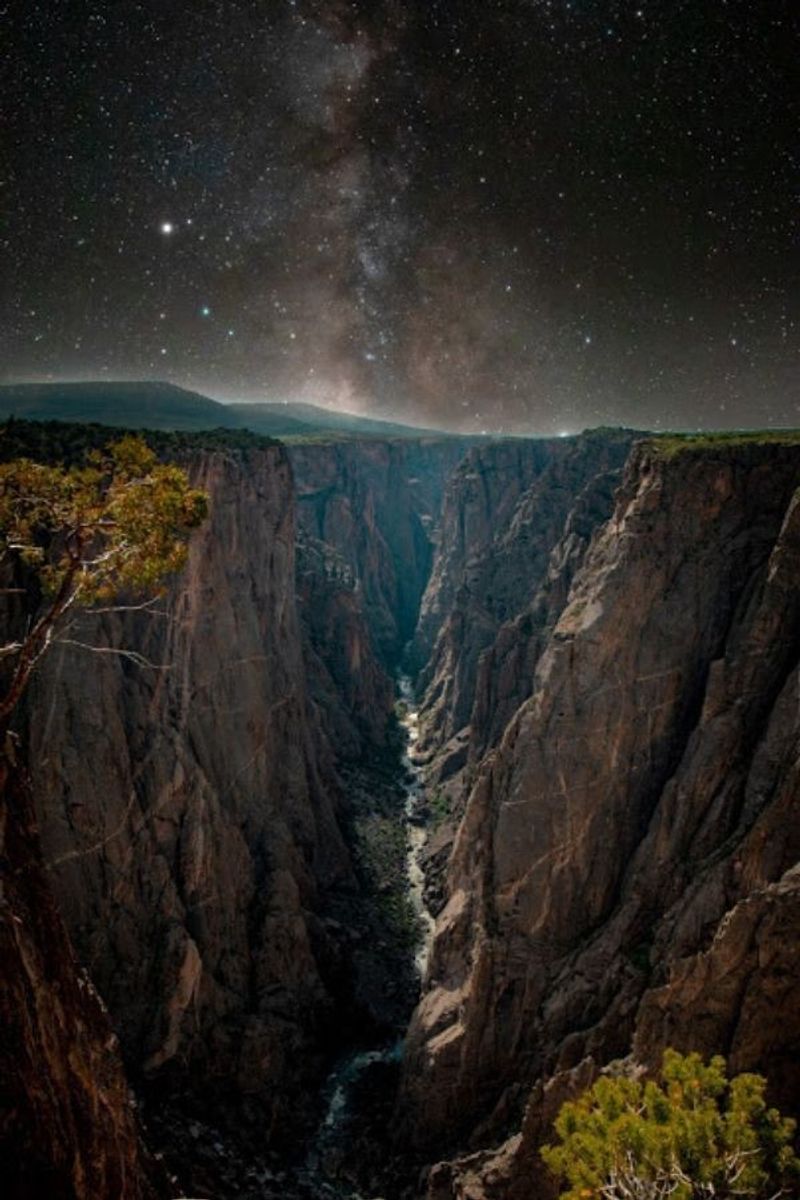
Black Canyon of the Gunnison is the national park Colorado somehow keeps to itself. Fewer visitors come here annually than visit some single trails in Rocky Mountain National Park, which means the South Rim Campground operates at a pace that feels almost meditative.
The canyon drops over 2,700 feet in places, and the dark Precambrian rock makes it look like something carved by a force much older than ordinary geology.
Campsites sit right along the rim, and some of them have views directly into the abyss that will make even experienced hikers pause before stepping closer. The campground has two loops, with the East Portal sites requiring a steep, winding drive that filters out casual visitors almost entirely.
Elk, mule deer, and the occasional peregrine falcon are regular sights.
Montrose is the nearest city, about 15 miles out, making supply runs easy enough if you forget something essential. I find this park best in late spring or early fall when the crowds are thinnest and the light on the canyon walls turns amber and gold in the late afternoon.
Bring a headlamp and a star chart because the night sky here is genuinely world-class. This is Colorado without the crowds or the commercialization.
6. Hartman Rocks Recreation Area Primitive Campsites
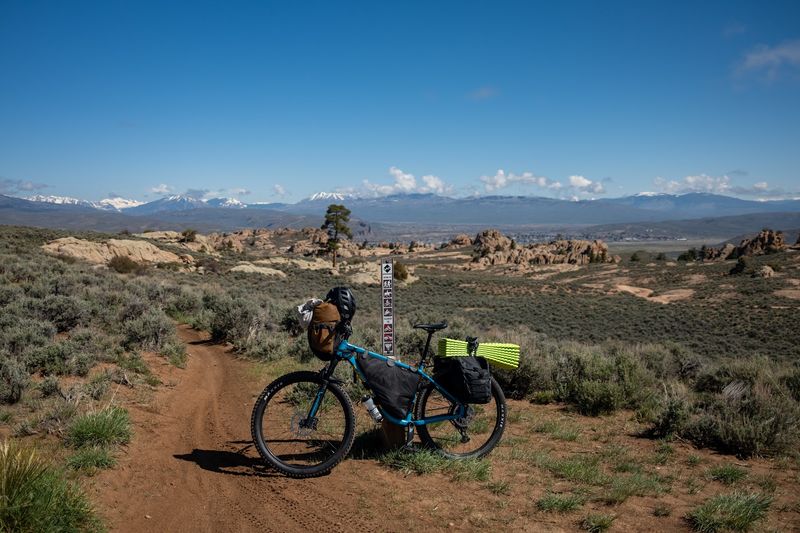
Just outside Gunnison on County Road 38, Hartman Rocks is the kind of place mountain bikers, hikers, and dispersed campers share without any of them getting in each other’s way. The primitive campsites here are free, first-come, and genuinely off the tourist circuit.
You are not going to find this one on a glossy travel magazine cover anytime soon, which is precisely why it belongs on this list.
The landscape is high-desert granite, all rounded boulders and sagebrush and wide-open sky. It feels nothing like the forested mountain camping most people associate with Colorado, and that contrast is exactly what makes it memorable.
Trails wind through the rocks in every direction, and the riding here has earned a serious regional reputation among the mountain biking community.
Gunnison itself is a laid-back college town with enough restaurants and gear shops to cover any supply gaps before you head out. I appreciate that Hartman Rocks requires nothing from you except a sense of adventure and a willingness to sleep without hookups.
No reservations, no fees, no crowds. Just wide-open Colorado high desert and the kind of quiet that actually resets your nervous system.
Arrive early on weekends to secure a good spot near the rocks.
7. Thistledown Campground — Yankee Boy Basin Area
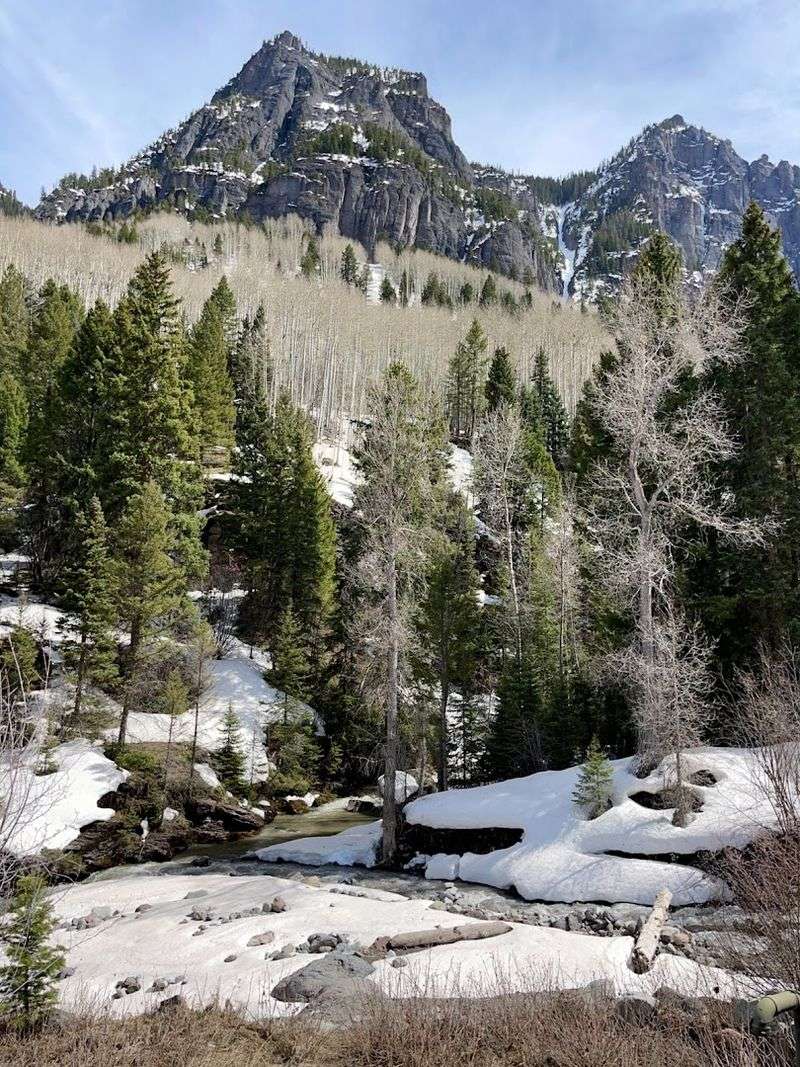
Getting to Thistledown requires navigating County Road 361 out of Ouray, a drive that quickly separates the genuinely curious from everyone else. The road climbs into the Yankee Boy Basin area, passing through terrain so dramatic that you will likely stop the car at least three times before reaching camp.
Canyon Creek tumbles alongside the road the whole way, and the canyon walls rise so steeply they block out the midday sun.
The campground itself is small and primitive, which keeps it well below the radar of the RV crowd. Tent campers and high-clearance vehicle owners are the main visitors, and the result is a site that feels genuinely earned.
Wildflowers in July and August here are extraordinary, with whole meadows turning purple and gold in a display that rivals anything in the state.
Ouray, just a few miles down the mountain, is nicknamed the Switzerland of America, and once you see the surrounding peaks, the comparison makes complete sense. The town has excellent restaurants and the famous Ouray Hot Springs Pool, which makes an end-of-hike soak feel almost ceremonial.
I always pair a night at Thistledown with a long basin hike and a hot spring evening. That combination is tough to beat anywhere in Colorado.
8. O’Haver Lake Campground
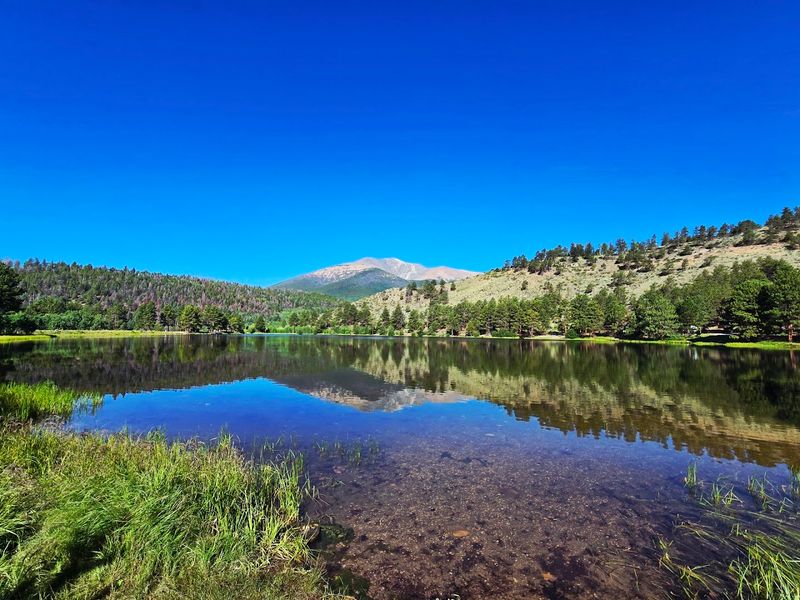
Some campgrounds earn their reputation through spectacle. O’Haver Lake earns its through charm.
Tucked into the hills outside Salida on County Road 202, this small lake campground sits in the Marshall Pass area of the San Isabel National Forest and offers the kind of setting that feels curated but costs almost nothing. The lake is calm and clear, ringed by pines, and the surrounding hills roll softly against the Sangre de Cristo peaks in the distance.
Fishing is the main draw for many visitors, with brook trout and rainbow trout making the lake worth bringing a rod. The campground has around 29 sites and fills up on summer weekends, but mid-week visits feel wonderfully uncrowded.
Kids love the easy loop trail around the lake, which takes about 45 minutes and crosses a small bridge that seems designed specifically for photo opportunities.
Salida is one of Colorado’s most underrated small towns, full of good food, local art, and the Arkansas River running right through downtown. Pairing an O’Haver Lake stay with a morning in Salida makes for a nearly perfect Colorado weekend.
I have recommended this spot to more friends than I can count, and every single one came back saying they stayed longer than planned. That is the highest possible endorsement.
9. Forest Service and BLM Dispersed Camping on Colorado Public Lands
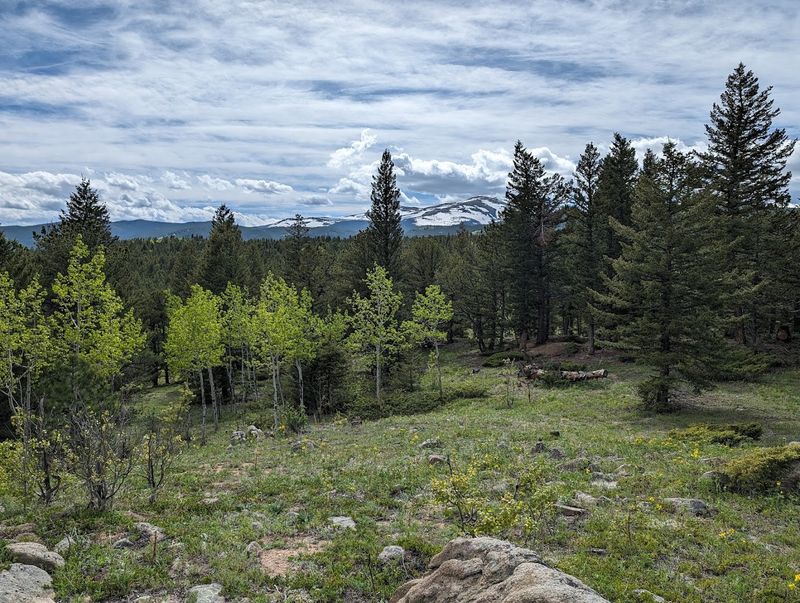
No single address can capture this one because it is everywhere, and that is the whole point. Colorado has millions of acres of Forest Service and BLM land where dispersed camping is completely legal, free, and staggeringly beautiful.
You pick your spot, follow Leave No Trace principles, and wake up wherever the dirt road took you the night before. It is the most honest form of camping available in this state.
The rules are straightforward: stay at least 200 feet from water sources, roads, and trails, pack out everything you pack in, and move after 14 days in one location. Most dispersed areas are accessible by high-clearance vehicles, though plenty of spots can be reached with a standard passenger car if you are willing to drive slowly and pay attention.
The Colorado BLM and Forest Service websites have interactive maps that make scouting much easier than it used to be.
I have stumbled onto dispersed sites in this state that rivaled anything a paid campground could offer, usually by just following a promising-looking two-track road until it opened into a clearing. There is a particular satisfaction in finding your own spot that no booking app can replicate.
Bring enough water for two extra days and a paper map. Cell service is a rumor out here.
10. Fall River Reservoir Dispersed Camping
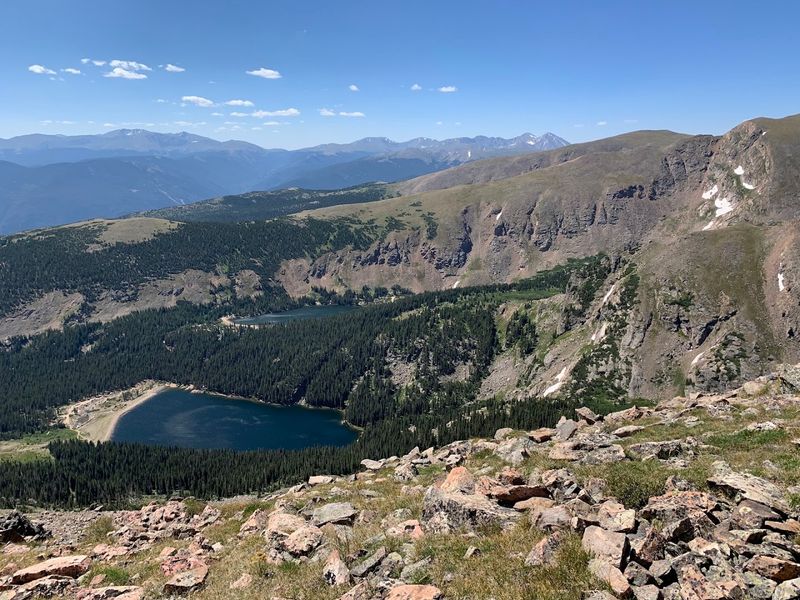
Idaho Springs is a town most people drive through on the way to somewhere else, which means Fall River Reservoir sits in a sweet spot of accessibility and obscurity. Follow Rainbow Road out of town and keep climbing until the pavement gives way and the reservoir appears like a quiet reward for your persistence.
The dispersed camping spots here are free, scenic, and close enough to civilization to feel low-stress for first-time dispersed campers.
The reservoir sits at around 10,000 feet, which means temperatures drop sharply at night even in July. Bring a warm sleeping bag regardless of what the daytime forecast says.
The fishing is reportedly decent, the views of the surrounding peaks are excellent, and the short hike above the reservoir leads to open tundra that stretches in all directions with almost no other people in sight.
Idaho Springs itself is a solid little town with a main street full of character, good burgers, and the Argo Gold Mine if history is your thing. The proximity to Denver makes this a legitimate same-day escape for front-range residents who need altitude and quiet on short notice.
I love recommending this one to people who think dispersed camping sounds complicated. Fall River Reservoir proves it really is not.
11. Jones Pass Dispersed Camping
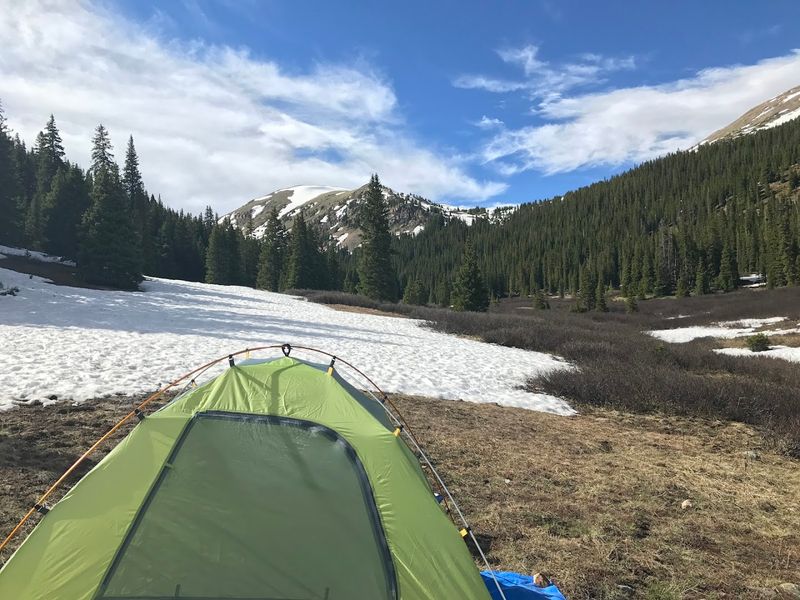
Empire is barely a dot on the map, but Forest Road 144 out of town leads to one of the Front Range’s most rewarding and least-visited dispersed camping corridors. Jones Pass sits at over 12,000 feet, and the road climbing toward it passes through a progression of ecosystems that feels like flipping through a field guide in real time.
Dense spruce forests give way to willow-choked creek bottoms, which give way to open alpine terrain that stretches toward the Continental Divide.
The dispersed sites along the road are informal and unmarked, which is part of their appeal. You find a flat spot, set up camp, and spend the evening watching the alpenglow fade off the ridgeline.
The trailhead at Jones Pass connects to the Continental Divide Trail, making it a legitimate launching point for serious backcountry days if that is your inclination.
A high-clearance vehicle is strongly recommended for the upper sections of Forest Road 144, though the lower stretches are accessible to most cars. Georgetown, just a few miles away, has a good hardware store and a couple of reliable diners for pre-trip provisioning.
I think Jones Pass is the kind of place that rewards people who do a little homework and then rewards them again once they actually get there. Plan for wind.
It is persistent and cold.