
This Newly Opened Presidential Museum In Illinois Is Already A Must-Visit
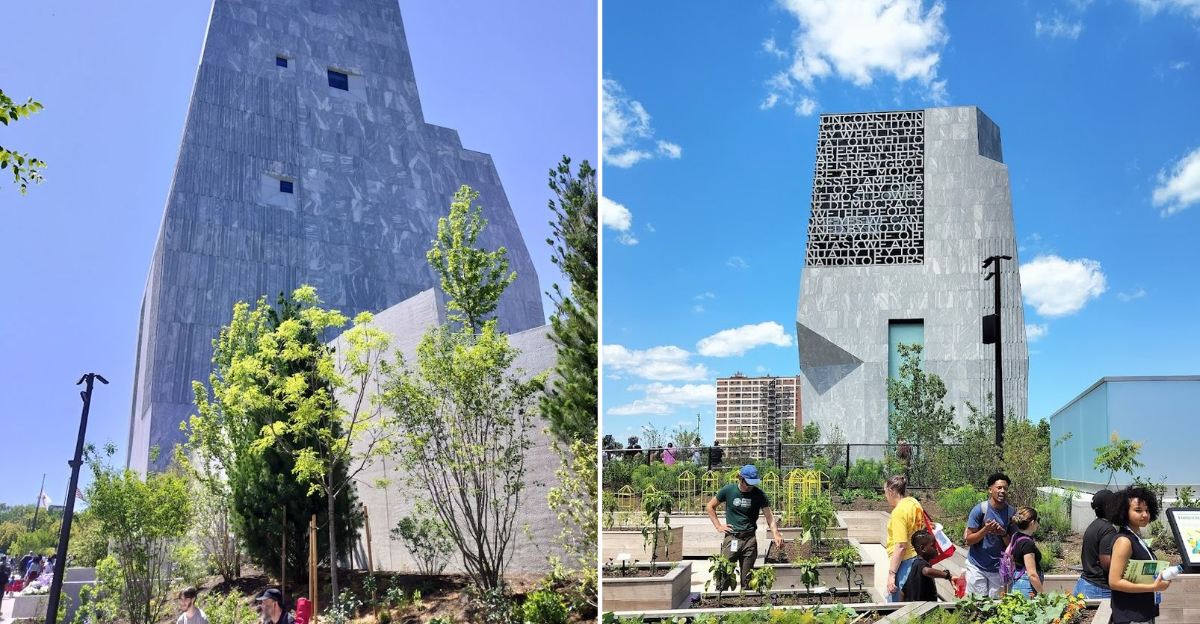
Chicago has a talent for hiding big surprises in plain sight, and its newest South Side landmark may be one of its most meaningful yet. In the heart of Jackson Park, a striking new campus in Illinois is drawing attention for a reason that goes beyond architecture.
This is not a quiet, old-fashioned tribute tucked behind glass. It is a living civic space built around memory, movement, community, and possibility.
The grounds blend museum-style storytelling with public gathering areas, green space, and a deep connection to the neighborhood around it. Visitors come for history, but the experience feels just as focused on what people can build next.
For anyone exploring Chicago with curiosity, this South Side destination offers something rare: a landmark that looks back, looks forward, and still feels rooted in everyday life.
A Campus Built For The Community
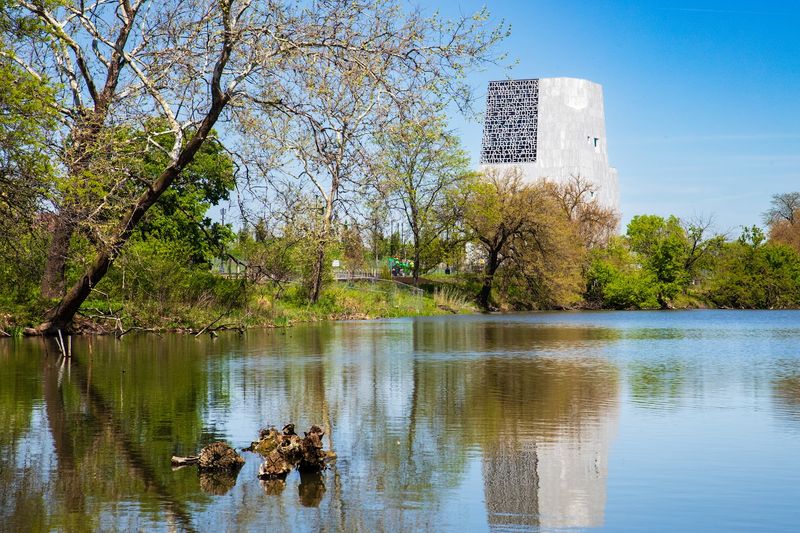
Most presidential libraries feel like they belong to the past. The Obama Presidential Center, located at 6001 S Stony Island Ave, Chicago, Illinois 60637, was designed with the future firmly in mind.
The entire campus spans 19.3 acres inside Jackson Park on Chicago’s South Side, and it feels more like a living neighborhood hub than a traditional museum.
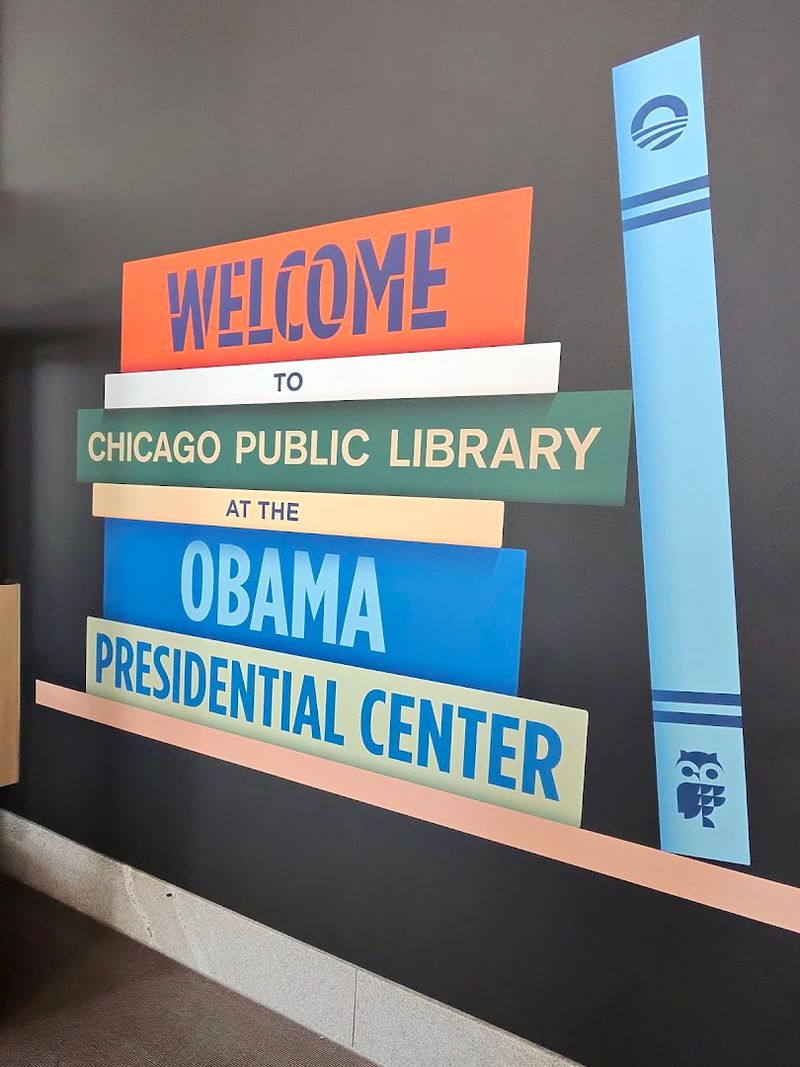
The center includes a museum tower, a public library branch, a recording studio, a gym, a sledding hill, and open green spaces. These features were intentionally included to serve the surrounding Woodlawn and South Side communities for generations to come.
Architects Tod Williams and Billie Tsien led the design, drawing inspiration from the local landscape and the people who live nearby. Every path, plaza, and building was designed to feel welcoming rather than intimidating.
Visiting here feels less like attending a formal institution and more like spending an afternoon in a place that genuinely wants you there.
The Historic Setting That Adds Extra Meaning
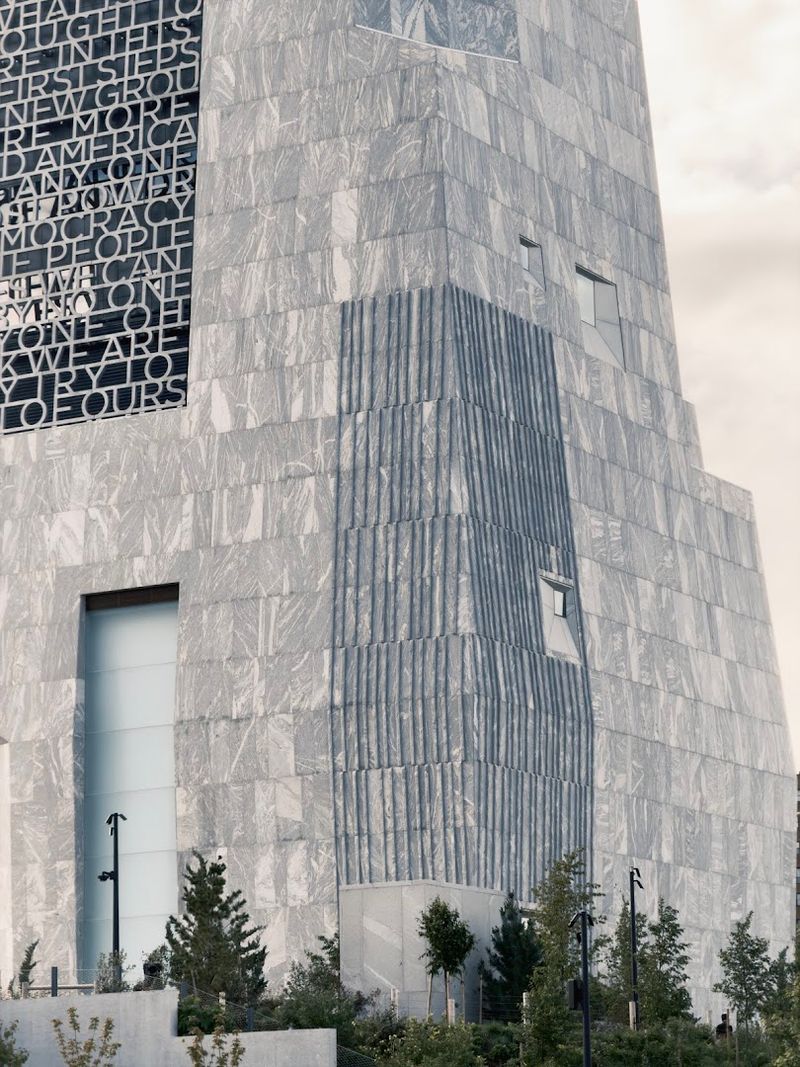
Few locations in Chicago carry as much historical weight as Jackson Park. The site hosted the 1893 World’s Columbian Exposition, one of the most celebrated world’s fairs in American history.
Placing the Obama Presidential Center here was a deliberate and meaningful choice that connects the past to the present in a very tangible way.
The park itself is beautiful, featuring open meadows, mature trees, and pathways that invite a slow, peaceful walk. Visitors who arrive early can spend time exploring the park before the museum opens, which adds a relaxing layer to the overall experience.
The lakefront is also nearby, giving the whole visit an airy, open feeling that indoor-only museums simply cannot replicate. Jackson Park has been thoughtfully restored as part of the center’s development, with native plantings and improved public spaces enhancing the natural environment.
Coming here feels like stepping into a place where Chicago’s history and its future are having a quiet, respectful conversation with each other.
The Museum Tower
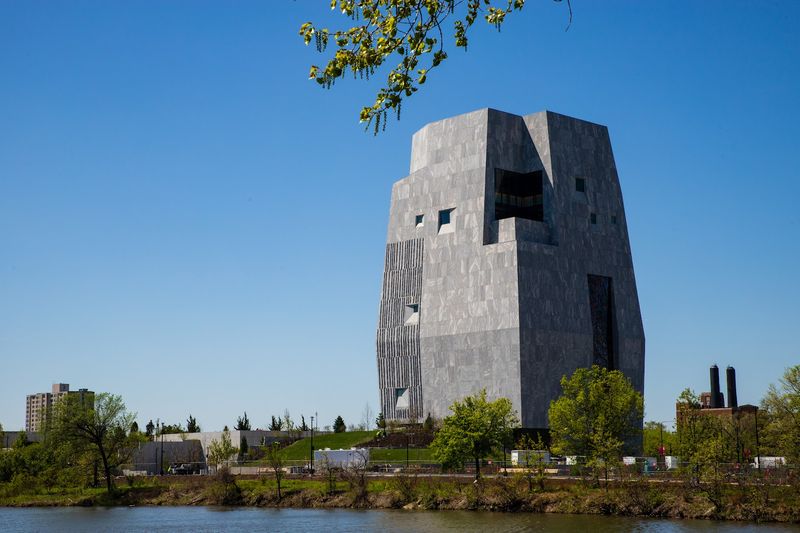
At the heart of the campus stands the museum tower, a striking structure that houses the primary exhibition spaces.
Inside, the galleries take visitors through Barack Obama’s life journey, from his childhood in Hawaii and Indonesia to his years as a community organizer on Chicago’s South Side, his time in the Illinois State Senate, and ultimately his two terms as the 44th President of the United States.
The exhibits are designed to be interactive and engaging rather than purely text-heavy.
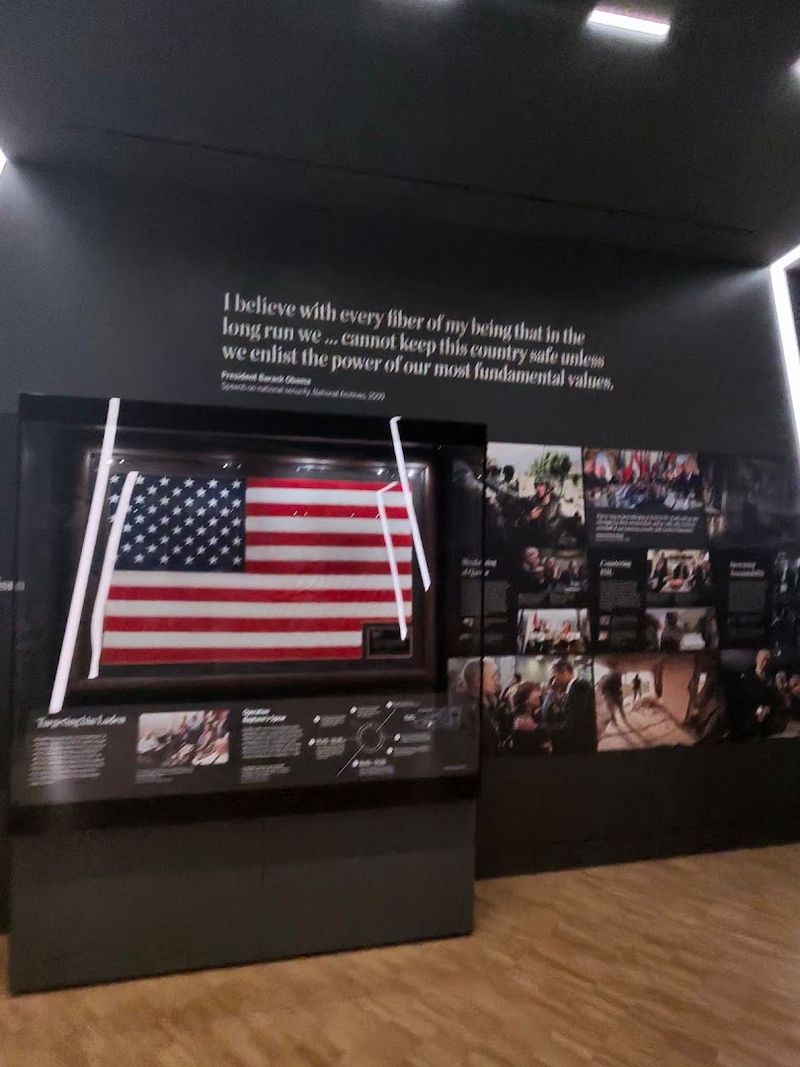
Multimedia displays, personal artifacts, archival photographs, and immersive environments make each gallery feel distinct and emotionally resonant. Younger visitors especially respond well to the hands-on elements woven throughout the space.
One of the most talked-about features is the re-creation of the Oval Office as it appeared during the Obama administration, giving visitors a rare chance to see and feel the scale of that iconic room.
The museum tower is genuinely one of the most thoughtfully constructed presidential museum spaces in the country right now.
Michelle Obama’s Influence
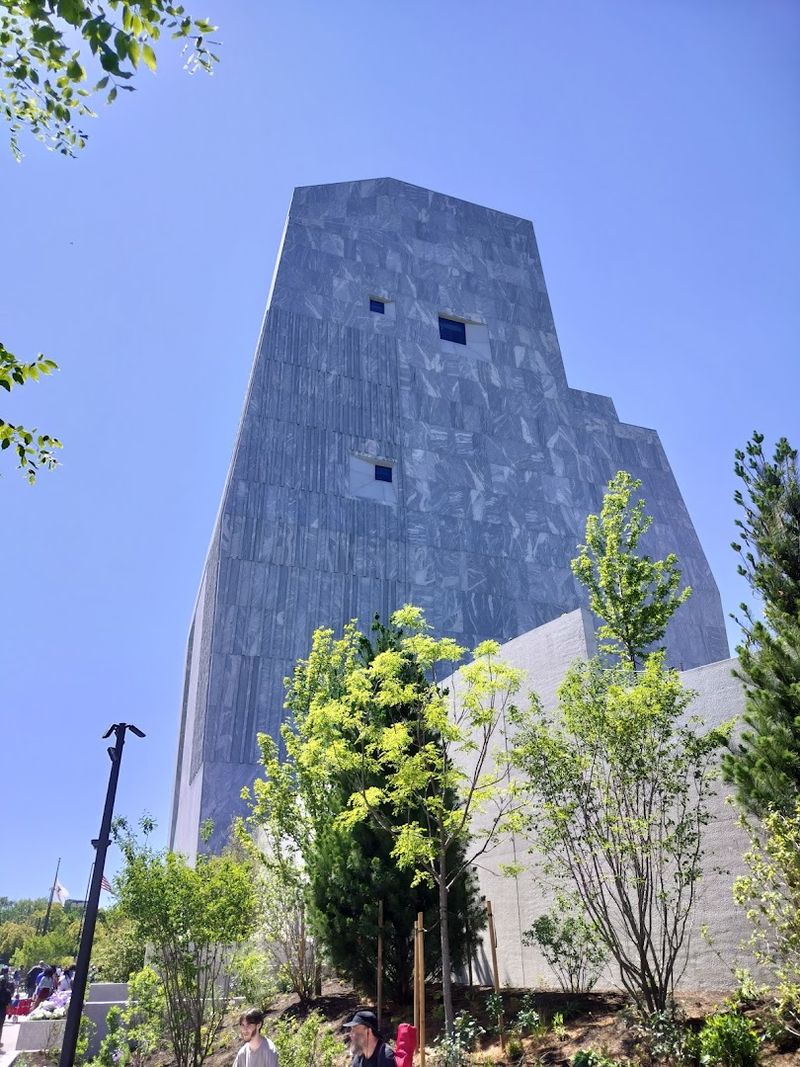
Barack Obama’s story is front and center here, but the presence of Michelle Obama runs through the entire campus in a way that feels completely intentional and deeply deserved.
As someone who grew up just a few miles away on the South Side of Chicago, Michelle Obama’s connection to this neighborhood is personal and profound.
Her work on childhood health, education, military families, and girls’ global education is highlighted throughout the exhibits with genuine depth. The center does not treat her contributions as a footnote but as a full and essential part of the story being told.
There are dedicated sections exploring her Let Girls Learn initiative and her Reach Higher program, both of which had measurable impacts on communities worldwide.
Seeing her journey from the South Side of Chicago to the global stage, all told within the very neighborhood where she grew up, gives these exhibits an emotional authenticity that is hard to manufacture and impossible to ignore.
The Forum Building
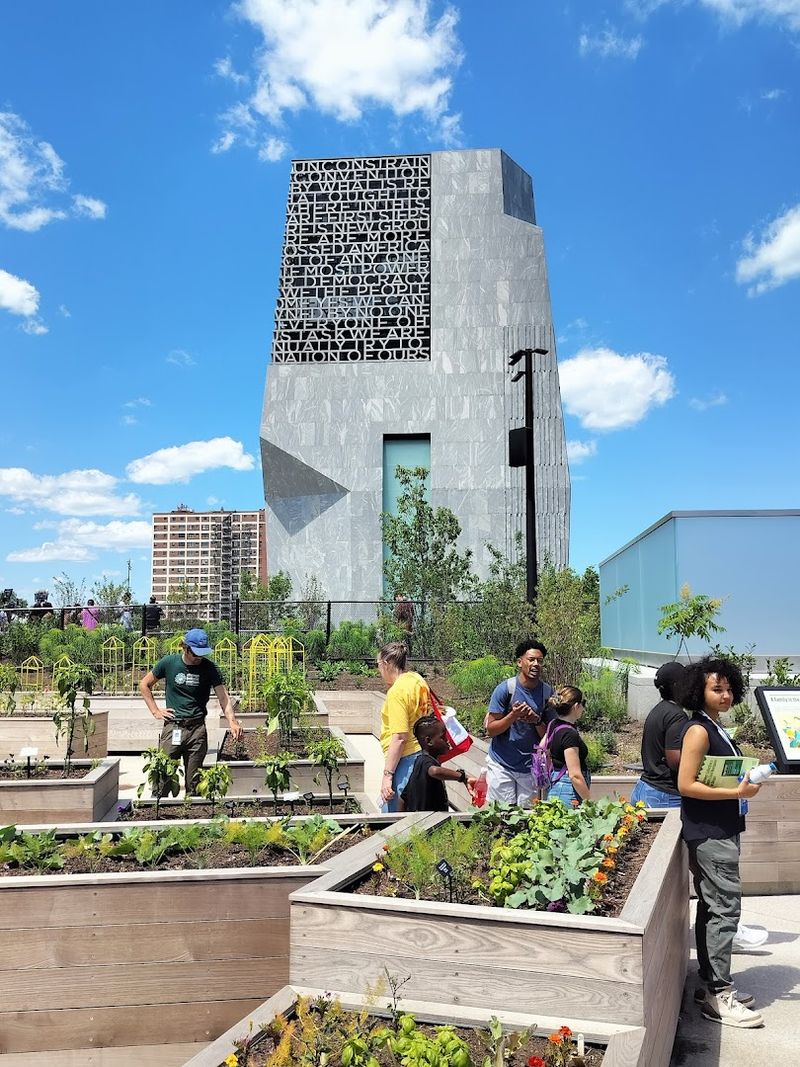
Not every part of the Obama Presidential Center is about looking back. The Forum building is specifically designed as a space for civic engagement, programming, and community conversation.
Think of it as the center’s beating pulse, a place where ideas are exchanged and new ones are born.
The Forum hosts lectures, workshops, film screenings, and public programs that connect visitors to pressing issues in areas like democracy, climate, health equity, and global leadership.
The programming calendar is robust and changes regularly, so returning visitors will almost always find something new happening inside.
The building itself is architecturally striking, with large windows that flood interior spaces with natural light and create a sense of openness that encourages dialogue rather than passive observation.
Community members from the South Side are actively involved in programming decisions, which keeps the Forum grounded in local relevance. It is one of those rare public spaces that manages to feel both grand and approachable at exactly the same time.
Destination Accessible To Everyone
Here is something that helps set the Obama Presidential Center apart from many major museum experiences in Chicago and beyond: much of the campus is free and open to the public.
Though the Museum requires timed paid admission except on select free days and through eligible discount programs.
That approach speaks volumes about the values embedded in the center’s mission, while still requiring visitors to plan ahead for Museum tickets.
Families with children, students on school trips, solo travelers, and curious locals can enjoy many public areas of the campus without worrying about ticket prices, while Museum entry requires a timed ticket.
Timed Museum tickets are required, and visitors should check current pricing, free-day availability, and discount eligibility before planning their visit.
The mix of free public campus spaces, community programming, and ticketed Museum access reflects the Obama Foundation’s commitment to serving the public, especially the South Side Chicago community that surrounds the campus.
For visitors planning a full day in the area, combining a museum visit with a walk through Jackson Park and a stop at nearby Hyde Park restaurants creates a rich, affordable Chicago experience that punches well above its price tag.
The Neighborhood That Shaped A President
Spending time at the Obama Presidential Center naturally leads to exploring the surrounding Hyde Park neighborhood, and that exploration is absolutely worth your time.
Hyde Park is one of Chicago’s most intellectually vibrant neighborhoods, home to the University of Chicago and a rich tradition of political thought, cultural diversity, and independent bookshops.
Barack and Michelle Obama lived in Hyde Park before and during the presidency, and their former home on Greenwood Avenue is a short drive from the center.
The neighborhood also contains excellent dining options, independent coffee spots, and the world-famous Museum of Science and Industry just a few blocks away.
Walking through Hyde Park gives context to the story told inside the museum. You can see the streets where Obama organized community meetings, the university buildings where he taught constitutional law, and the local institutions that shaped his worldview.
The neighborhood and the museum together form a complete picture that neither could fully deliver on its own.
The Athletic Center And Green Spaces
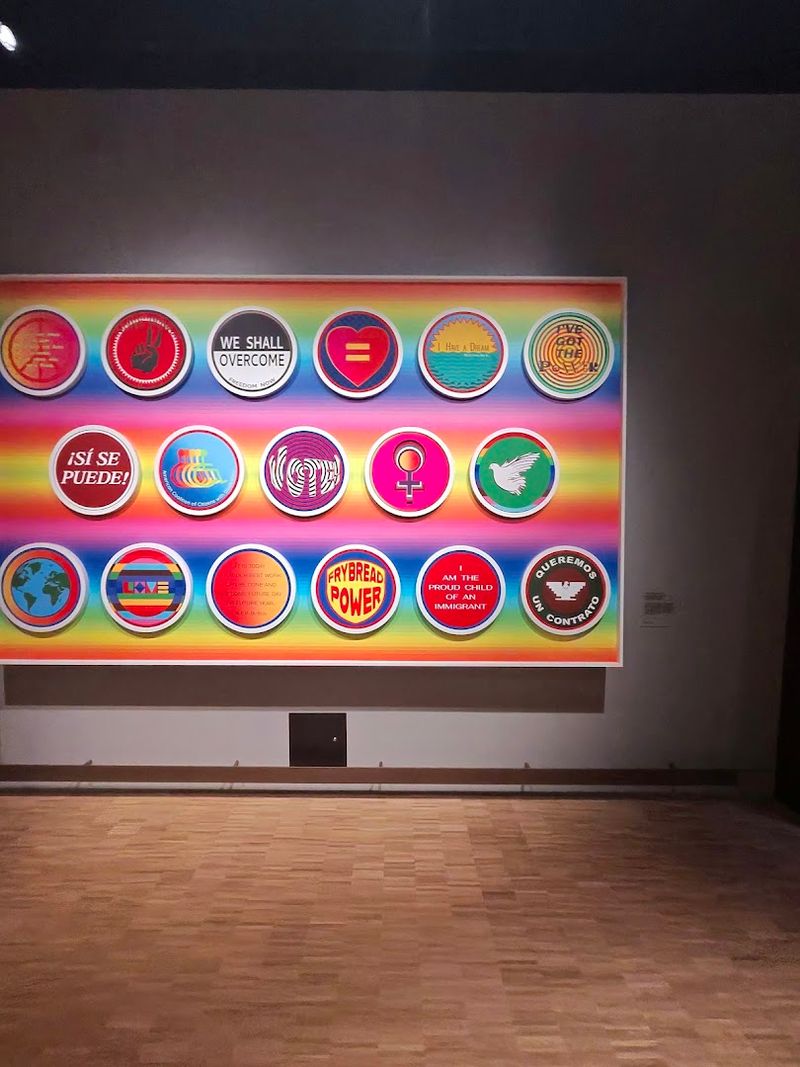
Presidential libraries typically mean rows of documents, archival footage, and hushed reading rooms.
The Obama Presidential Center respectfully breaks that mold by including a full athletic center, a sledding hill, a children’s play area, and extensive restored green spaces that invite physical activity alongside intellectual exploration.
The athletic center is designed to serve South Side youth and community members, offering fitness facilities that would otherwise be difficult to access in the area. This is not a token addition but a fully functioning community resource that will be used daily by people who live nearby.
The landscaped grounds feature native prairie plantings and restored natural areas that support local biodiversity and give the campus a seasonally changing beauty. Visiting in different seasons will offer genuinely different visual experiences, from spring wildflowers to the golden tones of autumn grasses.
The decision to build a place where kids can sled and families can picnic alongside a presidential museum might be the most quietly radical thing about this entire project.
Planning Your Visit
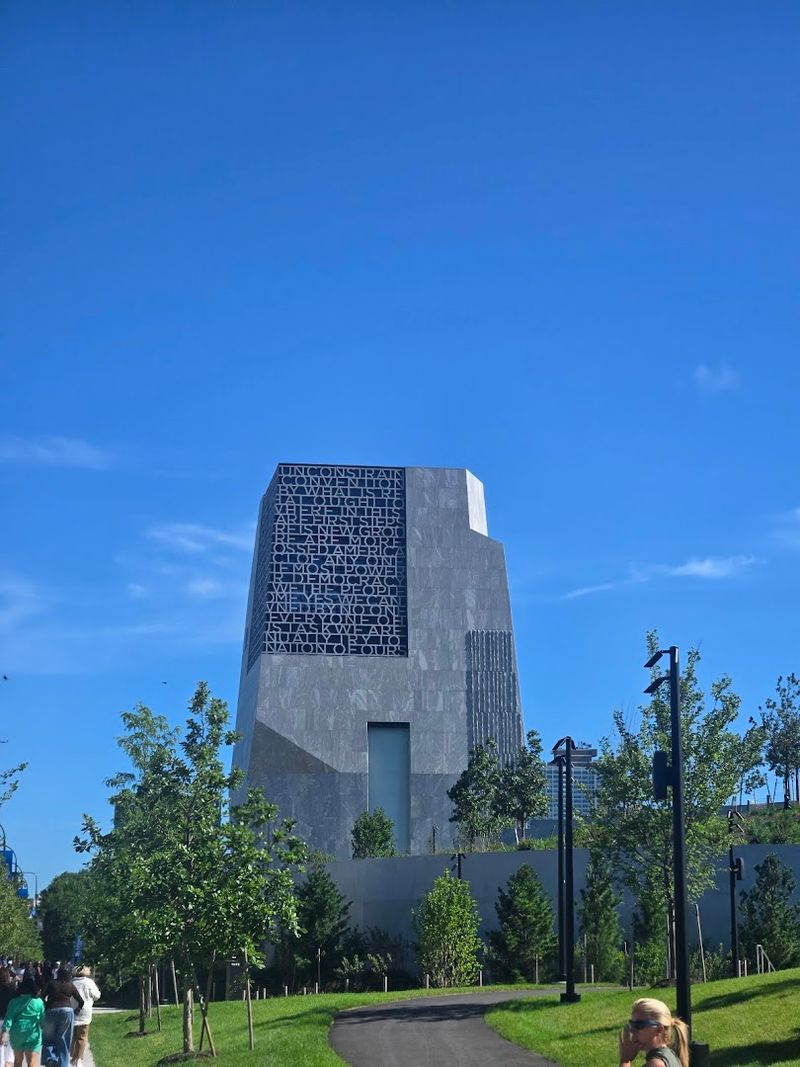
Getting to the Obama Presidential Center is straightforward whether you are driving or using public transit.
The center is located at 6001 S Stony Island Ave, Chicago, Illinois 60637, and is accessible by CTA bus routes that stop near or directly in front of the campus, including routes serving Stony Island Avenue.
The nearby Metra Electric line also connects the area to downtown Chicago in under 30 minutes.
Current operating hours are Monday and Sunday from 1 PM to 8 PM, and Tuesday through Saturday from 10 AM to 5 PM.
Booking a timed entry reservation in advance through the official website is strongly recommended, especially on weekends and during peak summer months when foot traffic increases significantly.
Wearing comfortable shoes is a practical must, since the campus is large and the combination of indoor galleries and outdoor green spaces means you will cover a fair amount of ground.
Arriving at opening time gives you the best chance of moving through the museum galleries at your own pace without feeling rushed.
Why It Feels Different
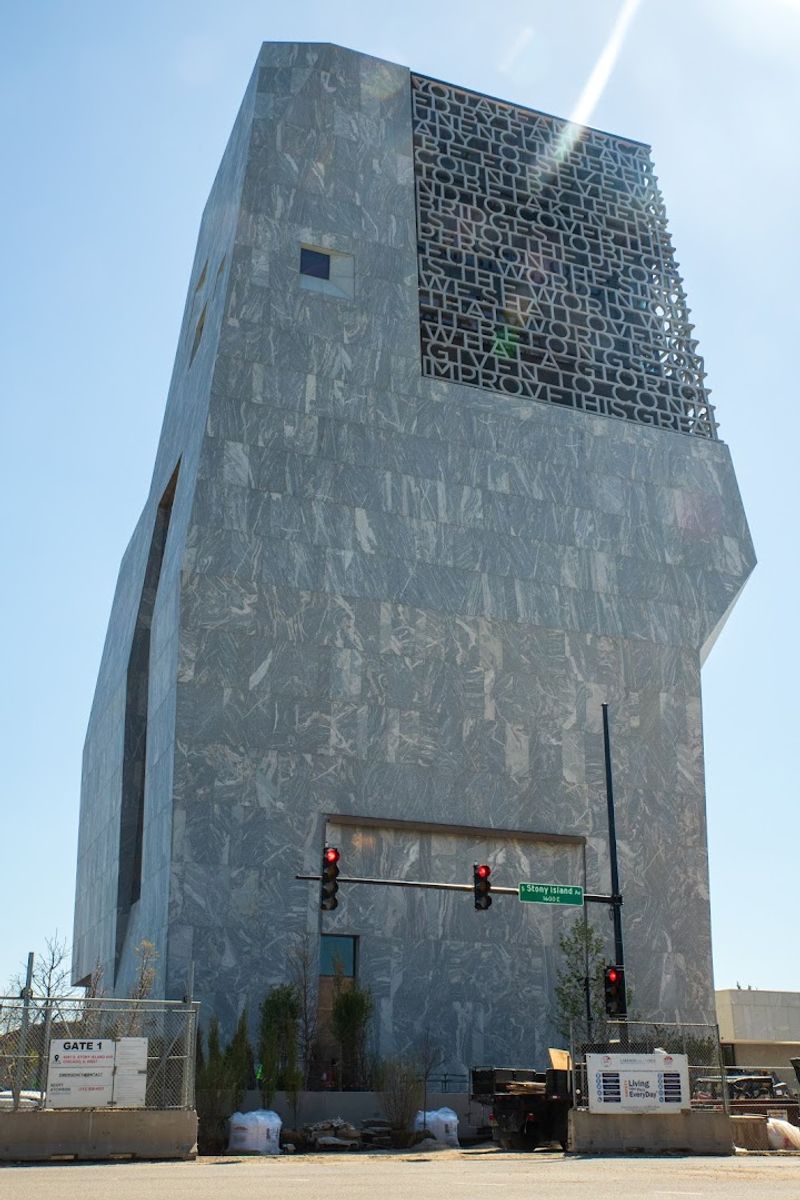
Presidential museums tend to follow a familiar format: chronological exhibits, preserved documents, a few dramatic moments captured in glass cases. The Obama Presidential Center does something quietly different by centering the community as much as the individual being honored.
The underlying message here is not simply that one person rose to the highest office in the land. It is that communities, organizing, education, and civic participation are the engines behind meaningful change.
That framing gives the entire campus a forward-looking energy that most museums of this type simply do not carry.
First-time visitors often remark on how the space manages to feel both historically significant and personally relevant at the same time. The exhibits challenge you to think about your own role in your community and your own capacity to contribute to something larger than yourself.
That is a rare and valuable thing for any public institution to accomplish, and it is exactly why this newly opened center in Illinois is already earning its place as a genuine must-visit destination.