
This Time-Carved Natural Bridge Hidden In The Arkansas Woods Feels Like A Secret From Another Era
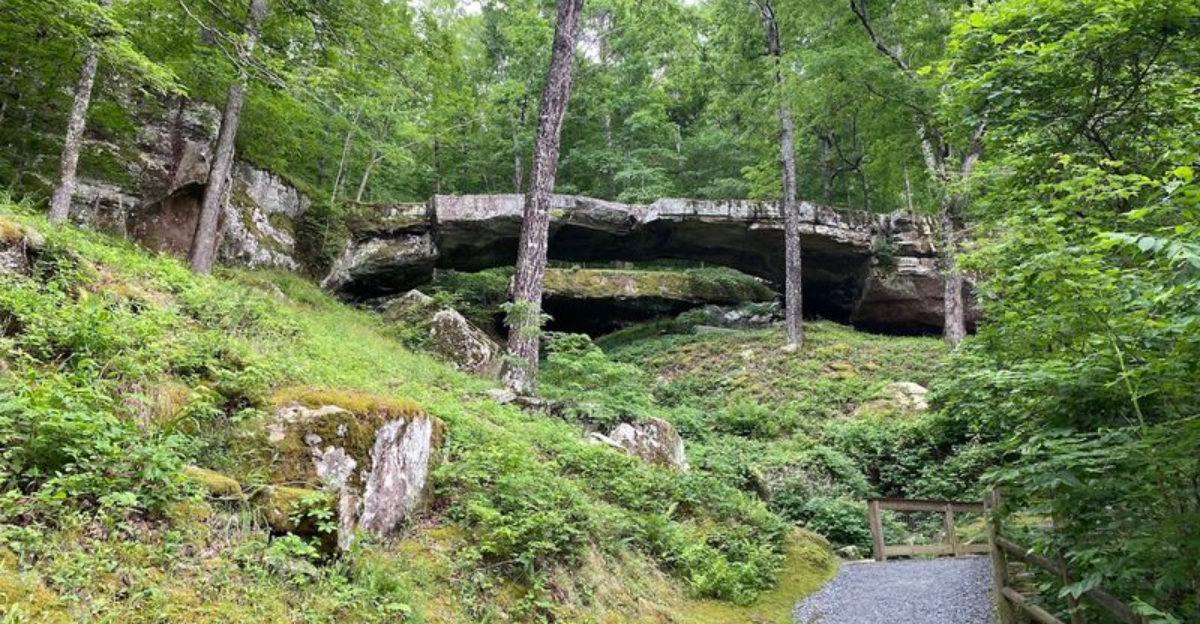
A road trip through Arkansas always gets better when the best stop is the one you almost passed. That is the feeling here.
The turn drops you into the trees, the road gets serious fast, and by the time you reach the bottom, the mood has changed completely. No big buildup.
No crowded entrance. Just a short trail with a creek moving nearby, then a stone span that makes you stop mid-sentence.
It feels old because it is old. It feels peaceful because the woods do half the talking.
The cabins add a little pioneer-era texture, and the signs give enough backstory to make the walk feel richer. This is an easy visit, but it lands bigger than expected.
Bring the dog, keep your camera ready, and do not rush the trail. The best part is standing still long enough to hear the place around you.
A Quiet Path Into The Woods
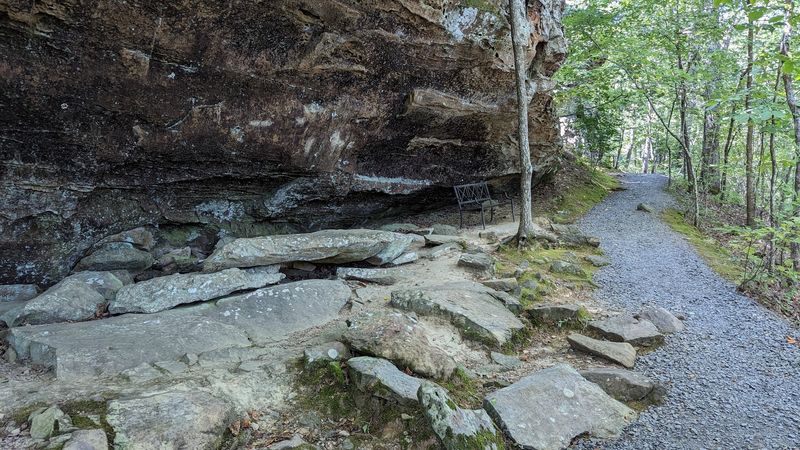
My first step onto the trail felt like crossing into a different version of the world.
The noise of the highway disappeared almost instantly, swallowed up by tall trees and the soft rustle of leaves overhead.
The path leading to the natural bridge is short, well-maintained, and paved with a quiet beauty that makes every step feel purposeful.
Educational signs line the route, each one offering a small window into the geology, history, and wildlife of the surrounding area.
Kids tend to slow down naturally here, pausing to read a plaque or peer through the tree trunks toward the creek below.
The trail is also pet-friendly, which means four-legged companions get to enjoy the forest air right alongside their people.
Birds call back and forth across the canopy, and the creek murmurs somewhere just out of sight, pulling you forward with a gentle curiosity.
Even on a warm day, the tree cover keeps things cool and comfortable enough to make the walk genuinely pleasant.
The path does include a set of stairs that leads up to a higher viewing point, so visitors with mobility concerns may want to plan accordingly.
The site is located at Natural Bridge of Arkansas, 627-641 Natural Bridge Rd, Clinton, AR 72031.
Stone Shaped By Ancient Water
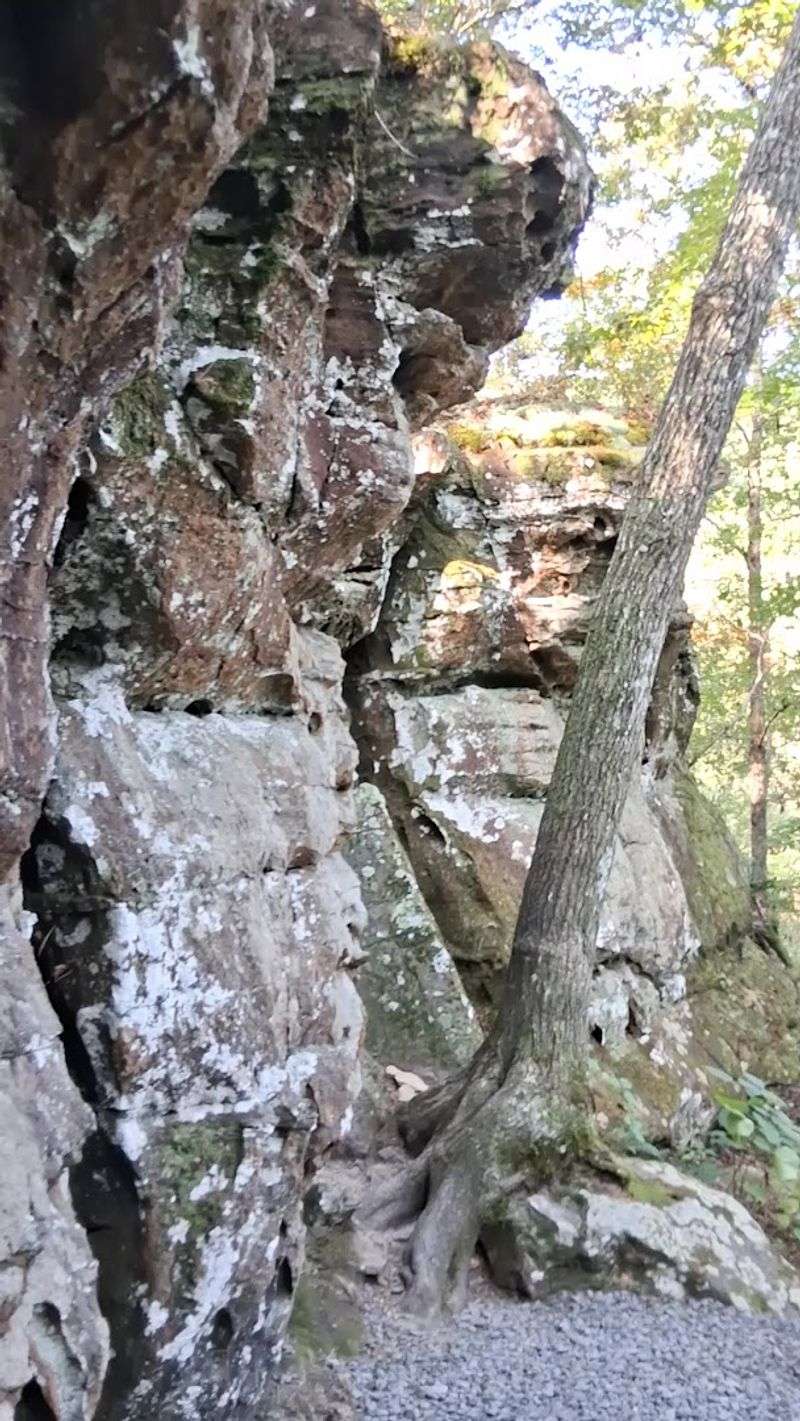
Three million years is a number that is almost impossible to wrap your head around, but standing beneath this sandstone arch, you feel every century of it.
Little Johnny Creek carved this formation through a process of persistent erosion, wearing away the softer rock layer by layer until a bridge-like span was left standing.
What makes this formation especially unusual is its classification as a compression bridge, meaning it is supported by two large stones at either end rather than being a true arch in the geological sense.
At approximately 120 feet long and about 4 feet thick at its center, the bridge is both wider and thinner than most people expect when they first see it.
The surface of the sandstone is textured with ridges, grooves, and subtle color shifts that tell the story of its long formation.
Arkansas sandstone takes on a warm golden tone in afternoon light, and this bridge is no exception, practically glowing when the sun hits it at the right angle.
Visitors are not permitted to walk on the bridge itself, which preserves its structure and keeps the experience safe for everyone.
Seeing it from the trail below and then from the elevated path above gives two completely different perspectives on its scale.
Beneath The Sandstone Arch
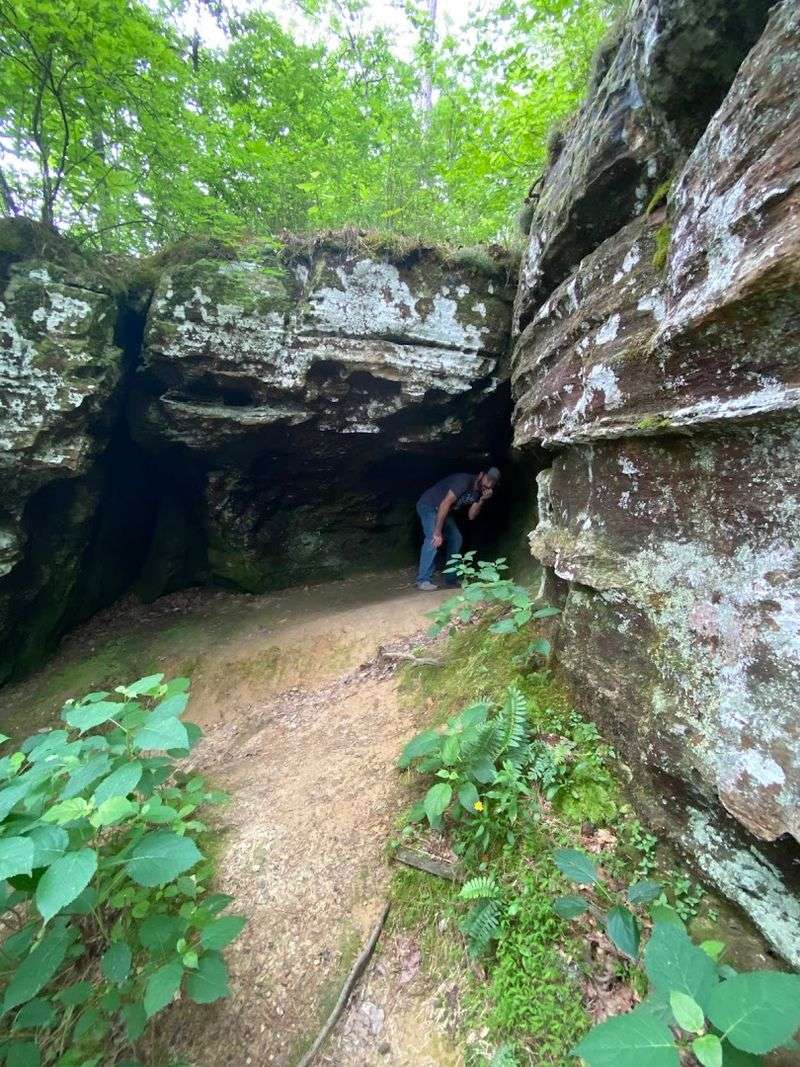
Standing directly below the arch and looking up is one of those moments where your brain takes a second to catch up with your eyes.
The span overhead feels enormous from that angle, with the rough underside of the sandstone stretching across your entire field of vision.
Little Johnny Creek runs just nearby, and the sound of water moving over rocks adds a layer of calm that makes the whole scene feel almost meditative.
The rock shelter beneath the bluff was historically used as protection by Quapaw Indians, who recognized this spot as both a thoroughfare and a place of refuge long before European settlers arrived.
Early pioneers later used the bridge as a crossing point over the creek, and loggers followed, using it to move timber through the area.
Even figures from the wilder chapters of American history reportedly passed through here, with stories connecting the site to Belle Starr and Jayhawkers who used the rock shelters during the Civil War era.
Informational signs placed along the trail fill in these historical details clearly and engagingly, so you never feel like you are missing context.
The combination of geological wonder and layered human history makes this spot feel far more substantial than its modest admission fee suggests.
Forest Light Around The Bridge
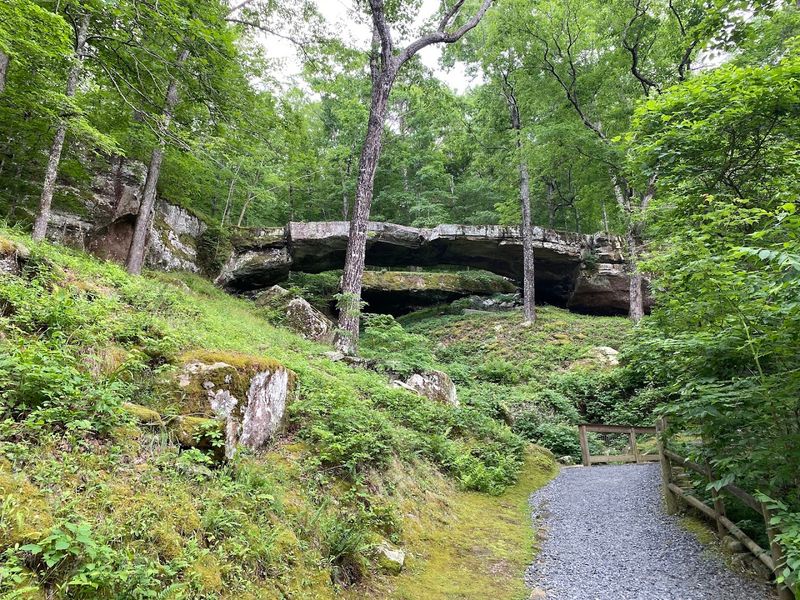
Light behaves differently in this part of the Ozark foothills, and nowhere is that more obvious than around the bridge itself.
The tree canopy filters the sun into shifting patches that move across the sandstone surface throughout the day, creating a scene that photographers tend to linger over longer than they planned.
Morning visits offer a cooler, moodier light with mist sometimes clinging to the creek bed, while midday sun punches through the leaves with more intensity and warmth.
The surrounding forest is dense with a mix of hardwoods that turn the whole area into a living color display during autumn, when the trail becomes especially popular with leaf-peepers passing through central Arkansas.
In spring, the undergrowth fills in with fresh green growth that frames the pale sandstone in a way that feels almost deliberately composed.
Wildlife is active here year-round, and birdsong is a near-constant soundtrack no matter when you visit.
The site sits in a natural hollow that amplifies forest sounds and softens road noise, creating a sense of genuine seclusion even though the highway is not far away.
Photographers should plan for at least an hour to fully work the different angles and lighting conditions the trail offers.
Rustic Cabins Near The Trail
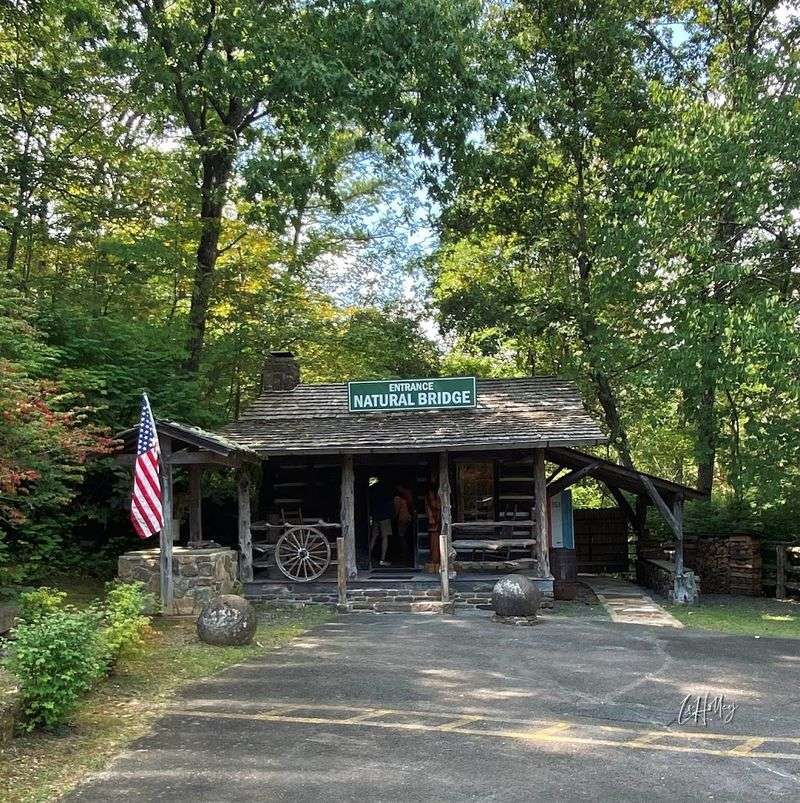
Two cabins from the 1800s sit on the property, and they do a lot of heavy lifting when it comes to setting the mood of the visit.
The first cabin serves as the entrance point and gift shop, where a small admission fee of five dollars per person gets you onto the trail and earns you a warm welcome from the staff on duty.
The second cabin functions as a museum filled with early farming tools, homestead equipment, and artifacts that paint a vivid picture of pioneer life in the Ozark region.
The gift shop carries a solid selection of Arkansas-themed souvenirs and unique local items, and it is the kind of shop where you walk in expecting to spend five minutes and leave forty-five minutes later with a full bag.
A scavenger hunt-style information sheet is available to help visitors identify and understand the various artifacts and points of interest on the property.
The cabins themselves are immaculately maintained, which reflects the genuine care the property owners have put into preserving this historical site for future visitors.
Mossy Rocks Along The Creek
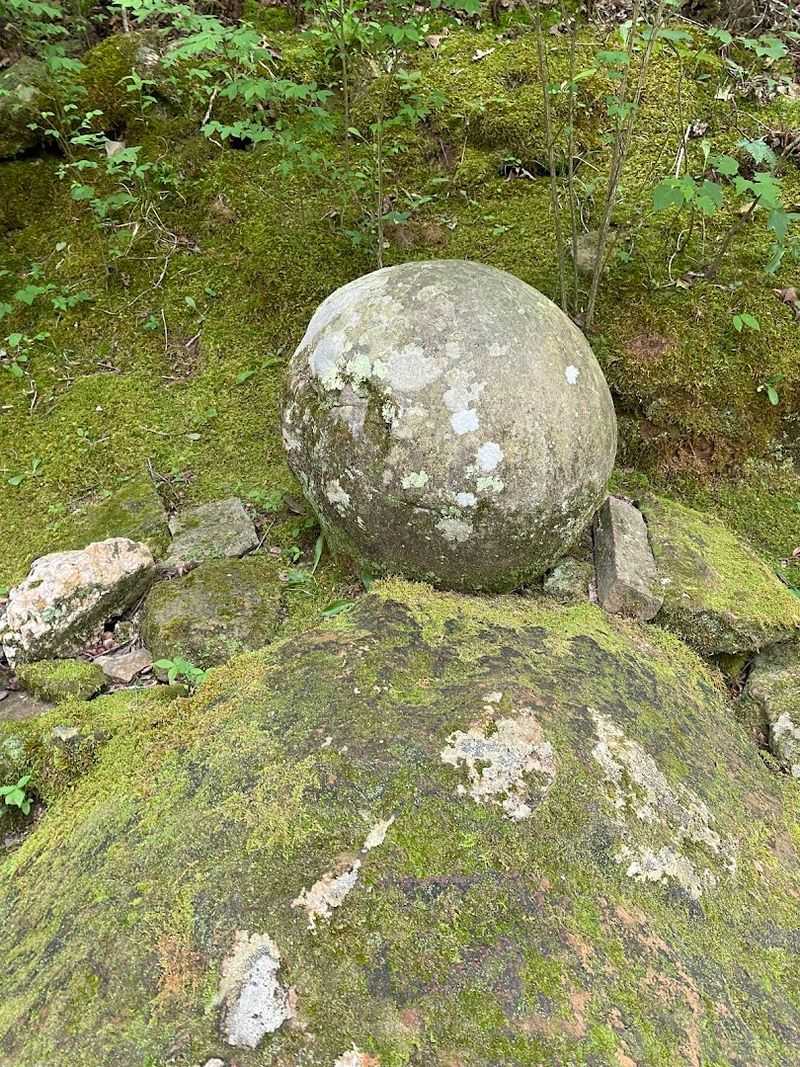
Little Johnny Creek does not just carve sandstone bridges over millions of years; it also creates one of the most photogenic creek settings in the region.
The rocks along its banks are thick with moss, giving the streamside a soft, green texture that contrasts beautifully with the pale sandstone of the bridge above.
Water moves through the creek bed with a steady, unhurried rhythm that makes the whole area feel removed from the pace of ordinary life.
The creek has been central to this land’s history, serving as a water source, a boundary marker, and a crossing point for everyone from indigenous travelers to timber haulers.
At certain points along the trail, you can get close enough to the creek to hear the water clearly and feel the slight drop in temperature that moving water brings to the surrounding air.
Picnic tables are positioned near the trail, and sitting by the creek with a packed lunch is one of those simple pleasures that turns a quick stop into a full afternoon.
The mossy rocks also provide excellent foreground interest for wide-angle photography, especially when paired with the arch looming in the background.
This creek-side stretch of the trail is where the natural world and the site’s history feel most intertwined and alive.
An Old Ozark Roadside Wonder
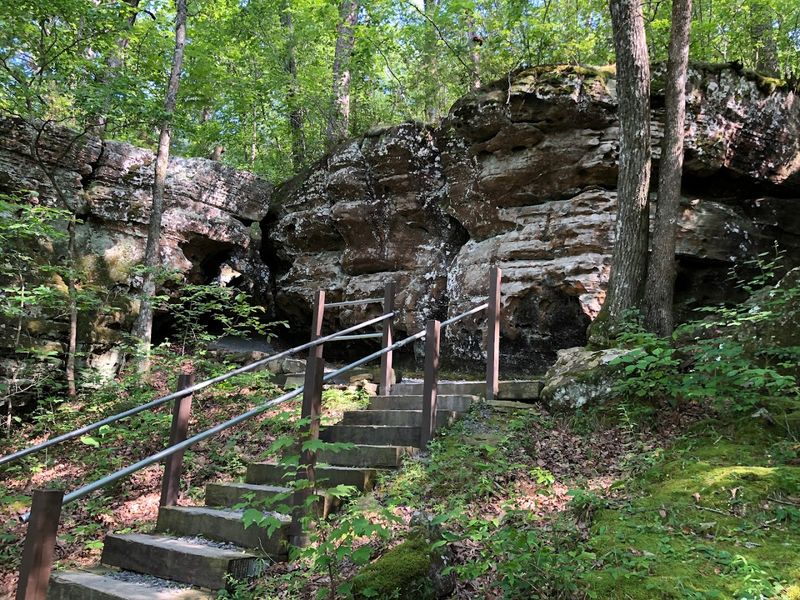
The road to this place is part of the experience, and it earns its reputation quickly.
Turning off US 65 and following the signs down into the hollow, the road immediately begins to twist and descend through tight hairpin turns that are both thrilling and a little humbling for first-time visitors.
No buses, RVs, or large trucks are permitted on the road, and once you make a few of those turns, you completely understand why.
The drive itself is canopied by trees that close in overhead, creating a tunnel of green that sets the mood well before you reach the parking area.
Despite the dramatic approach, the road is paved and well-maintained, which is a pleasant surprise given how remote the setting feels.
The small parking lot at the bottom holds around twenty vehicles and is kept in excellent condition, which reflects the overall care taken with the entire property.
This attraction has been privately owned and open to the public since 1970, making it one of those rare roadside destinations that has quietly built a loyal following without much fanfare.
For anyone passing through central Arkansas on US 65, the signs pointing toward this site are worth every second of the detour.
Shadows Under The Bluff
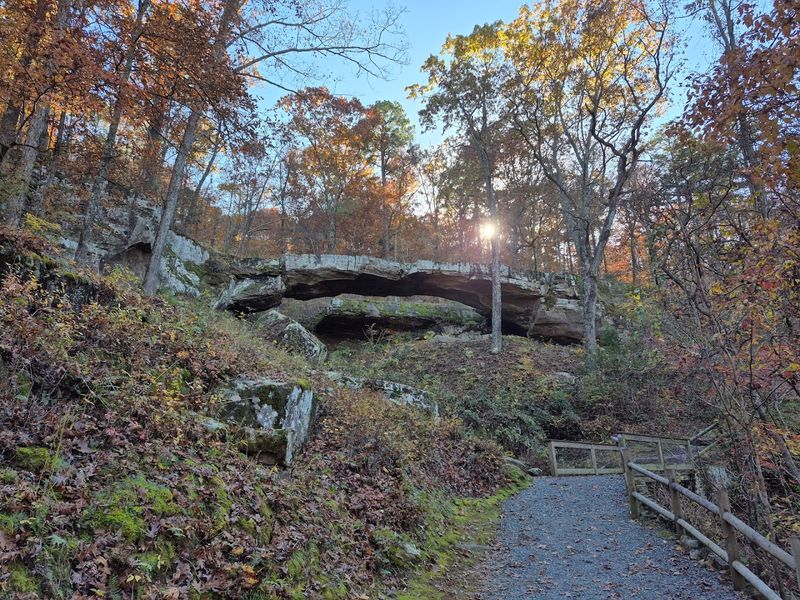
The bluff shelter on the property carries a different kind of energy than the bridge itself, quieter and more enclosed, with a history that feels distinctly human.
Rock shelters like this one were used by Quapaw Indians long before European contact, and the walls and ceiling of the bluff still bear the marks of centuries of use and natural weathering.
During the Civil War, Jayhawkers reportedly used shelters like this one to stay hidden, and the stories attached to the site give the shadows beneath the bluff a genuine sense of weight.
Standing inside the shelter and looking out at the creek and forest beyond, it is easy to understand why people kept returning to this particular hollow over so many generations.
The natural acoustics under the bluff are surprisingly interesting, with sounds from the creek and the forest carrying differently than they do out on the open trail.
Informational signage near the shelter gives visitors enough context to appreciate what they are looking at without overwhelming the experience with too much text.
The property is open daily from 9 AM to 5 PM during its regular season, which runs from mid-March through mid-November, weather permitting.