
The Arizona Observatory Where Pluto Was Discovered Is Still A Dreamy Summer Night Stop
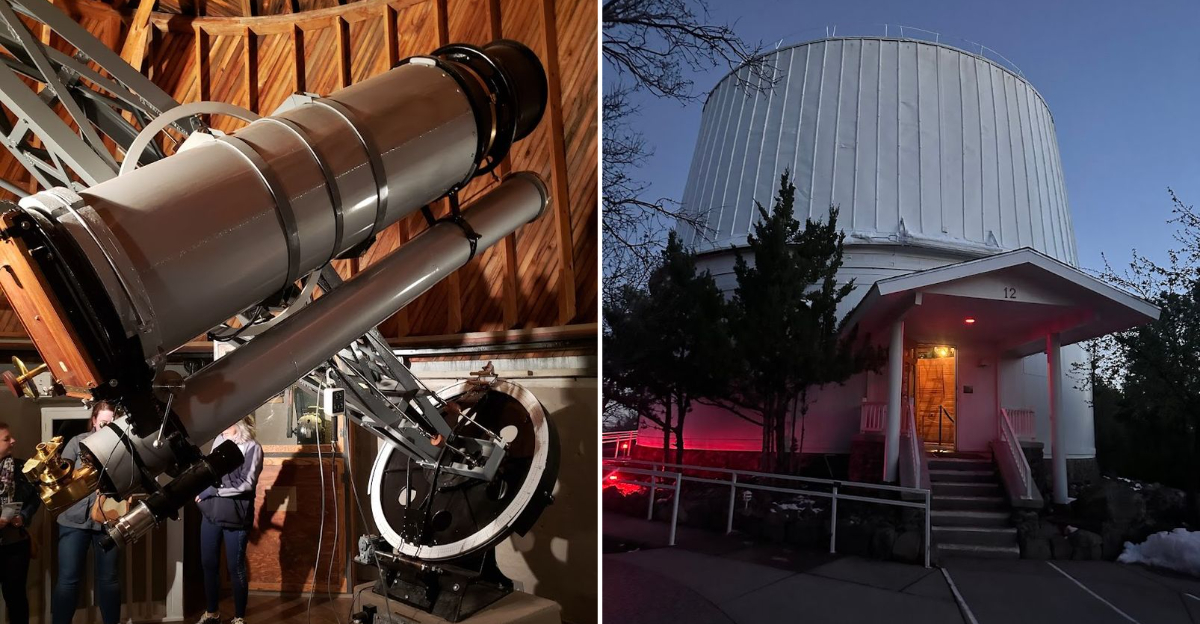
Nothing humbles the ego quite like standing in the exact spot where a celestial body was discovered nearly a century ago.
In the high elevation of Arizona, this iconic observatory serves as a dreamy portal to the heavens, perfect for those long, slow summer nights when sleep feels entirely optional. You might expect a bunch of stuffy equations, but instead, you are greeted by the whispers of the cosmos and the distant, rhythmic hum of ancient machinery.
It is quirky, classic, and undeniably romantic in that “I’m looking at a nebula and feeling very small” kind of way.
If you have ever felt the urge to climb a mountain just to see if the craters on the moon are actually made of cheese, this is your spiritual home base. It is the very place where a 24-year-old astronomer named Clyde Tombaugh spotted Pluto in 1930, forever changing how we think about our solar system.
The Remarkable Story Behind Lowell Observatory
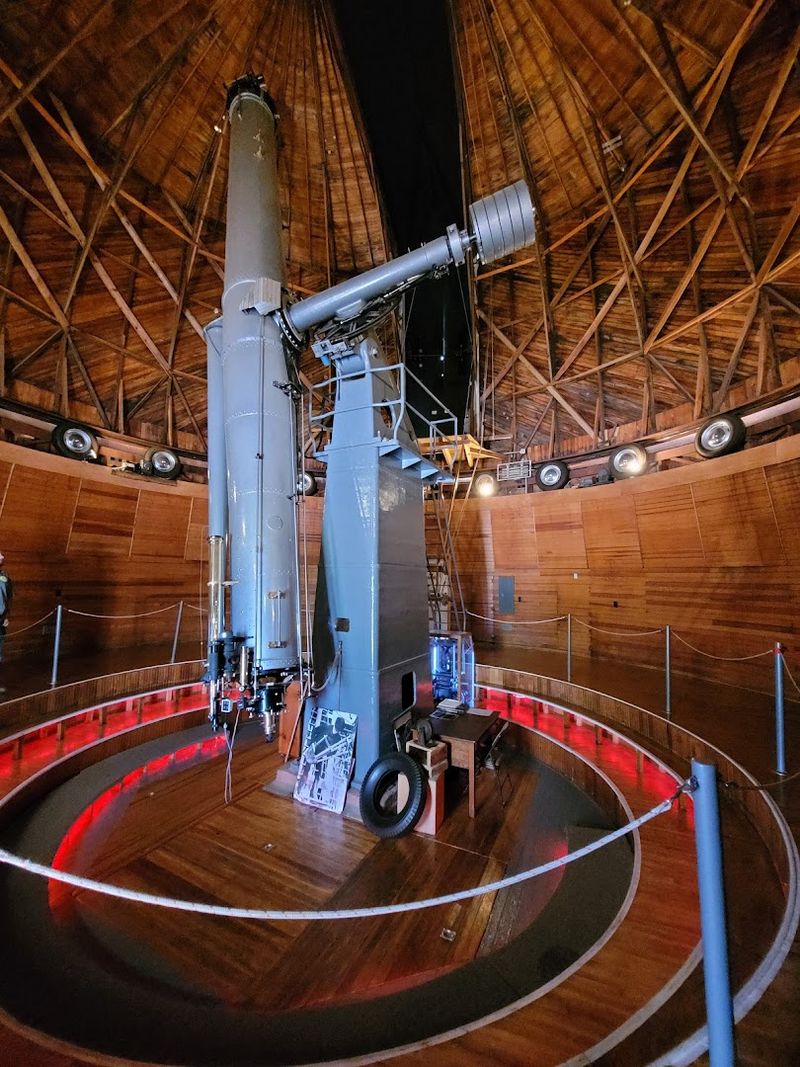
Back in 1894, a Boston businessman and astronomer named Percival Lowell packed his ambitions and headed to the high desert of Arizona.
He chose Flagstaff for its clear skies and high elevation, and he built what would become one of the most historically significant observatories in the United States.
Lowell was convinced that a mysterious ninth planet, which he called Planet X, existed somewhere beyond Neptune, and he spent years hunting for it.
Percival Lowell passed away in 1916 without ever finding his elusive Planet X. But his calculations lived on, and in 1930, a young astronomer named Clyde Tombaugh used those very notes to discover Pluto on February 18 of that year.
The announcement came on March 13, 1930, which happened to coincide with Percival Lowell’s 75th birthday.
In 1965, the observatory was designated a National Historic Landmark, and in 2011, Time magazine named it one of the world’s 100 most important places. That is a legacy worth visiting in person.
Clyde Tombaugh And The Discovery Of Pluto
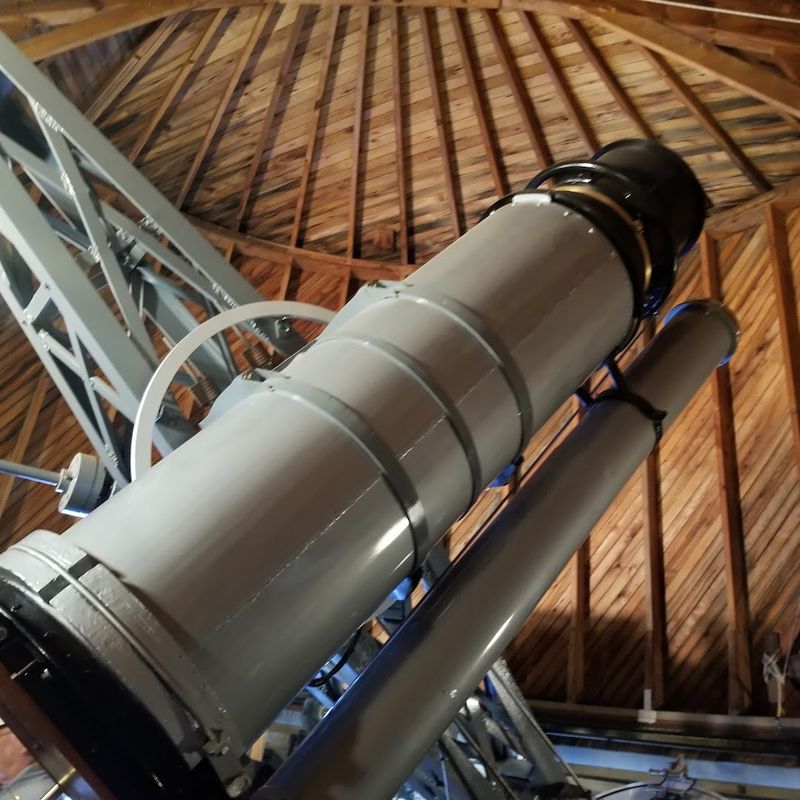
Few scientific discoveries have captured the public imagination quite like the finding of Pluto, and it all happened right here in Flagstaff.
Clyde Tombaugh was just 24 years old when he arrived at Lowell Observatory in 1929. His job was to photograph the night sky in pairs and then compare those images using a device called a blink microscope, which flipped rapidly between two photos to reveal any moving objects.
On February 18, 1930, Tombaugh noticed a tiny dot that had shifted position between two photographic plates taken in January of that year. That tiny dot turned out to be Pluto.
The discovery made international headlines and secured Lowell Observatory’s place in the history books permanently.
Pluto was later reclassified as a dwarf planet in 2006, but that does not dim the excitement of standing in the very building where it was found. The 13-inch Pluto Discovery Telescope that Tombaugh used is still on display for visitors to see up close today.
The 24-Inch Clark Refracting Telescope
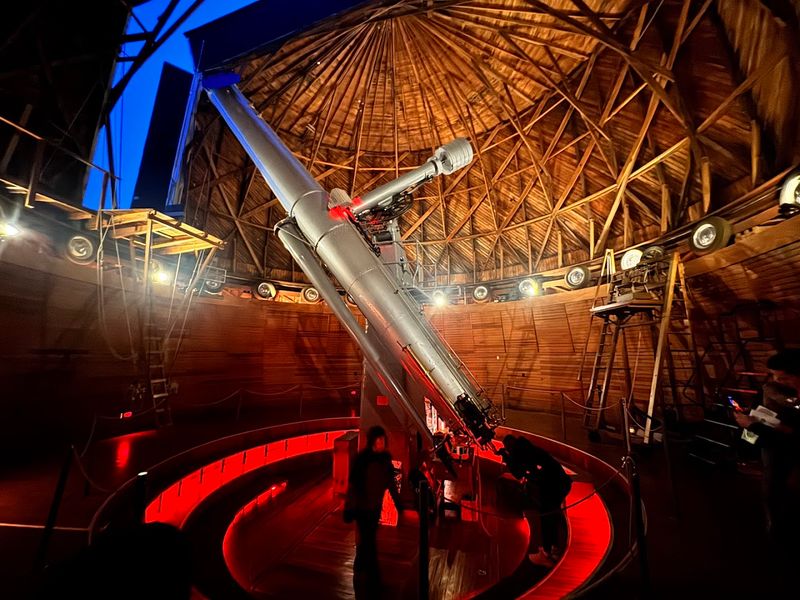
Some telescopes are retired to museums and put behind glass, but the 24-inch Clark Refracting Telescope at Lowell Observatory is still actively used for public viewing, which makes it genuinely special.
Built in 1896, this instrument is over 125 years old and remains one of the finest examples of 19th-century telescope craftsmanship in existence. Standing next to it feels like stepping into a time machine aimed directly at the cosmos.
The Clark Telescope has a fascinating resume beyond stargazing. It played a meaningful role in mapping the surface of the Moon in preparation for NASA’s Apollo Program, helping to identify safe landing sites for astronauts.
That connection between an 1896 telescope and the space age is the kind of detail that makes history feel alive.
On a clear summer night, visitors line up for their turn at the eyepiece, and the wait is absolutely worth it. Seeing Saturn’s rings or Jupiter’s moons through this storied instrument is a memory that tends to stick around for a very long time.
Summer Nights At The Observatory
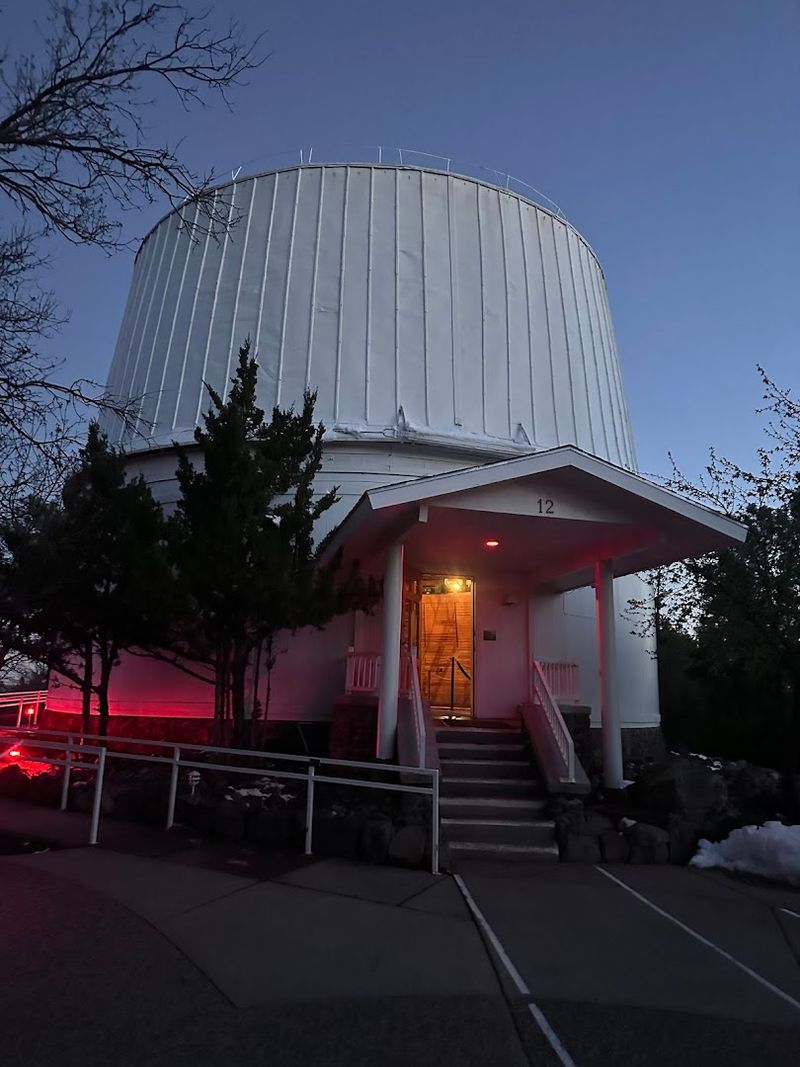
Summer is honestly the best time to visit Lowell Observatory, and the extended hours make it easy to turn a visit into a full evening adventure.
From Memorial Day through Labor Day, the observatory stays open until 10 PM on weekdays and 11 PM on weekends, giving visitors plenty of time to settle in and truly enjoy the night sky.
The observatory is closed on Tuesdays during this period, so plan accordingly.
As the sun sets over Mars Hill, the atmosphere shifts into something almost dreamlike. Educators roam the grounds with high-powered lasers, pointing out constellations and sharing stories about the stars overhead.
Multiple telescopes are set up outside, each aimed at a different celestial target, and staff members are genuinely enthusiastic about answering every question you throw at them.
The combination of warm desert air, dark skies, and knowledgeable guides creates an evening that feels both educational and deeply relaxing. Families, couples, and solo travelers all seem to find their own kind of magic here under the Arizona stars.
The Marley Foundation Astronomy Discovery Center
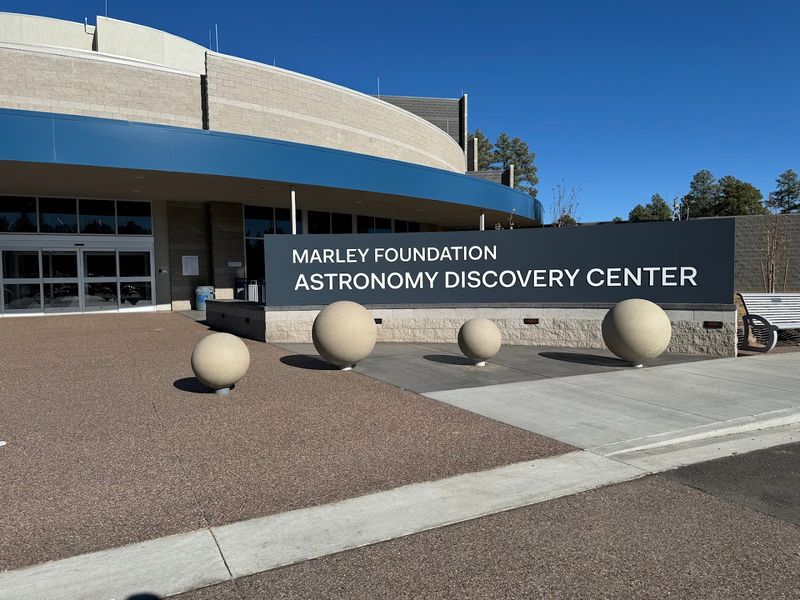
Opened in November 2024, the Marley Foundation Astronomy Discovery Center is Lowell Observatory’s newest and most ambitious addition.
This 40,000 square foot facility was designed to make astronomy accessible and exciting for visitors of every age and background. Walking through its doors feels like arriving at a place that was built specifically to spark curiosity.
Inside, the Orbits Curiosity Zone offers hands-on activities designed especially for younger visitors, letting kids physically engage with concepts like gravity and planetary motion.
The Stardust Lab Astronomy Gallery takes a more in-depth approach, guiding visitors through the science of stars, galaxies, and the universe at large. Both spaces manage to be informative without feeling like a classroom.
Perhaps the most unique feature is the Dark Sky Planetarium, located on the roof of the building. Rather than relying solely on projected images, it uses Flagstaff’s actual natural night sky as part of the experience.
It is the kind of thoughtful design detail that reminds you this observatory takes its role as an educator very seriously.
Guided Tours And Daily Programs
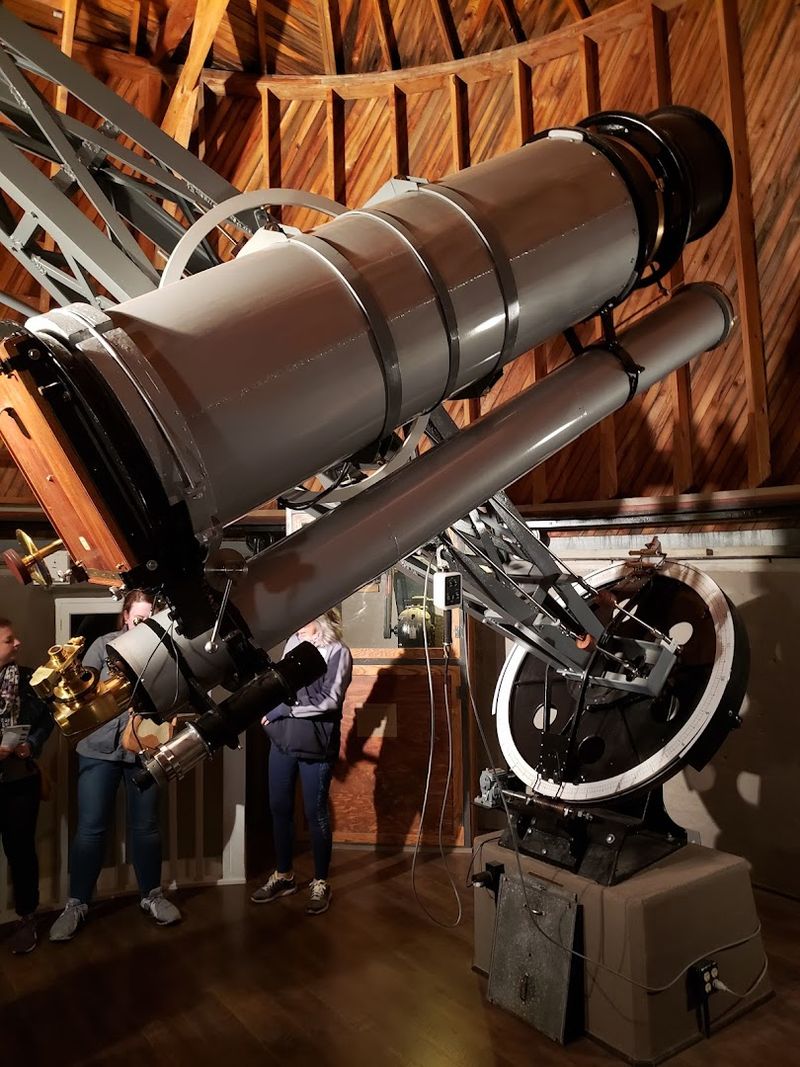
Not everyone arrives at Lowell Observatory already fluent in astronomy, and that is perfectly fine because the guided tours here are genuinely excellent.
The Story of Pluto tour walks visitors through the full narrative of how the solar system’s most famous dwarf planet was found, from Percival Lowell’s original calculations to Clyde Tombaugh’s breakthrough moment. It is storytelling at its most compelling.
The Lowell Tour gives a broader overview of the observatory’s history, architecture, and ongoing research, making it a great starting point for first-time visitors.
Beyond tours, the daily schedule includes solar viewings, where you can safely observe the Sun through specially filtered telescopes, as well as science demonstrations and science talks led by staff astronomers and educators.
These programs run throughout the day, so even if you arrive before sunset, there is plenty to keep you engaged. The staff clearly enjoy what they do, and that enthusiasm is contagious.
You will likely leave knowing far more about the universe than you expected when you pulled into the parking lot.
Premium Access Stargazing With The Dyer Telescope
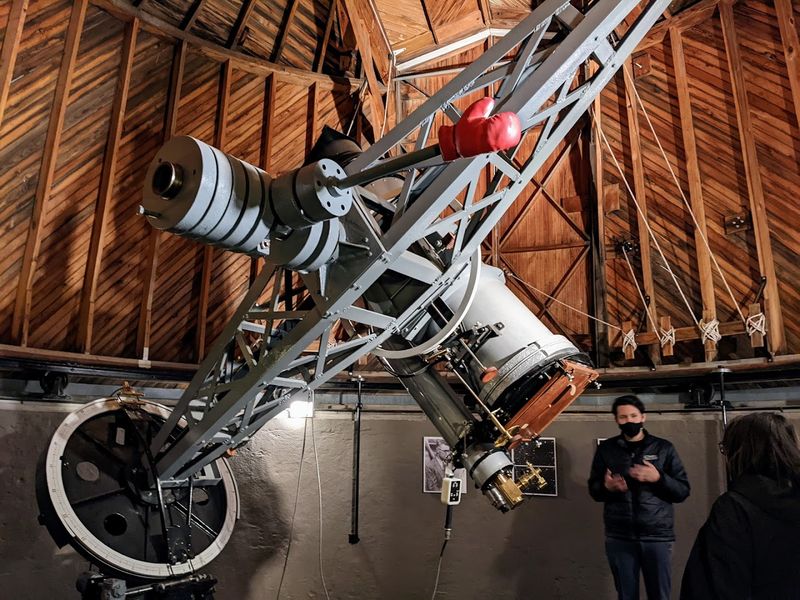
For visitors who want a more personalized and immersive experience, the Premium Access program centered on the Dyer Telescope is something worth booking in advance.
The Dyer is a brand-new 24-inch telescope that offers private, guided stargazing sessions with one-on-one attention from an observatory educator. It is the kind of experience that feels tailored rather than touristy.
During a Premium Access session, you are not competing with a crowd for a turn at the eyepiece. Instead, you get focused time with a knowledgeable guide who can adjust the telescope to your interests, answer detailed questions, and walk you through what you are actually seeing in real time.
The difference between a general viewing night and a Premium session is noticeable immediately.
These sessions are ideal for astronomy enthusiasts who want to go deeper, or for anyone celebrating a special occasion and looking for something truly memorable. Spots fill up quickly during the summer months, so securing a reservation early is a smart move if this is on your list.
Practical Tips For Planning Your Visit
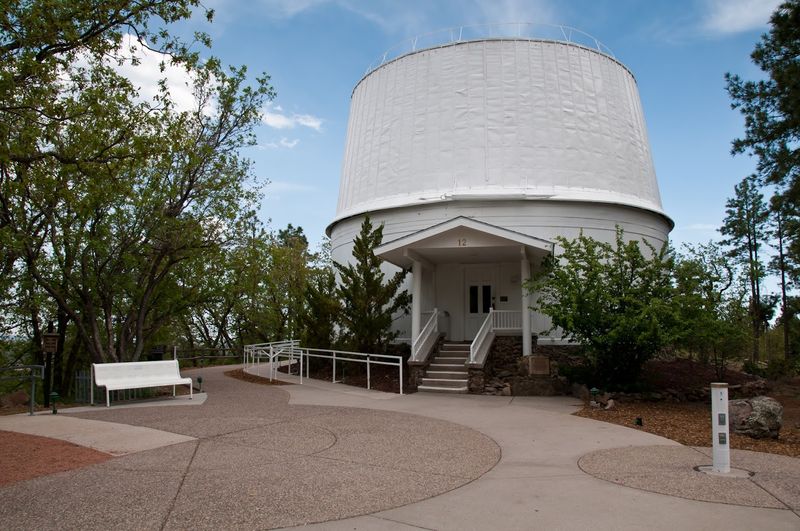
Lowell Observatory is located at 1400 West Mars Hill Road in Flagstaff, Arizona, sitting on Mars Hill just west of downtown.
Getting there is straightforward, and the drive up the hill offers a pleasant preview of what is waiting at the top. Flagstaff sits at an elevation of about 7,000 feet, so even in summer the evenings can get genuinely cool, and packing a light jacket is a practical move.
The observatory welcomes over 150,000 visitors each year, which means summer weekends can get busy. Arriving early in the evening gives you time to explore the exhibits and catch a guided tour before the nighttime telescope viewings begin.
Tickets can be purchased online in advance, which is strongly recommended during peak summer months to avoid disappointment at the gate.
Lowell Observatory is a private institution, and admission fees help support ongoing research into exoplanets and minor planets. Knowing that your ticket contributes to real scientific work makes the visit feel even more worthwhile.
Flagstaff itself is a charming mountain town with great dining options nearby, making it easy to extend the night beyond the observatory.