
This Arizona Fossil Site Lets Seashell Hunters Strike Gold Without An Ocean
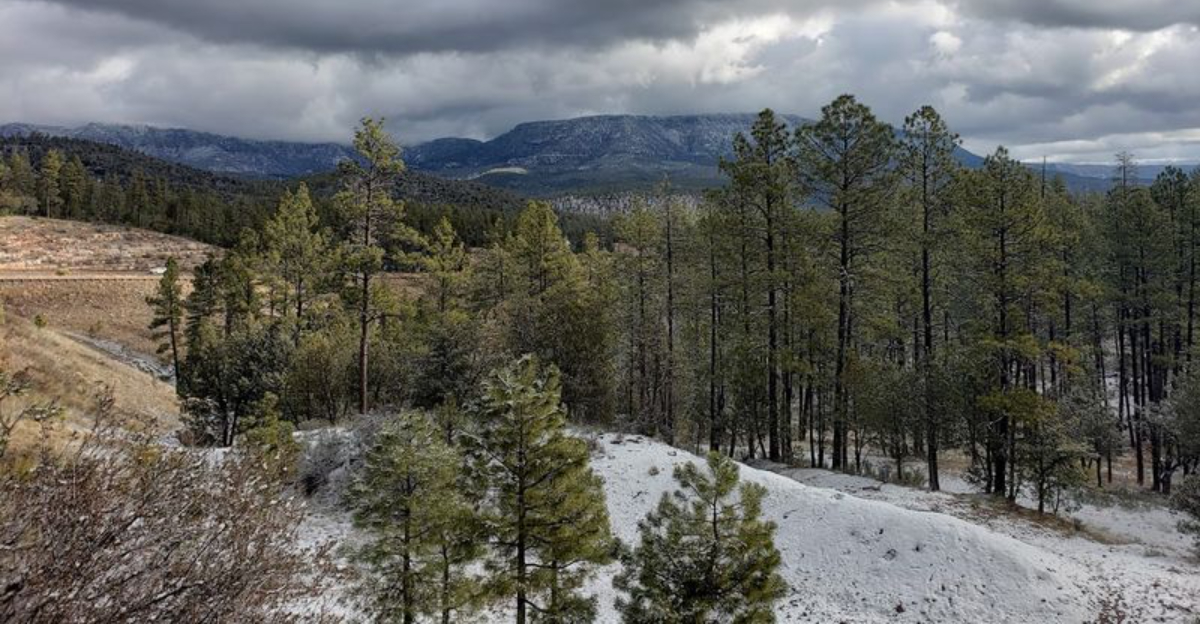
I’ve always wanted a superpower, but I’ve settled for the next best thing: time travel. Well, sort of. By heading out to a specific, unassuming ridge in the heart of Arizona, I managed to transport myself back millions of years.
Armed with nothing but my own excitement and a basic understanding of what a fossil looks like, I spent hours combing through the sediment. It’s a strange, hilarious feeling to be searching for marine life while surrounded by cacti and dry brush, but it’s remarkably addictive.
Every time I brushed away the grime to reveal a perfect, spiraled impression in the stone, I felt like I had struck pure gold.
Who needs a tropical vacation when you can dig up the ocean floor right here? Long before Arizona was a land of saguaro cacti and red rock, this region sat beneath a warm, shallow sea teeming with marine life.
Today, that ancient seafloor is yours to explore, chip apart, and take home a piece of prehistory that most people never even know exists.
The Ancient Sea Beneath Your Boots
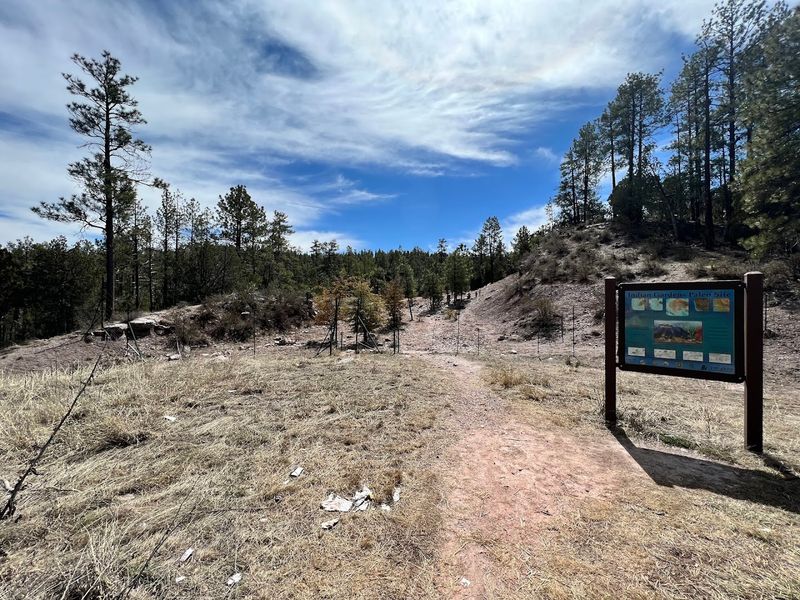
Most folks drive past this stretch of Highway AZ-260 without a second glance, but hidden in those roadside rocks is one of the most remarkable stories in geology. Around 300 million years ago, during a period called the Pennsylvanian, a warm and shallow sea covered what is now central Arizona.
Coral reefs swayed in currents, brachiopods filtered water along the seafloor, and trilobites crept through the silt. Over millions of years, layers of mud, sand, and shell compressed into the limestone and shale formation geologists call the Naco Formation.
Tectonic forces eventually pushed that seafloor upward, turning ocean sediment into mountain rock. The fossils preserved inside never moved far from where those animals once lived.
Standing at Paleo Site Monument and looking at the exposed cliff faces, you can actually trace the ancient seabed with your eyes. Each layer tells a chapter of a story that predates the dinosaurs by tens of millions of years, making this spot genuinely jaw-dropping for curious minds.
It is the kind of roadside stop that makes a simple pull-off feel like stepping into a prehistoric classroom.
Finding The Site Without Getting Lost
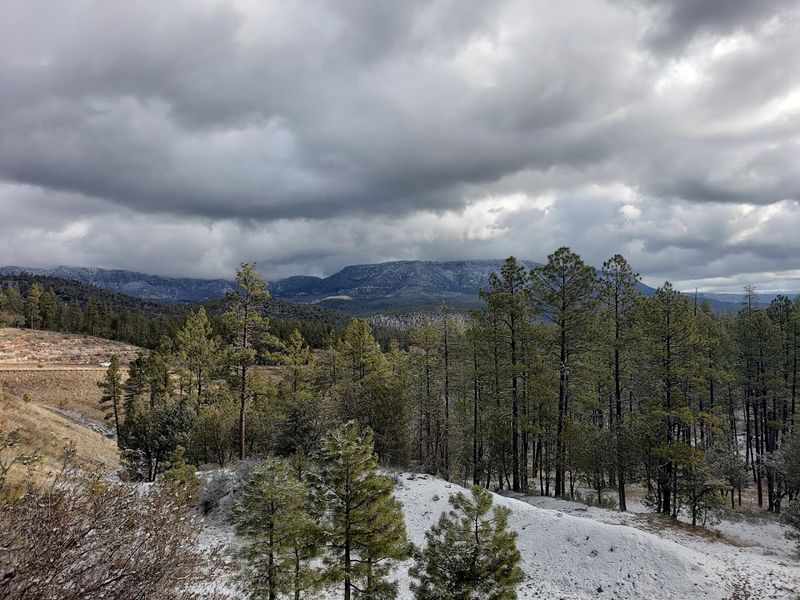
Getting to the Paleo Site Monument is refreshingly straightforward, even for first-time visitors. The site sits approximately 12 to 13 miles east of Payson on Highway AZ-260, just past the turnoff for Kohl’s Ranch.
A roadside sign marks the location, and a small dirt parking lot sits right off the highway, making it easy to spot even if you are cruising at highway speed.
The drive from Payson itself is pleasant, winding through the Tonto National Forest with ponderosa pines lining the road. Cell service can be spotty in this area, so it is smart to screenshot or download a map before heading out.
Most GPS apps handle the route well as long as you start navigation before losing signal. Once parked, the fossil-bearing hillside is just a short walk from your car.
There are no gates, no ticket booths, and no check-in desks. You simply park, grab your tools, and walk up to the rocks. It is one of those rare places that rewards you immediately for showing up.
That easy access is part of the magic, because the landscape changes from forest road to fossil hunting ground almost instantly. Even a quick stop can turn into a surprisingly memorable detour once you start noticing how many ancient shapes are tucked into the stone.
What You Can Actually Find Here
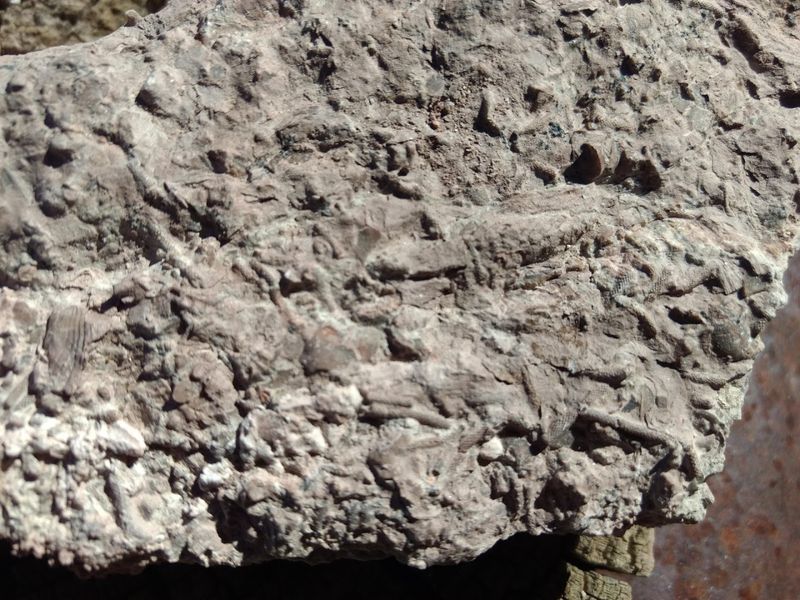
The variety of fossils at this site is genuinely impressive for a roadside stop. Brachiopods are the most common find, showing up as small clam-like shells with symmetrical ridges pressed into the rock.
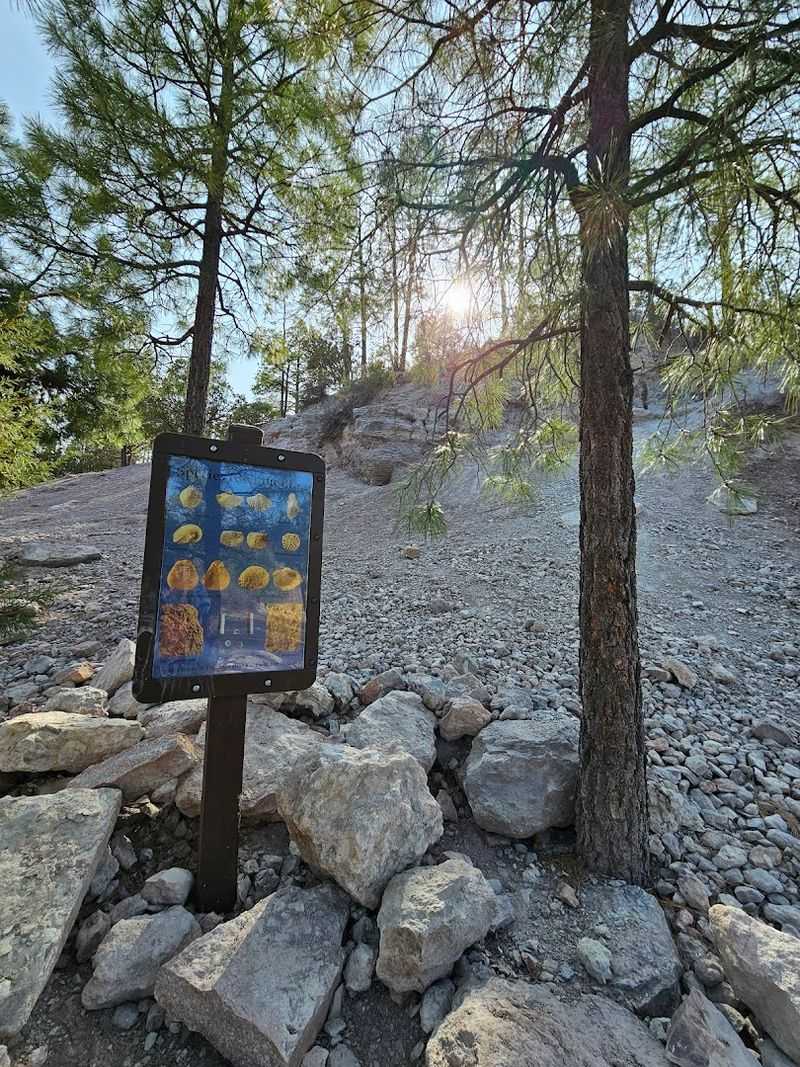
Spiriferoides, a specific type of brachiopod with a distinctive wing shape, are particularly satisfying to uncover because they look almost too perfect to be real.
Beyond brachiopods, patient hunters turn up bivalves, gastropods, crinoid stems, and fenestrate bryozoans, which look like delicate lace frozen in stone. Corals appear with surprising frequency as well, their tubular or honeycomb structures still clearly visible after hundreds of millions of years.
Trilobites are the rarest prize, but they have been found here, which keeps the excitement level high. What makes collecting here so rewarding is that the fossils are genuinely abundant.
You do not have to dig for hours hoping for one fragment. Within minutes of scanning the exposed rock surfaces and loose rubble, most visitors start spotting specimens. Kids especially tend to go wild once they realize what they are looking at.
Rules, Permits, And What Is Allowed
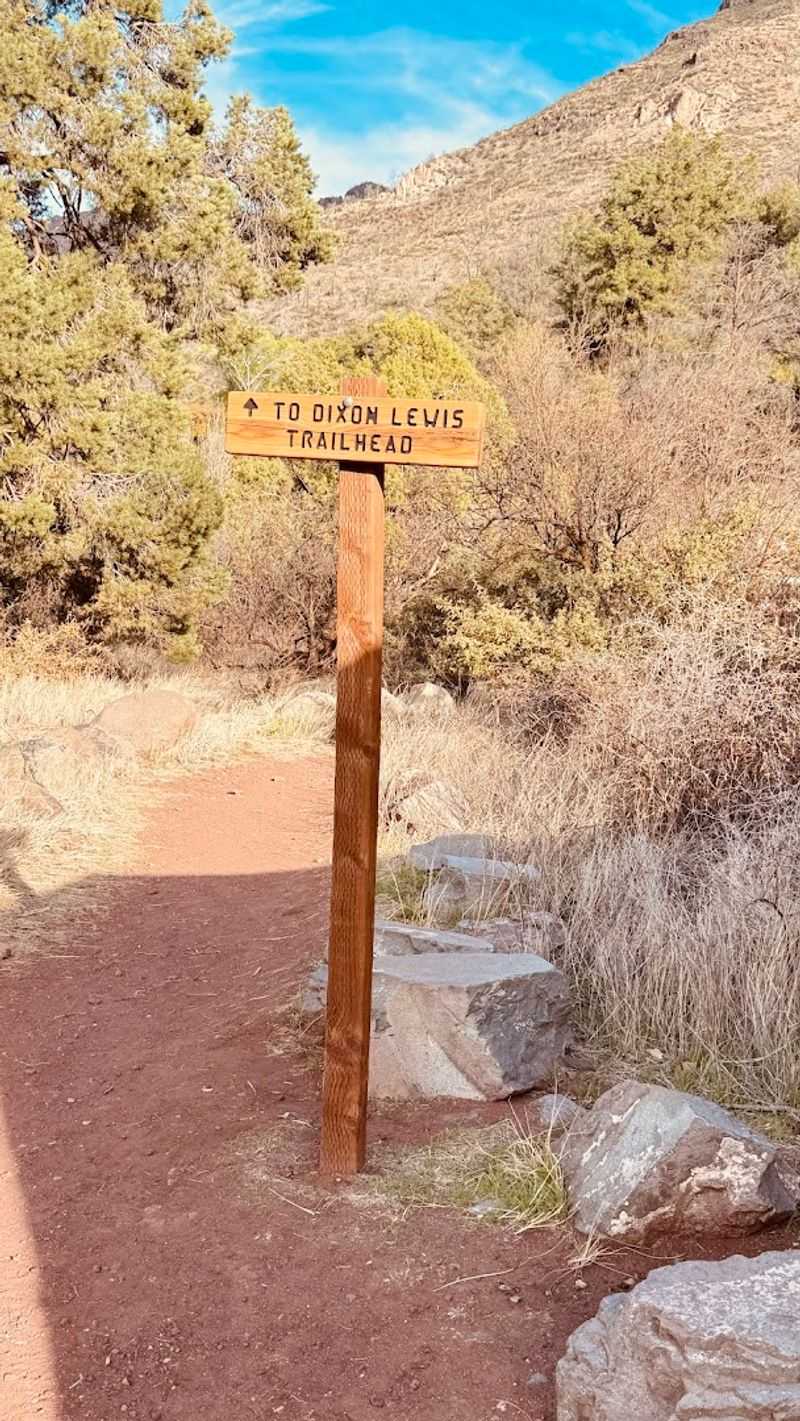
One of the best things about the Paleo Site Monument is its open, welcoming policy for casual fossil hunters.
The site is free to visit year-round with no reservation required and no permit needed for collecting invertebrate fossils and plant fossils. That means brachiopods, crinoids, corals, and bryozoans are all fair game to take home legally.
The key rule to remember is that vertebrate fossils, meaning bones from fish, reptiles, or any backboned creature, require a permit to collect and are protected under federal law.
Since this site is primarily marine invertebrate territory, most visitors never run into that restriction. Still, knowing the rule keeps everyone on the right side of the law.
Visitors are also encouraged to practice responsible collecting, taking only what they can personally carry and leaving the site in good condition for the next group.
Digging large holes or using heavy machinery is not permitted. Keeping the site clean and respectful ensures that families for generations ahead will have the same opportunity to crack open a rock and find something extraordinary.
Gear That Makes The Trip Better
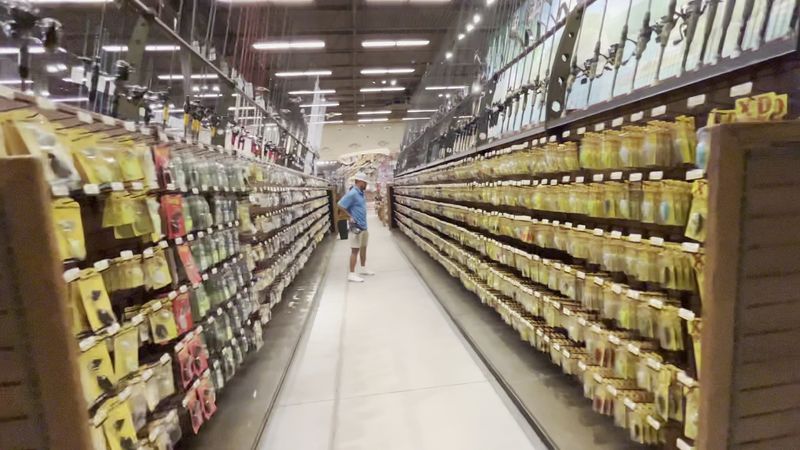
You do not need a geology degree or a truck full of equipment to have a great time at this site. A basic rock hammer and a cold chisel are the two most useful tools, letting you split open rocks along natural seams and expose fossil surfaces that have not seen daylight in 300 million years.
Hardware stores and outdoor retailers carry both for a reasonable price. Safety glasses are an absolute must. Chips of limestone fly fast and unpredictably when you strike rock, and protecting your eyes costs almost nothing compared to the alternative.
Gloves are also worth packing since rough rock edges can tear up bare hands quickly, especially for younger collectors who are still learning their swing.
Beyond tools, bring plenty of water and sunscreen since the site offers zero shade. Sturdy closed-toe shoes with ankle support handle the uneven rocky terrain far better than sandals or sneakers.
A small backpack with a few zip-lock bags or newspaper sheets for wrapping specimens rounds out everything you need for a productive and comfortable outing.
Bringing Kids Along For The Adventure
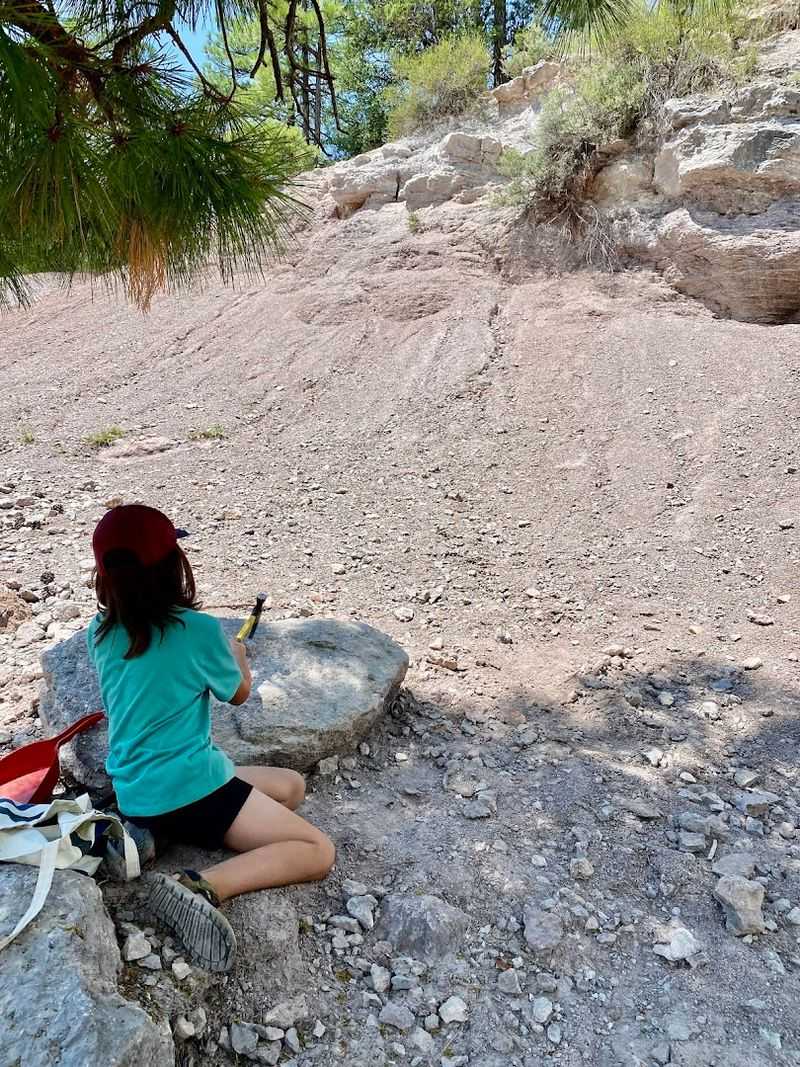
Few outdoor activities hook kids on science as fast as fossil hunting. The moment a child splits open a rock and sees a 300-million-year-old shell staring back at them, something clicks.
The Paleo Site Monument near Payson is genuinely one of the best spots in Arizona to spark that kind of curiosity, partly because fossils here are abundant enough that even young kids find something within their first few minutes of searching.
The site is accessible without any serious hiking, which keeps the experience manageable for younger children who might lose patience on a long trail. Parents can supervise tool use closely since the working area is compact and open.
Teaching kids to read the rock layers and identify different fossil types turns the whole trip into a hands-on science lesson that no classroom can replicate.
Letting each child pick out their own best specimen to take home creates a lasting connection to the experience. Many kids who visit end up wanting to read more about paleontology afterward, and that kind of self-motivated learning is hard to manufacture any other way.
Best Times To Visit And Practical Tips
Spring and fall are the most comfortable seasons to visit the Paleo Site Monument. Temperatures in the Payson area sit in a pleasant range during those months, making outdoor rock work enjoyable rather than exhausting.
Summer brings heat that can feel brutal on an exposed hillside with no shade, so early morning visits are strongly recommended if July or August is your only option.
Winter visits are possible since the site is open year-round, but snow and ice can make the rocky terrain slippery and harder to work. Checking a weather forecast for the Payson area before heading out is always a smart move regardless of the season.
The elevation around Payson runs higher than Phoenix, so temperatures can surprise visitors who are used to the Valley of the Sun.
Arriving on a weekday tends to mean fewer people at the site, giving you more space to spread out and work at your own pace. Weekends during spring and fall can attract small crowds, but the site is large enough that it rarely feels cramped.
Pack out everything you bring in, and the next visitor will thank you.