
This Michigan Sanctuary Is Home To Alligators And So Much More In Southwest Michigan
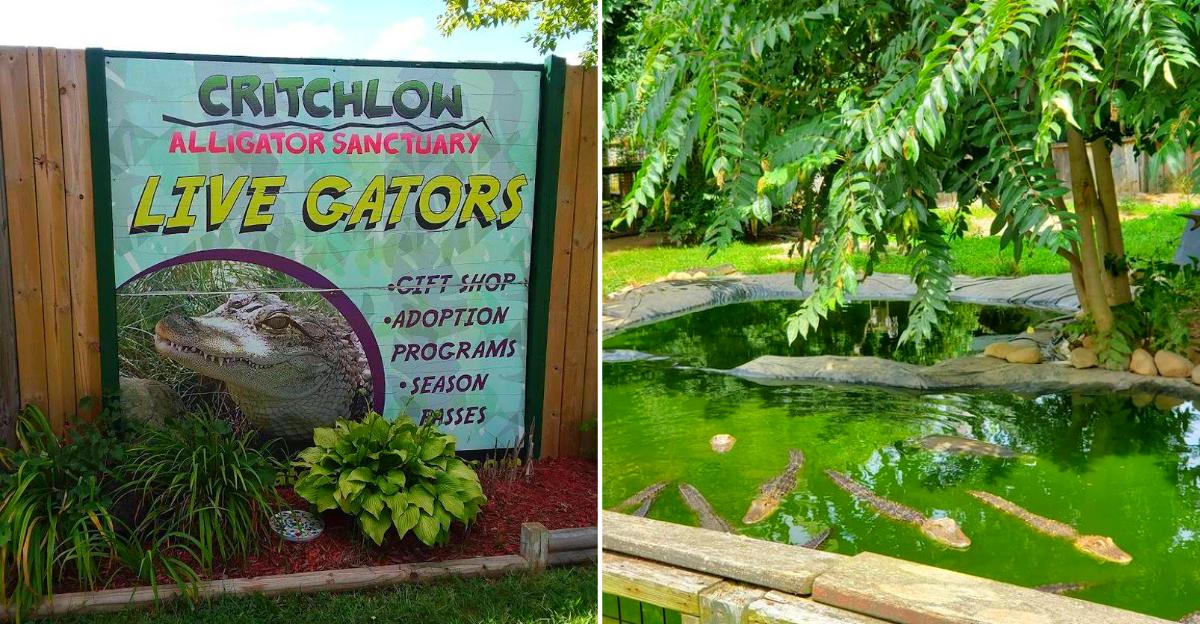
Nobody expects to find alligators in Michigan, plus that surprise is exactly what makes pulling into this small rural property feel like stepping through a door into somewhere that should not exist this far north.
The sanctuary started as a rescue for a handful of displaced reptiles, then grew into a sprawling collection of over two hundred animals, from dwarf caimans smaller than a forearm to full-size alligators that stretch longer than a car door.
Boardwalks wind above enclosures where turtles sun themselves next to species that would never share a pond in the wild. Staff members handle demonstrations with the kind of casual confidence that puts nervous visitors at ease while still commanding respect for the animals.
Families leave with a different understanding of what cold-blooded creatures are capable of, plus that understanding lingers long after the drive home. Alligators and their relatives feel right at home at this sanctuary in southwest Michigan.
Start With The Rescue Mission
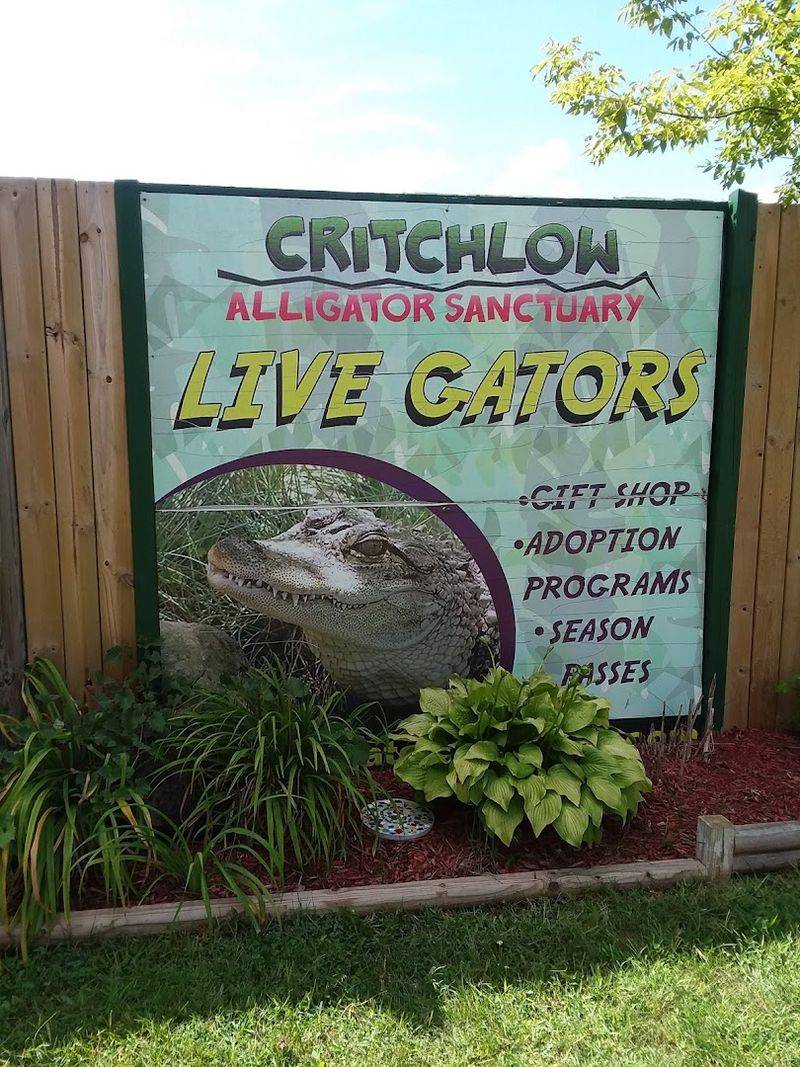
The most important thing to understand before you arrive is that Critchlow Alligator Sanctuary is a rescue facility, not a themed attraction built around spectacle.
Its stated mission is to provide a safe haven for unwanted reptiles and amphibians and to educate the public about why these animals should not be kept as pets.
That context changes the way you look at every enclosure. You are not simply seeing alligators in southwest Michigan.
You are seeing the consequences of impulse ownership, surrendered animals, and long-term care work in a place that has turned education into its clearest public service. Starting there makes the visit feel grounded, serious, and more interesting than a novelty stop.
When M-66 Starts Advertising Alligators, Believe It
Critchlow Alligator Sanctuary sits at 1698 M-66 in Athens, Michigan. From Battle Creek, follow M-66 south as city traffic gives way to farms, trees, and long stretches of open highway.
Travelers approaching from the south can simply stay on M-66 north toward Athens. Because the sanctuary stands directly beside the highway, there is no maze of rural side roads waiting at the end.
Slow down as you near the address and watch for the Critchlow signs beside the road. Turn into the sanctuary driveway and continue toward the on-site parking area, where the Michigan countryside suddenly becomes much more reptilian.
Expect More Than Alligators
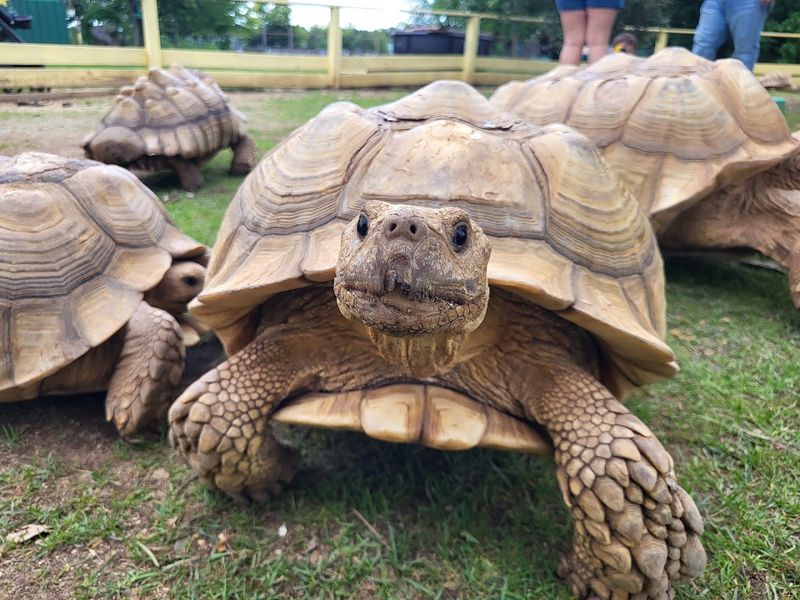
The sanctuary name tells only part of the story. Yes, alligators are the headliners, but the collection also includes tortoises, turtles, snakes, lizards, amphibians, and even a Nile crocodile, all within a rescue-focused setting that rewards slow looking.
That variety gives the visit texture. One minute you are watching a broad, still alligator hold a pond like a carved statue. The next, you are studying a shelled resident up close or noticing how differently a snake occupies space than a crocodilian does.
The shift in scale, movement, and temperament keeps the grounds from feeling repetitive. If you know someone who thinks this is only a gator stop, that assumption will likely disappear within the first half hour.
Save Time For Feeding
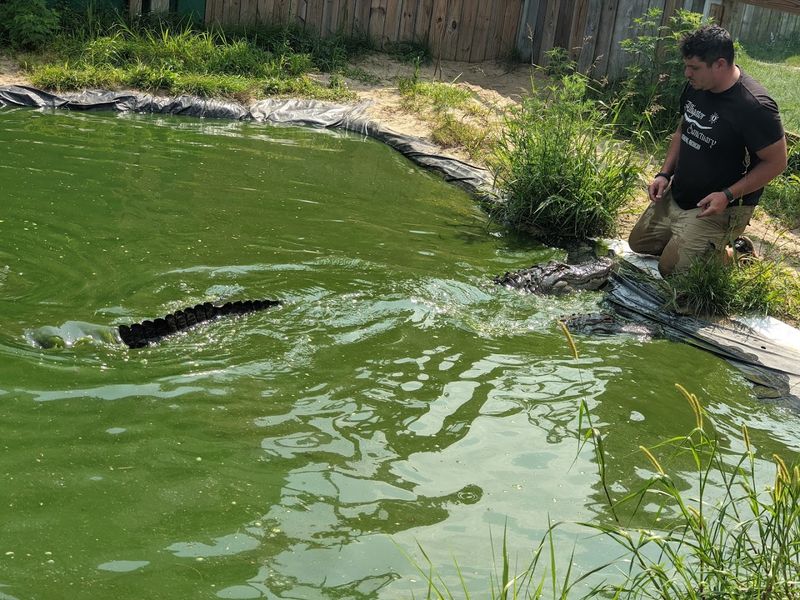
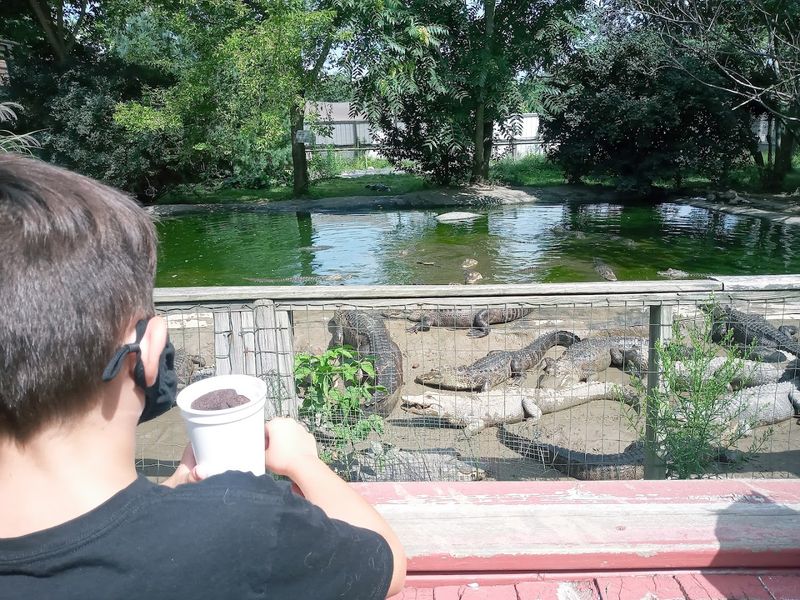
Feeding is one of the sanctuary’s most vivid experiences, and it adds a practical rhythm to your visit. Food pellets are available for purchase, and staff may give specific instructions for certain animals, so it is worth listening closely before you toss anything.
A little restraint helps here. Do not use your entire cup at the first lively enclosure you reach. The grounds include multiple opportunities, and spacing it out lets you compare reactions, habits, and personalities across the visit.
You also begin to notice how quickly a calm-looking alligator can switch from stillness to precise movement. It is a simple activity, but it turns observation into participation in a way that younger visitors and attentive adults both tend to remember.
Watch For The Big Personalities
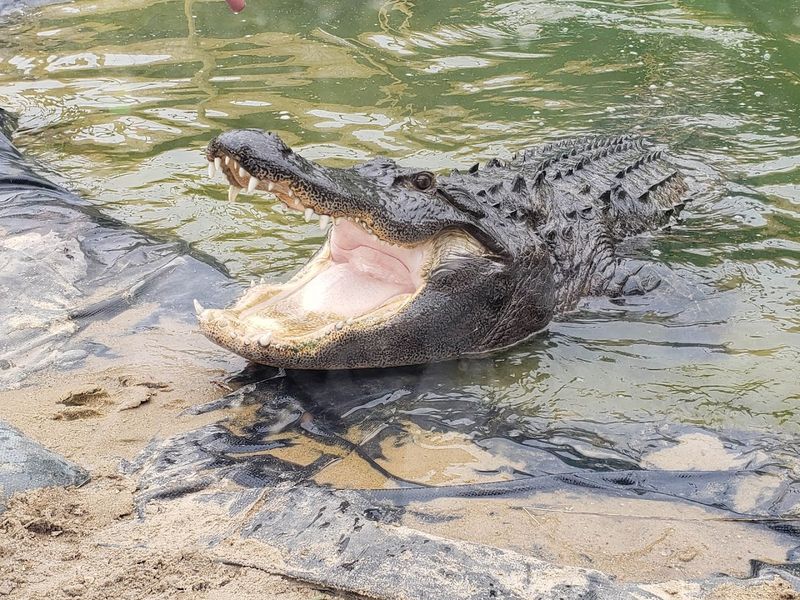
Size changes the atmosphere fast, and the sanctuary has a few residents that make that plain. Live shows have featured large alligators including Godzilla, described as an 11-foot, 500-pound gator, along with Medusa, whose presence alone can quiet a crowd.
These are the moments when the word alligator stops feeling abstract.
What stays with you is not just mass, though that matters. It is the way a guide frames strength, age, behavior, and safety around an animal that could otherwise be reduced to pure intimidation.
The educational approach keeps the focus from drifting into stunt territory. If there is a scheduled presentation during your visit, plan around it rather than treating it as an optional extra.
Go During The Open Season
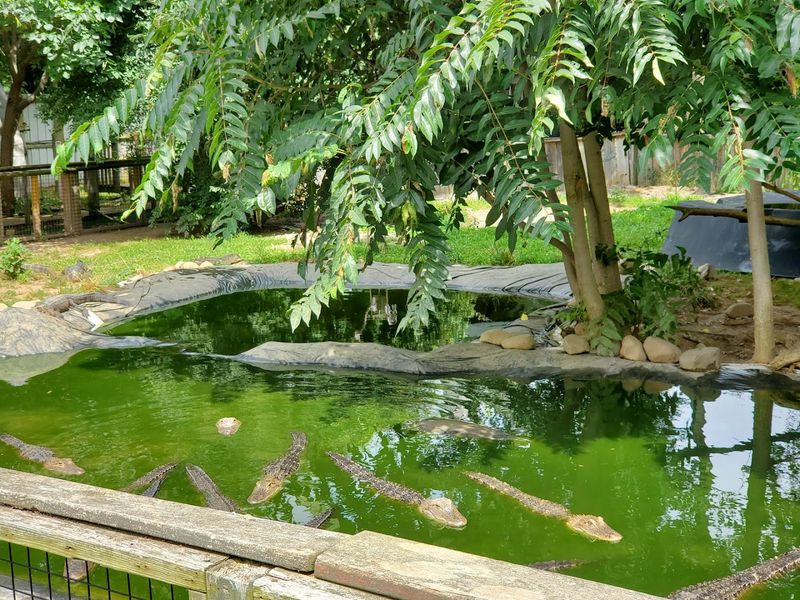
This is a seasonal destination, typically operating from May through October, so timing matters more here than at a year-round indoor attraction. The current listed hours show daily operation from 11 AM to 4 PM, but checking the official website or social media before leaving home is still the sensible move.
Schedules and special events can shift. The warm-season setting suits the place. Reptiles feel more visibly in character when the air is heavy, the grounds are active, and outdoor enclosures are fully part of the experience.
I would not treat this as a rushed roadside detour if you are coming from farther away. Give yourself a clear weather day and enough time to catch a tour, feeding, and at least one show or encounter.
Dress For Heat, Sun, And Uneven Ground
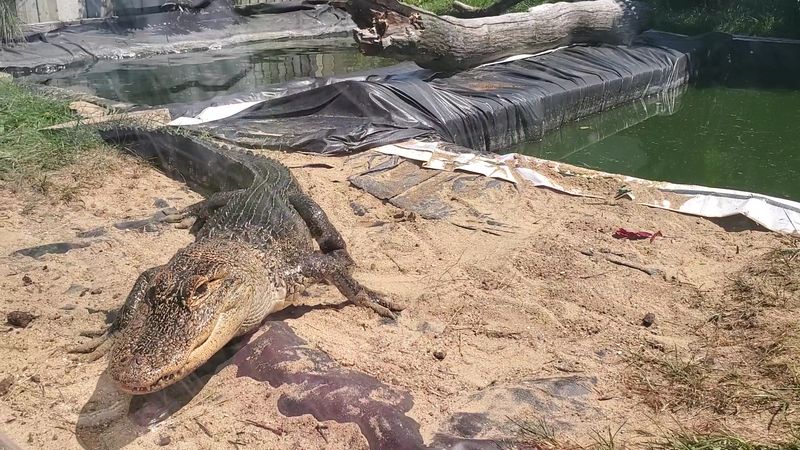
The sanctuary is outdoors enough that your comfort depends on practical choices, not optimism. On warm days, there can be a distinct reptile-house odor in the air, shade is limited in some areas, and seating for shows is not endless, so water, sunscreen, and patience all earn their keep.
A hat is not a dramatic idea here. Ground conditions may be uneven in places, and some observation decks can involve stairs, even though the facility is handicapped accessible overall and offers ramps and a power scooter for rent. That combination means planning helps.
Closed-toe shoes make more sense than flimsy sandals, especially if you intend to linger. The place rewards attention, and comfort makes attention much easier to give.
Consider An Animal Encounter

If you want more than a standard walk-through, the sanctuary offers paid animal encounters that can bring you much closer to the residents. Options may include holding a small alligator, with its mouth taped shut for safety, or spending time with tortoises in a supervised setting.
These experiences are separate from admission. What makes the encounters worthwhile is not just proximity. It is the chance to absorb staff instruction, notice textures and movements at close range, and understand the animals as managed, handled individuals rather than distant shapes in water.
That said, they are best for visitors who want a slower, more attentive exchange. If you prefer to simply watch, the regular visit still has plenty to offer without any added fee.
Notice The Education In The Small Details
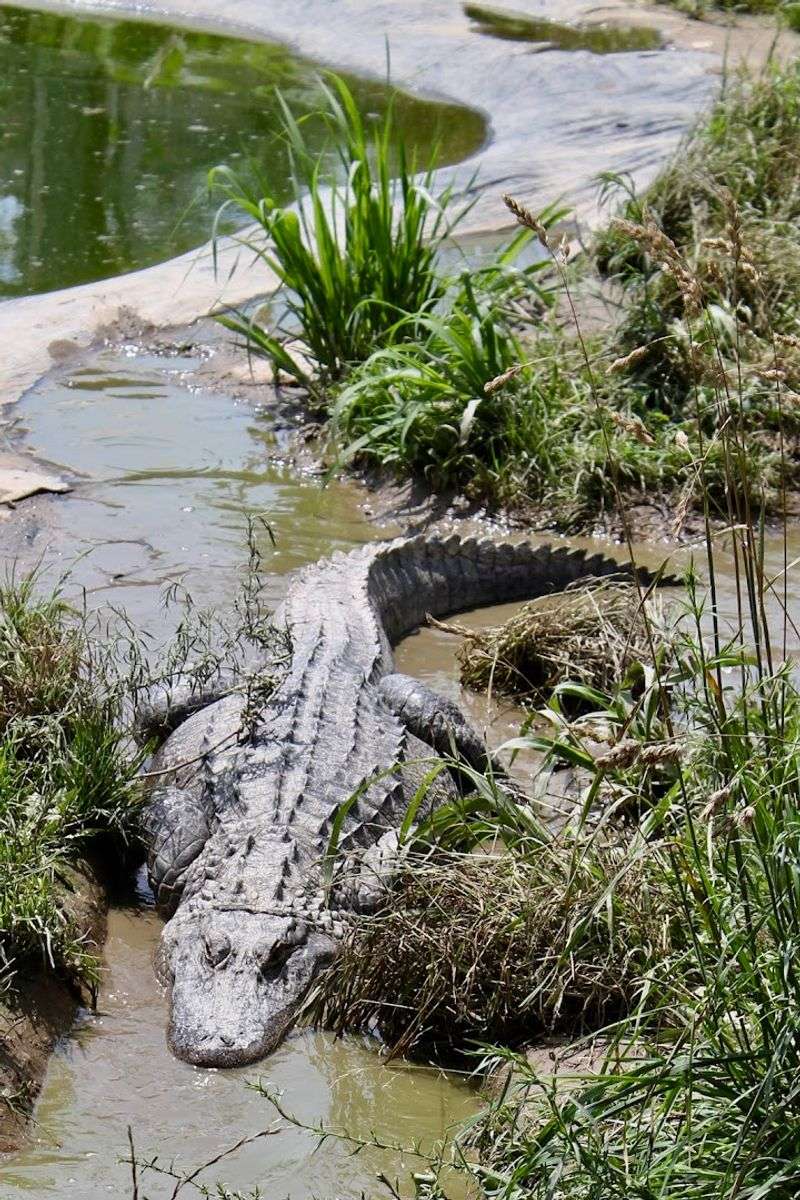
Some places overwhelm you with scale, while this one often works through detail. A species label, a rescue backstory, a feeding instruction, or a quick explanation from staff can completely change how an enclosure reads, especially if you arrived with the usual blanket fears about reptiles.
The sanctuary is clearly trying to teach, not just display.
That matters because reptiles are easy to flatten into symbols: dangerous, creepy, ancient, or weird. Here, the better moments push against that laziness.
You begin to separate alligator from crocodile, tortoise from turtle, myth from behavior, pet fantasy from reality. The result is a visit that feels sharper the more closely you pay attention.
Curiosity is rewarded more than speed, which is always a good sign.
Look Out For Special Events
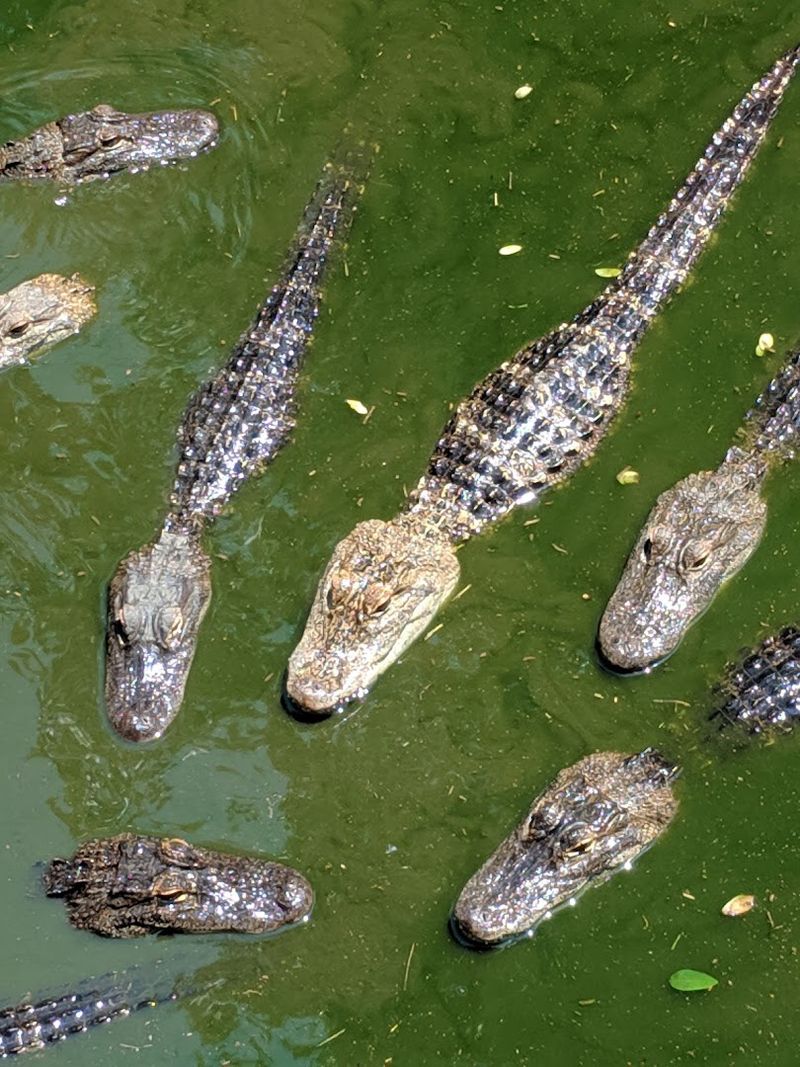
One reason to follow the sanctuary before your trip is that special events can add a completely different layer to the day.
The most unusual example is the Spring Release, when visitors may help carry alligators to their summer habitats, a sentence that sounds invented until you realize this place runs on very particular realities. Night walks have also been mentioned.
Those event formats fit the sanctuary well because they lean into both education and memorable atmosphere. A daytime visit gives you scale and context, but a scheduled program can reveal behavior, routine, and seasonality in a more direct way.
If you are choosing between an ordinary afternoon and an event date, the event date may offer the richer story.
Treat It As A Real Day Trip
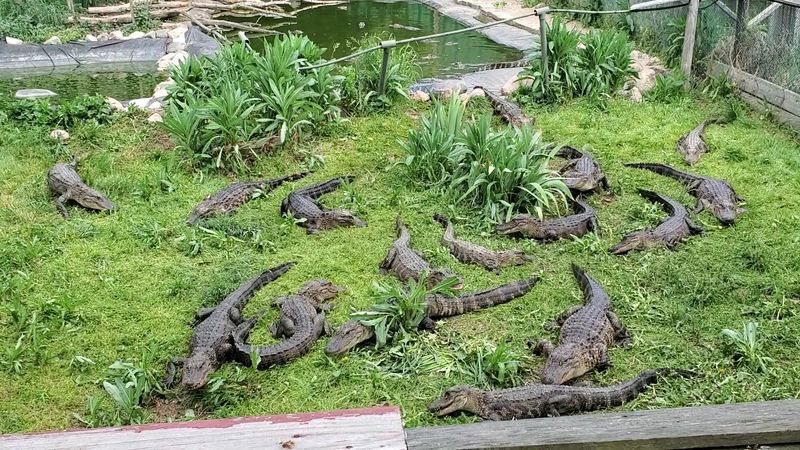
Critchlow Alligator Sanctuary works best when you treat it as a destination, not a joke stop built around a surprising sign on M-66.
The address is 1698 M-66 Highway in Athens, and once you arrive, the place asks for a little time: time to walk, listen, watch, feed, and let the oddness of alligators in Michigan settle into something more thoughtful.
There are practical amenities, including restrooms and a gift shop, which makes it easier to stay awhile without rushing. By the end, the novelty has usually given way to something more durable: respect for the staff’s educational mission and a sharper sense of what rescue means in the reptile world.
That is a satisfying trade for an afternoon.