
This Small Arizona Town Has A Copper Museum That Gleams With History
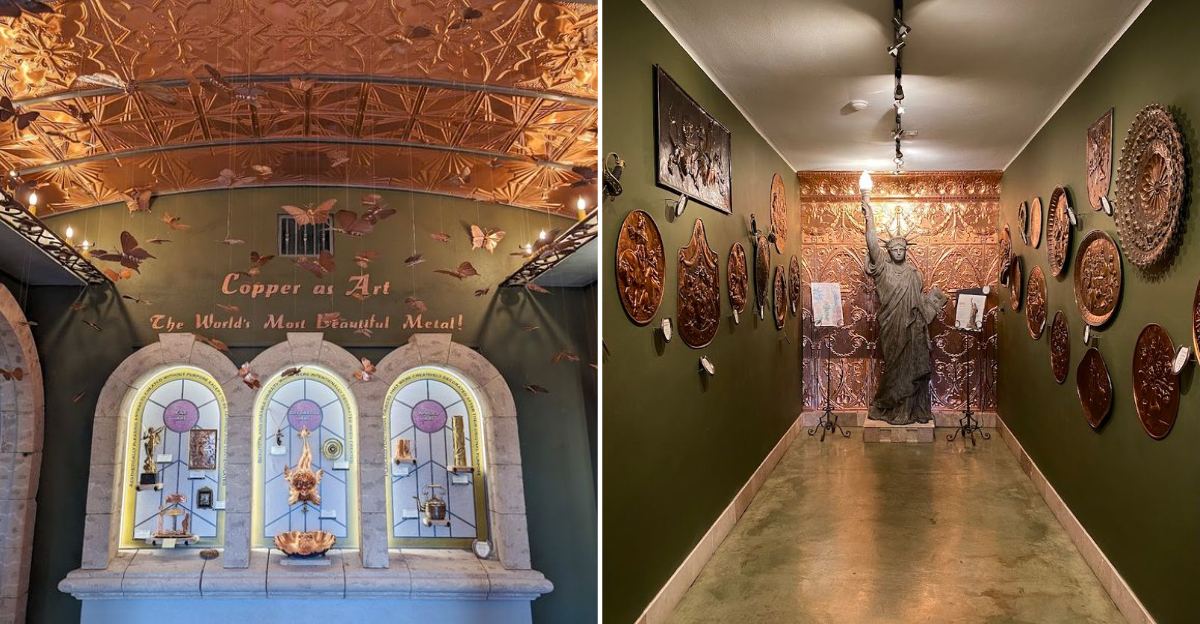
They say not everything that glitters is gold, and after spending an afternoon at the Arizona Copper Art Museum in Clarkdale, I am fully convinced that copper is the far superior metal anyway.
I walked in expecting a few pipes and maybe some old pennies, but I was met with thousands of artifacts that sparkle enough to rival the Washington Monument. It’s a bit ridiculous how much joy I found in staring at vintage copper bathtubs and intricate culinary molds, but that’s the charm of this place!
It’s quirky, it’s vibrant, and it tells the story of our state’s obsession with the red metal. It’s hard not to leave feeling a little bit like a prospector who just struck the motherlode of historical intrigue. This is one of the most surprisingly captivating museums I have ever walked through.
How This Museum Came To Be
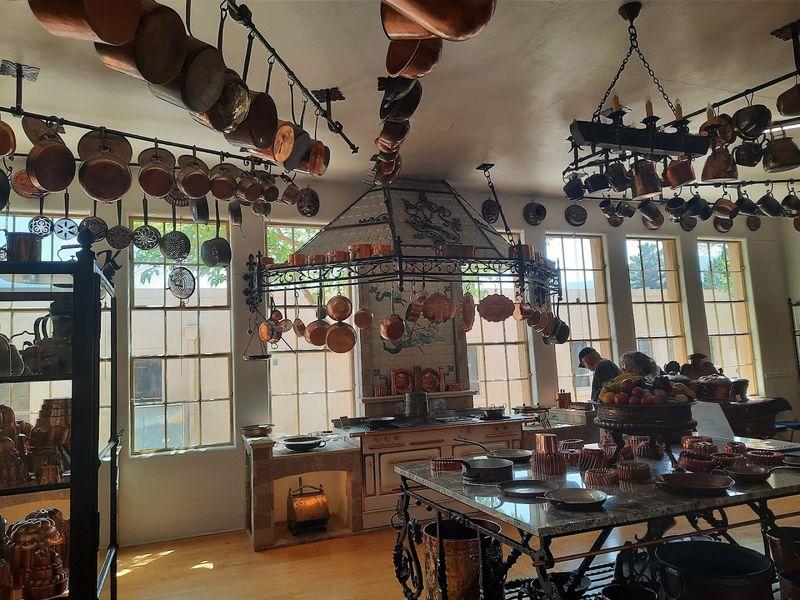
Back in 1958, a Minnesota couple named John and Patricia Meinke spotted a copper mold at a market and felt something click. That single piece sparked a lifelong obsession, and their growing collection eventually became the foundation of one of the most unique museums in the American Southwest.
Their son Drake joined the family passion in 1978, helping expand the collection significantly, sourcing many pieces from Europe. By around 2000, the concept of a dedicated museum began taking shape.
The museum officially opened in 2012, timed perfectly to celebrate both Arizona’s and Clarkdale’s centennial anniversaries.
Clarkdale itself was founded in 1912 by Senator W. A. Clark, famously known as America’s Copper King, as a company town built around industrial copper smelting.
Placing this museum here was not just convenient, it was poetic. Arizona proudly carries the nickname The Copper State and remains the largest copper producer in the entire United States today.
A Building With Bones
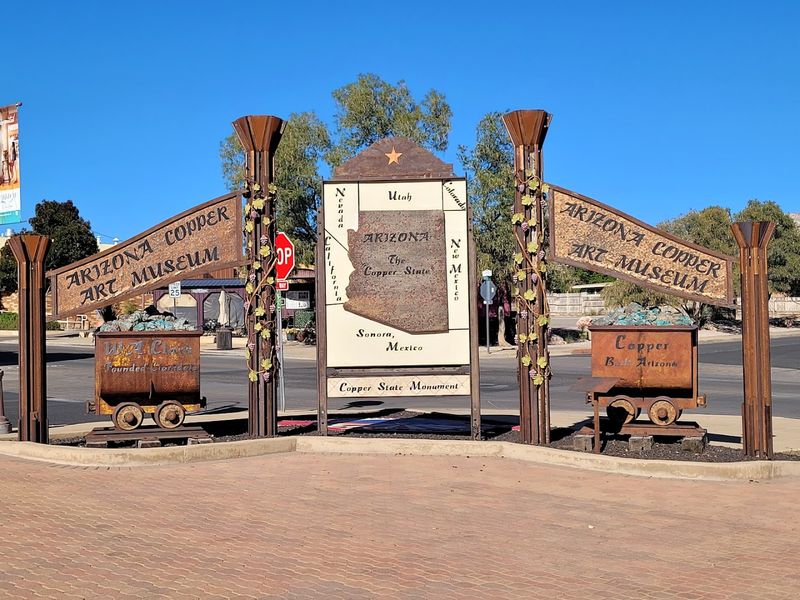
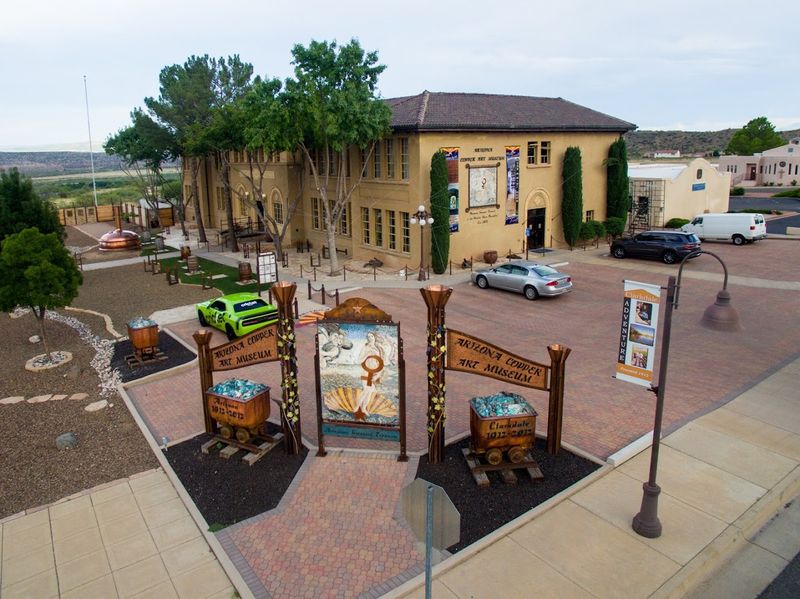
Before a single copper artifact found its home here, this building had its own remarkable story to tell. The former Clarkdale High School, constructed in 1912, carries the kind of sturdy architectural character that modern buildings rarely manage to pull off.
Walking through its front doors feels like stepping into a time capsule, and that feeling never quite leaves
you. The restoration work done to prepare the building for the museum is genuinely impressive.
High ceilings, wide hallways, and original classroom layouts were preserved and repurposed to create gallery spaces that feel both grand and intimate at the same time. Natural light filters through large windows, giving the copper pieces a warm, living glow that photographs simply cannot capture.
Located at 849 Main St. in Clarkdale, the building sits in a quiet, walkable part of town surrounded by the kind of small-town charm that makes you want to slow down. The setting alone is worth the detour off the main highway.
More Than 5,000 Pieces Spanning Thousands Of Years
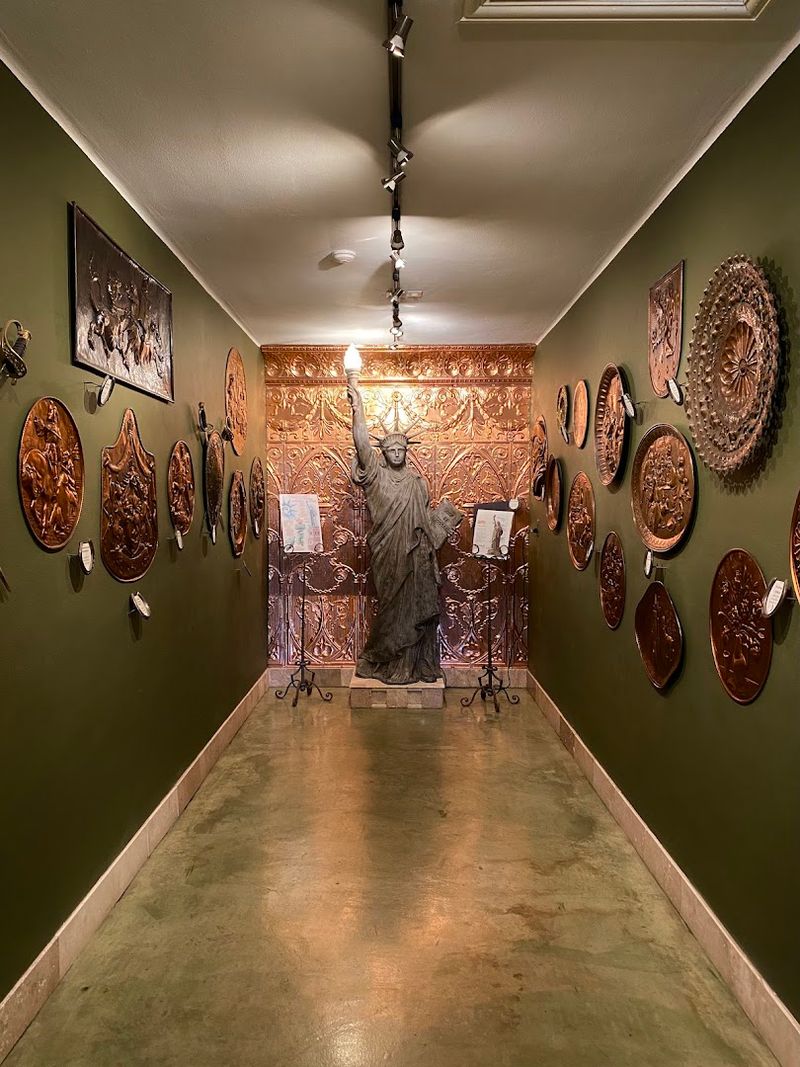
The sheer scale of what is inside this museum genuinely caught me off guard. The collection holds between 5,000 and 6,500 copper artifacts, covering a timeline that stretches all the way back to 3500 B.C. and runs straight through to the present day.
That is not a typo. Nearly 5,500 years of human creativity, all expressed through a single metal.
The exhibits focus heavily on American and European works from the 16th through the 21st centuries, giving visitors a rich cross-cultural perspective on how copper has been shaped, used, and admired across generations.
Many of the European pieces were personally sourced by the Meinke family during their collecting years.
What makes browsing this collection so satisfying is the variety. One moment you are looking at a delicate decorative plate, and the next you are standing in front of a massive architectural piece. The museum does a brilliant job of organizing everything so that the sheer volume never feels overwhelming, just endlessly fascinating.
Six Galleries, Each One A Different World
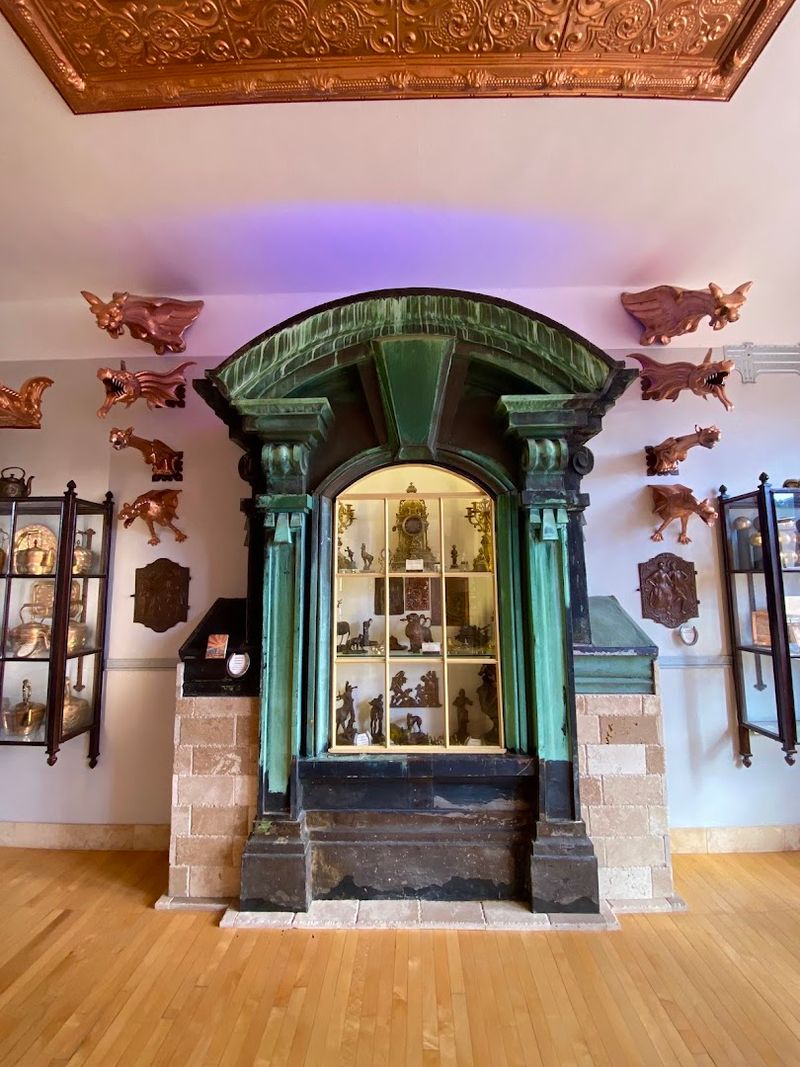
One of the smartest things about this museum is how it organizes its collection into six distinct themed galleries, making the whole experience feel structured rather than scattered.
The six rooms cover Historical Information, Military Art, Art and Architecture, Kitchenware, Drinkware, and Distillery and Winery. Some visits also include a Religious Art Room, which adds yet another fascinating layer to the experience.
The Historical Information gallery is a great place to start. It walks you through copper’s properties, its legendary status across ancient cultures, and the many mysteries surrounding its early uses. By the time you move into the next room, you already feel like a copper enthusiast yourself.
The Art and Architecture gallery is particularly jaw-dropping. It features a dormer salvaged from the 1899 Carnegie Mansion in New York City, which alone is worth the price of admission.
Each gallery transition feels like opening a new chapter in a book you cannot put down, and I found myself backtracking through rooms just to look again.
Trench Art: The Military Gallery That Tells Powerful Story
Of all the galleries I walked through, the Military Art room left the deepest impression on me.
The centerpiece of this space is an extraordinary collection of Trench Art, which refers to artillery shell casings that soldiers during World War I and World War II carved and decorated by hand during quieter moments in the field.
The craftsmanship on display is staggering. These are not rough scratches on metal. They are intricate, detailed works of art created by people under unimaginable pressure, using whatever tools they had available.
Flowers, portraits, geometric patterns, and landscapes all etched into the curved surface of spent copper shells. Standing in front of these pieces, I kept thinking about the hands that made them and the stories those hands carried.
The museum presents them with great care and respect, letting the artistry speak for itself without over-dramatizing the context. It is one of the most quietly moving gallery experiences I have had in any museum, anywhere.
Touch It, Feel It: The Kitchenware And Drinkware Collections
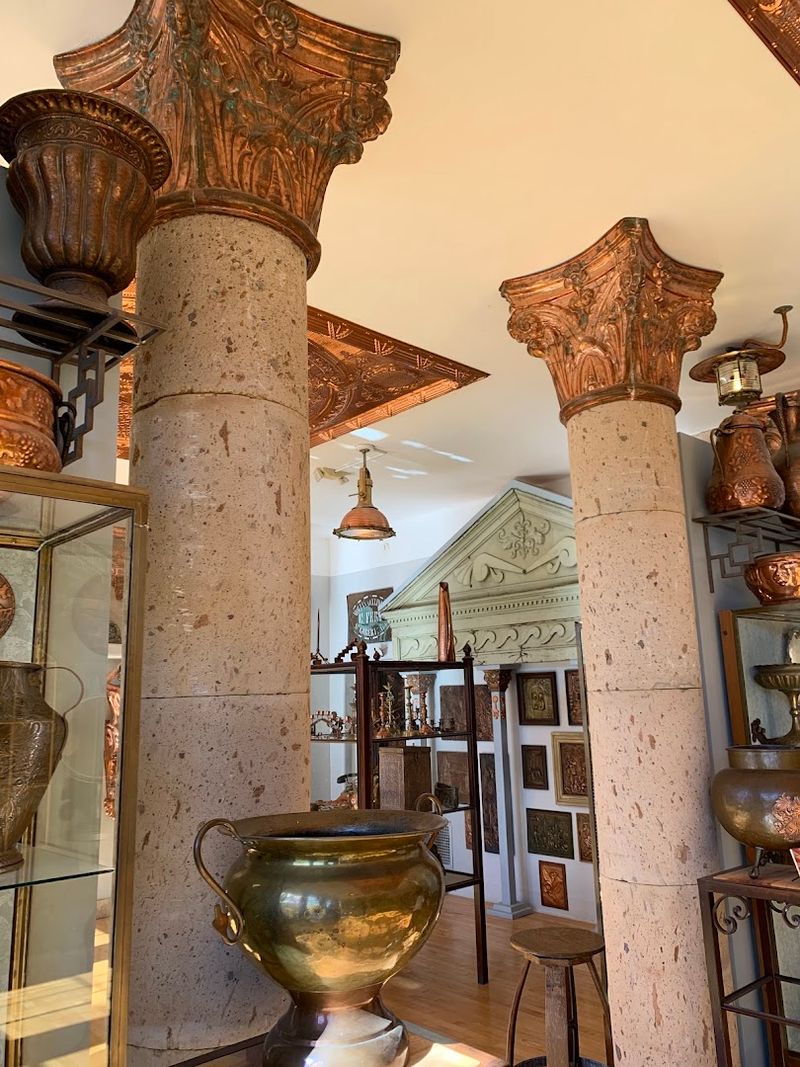
Most museums come with the unspoken rule of keeping your hands firmly to yourself, which is exactly why the Kitchenware and Drinkware galleries here feel like such a refreshing change of pace.
Many of the exhibits in these rooms actually invite visitors to touch the copper pieces, and that tactile connection makes everything feel more real and personal.
The cookware collection features beautifully crafted pots, pans, and serving pieces from multiple centuries and continents. Holding a copper pot that someone cooked with hundreds of years ago in a European kitchen is a surprisingly moving experience.
The weight and smoothness of the metal carry a kind of warmth that glass cases never allow you to feel.
The Drinkware collection is equally impressive, showcasing an elegant range of cups, mugs, and vessels that reflect both everyday utility and high artistry. Copper has been used for drinking vessels across nearly every major civilization in history, and this collection makes that global story feel personal, immediate, and wonderfully tangible.
Why This Place Deserves Your Time
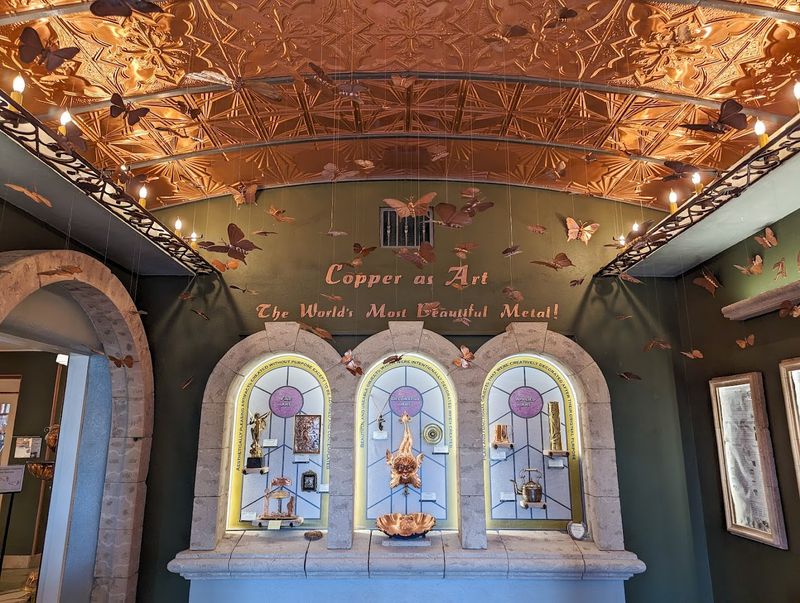
The Arizona Copper Art Museum won the Arizona Governor’s Tourism Award in 2014, just two years after opening its doors. That kind of recognition so early in a museum’s life says a great deal about the quality and impact of what is on display inside.
The award was well-earned, and any visitor who spends an afternoon here will quickly understand why. Travel rating websites consistently place this museum within the top one percent of attractions across all of Arizona, and within the top one percent of museums nationally.
Those are not numbers you see attached to small-town institutions very often, and they reflect genuine visitor enthusiasm rather than marketing spin.
For anyone planning a trip through northern Arizona, Clarkdale sits conveniently close to Sedona and Jerome, making it an easy and deeply rewarding addition to a Verde Valley road trip.
Plan for at least two hours inside the museum. You will likely want more. The copper will keep calling you back to just one more room, and honestly, you should listen.
Clarkdale’s Unexpected Cultural Gem
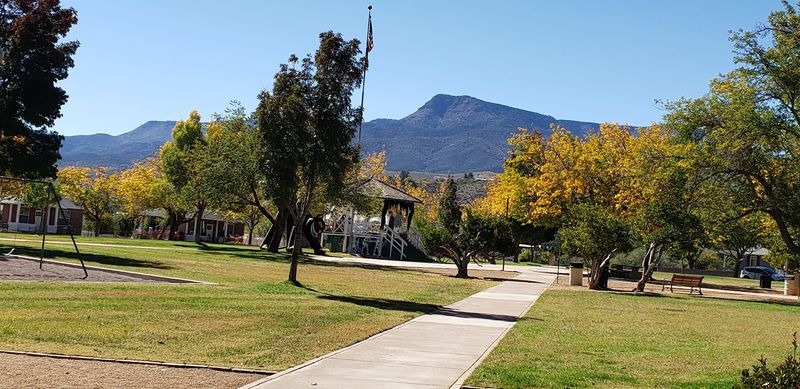
Tucked into the Verde Valley between Sedona’s red rocks and Cottonwood’s vineyards, Clarkdale might not seem like an obvious destination for world-class art.
Yet that’s exactly what makes stumbling upon the Copper Art Museum feel so rewarding. The town has a quiet, old-soul charm that perfectly frames the collection’s story.
Visitors often arrive expecting a quirky roadside attraction and leave genuinely moved. The museum draws collectors, historians, families, and curious travelers from across the globe.
Clarkdale proves that extraordinary cultural experiences don’t always live in big cities, sometimes they’re waiting in a small Arizona town, gleaming quietly in the afternoon sun. Inside, the glow of copper gives the exhibits a warmth that feels surprisingly alive.
The displays move through practical objects, decorative pieces, and artistic details that show how much personality one material can hold. What sounds simple on paper becomes unexpectedly absorbing once the craftsmanship starts revealing itself.
There is also something satisfying about seeing Arizona’s mining history presented through beauty rather than just industry. The museum gives Clarkdale another reason to linger instead of treating it as a quick pass-through town.
By the end, copper feels less like a familiar metal and more like a whole story told in shine, shape, and patience.