
10 Pennsylvania Locations Where You Can Still Dig Up Fossils, Crystals, And Natural Treasures
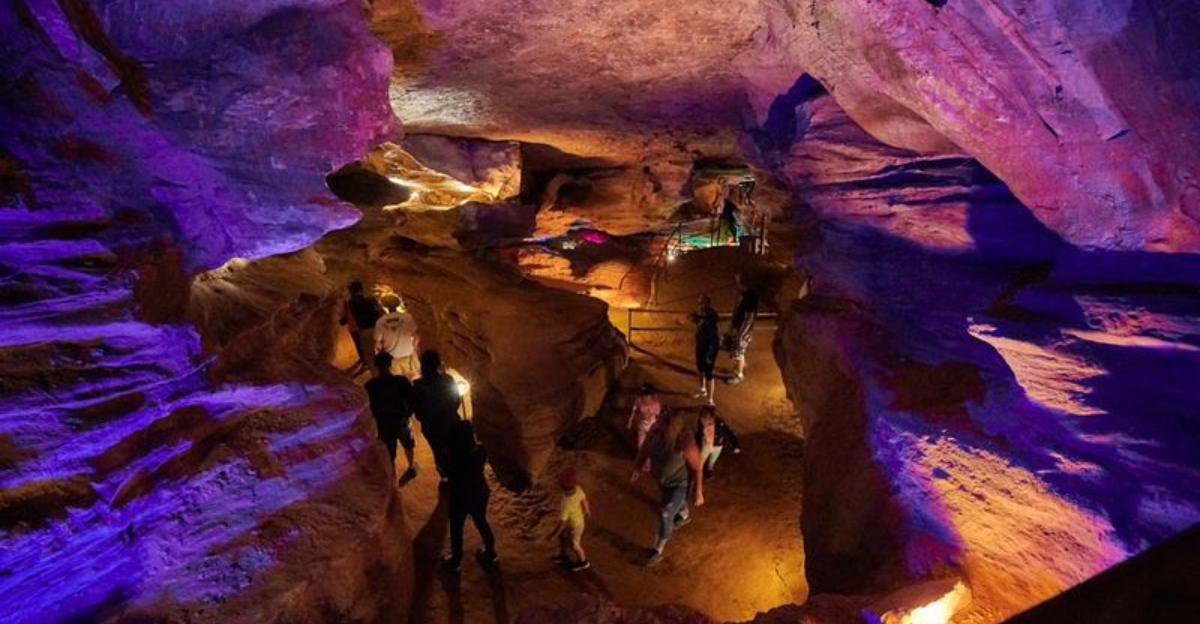
Some adventures are better when you leave with dirt on your hands and a story in your pocket.
Pennsylvania has places where fossils, crystals, and natural treasures are still waiting beneath the surface, turning a regular outing into something that feels part science, part treasure hunt, and part childhood dream.
The thrill is not just in what you find. It is in the searching, the guessing, the careful look at a rock that might be ordinary or might be the best thing you take home all day.
These spots make the landscape feel alive with secrets, and that is hard to resist.
I have always liked activities where patience can turn into a souvenir, because there is something satisfying about finding a piece of the past with your own two hands.
1. Montour Preserve Fossil Pit, Danville, Pennsylvania
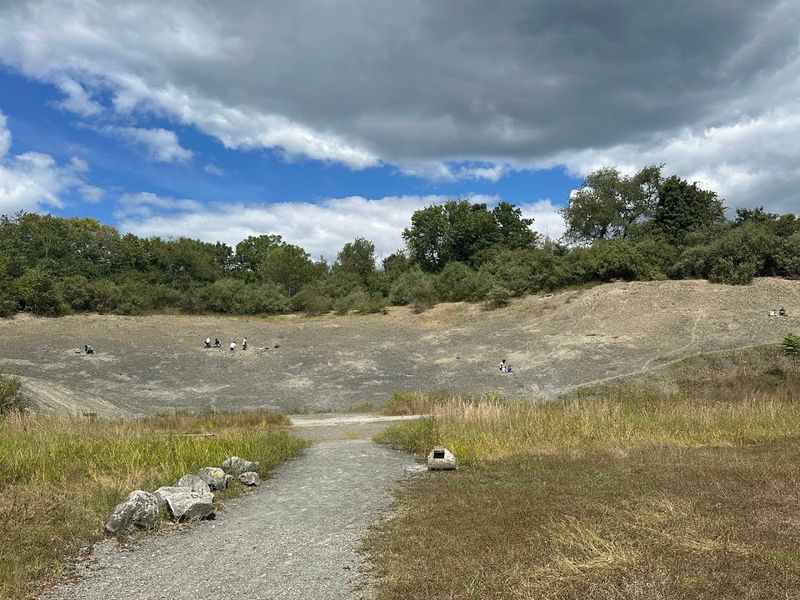
Few places in Pennsylvania make fossil hunting this accessible and genuinely fun for all ages.
Montour Preserve in Danville, Pennsylvania sits along the shores of Lake Chillisquaque and offers a supervised fossil pit where visitors can sift through piles of shale in search of marine fossils from the Devonian period, roughly 375 million years ago.
The fossils found here include brachiopods, bryozoans, crinoids, and horn corals, all remarkably well preserved considering just how ancient they are.
Each handful of shale can reveal something unexpected, which adds to the sense of excitement with every scoop.
Staff members are often nearby to help identify discoveries, turning the experience into something closer to hands on learning than a simple scavenger hunt.
It is approachable, educational, and surprisingly addictive once you get started. Montour Preserve is free to visit, and the fossil pit operates seasonally, so checking ahead is a good idea.
The surrounding nature center and lake trails make it easy to extend the visit into a full day outdoors. Between the setting and the steady stream of finds, leaving empty handed feels almost unlikely.
2. Crystal Cave, Kutztown, Pennsylvania
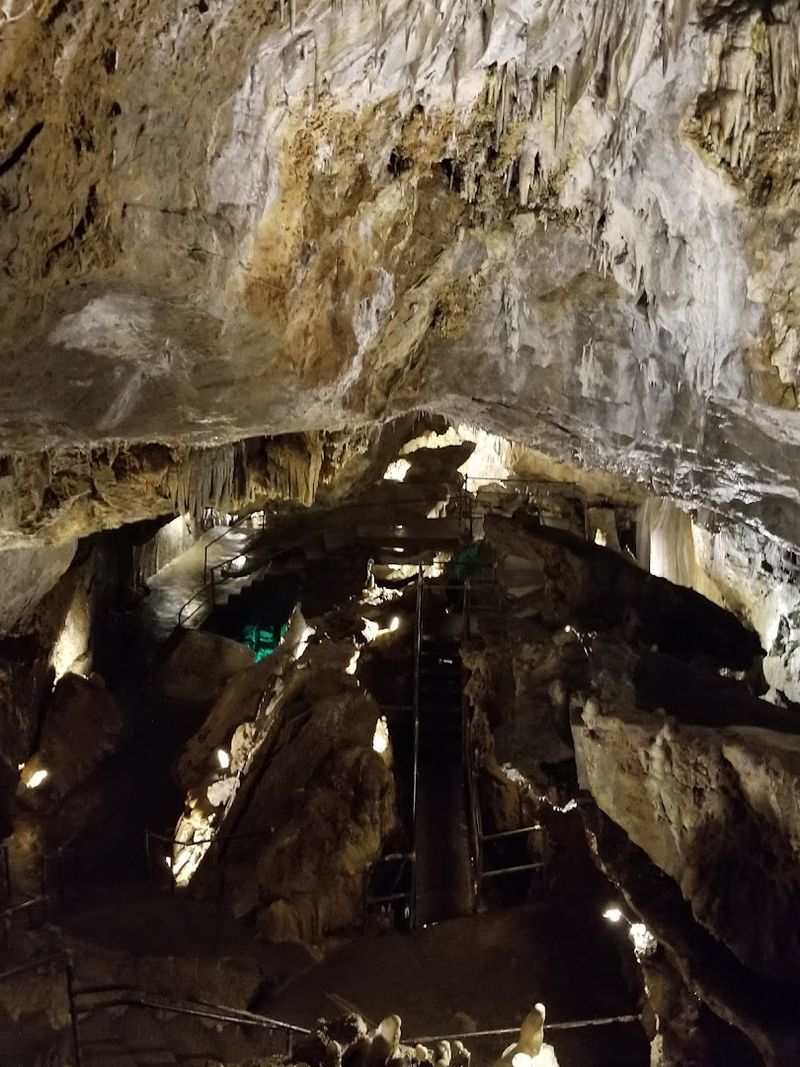
Stumbling across a cave filled with sparkling mineral formations in the Pennsylvania countryside feels like something pulled straight from a storybook.
Crystal Cave in Kutztown, Pennsylvania was discovered in 1871 by workers quarrying limestone, and it has been welcoming curious visitors ever since.
The cave stretches through a series of underground chambers lined with stalactites, stalagmites, flowstone, and calcite crystals that shimmer under carefully placed tour lighting.
Each turn reveals new textures and shapes carved slowly over thousands of years.
Crystal Cave maintains a steady temperature of about 54 degrees Fahrenheit year round, so a light jacket makes the visit more comfortable no matter the season.
Guided tours run regularly and last around 45 minutes, covering roughly a quarter mile beneath the surface.
The guides explain both the geology and history in an engaging way that keeps kids and adults interested from start to finish.
Outside the cave, a gem sluicing activity adds a hands on treasure hunting element, letting visitors pan for stones they can take home as a souvenir of the experience.
3. Echo Dell Indian Echo Caverns, Hummelstown, Pennsylvania
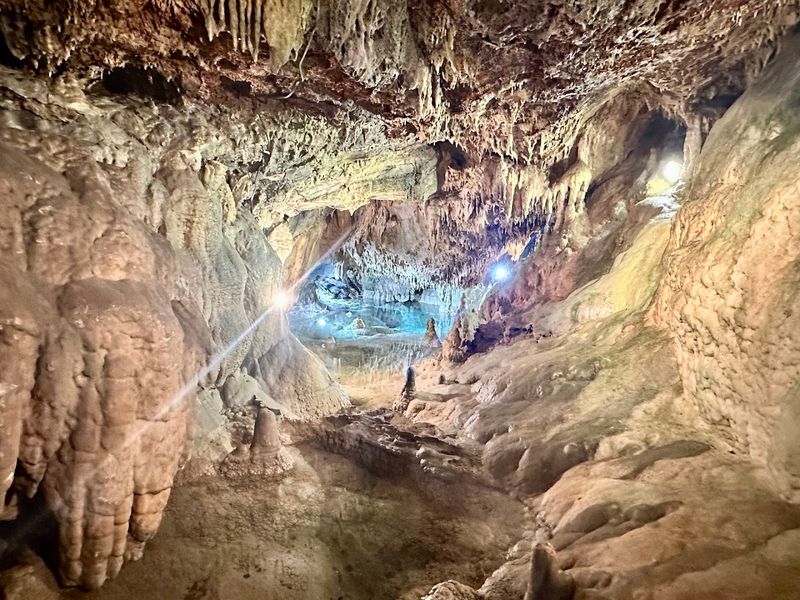
There is something quietly spectacular about walking through a cave that formed over hundreds of millions of years, and Indian Echo Caverns in Hummelstown, Pennsylvania delivers that feeling right from the first step underground.
The caverns sit just outside Harrisburg and are one of the most popular natural attractions in central Pennsylvania.
Inside, the cave passages wind through rooms filled with stalactites, stalagmites, cave bacon, and crystal formations that glitter under the installed lighting.
Indian Echo Caverns formed in limestone bedrock, and the mineral variety inside is genuinely impressive for a cave of its size.
Guided tours last about 45 minutes and are led by knowledgeable staff who explain the geology without making it feel like a lecture.
Outside the caverns, there is a gem panning station where visitors can sift through gem-enriched sand and keep what they find.
The combination of underground exploration and outdoor gem hunting makes Indian Echo Caverns a full-package natural treasure experience in Pennsylvania.
4. Lost River Caverns, Hellertown, Pennsylvania
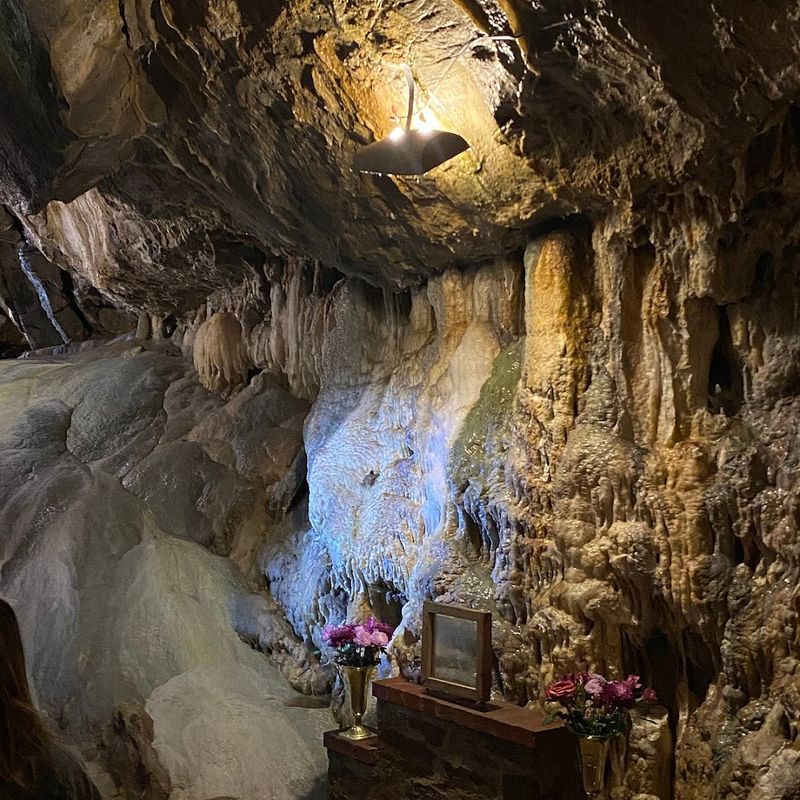
Back in 1883, quarry workers blasting through rock near Hellertown, Pennsylvania broke into something they never expected: a series of underground rooms lined with crystals and calcite formations.
That accidental discovery became Lost River Caverns, one of the most visually striking cave systems in the state.
The cave gets its name from a small stream that disappears underground and then reappears farther along the cave floor, adding a sense of mystery and movement to the entire experience.
Walking through it feels like following a hidden natural story unfolding beneath the surface.
Lost River Caverns features five distinct chambers, each with its own personality and mineral formations, including cave pearls, flowstone curtains, and shimmering selenite crystals.
The lighting highlights details that would otherwise go unnoticed, making every stop feel like a reveal. Tours run year round and last about 30 minutes, making it an easy addition to any travel itinerary.
The on site museum showcases minerals, fossils, and gemstones from around the world, while a gem sluicing station outside gives younger visitors a hands on chance to search for treasures and take home their finds.
5. Laurel Caverns, Farmington, Pennsylvania
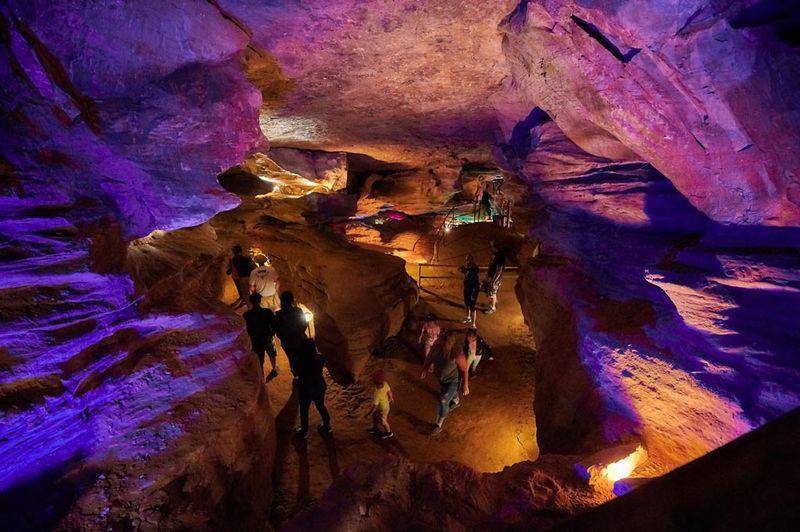
Pennsylvania’s largest cave system sits quietly beneath the Chestnut Ridge in Fayette County, and most people outside the region have no idea it exists.
Laurel Caverns near Farmington, Pennsylvania stretches over 3,000 feet of mapped passages and reaches depths of around 465 feet below the surface.
Unlike the limestone caves found elsewhere in the state, Laurel Caverns formed in sandstone, which gives the walls a completely different texture and color compared to more typical cave systems.
The passages are wide and dramatic, with towering ceilings in several chambers that make you feel genuinely small in the best possible way.
Guided tours cover the main passages and explain the unique geology in detail, while more adventurous visitors can book a spelunking experience that takes you into tighter, unlit sections of the cave.
Laurel Caverns also offers gem panning outside for those who want to bring a little piece of Pennsylvania home. The setting in southwestern Pennsylvania’s rolling hills adds to the charm.
6. Red Hill Fossil Site, Hyner, Pennsylvania
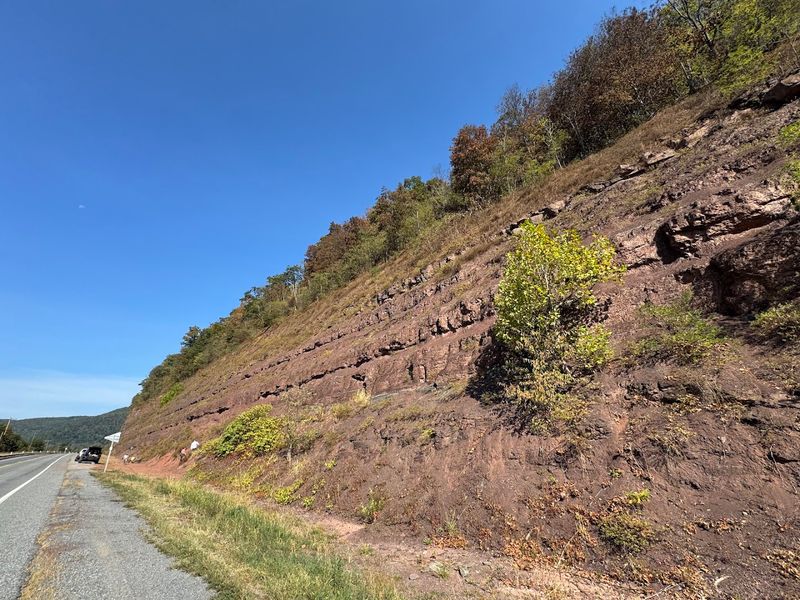
Red Hill near Hyner, Pennsylvania is not your average fossil hunting spot.
This Late Devonian site, roughly 359 million years old, sits along a roadcut on Route 120 in Clinton County and has produced some of the most scientifically significant fossil finds in North America, including early tetrapod trackways and ancient fish remains.
The red and brown shale layers exposed at Red Hill preserve a snapshot of a coastal floodplain ecosystem from a time when the first vertebrates were beginning to move onto land.
Paleontologists from major universities have conducted formal excavations here, and the site continues to yield new discoveries.
Visiting Red Hill requires care and respect since it is an active research site and collecting fossils may be restricted or regulated in certain areas.
Observing the exposed layers and understanding the geological story they tell is rewarding on its own. Red Hill offers a rare chance to stand at a place where evolutionary history literally surfaces through the Pennsylvania hillside.
7. Swatara State Park Fossil Beds Area, Pine Grove, Pennsylvania
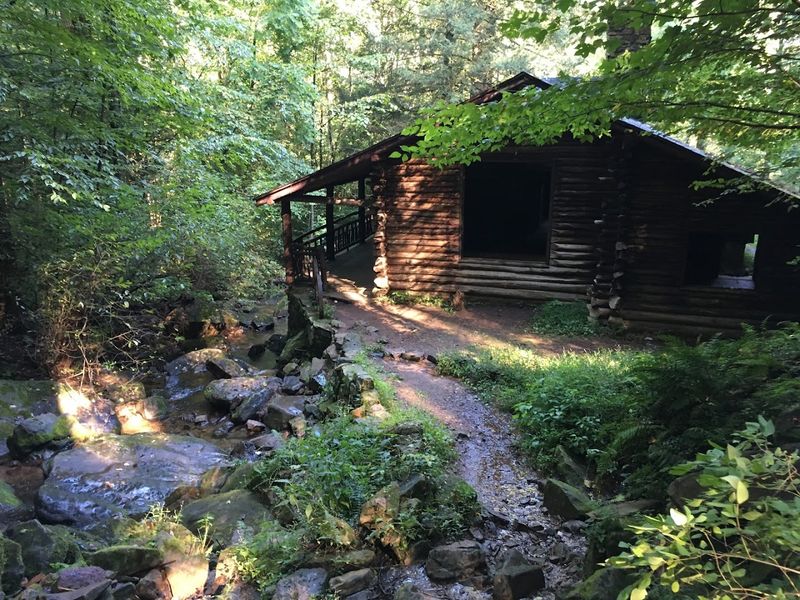
Running through the rolling farmland of Schuylkill and Lebanon counties, Swatara Creek cuts through rock layers that date back to the Devonian and Mississippian periods, exposing fossil beds that casual collectors absolutely love.
Swatara State Park near Pine Grove, Pennsylvania provides easy creek access where fossil hunters can wade in shallow water and flip rocks to find brachiopods, crinoids, and coral fragments.
The creek itself is the main attraction here since the constant water flow naturally cleans fossil surfaces and makes them easier to spot against the gray and tan shale.
Swatara State Park spans over 3,500 acres and offers hiking and picnicking facilities that make it a comfortable all-day outing.
Collecting fossils in Pennsylvania state parks is generally limited to reasonable personal quantities for non-commercial use, so keeping finds modest and leaving the site undisturbed for future visitors is important.
The fossil beds along Swatara Creek reward slow, patient searching and a sharp eye for subtle shell impressions in the rock.
8. Beltzville State Park, Lehighton, Pennsylvania
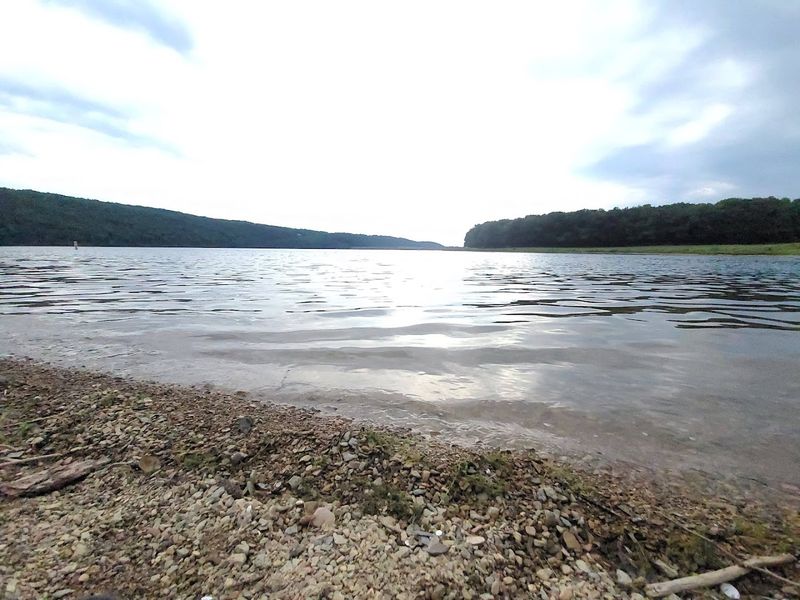
Beltzville State Park near Lehighton in Carbon County, Pennsylvania is best known for its large reservoir and swimming beach, but the exposed rock layers along the lake shoreline have made it a quiet favorite among fossil and mineral enthusiasts.
The park sits within the Pocono region, and the geology here includes Devonian-age shale and sandstone that occasionally yield plant fossils and marine invertebrate impressions.
Walking the shoreline at low water levels reveals freshly exposed rock surfaces where fossil hunters have found plant stem impressions, brachiopods, and occasionally trace fossils left by ancient organisms.
Beltzville State Park covers over 3,000 acres, and the combination of lake views, forest trails, and geological interest makes it a satisfying multi-purpose destination.
Going during late summer when water levels drop is the best strategy since more rock is exposed along the banks.
Beltzville rewards the kind of visitor who enjoys combining a relaxed outdoor day with the quiet thrill of finding something ancient hiding in plain sight along the water.
9. Suedeberg Fossil Site, Swatara State Park, Pennsylvania
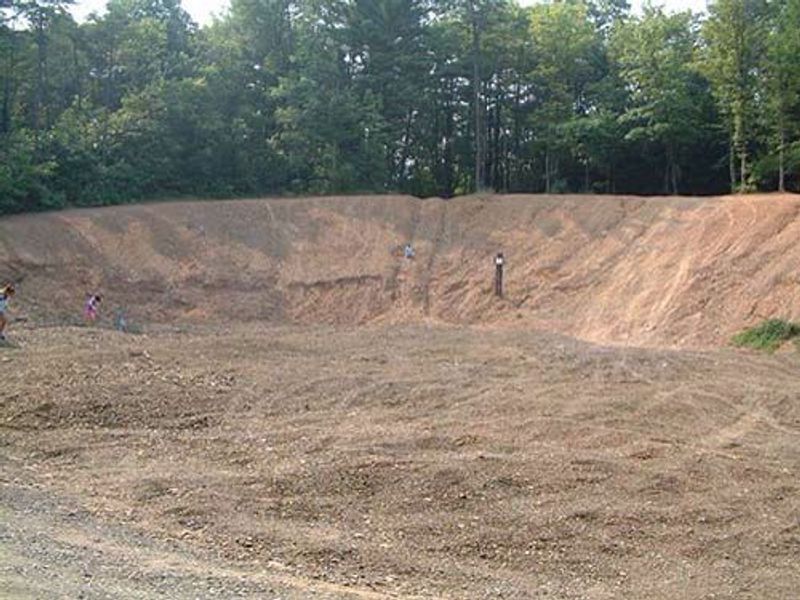
Suedberg Fossil Site in Swatara State Park near Pine Grove, Pennsylvania offers fossil hunters a rare glimpse into the ancient seas that once covered this region.
The site is linked to the Upper Mahantango Formation, where layers of siltstone and claystone preserve marine life from the Middle Devonian period, roughly 375 million years ago.
Collectors often uncover brachiopods, bryozoans, bivalves, gastropods, crinoid fragments, coral pieces, trilobite material, and the occasional unusual specimen hidden in weathered rock.
Each find connects directly to a distant prehistoric ocean that once thrived here.
Because the area has been heavily searched over time, patience is key, and visitors should not expect frequent museum quality discoveries with every handful of shale.
The experience is more about persistence and appreciation than quick rewards.
Swatara State Park is open from sunrise to sunset, and visitors are encouraged to stick to designated fossil areas, follow posted rules, and avoid unstable slopes or unsafe digging.
What makes Suedberg especially appealing is its setting within a recognized state park, tying hands on exploration directly to Pennsylvania’s broader Devonian marine history and making it both educational and scenic.
10. Lincoln Caverns And Whisper Rocks, Huntingdon, Pennsylvania.
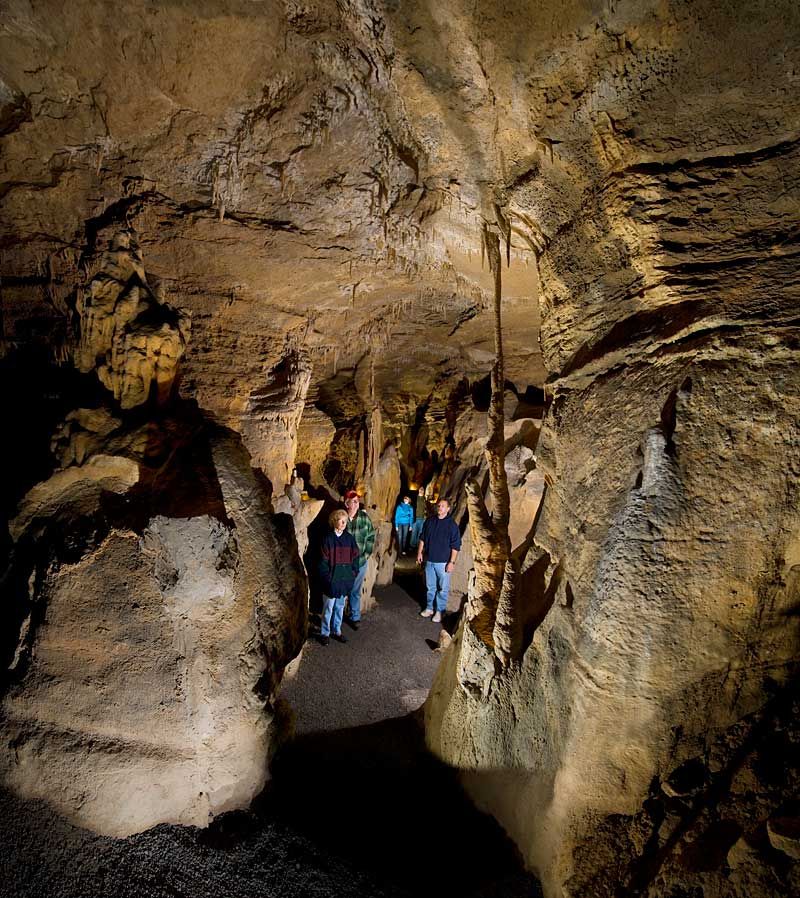
Lincoln Caverns and Whisper Rocks in Huntingdon, Pennsylvania makes a stronger, easier-to-photograph replacement for collectors who want crystals without worrying about informal mine-spoil access.
The attraction features two show caves with sparkling stalactites, flowstone, delicate crystals, and other formations that give visitors a dramatic look at Pennsylvania’s underground geology.
Unlike the McAdoo and Tresckow area, this is a developed public attraction with clear visitor information, posted hours, staff, parking, and guided tours.
The one-hour interpretive tour explores both caverns, and the site maintains a cool 52-degree temperature year-round, so a light jacket and sturdy shoes are smart choices.
For the hands-on treasure-hunting element, Lincoln Caverns offers gem panning in a sluice from mid-March through mid-November, either with cavern tickets or separately.
Visitors can pan for real gemstones, keep what they find, and leave with photos that clearly support the article.
Huntingdon County rewards curious travelers with underground sparkle and easy planning for families, road trippers, and casual rock lovers alike.