
This Gettysburg, Pennsylvania Museum Makes WWII History Come Alive With Working Tanks
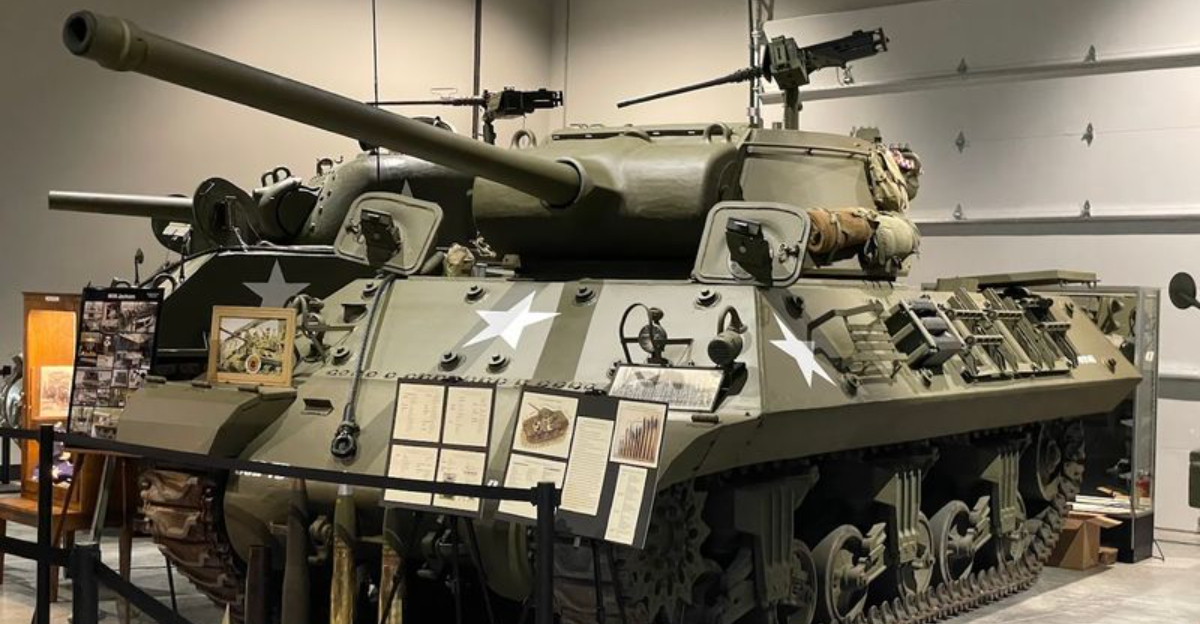
WWII history hits differently when it is not sitting quietly behind glass.
At this Gettysburg museum, Pennsylvania visitors get the kind of experience that feels immediate, powerful, and hard to brush off, thanks to working tanks, preserved artifacts, and stories that seem to carry real weight.
The draw is not just seeing military history. It is feeling the scale of it, from the machines that once shook the ground to the personal pieces that remind you real people lived through every chapter.
That mix makes the past feel less distant and far more human. A place like this can turn curiosity into genuine respect in a hurry.
I tend to remember museums that make me stop talking for a moment, and anything with working tanks and unforgettable artifacts sounds like it would do exactly that.
A Collection Built By One Person’s Passion
Imagine spending decades gathering rare military vehicles, uniforms, and personal wartime belongings just so others could experience them up close.
That is the story behind the World War II American Experience, where the collection grew from the Buck family’s longtime passion for preserving history.
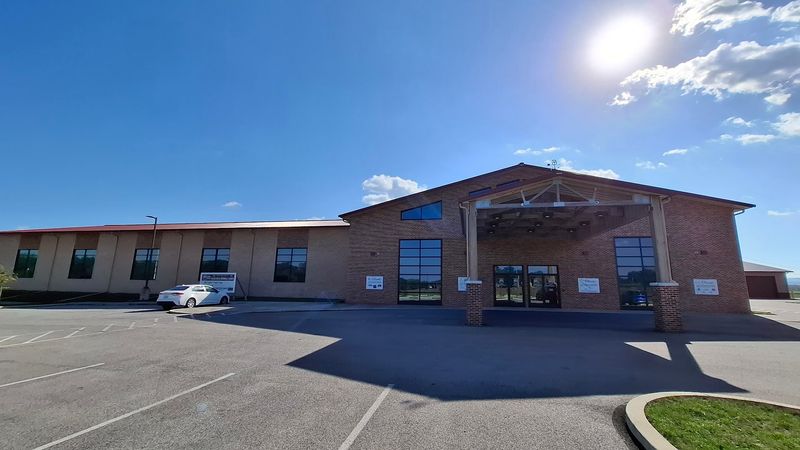
The museum sits in a spacious, well-lit warehouse-style building just miles from the heart of Gettysburg.
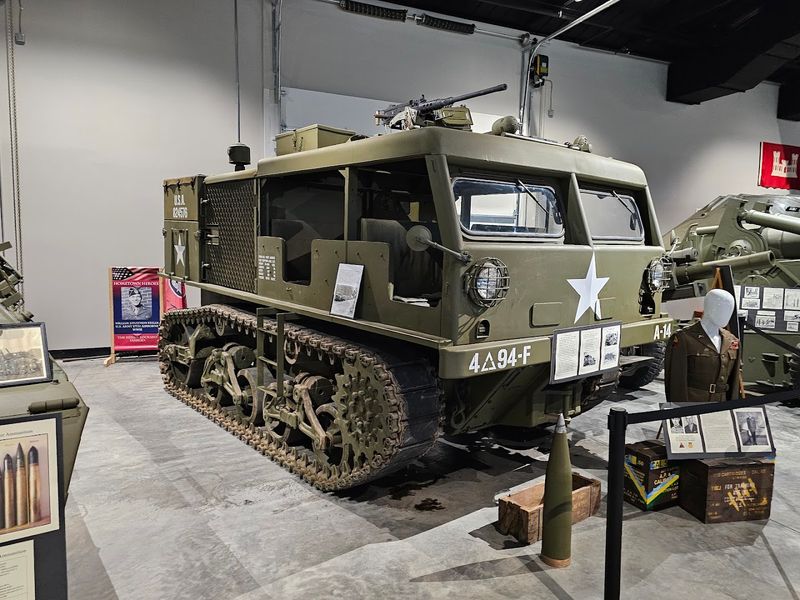
Its restored vehicles, uniforms, small arms, regional stories, and personal memorabilia come from the Buck Collection and related artifacts chosen to help the public experience these pieces firsthand.
It is the kind of origin story that makes visiting feel more personal than a typical institution. You are not just walking through a museum.
You are walking through a family mission, and that intention shows in every carefully placed artifact on display for curious visitors today, too, quite clearly.
The Sherman Tank You Can Actually Ride
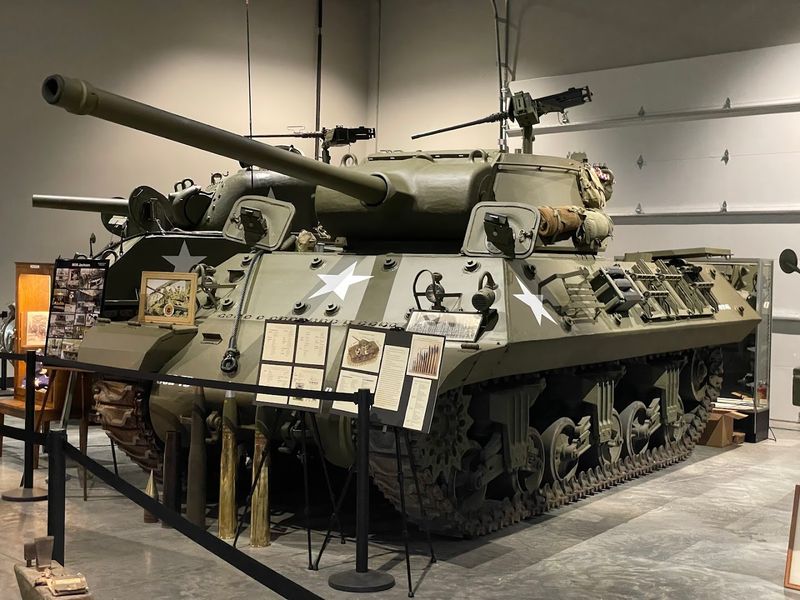
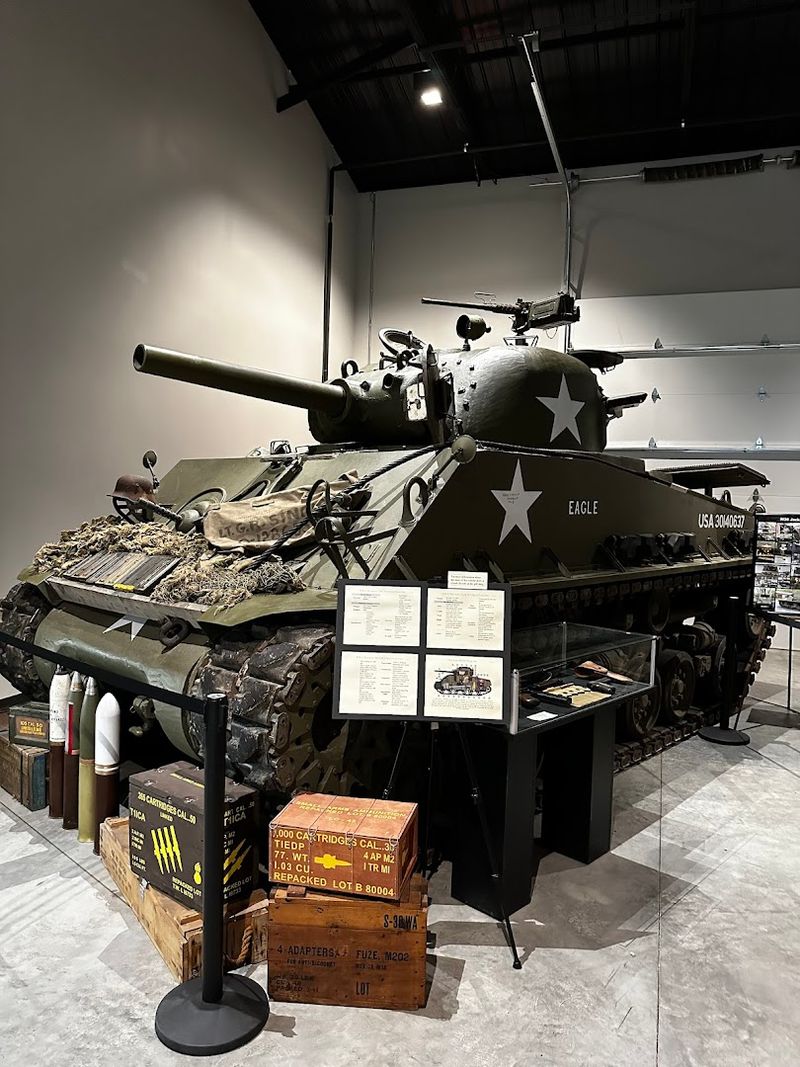
Few things in life match the thrill of climbing aboard a genuine Sherman tank, and the World War II American Experience currently makes that possible for a small additional fee of ten dollars.
This is not a replica or prop. It is the real thing, restored to working condition and ready to roll.
This summer, the museum is offering rides aboard its M4A1 Sherman Grizzly for guests ages six and up on Monday and Wednesday through Saturday, now through July 21.
The rumble of the engine, the weight of the steel, and the closeness of the machine all click into place in a way that reading about it never quite captures.
Visitors who skip the tank ride often say they wish they had gone for it. For anyone with a passing interest in military machinery, this is the kind of experience that becomes a story you tell for years.
Rare Vehicles Found Almost Nowhere Else
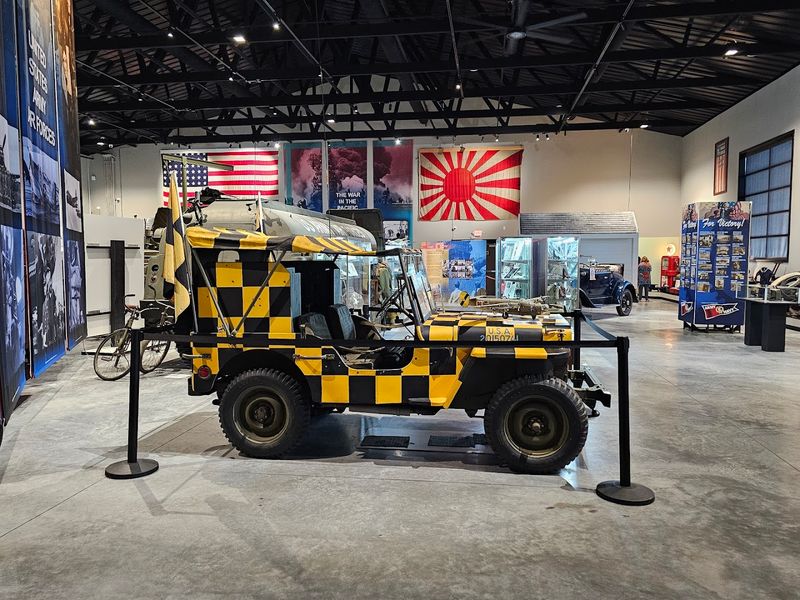
Most war museums stick to the familiar big names: Sherman tanks, Jeeps, and Willys trucks.
The World War II American Experience goes several steps further, showcasing operational vehicles and equipment that can make dedicated historians do a double take.
One standout noted by visitors is a rare Japanese Kurogane Type 95 scout car, an unusual exhibit that military history fans may never have seen in person.
The museum also features engineering vehicles that rarely get attention, including support machines and specialty transports that played critical logistical roles during the war.
These are the unsung machines that kept armies moving, and seeing them restored and labeled brings a whole new respect for the mechanics of wartime operations.
Personal Artifacts That Tell Soldiers’ Stories
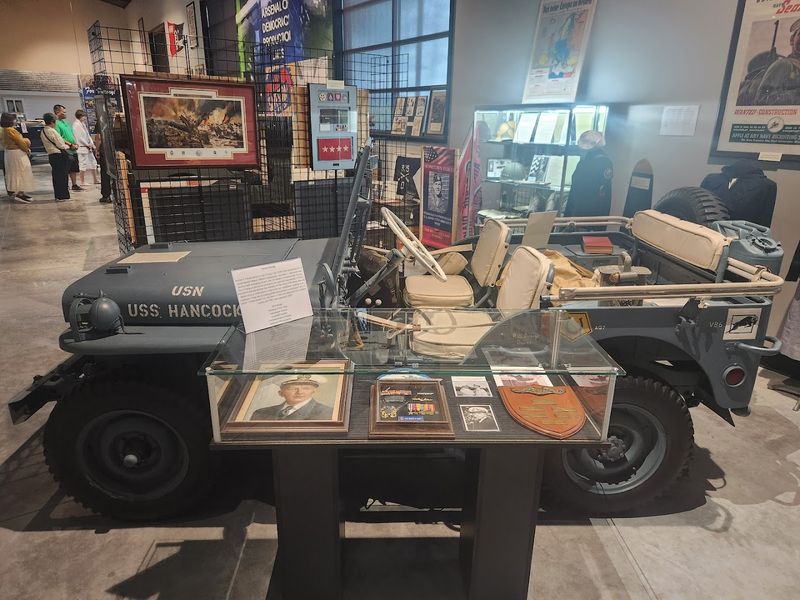
Vehicles and weapons are impressive, but the most quietly powerful exhibits at the World War II American Experience are the personal items.
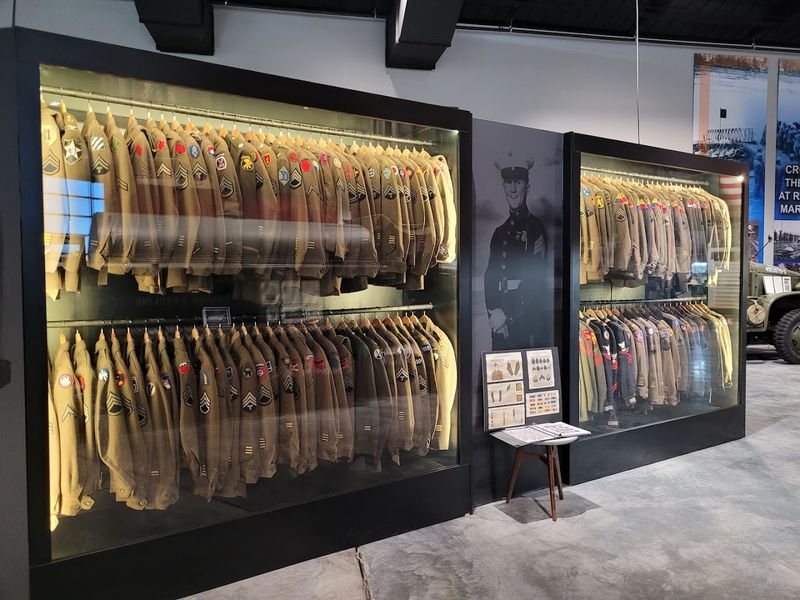
Uniforms, documents, photographs, and everyday belongings appear throughout the museum, with many stories tied to Gettysburg, Adams County, and the surrounding Pennsylvania region.
The museum’s mission is not only to show machines, but to preserve the stories and memories of people affected by the war.
Seeing those objects up close creates a connection that no documentary can fully replicate. These were real people with families, fears, and hopes, and their objects carry that weight in a tangible way.
The museum does a thoughtful job of organizing these personal collections so visitors can move through them at their own pace.
Spending time with a single uniform, document, or photograph often ends up being the part of the visit that stays with people the longest, long after they have left the building.
Knowledgeable Guides Who Bring History To Life
One of the most talked-about features of the World War II American Experience is its team of passionate guides. These are not people simply reading from a script.
They are enthusiasts, researchers, and storytellers who know the history of vehicles and artifacts in the building and love sharing that knowledge.
General admission is priced at sixteen dollars per person, while docent-guided group tours can be pre-arranged for groups that want a deeper experience.
A full guided group tour typically runs about an hour and thirty minutes, covering everything from the home front exhibits to vehicle displays.
Guides welcome questions and often share details that are not written on any placard. Visitors describe guides as highlights of the trip.
The Home Front Exhibits You Did Not Expect
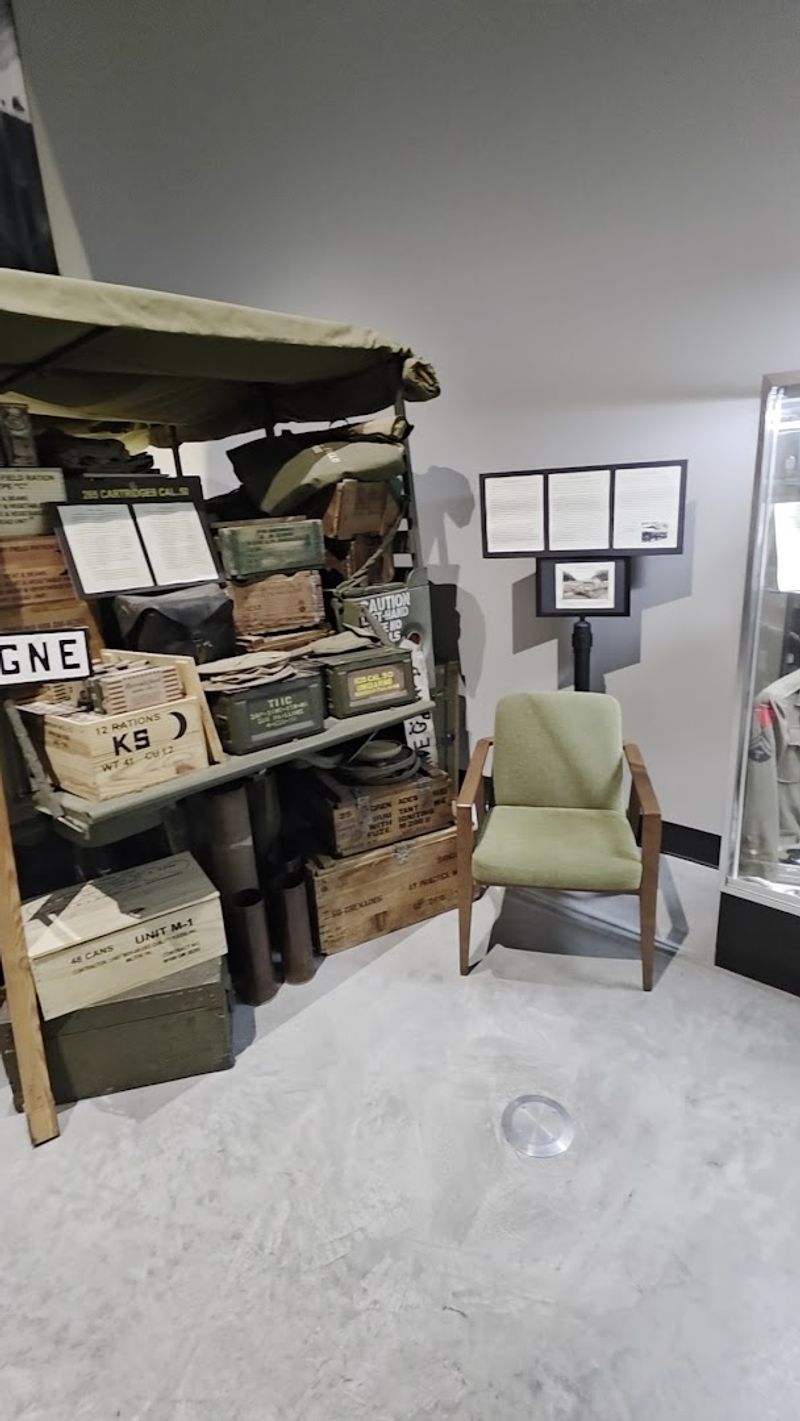
War museums tend to focus on the battlefield, but the World War II American Experience takes a broader approach by dedicating meaningful space to the American home front.
Exhibits address civil defense, scrap drives, war bond drives, victory gardens, rationing, labor shortages, and the wartime economy.
From there, the story expands to women in the workforce, food production, Adams County canning, and the industries that kept the country running while soldiers served overseas.
These displays are especially eye-opening for younger visitors who may not realize how much daily life changed for ordinary Americans during the war years.
History becomes less abstract when you see the rationing, posters, and choices that shaped everyday decisions. It is a reminder that the war touched absolutely everyone, not just those in uniform then, too, now.
Special Events Including Tank Rides And Dances
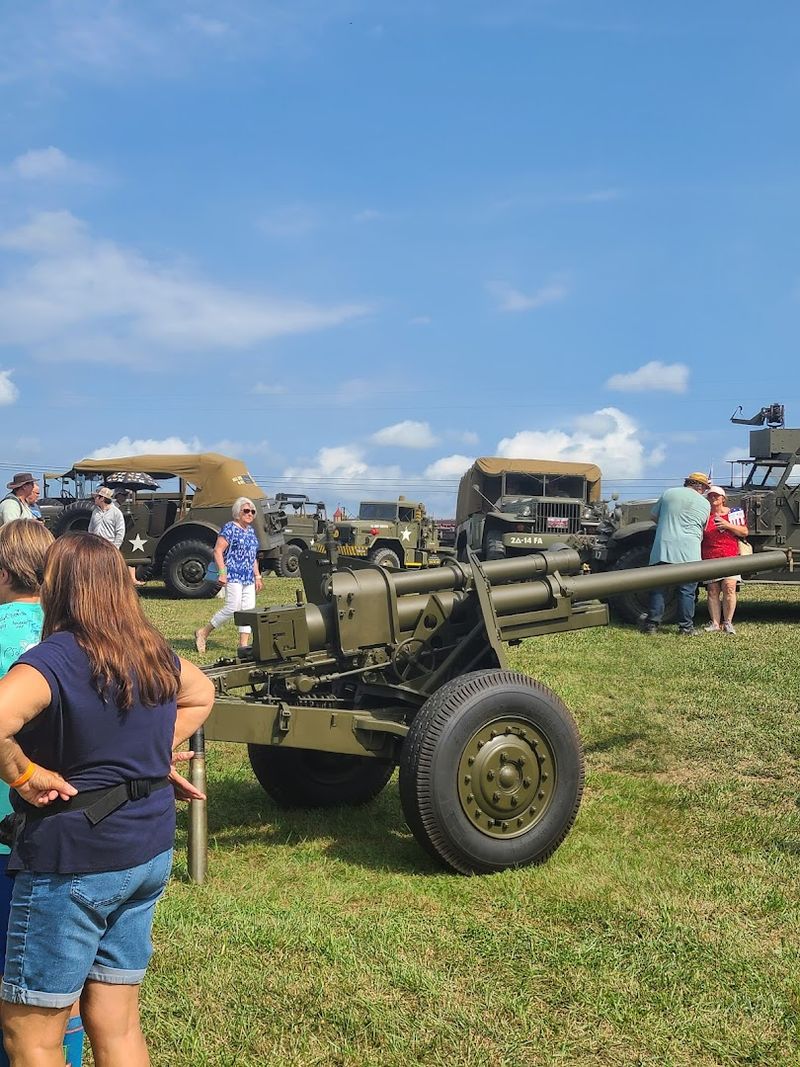
Beyond regular museum hours, the World War II American Experience hosts a calendar of events that transforms the property into something close to a living history festival.
In late July, Military Weekend brings vehicles out of the building and onto the grounds, where many are displayed and demonstrated.
The museum also hosts seminar programs, Jeep Fest, World War II Weekend, living history demonstrations, vehicle displays, encampments, and special programs tied to military history.
These events attract historians, veterans’ families, and curious visitors from Ohio, Pennsylvania, and states across the country who want something more immersive than a standard museum visit.
Tank and military vehicle rides are available during select special occasions, along with demonstrations and speakers that add depth and personal connection to the exhibits.
Checking the museum’s event calendar before planning a trip is highly recommended, because catching one of these events elevates the experience to a completely different level for visitors, families, and history lovers.
The Eisenhower Room And Its Local Connection
Gettysburg has a deep connection to Dwight D. Eisenhower, who lived in the area with his wife and used the town as a personal retreat during his presidency.
The World War II American Experience includes an Eisenhower Room, but current materials describe it primarily as a modern event, meeting, class, roundtable, and retreat space rather than a permanent memorabilia exhibit.
The room is modest in size but meaningful in context.
Seeing Eisenhower’s name used inside a World War II-focused museum just miles from where he eventually chose to settle adds a geographic layer to the history that many visitors find compelling.
It connects the global scale of the war to a very specific and personal place.
Visitors can pair a museum stop with the nearby Eisenhower National Historic Site, where they can tour his actual home and walk the grounds.
Together, the two experiences create a portrait of the man that is hard to find anywhere else in the country today, too.
A Gift Shop And Cafe Worth Stopping For
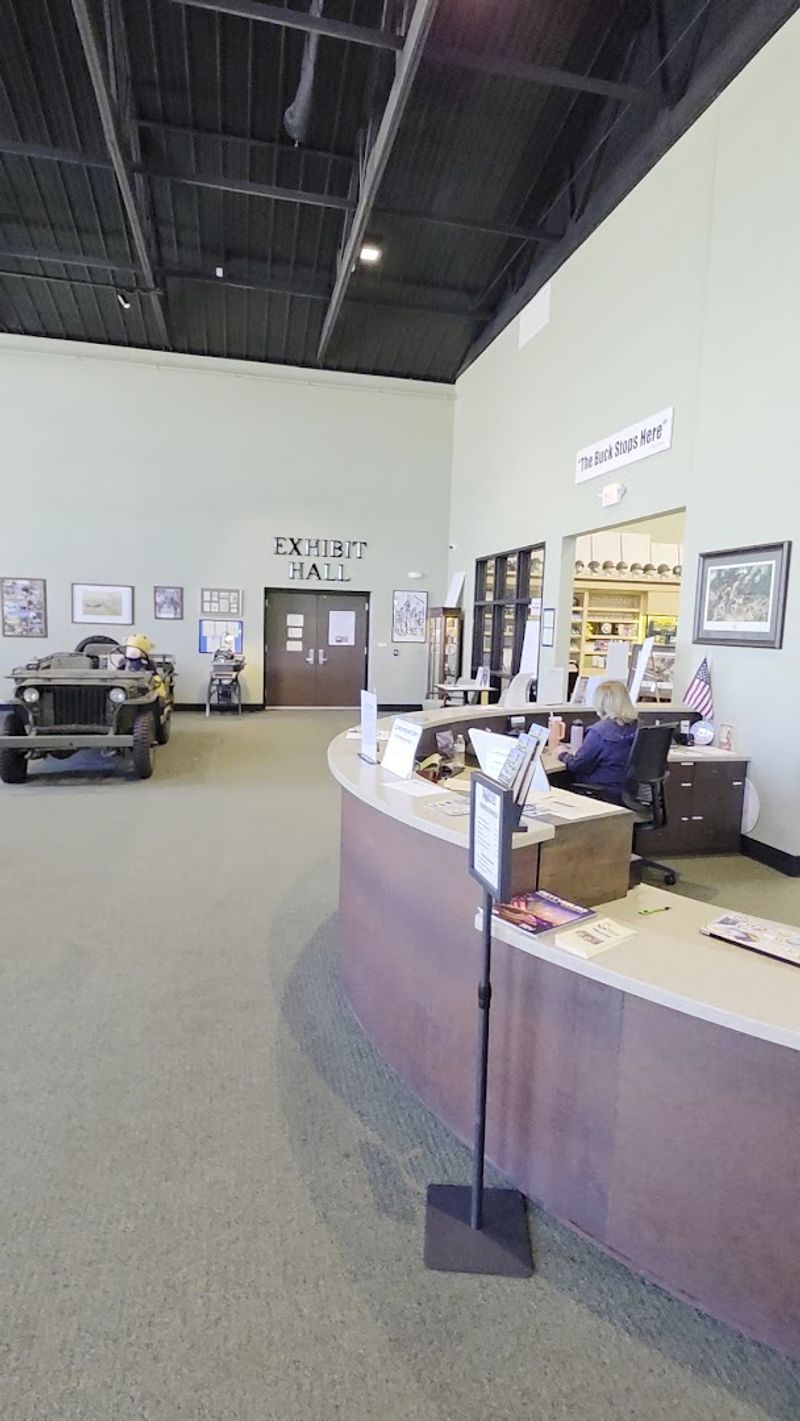
After spending an hour or two absorbing so much history, the gift shop at the World War II American Experience is a satisfying place to land.
Current shop categories include museum products such as apparel, blankets, collectibles, mugs, and glasses, giving visitors a practical way to take the experience home.
The cafe area offers warm meals, sandwiches, coffee, snacks, and beverages for visitors who need a break mid-visit or want to refuel before heading back out.
Group programs may also arrange boxed or buffet lunches, on-site dinners, speakers, special presentations, and demonstrations.
It is a practical and comfortable space that suits families, solo visitors, and group tours equally well.
Travelers coming from Ohio or other states often appreciate having food, drinks, and keepsakes on site after seeing the exhibits.
A small museum souvenir picked up here can feel different after everything you just saw and learned during the visit, especially when the machines and stories are still fresh in your mind.
Practical Tips For Planning Your Visit
Planning ahead makes a real difference when visiting the World War II American Experience.
From April through December, the museum is open Monday and Wednesday through Saturday from 10 AM to 5 PM, Sunday from noon to 4 PM, and closed Tuesdays.
General admission runs sixteen dollars, with reduced pricing for veterans, senior citizens, students, and children.
The museum is located at 845 Crooked Creek Rd, Gettysburg, PA 17325, about three miles from Gettysburg town center off Mummasburg Road.
Parking for buses, motorcoaches, RVs, and trailers is available on site, which makes group travel easier than many small museums.
Budget at least ninety minutes for a pre-arranged guided group tour, and more if you plan to read the detailed information plaques throughout.
Visitors traveling from Ohio or other nearby states consistently say the drive is absolutely worth it, and many leave already planning a return trip after seeing the exhibits in person to the museum itself.