
13 Illinois Small Towns Where July Weekends Feel A Little More Special
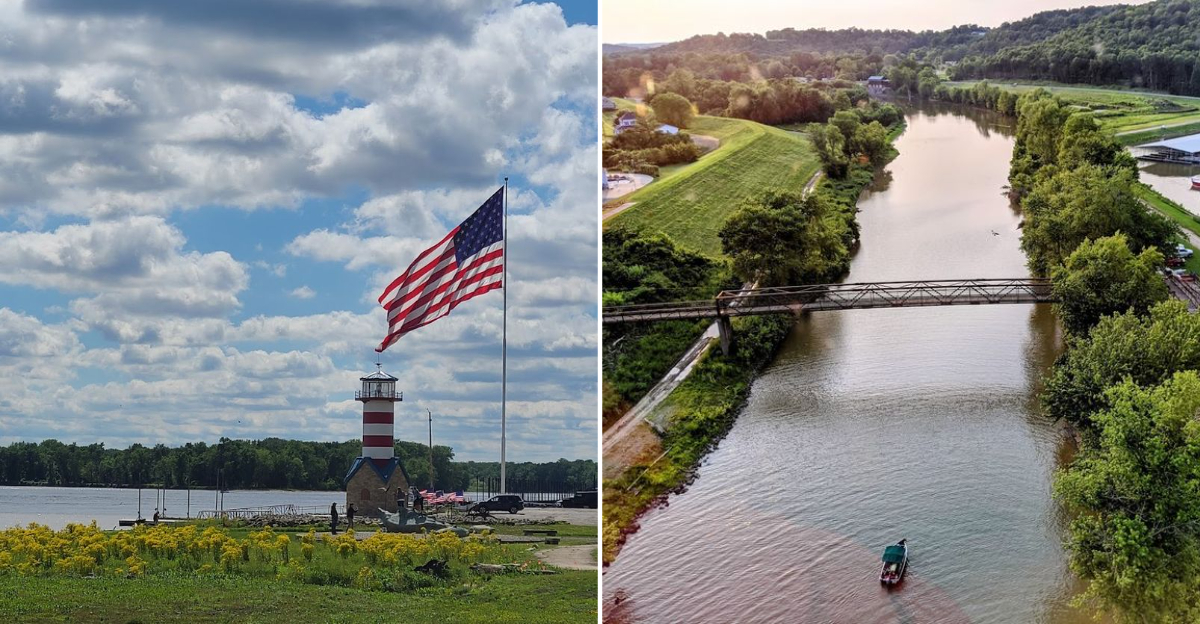
July just feels better in an Illinois small town. You park once, wander a brick-lined downtown, hear music coming from somewhere nearby, and suddenly the whole weekend slows down in the best way.
Then come the fireworks, the river views, the packed ice cream windows, and the local restaurants people will absolutely tell you to try before you leave. That is the magic of these places.
They are easygoing, but never boring. Some are built for history lovers.
Some are made for hikers, food people, photo takers, and anyone who likes a summer drive with a good payoff. Toss a cooler in the car, leave the rushed schedule behind, and give these thirteen Illinois towns a spot on your July list.
1. Galena, Illinois
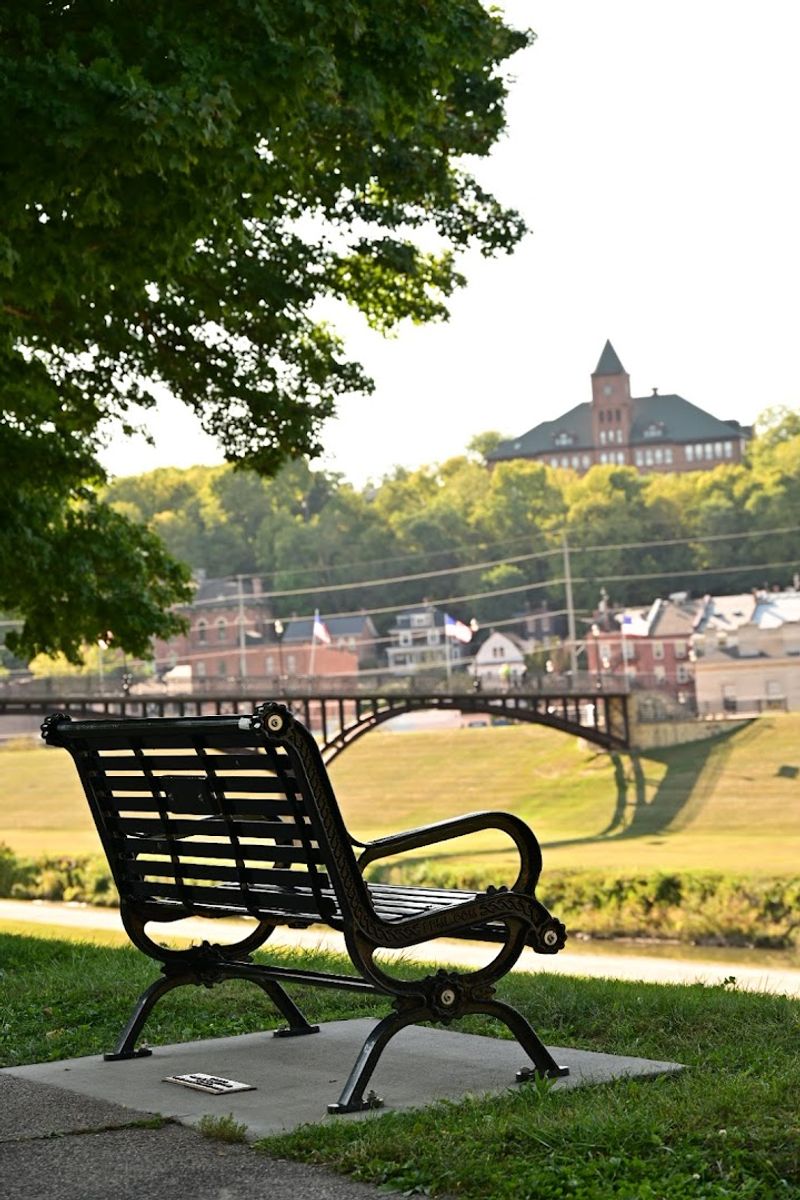
Few towns in Illinois carry as much historical weight per square foot as Galena does. Perched above the Galena River in the far northwest corner of the state, this compact city preserves much of its 19th-century character, with a National Register historic district spanning more than 85 percent of the city.
Walking its hilly streets in July feels like flipping through a living history book.
Independence Day here is genuinely special. The town’s celebrated parade winds through streets lined with 19th-century architecture and brick storefronts, drawing crowds from across the region who come specifically for the old-fashioned grandeur of it all.
Fireworks over the Galena River cap the night with a reflection show that doubles the spectacle. Beyond the Fourth, Galena’s downtown is packed with independently owned shops, art galleries, and cozy restaurants that reward slow, unhurried exploration.
Former President Ulysses S. Grant called this town home, and his preserved residence is well worth a visit while you are here.
2. Woodstock, Illinois
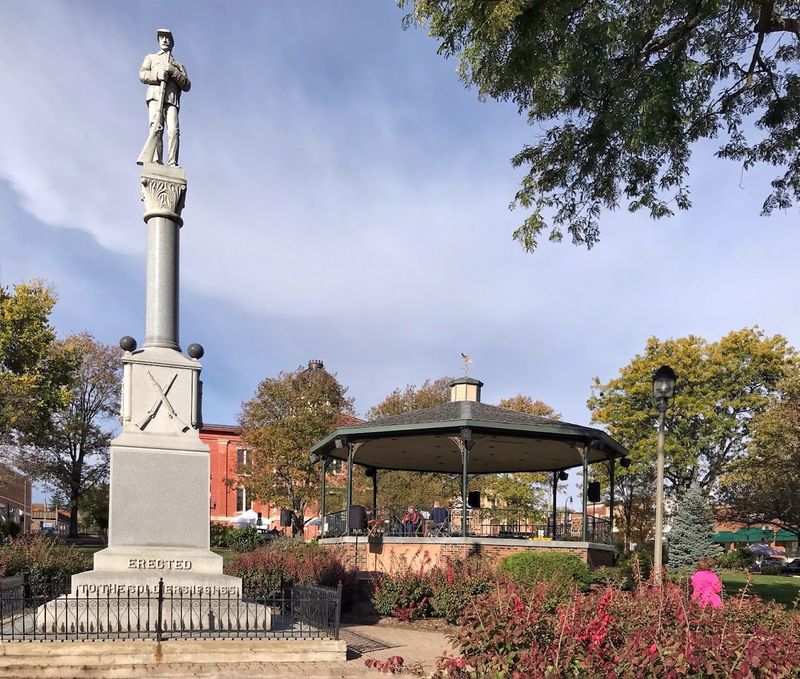
Woodstock’s town square is one of those places that stops you in your tracks the moment you round the corner and see it.
The Victorian opera house, the brick storefronts, the shaded park at the center: it all adds up to something that feels genuinely cinematic, which makes sense because this square served as the filming location for the classic movie Groundhog Day.
Come July, Emricson Park becomes the beating heart of the town’s summer social scene.
Families spread out on blankets for live music performances, kids run through the grass as the sky darkens, and then the fireworks show brings everyone together in that shared, collective quiet before each burst of color.
Woodstock sits about 50 miles northwest of Chicago in McHenry County, making it an easy day trip that feels worlds away from the urban rush. The historic downtown has a genuinely walkable energy, with coffee shops and boutiques that invite you to linger far longer than you originally planned.
3. Grafton, Illinois
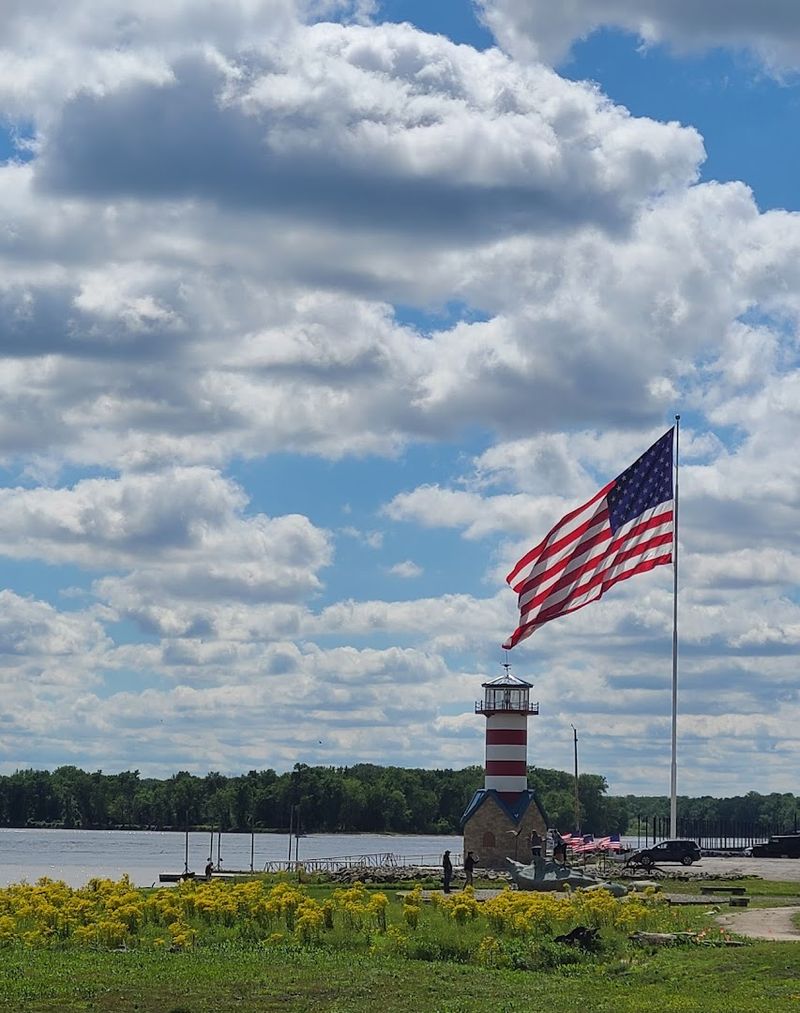
Sitting right at the point where the Illinois River flows into the Mississippi, Grafton occupies one of the most dramatic natural settings in the entire state.
The Great River Road runs directly through town, and the limestone bluffs rising on one side while the river spreads wide on the other create a backdrop that genuinely earns the word spectacular.
July is prime time here because the weather invites you outside for everything the town does best. Hiking and biking trails follow the river corridor, and the nearby Pere Marquette State Park offers miles of wooded paths with bluff-top views that stretch into Missouri on clear days.
Water activities draw visitors who want to get out on the river rather than just admire it from the shore. Grafton is located in Jersey County, about an hour north of St. Louis, which gives it a convenient position for weekend travelers from both Illinois and Missouri.
The riverfront atmosphere, the outdoor recreation options, and the small-town friendliness combine to make a July stop here feel genuinely rewarding.
4. Elsah, Illinois
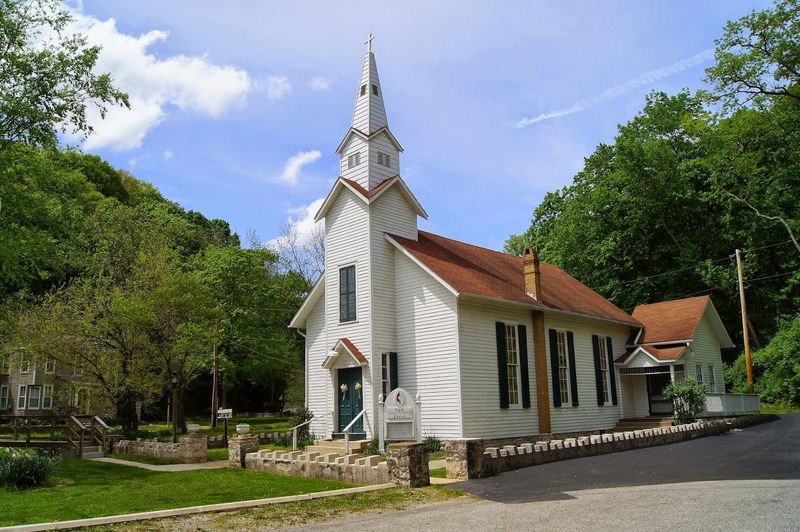
Just a short drive downriver from Grafton, Elsah is the kind of place that people stumble upon and then spend years telling friends about.
The entire village is listed on the National Register of Historic Places, and it is often described as a place where time seems to stand still. Stone cottages, narrow lanes, and mature trees create an atmosphere that feels genuinely removed from modern life.
In July, Elsah is at its quietest and most beautiful. The surrounding bluffs are fully green, the air carries the smell of the river, and the pace of the village invites you to slow completely down.
There are no chain restaurants, no strip malls, and no noise beyond birdsong and the occasional passing car on the Great River Road.
Located in Jersey County along the Mississippi River bluffs, Elsah is perfectly suited for a romantic weekend or a solo retreat where the goal is simply to breathe and reset. Bring a good book, a camera, and no particular agenda, and the village will take care of the rest.
5. Nauvoo, Illinois
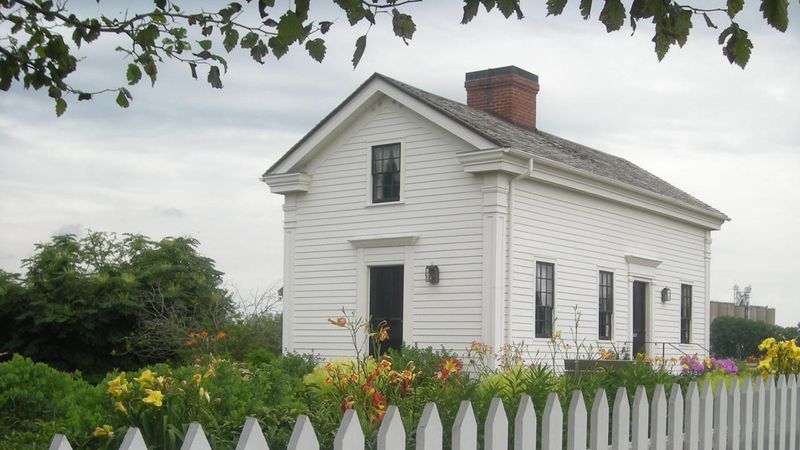
Nauvoo sits on a dramatic bend in the Mississippi River in Hancock County, and the view from the bluff above town is one of those sights that genuinely makes you stop mid-sentence.
The town was a thriving frontier city in the 1840s, and the careful restoration work done over the decades means visitors can walk through that era in a way that feels authentic rather than theme-park polished.
Living-history sites throughout the village bring the pioneer period to life with costumed interpreters, working artisan shops, and demonstrations of crafts like blacksmithing, weaving, and brick-making.
July is an ideal time to visit because the long summer days give you enough light to explore the outdoor historic sites without feeling rushed.
The riverfront views in Nauvoo are quietly stunning, especially in the golden light of a July evening when the Mississippi catches the last of the sun.
The town also hosts summer pageants and outdoor performances that draw visitors from across the country, making the cultural calendar particularly lively during the warmest months of the year.
6. Ottawa, Illinois
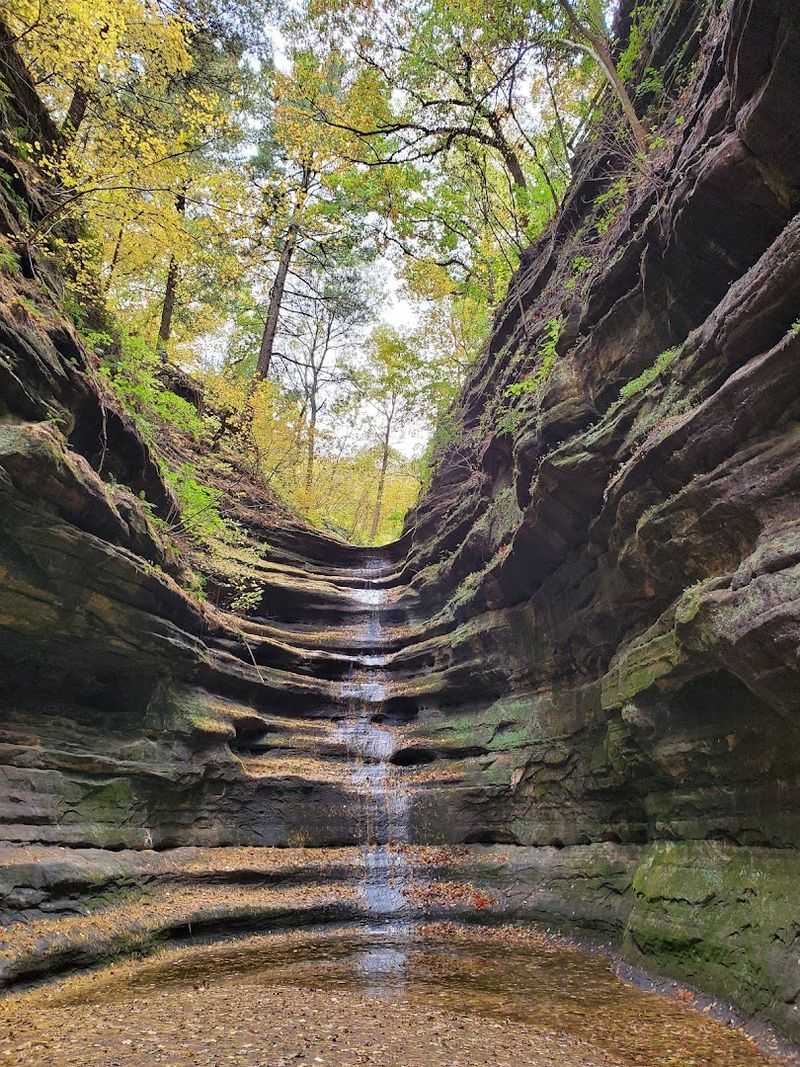
Ottawa earns its reputation as a basecamp town because of what surrounds it. Located at the confluence of the Illinois River and the Fox River in LaSalle County, this city of about 18,000 people sits just minutes from Starved Rock State Park, one of the most visited state parks in Illinois.
For nature lovers planning a July weekend, the location is nearly perfect. Starved Rock’s 18 canyons, carved by glacial meltwater thousands of years ago, are dramatic year-round but particularly alive in summer when the surrounding forest is fully leafed out and waterfalls may be flowing after recent rain.
Hiking the canyon trails in July requires some sunscreen and water, but the payoff in scenery is substantial.
Ottawa itself has a charming historic downtown with independent shops and restaurants that give you a proper place to recharge after a day on the trails.
The town also played a significant role in American political history as the site of one of the famous Lincoln-Douglas debates in 1858, which adds an unexpected layer of depth to an already compelling destination.
7. Golconda, Illinois
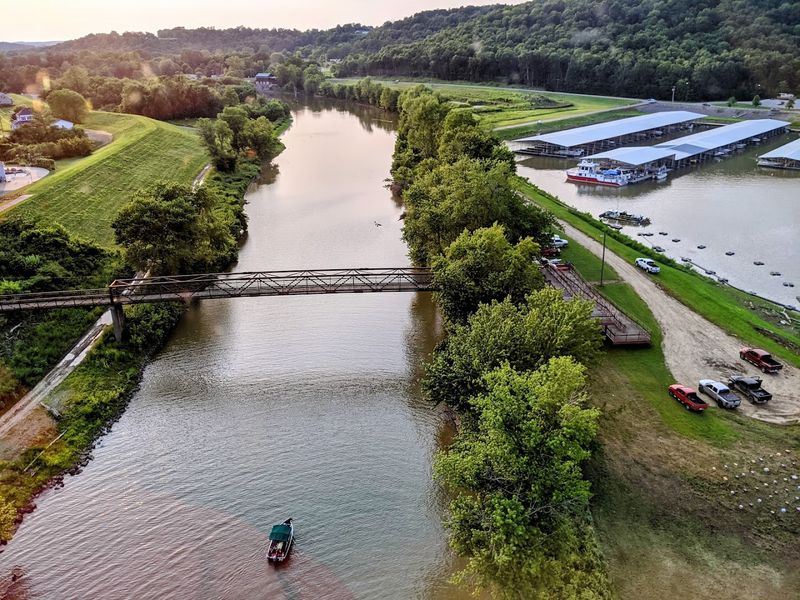
Golconda is the kind of small river town that absolutely owns its July Fourth celebration in the most charmingly original way possible.
The county seat of Pope County sits along the Ohio River in far southern Illinois, and the community’s Independence Day events have a personality that you simply cannot manufacture: a golf cart and side-by-side parade that rolls through town with genuine local pride and plenty of creative decorating.
The Amazing Race on the Courthouse Lawn is one of those hometown events that sounds like it could be a little goofy and turns out to be completely delightful.
Teams of all ages compete in challenges around the historic courthouse square, and the energy of the crowd makes it feel like the whole town has turned out, because it essentially has.
Fireworks over the Ohio River close out the night in style, with the wide river providing a perfect natural mirror for the light show.
Golconda’s small scale, maybe 700 residents, means the celebration feels personal rather than crowded, which is exactly the kind of Fourth of July experience worth driving for.
8. Fulton, Illinois
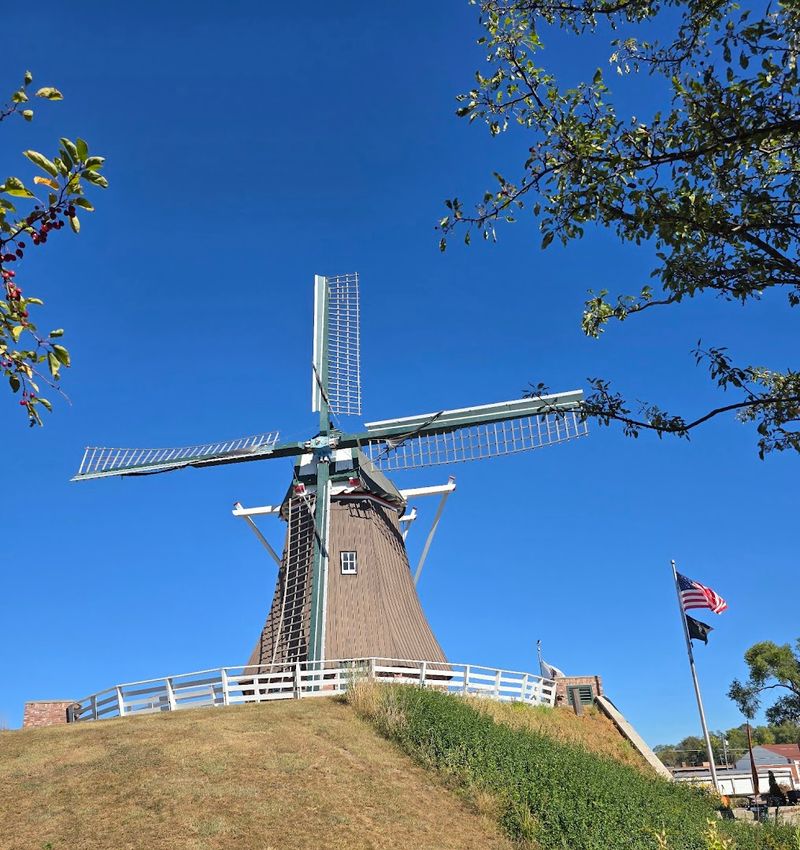
Fulton has a genuinely unexpected claim to fame sitting right along the Mississippi River in Whiteside County: a fully functioning Dutch windmill that was built in the Netherlands and reconstructed in town as a working mill.
The Windmill Cultural Center connected to it tells the story of the Dutch heritage that shaped this northern Illinois community, and it is the kind of attraction that makes you glad you looked up small towns before your road trip.
In July, the riverside setting becomes especially inviting. Scenic walks along the Mississippi offer views of the wide river and the Iowa bluffs on the far bank, and the area around the windmill is pleasant for picnics and photography.
The windmill itself is one of those subjects that photographs beautifully no matter what skill level you bring to the camera.
Fulton sits on the Great River Road about two hours west of Chicago, making it a doable day trip or a relaxed overnight stop.
The combination of Dutch cultural heritage, a working historic structure, and genuine Mississippi River scenery gives Fulton a distinctly layered character that rewards visitors who take their time exploring.
9. Murphysboro, Illinois
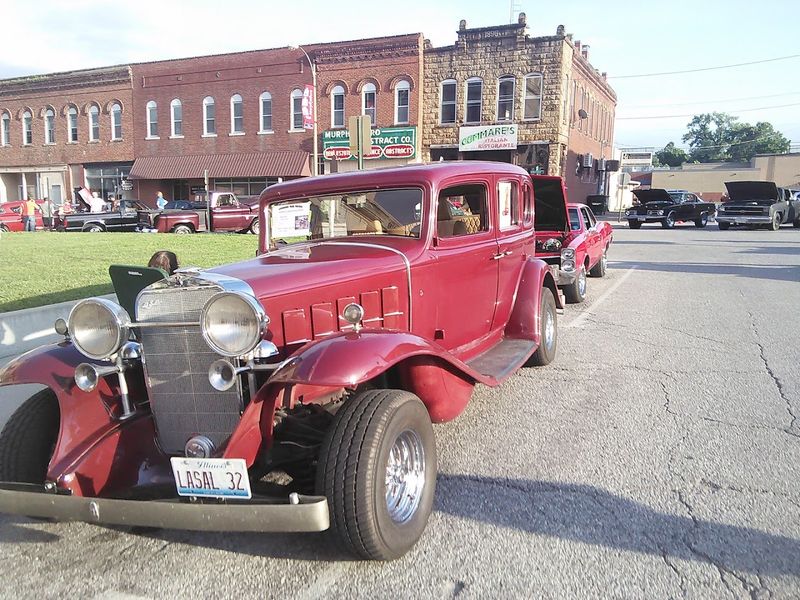
Barbecue culture in the United States has a handful of towns that carry genuine, nationally recognized credibility, and Murphysboro is one of them.
Located in Jackson County in southern Illinois, this town is home to a barbecue tradition so respected that its pitmasters have competed and won at the highest levels of competitive cooking in the country. Showing up hungry is strongly advised.
Beyond the food, Murphysboro puts visitors within easy reach of Ferne Clyffe State Park, where sandstone cliffs, wooded ravines, and waterfalls create a hiking environment that feels almost too dramatic for Illinois.
The park’s trails range from easy walks to more rugged climbs, and the July greenery makes the whole place feel lush and alive.
Southern Illinois has a regional personality that is distinctly its own, warmer in climate and slower in pace than the northern part of the state, and Murphysboro captures that character well.
The combination of world-class food, accessible outdoor adventure, and genuine small-town warmth makes a July weekend here the kind of trip people start planning again before they have even driven home.
10. Arthur, Illinois
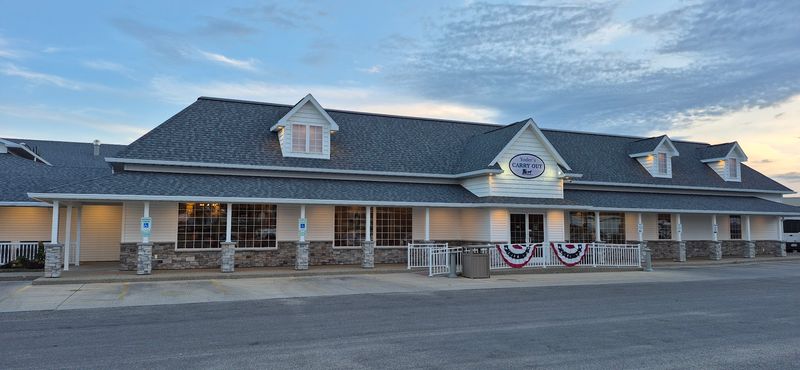
Arthur sits in the heart of Illinois Amish country in Douglas County, and the pace of life here is calibrated entirely differently from what most visitors are used to.
Horse-drawn buggies share the rural roads with cars, hand-painted signs point toward family-run bakeries and quilt shops, and the surrounding farmland rolls out in tidy, uncluttered rows that look like they belong on a calendar.
A July visit to Arthur rewards patience and curiosity. The bakeries turn out fresh breads, pies, and pastries that have absolutely no business being as good as they are, and the quilt shops carry handmade pieces that represent hundreds of hours of careful, skilled work.
Buggy rides offer a perspective on the landscape that no car window can replicate.
The Amish community here maintains a welcoming but respectful relationship with visitors, and being thoughtful about photography and privacy goes a long way toward making the experience positive for everyone involved.
Arthur is not about rushing from attraction to attraction; it is about remembering what it feels like to slow down completely and notice the details around you.
11. Casey, Illinois
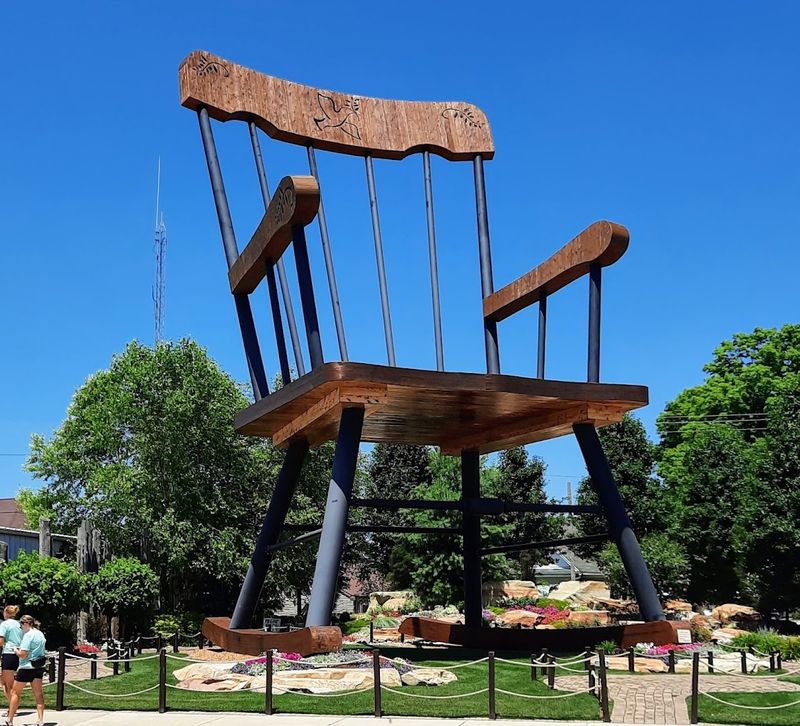
Casey has committed fully and enthusiastically to being the weirdest, most wonderful roadside attraction town in Illinois, and honestly the dedication is admirable.
Located in Clark County in east-central Illinois, this small town is home to an official collection of Guinness World Record-holding oversized objects, including the World’s Largest Rocking Chair, the World’s Largest Golf Tee, the World’s Largest Mailbox, and several more that are just as gloriously absurd.
The fun of Casey is that the giant items are scattered throughout town rather than collected in one spot, which turns a visit into a self-guided scavenger hunt that works for all ages.
Kids go absolutely wide-eyed standing next to a rocking chair that towers several stories above them, and adults find themselves laughing and taking photos with the same enthusiasm.
July is a great time to tackle the Casey world record tour because the long days give you plenty of daylight to track down every oversized wonder.
The town leans fully into its quirky identity, and the whole experience has a joyful, unpretentious energy that makes it one of the most genuinely fun stops on any Illinois road trip itinerary.
12. Roscoe, Illinois
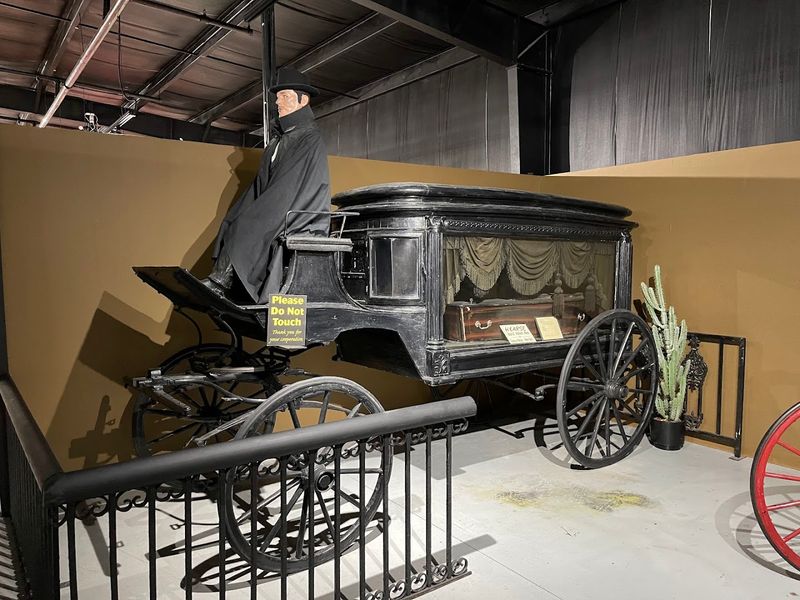
Car enthusiasts and pop culture fans alike find themselves genuinely surprised by what is waiting for them in the small village of Roscoe, located in Winnebago County in northern Illinois along the Rock River.
Historic Attractions Museum houses one of the most unusual and entertaining private collections of vehicles and memorabilia in the country, covering everything from celebrity-owned cars to historically significant automobiles and entertainment props.
The collection includes vehicles connected to movies, television, and famous figures, displayed in a way that rewards slow, attentive browsing rather than a quick walk-through.
The breadth of the collection means there is genuinely something for everyone, from classic car purists to people who just want to see the vehicle from their favorite film.
Roscoe itself is a quiet, pleasant village that sits about 10 miles north of Rockford, making it easy to combine with a broader northern Illinois itinerary.
A July visit can pair well with a separate stop along the Rock River elsewhere in the Roscoe and Rockford area, where boating and fishing opportunities add to the summer itinerary. It is the kind of off-the-beaten-path stop that becomes the highlight of the trip.
13. Alto Pass, Illinois
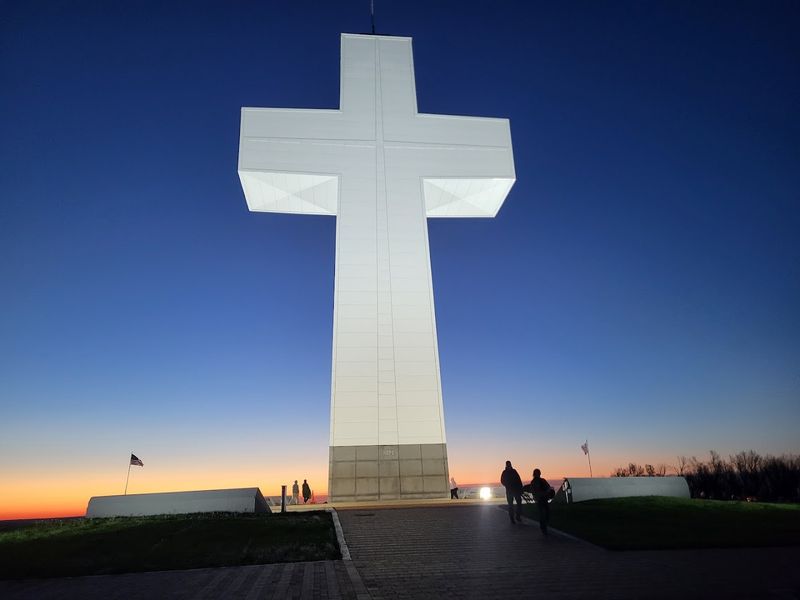
Alto Pass earns its place on this list with one of the most dramatic July Fourth viewing experiences in all of Illinois.
The small village in Union County sits within the Shawnee Hills, and the Bald Knob Cross of Peace stands at one of the highest points in southern Illinois, offering a panoramic view of the surrounding forested landscape that stretches for miles in every direction.
On the Fourth of July, visitors can gather at Bald Knob Cross for a community fireworks celebration, with the elevated setting giving the evening a dramatic Southern Illinois backdrop.
Because of the elevation and the open sightlines, you can see bursts from several directions at once, which creates a surrounding, almost theatrical fireworks experience that flat-ground viewing simply cannot match.
The Shawnee Hills themselves are worth exploring well beyond Independence Day.
Vineyards, orchards, scenic drives, Giant City State Park, and broader Shawnee National Forest stops can fill out a summer itinerary beautifully.
Alto Pass is small and unhurried, and the combination of natural beauty, elevated views, and a genuinely special Fourth of July tradition makes it one of the most quietly rewarding destinations on this entire list.