
10 Illinois Powwows That Bring Tradition And Community To Summer
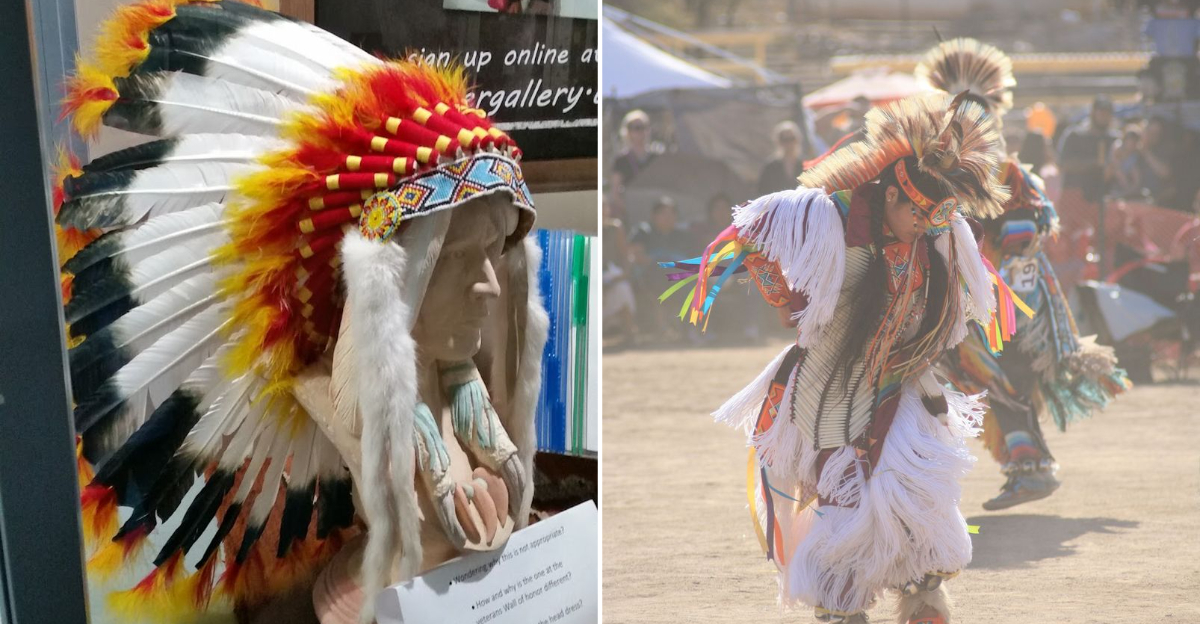
Illinois has powwows and Indigenous cultural gatherings that bring people together through song, dance, food, storytelling, and tradition. These are not just things to pencil onto a summer calendar.
They are living celebrations where families reconnect, elders pass down knowledge, young dancers step into the circle, and visitors get a respectful look at cultures with roots far older than the state itself. Some gatherings feel lively and social.
Others carry a quieter, more ceremonial feeling. Each one reminds you that Native culture is not something frozen in history. It is present, active, and full of life.
1. Potawatomi Trails Traditional Social Pow Wow, Zion
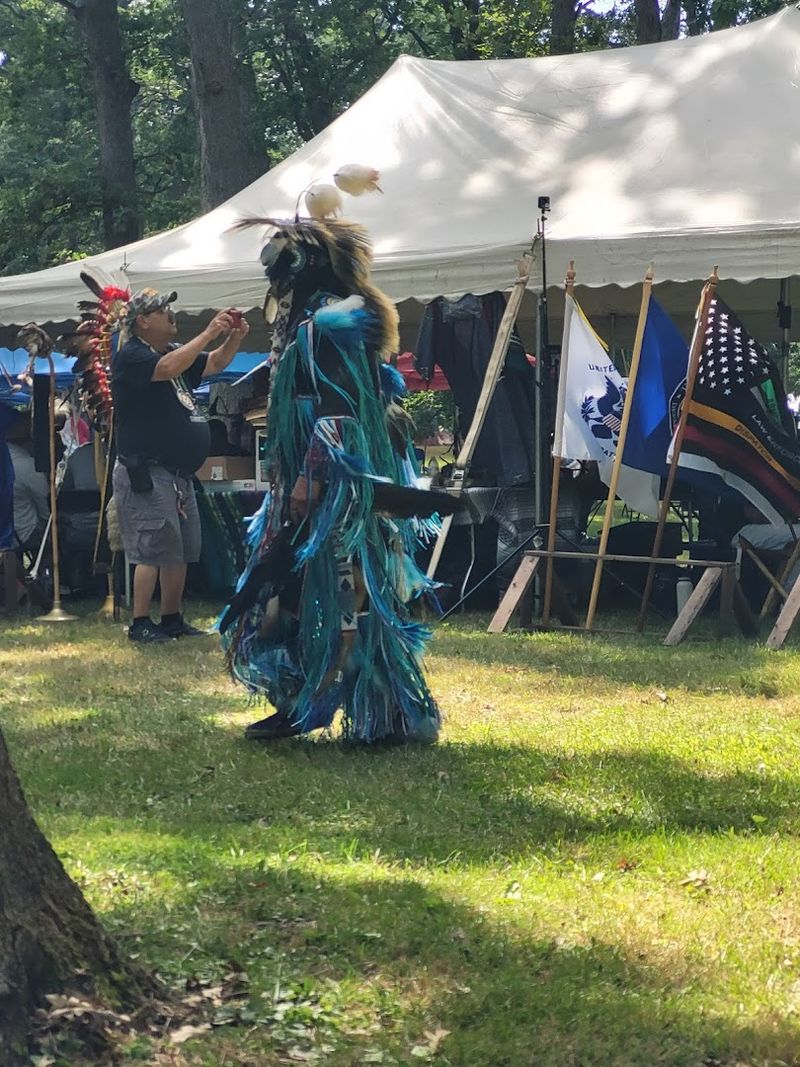
Few sounds signal community quite like the steady heartbeat of a powwow drum echoing through the trees. The Potawatomi Trails Traditional Social Pow Wow in Zion, Illinois, is exactly the kind of gathering that reminds you how powerful shared culture can be.
Held in a natural outdoor setting, this event draws dancers, drummers, and families who come ready to celebrate Potawatomi heritage with pride and joy.
Traditional powwows like this one follow time-honored formats, meaning you will see intertribal dances where everyone, including visitors, is often welcomed onto the dance circle.
Regalia here is stunning, with hand-beaded moccasins, feathered bustles, and ribbon skirts that represent stories passed through generations. The social atmosphere is warm and welcoming, making it a fantastic first powwow experience for newcomers.
Zion sits near the northern tip of Illinois, close to the Wisconsin border, so the setting feels refreshingly green and open. Bring a folding chair, arrive early for a good spot, and do not skip the frybread.
This powwow is a living, breathing celebration that leaves every visitor feeling genuinely connected to something bigger.
2. 67th Annual O-Sa-Wan Pow Wow, Big Rock
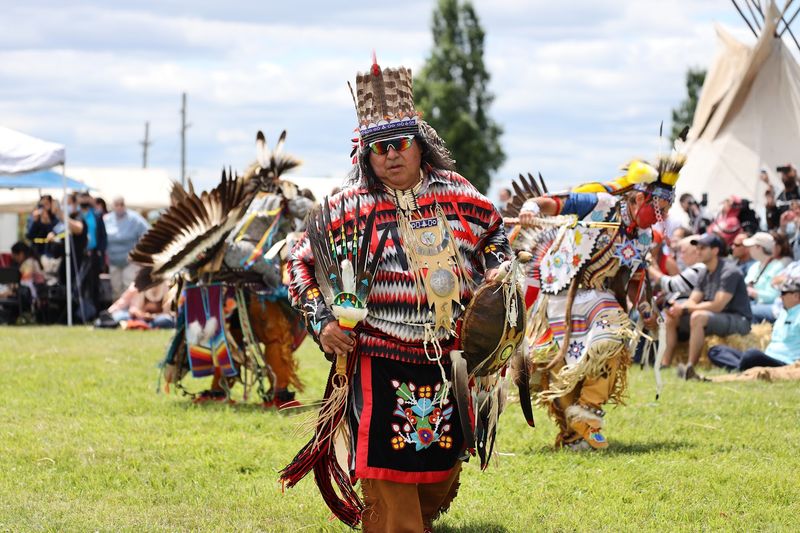
Now in its 67th year, the O-Sa-Wan Pow Wow in Big Rock, Illinois, remains one of the state’s long-running Native community gatherings.
This annual gathering has become a beloved institution in the Fox Valley region, drawing participants and spectators from across the Midwest who return year after year because the experience simply does not get old.
O-Sa-Wan translates roughly to “yellow,” a name that carries cultural significance within the organizing community. The powwow features competitive dance categories for all age groups, from tiny tots who take their first wobbly steps in regalia to seasoned grand champions whose footwork is genuinely breathtaking.
Head men and head women dancers lead the arena with grace and purpose throughout the weekend.
Big Rock is a small town with a big heart, located in Kane County roughly an hour southwest of Chicago. The rural fairground setting gives the event a classic, unhurried feel that big-city events rarely match.
Pack sunscreen, bring the whole family, and plan to stay for the grand entry, which is easily one of the most visually striking moments in the Illinois powwow season.
3. Summer Youth Powwow, Schaumburg
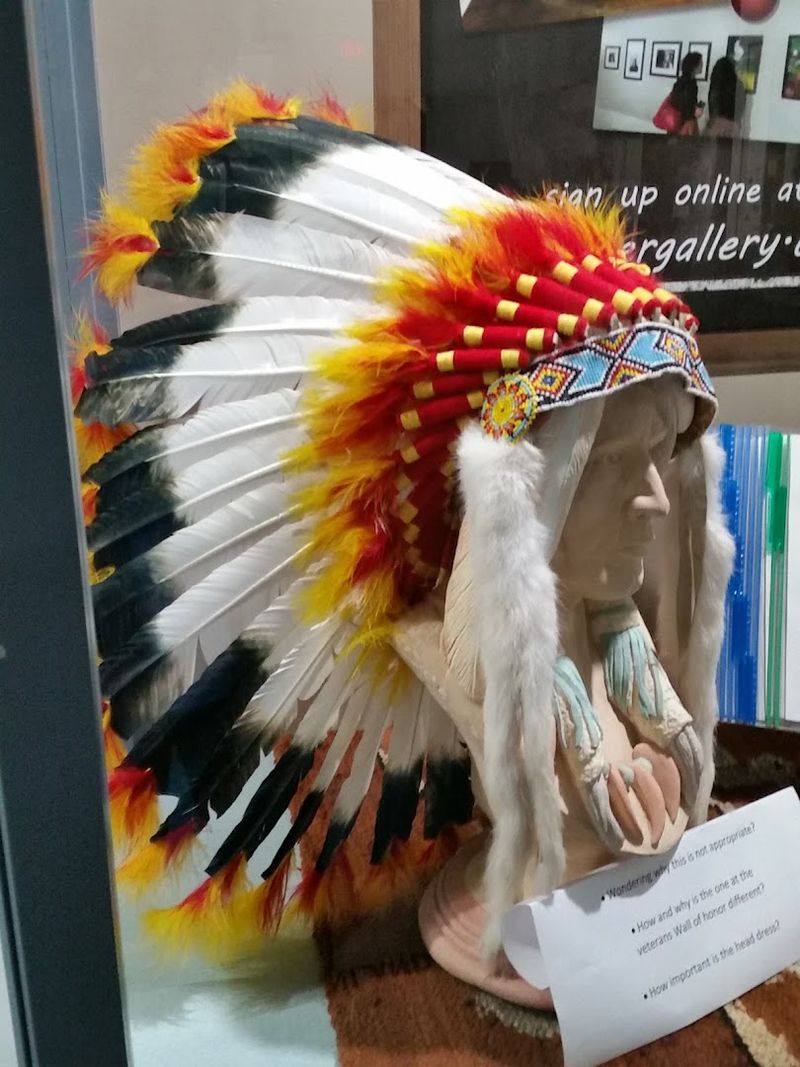
Watching a seven-year-old step confidently into the dance circle wearing hand-crafted regalia is one of those moments that genuinely stops you in your tracks.
The Summer Youth Powwow in Schaumburg, Illinois, is hosted by Trickster Cultural Center and puts young dancers front and center in a welcoming community setting.
Schaumburg, located in Cook County just northwest of Chicago, is known more for its shopping centers than its cultural programming, which makes this powwow a wonderful surprise for locals who may not realize what is happening in their own backyard.
Youth powwows prioritize education alongside celebration, often including demonstrations of traditional crafts, storytelling sessions, and explanations of dance styles so that onlookers leave with real understanding rather than just snapshots.
Events like this one matter deeply because cultural transmission is not automatic. It takes dedicated communities, patient teachers, and events that make tradition feel exciting rather than obligatory.
If you are bringing children to their first powwow, this is a particularly thoughtful entry point.
The energy is joyful, the pace is accessible, and the pride radiating from young dancers is something you will carry with you long after the drive home.
4. 28th Annual Honoring The Mounds Gathering, Rockford
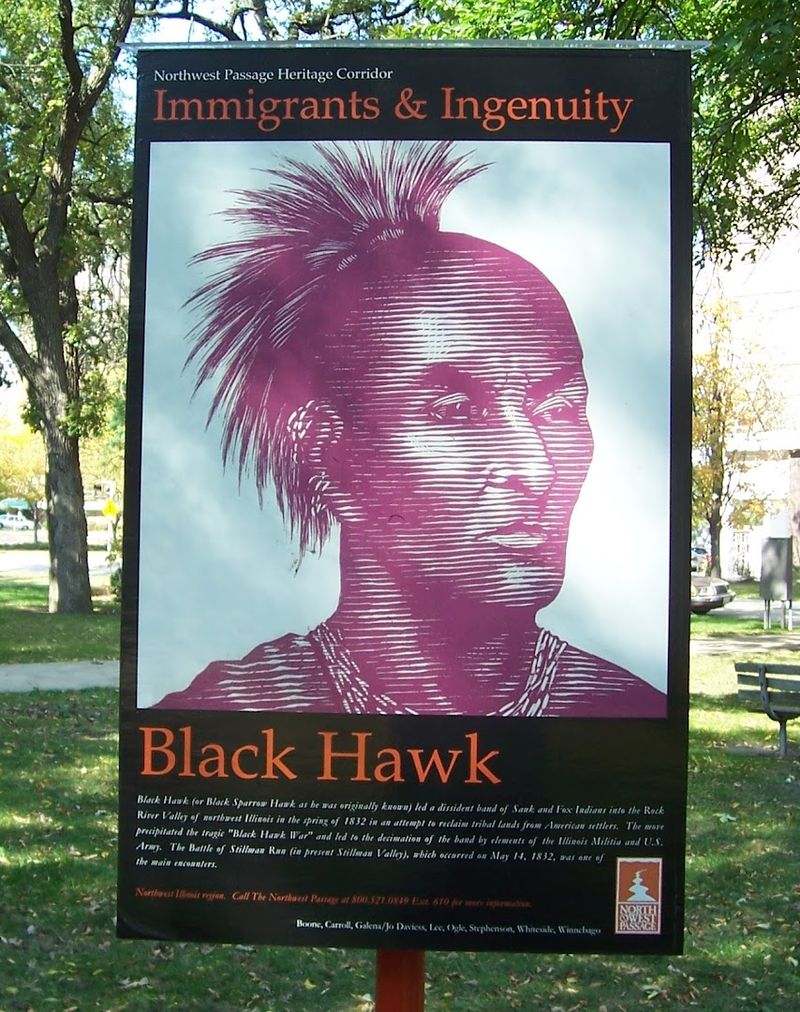
There is something quietly profound about holding a cultural gathering near ancient earthen mounds built by the ancestors of the very people celebrating today.
The 28th Annual Honoring the Mounds Gathering in Rockford, Illinois, does exactly that, connecting living tradition to the deep archaeological and spiritual history embedded in the landscape of northern Illinois.
Rockford is the second-largest city in Illinois, situated along the Rock River in Winnebago County. The gathering here honors Indigenous heritage through ceremony, dance, and community, with the mounds serving as a grounding reminder of how long Native peoples have called this land home.
This is not a flashy commercial event but rather a heartfelt community observance with authenticity at its core.
Attendees often describe the atmosphere as reverent yet celebratory, a balance that is harder to achieve than it sounds. Drumming circles, traditional foods, and cultural demonstrations give visitors multiple ways to engage respectfully.
If you are someone who appreciates history layered beneath your feet and living culture expressed above it, Honoring the Mounds is a gathering unlike anything else on this list. Rockford is about 90 miles northwest of Chicago, making it a very doable day trip from the city.
5. American Indian Center (AIC) Powwow, Chicago
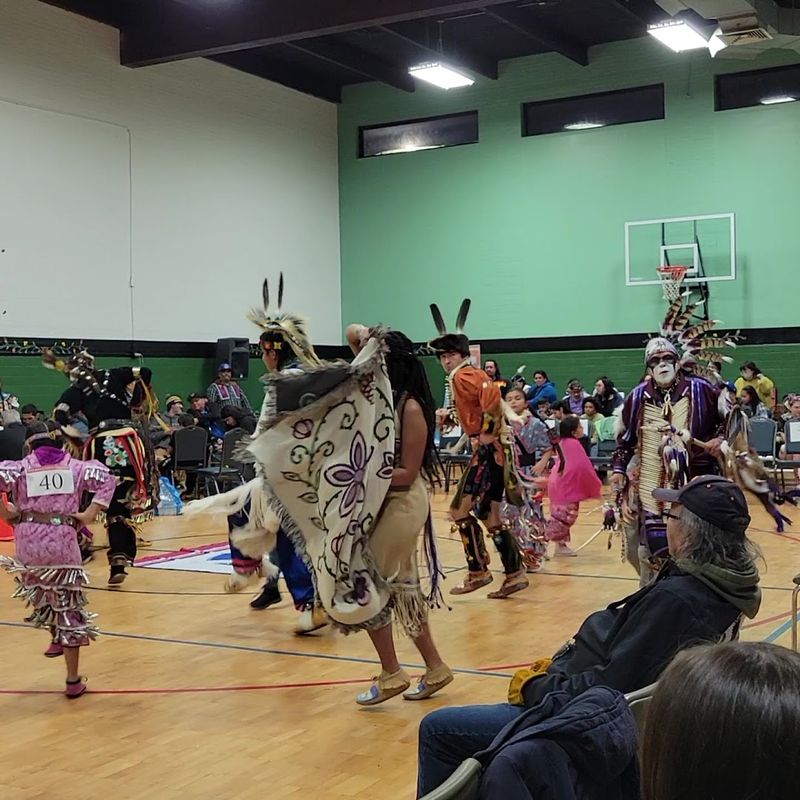
Chicago has one of the largest urban Native American populations in the United States, and the American Indian Center has been serving that community since 1953.
The AIC Powwow is a cornerstone event that brings together dozens of tribal nations represented within the city, creating a uniquely metropolitan celebration of Indigenous identity that feels both intimate and expansive at the same time.
Located in the Uptown neighborhood on the city’s North Side, the AIC is more than just a venue. It is a hub of language preservation, youth programming, and social services that keeps community bonds strong in an urban environment where it can be easy to feel disconnected from cultural roots.
The powwow reflects that mission by prioritizing community participation over spectacle. Grand entries here feel electric in a way that is specific to Chicago, where the skyline looms in the background and the drum competes cheerfully with city sounds.
Vendors offer handmade jewelry, ribbon skirts, and traditional foods that you will not find at a food truck festival. Plan your visit around the powwow schedule posted by the AIC directly, as dates can shift from year to year.
This one is a Chicago summer essential.
6. Gichigamiin Indigenous Nations Museum Event, Evanston
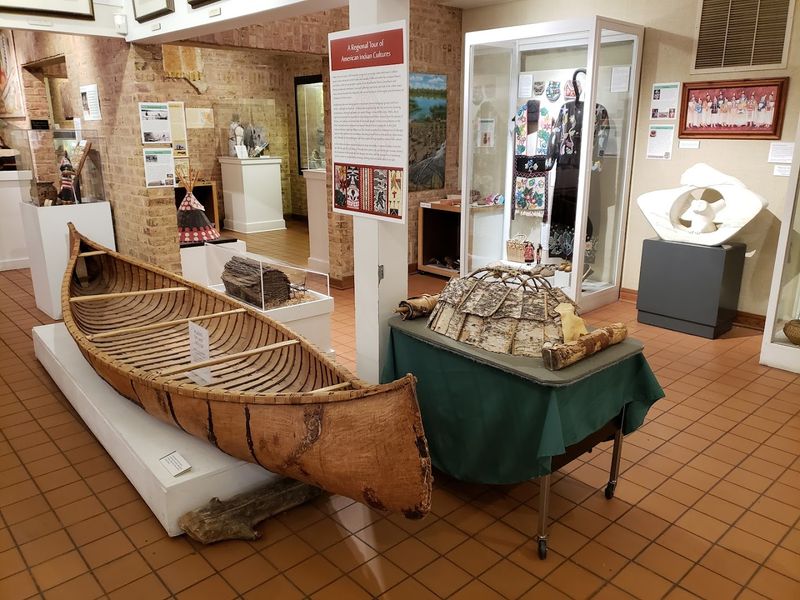
Evanston sits right on the shore of Lake Michigan, and the name Gichigamiin is the Ojibwe word for that great lake, which tells you everything about the spirit behind this organization.
The Gichigamiin Indigenous Nations Museum in Evanston hosts Indigenous cultural programming that blends education, art, and community in ways that feel thoughtful and moving.
Museum events here often include powwow-style gatherings, Indigenous art exhibitions, and presentations by tribal knowledge keepers who share oral histories, language lessons, and traditional ecological knowledge.
Evanston, located just north of Chicago in Cook County, has a strong university presence through Northwestern, and the museum benefits from that academic community while remaining rooted in Indigenous-led programming rather than outside interpretation.
What sets Gichigamiin apart from a standard powwow stop is its museum setting and educational focus. Every gathering is designed to tell a story, not just perform one.
Visitors leave with a deeper understanding of the specific nations connected to the Great Lakes region, including the Potawatomi, Ojibwe, and Odawa peoples.
If you appreciate cultural events that offer context alongside celebration, make Evanston a stop this summer. The lake view alone is worth the trip, but the programming is the real draw.
7. The Cahokia Mounds State Historic Site, Collinsville (Indian Market Day)
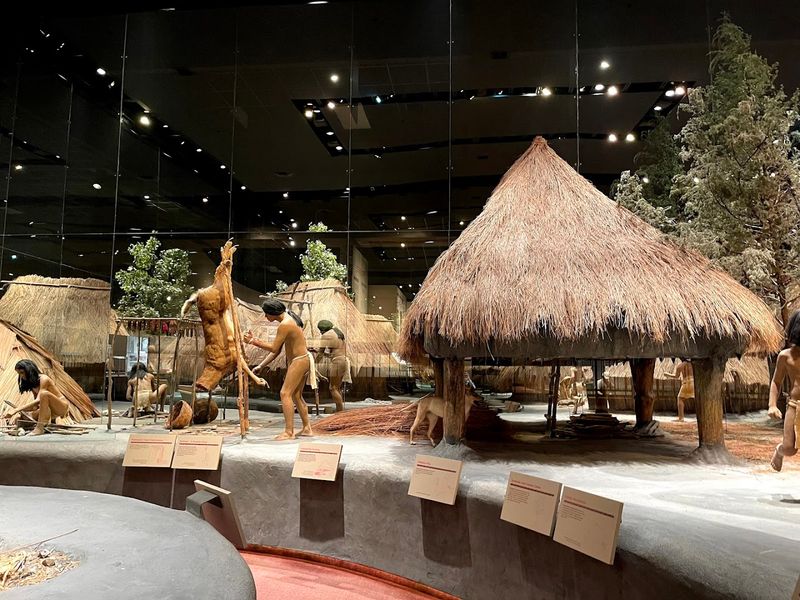
Cahokia Mounds is one of the most significant pre-Columbian archaeological sites in North America, and standing at the base of Monks Mound, the largest earthen structure north of Mexico, is a genuinely humbling experience.
Indian Market Day at this Collinsville site adds a living cultural layer to the ancient one, bringing Native American artists, demonstrators, and educators directly into this awe-inspiring landscape.
Located just across the Mississippi River from St. Louis, Collinsville is in southwestern Illinois and easy to reach from both sides of the river. Indian Market Day typically features artisan booths selling pottery, beadwork, textiles, and other traditional crafts made by Indigenous artists from across the region.
Cultural demonstrations throughout the day might include flint knapping, traditional cooking, or storytelling sessions that help visitors connect the ancient site to living communities.
Cahokia was home to as many as 20,000 people at its peak around 1100 CE, making it larger than London at the time. That context makes every drumbeat and dance performance feel weighted with historical significance.
This event is ideal for history enthusiasts, families with curious kids, and anyone who wants to experience Native culture in a setting that is genuinely unlike any other in Illinois.
8. University Of Illinois Powwows
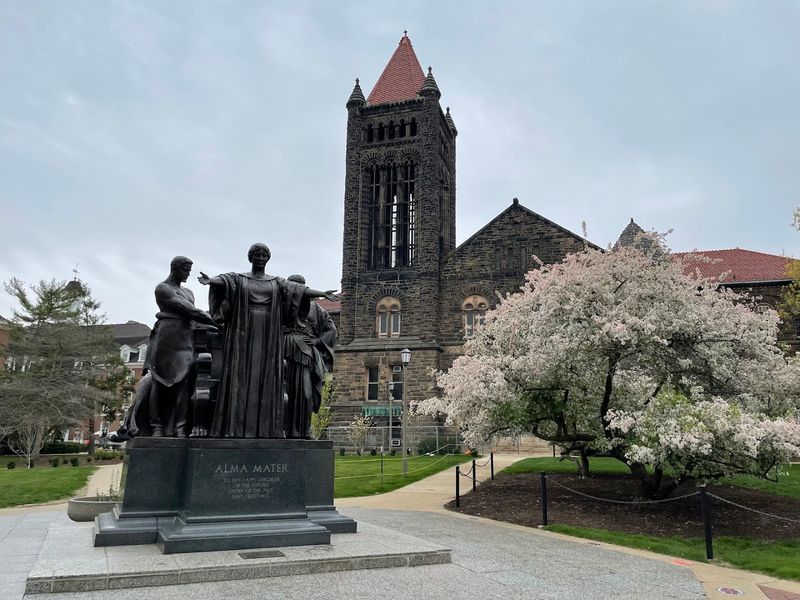
College campuses can be unexpected but wonderful hosts for powwows, and the University of Illinois at Urbana-Champaign has built a meaningful tradition of honoring Native American heritage through student-organized powwow events.
These gatherings are driven largely by Indigenous student groups, which gives them an energy that is both youthful and deeply sincere.
The U of I campus sits in Champaign-Urbana in east-central Illinois, about 140 miles south of Chicago.
University powwows often serve a dual purpose: celebrating culture for the Native students who call campus home and educating the broader university community about Indigenous traditions, histories, and contemporary issues.
That educational thread runs through everything, from the emcee’s commentary during grand entry to informational booths set up around the arena.
One thing that makes campus powwows particularly special is the multigenerational mix of participants. You might see a first-year student dancing alongside an elder who traveled from a reservation specifically to support the younger generation.
That kind of connection is what powwows are fundamentally about, and university events capture it beautifully. Check the American Indian Studies program or the Native American House at U of I for current event dates and locations, as scheduling varies by academic year.
9. Community Powwow At Dvorak, Chicago
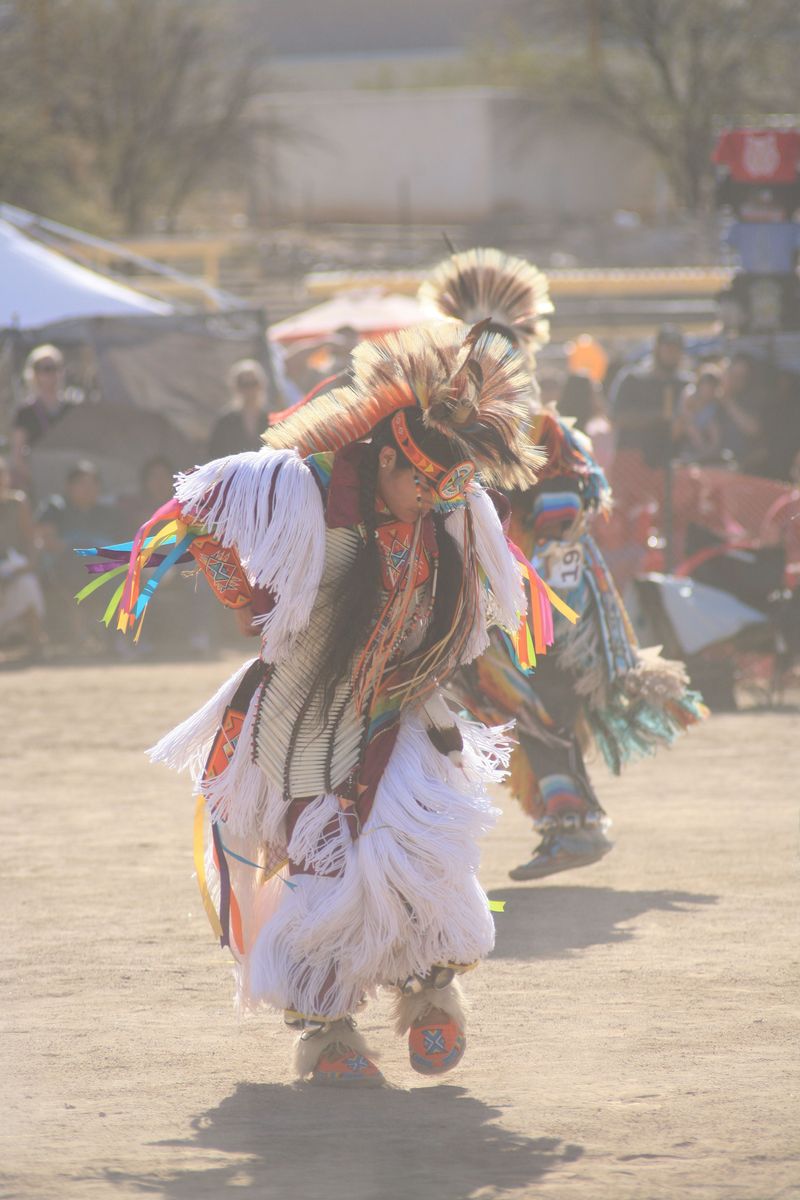
Dvorak Park on Chicago’s Lower West Side might not be the first place you imagine a powwow, but that is exactly what makes the Community Powwow at Dvorak so compelling.
Urban parks become transformed spaces when drums fill the air and dancers move through the circle, and this neighborhood event does exactly that for a community that does not always see its culture reflected in public spaces.
The Lower West Side has a rich history of community activism and cultural diversity, and the powwow at Dvorak fits naturally into that tradition of neighbors coming together around shared identity and pride.
Events like this are often organized with strong input from local Indigenous families, ensuring that the gathering feels genuine rather than performative. Children from the surrounding neighborhood, many of whom may never have attended a powwow before, get a front-row education in living culture.
Parking in Chicago is always an adventure, so consider taking the CTA and arriving with time to find a good spot before grand entry begins.
Bring cash for vendors, an open mind, and maybe a light jacket for evening sessions when the lakeside breeze picks up. This is Chicago community culture at its most grounded and its most generous.
10. Taylorville Black Horse Veterans Pow Wow, Taylorville
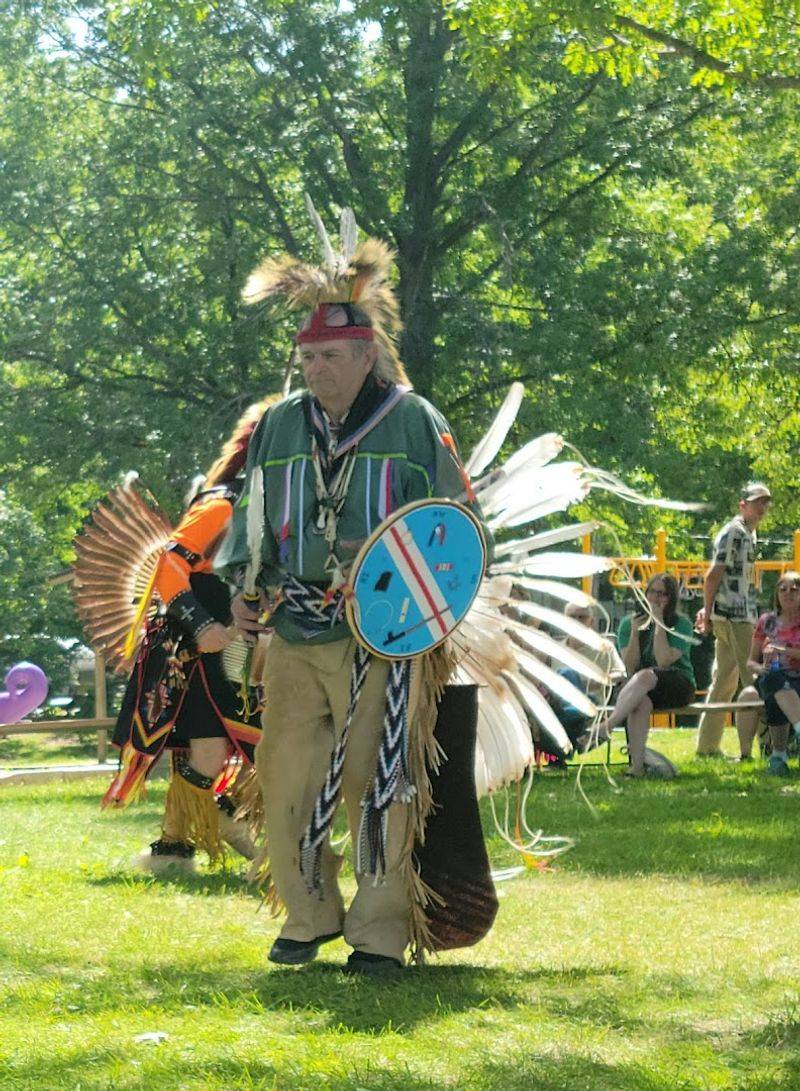
Native Americans serve in the United States military at higher rates per capita than any other demographic group, and the Taylorville Black Horse Veterans Pow Wow exists specifically to honor that extraordinary legacy.
Held in Taylorville in Christian County, roughly 30 miles southeast of Springfield, this event carries a weight of gratitude and ceremony that makes it one of the most emotionally resonant powwows in the state.
Veterans are central to every aspect of this gathering.
The grand entry is led by veteran flag bearers, and special honor songs are sung throughout the weekend to recognize those who have served.
Seeing elder veterans in full regalia carrying flags into the arena is a powerful image that crosses cultural and generational lines, drawing tears from people who did not expect to be moved quite so deeply.
The Black Horse name carries its own history, referencing Indigenous warrior traditions that predate the United States itself.
This powwow weaves together two timelines of service and sacrifice in a way that feels both healing and celebratory.
Taylorville is a welcoming small town, and the powwow draws visitors from across central Illinois who come to pay respects and witness a tradition that deserves far more recognition than it typically receives.