
You Can Take A Vintage Train Ride Through Michigan Countryside
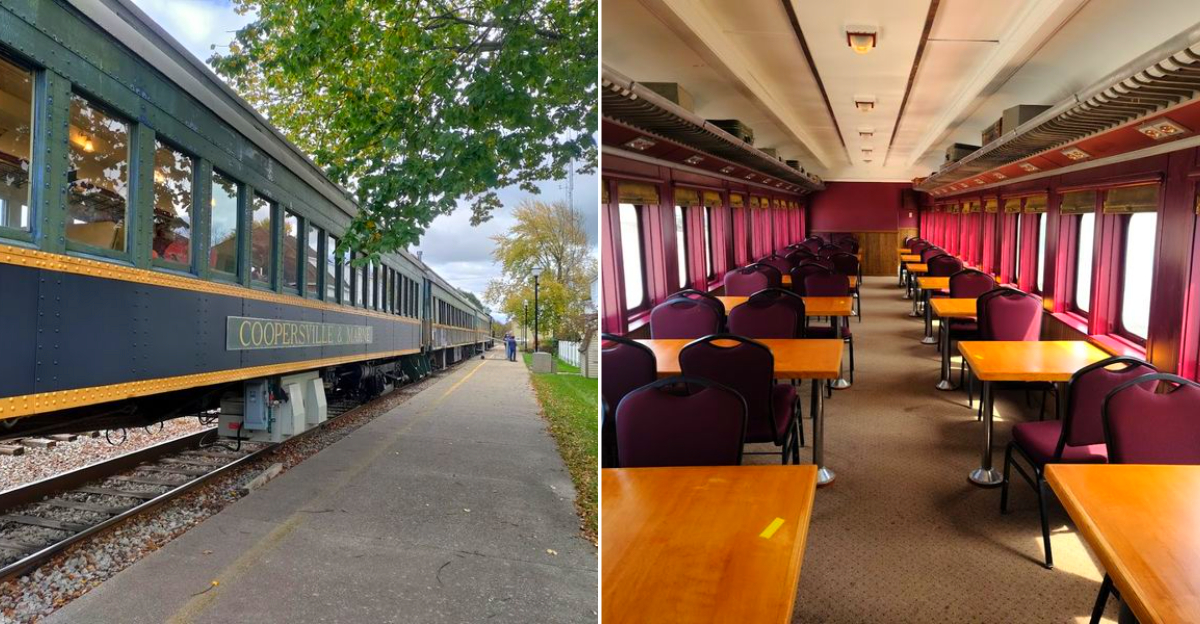
Riding a train at twenty miles per hour through terrain you have only ever seen at seventy changes the way you look at everything outside the window.
The tracks cut through farmland, wetlands, plus patches of old-growth trees that the highway bypassed decades ago, revealing a version of the Michigan countryside that most drivers do not know exists.
The passenger car rocks gently on restored suspension, the locomotive pulls with the same diesel growl that carried freight through these fields in the 1940s, plus the conductor still walks the aisle punching tickets by hand.
There is no Wi-Fi, no rush to arrive, plus no reason to check the time when the landscape outside keeps shifting from open meadow to tree-lined corridor. Michigan still runs a handful of vintage routes like this one, but few cover this much quiet territory between whistle stops along the river.
Book Themed Rides Early
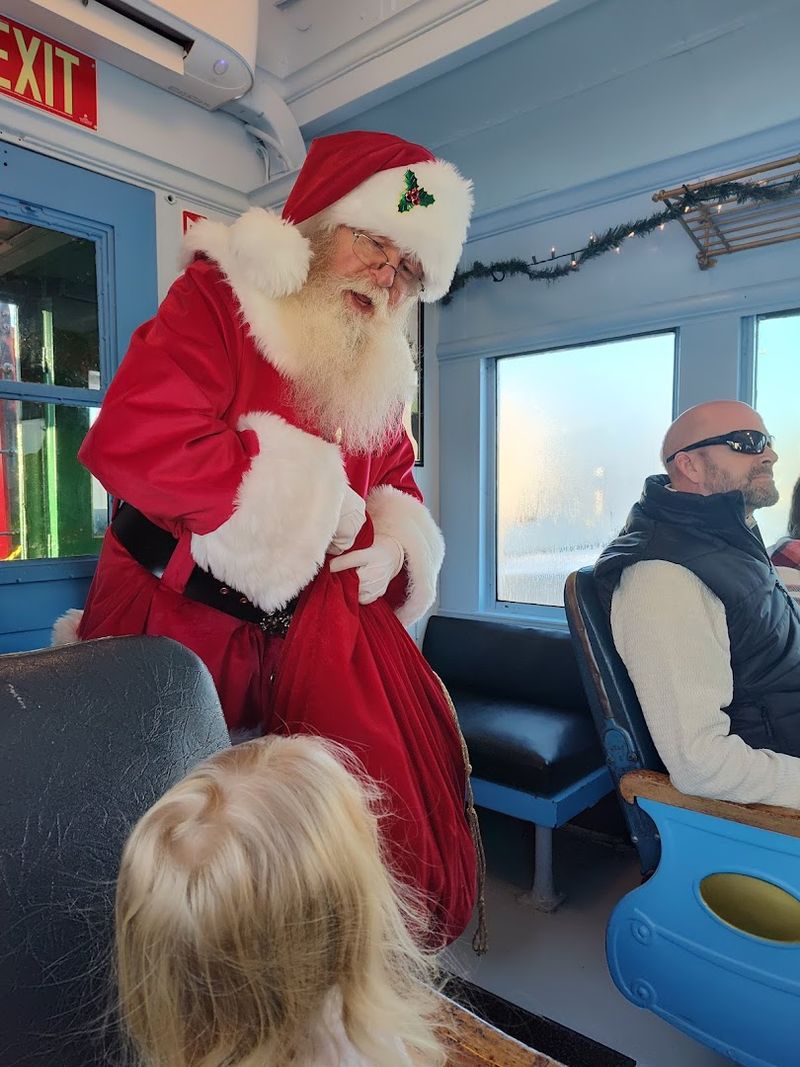
The most popular rides here are the themed ones, especially the Pumpkin Train and Santa Train, and those seats do not linger for long. Coopersville & Marne Railway runs a mix of scenic and special event trips, but the seasonal departures create the strongest sense of occasion.
If you are aiming for a specific date or seating class, early online booking is the calmest way to do this.
That advice matters even more if you are traveling with children, grandparents, or anyone who needs a certain schedule to work smoothly. I would not leave a holiday ride to chance.
The railway’s official site at mitrain.net is the right place to check current departures, availability, and ticket details before you set your heart on one exact train.
Park Where The Whistle Starts
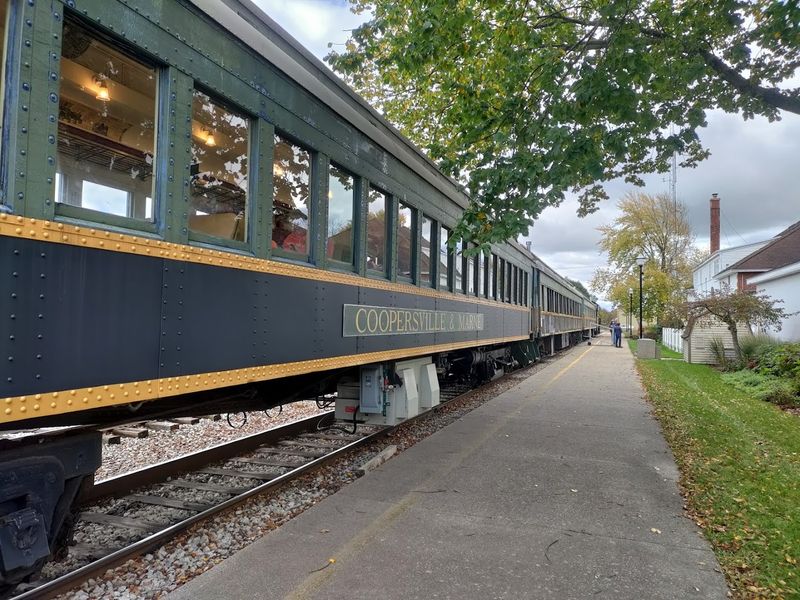
Coopersville & Marne Railway boards at 311 East Danforth Street in Coopersville, Michigan. From Interstate 96, take the Coopersville exit and head into town, where the drive quickly shifts from freeway speed to small-town streets.
Continue toward the historic downtown area and look for the railroad tracks cutting through the blocks near Main Street. The station area is compact, so once you see the crossing gates and railcars, you are nearly there.
Park near the boarding platform on Danforth Street and give yourself a few extra minutes before departure. Trains do not wait like restaurants do, and the sound of the whistle is a very clear final warning.
Choose Your Seating With Realistic Expectations
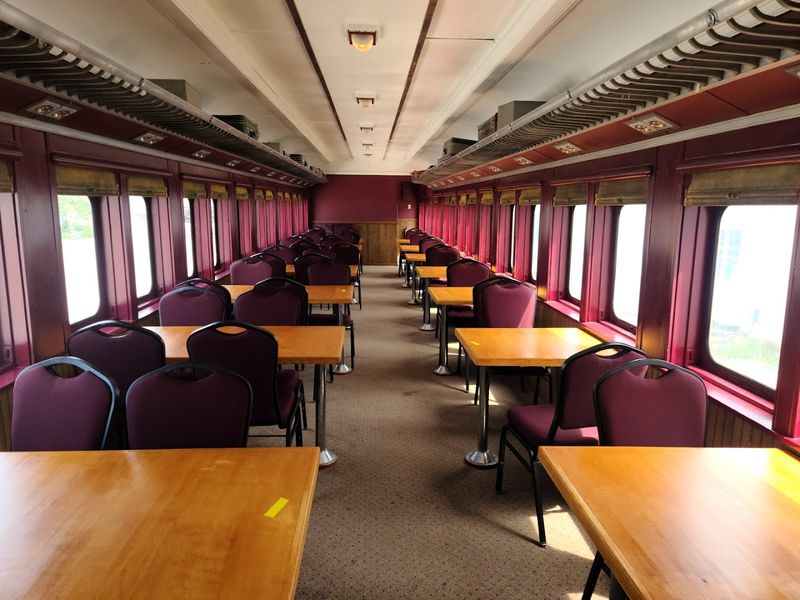
The seating has character, which is lovely, but character is not always the same thing as elbow room. Some booth arrangements are designed for four, yet four adults may find that configuration close, especially on a 90 minute round trip.
If your group values personal space, it is worth thinking about seat type before you click purchase.
Coach Class offers standard seating, while Premium Class generally includes table and chair seating plus a complimentary snack and beverage. Families often fit more easily than groups of adults.
You will probably enjoy the ride more if you plan for comfort honestly instead of romantically, because vintage rail travel is charming enough on its own and does not need the added drama of negotiating knees, bags, and winter coats.
Bring Simple Snacks And Drinks
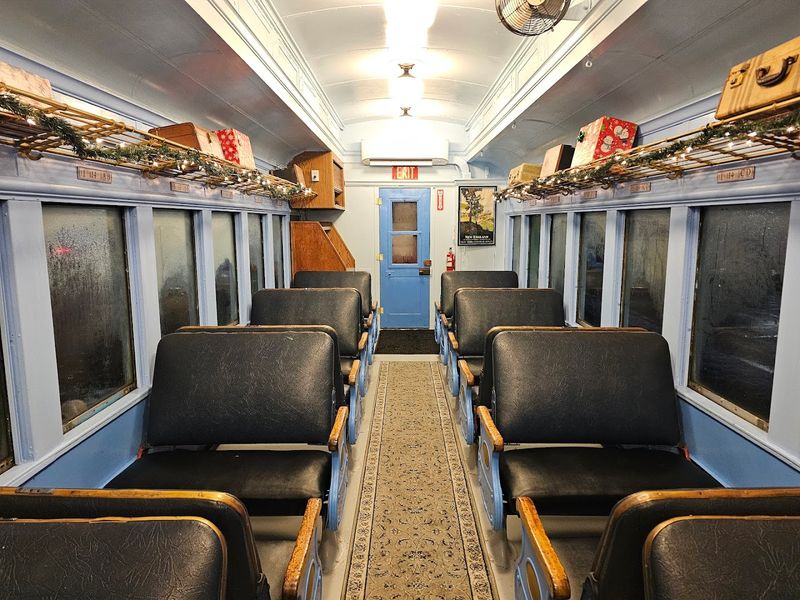
One of the handiest details about this railway is that you can generally bring your own snacks and beverages on board. That small freedom changes the rhythm of the trip, especially if you are traveling with children or anyone who gets peckish exactly when the countryside becomes most photogenic.
A packed water bottle and a modest snack go a long way here.
This is particularly useful because the ride is relaxed rather than rushed, and comfort matters more than people expect on a 90 minute outing. Keep it simple, tidy, and easy to manage in a shared historic car.
I like that this practical little choice lets the trip feel more personal, less transactional, and better suited to a slow roll through western Michigan fields and tree lines.
Dress For The Platform As Much As The Car
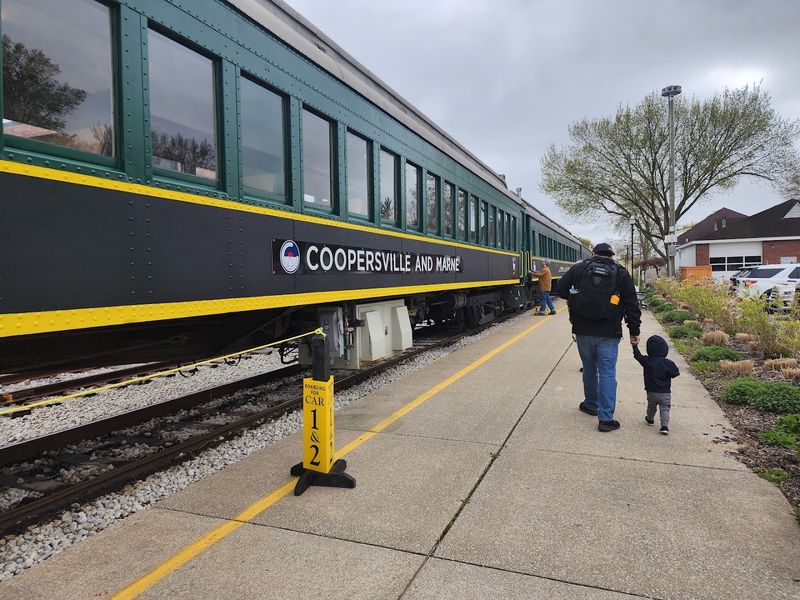
Heated coaches help, but they do not erase Michigan weather, especially when you are standing outside before boarding or stepping out for photos. Layers are the sensible answer, and on this ride sensible does not mean joyless.
It just means your memory of the trip is more likely to involve scenery than shivering.
Seasonal trains can bring very different conditions, from crisp autumn mornings to sharp winter air, and the transition between platform and car is where comfort gets tested. Doors opening during active themed rides can also let cold air in.
A hat, gloves, and one extra layer are rarely regretted here. The train may feel quaint, but your planning should be briskly modern and based on western Michigan reality rather than hopeful guesswork.
Expect The Ride To Change Direction Midway
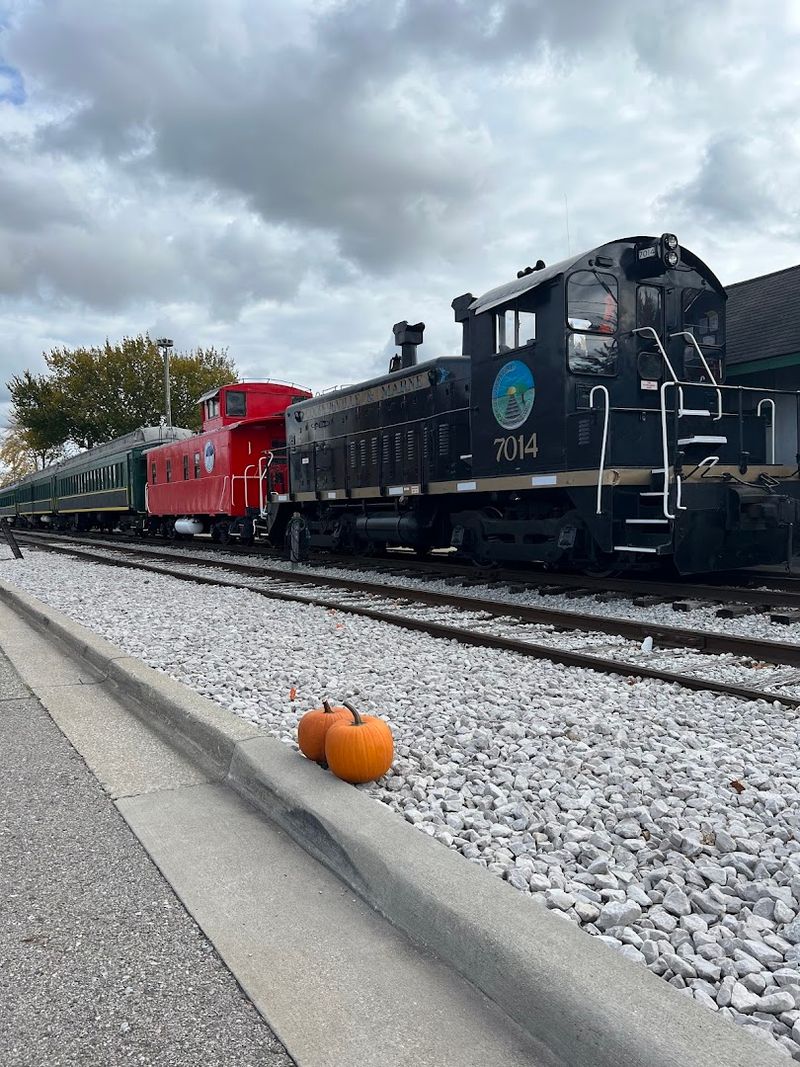
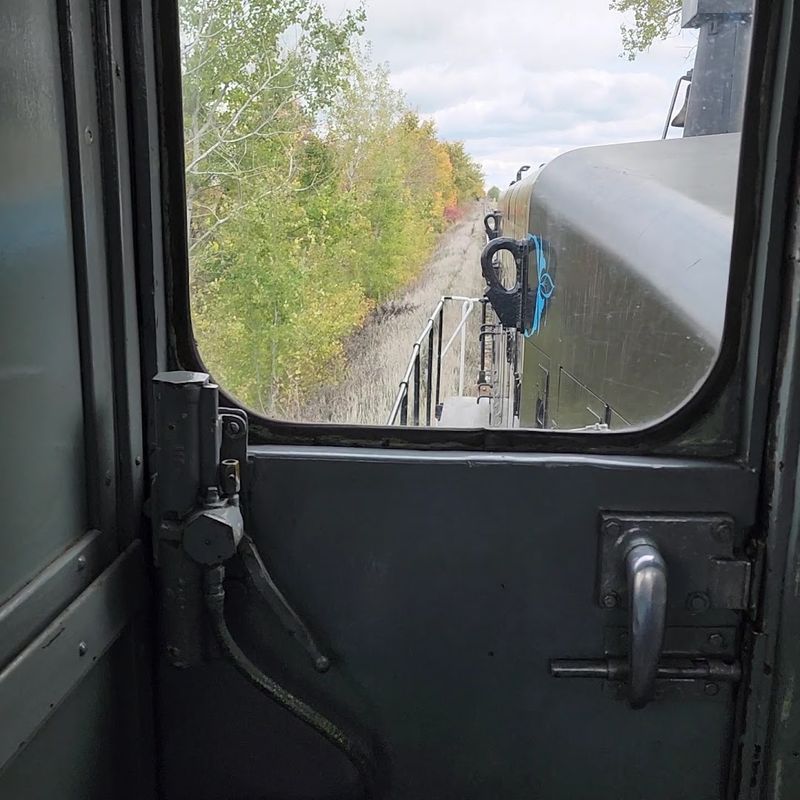
A delightful mechanical quirk of this trip is that your seat orientation changes meaning halfway through the round trip. At Marne, the locomotive uncouples and re-couples to switch ends, so riders typically face forward for one half and backward for the other.
It is a small operational detail, but it gives the excursion a pleasingly tangible railroad logic.
If you are sensitive to riding backward, prepare for that in advance rather than being surprised. If you love railroading, this maneuver is part of the fun.
The whole line feels more authentic when the train behaves like a working piece of equipment instead of a sealed entertainment capsule, and that practical bit of choreography quietly reminds you that heritage travel is built from real systems, not just nostalgic styling.
Lean Into The Onboard Performers
Many of the railway’s themed rides include onboard performers, hosts, or actors, and the experience becomes noticeably richer when you meet that energy halfway. These are not incidental background figures drifting through the car.
They help shape the mood with songs, stories, skits, and direct interaction, especially on family-oriented departures.
You do not need to become the loudest participant in the carriage. A smile, a wave, or a willingness to answer a playful question is usually enough to make the car feel more alive.
I found that the entertainment worked best when treated as part of the train’s old-fashioned social ritual rather than as a separate show. It turns a scenic ride into a shared event, which is really the railway’s most distinctive strength.
Bring A Camera And Watch The Windows
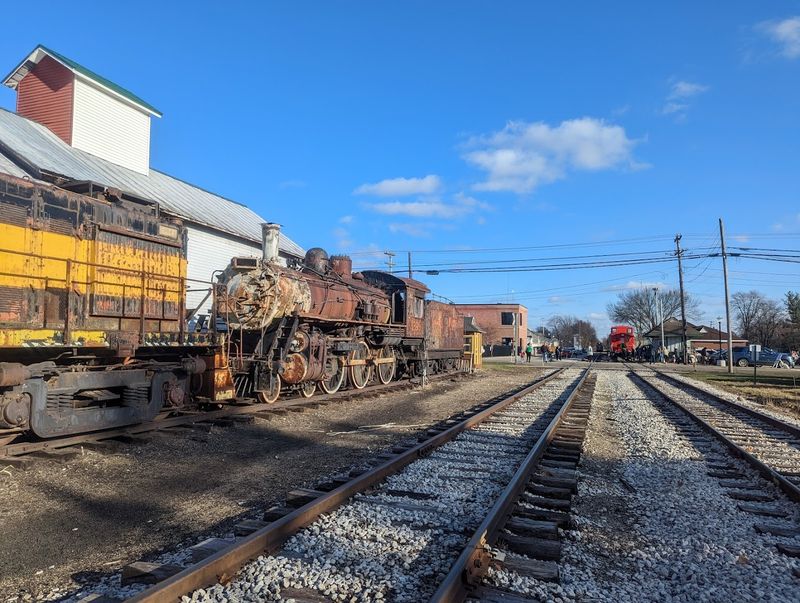
The landscape on this route is gentle rather than dramatic, which is exactly why it photographs so well from a train window. Fields, tree lines, seasonal color, and the modest pace of the ride create images that feel quiet and distinctly local.
You are not chasing spectacle here. You are collecting texture.
The themed rides add another layer, since costumes, vintage interiors, and station scenes give you more than one kind of subject. Keep your camera or phone ready before departure and again during pauses in onboard activity, when the windows briefly reclaim center stage.
I would also take a few photos before boarding, because the historic equipment itself deserves attention. This railway is one of those places where details, not grand vistas, make the most satisfying visual souvenirs.
Ask About Accessibility Before You Go
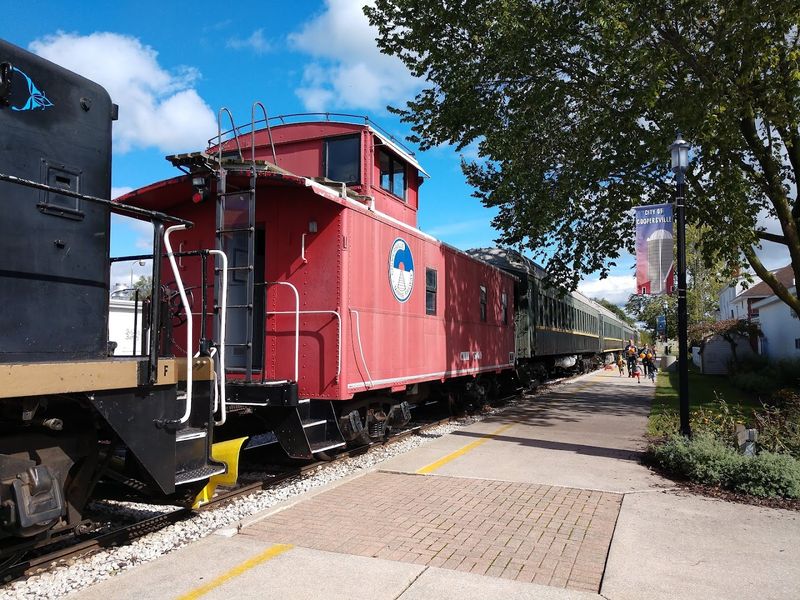
Historic rail equipment can be tricky terrain, so the railway’s accessible-friendly options are worth noting well before travel day. Car 5 has been renovated with a wheelchair lift and tie-downs, and it is offered on select Premium Seating rides.
If accessibility is part of your planning, early booking is not just helpful. It is essential.
This is the kind of detail that can determine whether the outing feels inviting or stressful, so calling ahead is wise. The railway can clarify current availability, car assignment, and what to expect on your chosen departure.
A volunteer-run heritage operation often works best when communication happens early and clearly. The payoff is that a vintage experience, which might otherwise seem logistically awkward, becomes far more workable for travelers who need specific accommodations.
Notice The Historic Equipment And The Pace
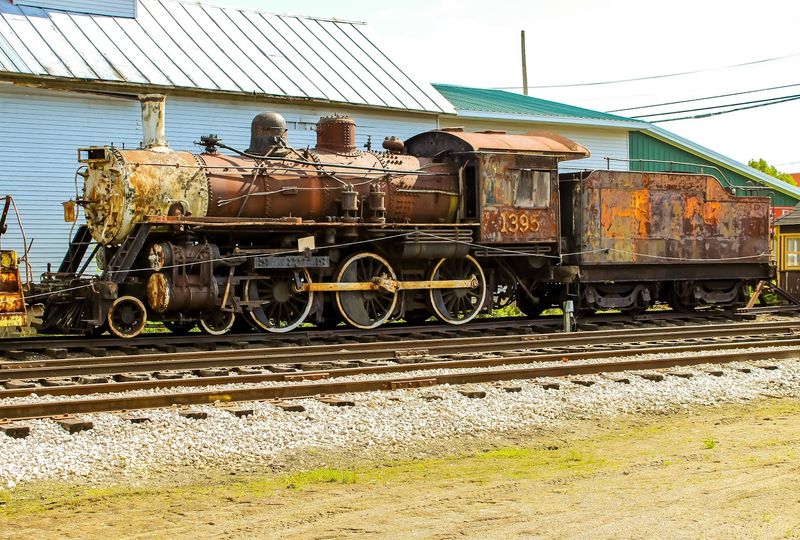
The railway’s appeal rests partly in its refusal to hurry. Historic passenger cars from the 1920s and a vintage locomotive create an experience shaped as much by equipment and tempo as by destination.
The train moves slowly enough that you feel the line, the windows, and the old carriage geometry in a way modern travel almost never allows.
That pace may not suit anyone seeking thrills, but it is ideal for paying attention. Look at the fittings, the car layouts, the slightly different character of each space, and the way the ride frames ordinary countryside into something contemplative.
I think this is where the railway becomes more than a family attraction. It briefly teaches you how travel once asked for patience, observation, and a little cooperation from the passenger.
Make Time For Downtown Coopersville Too
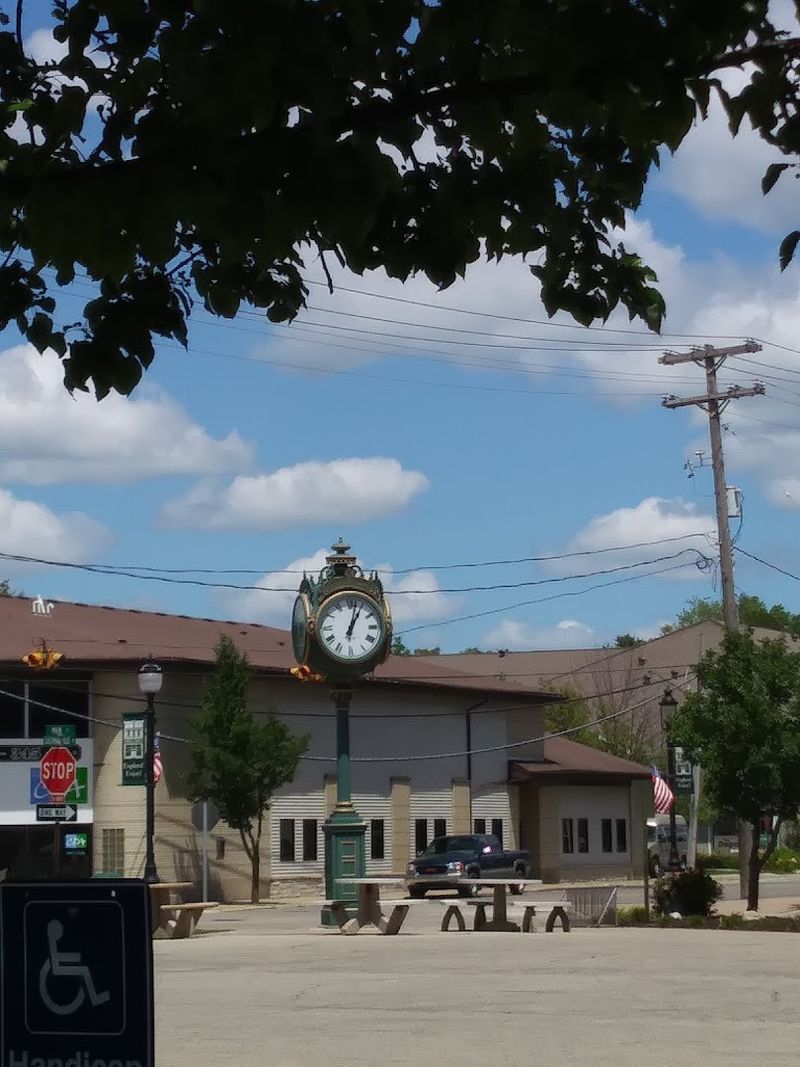
Because the railway sits in historic downtown Coopersville, the outing works best when you think beyond the platform. The area is walkable, and nearby stops can include local shops, eateries, the Coopersville Historical Museum, and the Coopersville Farm Museum.
That setting gives the train ride a stronger sense of place than a stand-alone attraction would have.
A little extra time before or after departure helps the whole day feel less compressed and more rooted in the town that supports the railway. You are not just boarding a train in isolation.
You are stepping into a pocket of west Michigan where the railroad, main street, and local history still talk to one another. It is a modest pleasure, but a memorable one, and worth planning for.