
A Car-Free Michigan Island Celebrates The Fourth Of July With Two Simultaneous Fireworks Displays
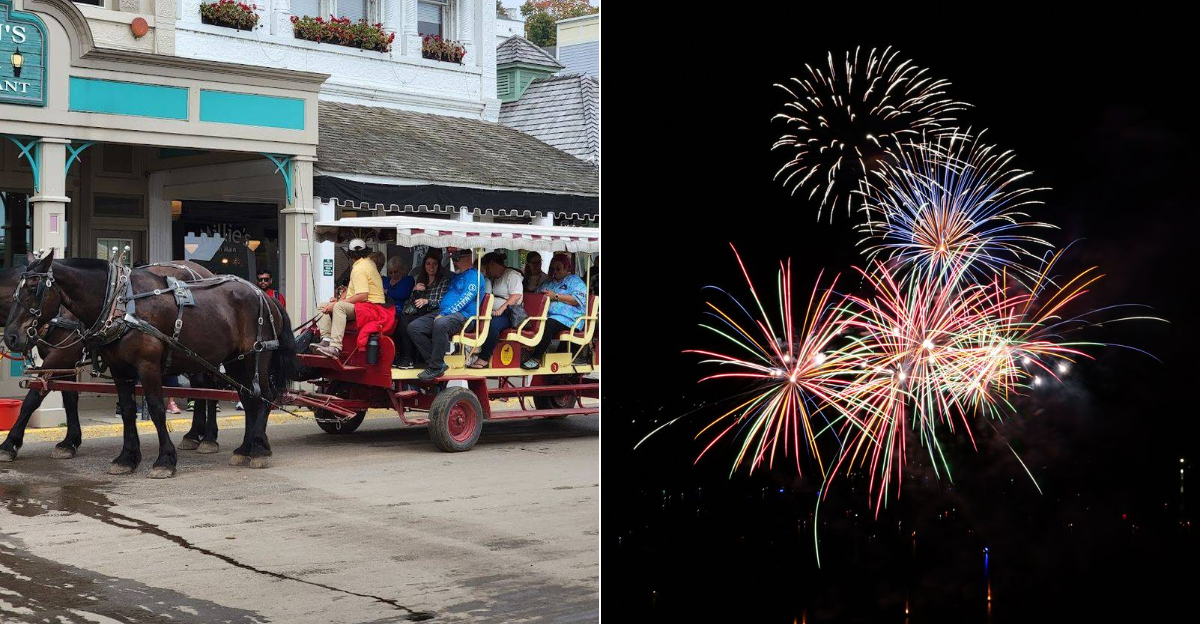
No cars. No horns. No headlights sweeping across the road after dark. On this island in the straits between Michigan peninsulas, the Fourth of July arrives the way holidays used to feel: on foot, by bicycle, at whatever pace the ferry schedule allows.
Horses clip-clop past storefronts selling fudge and saltwater taffy. Bicycles lean against white fences in every direction.
The main event happens after sunset when fireworks launch from opposite sides of the water at the same time, reflecting off the straits so the sky glows in multiple directions at once. Blankets and lawn chairs line the shore hours before the first shell.
Kids run along the waterfront with glow sticks while their parents claim the best viewing spots near the harbor. Bells from the island church ring once the finale fades.
A car-free island in northern Michigan lights up the straits with simultaneous fireworks shows every Fourth of July.
Time Your Day Around The 10 PM Finale
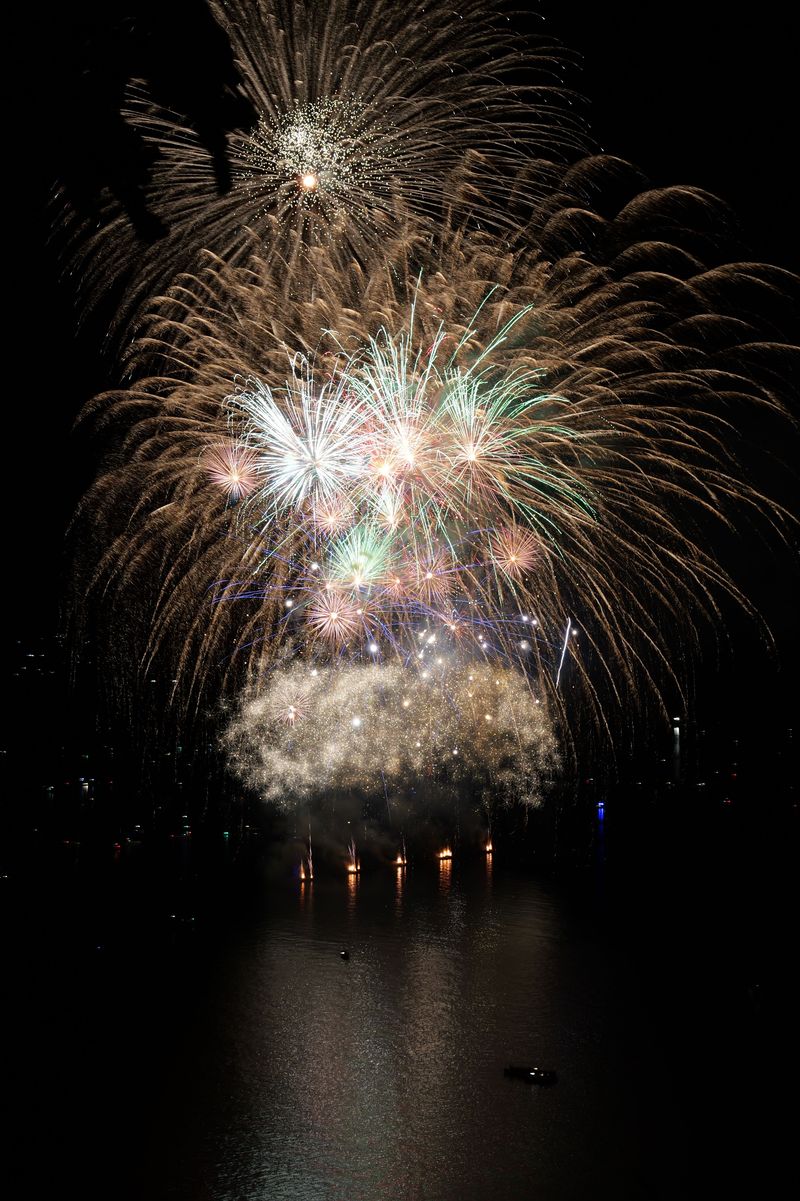
Dusk comes late here in early July, so the island keeps a slow build all day before the fireworks usually begin around 10 PM. That gives you time to enjoy the daytime events without feeling rushed, then settle into an evening rhythm that feels almost ceremonial.
The waiting is part of the charm. Light lingers on the water, bicycles keep rolling, and the harbor stays active long after dinner. I found it smartest to treat the evening as a progression, not a single event.
Choose your viewing area early, then stay put as the crowd thickens.
Because two displays launch at once, timing matters more than people expect. Arrive with a layer, a little patience, and enough time to enjoy the atmosphere before the first burst changes the whole island.
Park The Car, Board The Boat, Let The Island Take It From There
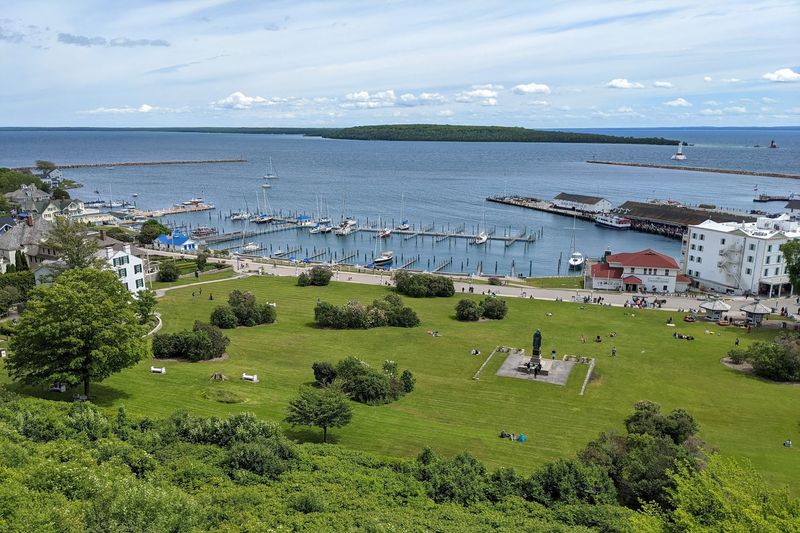
Mackinac Island, Michigan, is reached by ferry from either Mackinaw City in the Lower Peninsula or St. Ignace in the Upper Peninsula. Pick the dock that fits your route, leave the car on the mainland, and treat the boat ride as the real entrance.
Drivers coming from the south can follow Interstate 75 to Mackinaw City, while travelers already in the Upper Peninsula can use Interstate 75 to reach St. Ignace. Both towns have ferry docks serving Mackinac Island, so the choice is mostly about which side of the bridge you are on.
Once the ferry lands, you arrive right in downtown Mackinac Island instead of a parking lot. From there, the final stretch happens on foot, by bike, or by horse-drawn carriage, because personal vehicles stay behind.
Let The Car-Free Streets Reset Your Holiday Brain
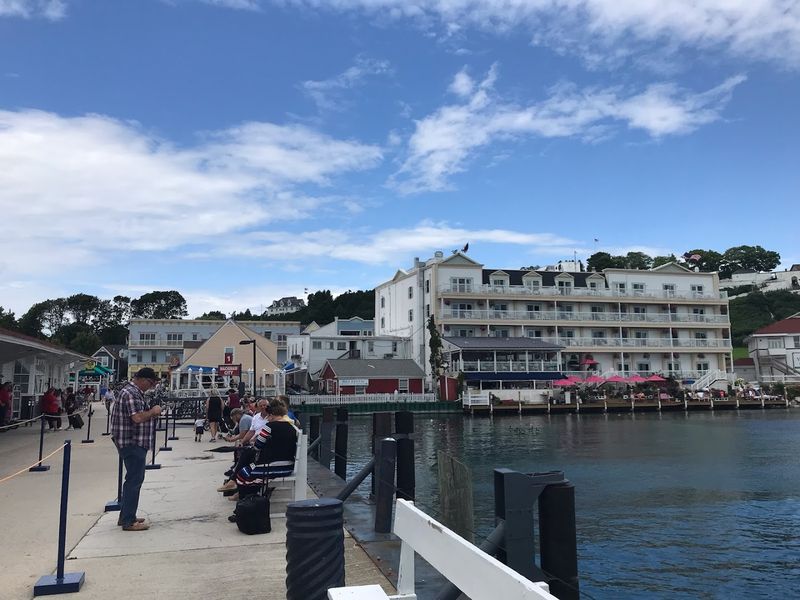
The first thing that changes your mood is not the fireworks but the silence left by missing engines. Mackinac Island has banned automobiles since 1898, and the absence registers physically before it becomes historical trivia.
Hooves, wheels, gulls, and conversation take over the soundtrack. That shift makes the holiday feel less aggressive and more observant. Instead of traffic snarls, you get bicycles gliding past porches and people actually hearing the water.
Even crowded moments carry a gentler edge than most resort towns on the Fourth.
Practical movement follows the same logic. Plan to get around by foot, bicycle, or horse-drawn carriage, and remember that the slower pace is not an inconvenience here. It is the central design feature of the experience.
Ride Or Walk M-185 For The Island’s Full Shape
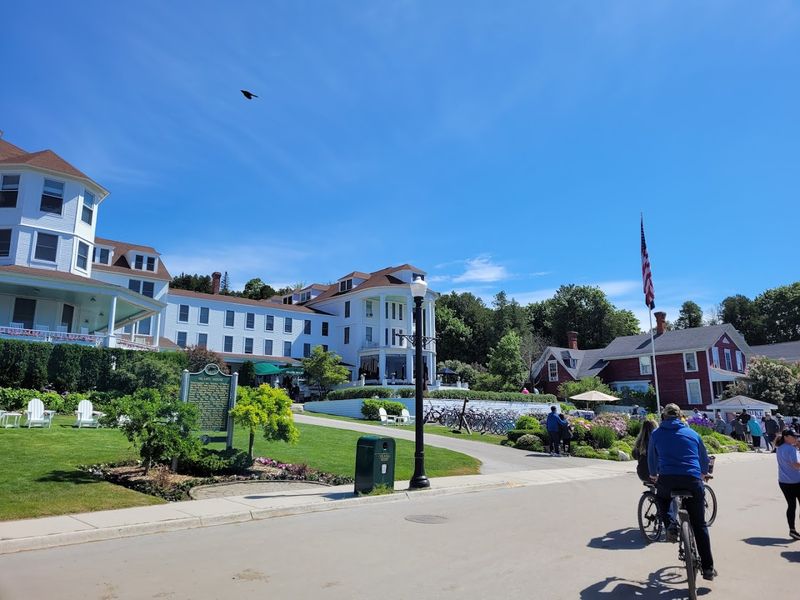
M-185 wraps the island in 8.2 miles of scenery and trivia that somehow feels more impressive in person than on paper. It is the only state highway in the United States where motor vehicles are banned.
That fact gives the loop a small, delightful sense of rebellion. But the road is more than a novelty. Circling it shows how the island shifts from busy harbor edges to quieter stretches where the lake looks almost blank with light.
The contrast helps the holiday make sense beyond Main Street.
If the center feels crowded, this is where balance returns. Go early for cooler air and easier riding, or walk a shorter section if you want shoreline views without committing to the full loop before evening events begin.
Start At Fort Mackinac For The Day’s Historical Backbone
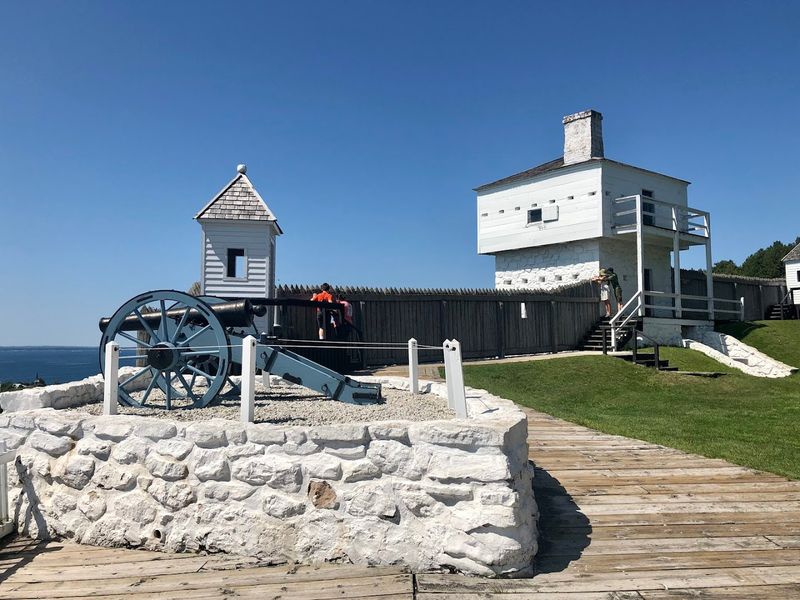
High above town, Fort Mackinac gives the Fourth a backbone that is more than decorative bunting. The site hosts A Star-Spangled Fourth of July, with patriotic displays, 19th-century demonstrations, cannon salutes, and a reading of the Declaration of Independence.
From up there, celebration and setting finally line up. The bluff location also changes your understanding of the island itself. You see harbor activity below, lake beyond, and the historic frame that still shapes the place.
I liked starting here because the later fireworks felt connected to something older, not just festive. Give yourself enough time to move slowly through the program. The combination of views and interpretation rewards attention, especially if you want the holiday to feel local rather than generic.
Make Room For The W.T. Rabe Stone Skipping Competition
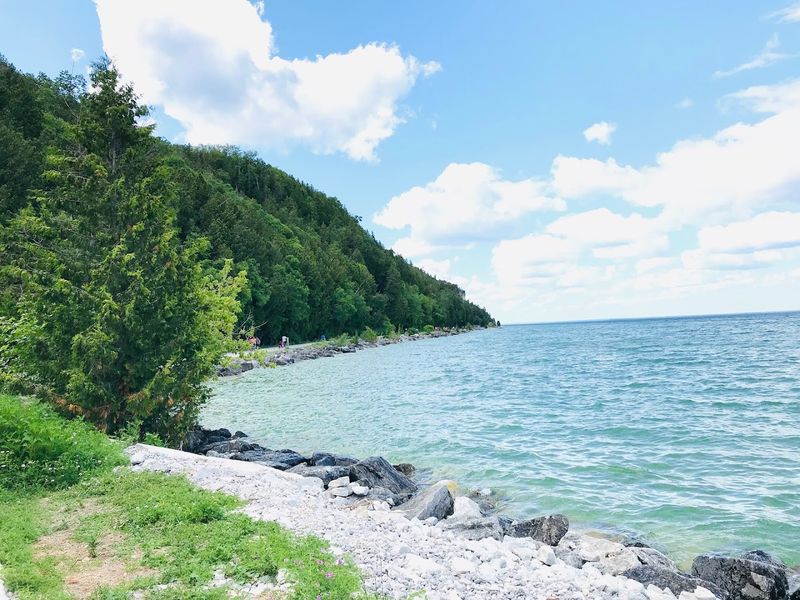
Some holiday traditions announce themselves with brass bands, and some involve flat stones and a very specific stretch of water. The W.T.
Rabe Stone Skipping Competition is exactly the kind of local event that keeps the day from feeling overprogrammed. It has a friendly seriousness that is easy to appreciate.
There is something wonderfully fitting about a competition based on touch, angle, and patience on an island ruled by water. The mood is lighter than the formal fort programming, but it is no less rooted in place.
You notice how quickly visitors start paying closer attention to the shoreline.
Build time for it if you can. It adds texture to the day and reminds you that the best Fourth celebrations mix spectacle with smaller traditions people genuinely enjoy returning to.
Use Windermere Point As More Than A Photo Stop
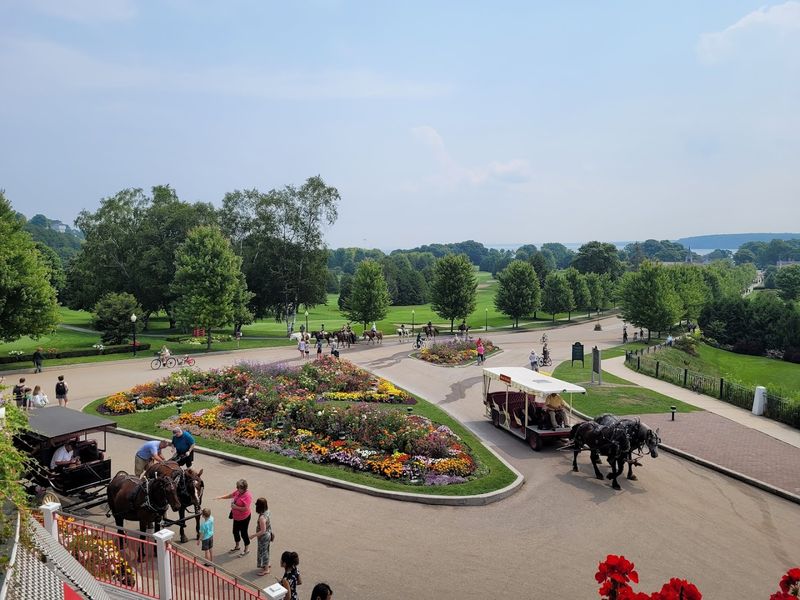
Windermere Point can look at first like a scenic pause, but on the Fourth it becomes part of the island’s social grammar. Family games are held there, and the open space gives the celebration a looser, more communal feel than the tighter harbor edges.
It is active without becoming frantic.
That matters on an island where space and movement are always part of the experience. Children can spread out, adults can actually see the bridge, and everybody gets a little breathing room between formal events.
The place works because it does not try too hard. If you are planning your day geographically, keep this point in the rotation. It bridges sightseeing and participation nicely, and later it can still serve as a useful area for broader evening views.
Expect Crowds, But Notice How The Island Handles Them
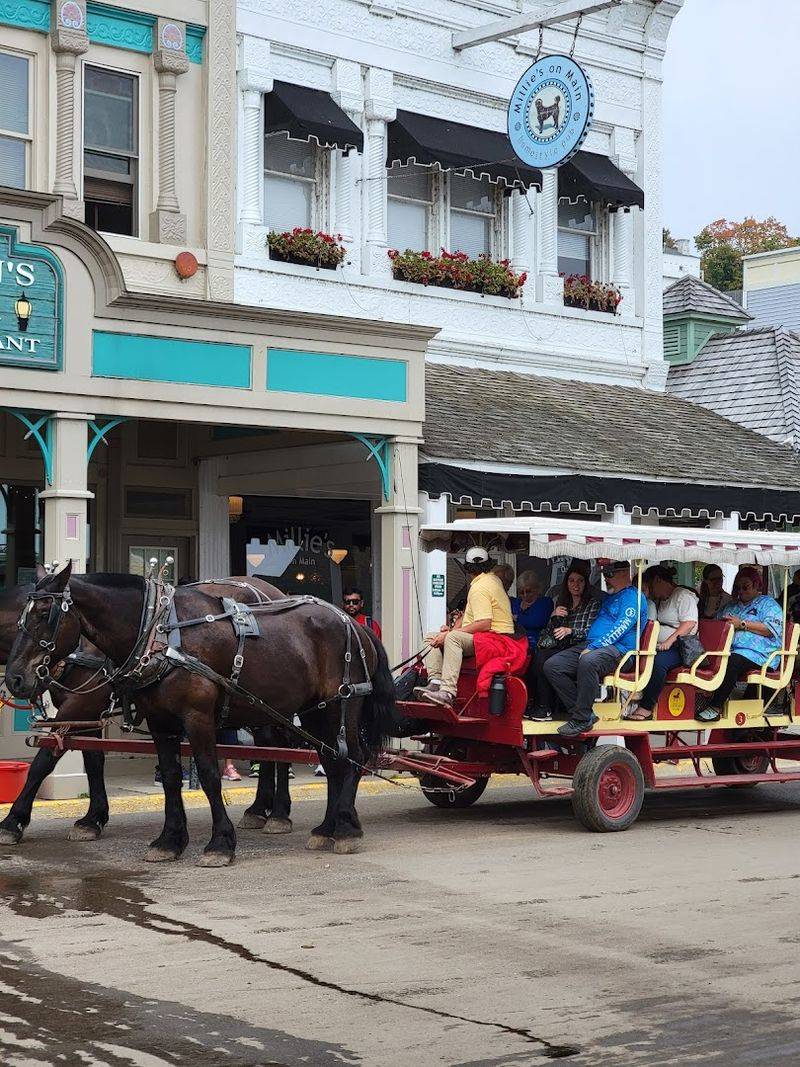
On paper, a famous car-free island on the Fourth sounds like a recipe for congestion. In practice, the crowd behaves differently because nobody is negotiating traffic in the usual way.
People walk, coast, pause, and gather, which creates bottlenecks sometimes, but not the same hard-edged stress you might expect.
The infrastructure of old resort streets, bike movement, and carriage routes shapes behavior as much as signage does. Even busy stretches feel choreographed by habit rather than enforcement. That subtle order is one of the island’s least flashy strengths.
You still need patience, especially near evening viewing areas and downtown. But if you adjust your pace instead of resisting it, the density becomes part of the holiday atmosphere rather than a reason to flee it.
Notice The Soundtrack Before You Watch The Sky
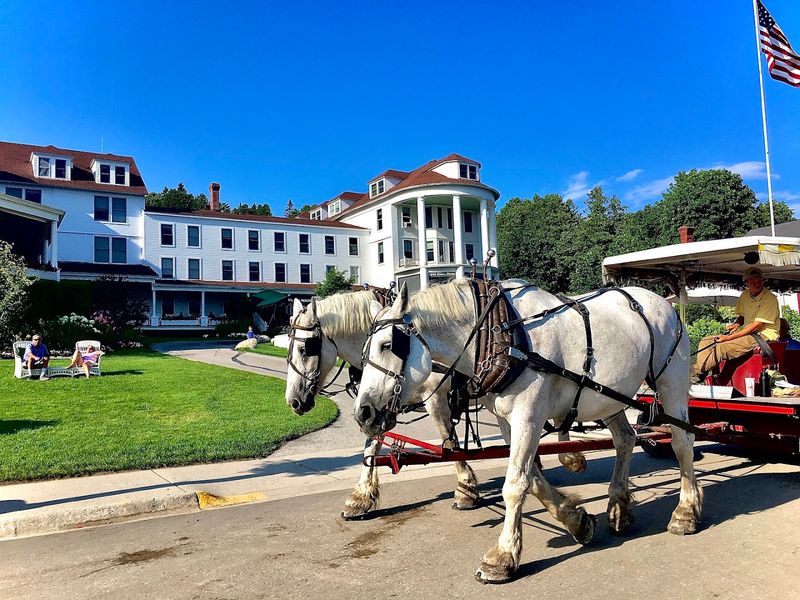
Before the fireworks begin, Mackinac Island offers one of the strangest and nicest pre-show soundtracks in the Midwest. Instead of idling engines and distant car stereos, you get carriage horses, bicycle tires, harbor water, and the rising murmur of people waiting together.
The island sounds older than the calendar says it is. That acoustic difference changes how the night lands. When the first reports hit, they interrupt a textured quiet rather than compete with urban noise.
I did not expect sound to shape memory so strongly here, but it became one of the most lasting parts.
For that reason alone, do not spend the entire evening rushing around. Pick a spot, listen while the light drops, and let the island’s ordinary noises prepare you for the extraordinary ones.
Look For The Island’s French And Fur Trade Roots In The Background
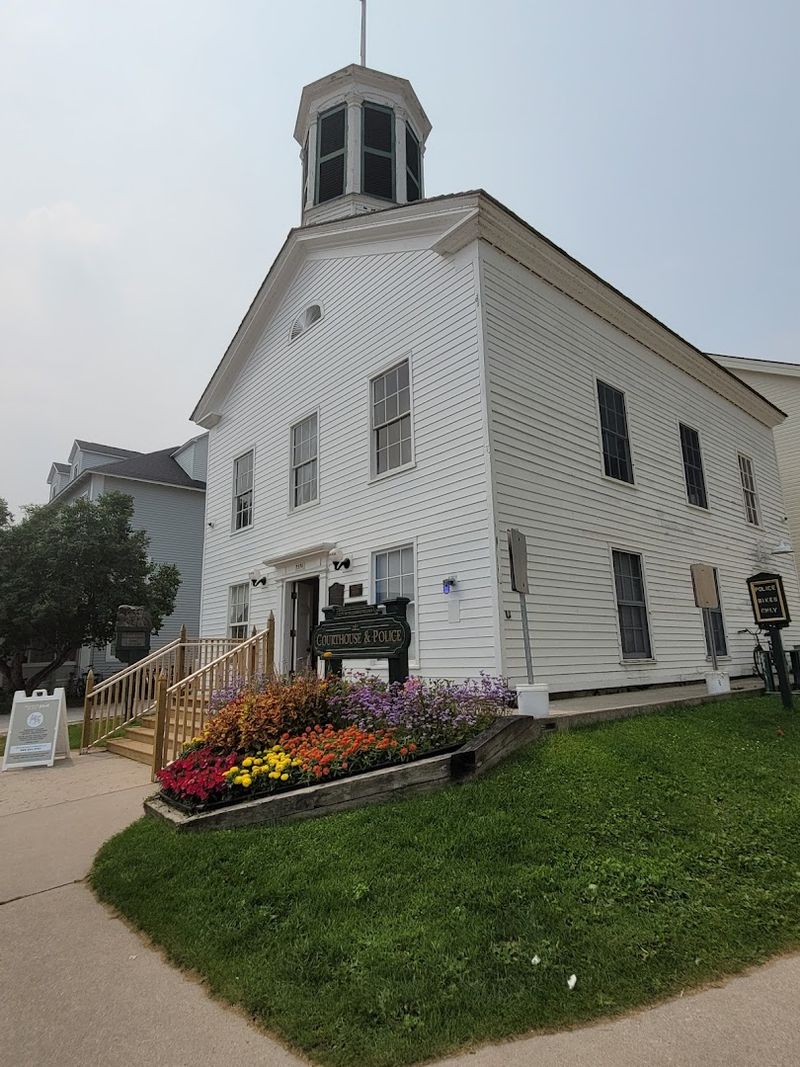
The holiday can easily pull your attention toward a single night, but Mackinac Island rewards a longer historical gaze. It developed as an important fur trading center in the eighteenth century, and its early population was largely French Canadian and Métis.
Those origins still matter, even when the day feels thoroughly festive.
You sense them less in one dramatic monument than in the island’s layered character, where military history, resort traditions, and older cultural routes meet. That complexity keeps the place from feeling like a themed backdrop.
It reads as lived-in, not staged. Carry that context with you as you move between events. The fireworks are the headline, but the island’s deeper story is what gives the celebration unusual weight and a sense of continuity beyond a single holiday.
Treat The Fireworks As The End Of A Very Specific Place Story
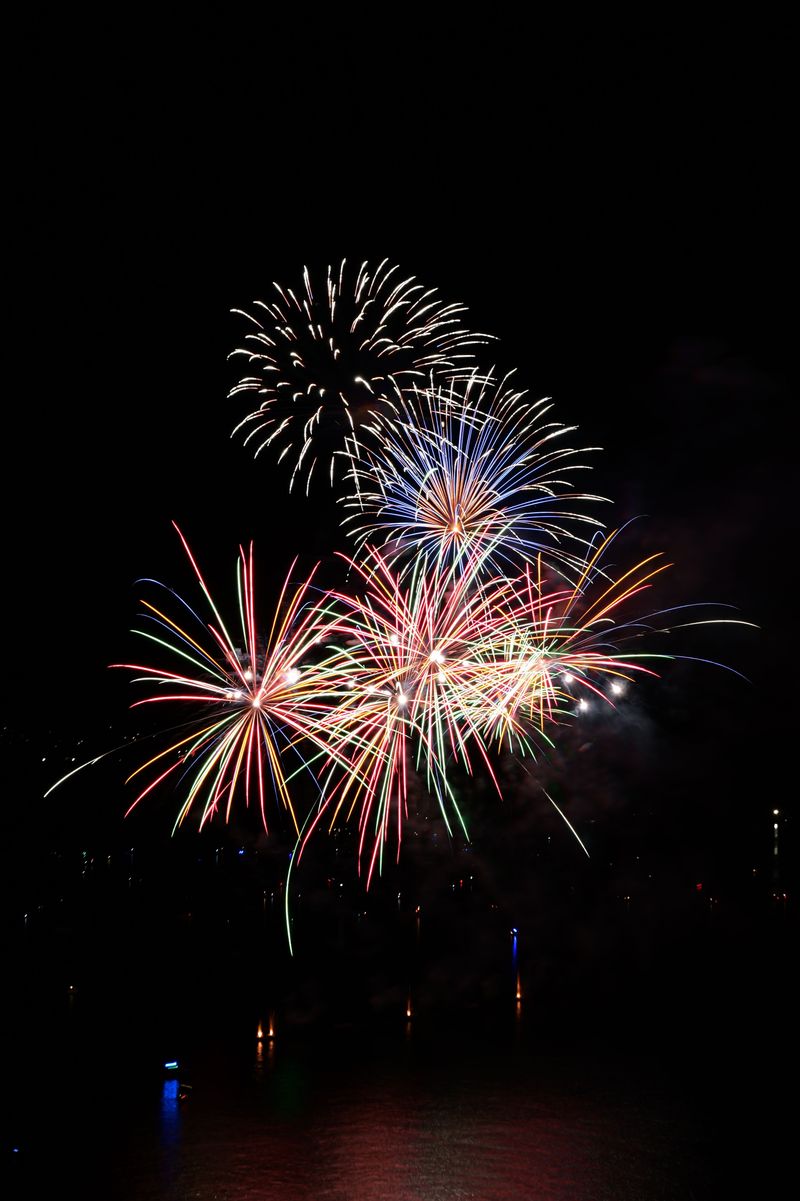
The final lesson here is not to isolate the fireworks from everything that leads up to them. On Mackinac Island, the double display works because it rises out of a place with no cars, a state highway for bicycles and walkers, a historic fort, and traditions that fill the daylight hours.
Context sharpens spectacle. By the time darkness settles, the island has already made its case through movement, sound, and historical texture. Then the sky answers with two choreographed bursts at once, one toward the harbor and one toward the bridge.
The effect is theatrical, but also oddly coherent. If you come expecting only a pretty finale, you will still have a good night. If you come ready to read the whole place, the ending feels much richer.