
Tucked Into 176,000 Acres Of High Desert Canyons, This Colorado Museum Safeguards 12,000 Years Of Ancestral Puebloan History
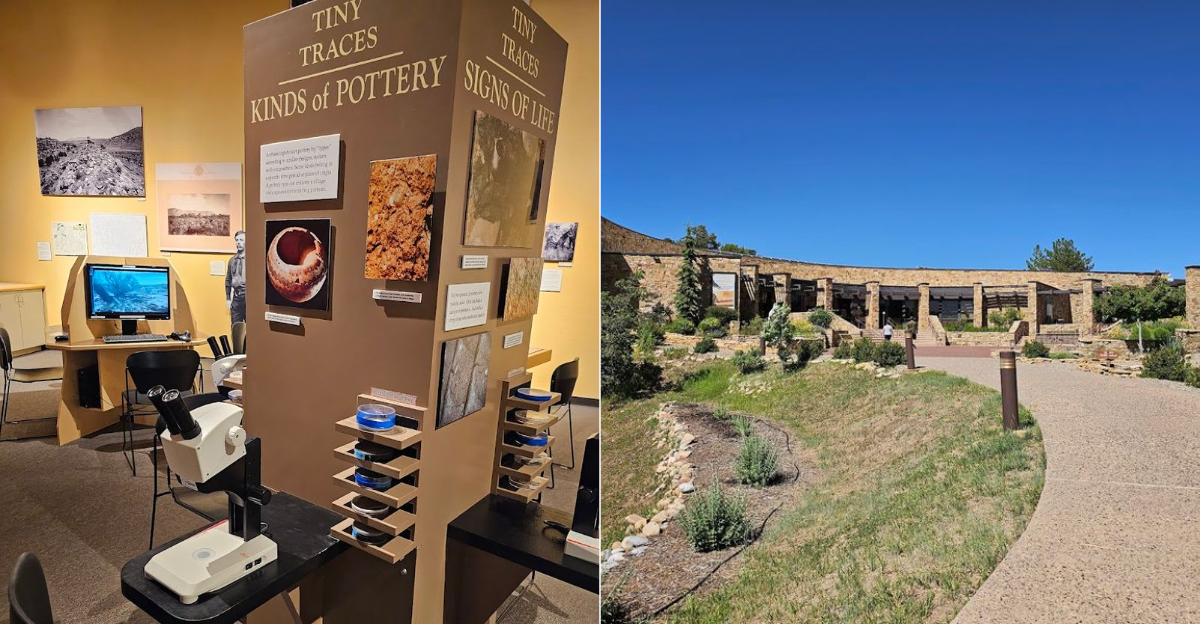
Some landscapes do not just impress you; they make time feel startlingly close. In southwestern Colorado, this stop turns high desert silence into a vivid introduction to thousands of years of human history.
The surrounding canyon country holds more than 6,000 recorded sites across 176,000 acres, preserving traces of Ancestral Puebloan life that reach back 12,000 years.
That scale is hard to grasp until the exhibits begin connecting the dots, turning stone, pottery, architecture, and landscape into something you can actually feel.
It is the kind of visit that works for a curious hour or a slow afternoon, because every room adds another layer to the story outside. You leave with more than a few facts, too.
You leave with the sense that Colorado’s ancient places are not distant or frozen in time, but still quietly speaking through the canyons, cliffs, and careful evidence left behind.
A Museum That Actually Earns Your Full Attention
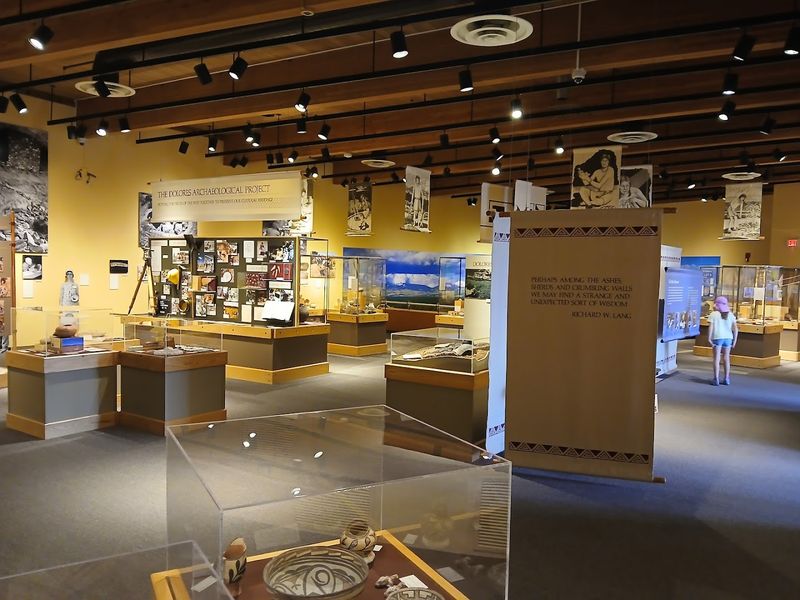
Most visitor centers hand you a pamphlet and point you toward the parking lot. This one stops you in your tracks.
The Canyons of the Ancients Visitor Center and Museum is thoughtfully curated, visually striking, and organized in a way that actually makes sense as you move through it.
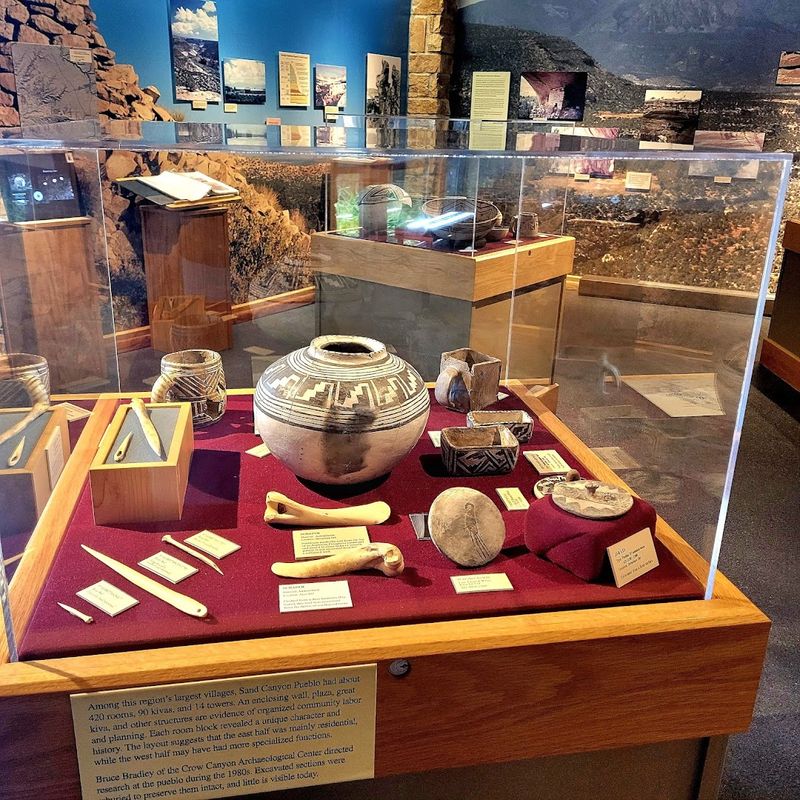
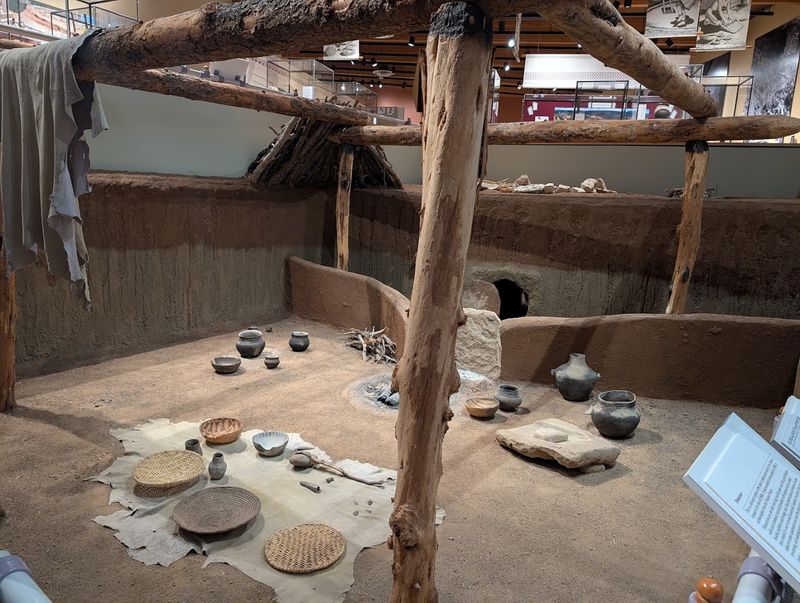
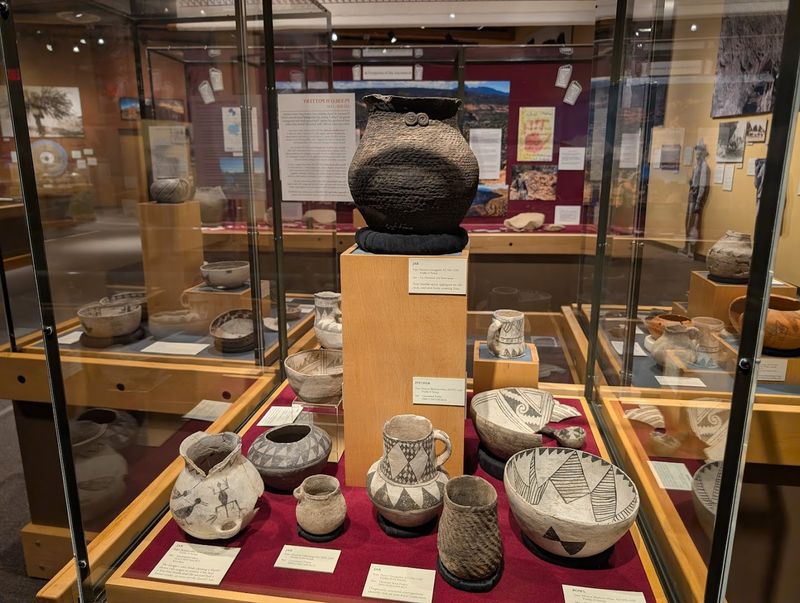
The exhibits are clean, well-lit, and intuitively arranged, covering thousands of years of Ancestral Puebloan history without ever feeling overwhelming. Artifacts are displayed with context, not just labels, so you walk away understanding the people behind the objects, not just the objects themselves.
Visitors consistently note that an hour inside barely scratches the surface. Plan for more time than you think you need.
The staff is knowledgeable and genuinely enthusiastic, which makes a noticeable difference when you have questions that go beyond what the placards say.
Pro Tip: If you hold an America the Beautiful National Parks Pass, admission is free. That alone makes this one of the highest-value stops in the Four Corners region.
12,000 Years Of Human History, Condensed Into One Powerful Timeline
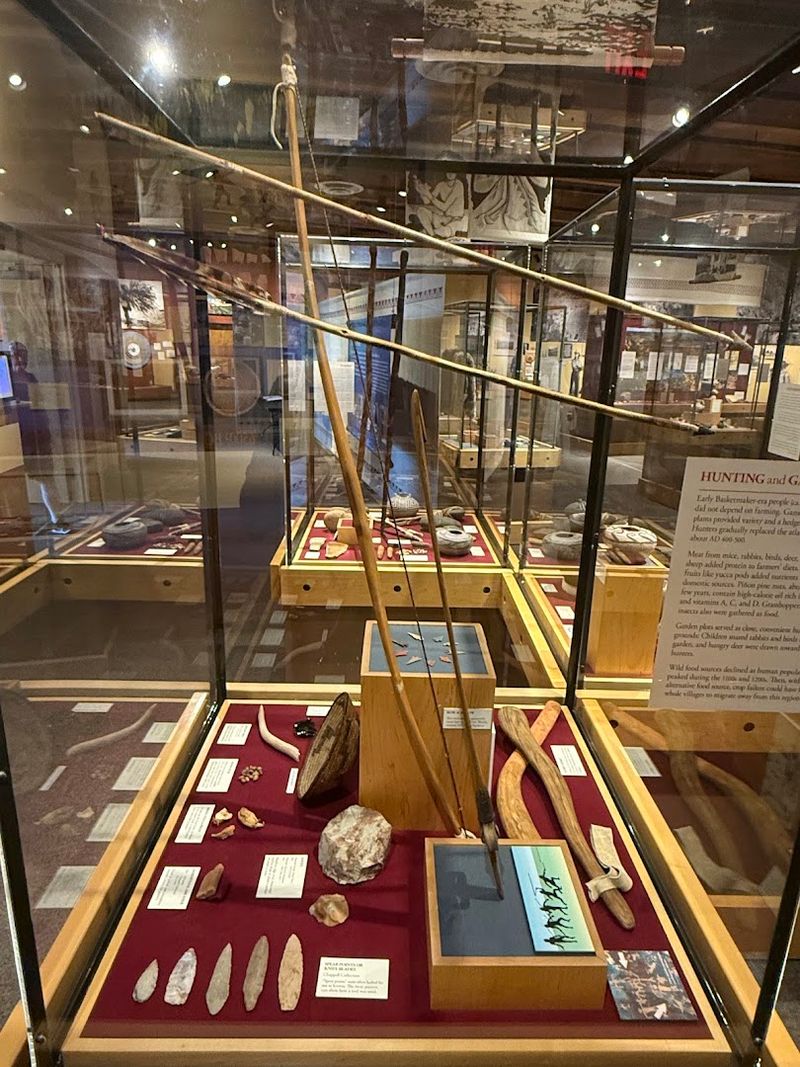
Wrapping your head around 12,000 years of continuous human presence in one landscape is no small task. The museum handles this beautifully by presenting a clear, engaging timeline of indigenous peoples and their evolving lives, cultures, and technologies across the centuries.
From early hunter-gatherers moving through the canyon country to the sophisticated architectural achievements of the Ancestral Puebloans, each era gets its moment. The displays use artifacts, maps, and detailed explanations that feel earned rather than rushed.
One visitor described learning more in fifteen minutes here than they had expected to absorb in an entire afternoon. That kind of density, delivered without confusion, is genuinely rare in a museum of this size.
Why It Matters: Understanding the depth of human occupation in this region completely changes how you experience the surrounding landscape. The canyons stop looking empty and start looking inhabited, even now, by the echoes of everyone who came before.
Best For: History enthusiasts, curious families, and anyone who wants their visit to Mesa Verde or Hovenweep to feel grounded in real context before they arrive.
The Escalante Pueblo Trail Right Outside The Front Door
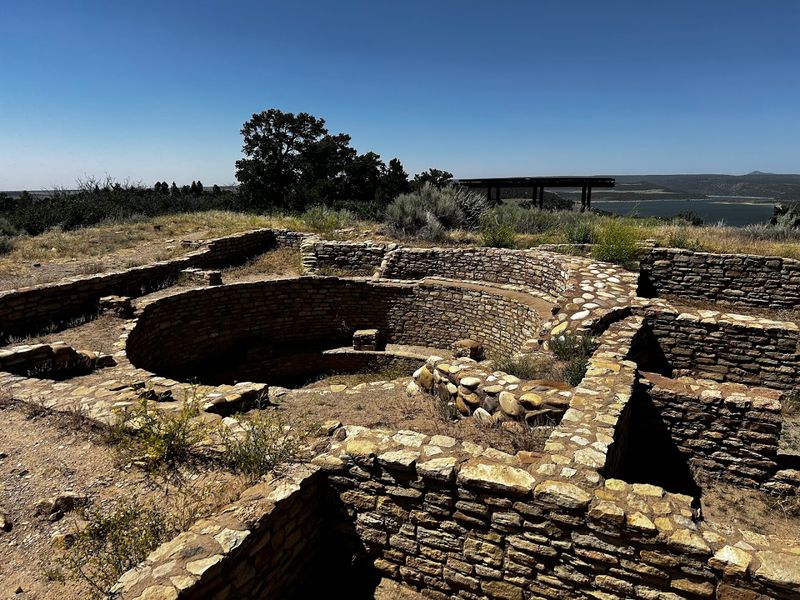
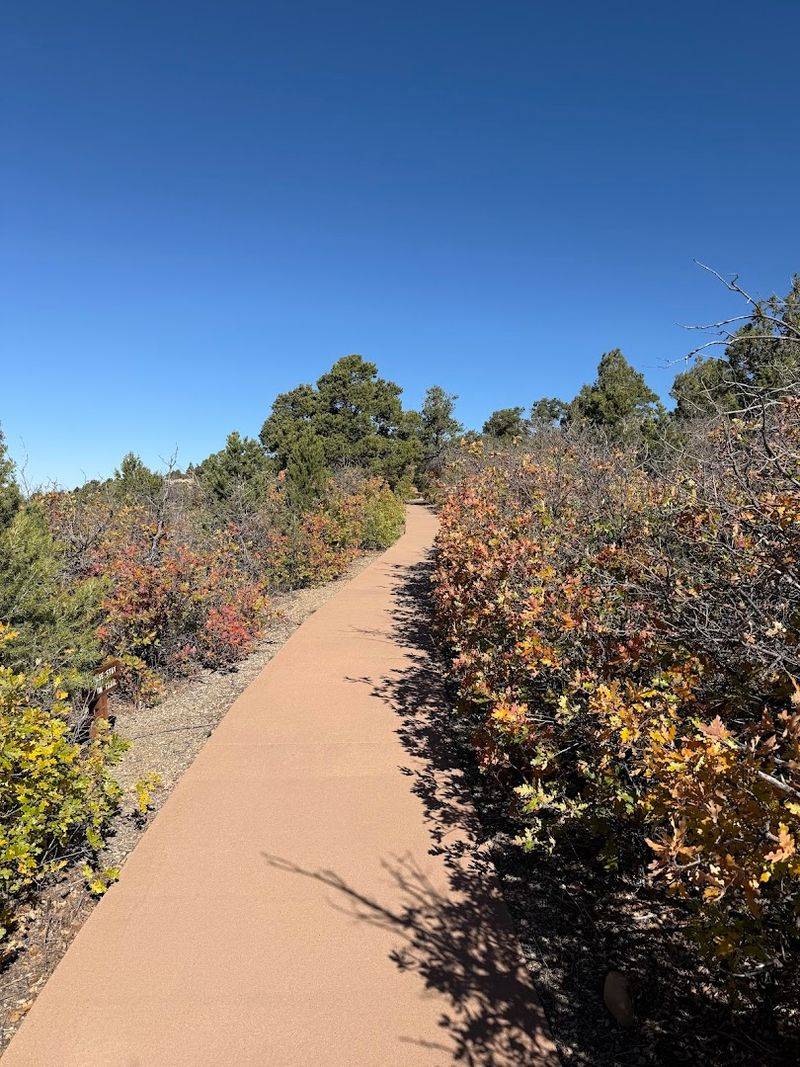
Not every museum offers you ruins within walking distance of the gift shop. Step outside the visitor center and you will find a paved half-mile trail that winds up a gentle slope, past labeled native plants, and ends at the Escalante Pueblo with sweeping views over the McPhee Reservoir.
The path is easy enough for most fitness levels and short enough that even reluctant walkers tend to finish it without complaint. The ruins at the top are genuinely impressive, sitting in a location that feels deliberately chosen for its commanding view of the surrounding canyon landscape.
Staff members have thoughtfully labeled plants along the trail with notes on their traditional uses, which adds an unexpected layer of education to what might otherwise feel like a simple walk. It turns a fifteen-minute stroll into something you will actually remember.
Quick Tip: Bring water, especially in warmer months. The trail is paved and not long, but the high desert elevation and sun exposure can catch visitors off guard.
The reservoir views from the top are worth every step of the climb.
Interactive Exhibits That Keep Kids Genuinely Engaged
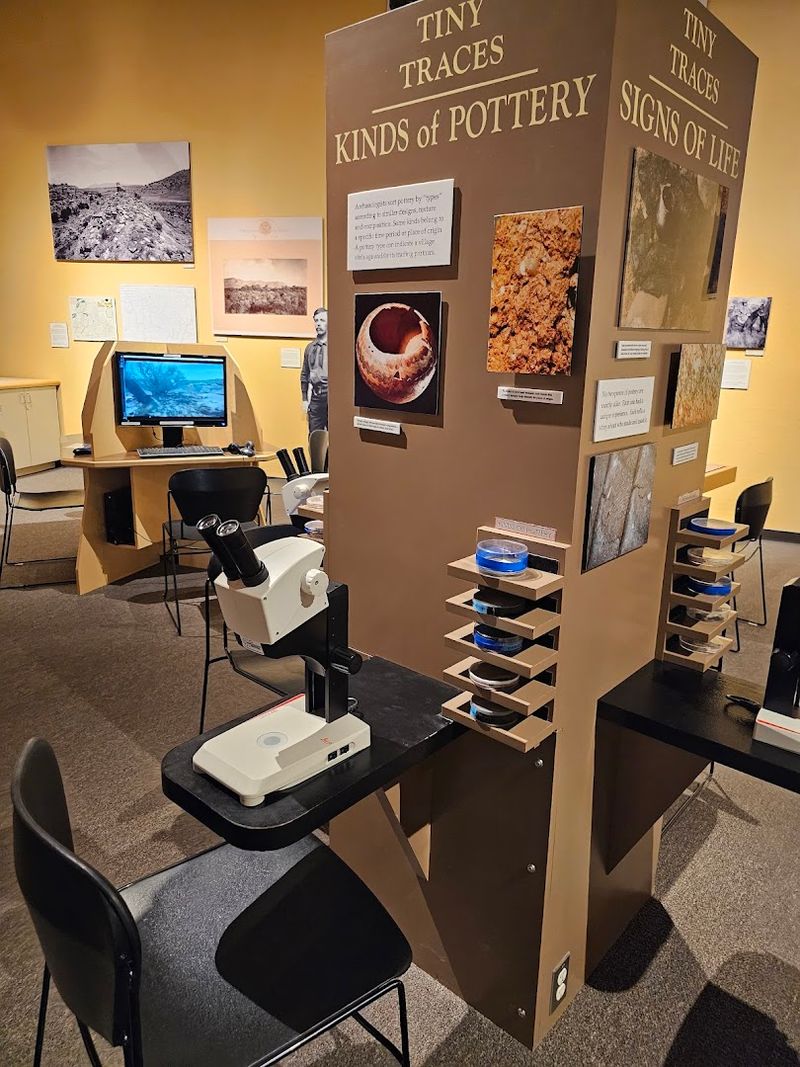
Getting kids interested in archaeology is sometimes as easy as handing them a magnifying glass and stepping back. The museum includes interactive exhibits, including microscopes, hands-on displays, and activities designed to pull younger visitors into the story rather than leaving them waiting by the door.
Families report that children engage enthusiastically with the exhibits, which is a meaningful endorsement in a space that could easily have defaulted to passive reading panels. The museum manages to be educational without feeling like homework, which is a harder balance to strike than it sounds.
Outside, the picnic tables and the short trail give kids a physical outlet after the indoor portion, making this a genuinely complete stop for families rather than a compromise between adult interest and kid tolerance.
Best For: Families with school-age children who are visiting Mesa Verde or exploring the Four Corners region. The museum pairs exceptionally well as a pre-visit primer before heading to larger archaeological sites nearby.
Insider Tip: Let kids lead on the trail. They tend to spot things adults walk right past, and the labeled plants become a surprisingly effective conversation starter.
The Art In The Lowry Room Deserves A Slower Look
Most people move through museum art displays at the pace of someone scanning a menu. The Lowry Room earns a slower pace.
Visitors who take time with the artwork on display here consistently single it out as a highlight, and it offers a different kind of connection to the region’s cultural history than the artifact exhibits provide.
Art has a way of communicating what timelines and pottery sherds cannot always reach. The pieces in this room bring an emotional dimension to the museum experience that rounds out an already strong collection of historical material.
It is the kind of space that rewards visitors who are not in a rush, which is a gentle reminder that this museum works best when you resist the impulse to treat it like a quick checkbox on a road trip itinerary.
Why It Matters: Cultural understanding rarely comes from facts alone. The Lowry Room adds texture and humanity to a museum that is already doing impressive work on the historical front, making the overall experience feel more complete and more moving.
Planning Advice: Budget at least ninety minutes total for the museum and trail if you want to do both without feeling rushed through either.
Two Documentary Films That Frame Everything You Are About To See
Before you head out into 176,000 acres of canyon country, the museum offers two films that do serious contextual heavy lifting. Visitors who watch them report that the surrounding landscape reads completely differently afterward, which is exactly what a good orientation film should accomplish.
The films are described as genuinely informative rather than the kind of looping background video you tune out while reading a brochure. They cover the history and culture of the Ancestral Puebloans in a way that connects directly to what you will see both inside the museum and out in the monument.
Think of them as the briefing before the expedition. Skipping them is technically an option, but the visitors who sit through both tend to get significantly more out of everything that follows.
Best Strategy: Watch the films first, then move through the exhibits, and finish with the trail. That sequence builds understanding in layers, and by the time you reach the Escalante Pueblo ruins, you will have enough context to make the site feel genuinely alive rather than just old.
Quick Tip: Ask staff which film to watch first. They have a preferred order and are happy to point you in the right direction.
Staff And Volunteers Who Actually Know Their Subject
There is a particular kind of museum staff member who recites exhibit text back at you and then moves on. That is not what you will find here.
The staff and volunteers at this visitor center are consistently described as knowledgeable, friendly, and genuinely helpful, the kind of people who answer follow-up questions with enthusiasm rather than a polite redirect to the pamphlet rack.
They labeled plants along the outdoor trail for visitors, which is a small detail that says a lot about how much care goes into the overall experience. That kind of initiative does not happen without a team that is actually invested in the place and its story.
For solo travelers or couples who want to go deeper than the exhibits allow, a conversation with staff can open up entire layers of context about the surrounding monument, its remote sites, and how to approach the backcountry responsibly.
Insider Tip: Do not hesitate to ask staff about the broader Canyons of the Ancients National Monument. They are an excellent resource for planning visits to more remote archaeological sites in the area and can help you prioritize based on your time and interests.
A Gateway Stop Before Mesa Verde That Changes How You See Everything
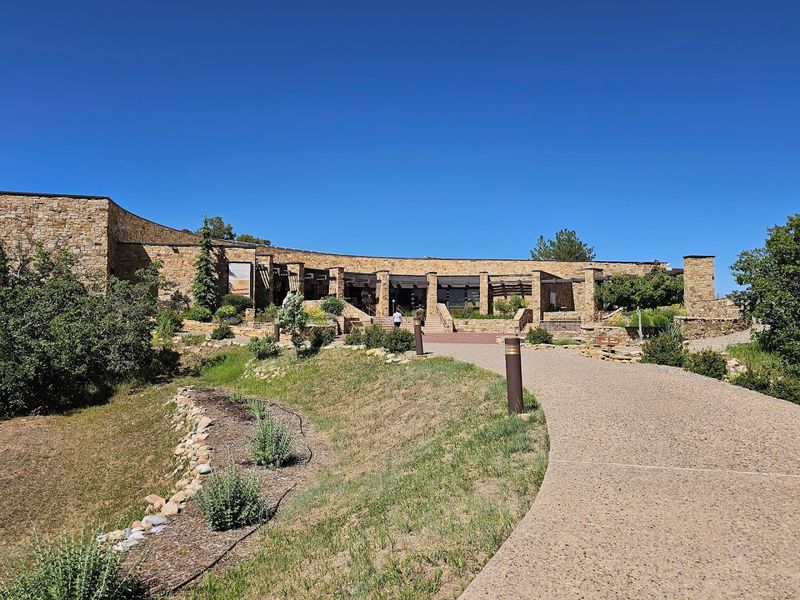
Mesa Verde gets the crowds. This museum gets the visitors who show up prepared.
Positioned along CO-184 in Dolores, the visitor center sits naturally on the route many travelers take toward Mesa Verde National Park, making it one of those stops that rewards the people who noticed it on the map and pulled over.
Visitors who stop here before Mesa Verde consistently report that the experience at the larger national park feels richer and more meaningful as a result. The museum builds the vocabulary, the timeline, and the cultural framework that helps cliff dwellings and mesa-top sites register as something more than impressive architecture.
It is a small investment of time, typically an hour to ninety minutes, that pays dividends for the rest of your trip through the Four Corners region. Think of it as the opening chapter that makes the rest of the book land harder.
Best For: Road trippers heading toward Mesa Verde, Hovenweep, or other Ancestral Puebloan sites in the region who want their visits to feel grounded in real historical understanding rather than arriving cold.
Planning Advice: The museum is open Tuesday through Saturday, 9 AM to 5 PM, and is closed Sunday and Monday. Factor that into your route timing.
Bighorn Sheep, Open Sky, And A Landscape That Puts Things In Perspective
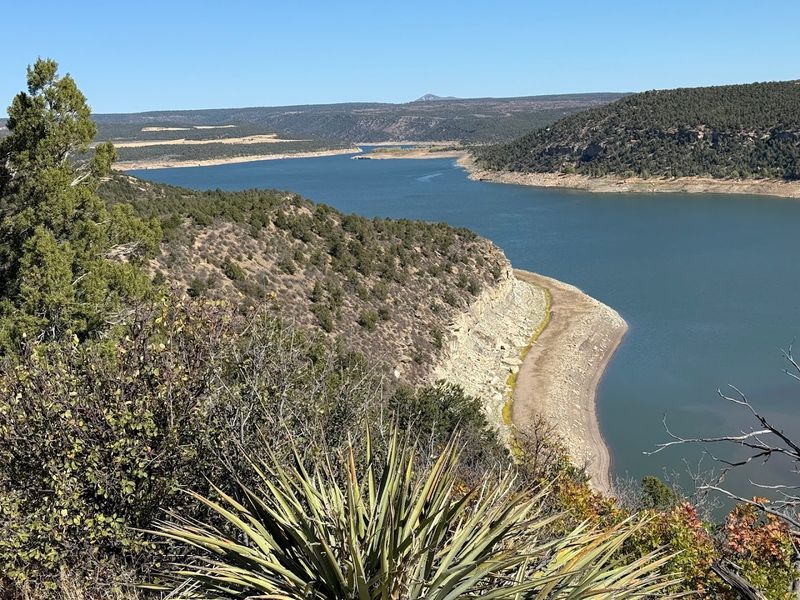
Not every museum visit ends with a herd of bighorn sheep crossing the road in front of you. At least one visitor to this area can confirm that it happens.
The landscape surrounding the visitor center is the kind of high desert terrain that reminds you the American West is still capable of genuine surprise.
The McPhee Reservoir views from the Escalante Pueblo trail are genuinely spectacular, and the broader monument landscape, stretching across 176,000 acres, has a scale that is difficult to absorb until you are standing inside it. The museum gives you the human story; the land gives you the scale.
Even if you only have time for the half-mile paved trail, the combination of canyon views, labeled native plants, and ancient ruins overhead delivers the kind of moment that resets your sense of proportion in the best possible way.
Why It Matters: The natural setting here is not incidental to the experience. It is the experience.
The museum and the landscape work together in a way that very few heritage sites manage to pull off with this much quiet authority.
Quick Tip: Bring binoculars if you have them. The reservoir overlook and open canyon views reward anyone willing to slow down and actually look.
A Gift Shop And Picnic Tables That Round Out The Visit Perfectly
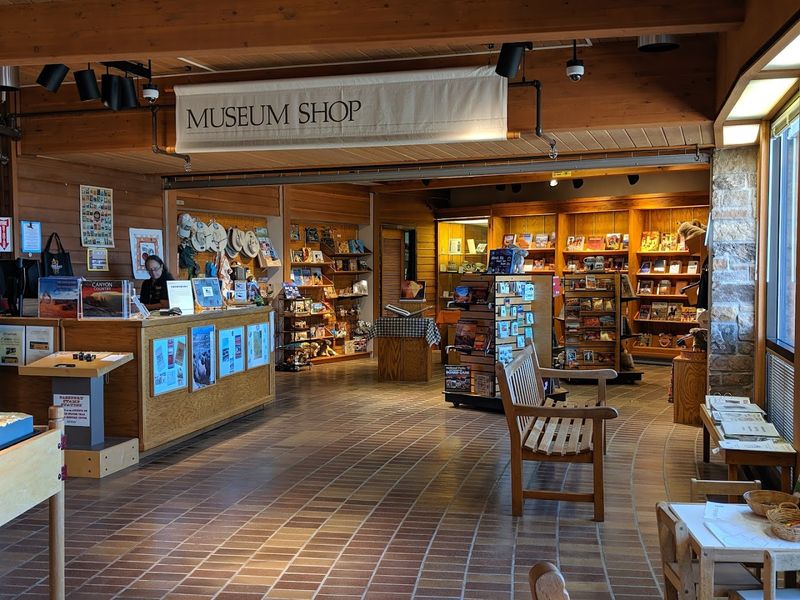
A good gift shop at a heritage site is not a luxury. It is a sign that the institution takes its mission seriously enough to extend it into the retail space.
The shop here earns its square footage with relevant, thoughtful offerings that connect to the museum’s content rather than defaulting to generic Southwest souvenirs.
Outside, picnic tables are tucked into the landscaped grounds, which are described by visitors as beautiful and well-maintained. The native plantings around the building are not just decorative.
They connect directly to the educational content inside and on the trail, making the entire property feel intentionally designed rather than assembled by committee.
Bringing lunch and eating outside before or after the museum and trail turns a single stop into a genuinely relaxed half-day outing. It is the kind of place where nobody is in a hurry, and that energy is contagious in the best way.
Best For: Families, couples, and solo travelers who want a complete, unhurried experience rather than a quick pass-through. The combination of indoor exhibits, outdoor trail, picnic area, and gift shop makes this a self-contained destination.
Common Mistake to Avoid: Do not treat this as a five-minute stop. The grounds alone deserve more time than most visitors initially budget.
One Of The Highest-Rated Museums In The Four Corners Region
With a rating that consistently hovers near the top among regional heritage sites, the Canyons of the Ancients Visitor Center and Museum has earned its reputation the straightforward way: by being genuinely excellent and consistently delivering on its promise.
Hundreds of visitors have weighed in, and the verdict skews strongly positive across families, solo travelers, and archaeology enthusiasts alike.
What stands out across nearly every account is the combination of high-quality curation, knowledgeable staff, and a physical setting that enhances rather than competes with the museum’s content. That is a harder combination to achieve than it looks from the outside.
The facility is clean, well-organized, and maintained with obvious care. For a federally managed site in a relatively remote corner of Colorado, that level of consistent quality is worth noting and worth driving a few extra miles to experience.
Quick Verdict: If you are anywhere near Dolores, Colorado, between Tuesday and Saturday, this museum belongs on your itinerary. It is the rare kind of place that exceeds expectations without overpromising, which is exactly what the best travel discoveries tend to do.
Who This Is For: Anyone with an interest in American history, indigenous cultures, archaeology, or simply a well-run museum that respects your time and curiosity.
The Bigger Picture: Why This Place Matters Beyond The Exhibits
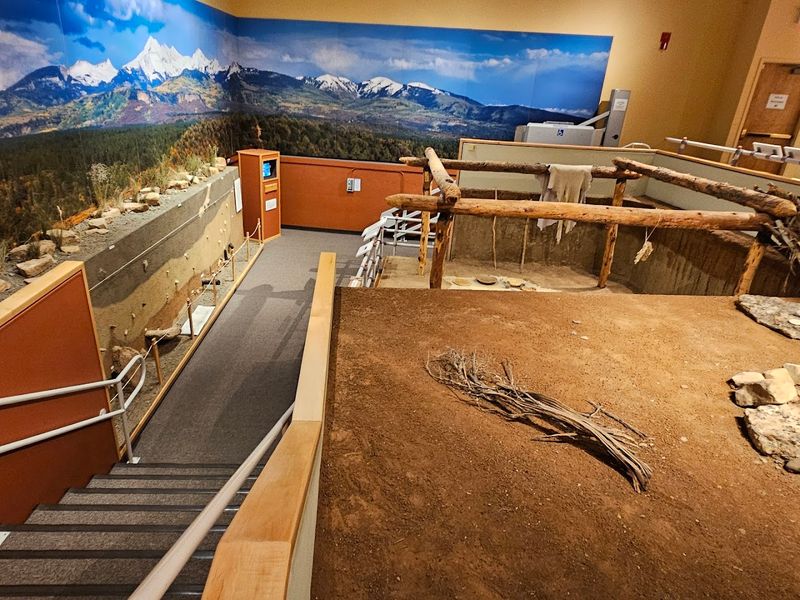
The numbers alone are staggering. More than 6,000 recorded archaeological sites across 176,000 acres make Canyons of the Ancients National Monument the most archaeologically dense federally protected landscape in the United States.
The visitor center exists to help people understand what that actually means at a human scale.
This is not a museum about objects in glass cases. It is a museum about people, specifically the people who built a civilization in this canyon country over thousands of years and whose descendants continue to maintain deep connections to this land today.
That distinction matters, and the museum handles it with appropriate seriousness and respect.
Coming here is an act of paying attention to a story that is easy to miss if you drive through the Four Corners region without stopping. The museum makes sure that story has a fighting chance of being heard by the people who are already curious enough to pull off the highway.
Best Strategy: Make this your first stop in the monument, not your last. Everything you see in the surrounding landscape, from road cuts to canyon walls to mesa-top remnants, will read differently once you have spent time inside this building absorbing the full scope of what happened here.