
A Tiny Island In Maine Might Be The Quiet Escape You’ve Been Missing

Some places in Maine do not need much to get your attention. A short ferry ride, a little salt air, and a quiet road lined with trees can do the job pretty quickly.
This small island in Penobscot Bay has that kind of easy charm. The moment the boat pulls in, everything feels a little slower in the best possible way.
There are rocky shorelines, wide-open water views, and a small year-round community that gives the island a real lived-in feel. It is peaceful without feeling empty, and scenic without trying too hard.
Sometimes that is exactly what makes a place stay with you.
The Ferry That Sets The Spell
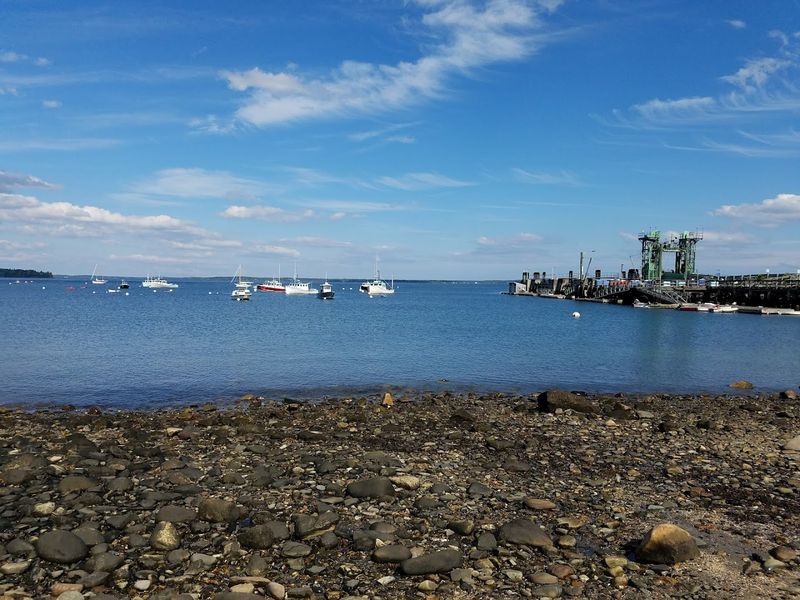
Getting to Islesboro is part of the adventure, and the ferry ride from Lincolnville Beach sets the mood before you even arrive. The Maine State Ferry Service runs regular trips across the roughly three-mile stretch of Penobscot Bay, and the crossing takes about twenty minutes each way.
Standing on the deck as the island comes into view, framed by spruce trees and open sky, gives you a sense that you are genuinely leaving the everyday world behind. The ferry carries both passengers and vehicles, so you can bring your car if you want to explore more of the island at your own pace.
Schedules change with the seasons, so checking the Maine DOT ferry schedule before you plan your visit is a smart move. The ferry itself is a low-key, no-frills experience that feels perfectly matched to the island’s personality.
Arriving by boat just hits differently than pulling into a parking lot.
Year-Round Population Under 600

Islesboro has one of the smallest year-round populations of any inhabited island in Maine. According to the 2020 census, only 583 people call this island home through all four seasons, which means the community is genuinely tight-knit in a way that most places only claim to be.
That small number also means the island operates differently than most towns on the mainland. There is one school, a small general store, a post office, and a handful of local services that the permanent community depends on all year long.
Winters here are quiet in a way that is hard to fully describe until you experience it. The summer crowd thins out, the roads empty, and the island settles into a rhythm that belongs entirely to the people who choose to stay.
For the year-round residents, that quietness is not a drawback. It is the whole point of living somewhere this removed from everything else.
A Summer Colony With Deep Roots

Long before anyone used the phrase “off-grid getaway,” wealthy families from cities like Boston and New York were quietly building summer estates on Islesboro. The island developed a reputation as a refined seasonal retreat in the late 1800s, and that tradition has continued for well over a century.
The summer colony brings a noticeable energy shift to the island between June and September. Population swells, boats fill the moorings, and the roads see a little more activity, though still nothing close to what you would call busy by mainland standards.
What makes this history interesting is how it coexists with the working-island identity of the year-round residents. The seasonal and permanent communities have shared this small piece of land for generations, developing a dynamic that feels layered and genuinely local.
Old estates with long driveways and carefully maintained grounds sit just a short distance from modest homes, and somehow the island holds both realities with quiet confidence.
Penobscot Bay Views That Stop You Cold
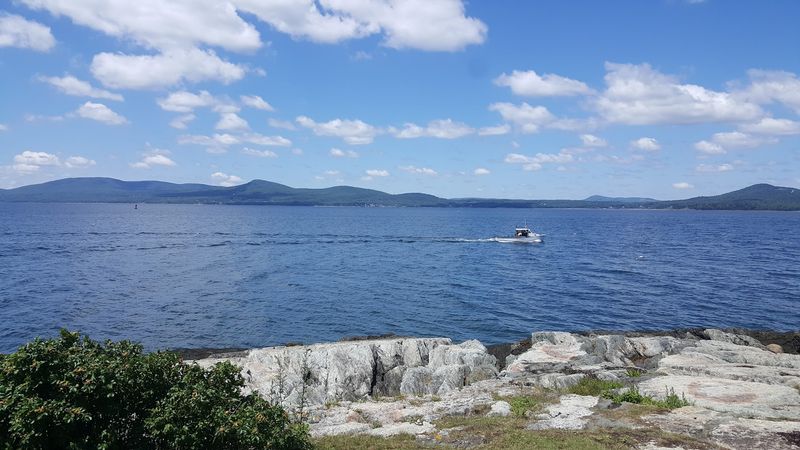
Penobscot Bay is one of the most scenic stretches of water on the entire East Coast, and Islesboro sits right in the middle of it. On a clear day, you can see neighboring islands scattered across the water, with the Camden Hills rising in the background on the mainland shore.
The light here changes constantly. Morning fog rolls in from the water and burns off slowly, leaving everything looking freshly washed.
By afternoon, the bay turns a deep blue-green that makes even a simple walk along the shore feel like something worth remembering.
There are spots along the island’s coast where you can sit on flat rocks and watch lobster boats move through the water with the kind of unhurried purpose that feels almost meditative.
No boardwalks, no souvenir stands, no crowds competing for the same viewpoint. Just open water, sky, and the occasional cry of a gull overhead.
Some views do all the talking on their own.
The Island’s Story Lives Here

The Islesboro Historical Society works to preserve and share the island’s long story, which stretches back well before European settlers arrived. The Penobscot people were the original stewards of this land, and their connection to these waters runs deep in the regional history of coastal Maine.
The historical society maintains a collection of photographs, documents, and artifacts that trace the island’s development from its Indigenous roots through its fishing heritage and into its identity as a seasonal retreat for families from the mainland.
Visiting the historical society is a genuinely rewarding way to understand why Islesboro feels different from other coastal destinations. When you know the layers of history packed into a place this small, the landscape starts to mean more.
That old boathouse near the water, the weathered dock, the stone walls cutting through the woods, these are not just scenery. They are physical evidence of generations of people who figured out how to build a life on a small island and made it work.
Arriving By Air, Island-Style

Not everyone arrives at Islesboro by ferry. The island actually has a small airstrip, and air taxi service connects it to the mainland for those who prefer a slightly more dramatic entrance.
Touching down on a short island runway with Penobscot Bay spreading out below is a hard experience to top.
Air taxi service is particularly useful for visitors who need to make the most of limited time, or for island residents who need reliable access to mainland services without planning around the ferry schedule. It is a practical option that also happens to be genuinely thrilling.
The airstrip is a reminder that even the smallest and most remote communities find creative ways to stay connected to the wider world. Islesboro does not feel cut off, even when the ferry is not running.
That combination of genuine remoteness and real accessibility is part of what makes this island work so well as a travel destination for people who want peace without total isolation.
Cycling The Island Roads

Islesboro is one of those rare places where cycling feels less like exercise and more like a genuine way to experience a destination. The roads are quiet, the terrain is manageable, and the scenery changes just enough around every bend to keep things interesting.
The main road runs roughly north to south through the island, and side roads branch off toward the water, through wooded stretches, and past old farms and private estates. You do not need a complicated route plan.
Picking a direction and pedaling is a perfectly valid strategy here.
Bringing your own bike on the ferry is straightforward, and the relatively flat sections of the island make it accessible even for casual riders. There is something deeply satisfying about covering ground at bicycle speed on a place this small.
You notice details that a car window would blur right past, like a hawk perched on a fence post or a stretch of shoreline peeking through the trees that you almost missed entirely.
Wildlife Without The Crowds

The mix of forest, shoreline, and tidal areas on Islesboro creates a surprisingly rich habitat for wildlife. Birdwatchers in particular find the island rewarding, with osprey, bald eagles, great blue herons, and a wide range of shorebirds making regular appearances depending on the season.
The island sits along the Atlantic Flyway, the major migration route for birds traveling up and down the East Coast. This means that during spring and fall, the variety of species passing through can be genuinely impressive, even for experienced birders who have spent time in more well-known locations.
Beyond birds, white-tailed deer move through the wooded interior, seals occasionally haul out on exposed ledges near the water, and harbor porpoises are sometimes spotted from the shoreline.
Islesboro does not advertise itself as a wildlife destination, but nature shows up here consistently and without much fanfare. That low-key abundance feels very much in keeping with the island’s overall personality.
The Dark Sky Experience After Sunset

One of the most underrated things about visiting a small island with minimal development is what happens after the sun goes down. With very little artificial light competing, the night sky above Islesboro can be genuinely stunning on a clear evening.
The Milky Way becomes visible in a way that feels almost surprising if you have spent most of your life in or near cities. Stars that normally get washed out by light pollution reappear, and the whole sky takes on a depth that changes how the night feels.
Sitting on a dock or a quiet stretch of shoreline after dark, with the sound of water nearby and the sky doing its thing overhead, is one of those travel experiences that is completely free and completely memorable. You do not need any special equipment or advance planning.
You just need a clear night and the willingness to stay up past the point when most visitors have already gone inside for the evening.
The Sweet Spot For Visiting

Summer, specifically July and August, is when Islesboro is most alive with activity. The ferry runs more frequently, the summer colony is in full swing, and the weather cooperates for outdoor exploring.
That said, summer also brings the largest crowds the island sees, which by mainland standards is still remarkably manageable.
Late spring and early fall offer a middle ground that many visitors find more appealing. The weather is still pleasant, the landscape is beautiful, and the island has a calmer, more personal feel.
September in particular brings cooler air and foliage that starts shifting color along the ridgelines.
Winter visits are possible but require preparation and flexibility, since ferry schedules reduce and some island services close for the season.
For travelers who genuinely want solitude and do not mind unpredictable weather, an off-season visit to Islesboro can feel like having a secret. The island in February belongs almost entirely to the people who live there, and that kind of quiet has its own reward.