
Michigan’s Largest General Store Is A Shopping Experience Like No Other
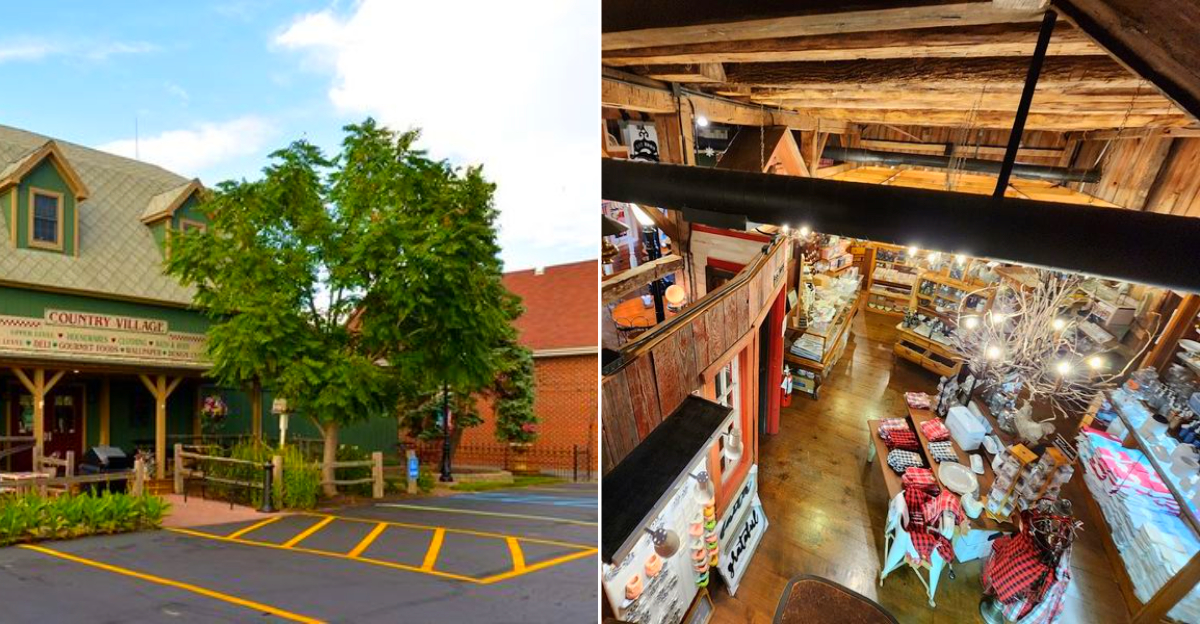
Walking through the front doors does not prepare you for how far the aisles keep going.
What starts as a general store entrance widens into a maze of sections that seem to multiply the deeper you get: hardware along one wall, bulk foods in bins along another, holiday decorations filling an entire wing that rotates by season.
The ceiling hangs low in places, strung with lights plus signs that have been there long enough to look intentional.
Shoppers push carts past shelves stacked higher than they can reach, pulling items from bins, pegs, plus cardboard displays that look like they have not changed since the eighties.
Somewhere past the wooden toys plus the candle section, a deli counter serves sandwiches to people who lost track of time. Decades of inventory under a single roof make this the kind of store where getting lost is half the fun in Michigan.
Look Closely At The Historic Buildings
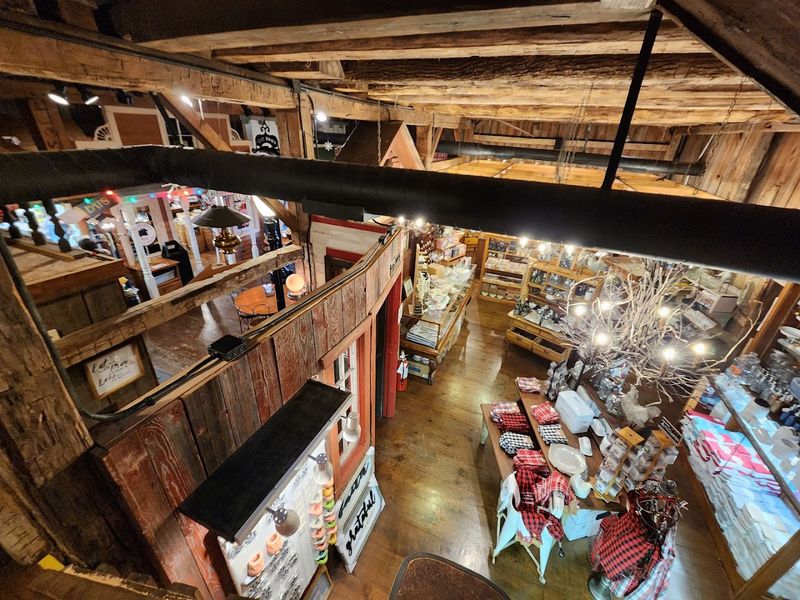
One of the pleasures here is that the buildings are not generic shells dressed up with rustic signs. The 1904 farmhouse and the 1899 schoolhouse give the village a real architectural backbone, and the remodeled barn extends that feeling rather than interrupting it.
Each structure carries its own scale, materials, and mood, so the shopping experience keeps changing around you.
I found that this matters more than it sounds on paper. You notice stairways, room shapes, and old-house proportions before you notice merchandise, and that sequence softens the usual retail fatigue.
If you enjoy places where setting and inventory work together, this is one of the strongest reasons to visit instead of simply ordering something online later.
Three Miles Off I-75, The Country Village Takes Over
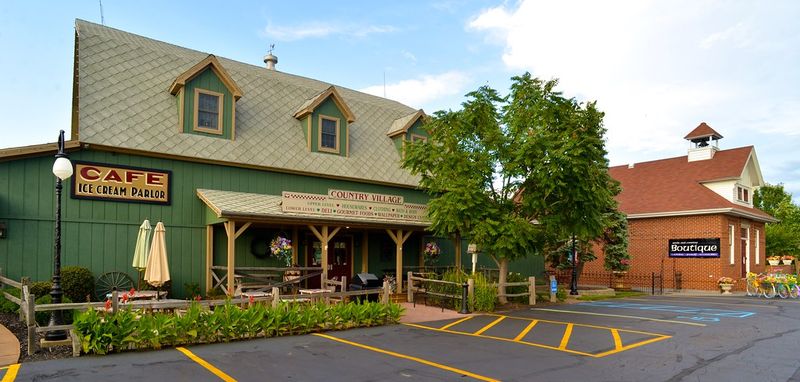
Pride and Country Village sits at 5965 East Holland Road in Saginaw, Michigan, just outside Frankenmuth. From Interstate 75, take Exit 149A and head east on M-46 toward the countryside.
The drive is short, with the village about three miles from the freeway. Stay on East Holland Road as the traffic thins, then watch for the corner of M-46 and Portsmouth Road.
Turn into the large property once the country-style buildings and shopping village signs appear. Park in the main lot, then let the old farmhouse, barn, schoolhouse, and village storefronts guide the rest of the visit on foot.
Climb The Farmhouse Slowly
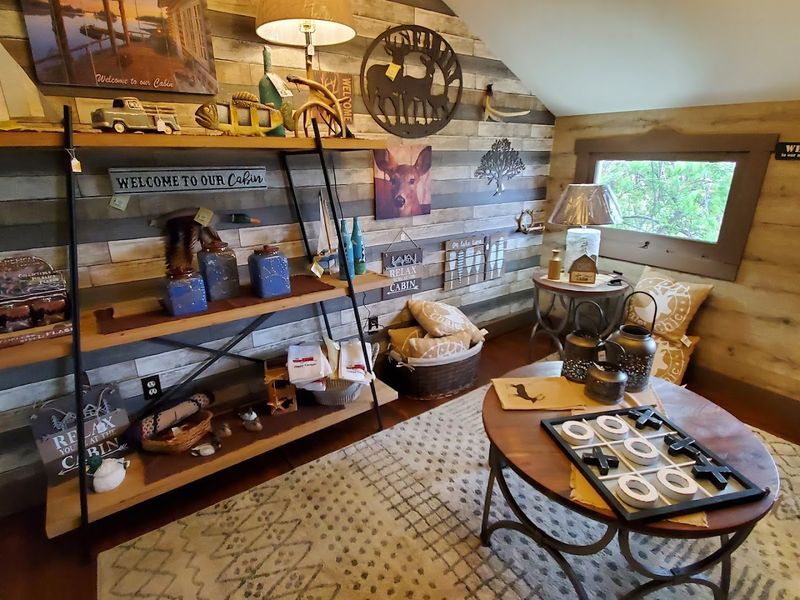
The Farmhouse is best handled slowly, because five levels of home furnishings can become visual static if you rush. This refurbished 1904 house is known for handcrafted wood furniture and accent pieces, but its real charm lies in moving room by room as the house reveals itself.
A chair, lamp, cabinet, or table often reads differently when framed by old trim and domestic corners.
Start at a comfortable pace and let the house shape your route. Instead of hunting for one item, pay attention to combinations and scale, especially if you are thinking about your own rooms at home.
The Farmhouse works well when you treat it like a layered interior conversation rather than a warehouse of disconnected inventory.
Use The Barn As Your Orientation Point
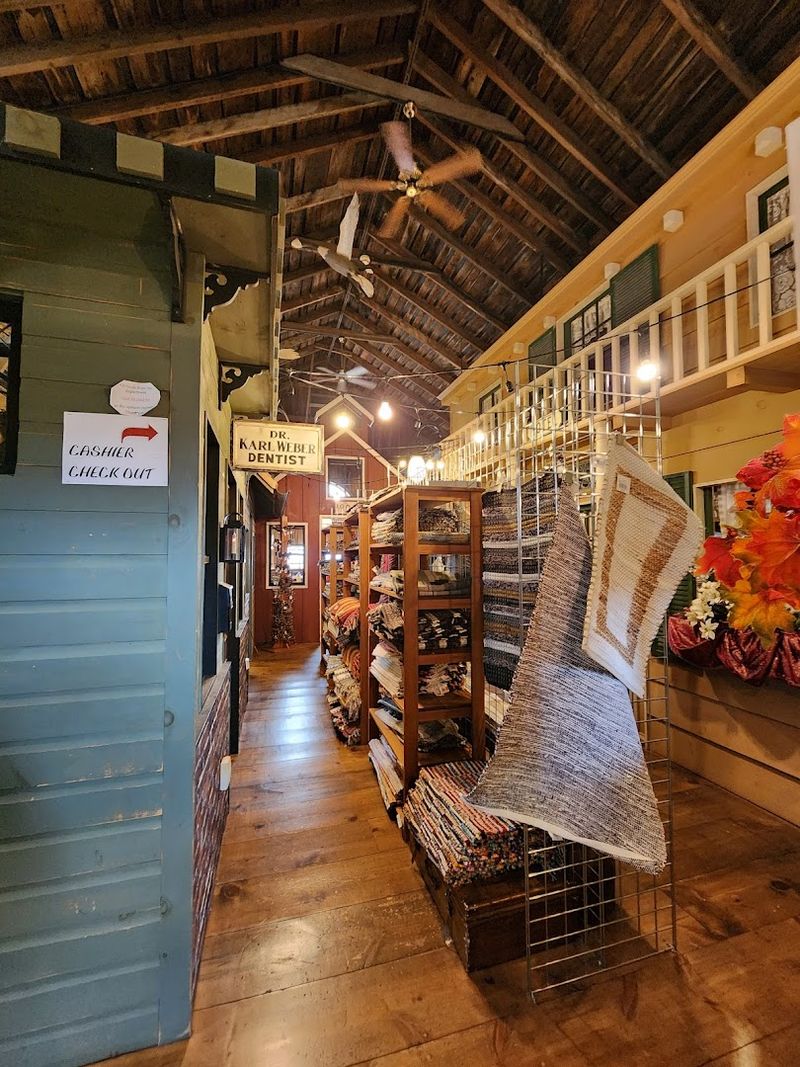
The Barn is the practical center of gravity, and using it that way makes the visit easier. This remodeled barn contains four distinct shops: The Design Center, The Deli, the General Store, and Gifts to Go, so it naturally becomes the place where senses, decisions, and shopping bags start to accumulate.
There is a lot happening, but the variety is organized rather than chaotic.
If you feel overwhelmed on arrival, head here early and let the building introduce the range of the property. You can sample the decorative side, the food side, and the gift side without committing to a full circuit yet.
Once you understand the Barn, the rest of the village feels connected instead of sprawling in every direction.
Browse The General Store With A Curious Nose
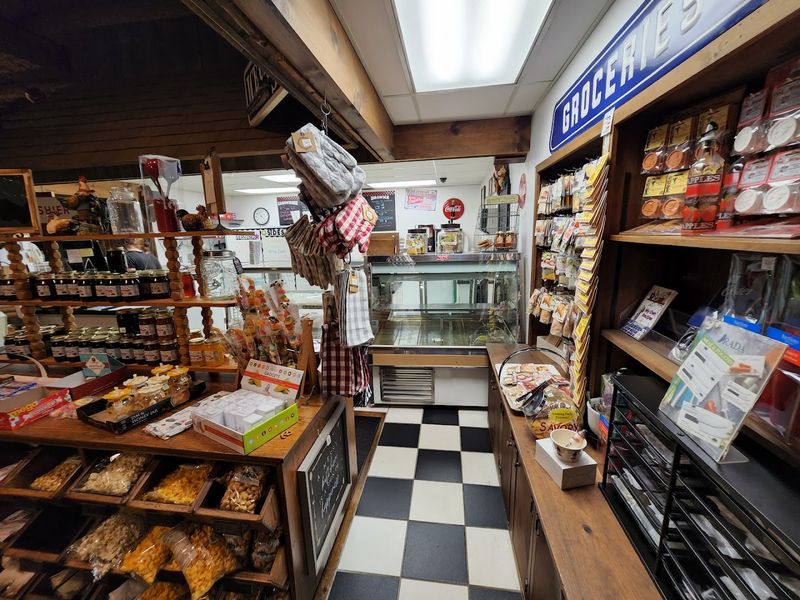
The General Store is where the village leans most playfully into appetite and nostalgia without feeling forced. Shelves hold gourmet coffee beans, teas, dip mixes, jams, old-fashioned treats, cookbooks, and kitchenware, so the browsing experience is partly visual and partly aromatic.
That mix gives the room an energy that is different from the furniture spaces and easier to enjoy in short bursts.
I would not save this section for the end, because scent is part of the memory here. If you arrive early enough, it sharpens your sense of the place and can also help you decide whether you want to return later with a more targeted list.
It feels especially strong for gift hunting when you want practical items with personality.
Plan A Pause At The Deli
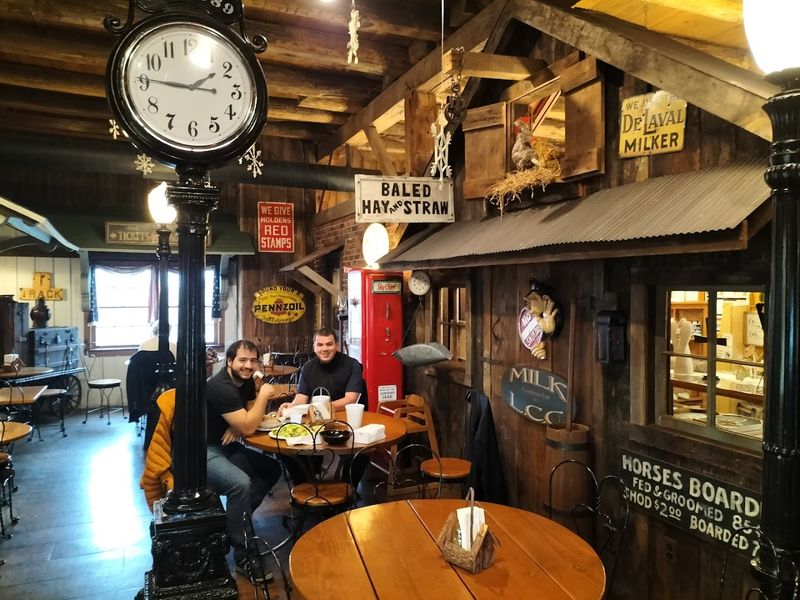
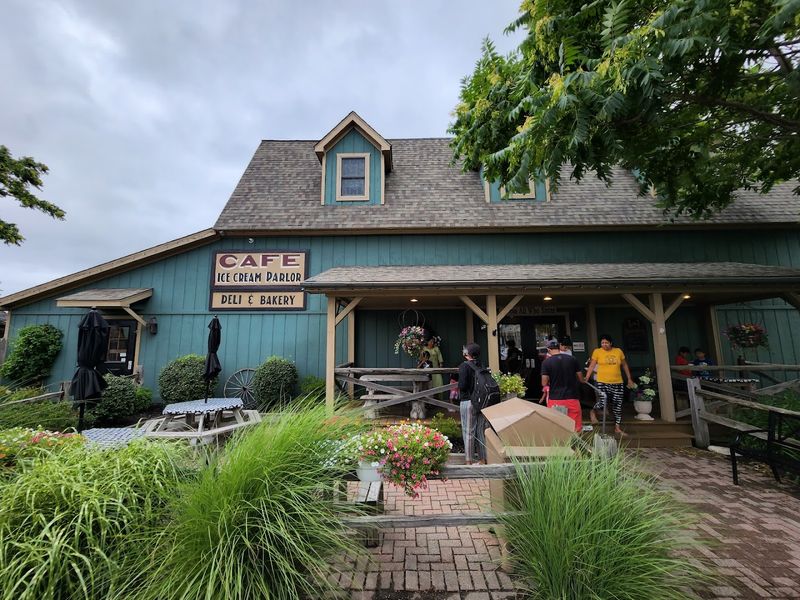
Retail villages can become oddly tiring, and the deli solves that problem better than a hurried snack in the car ever could. Located in the Barn, The Deli serves soups, sandwiches, baked goods, and ice cream, which gives the property an actual midpoint rather than a decorative food counter.
That practical detail matters if you want to stay long enough to see the whole place.
A pause here resets your attention and keeps the later rooms from blurring together. Try to time your meal before you hit your saturation point, not after, because the village rewards fresh eyes.
Having food on site also makes Pride and Country Village feel less like a sequence of transactions and more like an afternoon destination with its own rhythm.
Save Room For The Schoolhouse Boutique
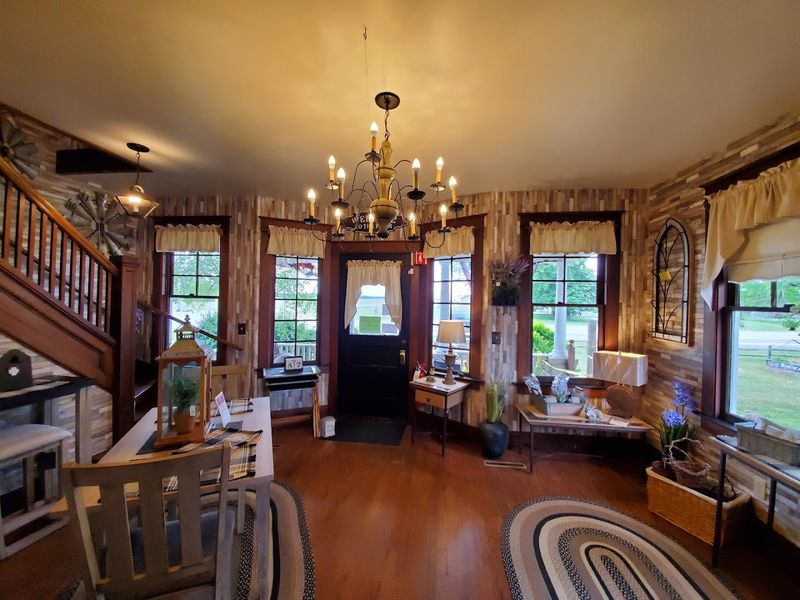
The Schoolhouse Fashion Boutique shifts the mood in a smart way, which is why I would not skip it even if clothing is not your main goal. Housed in an 1899 schoolhouse, it carries women’s fashions and accessories including purses, wallets, scarves, hats, jewelry, clothing, soaps, and lotions.
The building itself helps the merchandise feel edited instead of overpacked.
After furniture and pantry goods, this space changes the visual register and keeps the village from becoming one-note. It also offers some of the easiest gift browsing, because accessories tend to be less commitment-heavy than larger home pieces.
Move through it with the same patience you would give the farmhouse, since the schoolhouse atmosphere is part of what makes the stop memorable.
Time Your Visit Around The Seasons
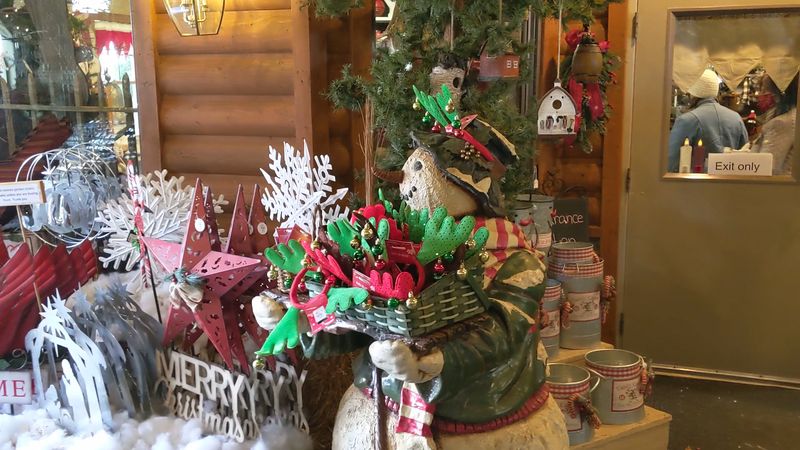
The Mill gives the village one of its strongest repeat-visit arguments because it changes with the calendar. This seasonal shop rotates through Christmas, spring florals, summer, and Halloween decor, so the atmosphere can feel notably different depending on when you show up.
That built-in variety keeps the experience fresh without requiring the property to reinvent its identity each time.
I like places that admit seasonality instead of pretending every month should look the same. Here, the shifts feel intentional and suited to the overall village character, not merely promotional.
If you are choosing between dates, think about what kind of visual mood you want most, then plan accordingly, because The Mill can subtly influence the tone of your entire visit.
Don’t Miss The Outdoor Pieces In Warm Weather
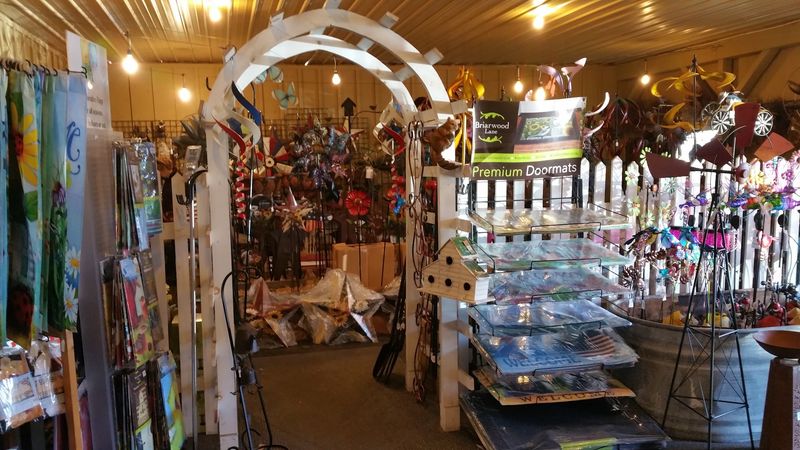
Warm-weather visits open another chapter of the property through Tumbleweed Farms, the outdoor garden center. Operating seasonally from Memorial Day through Labor Day, it features lawn and garden decor among authentic farm buildings relocated from local farms, which extends the village idea beyond interiors.
The outdoor setting adds air, scale, and a useful break from enclosed browsing.
This section is especially appealing if you pay attention to landscaping details and how display environments shape taste. Garden pieces can read differently outdoors, where wind, texture, and spacing give them context that indoor aisles cannot provide.
If your schedule allows, visit in the growing season so you can experience the site as both a shopping village and a worked outdoor environment.
Notice The Craft Story In The Woodshop
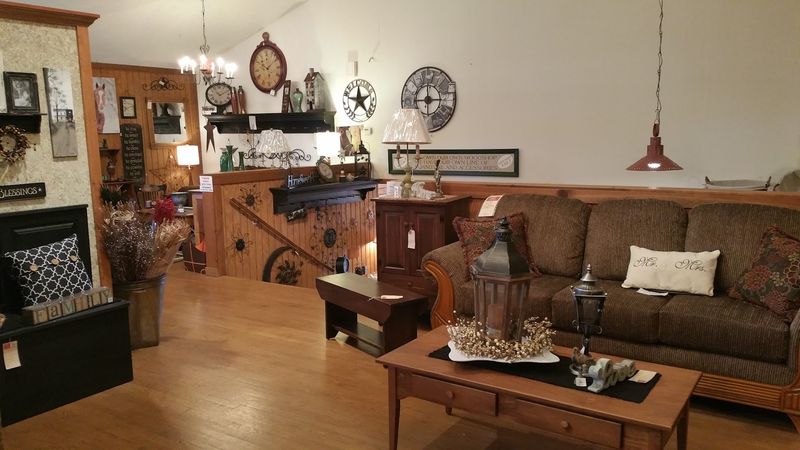
One detail that deepens the credibility of Pride and Country Village is The Woodshop. It manufactures its own line of handcrafted wood furniture and accent pieces and also offers custom building services, which means at least part of the village is rooted in making, not simply sourcing.
That distinction gives the furniture areas a stronger sense of purpose and local skill.
When a place sells handcrafted work and also maintains an actual production arm, the conversation around quality becomes more concrete. You are not just looking at a style, but at an ongoing craft practice connected to the property.
Even if you are not ordering custom work, keeping that maker dimension in mind changes how you see tables, cabinets, and wood accents elsewhere on site.
End With The Train, Depot, And Caboose
The most photographed area is easy to understand once you reach it: the 1929 train and depot have genuine scene-stealing charm. Nearby, the 1934 caboose functions seasonally as an ice cream parlor, which turns railroad imagery into something more than a backdrop.
Together they give the village a playful ending point that still fits the broader historic theme.
I would save this area for late in the visit if possible. By then, you have absorbed the interiors, and the train-depot-caboose sequence feels like a visual exhale before heading home.
It also makes practical sense for warmer months, when seasonal openings broaden your options. Few retail destinations understand the value of a strong final image, but this one clearly does.