
9 Florida Towns That Feel Like A Tropical Island Paradise
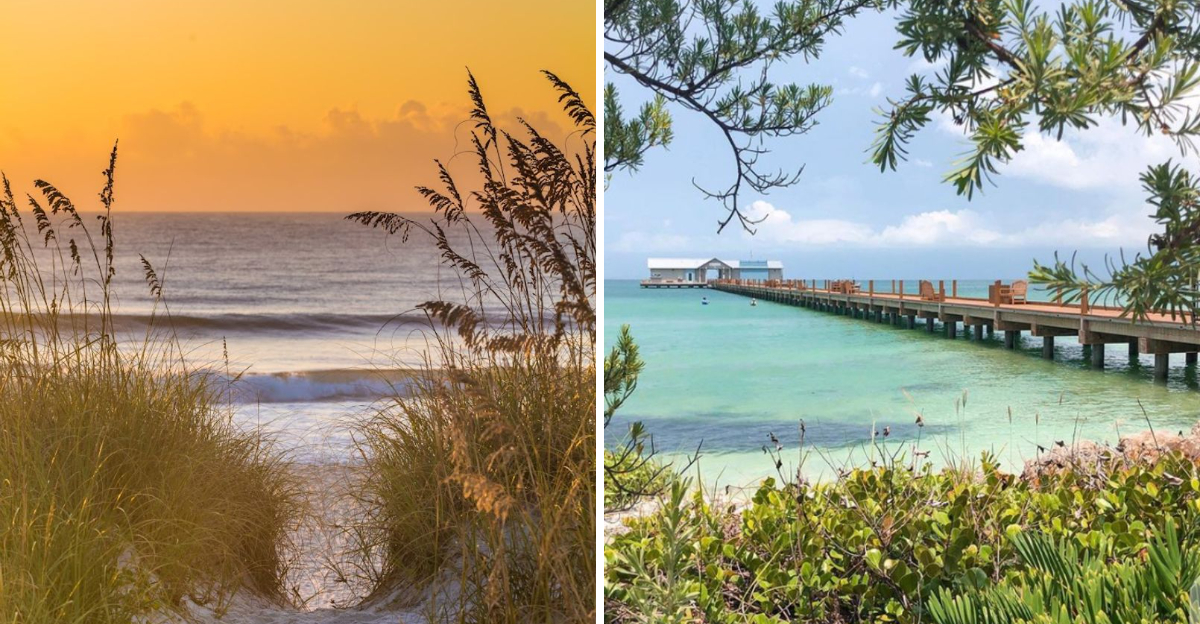
The best island getaway is not always on an island you need a passport to visit.
Florida proves that beautifully.
Beyond the famous beaches and busy resort towns, Florida hides quiet coastal communities where turquoise water, swaying palms, and colorful sunsets create the feeling of a tropical escape. The pace slows down.
Flip-flops replace schedules. And every day seems to revolve around the tide instead of the clock.
That is what makes these places so special.
Florida is filled with destinations that feel worlds away from everyday life. Some are known for sugar-white beaches and crystal-clear water.
Others are loved for charming marinas, fresh seafood, and streets lined with locally owned shops instead of towering hotels. Every town has its own personality, but they all share the same relaxed island spirit.
Forget booking an international flight.
Some of Florida’s most unforgettable tropical escapes are hiding right here along the coast, waiting to make you feel as though you’ve traveled much farther than you actually have.
1. Islamorada
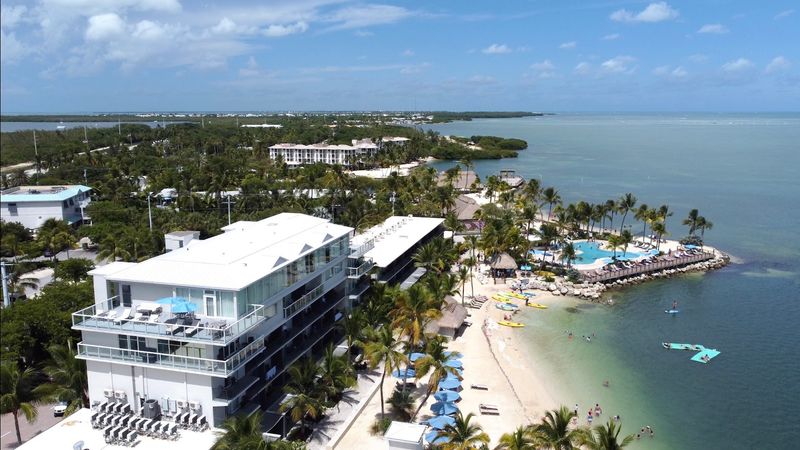
Stretched across several keys in the middle of the Florida Keys chain, Islamorada earned its reputation as the sport fishing capital of the world, and one visit explains why.
Clear water the color of blue raspberry surrounds this collection of islands, creating conditions that draw anglers chasing tarpon, bonefish, and sailfish year-round.
Beyond the fishing charters docked at marinas along the Overseas Highway, you’ll find beaches like Anne’s Beach where shallow water extends far from shore, perfect for wading while searching for sea stars and small fish.
Theater of the Sea sits right in Islamorada at 84721 Overseas Hwy, offering dolphin encounters and marine life shows that kids remember for years.
Robbie’s Marina became famous for its tarpon feeding experience, where massive silver fish swarm the docks waiting for tourists to toss them baitfish.
Sunset views here rival anything in the Caribbean, with the sun melting into the Gulf of Mexico while casting pink and orange across the water.
Local restaurants serve fresh catch prepared simply, letting the quality of the seafood speak louder than fancy preparations.
The tropical atmosphere feels authentic rather than manufactured, making every moment feel like you’ve truly escaped to island time.
2. Key West
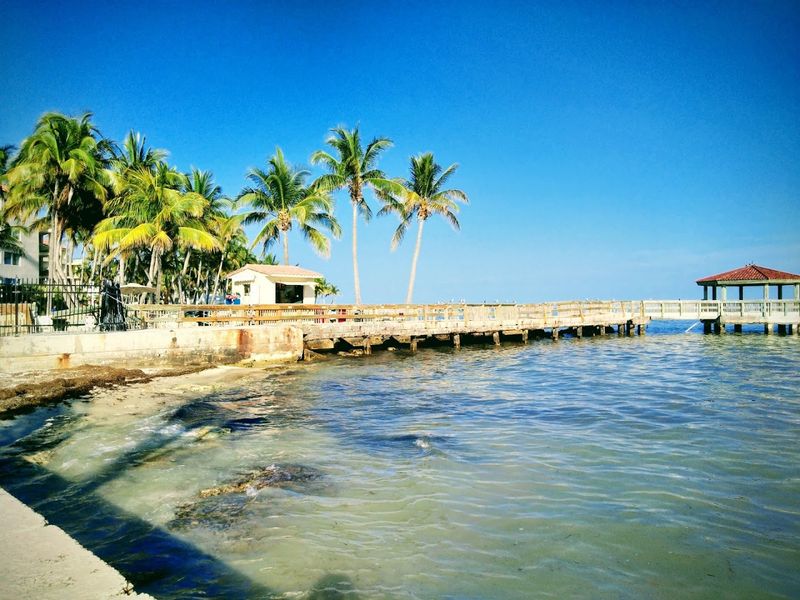
Sitting at the southernmost point of the continental United States, Key West blends island culture with quirky charm in ways that feel more Caribbean than American.
Historic Conch houses painted in pastels line streets where chickens roam freely, creating scenes that belong on postcards.
Duval Street runs through the heart of town, packed with shops, galleries, and restaurants that stay busy from breakfast through late evening.
The island’s connection to Ernest Hemingway remains strong, with his former home at 907 Whitehead St now a museum where six-toed cats descended from his original pets still prowl the property.
Mallory Square transforms into a nightly celebration at sunset, with street performers, artists, and musicians entertaining crowds gathered to watch the sun disappear into the Gulf.
Fort Zachary Taylor State Park offers the best beach on the island, where calm water and coral rocks create excellent snorkeling conditions just steps from the sand.
Bike rentals make exploring easy, since the entire island spans only about four miles from end to end.
Key West manages to feel both touristy and authentic simultaneously, offering something different with each visit while maintaining that unmistakable island energy.
3. Anna Maria
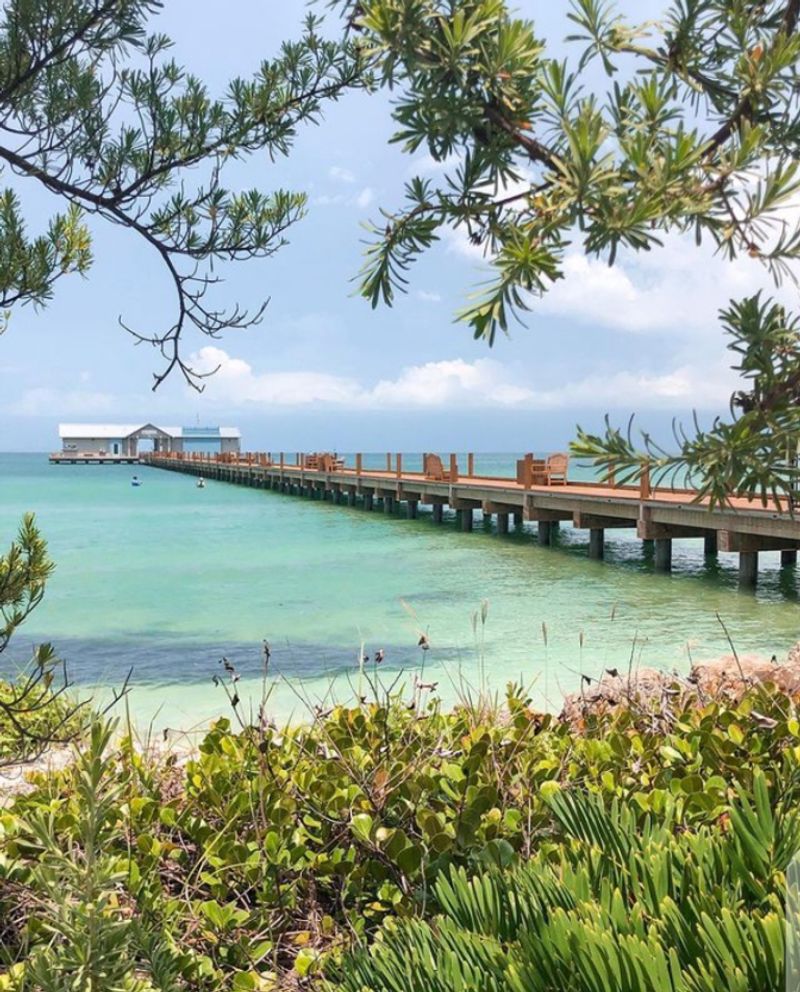
Perched at the northern tip of a seven-mile barrier island on Florida’s Gulf Coast, Anna Maria keeps things refreshingly simple and wonderfully slow-paced.
The town banned high-rise development decades ago, preserving the small beach village atmosphere that makes it feel frozen in a better era.
Bean Point sits at 100 N Bay Blvd, where Tampa Bay meets the Gulf of Mexico, creating a natural beach perfect for watching dolphins play in the waves.
Pine Avenue serves as the main street, lined with locally-owned shops, cafes, and ice cream parlors that could have been lifted straight from a 1950s postcard.
The Rod and Reel Pier extends into the Gulf, offering fishing opportunities and stunning sunset views that draw photographers and romantics alike.
White sand beaches stretch along the entire western shore, soft as powder and rarely crowded even during peak season.
Golf carts and bicycles outnumber cars here, with many visitors renting them for the week rather than driving their vehicles around the small island.
Old Florida charm survives in Anna Maria without feeling forced or manufactured, making it the perfect spot for families seeking genuine tropical relaxation without resort-style commercialization.
4. Cedar Key
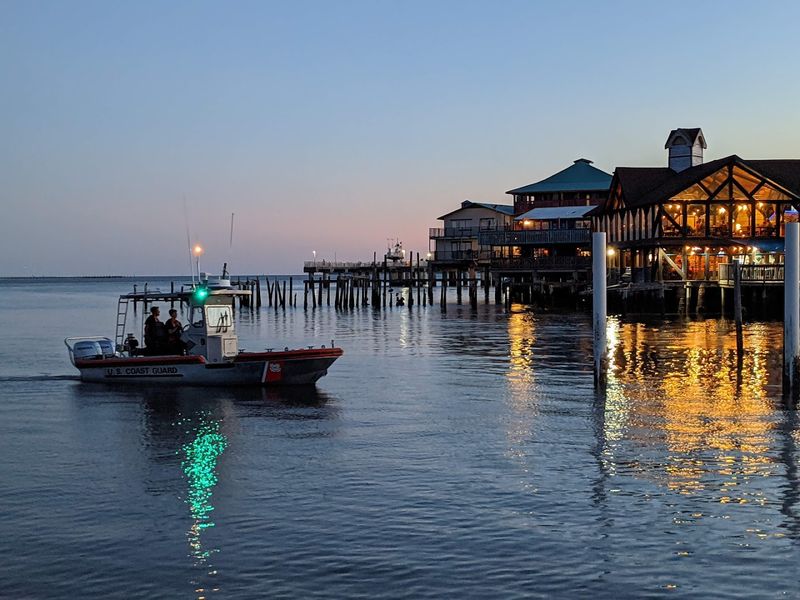
Tucked away on Florida’s Nature Coast, Cedar Key feels like it exists in its own timeline, where commercial fishing still matters more than tourism dollars.
This cluster of small islands sits about three miles offshore, connected by a single causeway that keeps the crowds manageable and the atmosphere genuine.
Downtown centers around 2nd Street near Dock Street, where weathered buildings house art galleries, seafood shacks, and shops selling handmade goods from local craftspeople.
The town’s history as a major pencil manufacturing center in the 1800s left behind interesting architecture and stories that locals love sharing.
Kayaking through the surrounding salt marshes reveals an ecosystem teeming with birds, manatees, and dolphins navigating the shallow channels between mangrove islands.
Cedar Key’s beaches differ from typical Florida sand, featuring more shells and sea grass, creating excellent conditions for finding sand dollars and unique specimens.
Fresh clams harvested from nearby waters dominate restaurant menus, prepared in ways that highlight their sweet, briny flavor.
Sunset celebrations happen naturally here, with visitors and residents gathering along the waterfront to watch the sky ignite in colors reflected perfectly on the calm Gulf water.
The island pace forces you to slow down whether you planned to or not.
5. Captiva

Connected to Sanibel by a small bridge, Captiva takes the island experience up another notch with even more seclusion and natural beauty.
The island curves like a hook, creating beaches that face different directions and catch shells washed in by Gulf currents that made this area famous among collectors.
Andy Rosse Lane near 11513 serves as the main commercial area, a short stretch packed with restaurants, shops, and galleries that maintain the island’s upscale but casual vibe.
The Bubble Room restaurant became a Captiva institution, decorated with thousands of vintage toys and serving enormous portions of comfort food in a setting that defies description.
Beach access comes easy here, with multiple public spots offering parking and paths through the dunes to sand that stays remarkably uncrowded.
Captiva sunsets have inspired countless paintings and photographs, with the sun appearing to sink directly into the Gulf while painting the clouds in impossible shades of purple and gold.
Shelling remains the top activity, with serious collectors arriving at dawn to search the tide line for rare specimens brought in overnight.
The island maintains strict lighting ordinances to protect sea turtle nesting, creating incredibly dark nights perfect for stargazing.
Captiva proves that paradise doesn’t need to be complicated or overdeveloped to be perfect.
6. Sanibel

Shaped like a fishhook extending into the Gulf of Mexico, Sanibel Island catches shells like nowhere else in Florida, creating beaches that crunch softly underfoot.
The island’s east-west orientation means it acts like a natural net for shells carried by Gulf currents, depositing treasures that draw collectors obsessed with finding rare specimens.
J.N. Ding Darling National Wildlife Refuge covers over 6,400 acres at 1 Wildlife Dr, offering driving and paddling trails through mangrove forests where roseate spoonbills and alligators share the ecosystem.
The historic Sanibel Lighthouse stands at the island’s eastern tip near 112 Periwinkle Way, marking the spot where many visitors begin their shell-hunting adventures.
Bike paths crisscross the entire island, creating a network that lets you pedal from beach to shops to nature preserves without ever getting in a car.
Strict building codes limit structure heights and preserve natural vegetation, keeping Sanibel feeling more like a nature preserve than a resort destination.
Bailey-Matthews National Shell Museum celebrates the island’s shelling culture with exhibits explaining how these calcium treasures form and wash ashore.
Restaurants focus on fresh Gulf seafood prepared simply, letting the quality ingredients shine without unnecessary fuss.
Sanibel manages to feel both developed and wild simultaneously, offering comfort without sacrificing the natural beauty that makes it special.
7. Matlacha
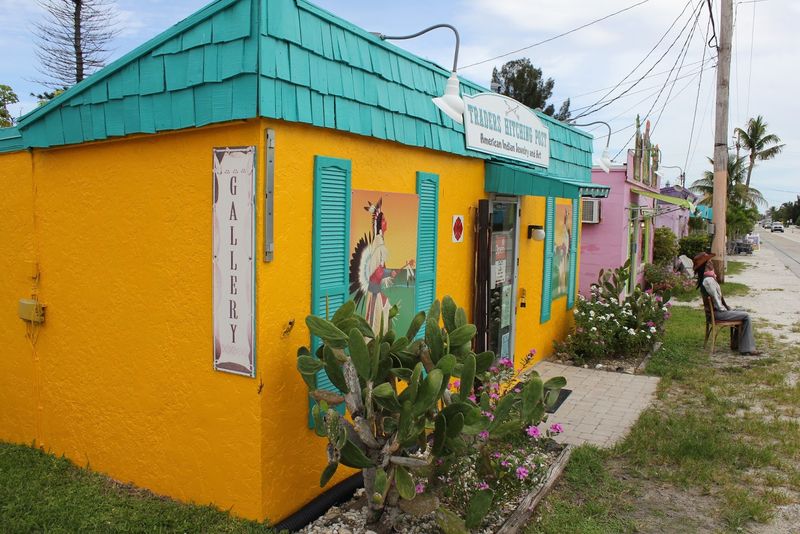
This tiny fishing village explodes with color, every building painted in vibrant hues that make the entire town feel like a living art installation.
Matlacha sits on Pine Island Road, a narrow strip of land connecting Pine Island to the mainland, creating a unique geography where water surrounds you on both sides.
Art galleries outnumber restaurants here, with local artists displaying everything from painted fish sculptures to handmade jewelry inspired by the surrounding waters.
The Matlacha Bridge provides a dramatic entrance, rising high enough to let boats pass underneath while offering views across Pine Island Sound that reveal why people fall in love with this area.
Fishing guides operate from docks scattered along the main road, taking clients into the backcountry to chase redfish and snook through mangrove tunnels.
Restaurants serve fresh catch with waterfront views, where you can watch dolphins cruise past while you eat grouper sandwiches prepared exactly as they should be.
The town’s quirky personality attracts artists and free spirits who appreciate the authentic Old Florida vibe that hasn’t been polished or commercialized.
Kayak rentals let you explore the surrounding mangrove islands independently, paddling through channels where herons hunt and manatees surface to breathe.
Matlacha proves that paradise doesn’t need to be pristine to be perfect.
8. Boca Grande
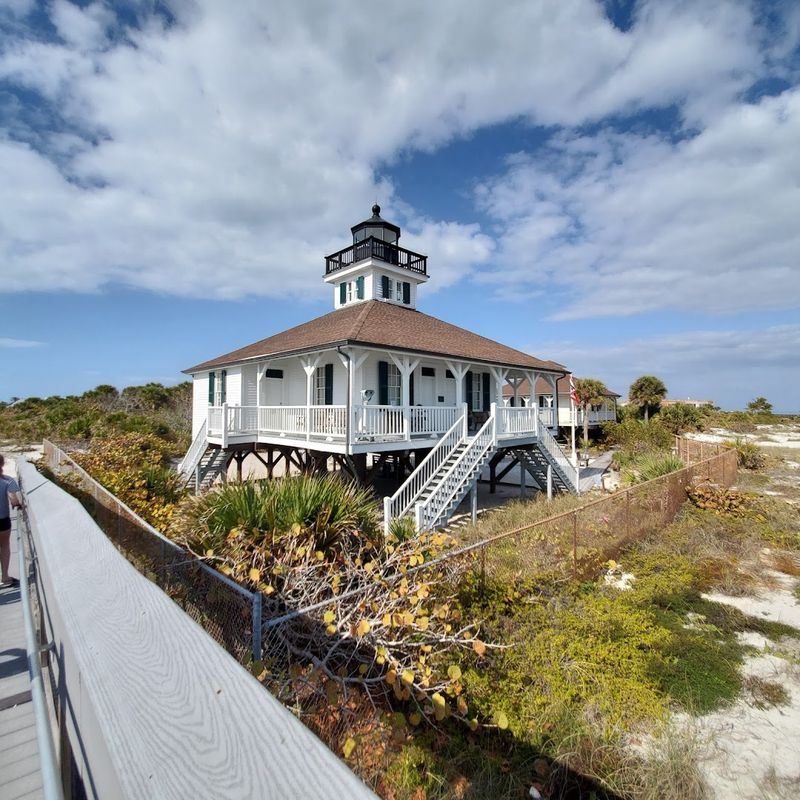
Located on Gasparilla Island along Florida’s Gulf Coast, Boca Grande combines natural beauty with old-money elegance that never feels stuffy or pretentious.
The historic downtown area centers around Park Avenue and Railroad Avenue near 480 E Railroad Ave, where boutiques and restaurants occupy beautifully preserved buildings.
Boca Grande Beach sits on the island’s Gulf side, offering white sand and clear water that stays calm enough for families with small children to enjoy safely.
Tarpon fishing made this island famous, with massive silver fish migrating through Boca Grande Pass each spring and early summer, drawing anglers willing to pay premium prices for a chance at these powerful game fish.
The Gasparilla Island Lighthouse, built in 1890, still stands at the island’s southern tip, now serving as a museum and offering panoramic views from its keeper’s quarters.
Bike paths make exploring easy, connecting beaches, shops, and residential areas in a network that encourages pedaling over driving.
The island maintains a quiet sophistication, attracting visitors who appreciate understated luxury and natural beauty over flashy entertainment.
Shelling along the beaches reveals treasures carried in by Gulf currents, though the real treasure might be the peaceful atmosphere that makes stress evaporate.
Boca Grande feels like a well-kept secret that somehow remains accessible to everyone.
9. Fernandina Beach
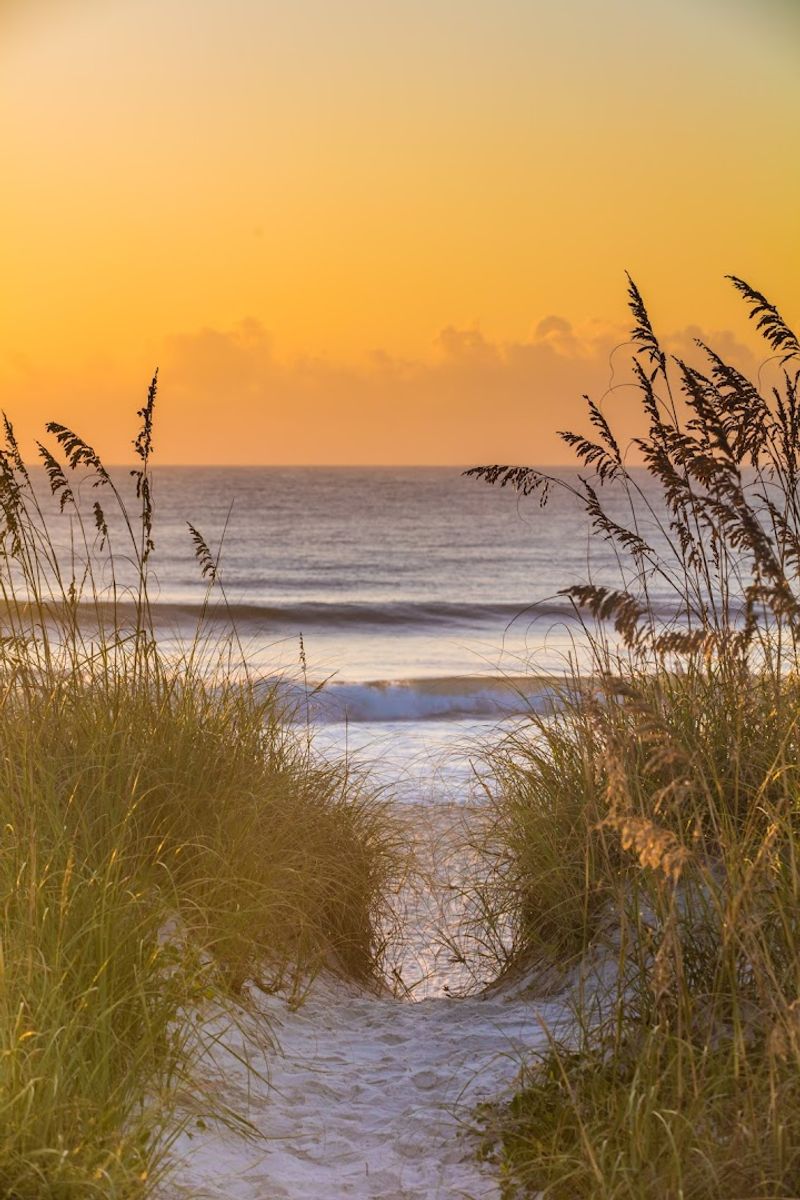
Sitting on Amelia Island at Florida’s northeastern corner, Fernandina Beach blends Victorian charm with tropical beaches in ways that create something uniquely appealing.
The historic downtown district along Centre Street near 102 Centre St features brick streets, gas lamps, and beautifully restored buildings housing shops and restaurants that maintain the area’s 19th-century character.
Fort Clinch State Park occupies the island’s northern tip, where a Civil War-era fort remains remarkably intact and costumed rangers demonstrate period military life on weekends.
Beaches here differ from those further south, with darker sand and Atlantic waves that attract surfers during the right conditions.
The island’s salt marshes create golden landscapes at sunset, with winding waterways perfect for kayaking among dolphins and wading birds.
Shrimping remains an active industry, with boats departing daily from local docks and restaurants serving the fresh catch in dishes that honor local traditions.
The town’s eight-flag history reflects its past under Spanish, French, British, and American control, creating a cultural richness that shows in the architecture and local stories.
Main Beach offers easy access with ample parking, restrooms, and lifeguards during summer months, making it perfect for families seeking convenience along with tropical beauty.
Fernandina Beach manages to honor its past while embracing its present as a coastal paradise.