
11 Ohio Historic Neighborhoods And Districts Worth Wandering In 2026
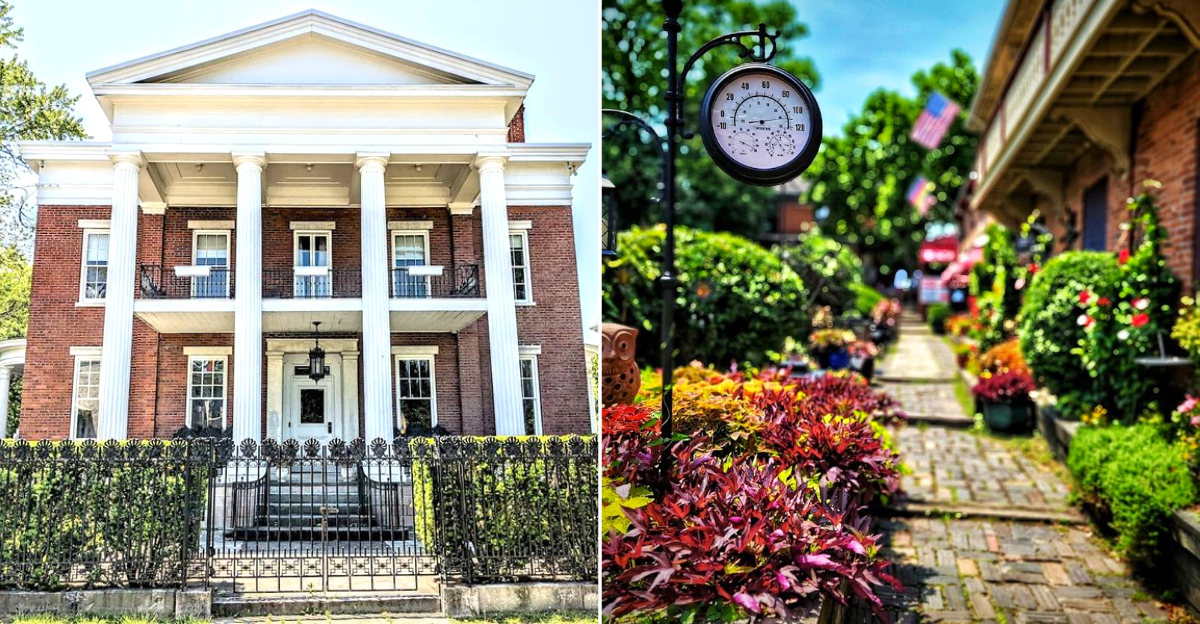
Ohio keeps some of its best history right out in the open, which feels slightly unfair once you realize how easy it was to miss.
You turn one corner and the walk suddenly gets interesting. Brick sidewalks start showing off.
Old storefronts catch the light. A public square looks like it cleared its schedule just for you.
These neighborhoods are built for wandering, not rushing.
They are not dusty history displays with a velvet-rope attitude. People still live here, grab coffee here, browse shops here, and complain about parking here like proper locals.
In these 11 Ohio districts, a simple walk can turn into a small discovery. Show up curious and let the old buildings do their thing.
1. Over-the-Rhine, Cincinnati
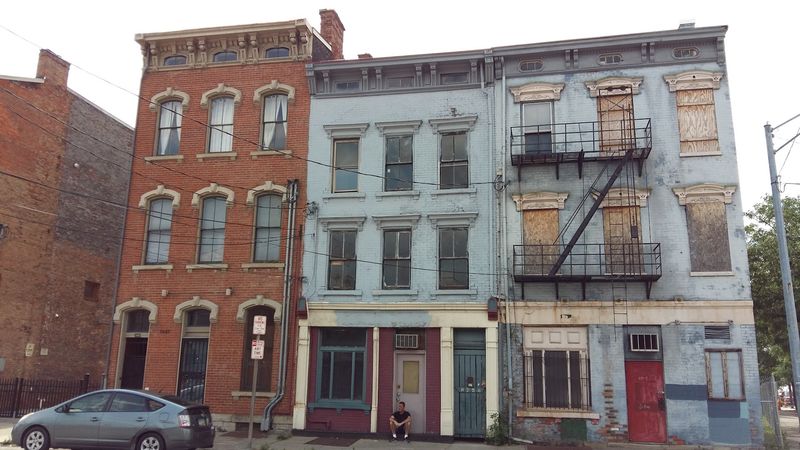
There are neighborhoods that feel like they exist in two time periods at once, and Over-the-Rhine in Cincinnati is exactly that kind of place.
The architecture here is stunning: row after row of Italianate buildings from the mid-1800s that have been carefully restored to their original glory.
Over-the-Rhine is widely considered to have one of the largest concentrations of historic Italianate architecture in the entire United States, which is a fact that tends to make first-time visitors stop and stare.
Findlay Market at 1801 Race Street is the beating heart of the district, one of Ohio’s oldest continuously operating public markets, open since 1852.
On weekends, the market fills with local farmers, artisan food vendors, and crowds of regulars who clearly know exactly what they are doing.
The streets surrounding Findlay Market are lined with independent boutiques, coffee shops, and murals that give the neighborhood a creative, layered energy.
Plan to arrive hungry and with comfortable shoes, because this is a neighborhood that rewards slow exploration more than any quick drive-through ever could.
2. German Village, Columbus
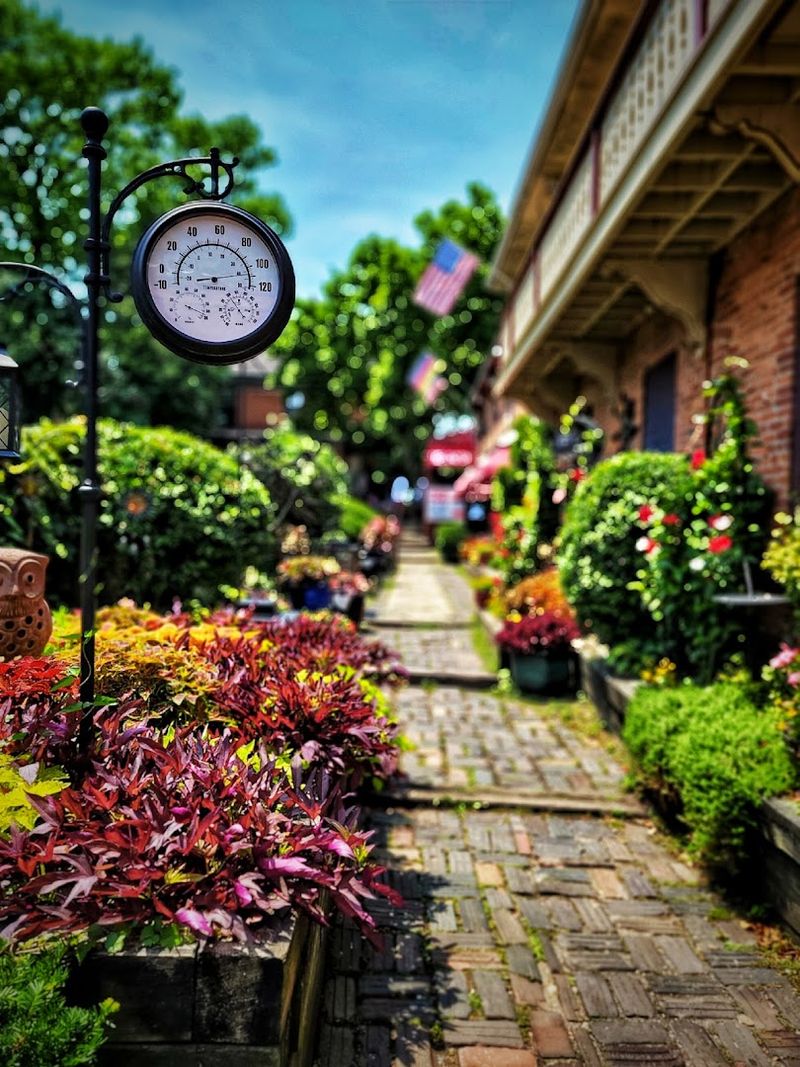
Red brick sidewalks, flower boxes bursting with color, and the smell of fresh bread drifting from a nearby bakery: welcome to German Village in Columbus, Ohio.
This neighborhood sits just south of downtown Columbus and covers about 233 acres of meticulously preserved 19th-century architecture.
German immigrants settled here in the 1800s, and their craftsmanship is still visible in every carefully laid brick and ornate window frame.
The main address most visitors use as a starting point is 588 S Third Street, which puts you right in the heart of things.
The Book Loft, a sprawling independent bookstore spread across 32 rooms inside a historic building, is a must-visit that could easily swallow an entire afternoon.
Schiller Park, tucked right inside the neighborhood, offers a shaded green space perfect for a slow walk or a picnic after exploring the streets.
Spring and fall are the best times to visit, when the foliage frames the brick facades like a painting that somehow keeps getting better the longer you look at it.
3. Ohio City, Cleveland
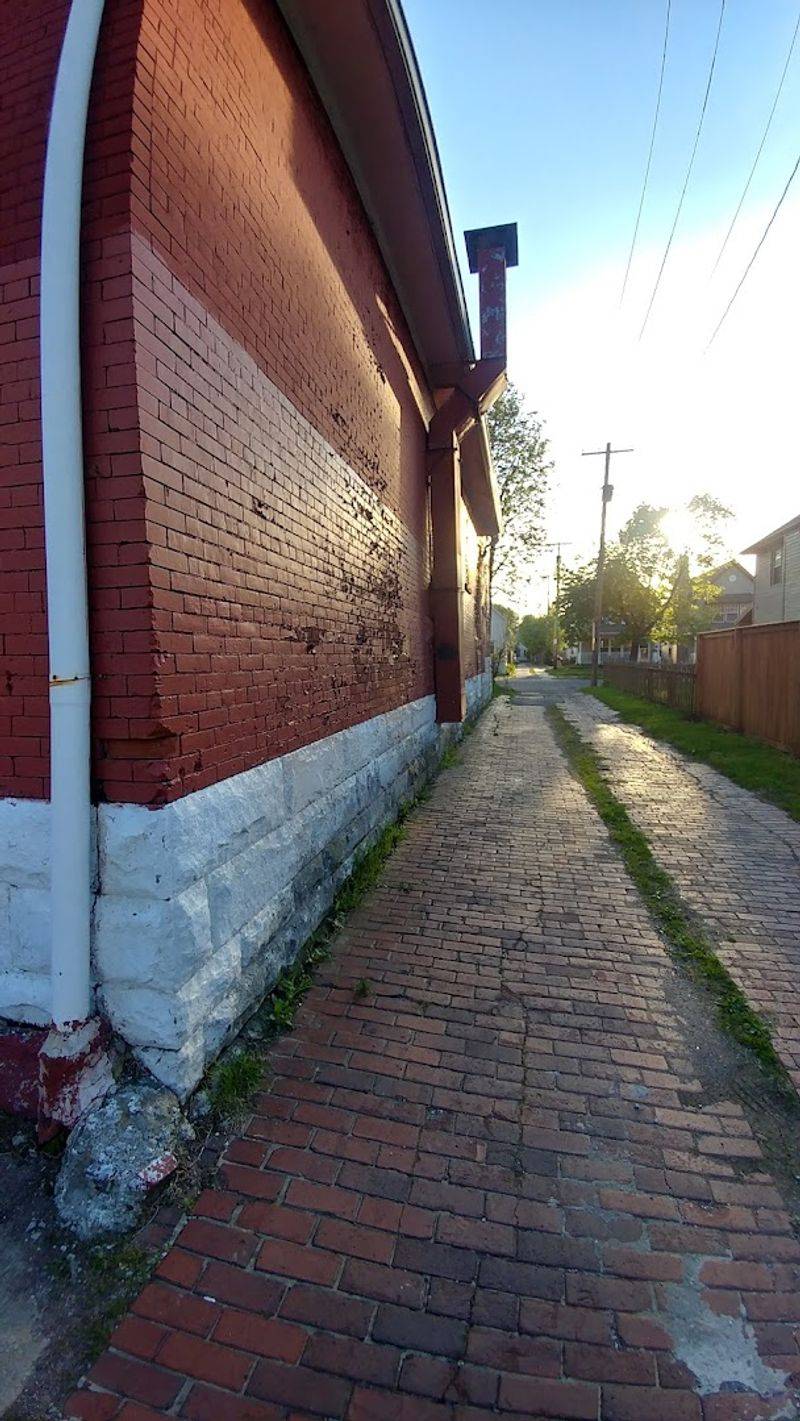
Bold, loud, and full of personality, Ohio City on Cleveland’s west side has been one of the most talked-about neighborhoods in the state for good reason.
The West Side Market at 1979 W 25th Street is the anchor of this community, a stunning Beaux-Arts building that has been serving Clevelanders since 1912.
Inside, dozens of vendors and small businesses sell everything from handmade pierogi and smoked meats to fresh produce and international cheeses, all under a soaring vaulted ceiling that makes the whole experience feel grand.
Beyond the market, Ohio City’s streets are lined with Victorian-era homes, converted warehouses, and a growing number of independent shops that keep the neighborhood feeling alive and local.
The neighborhood sits right across the Cuyahoga River from downtown Cleveland, making it easy to combine with a broader city visit.
Historic churches and century-old storefronts give the blocks a texture that newer developments simply cannot replicate.
Saturday mornings at the market, when the crowds are buzzing and the vendors are at their most enthusiastic, are genuinely one of the most fun ways to spend a few hours in Cleveland.
4. Tremont, Cleveland
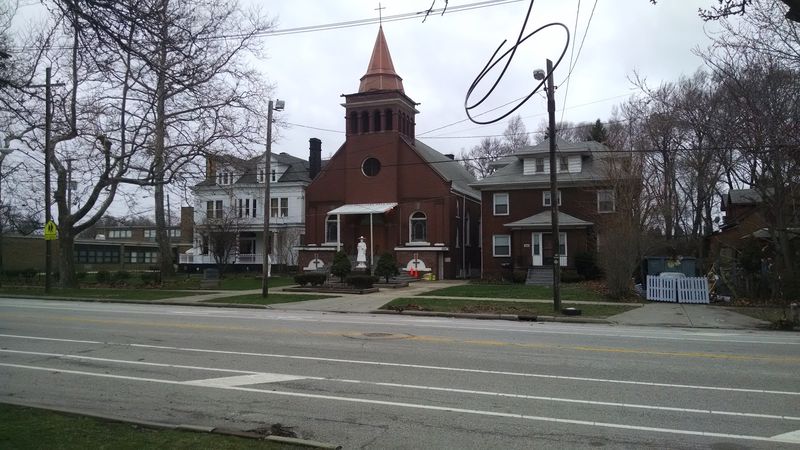
Quietly cool in a way that never tries too hard, Tremont sits on a bluff overlooking the Cuyahoga River valley and downtown Cleveland’s skyline.
Lincoln Park on W 14th Street serves as the neighborhood’s central gathering point, a green rectangle surrounded by historic churches whose spires punctuate the skyline in every direction.
Tremont’s history is layered and fascinating: it was shaped by waves of communities, including Greek, Ukrainian, Puerto Rican, and other residents who left cultural imprints that are still visible today.
The neighborhood became a hub for Cleveland’s arts scene in the 1980s and 1990s, and that creative spirit has never left.
Art galleries, independent studios, and restaurants serving globally inspired food are woven into blocks of restored Victorian and Craftsman homes.
Arts in August, a beloved free outdoor performance series, brings music, dance, theater, and other arts programming to Lincoln Park on summer weekends.
Tremont rewards the kind of visitor who enjoys wandering without a strict agenda, because the best discoveries here tend to happen when you least expect them.
5. Oregon District, Dayton
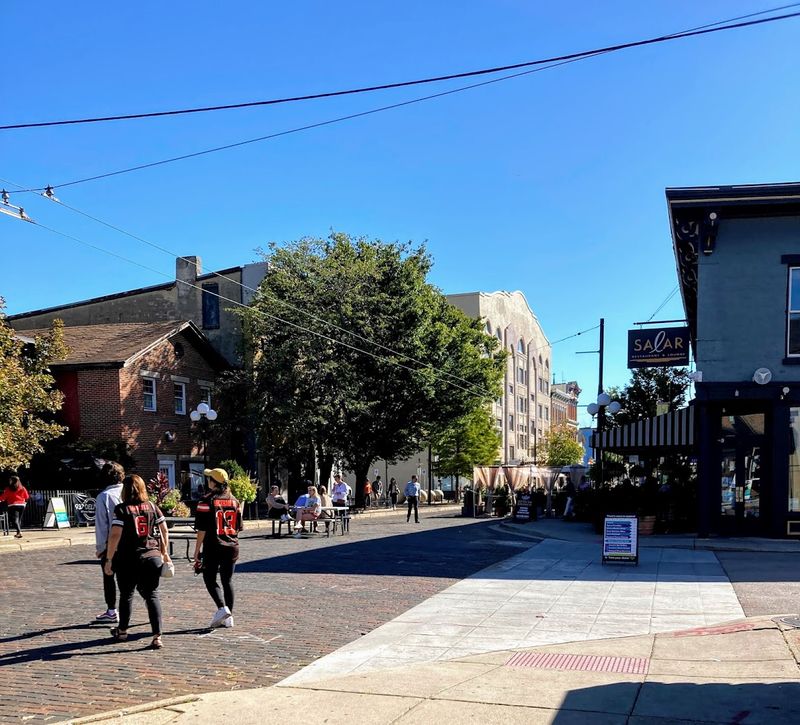
Dayton’s oldest historic neighborhood packs an impressive amount of character into just a few compact, walkable blocks.
The Oregon District runs along East 5th Street and is lined with Victorian-era commercial buildings that house an eclectic mix of antique shops, independent restaurants, and live music venues.
The architecture here dates primarily from the 1840s through the early 1900s, and the preservation standards have kept the streetscape remarkably intact compared to many similar districts across the Midwest.
What makes the Oregon District particularly appealing is how unpretentious it feels: this is a neighborhood where locals actually live and spend time, not just a tourist corridor dressed up in historic clothing.
Independent bookstores, quirky gift shops, and cozy coffee spots are scattered throughout, making it easy to fill a full afternoon without any real plan.
The neighborhood also hosts regular street events and seasonal festivals that bring the community together and give visitors a genuine taste of Dayton’s local culture.
If you arrive on a weekday morning, the quieter pace lets you appreciate the architectural details on every building at your own speed.
6. Old West End, Toledo
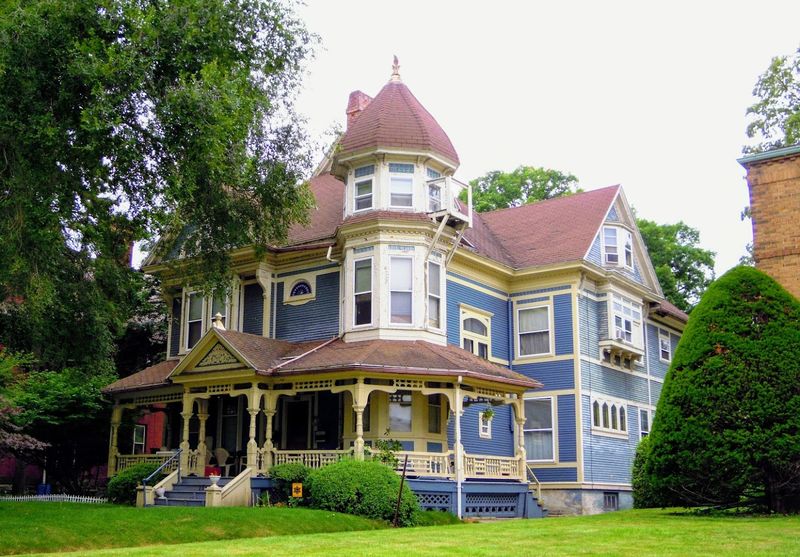
For anyone who has ever admired Victorian architecture, the Old West End in Toledo is the kind of neighborhood that feels almost unreal in the best possible way.
Collingwood Boulevard runs through the heart of the district and is flanked by some of the most impressive late 19th-century mansions you will find anywhere in the Midwest.
The Collingwood Arts Center at 2413 Collingwood Boulevard occupies one of these grand buildings and serves as a creative hub hosting art exhibitions, performances, and community events throughout the year.
The neighborhood was developed primarily between 1870 and 1930, when Toledo’s glass industry was booming and wealthy families competed to build increasingly elaborate homes on these tree-lined streets.
Today, the Old West End is a residential neighborhood where those historic homes are cherished and maintained by a community that clearly takes pride in what it has inherited.
The annual Old West End Festival each June draws thousands of visitors for home tours, live entertainment, and a chance to step inside buildings that are usually only admired from the sidewalk.
7. Hudson Historic District, Hudson
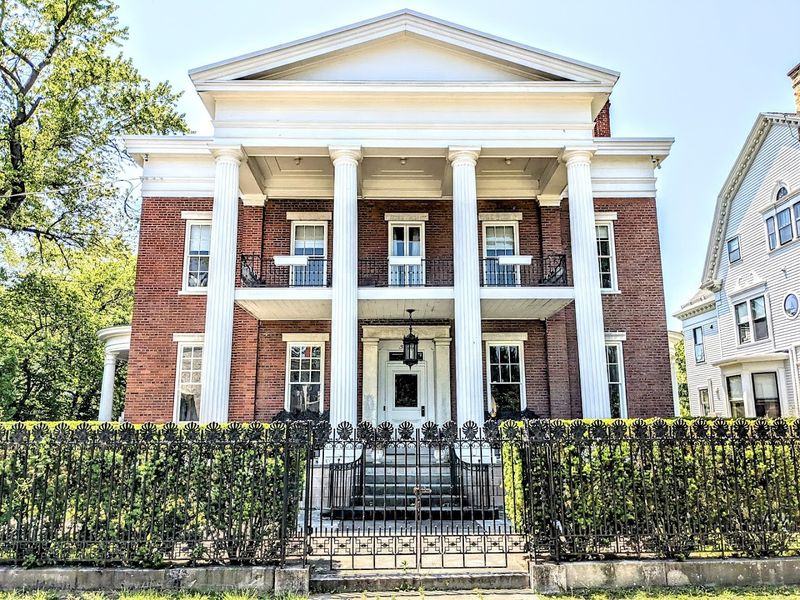
Stepping into downtown Hudson feels a bit like someone pressed pause on the 19th century and forgot to press play again, and that is entirely a compliment.
The Hudson Historic District is centered around one of the most remarkably intact New England-style town squares in the entire state of Ohio.
Hudson Town Hall at 27 E Main Street anchors the district with its classic white-columned facade, and the surrounding blocks are filled with carefully preserved Federal and Greek Revival buildings from the early 1800s.
Hudson was founded in 1799 by settlers from Connecticut, which explains why the town’s layout and architecture look more like a Vermont village than a typical Ohio downtown.
Western Reserve Academy, a prestigious prep school with roots going back to 1826, adds an academic elegance to the neighborhood’s already refined atmosphere.
The shops and restaurants along Main Street are locally owned and low-key, which keeps the area feeling authentic rather than overly polished for tourism.
Fall is the prime season to visit, when the mature maples along the green explode into color and the whole square looks like a scene from a postcard nobody could resist sending.
8. Medina Public Square Historic District, Medina
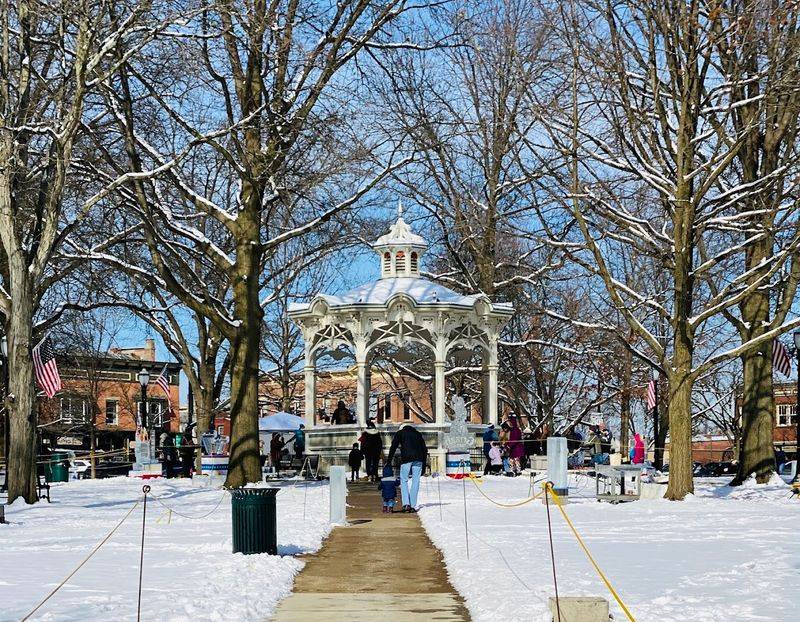
Not every great historic district announces itself loudly, and Medina’s Public Square is proof that quiet confidence can be just as compelling as a big-city spectacle.
The Medina Public Square Historic District surrounds a central green that has been the social and commercial heart of the community since the town was platted in 1818.
The square is flanked by a remarkably well-preserved collection of Victorian commercial buildings, many of which still house the kind of small independent businesses that give a downtown its soul.
The main address for the district sits at 39 Public Square, Suite 305, Medina, and the square itself is compact enough to explore thoroughly on foot in a relaxed morning.
Medina is particularly famous for its holiday decorations: the square transforms into one of the most photographed Christmas scenes in northeastern Ohio each December, drawing visitors from across the region.
Antique shops, specialty food stores, and a handful of well-regarded local restaurants ring the square and spill into the surrounding side streets.
The gazebo at the center of the green is a favorite spot for community events, outdoor concerts, and the kind of slow Saturday afternoons that remind you why small-town Ohio still matters.
9. Chagrin Falls Historic District, Chagrin Falls
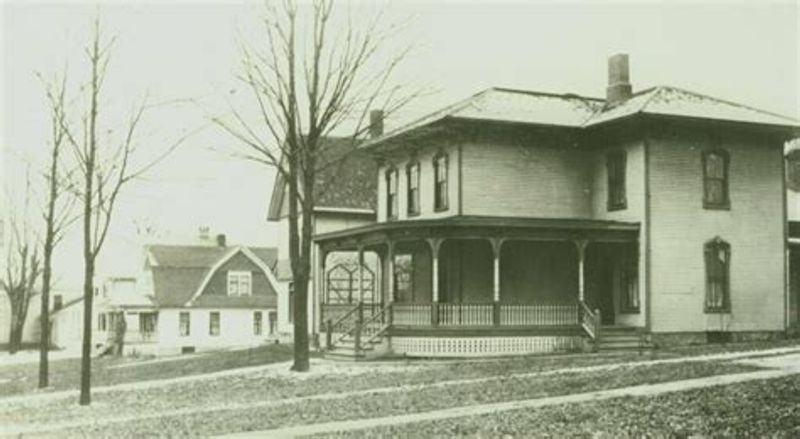
There is a waterfall in the middle of downtown, and somehow that is not even the most charming thing about Chagrin Falls.
The Chagrin Falls Historic District radiates outward from the falls themselves, which tumble right through the center of this small northeastern Ohio town in a way that never gets old no matter how many times you see it.
The Chagrin Falls Township Hall at 83 North Main Street is one of the district’s most recognizable landmarks, a well-preserved structure that anchors the historic core along with a collection of 19th-century commercial buildings.
Main Street is lined with independent boutiques, bookshops, and cozy spots to grab a meal, all set against the backdrop of that ever-present sound of rushing water.
The town has a distinctly New England character, shaped by early settlers from Connecticut who brought their architectural preferences with them when they arrived in the early 1800s.
Popcorn Shop, a local institution that has operated near the falls for decades, is a stop that most visitors end up making at least twice during a single visit.
Autumn turns Chagrin Falls into something genuinely spectacular, with the foliage framing the waterfall in shades of orange and red that photographers chase every single year.
10. Granville Historic District, Granville
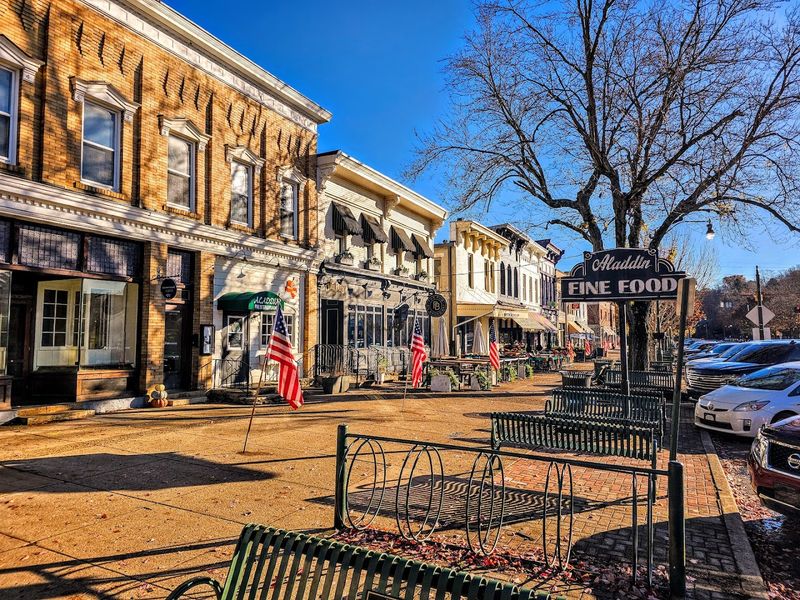
Granville is the kind of small Ohio town that makes you want to slow your car to a crawl the moment you enter the village limits, just to make sure you do not miss anything.
The Granville Historic District stretches along East Broadway and the surrounding streets, showcasing a concentrated collection of Federal, Greek Revival, and Victorian architecture that has been carefully maintained for generations.
The Granville Historical Society Museum at 115 East Broadway is an excellent first stop, offering context and local history that makes the subsequent walk through the district considerably richer.
Denison University, founded in 1831, sits on a hill above the village and contributes a steady intellectual energy to the community that you can feel even during a short visit.
The downtown is filled with locally owned shops, a beloved old-fashioned hardware store, and a handful of restaurants that reflect the community’s appreciation for quality over flash.
The village green and the surrounding residential streets feature some of the most intact examples of early 19th-century domestic architecture in central Ohio.
Granville rewards repeat visits because the slower you move through it, the more you notice, and there is always something new hiding in plain sight.
11. Marietta Historic District, Marietta
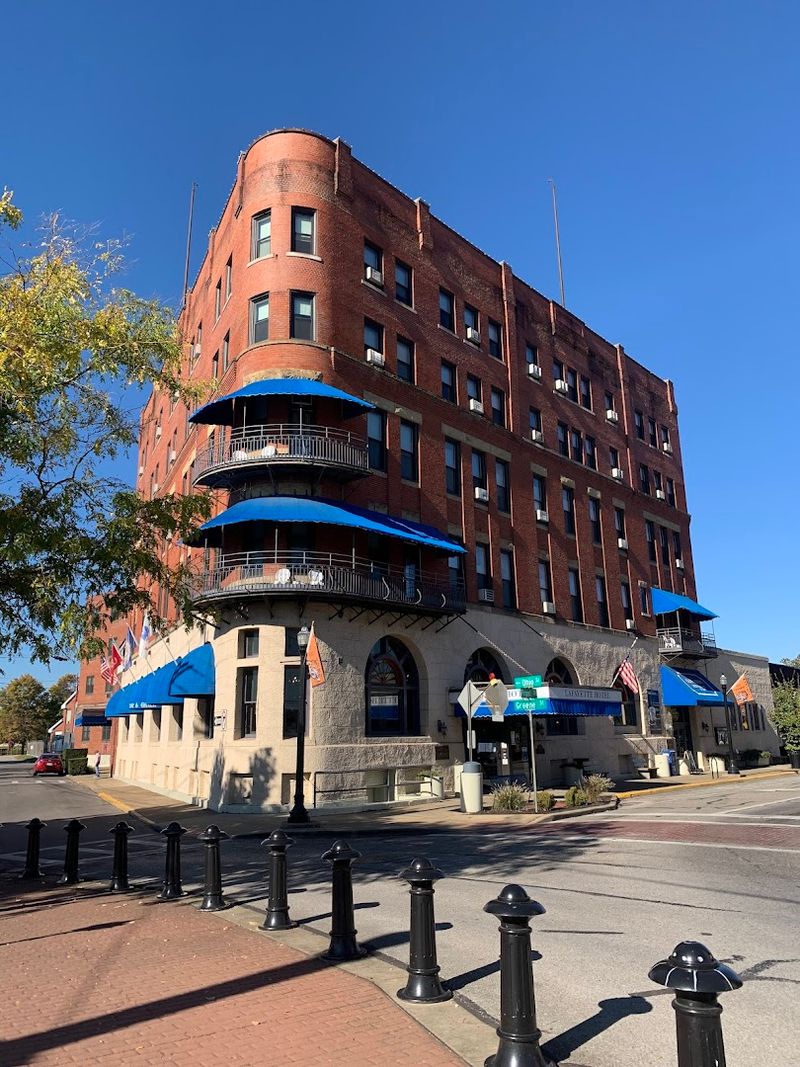
Founded in 1788, Marietta holds the distinction of being the first permanent American settlement in the Northwest Territory, and the historic district wears that legacy with considerable pride.
The Marietta-Washington County CVB at 241 Front Street, Suite 7, is a great place to pick up a walking map before heading out to explore a downtown that genuinely rewards careful attention.
Front Street runs along the Muskingum River near its confluence with the Ohio River, and the riverfront setting gives Marietta a scenic backdrop that few Ohio historic districts can match.
The streets are lined with Federal and Greek Revival buildings from the late 18th and early 19th centuries, many of which are still in active commercial use.
The Campus Martius Museum is a highlight that connects visitors directly to the early settlement story, with exhibits on Campus Martius, the Ohio Company Land Office, and the Rufus Putnam House.
Harmar Village, just across the Muskingum River via a pedestrian bridge, adds another layer of historic character to an already richly textured visit.
Marietta is the kind of place where history does not feel like a museum exhibit but rather something that is simply woven into the everyday fabric of the town.