
11 Colorado Ghost Towns That Still Feel Frozen In Time
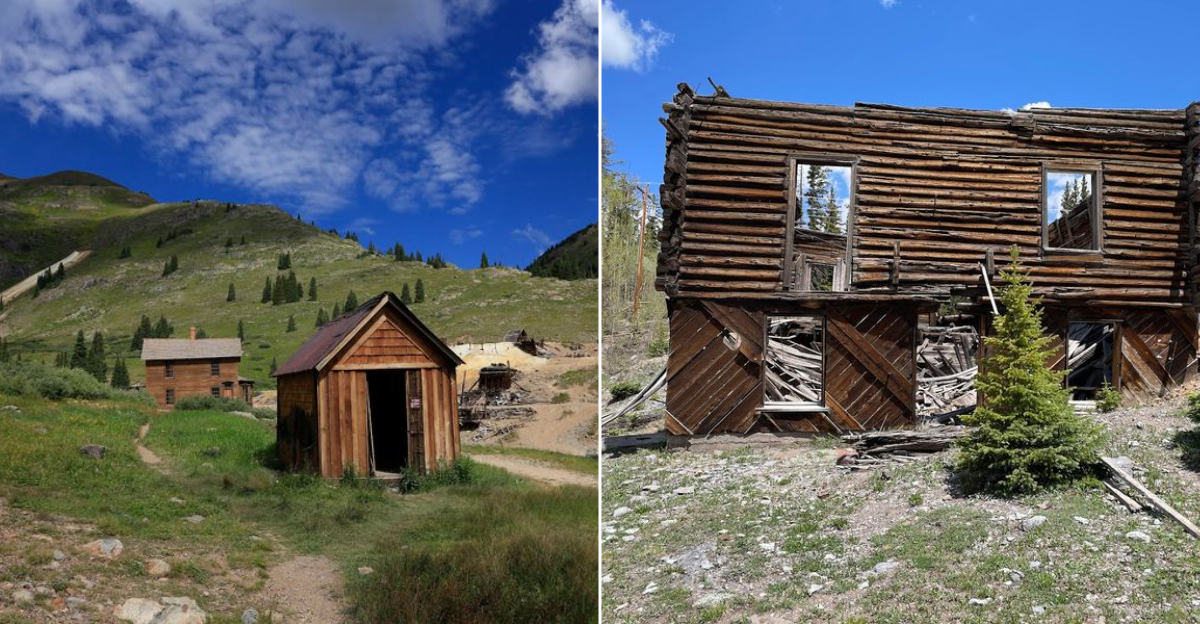
A ghost town is not empty when every broken window still feels like it is keeping a secret. Across Colorado’s backroads, forgotten mining camps and weather-beaten settlements turn a simple drive into something far more atmospheric than another scenic overlook.
These places once rang with pickaxes, piano music, gossip, gold fever, and the wild confidence of people betting everything on a boom that could disappear overnight. Now, the silence does most of the storytelling.
You might find a leaning cabin, a sun-bleached storefront, a lonely schoolhouse, or just enough stonework to make your imagination start rebuilding the whole scene. That is the thrill: nothing is polished for you, so every detail feels earned.
Bring sturdy shoes, a full tank, and respect for what is still standing. The forgotten side of Colorado does not feel staged.
It feels like history paused mid-sentence and left you to finish it.
1. St. Elmo Ghost Town
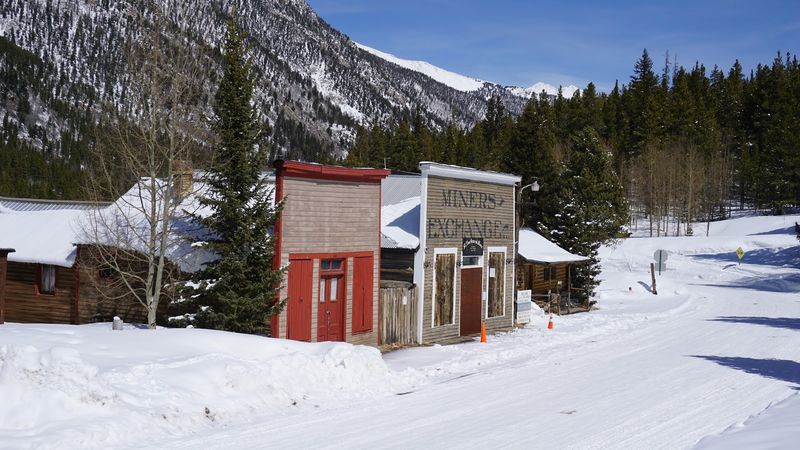
St. Elmo is the kind of place that makes you feel like you accidentally drove through a crack in time. Located at 25865 County Road 162 in Nathrop, Colorado, this is widely considered one of the best-preserved ghost towns in the entire state, and one afternoon here will show you exactly why that reputation sticks.
The original wooden storefronts still stand shoulder to shoulder along the main street, their paint long faded but their bones impressively solid. You can wander freely, peek through dusty windows, and imagine the noise and energy that once filled these quiet buildings.
A general store still operates seasonally, which adds a surprisingly lively touch to an otherwise ghostly scene.
Chipmunks have claimed most of the real estate here, and they are completely fearless about it. Bring a camera, wear sturdy shoes, and plan to spend at least two hours soaking it all in.
Summer weekends draw crowds, so arriving before 10 a.m. gives you that rare, magical window of near-solitude. St. Elmo pairs beautifully with a drive up Chalk Creek Canyon afterward, making it a full and satisfying Saturday with almost zero planning required.
2. Ashcroft Ghost Town
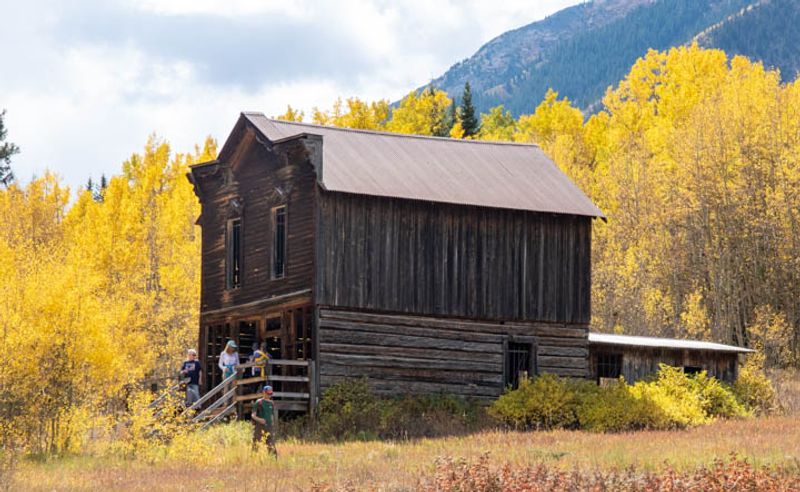
Ashcroft sits eleven miles south of Aspen along Castle Creek Road, and arriving here feels like stumbling onto a film set that everyone forgot to tear down. At 11000 Castle Creek Road, Ashcroft, Colorado 81611, this active historic site offers seasonal docents who genuinely love talking about the silver boom that briefly made this valley one of the busiest addresses in the Rockies.
At its peak in the 1880s, Ashcroft had more residents than Aspen. That fact alone tends to stop people mid-stride.
Today, roughly a dozen structures remain, including a hotel shell and a saloon frame that lean dramatically but refuse to fully surrender to gravity. The self-guided trail is well-marked, flat, and accessible to most visitors, making it a solid option for families with younger kids or anyone who prefers their history without a steep hike attached.
The meadow setting is stunning in every season, though summer and early fall offer the most reliable access. Wildflowers carpet the valley floor in July, creating a contrast between natural beauty and quiet decay that is genuinely hard to forget.
Budget about ninety minutes here, then reward yourself with a meal back in Aspen before the drive home.
3. Independence Ghost Town
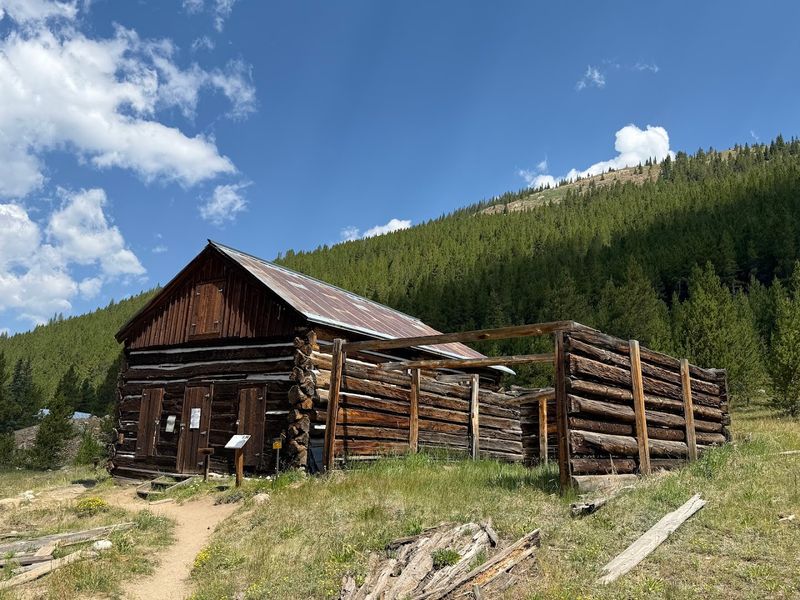
Founded on July 4th, 1879, Independence earned its patriotic name from the silver discovery made on that exact holiday. Sitting roughly sixteen miles east of Aspen on Highway 82, this self-guided historic site perches near the top of Independence Pass at an elevation that will remind your lungs immediately that you are no longer at sea level.
What remains here is more skeletal than St. Elmo or Ashcroft, but that rawness is actually part of the appeal. Stone foundations, collapsed cabin walls, and rusted machinery create a landscape that feels genuinely ancient rather than curated.
There are no fences keeping you at a respectful distance, which means you can walk right up to structures and read the layers of history written in weathered wood and crumbling mortar.
Access depends entirely on the seasonal opening of Independence Pass, which typically happens late May or June and closes again in autumn. Check road conditions before you go, because this is not a trip you want to make only to find a gate across the road.
Pair the stop with a slow drive over the pass itself, and you have one of Colorado’s most rewarding half-day loops tucked into a single gorgeous stretch of highway.
4. Animas Forks Ghost Town
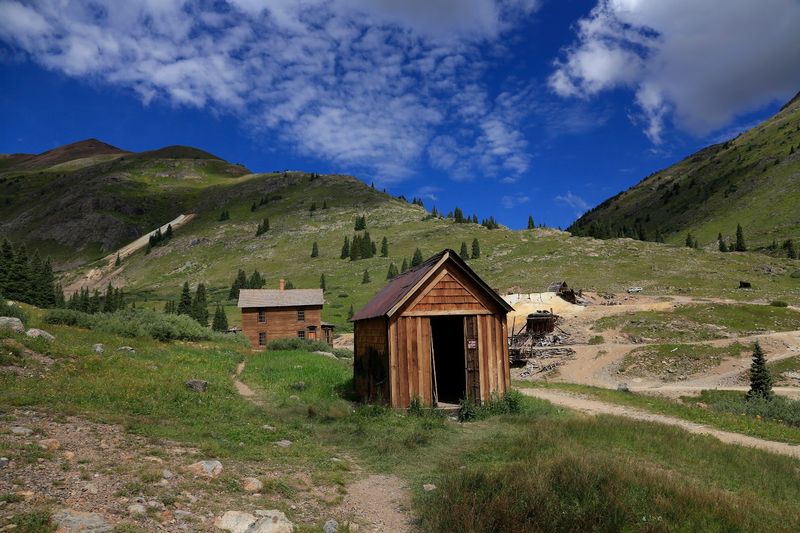
Animas Forks sits at roughly 11,200 feet above sea level, which means the air is thin, the views are enormous, and the sense of isolation is absolutely real. Located along County Road 2 on the Alpine Loop near Silverton, Colorado 81433, this BLM-managed site is home to one of the most photographed buildings in all of Colorado ghost town history: a striking two-story house with a large bay window that somehow still stands after more than a century of brutal mountain winters.
Getting here requires driving a rough road that demands either a high-clearance vehicle or genuine confidence in your 4×4. Summer is the only practical season for most visitors, and even then, afternoon thunderstorms can roll in fast at this elevation.
Plan your arrival for morning, stay alert to the sky, and you will be rewarded with a scene that no photograph fully captures.
The town once had a hotel, a jail, and dozens of homes supporting the gold and silver mining operations that defined the Upper Animas Valley. Walking among the ruins, it is easy to feel a quiet respect for the people who chose to live here year-round in conditions most modern travelers would find unthinkable.
Bring layers, snacks, and extra time.
5. Alta Ghost Town
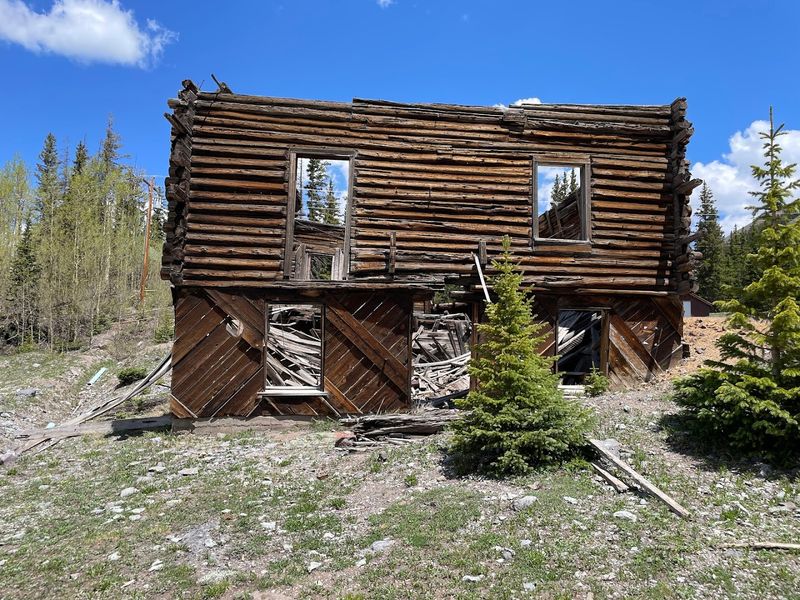
Alta is one of those places that rewards the effort it takes to reach it. Tucked above Telluride along Alta Lakes Road, this seasonally accessible ghost town sits in a breathtaking alpine basin where old mine structures and scattered cabin ruins share the landscape with a trio of glassy mountain lakes.
The combination is almost unfairly beautiful.
A 4×4 vehicle is strongly recommended for the summer approach, and in winter the road is closed to everything except snowmobiles. That barrier keeps the crowds thin and the atmosphere genuinely remote, which is either exciting or mildly terrifying depending on your comfort level with mountain driving.
Once you arrive, the ruins feel surprisingly intimate rather than sprawling, making it easy to wander without a map.
Alta was a gold and silver mining community in the 1870s and 1880s, and at its height it supported a tramway system that connected it to the mines above. Almost nothing of that infrastructure survives in usable form, but the foundations and fragments left behind tell enough of the story to hold your attention.
The Alta Lakes themselves are worth the trip even if ghost towns are not your primary interest. Plan for a full morning, bring a picnic, and leave before afternoon lightning season kicks in.
6. Vicksburg Ghost Town
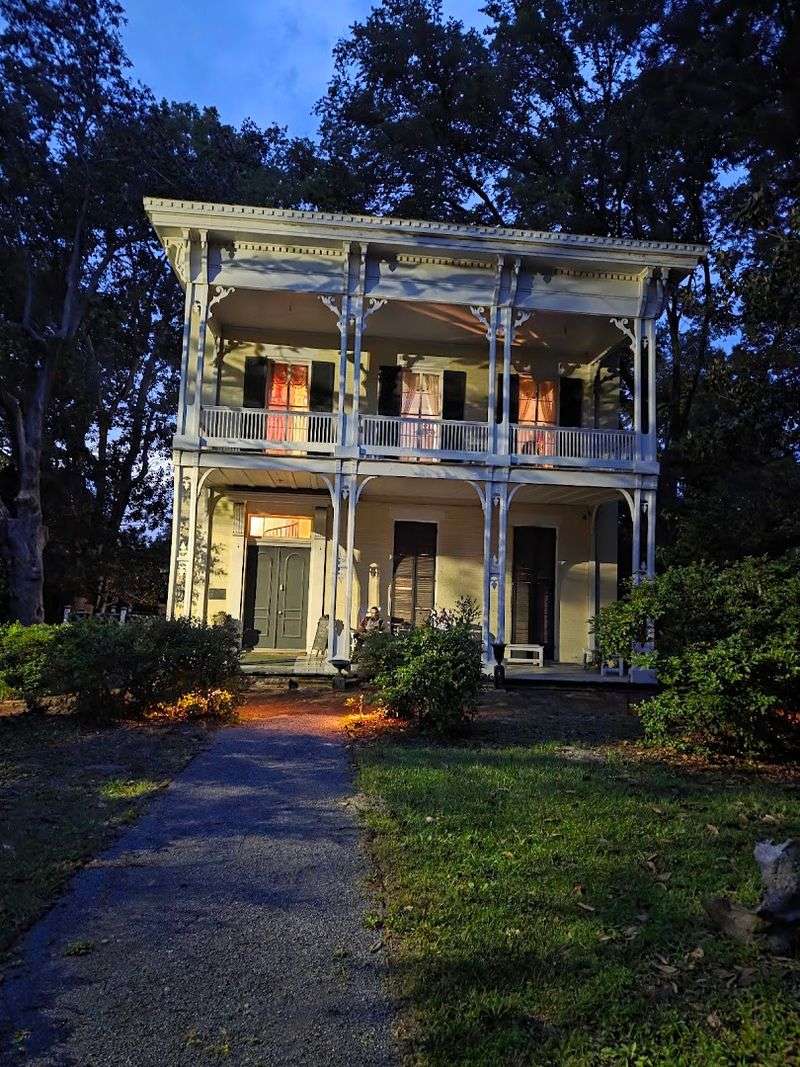
Vicksburg does not get the same Instagram traffic as St. Elmo or Animas Forks, and that is honestly a point in its favor. Located along County Road 390 near Granite, Colorado 81211, this quiet townsite is accessible by standard 2WD vehicle from spring through fall, which removes the logistical headache that comes with some of Colorado’s more rugged ghost town destinations.
Several original buildings remain standing, and the site has a relaxed, unhurried quality that encourages slow exploration rather than a quick loop-and-leave. You are likely to share the area with only a handful of other visitors on any given weekday, giving the whole experience a pleasantly personal feeling.
The surrounding Clear Creek Canyon scenery adds considerable visual appeal to what might otherwise feel like a modest stop.
Vicksburg developed as a silver mining camp in the 1880s and was closely connected to the nearby town of Winfield, which sits just a bit further up the same road. Visiting both in a single afternoon is very doable and gives you a satisfying sense of the broader community that once thrived in this narrow valley.
Bring water, wear layers, and keep your eyes open for wildlife moving through the aspen groves lining the creek. This one quietly earns its place on any Colorado ghost town list.
7. Winfield Ghost Town
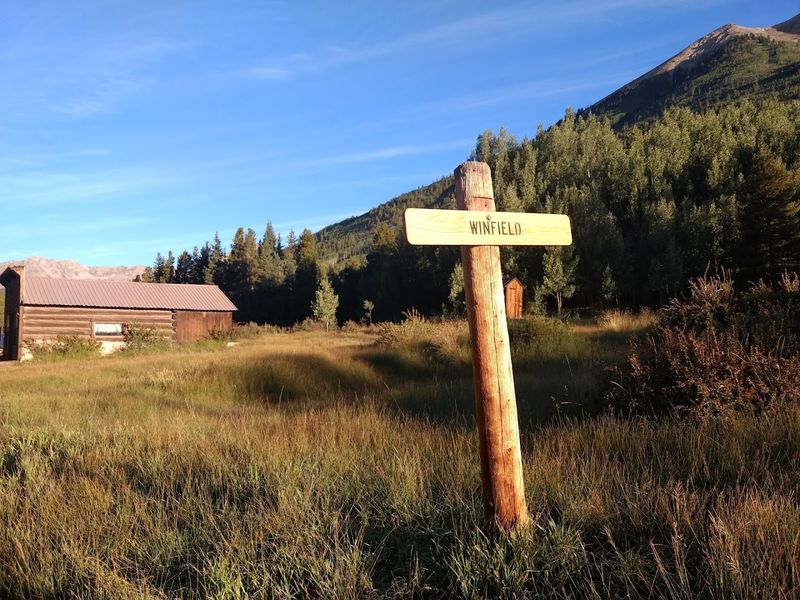
Just up the road from Vicksburg on County Road 390, Winfield feels like the older, slightly more talkative sibling. Accessible from May through October near Granite, Colorado 81228, this townsite retains some of its most meaningful original structures, including a schoolhouse that stops nearly every visitor in their tracks.
Something about a ghost town schoolhouse carries an emotional weight that a collapsed saloon simply cannot match.
Winfield served as a supply and service hub for the surrounding mining operations in the late 1800s, and at its peak it had enough residents to justify the kinds of civic infrastructure, schools, churches, and post offices, that made a settlement feel like a real community rather than a temporary camp. Walking through it now, you can feel that ambition still embedded in what remains.
The road into Winfield is manageable for most standard vehicles during the summer season, though it gets rougher closer to the townsite. This is also a popular staging point for climbers heading toward Harvard and Columbia, two of Colorado’s celebrated fourteeners, so weekend mornings can feel busier than you might expect for such a remote spot.
Arrive on a weekday if solitude is your goal. Pack a lunch, linger by the schoolhouse, and let the valley do the rest of the storytelling.
8. Dearfield Ghost Town
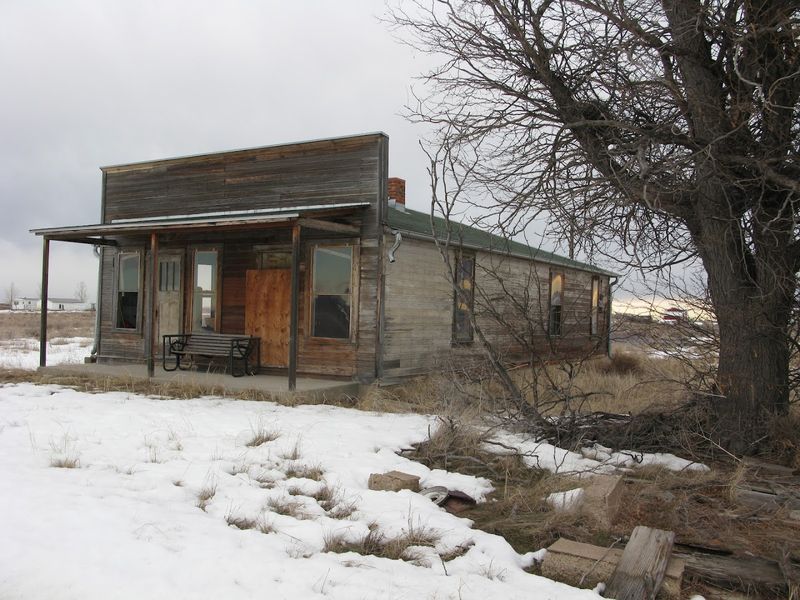
Dearfield tells a story that is entirely unlike any other ghost town on this list, and that distinction matters. Located at 42468 U.S.
Highway 34 near Orchard, Colorado 80649, this was once a thriving African American agricultural colony founded in 1910 by Oliver Toussaint Jackson, a man whose vision and determination shaped something remarkable on the Colorado plains during a deeply difficult era in American history.
At its height in the 1920s, Dearfield was home to several hundred residents who built farms, businesses, and a genuine community from scratch on the high plains. The Dust Bowl and the Great Depression combined to end that chapter, and today only a handful of structures survive, including the diner, a gas station shell, and the founder’s home.
Each one carries a weight that goes well beyond architectural curiosity.
Year-round 2WD access makes Dearfield one of the most logistically easy ghost towns in Colorado to visit, which means there is really no excuse to skip it. The flat eastern Colorado landscape feels vast and almost disorienting after a lifetime of mountain scenery, but that openness suits the story of people who looked at empty land and chose to build something meaningful.
Come here ready to think, not just look.
9. Capitol City Ghost Town
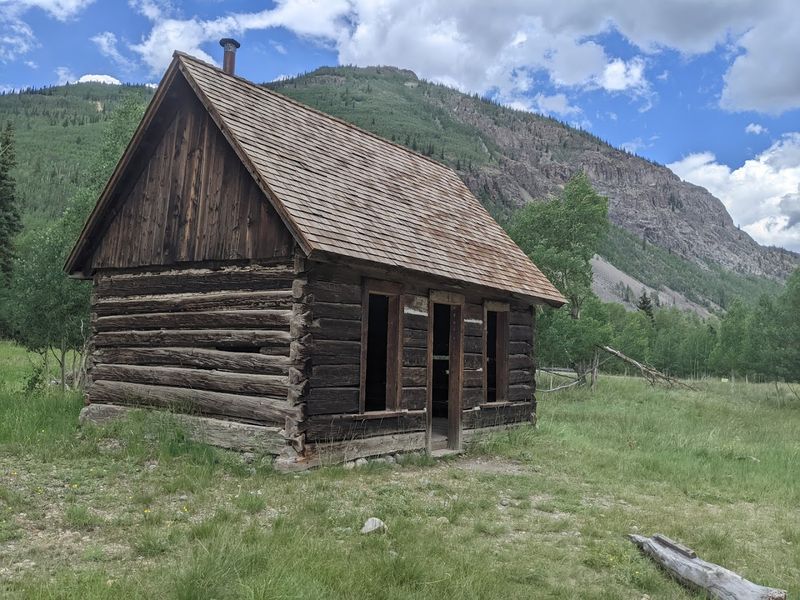
George S. Lee had a plan: turn this high mountain valley into the capital of Colorado.
He built a smelter, laid out streets, and even constructed what he called the Governor’s mansion, fully expecting that Capitol City would one day eclipse Denver. History, as it often does, had other ideas.
Located about nine miles west of Lake City along County Road 20 and Henson Creek Road, Capitol City, Colorado 81235 is now a quiet, humbling reminder of what ambition looks like after the silver runs out.
The old post office ruins and the smelter stack are the most recognizable surviving features, and both photograph beautifully against the surrounding canyon walls. The drive along Henson Creek Road is itself a highlight, winding through one of the more scenic valleys in the Lake City area with views that justify the mileage all on their own.
Lake City is a genuinely charming small town worth building a full weekend around, and Capitol City fits neatly into a longer loop that might also include the Alpine Loop and nearby Slumgullion Pass. The road to the townsite is accessible to most visitors but check conditions before heading out, as mountain roads in this region can shift quickly with weather.
Arrive with patience and leave with perspective.
10. Teller City Ghost Town
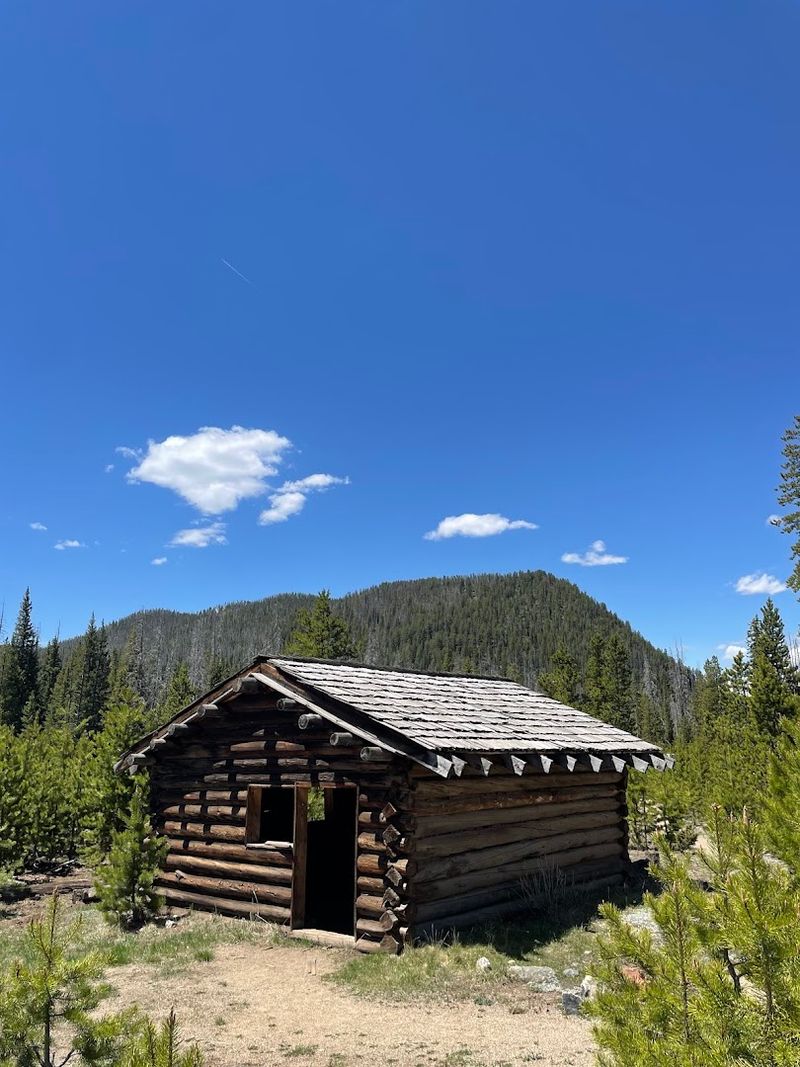
Teller City is for the ghost town enthusiast who prefers their history served without guardrails or gift shops. Found along County Road 21 and Forest Road 740 near Rand, Colorado 80473, this deeply forested townsite sits within National Forest land and requires high-clearance or 4×4 access for the final approach.
That extra effort filters the casual day-tripper and leaves the place feeling genuinely undisturbed.
At its brief peak in the 1880s, Teller City reportedly had around 1,500 residents drawn by silver strikes in the surrounding North Park area. The boom lasted only a few years before the ore ran thin and the population evaporated almost as quickly as it had arrived.
What remains is absorbed into the forest, with structures in various states of return to the earth, some still recognizable, others little more than timber outlines in the underbrush.
The North Park region of Colorado is vastly underappreciated by travelers who focus exclusively on the mountain resort corridors, and Teller City is a compelling reason to venture into that quieter territory. Wildlife sightings are common in this area, including elk and deer moving through the trees at dawn and dusk.
Go slow, stay curious, and resist the urge to rush through a place that took decades to become this beautifully forgotten.
11. Mayflower Gulch / Boston Mine Camp
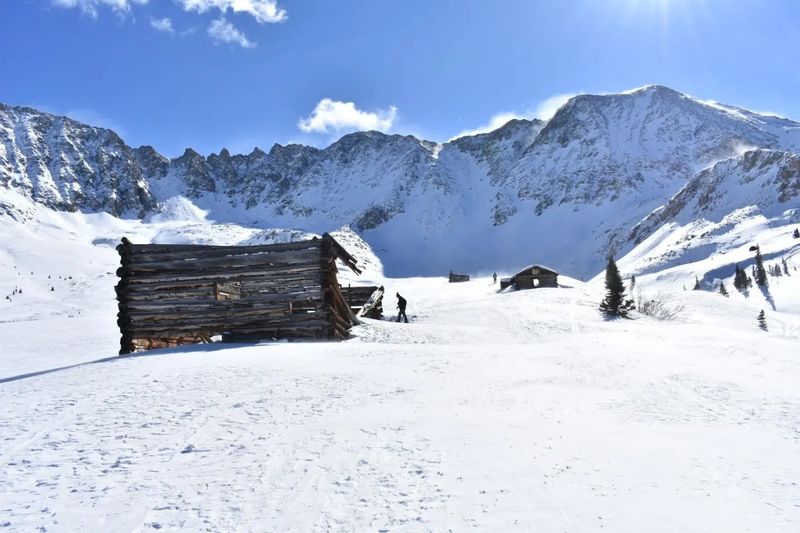
Mayflower Gulch sits at the intersection of accessible and spectacular in a way that very few Colorado ghost town hikes manage to pull off. Starting from the Mayflower Gulch Trailhead number 1178 on Colorado Highway 91 near Copper Mountain, Colorado 80443, this White River National Forest trail leads about two miles into a stunning alpine basin where the ruins of the Boston Mine Camp still stand against a backdrop of towering peaks.
Unlike most ghost town visits that involve driving to a site and wandering on foot, Mayflower Gulch earns its views with a moderate uphill hike that most reasonably fit adults and older kids can handle comfortably. The reward at the top is a collection of mining-era cabins in various states of collapse, scattered across a wide open basin that feels almost theatrically grand.
Winter visitors use the trail for snowshoeing, making this one of the few Colorado ghost town experiences with genuine year-round appeal.
The trailhead parking area fills quickly on summer and fall weekends, so an early start is more than just good advice here. Bring trekking poles if you have them, dress in layers because the basin catches wind, and carry more water than you think you need.
This one combines exercise, history, and mountain scenery into a single outing that earns every bit of the drive to get there.