
This Fifth-Generation Michigan Fishery Sells Smoked Whitefish And Fish Sausage In Historic Fishtown
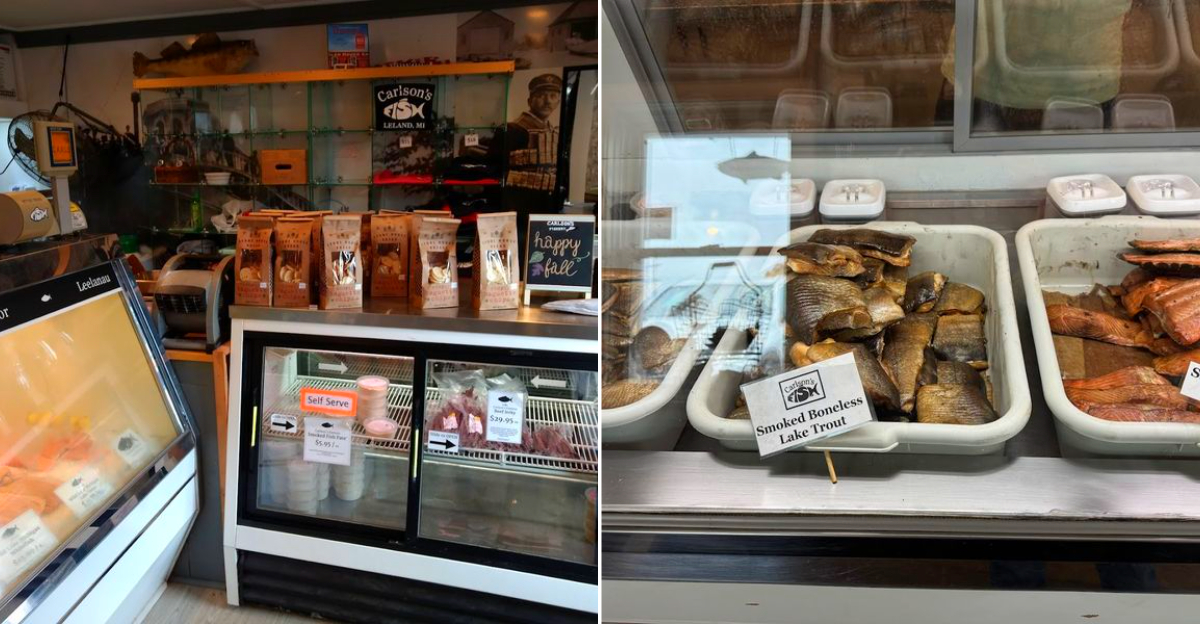
Wooden shanties lining the channel look exactly as they did when fishing boats unloaded their catch on these same docks a hundred years ago.
Smoke rises from the rear of the building, carrying a scent that stops pedestrians mid-stride and pulls them toward the counter before they fully realize what happened.
Inside, whitefish hangs in the smokehouse the same way it has since the current owner’s great-great-grandfather first lit the fire that still burns today.
The fifth generation running the operation now also sells fish sausage, a product most visitors have never encountered and immediately reorder once they taste it.
The village around the fishery operates as a living museum of Great Lakes commercial fishing, with weathered shanties, floating docks, plus a pace that slows to match the water moving gently past.
Five generations of Michigan fishers have kept this smokehouse running on the same waterfront channel.
Start With The Smoked Whitefish
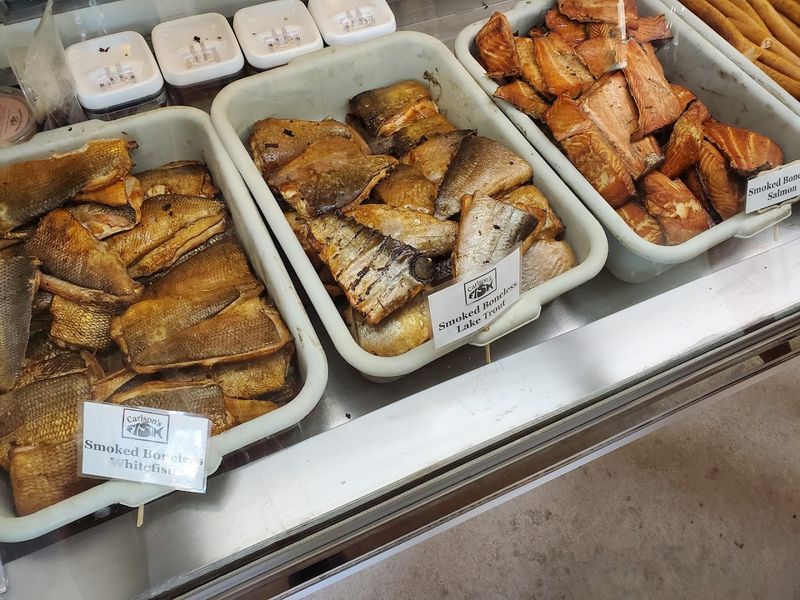
The smoked whitefish is the clearest reason to understand why Carlson’s matters. Lake Michigan whitefish is cured and slow-cooked in the smokehouse, and the result lands in that satisfying middle ground between delicate and rich.
Its color has that warm golden-copper glow, while the flavor stays sweet, lightly salty, and never heavy.
If you are choosing only one thing, choose this first and let everything else follow. The texture flakes easily but still feels supple, which makes it just as good eaten plain as tucked into a simple snack by the water.
In a place where historic setting can distract from substance, this fish keeps the focus exactly where it belongs, on craft, restraint, and clean Great Lakes flavor.
Cross The Leland River, Then Follow The Smell Of Smoke
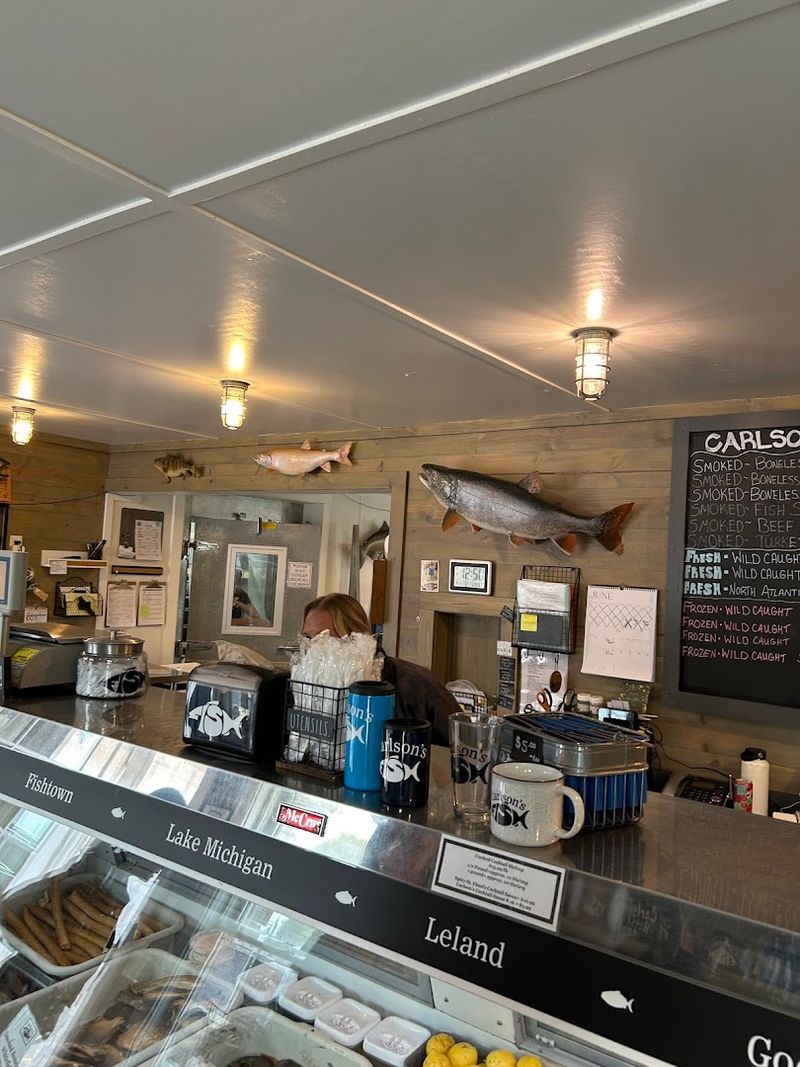
Carlson’s Fishery sits at 205 West River in Fishtown, Leland, Michigan. From Traverse City, take M-22 north to Suttons Bay, turn left onto M-204, then reconnect with M-22 and continue north into Leland.
Cross the Leland River and take the first left onto West River Street. The road drops directly toward the historic fishing shanties, with Carlson’s Fishery tucked along the wooden waterfront.
The harbor lot is the closest public parking, though it fills quickly during busy periods. Street parking can also be found nearby, leaving only a short walk into Fishtown and toward the smoked-fish counter.
Treat The Fish Sausage As A Specialty, Not A Novelty
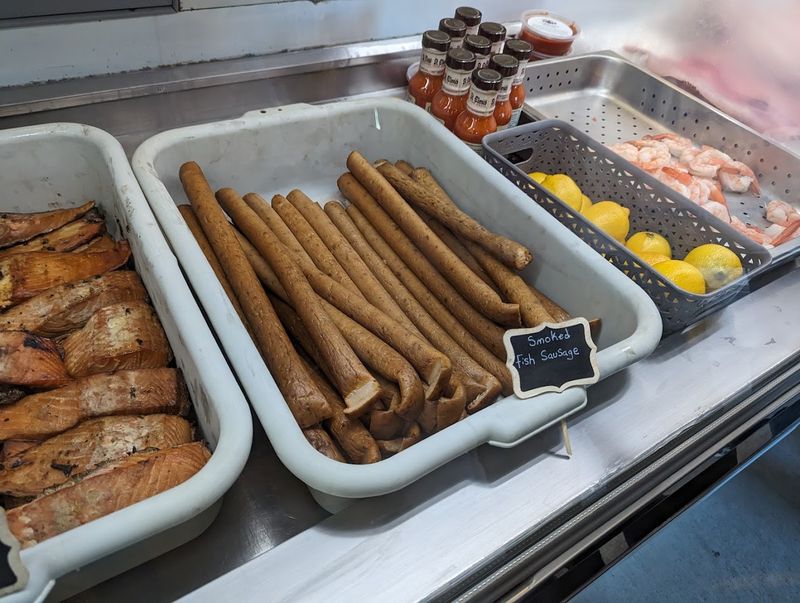
Fish sausage can sound like the kind of thing you buy once for the story, then politely forget. At Carlson’s, it earns a more serious look because it is built from whitefish and lake trout with local seasonings, lemon, and red pepper before being smoked.
You can eat it hot or cold, which makes it unusually flexible for travel, picnics, or a quick snack near the river.
The best way to approach it is with curiosity rather than comparison to meat sausage. Its flavor profile is savory and smoky, but brighter and lighter than the name suggests.
That contrast is exactly why it stands out in Fishtown, where practical food traditions still survive by adapting without losing their roots.
Arrive Early If Fresh Fish Matters To You
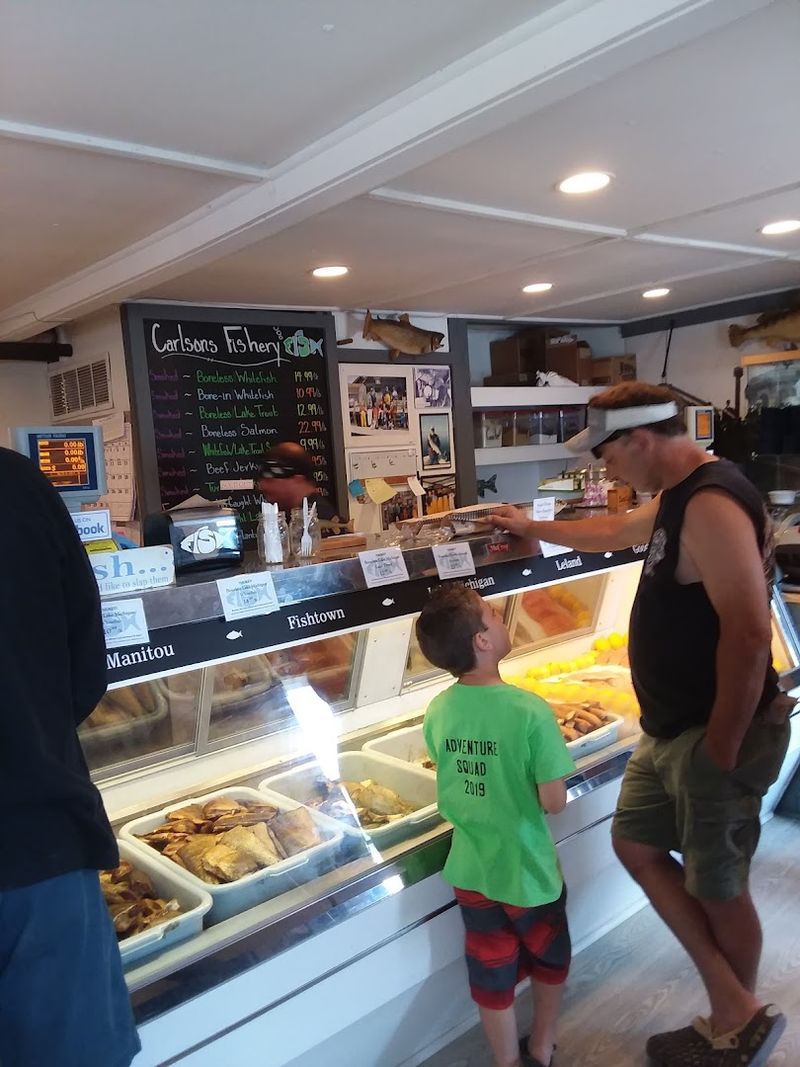
Carlson’s is not a place to treat casually if your goal is fresh fish. The market is open daily from 9 AM to 7 PM, but early shopping gives you the best chance to see the freshest selection before the day settles into its more leisurely tourist rhythm.
That matters here, because the experience is tied to working commercial fishing, not just a curated display case.
Fresh whitefish, lake trout, walleye, yellow perch, and other offerings can shape your visit differently from the smoked staples. If you want dinner rather than just a snack, timing becomes part of the strategy.
The historic shanty setting may feel relaxed, yet the food itself still follows the practical logic of a real fishery, where availability and freshness are the whole point.
Pay Attention To The Setting Because It Explains The Food
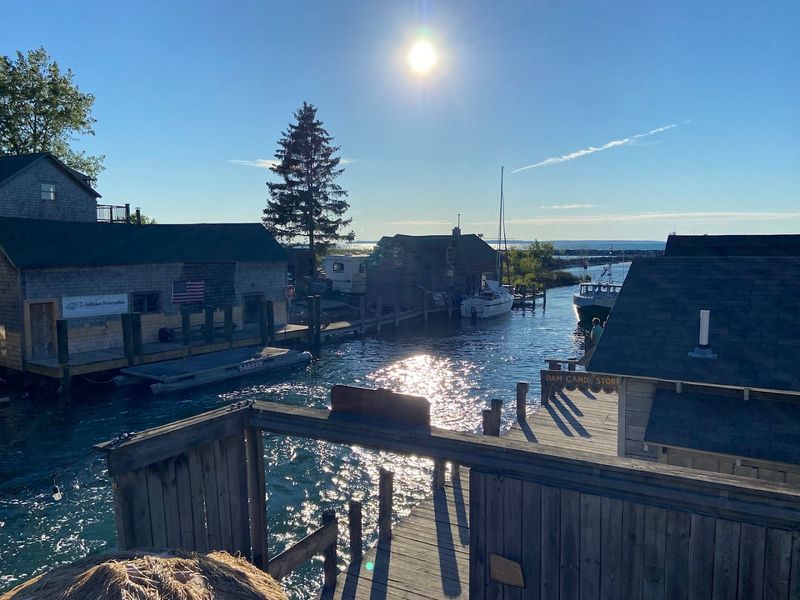
Some markets decorate themselves to look storied. Carlson’s does not need to try, because it sits inside the real thing, a historic shanty in Leland’s Fishtown, one of the last working fishing districts on the Great Lakes.
Weathered docks, smokehouses, and the river do more than provide atmosphere. They clarify why the menu leans toward foods that travel well, preserve well, and honor local catch.
You are not just buying smoked fish in a pretty district. You are stepping into a waterfront still connected to commercial fishing life, strengthened in part by the Fishtown Preservation Society’s effort to keep the working character intact.
That context sharpens every bite, especially when the food tastes practical first and performative never.
Notice How Tradition And Adaptation Work Together
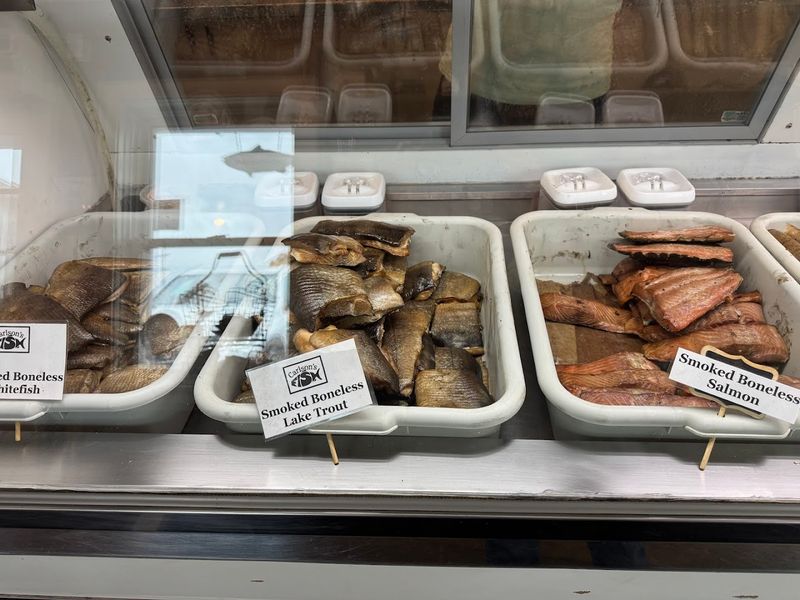
Fifth-generation family businesses can easily lean on romance, but Carlson’s is more interesting because it also shows adaptation. The Carlson family has been commercially fishing in Leland since the early 1900s, with Nels Carlson carrying that legacy forward, yet the market has also built value-added products like pâté, fish sausage, beef jerky, and turkey jerky to remain sustainable.
That mix of continuity and practicality feels honest.
You can taste the old and new logic side by side. Smoked whitefish speaks for the region’s core fishing identity, while the prepared specialties show how a working fishery stays viable in the present.
Instead of turning tradition into a museum piece, Carlson’s lets it evolve, which is probably the most faithful choice a historic business can make.
Use The Smoked Trout And Salmon To Broaden The Visit
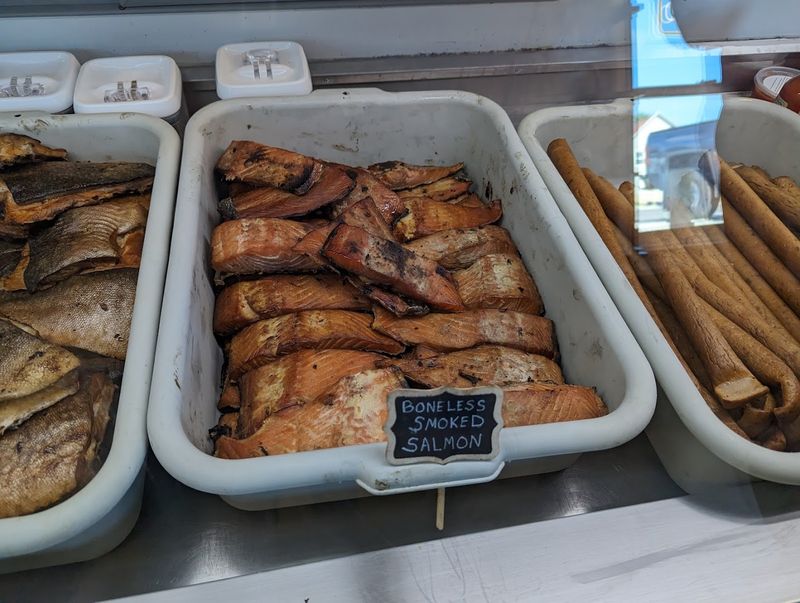
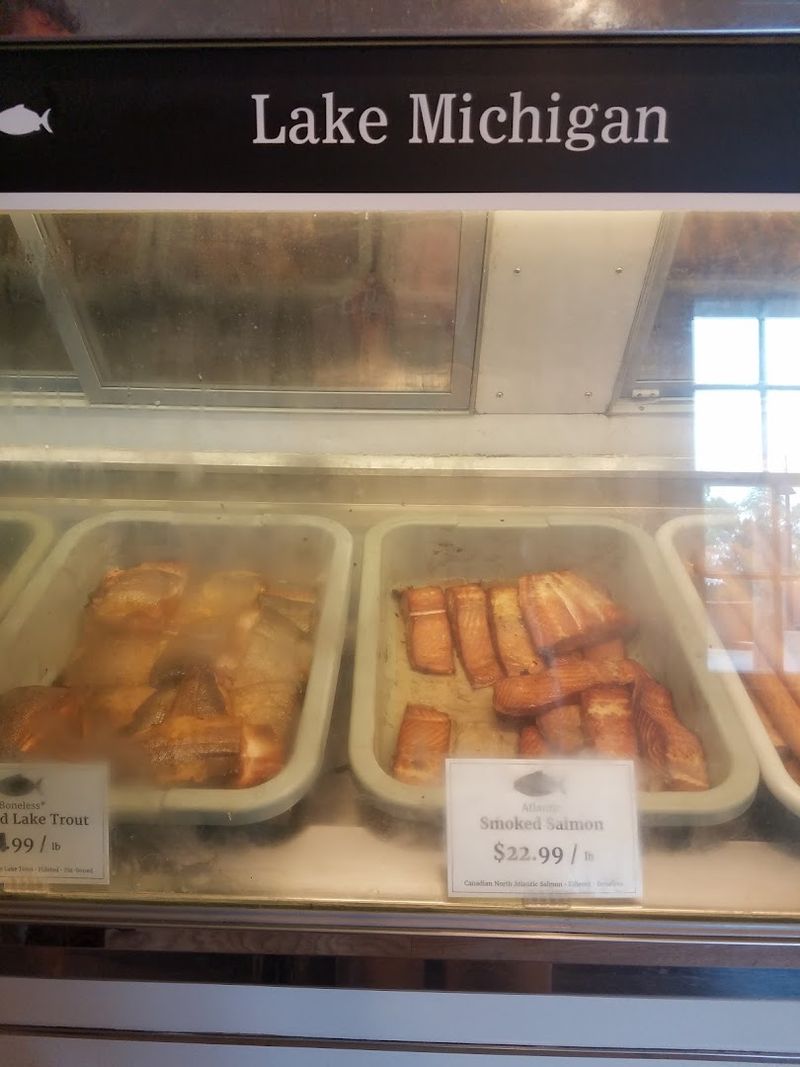
Whitefish may be the headline act, but Carlson’s becomes more revealing when you try the smoked trout or smoked salmon alongside it. The market is known for a broader smoked selection, and those comparisons help you notice how controlled the smoking is across different fish.
Nothing needs to shout. The smoke supports the natural oils and texture instead of flattening everything into one generic flavor.
This is especially useful if you are buying for a group with mixed tastes. Trout can feel especially lush, while salmon offers a familiar entry point for anyone less certain about whitefish.
Seen together in the case, they make Carlson’s look less like a one-hit stop and more like a market with range, discipline, and a steady hand with preservation.
Plan For Takeaway Rather Than A Full Sit-Down Meal
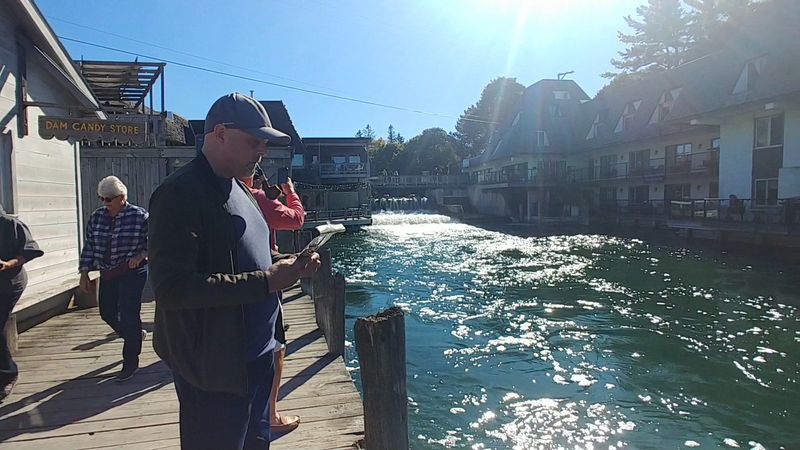
Carlson’s works best when you understand its rhythm. This is primarily a takeaway stop, not a place built around long table service, and that turns out to be part of its charm.
You browse, choose carefully, and then carry your smoked fish, pâté, or fresh catch back out into Fishtown, where the river, docks, and shanties complete the meal.
That format encourages food that is direct and portable. Smoked fillets, sausage, and spread all suit a waterfront visit better than anything overly dressed or formal would.
If you arrive expecting spectacle on the plate, you may miss the point. The pleasure here comes from buying something made with care, then eating it near the place that gave the fish its full identity.
Ask About What Is Available That Day
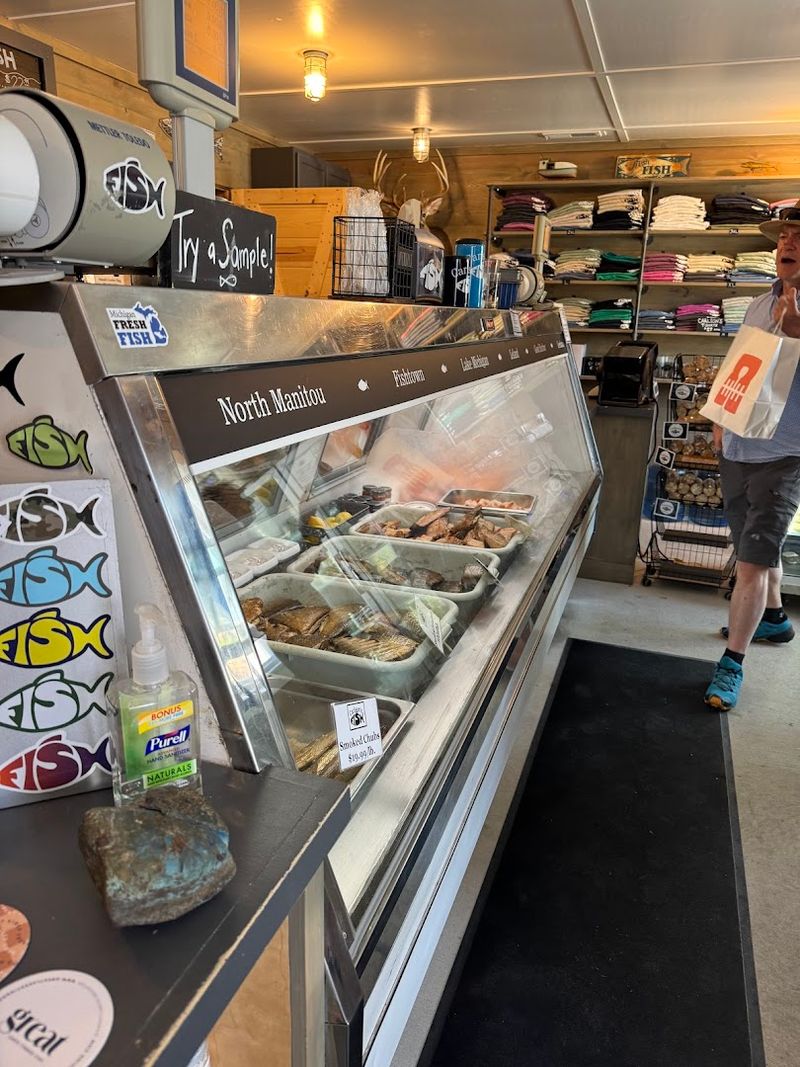
A working fish market rewards questions, and Carlson’s is no exception. Since the shop sells both smoked specialties and fresh fish, what is available can shape your visit in practical ways, especially if you are hoping for whitefish, lake trout, walleye, or yellow perch.
Asking what came in, what is freshest, or what is best for your plans makes the experience more useful and more connected to the fishery itself.
This approach also helps you avoid shopping by habit. Carlson’s is rooted in commercial fishing life, so the counter is not just a static retail display.
It reflects supply, season, and preparation. For visitors, that can be the difference between making a pleasant purchase and actually understanding how this historic Leland business still operates as a living waterfront enterprise.
Give The Jerky A Serious Look Too
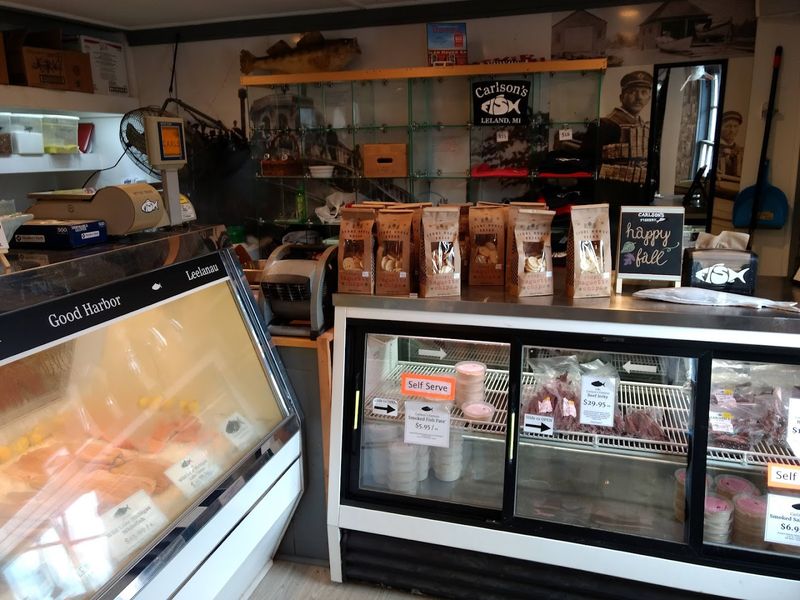
It may seem counterintuitive to mention jerky at a fishery famous for smoked whitefish, but Carlson’s broader product line is part of the story.
The business has developed beef and turkey jerky as one way to stay sustainable, and those shelves show how a heritage operation survives by widening its reach without abandoning its center.
That is not a distraction from the fish. It is part of the business model that helps keep the fishery going.
For visitors, the jerky also makes practical sense. It travels easily, keeps well, and lets you bring home something from the same historic shanty even if smoked fish is not right for every person in your group.
In a place defined by working pragmatism, that kind of extension feels completely in character.
Remember That You Are Buying Living Michigan Heritage
The final tip is the simplest one: buy with attention. Carlson’s is co-owned by Nels Carlson and Mike Burda, operates from a historic shanty leased through the Fishtown Preservation Society, and remains tied to one of the last working Great Lakes fishing districts.
That means your purchase is not detached from place. It is bound up with boats, smokehouses, labor, and a long local lineage.
Seen that way, the smoked whitefish and sausage become more than specialties with regional appeal. They are expressions of a waterfront still doing real work in public view.
You do not need sentimentality to appreciate that. You just need a little patience, a willingness to taste carefully, and enough curiosity to see Carlson’s as both a market and a living continuation of Leland’s fishing identity.