
12 Michigan Beaches Where Beachcombers Can Still Strike Gold This July
Walking the shoreline with your eyes on the sand is half the fun of a July morning on Lake Michigan. The other half is spotting a pattern in the pebbles that turns out to be a fossilized coral colony millions of years old.
Petoskey stones hide in plain sight among the gravel, their hexagonal patterns catching the light when wet, while Charlevoix stones sit nearby looking like ordinary rocks until you flip them over.
Beachcombing along these stretches rewards patience: smooth beach glass catches the light at the waterline, plus the best hunting happens early when overnight waves have rearranged the shoreline deposit.
The crowds have not yet claimed the widest stretches of sand, which means the finds belong to whoever gets there first. Twelve Michigan beaches hold genuine treasure for anyone willing to crouch down, flip a few rocks, plus look closely at what the waves left behind after a July storm.
10. Petoskey State Park
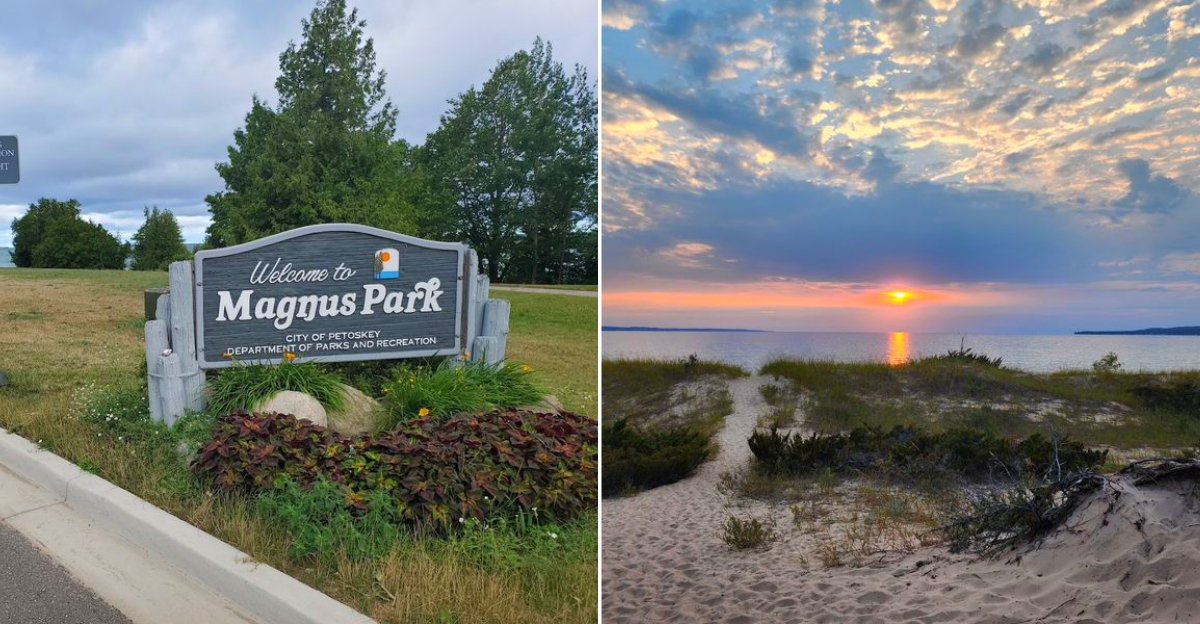
The best beachcombing often begins after you move beyond the first busy stretch of sand and let your eyes settle into the shoreline rhythm. Along Little Traverse Bay, waves naturally gather stones into shifting bands, and those gravelly patches are where Petoskey stones can start revealing themselves.
In July, wet rocks are your friend. A stone that looks plain when dry may suddenly show pale hexagonal patterns once a wave washes over it, so searching close to the waterline can make all the difference.
The beach runs for about a mile, backed by dunes that give the park a larger, quieter feeling even on a popular summer day. This is also ancestral Waganakising Odawa homeland, which adds a layer of history and responsibility to the visit.
Beachcombing here should feel patient, respectful, and unhurried, not like stripping the shore for souvenirs. When your neck needs a break from looking down, Old Baldy Trail offers a higher view over the bay.
Arrive early for softer light, fewer crowds, and the best chance of seeing what the overnight waves have uncovered.
9. Magnus Park, City Beach
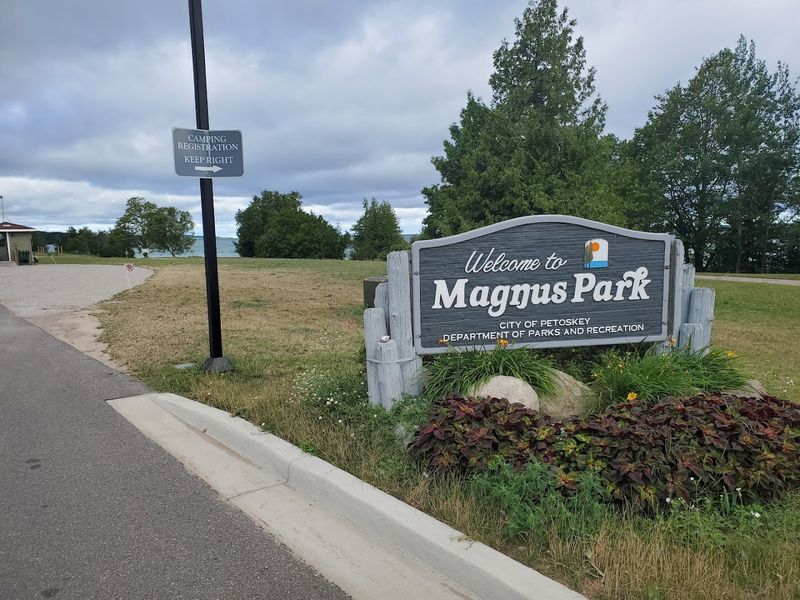
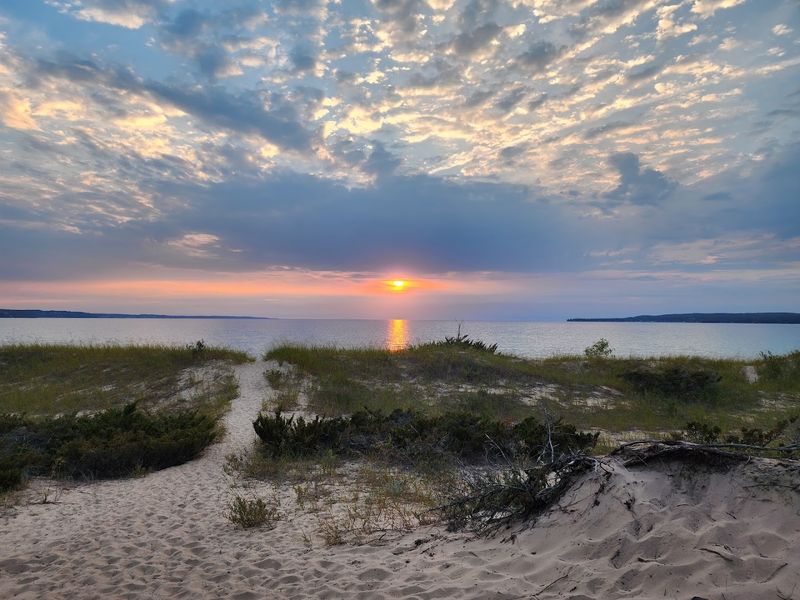
City convenience makes this shoreline especially useful for beachcombers who want a good search without turning the whole day into an expedition. The beach sits along Little Traverse Bay in Petoskey, where about a thousand feet of shoreline give waves enough room to sort pebbles, fossils, and the occasional Petoskey stone into reachable bands.
Early light helps, especially when the rocks are wet and patterns become easier to spot. The mood is practical rather than wild, with a campground nearby and enough facilities to keep the visit comfortable.
That lived-in feeling is part of the charm. You can hunt for stones in the morning, rinse off, then head into Petoskey’s Gaslight District for coffee or lunch without much effort.
The Little Traverse Wheelway passes close by, so biking fits naturally into the outing. Restrooms, showers, and a dog walk make this one simple, accessible, and relaxed.
8. Michigan Beach Park
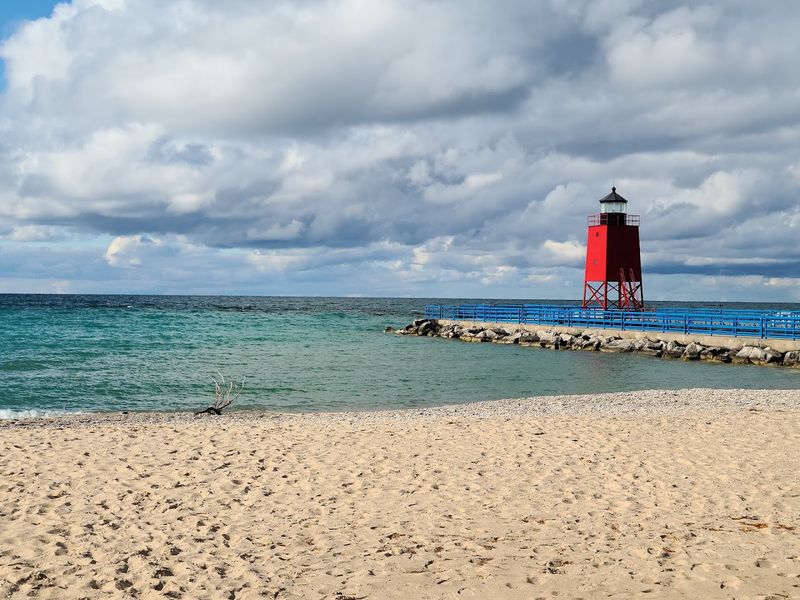
Bright sand, blue water, and a lighthouse silhouette give this Charlevoix beach the feeling of a summer postcard, but beachcombers should look past the obvious scenery. Between the soft sand and pebble pockets, patient visitors can search for Petoskey stones, Charlevoix stones, fossils, and other small shoreline surprises.
July crowds do arrive, so the best hunting usually happens early, before beach towels cover the open spaces and before the sun becomes too harsh for slow scanning. What makes this park appealing is the balance between treasure hunting and easy comfort.
Modern restrooms, picnic tables, volleyball courts, an ADA-accessible playground, and a beach mat make it feel welcoming even if not everyone in your group wants to spend the morning staring at rocks. The lighthouse nearby gives the shoreline a strong visual anchor, while the waterline keeps changing just enough to reward another careful pass.
7. Mt. McSauba Recreation Area
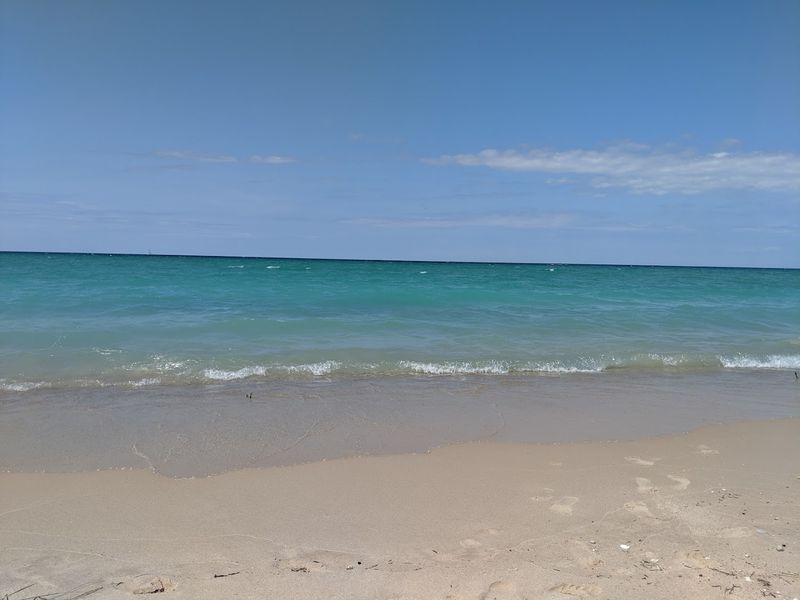
A quieter, more local mood gives this Charlevoix-area shoreline its appeal. The beach has broad sand and shallow water, but the best finds are often just where the waves break, especially when morning or late-afternoon light makes patterns easier to see beneath the surface.
Petoskey and Charlevoix stones can show up here, though they still require patience and a willingness to scan slowly rather than expect instant treasure. Rolling dunes behind the beach help the place feel removed from busier summer scenes, and the sunset views from higher ground are a good reason to stay after the hunt.
The seasonal contrast is interesting too: in winter, the area is known for skiing and sledding; in July, it becomes a calmer beachcombing spot with a low-key rhythm. Amenities near the sand are limited, with no lifeguards or beachside washrooms, so arrive prepared with water, shoes, and realistic expectations.
6. Fisherman’s Island State Park
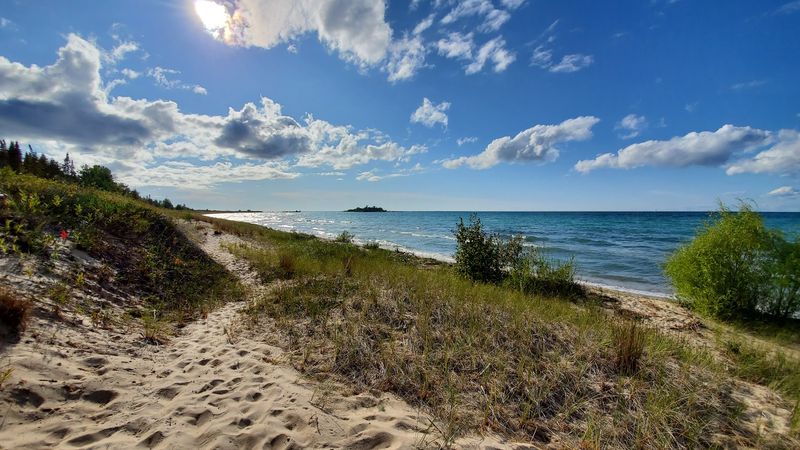
For beachcombers who prefer possibility over polish, this Charlevoix-area state park is one of the strongest choices on the list. More than six miles of Lake Michigan shoreline give storms, currents, and shifting lake levels plenty of room to rearrange stones.
That is exactly what careful searchers want. After rain, wind, or rough water, the beach can feel newly sorted, with fresh gravel patches and rockier sections where Petoskey stones, Charlevoix stones, fossils, and smooth lake-worn pieces may appear.
The park’s name is slightly misleading because the island can become more of a peninsula when lake levels are low, but that changing geography fits the wild mood of the place. Some sections feel wonderfully primitive compared with more developed beaches, especially as you move away from the busiest access points.
Water shoes are smart because the shoreline can be rocky and uneven, and a Michigan Recreation Passport is required. The campground is rustic, which suits the setting.
Leashed pets are allowed on the beach, adding to its unfussy practicality. This is not the easiest beach on the list, but it may be one of the most rewarding.
5. Antrim Creek Nature Area & Rex Beach
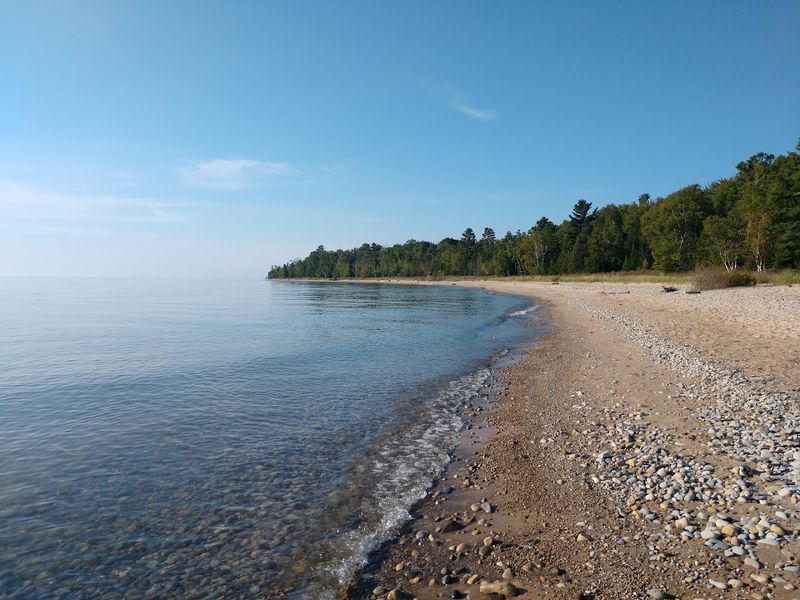
A preserved shoreline near Atwood rewards people who know how to slow down. This is not a beach that announces itself with big spectacle, and that restraint is part of its strength.
The beachcombing here is about subtle observation: clear water, mixed stones, quiet stretches of shoreline, and the small differences between ordinary pebbles, fossil fragments, Petoskey stones, and Charlevoix stones. You are not likely to feel pushed along by crowds or heavy development, which makes it easier to fall into the patient pace that good searching requires.
The setting asks for self-sufficiency and good manners. Amenities are more limited than at developed state park beaches, so bring water, sturdy shoes, sunscreen, insect repellent, and whatever else you need to stay comfortable without relying on facilities.
That tradeoff is exactly why the place works. Without too much noise or distraction, you can hear the small waves shifting stones, watch the shallows change color, and make several slow passes over the same stretch of beach without feeling strange about it.
The best find may be a patterned stone, but the deeper reward is the calm that comes from looking closely.
4. Peterson Park
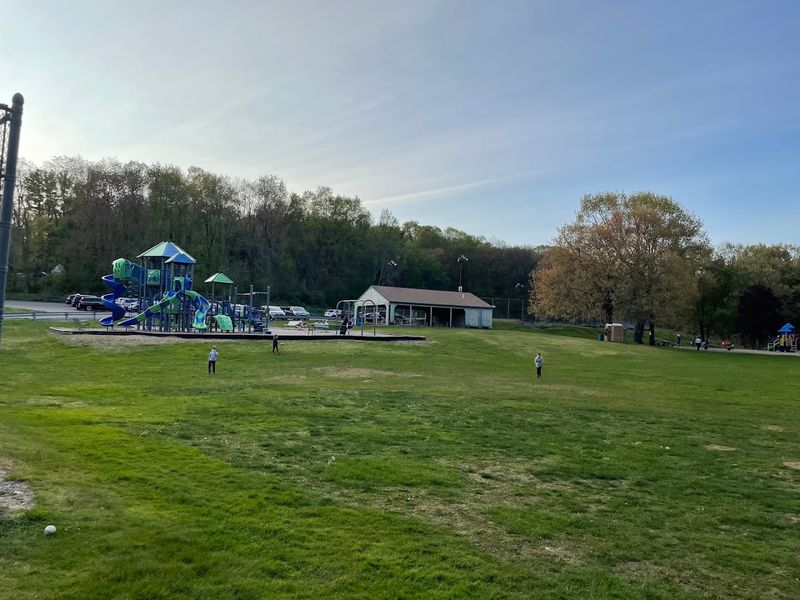
The descent shapes the whole visit. From the bluff near Northport, Lake Michigan looks immense and serious, then the long stairway drops you down toward a rockier shoreline that feels better suited to searching than casual sunbathing.
That is good news for beachcombers. The fewer people who come only to spread towels, the more room there is for slow scanning, flipping stones, and checking the wet bands where new material collects.
Petoskey stones, fossil fragments, and other shoreline finds appear often enough here to give the park its reputation among rock hunters. The beach can be rough underfoot, and it is not always the best swimming choice when waves are active, but that energy is part of what keeps the stones moving.
Wear sturdy shoes and expect the search to feel physical, especially with the stairs involved. Up top, the park has parking, picnic tables, grills, a playground, pit toilets, and a sunset platform that is worth saving energy for.
Leashed dogs are welcome, which fits the unfussy local feeling. Even a small find feels better after that climb back up.
3. Christmas Cove Beach
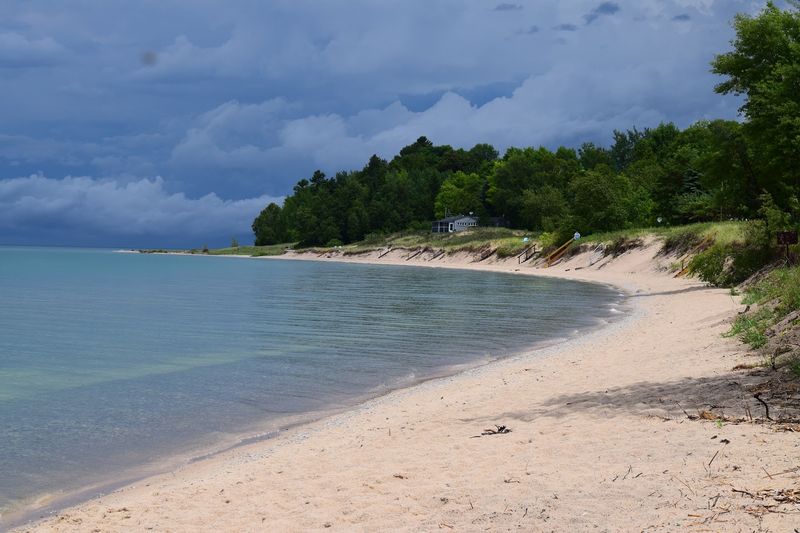
Clear water is the great advantage here. Along this Northport-area cove, the mix of sand and stones lets you wade slowly while scanning beneath the surface before you even bend down.
That makes the hunt feel gentler than at rockier, more demanding beaches. Petoskey stones, fossils, and other small lake treasures can turn up among the beach stones, especially after waves have stirred and rearranged the shoreline.
The approach adds to the feeling of discovery. Smaller winding roads lead toward the cove, and the arrival feels more quietly earned than obvious.
Parking is limited, so July visitors should come early or choose a less crowded time of day. The beach is open from sunrise to sunset, with pit toilets but no running water, which means you should bring enough water, snacks, and simple supplies for the visit.
Leashed pets are allowed, and non-motorized launching makes it a useful stop for kayaks or canoes. It is not a heavily developed beach, but that is part of the appeal.
The finds may be modest, yet the water color alone can make the search feel lucky.
2. Van’s Beach
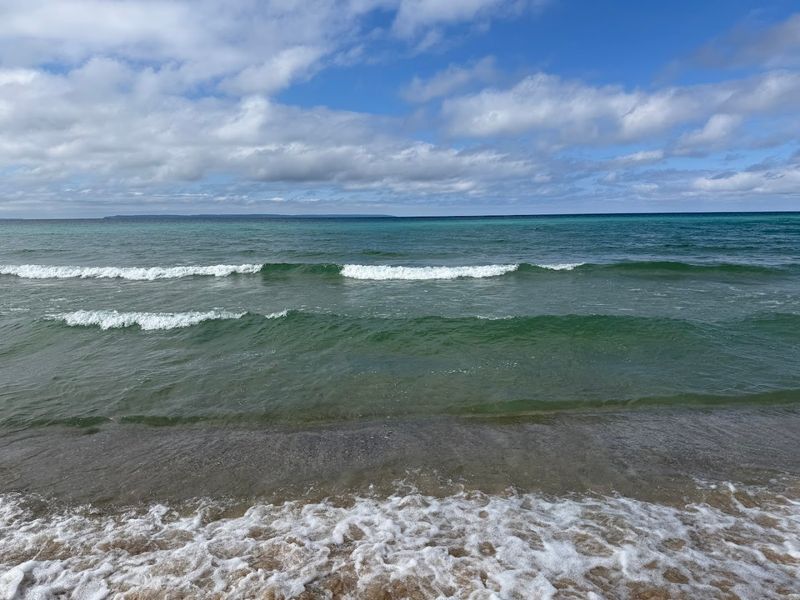
A beachcombing trip in Leland comes with a different kind of prize. Instead of only searching for fossils, many visitors come hoping to find Leland Blue, the vivid blue-green slag left from the area’s iron smelting past.
Those pieces can look almost unreal against the quieter natural stones, especially when wet. The beach also turns up Petoskey stones, beach glass, cold-water agates, and other small surprises, so the hunt never feels too narrow.
Most finds tend to be small, which means this shoreline rewards sharp eyes more than impatient searching. The setting itself adds to the appeal, with room to walk and views connected to Leland’s harbor atmosphere and ferry traffic toward the Manitou Islands.
It is a place where geology, local history, and industry overlap in your hand. Go early, scan the gravel bands carefully, and do not ignore the tiny pieces that flash color for only a second.
1. Point Betsie Lighthouse Beach
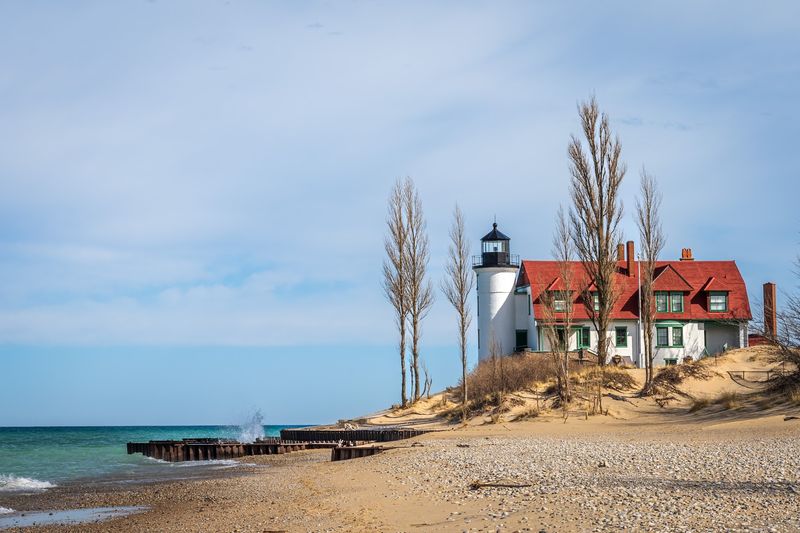
Searching below one of Michigan’s most photographed lighthouses gives this beach a strong sense of place before the first good find even appears. Near Frankfort, the shoreline is known among collectors for Frankfort Green, a green-blue industrial slag connected to the region’s ore-processing history.
Finding a piece here feels different from finding a random pretty stone because the material carries local history in its color and texture.
The lighthouse deepens that context. Dating to the 1850s and still serving as an active aid to navigation, it watches over the southern entrance to the Manitou Passage while visitors search the shoreline below.
Dunes frame the beach beautifully, and public access is straightforward, making it easy to combine photography, history, and beachcombing in one stop. July visitors can usually pair the hunt with a closer look at the landmark during the main tour season.
The search itself rewards patience. Scan the wet gravel, look for green-blue flashes, and remember that smaller pieces are often easier to miss. This beach works because every find feels connected to the place around it.