
Step Into A Florida Ghost Town Surrounded By Crystal Waters At This Remote St. Pete Island State Park
Florida is famous for crowded beaches.
This island has almost no one.
That is what makes it unforgettable.
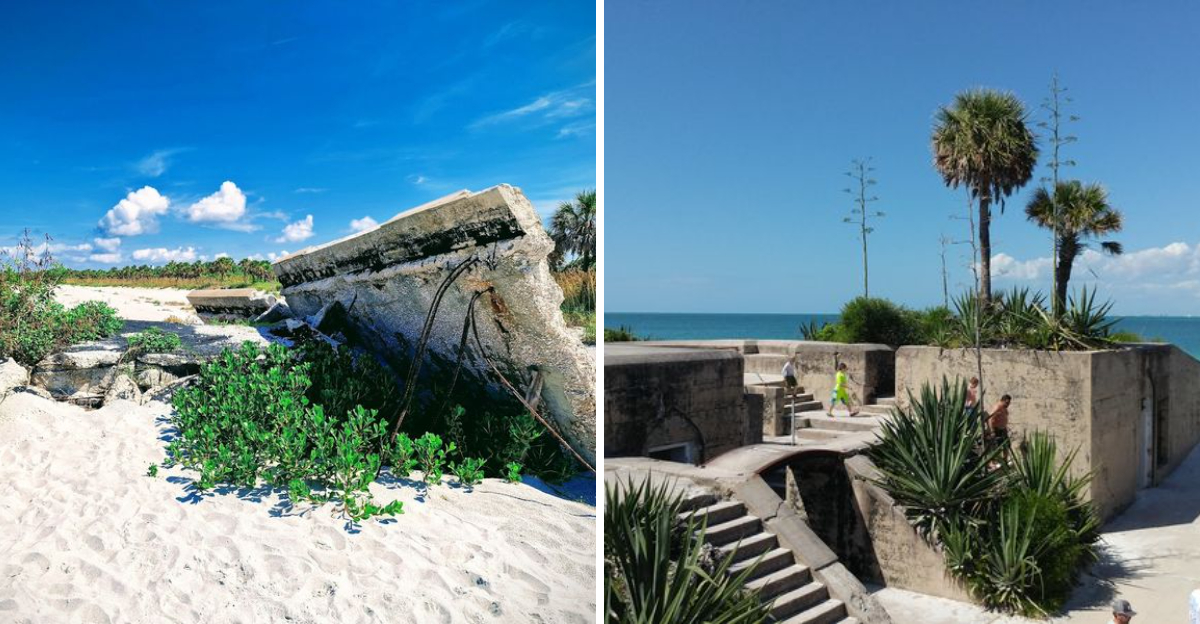
Instead of hotels, you’ll find abandoned ruins. Instead of traffic, you’ll hear waves and seabirds.
Old military buildings slowly disappear beneath sea grapes and sea oats. A lonely lighthouse still watches over the shoreline, just as it has for generations.
It feels like time simply stopped.
Florida is filled with famous attractions, but very few let you explore a real ghost town surrounded by turquoise Gulf water. Every trail reveals another piece of history.
Every crumbling wall tells another story. And every quiet beach feels like it belongs to you alone.
Leave the crowds behind.
Bring your camera.
This Florida island proves that some of the state’s greatest adventures begin where everyone else stopped looking.
The Ghost Town Hidden On Egmont Key
Most people have never heard of Egmont Key, and that is exactly what makes it so fascinating.
Tucked at the mouth of Tampa Bay near St. Petersburg, FL, this small barrier island holds the remains of a once-active community that included homes, a post office, and military buildings.
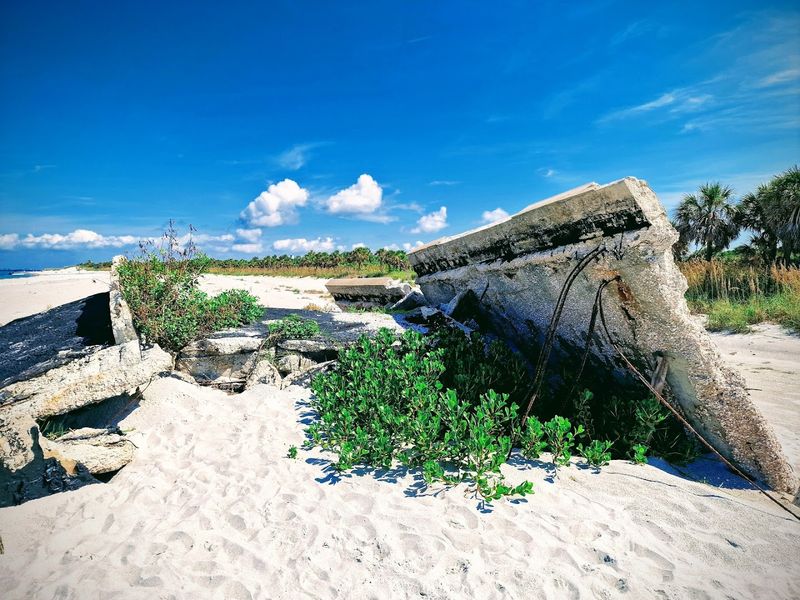
Over time, the residents left, the structures fell into disrepair, and nature slowly crept back in to reclaim the land.
Walking through the island today feels like stepping into a place that time quietly abandoned, with brick walls half-buried in sand and old foundations peeking through the overgrowth.
What makes it even more striking is the contrast between those crumbling ruins and the crystal-clear water surrounding the island on every side.
Egmont Key is only reachable by boat, which keeps the crowds thin and the atmosphere genuinely peaceful.
For anyone who loves history with a side of natural beauty, this hidden island delivers something truly hard to find anywhere else in Florida.
The History Of Fort Dade
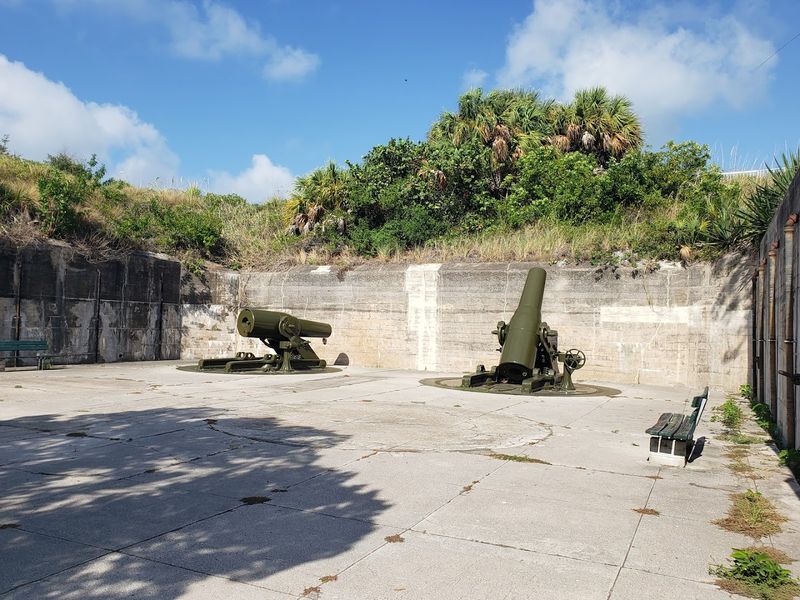
Fort Dade was built in 1898 during the Spanish-American War, and at its peak it housed hundreds of soldiers stationed to protect Tampa Bay from enemy ships.
The fort was a full military installation, complete with barracks, a railroad, a bakery, and even a bowling alley, making it a surprisingly self-sufficient little city on the water.
By the time World War I ended and the military threat faded, the fort was decommissioned and most of its residents relocated to the mainland.
Today, the brick gun batteries and crumbling building foundations are all that remain, and they create an eerie and beautiful landscape that photographers and history lovers find hard to resist.
Interpretive signs placed around the island help visitors understand what each structure once was, turning the walk into something closer to an outdoor museum experience.
The fort’s story is a reminder that this quiet little island once played a real role in American military history, and that legacy is still visible in every weathered brick.
The Egmont Key Lighthouse Still Stands
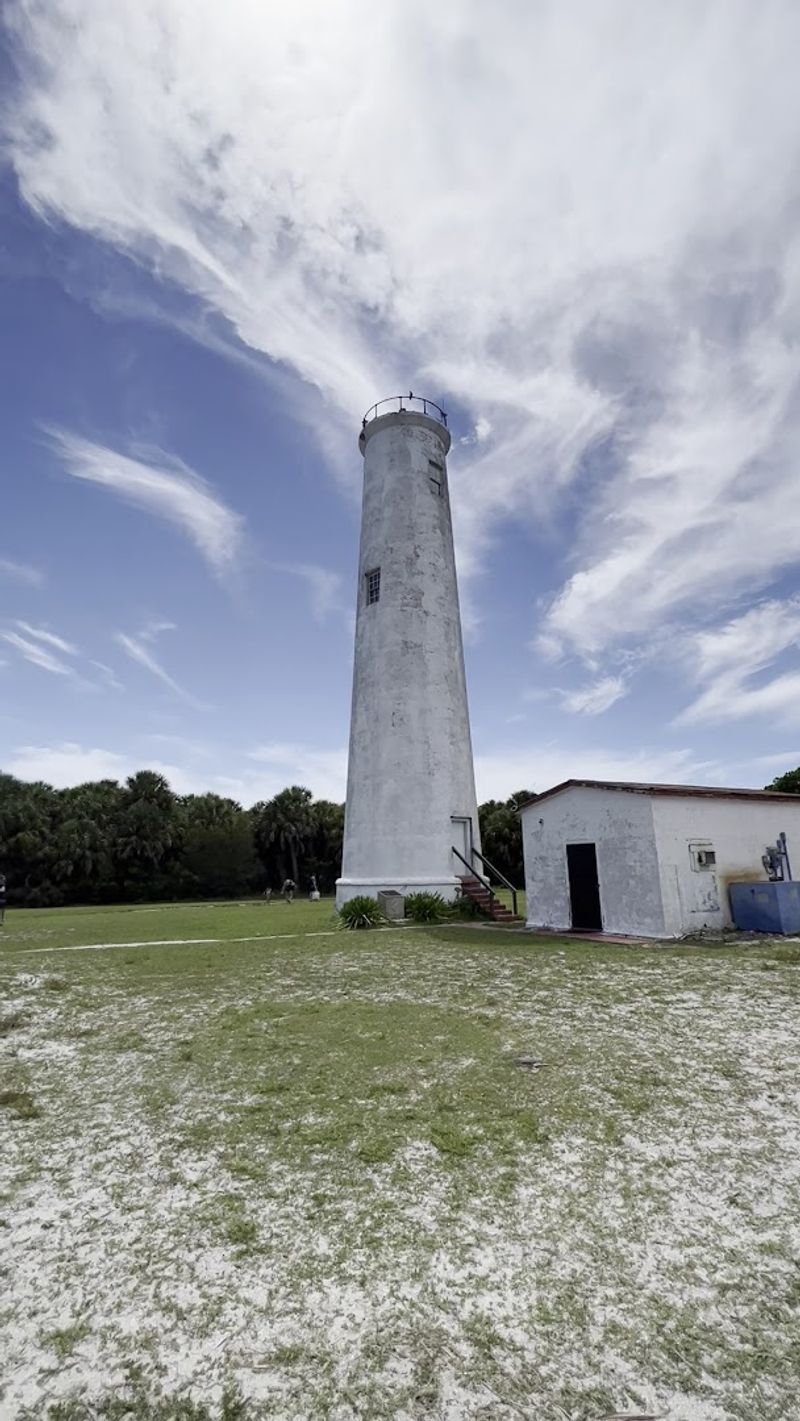
Built in 1858, the Egmont Key Lighthouse is one of the oldest surviving lighthouses in Florida and one of the most striking sights on the entire island.
Standing about 85 feet tall, the white brick tower has guided ships safely through the mouth of Tampa Bay for well over a century, surviving hurricanes, wars, and the slow erosion that has swallowed much of the surrounding shoreline.
The lighthouse is still an active aid to navigation, managed by the United States Coast Guard, which means it continues to do its original job even today.
Visitors can admire it from the outside and photograph it from multiple angles as they explore the island on foot.
The structure’s age and resilience give it a quiet authority that feels different from newer attractions, as though it has earned its place on the landscape through sheer persistence.
Seeing it rise above the palm trees against a bright blue Gulf sky is one of those simple travel moments that somehow stays with you longer than expected.
Crystal-Clear Waters Perfect For Snorkeling
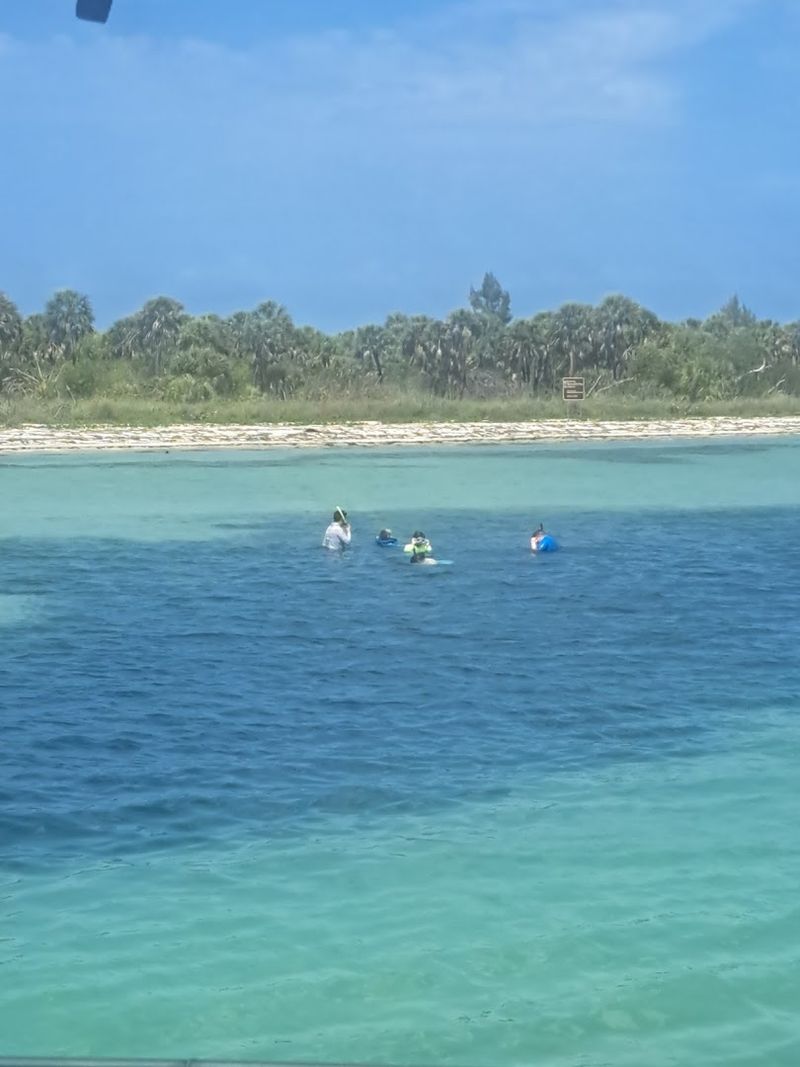
The water surrounding Egmont Key is remarkably clear, and that clarity makes it one of the best casual snorkeling spots in the entire Tampa Bay area.
Shallow sandbars and natural reef formations just offshore attract a colorful cast of sea life, including snook, sheepshead, blue crabs, and the occasional stingray gliding silently across the sandy bottom.
Snorkelers do not need advanced gear or experience to enjoy the underwater world here, since the calm, shallow areas near the shore are accessible even to beginners.
Bringing your own mask and fins is the smartest move, since the island has no rental facilities and the boat ride over is your only supply run.
Morning trips tend to offer the clearest water conditions before afternoon winds pick up and stir the surface.
There is something almost surreal about floating in warm, transparent Gulf water while the ruins of a ghost town sit just a few hundred feet behind you on the beach.
Gopher Tortoises Rule The Island

Egmont Key is home to one of Florida’s most charming and protected residents: the gopher tortoise.
These slow-moving, prehistoric-looking creatures roam the island’s sandy trails freely, and spotting one crossing the path in front of you is practically guaranteed on any visit.
Gopher tortoises are a threatened species in Florida, and Egmont Key provides them with an ideal habitat of open sandy ground and low-growing vegetation where they can dig their burrows undisturbed.
The burrows they create also benefit other wildlife, since dozens of other species use abandoned tortoise tunnels as shelter, making these animals surprisingly important to the local ecosystem.
Visitors are asked to keep a respectful distance and never feed or touch the tortoises, which helps keep the animals healthy and comfortable around people.
Watching one lumber steadily across a sun-drenched clearing, completely unbothered by the world around it, is one of those quietly delightful moments that reminds you why protected natural spaces matter so much.
How To Get To This Remote Island
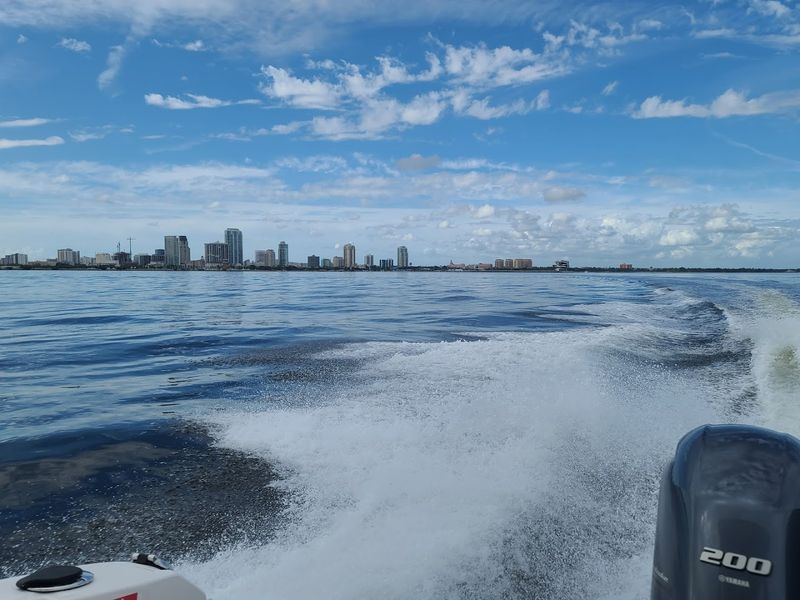
Getting to Egmont Key is half the adventure, and it requires a boat ride that most mainland visitors find genuinely exciting.
The most popular option is catching a ferry from Fort De Soto Park in Tierra Verde, near St. Petersburg, FL, with Dolphin Landings Charter Boat Center operating regular trips during the warmer months.
Private boaters can also anchor offshore and kayak or paddleboard to the beach, which gives you more flexibility over your arrival and departure times.
The ferry ride itself takes roughly 30 to 40 minutes and frequently includes dolphin sightings along the way, turning the transit into its own mini-attraction before you even step onto the island.
Checking the ferry schedule in advance is essential, since trips are weather-dependent and seats fill up quickly on weekends.
Arriving early in the day gives you the longest window to explore before the afternoon heat sets in and the return trip fills up with fellow adventurers ready to head back to shore.
The Shoreline That Keeps Shrinking
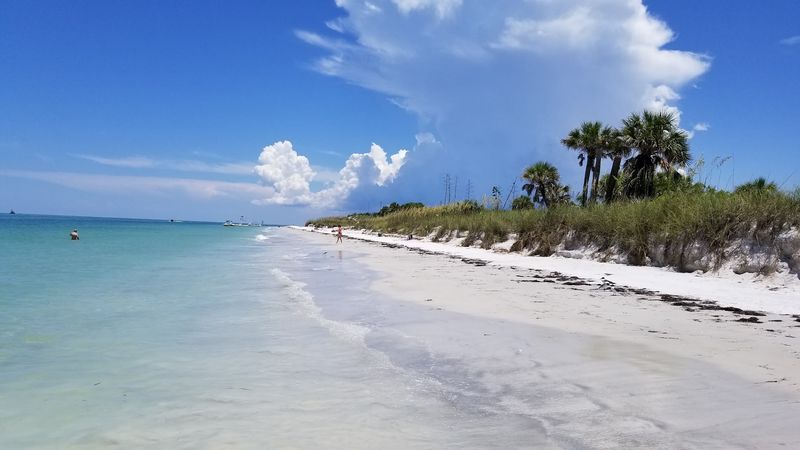
One of the most striking and sobering facts about Egmont Key is that the island is literally getting smaller every year due to coastal erosion.
At its largest, the island covered around 450 acres, but today it has shrunk to roughly 250 acres, with the Gulf of Mexico gradually eating away at its western shore.
Some of the old Fort Dade structures that once stood safely inland are now partially submerged or teetering at the water’s edge, swallowed by the same Gulf they were built to defend against.
Walking along the eroding shoreline, you can sometimes spot bricks and concrete fragments sticking out of the sand where buildings once stood on solid ground.
This ongoing erosion makes every visit to Egmont Key feel slightly urgent, as though you are seeing something that future generations may only be able to read about in history books.
The island’s fragility is part of what makes it so compelling, a beautiful, living reminder that nature always has the final say.
Birdwatching On A Barrier Island
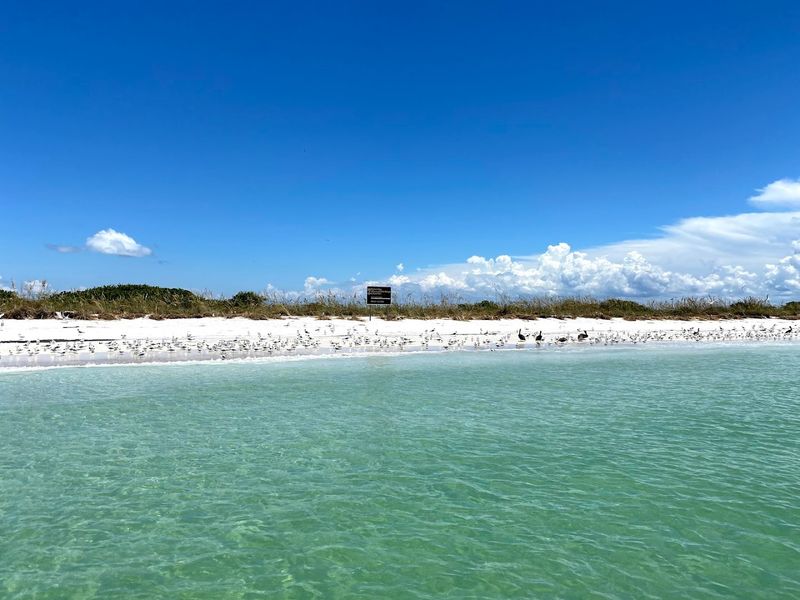
Egmont Key is a birder’s quiet paradise, and you do not need to be an expert to appreciate the variety of species that call this island home or pass through during migration season.
Brown pelicans, ospreys, roseate spoonbills, great blue herons, and numerous shorebird species can all be spotted here depending on the time of year you visit.
The island’s remote location and protected status make it an important nesting ground for several seabird species, and during nesting season certain areas are cordoned off to protect the birds from disturbance.
Bringing a pair of binoculars dramatically improves the experience, especially for spotting birds perched in the mangroves or diving into the shallows for fish.
Early morning is prime viewing time, when the light is soft, the birds are active, and the island feels almost impossibly peaceful before the day heats up.
Even casual visitors who have never thought much about birding often find themselves pausing to watch a great blue heron stand completely still at the water’s edge, patient as a statue.
What To Pack For The Perfect Island Day
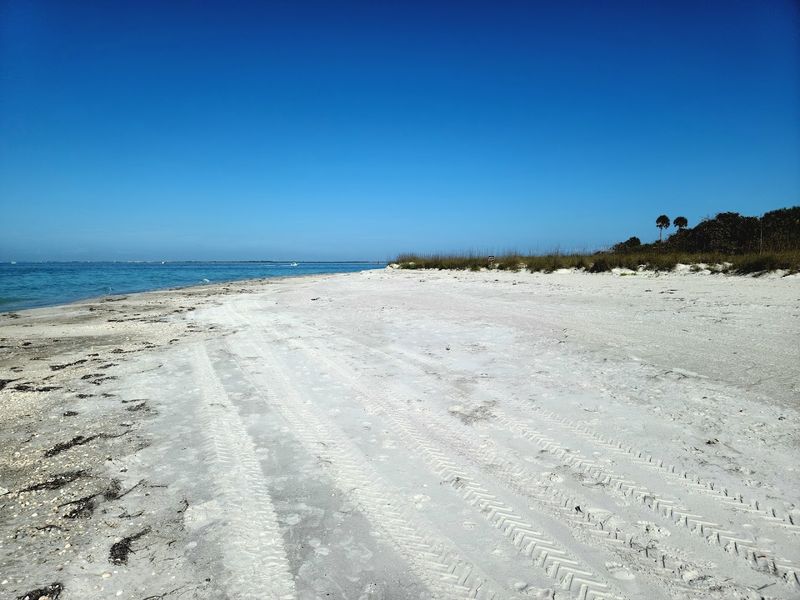
Visiting Egmont Key requires a bit of planning, since the island has no stores, no food vendors, and no freshwater facilities of any kind.
Packing enough water is absolutely essential, especially during Florida’s hot summer months when dehydration can sneak up on you faster than you expect.
Sunscreen, a hat, and lightweight clothing are non-negotiable given the island’s open, shadeless terrain and intense Gulf Coast sun.
Bringing snacks or a packed lunch lets you stay longer and explore more comfortably without rushing back to the ferry just because you got hungry.
Bug spray is worth tossing in the bag as well, particularly if you plan to explore the wooded interior trails where mosquitoes can be persistent.
Reusable bags for carrying out any trash are a thoughtful addition, since keeping the island clean is everyone’s shared responsibility.
A waterproof phone case or dry bag rounds out the essentials perfectly, protecting your gear during the boat ride and any shallow-water wading you decide to do along the shore.
Why This Place Feels Unlike Anywhere Else In Florida
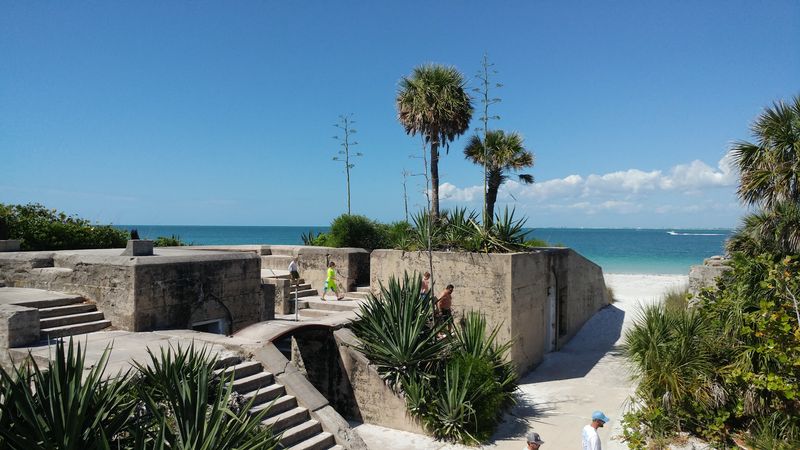
Florida has no shortage of beaches, parks, and historical sites, but Egmont Key manages to combine all three into one experience that feels genuinely one of a kind.
The combination of a real ghost town, an active lighthouse, protected wildlife, and some of the clearest water in Tampa Bay creates a layered destination that rewards curious visitors who take the time to look closely.
There is no admission fee to visit the island itself, which makes it an accessible adventure for families, solo travelers, and anyone who loves exploring off the beaten path without a big budget.
The sense of isolation you feel once you step off the boat and walk into the ruins is something that is hard to manufacture and impossible to fake.
No gift shops, no food trucks, no background music, just wind, water, birdsong, and the soft crunch of sand under your feet.
Egmont Key State Park sits near the entrance of Tampa Bay, accessible from St. Petersburg, FL, and it stands as proof that Florida’s most memorable places are sometimes the ones hardest to reach.