
This Curious Museum In South Carolina Is Stranger Than You’d Expect
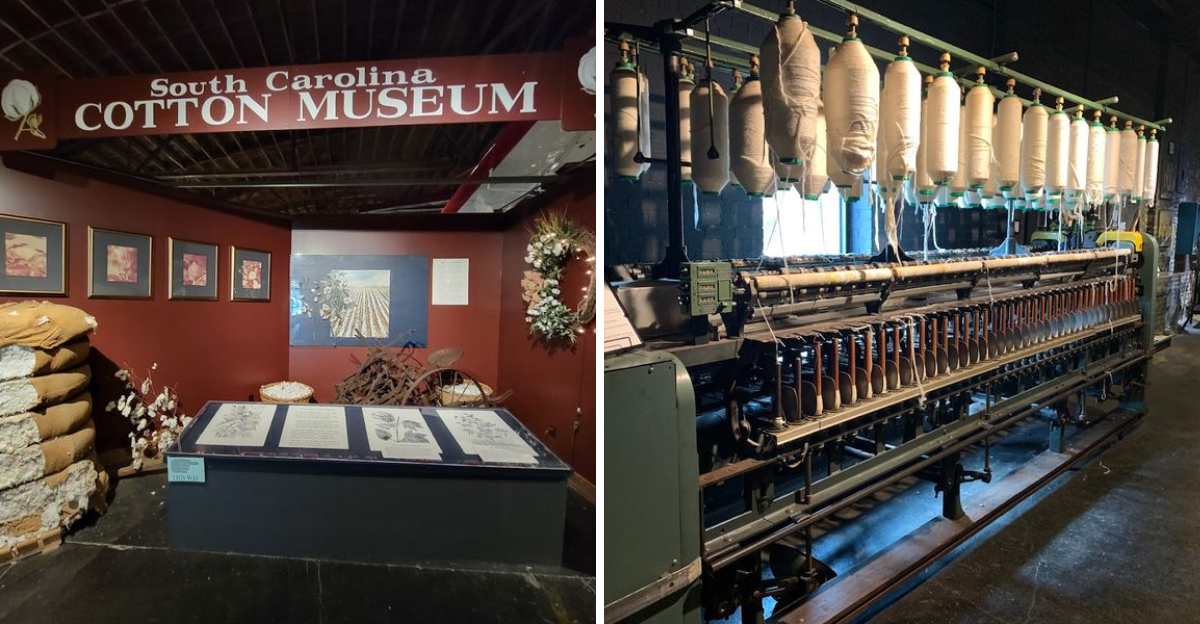
You never expect the strangest museum in South Carolina to be about cotton.
Until you walk through the front door.
One moment you’re looking at historic farming equipment. The next, you’re standing in front of an exhibit dedicated to the legendary Lizard Man.
Add military artifacts, local history, and stories that range from fascinating to downright bizarre, and suddenly an ordinary museum visit becomes something completely unexpected.
That is what makes this place unforgettable.
South Carolina is home to remarkable museums, but few surprise visitors quite like this one. Every room reveals something different.
Every exhibit tells another story. And every corner reminds you that the state’s history is far more colorful than most people imagine.
Forget everything you think a cotton museum should be.
This South Carolina attraction proves that the most memorable road-trip stops are often the ones you never planned to make.
Two Museums Share One Unexpected Home
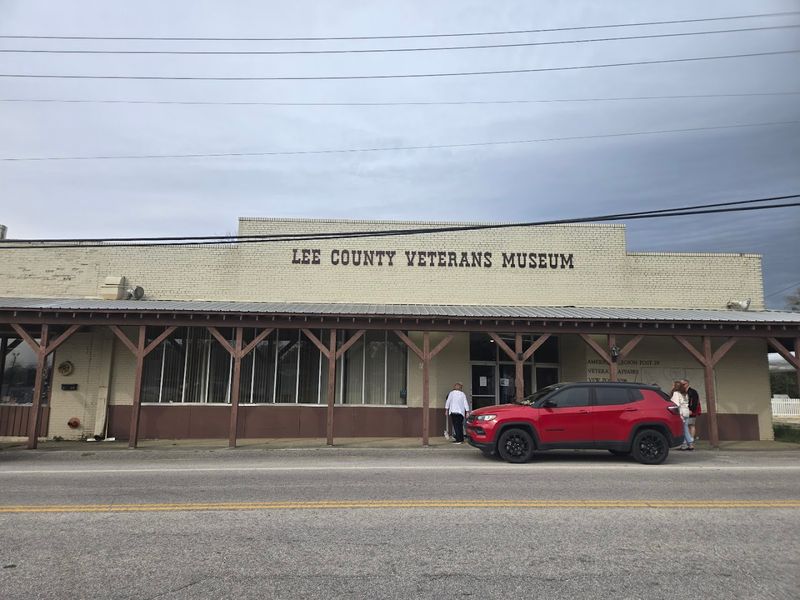
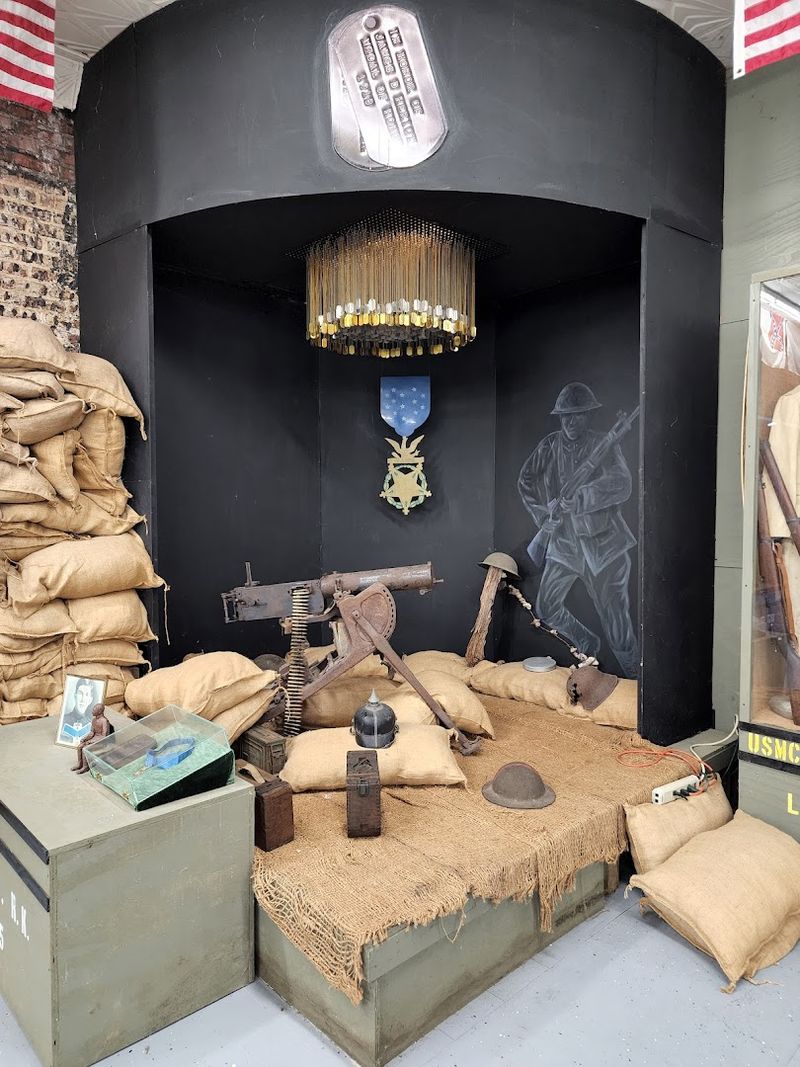
Walking through the entrance, I realized I had stumbled into a two-for-one situation that nobody warns you about online. The cotton exhibits flow seamlessly into the Lee County Veterans Museum next door, creating this strange but wonderful pairing of agricultural history and military heritage.
Eddie Grant, the curator who greeted me, explained how the buildings connect both physically and thematically through local history. Veterans who once worked the cotton fields are honored just steps away from the machinery they might have operated before serving their country.
I spent way more time than planned moving between vintage cotton pickers and World War II memorabilia, my brain switching gears every few minutes. The layout feels organic rather than forced, like someone naturally preserved two essential pieces of community identity under one roof.
Most visitors arrive expecting only cotton and leave having learned about local service members, which creates this pleasant sense of discovering bonus content. The admission price covers both museums, making the whole thing feel like finding extra fries at the bottom of the bag.
The Lizard Man Makes a Surprise Appearance
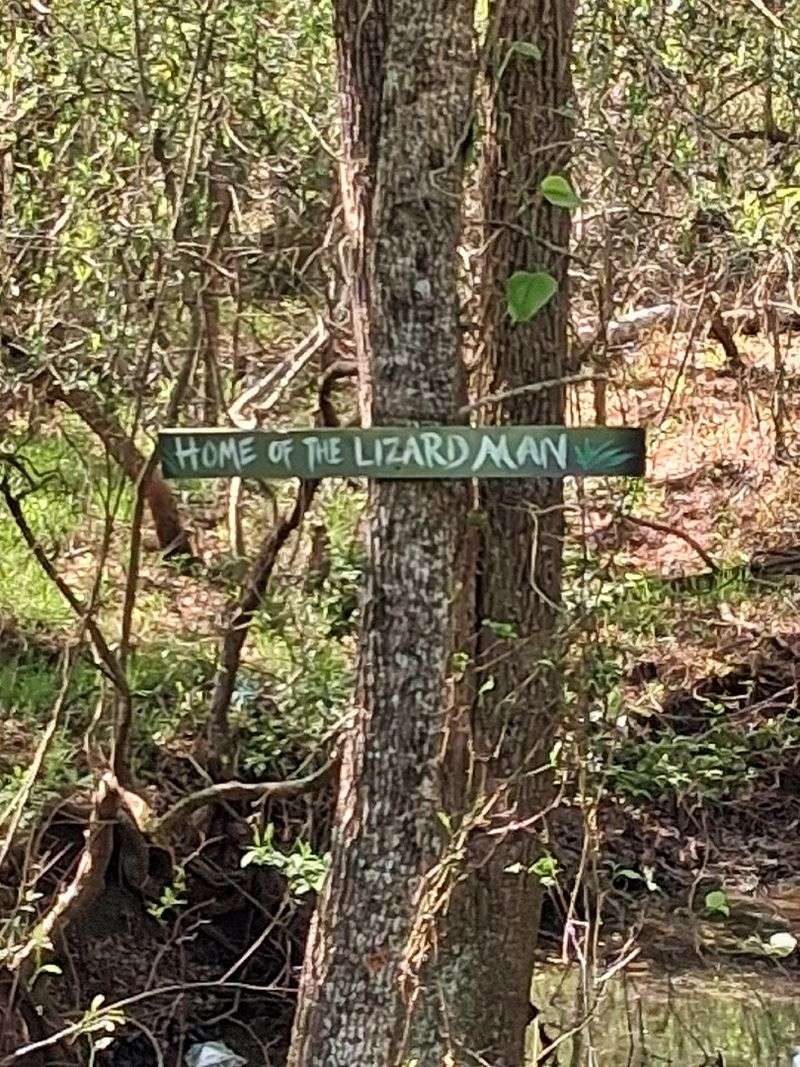
Nothing in the museum’s name prepares you for the moment you round a corner and come face-to-face with South Carolina’s most famous cryptid. The Lizard Man of Scape Ore Swamp has his own exhibit here, complete with newspaper clippings, eyewitness accounts, and artistic interpretations of the creature.
I actually laughed out loud when I first spotted it, not because it seemed silly, but because the transition from antique cotton gins to swamp monster lore felt so wonderfully absurd. The exhibit treats local folklore with the same respect given to agricultural equipment, acknowledging that regional legends matter just as much as harvesting techniques.
Visitors regularly mention this unexpected addition in their reviews, often citing it as their favorite surprise of the visit. Kids especially love the Lizard Man section, which probably keeps them engaged while parents examine cotton processing displays.
The placement feels intentional rather than random, as if the museum decided that preserving local culture meant including even the strange stories that make Bishopville unique. I left with photos of both cotton balers and cryptid exhibits, proof that curiosity takes many forms.
Cotton Touches Everything You Own
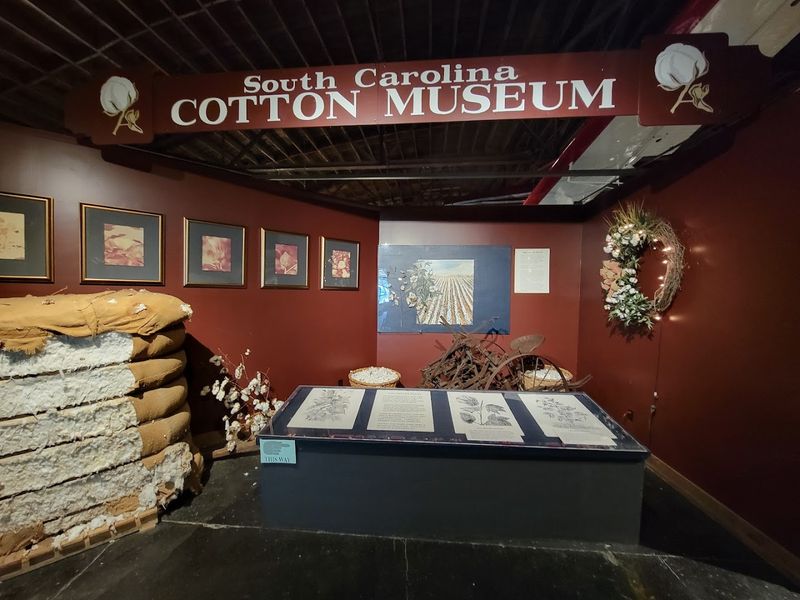
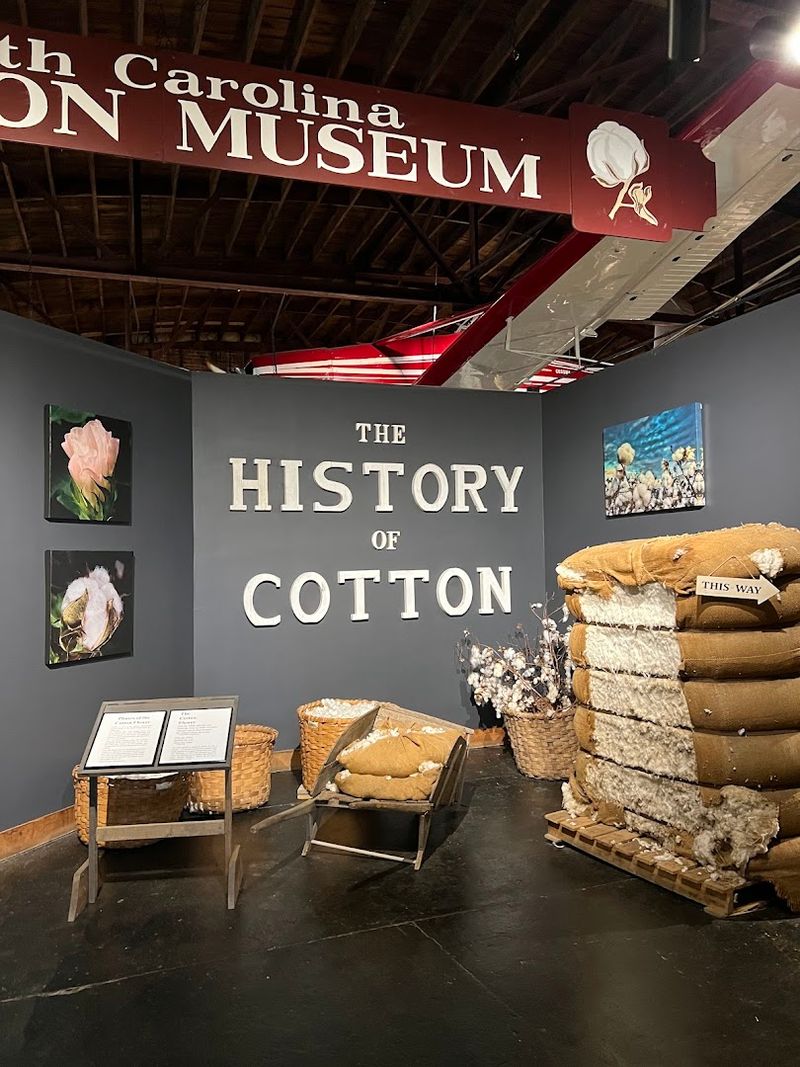
Standing in front of the seed-to-shirt timeline display, I finally understood why the staff kept saying cotton is more than just clothing. The museum breaks down every single use of the cotton plant, revealing that everything from Q-tips to paper money contains parts of this crop.
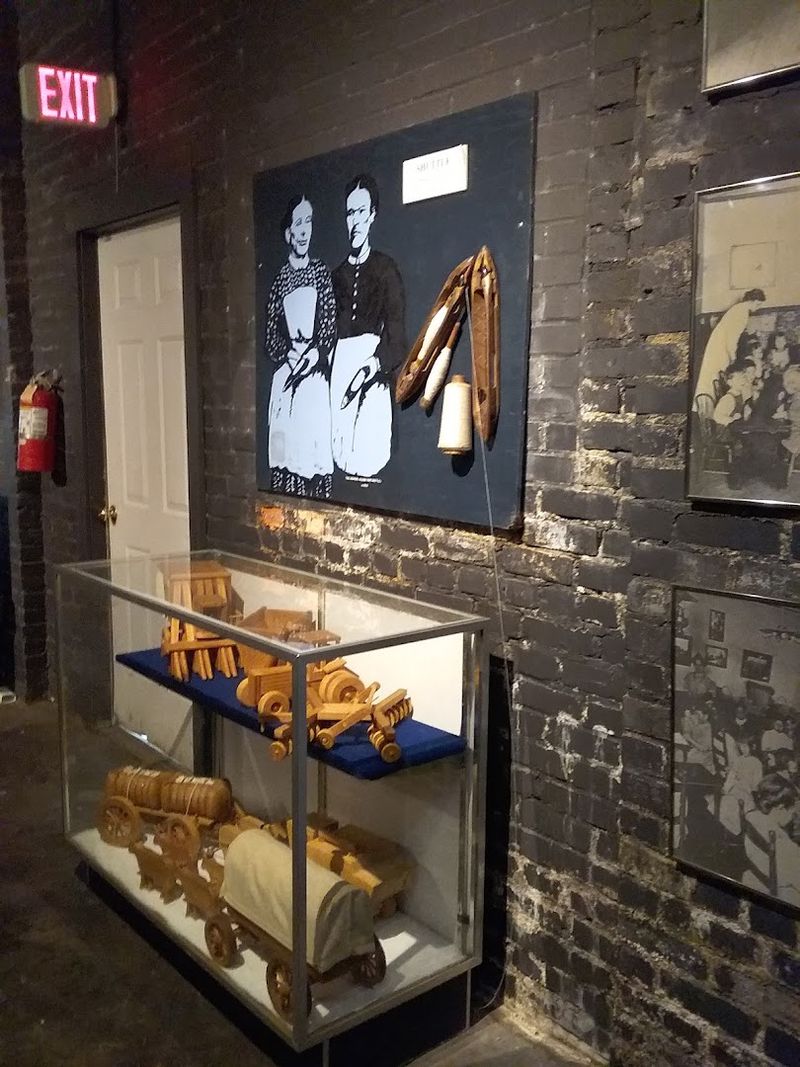
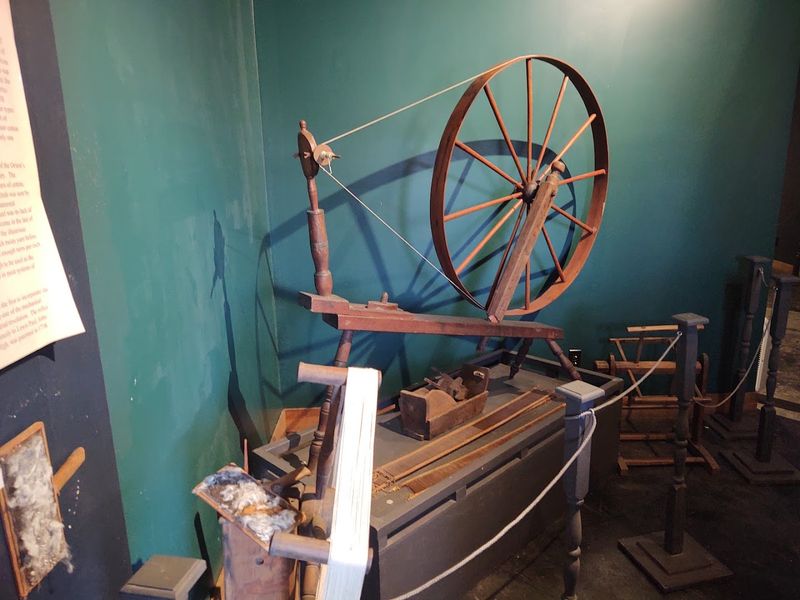
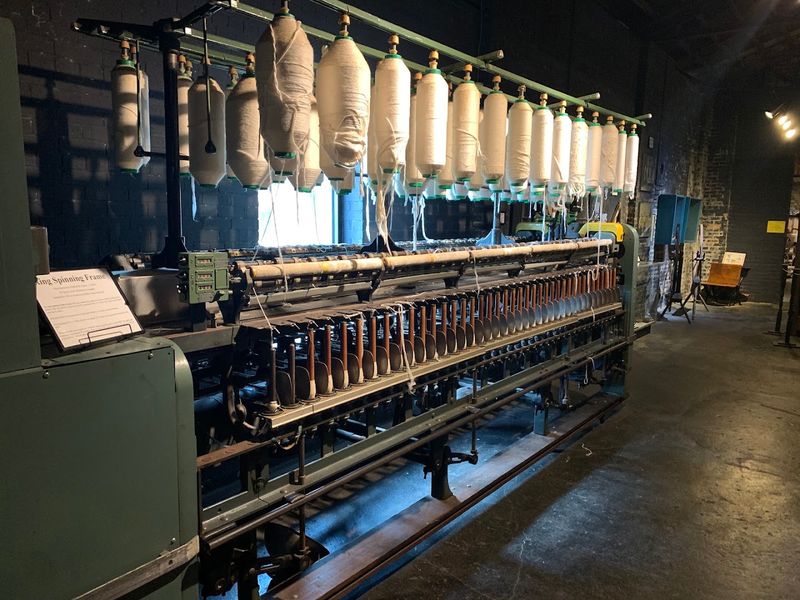
I picked up a raw cotton boll from the hands-on display and tried to imagine the journey from that fluffy white puff to the shirt on my back. The exhibits trace cotton through ginning, spinning, weaving, and finishing, with actual vintage equipment demonstrating each stage.
What struck me most was learning that even cottonseed oil ends up in food products, cosmetics, and industrial applications. Nothing goes to waste in cotton production, which the museum illustrates through clever displays connecting plant parts to everyday items.
The staff encourages touching certain exhibits, letting visitors feel the difference between raw fiber and processed thread. I left with a completely new appreciation for my cotton socks, now understanding the century-old industrial process that made them possible.
Vintage Machinery Fills Entire Rooms
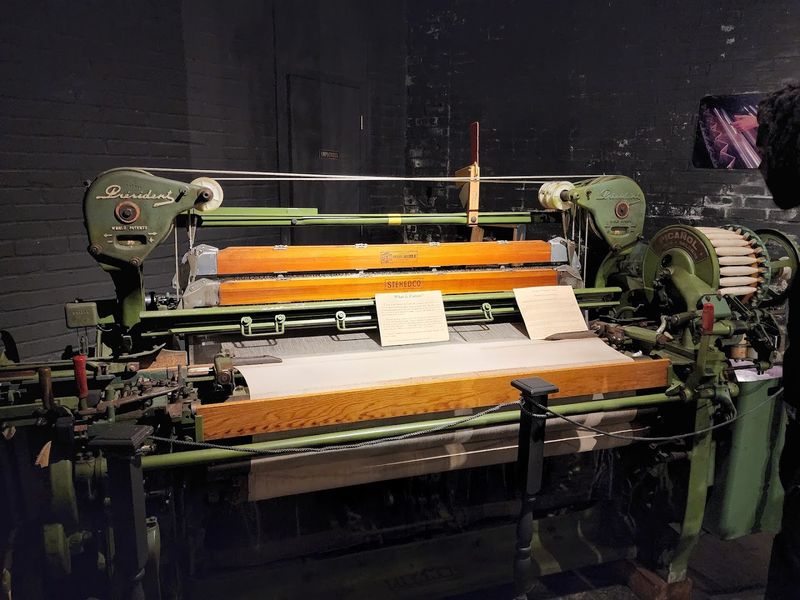
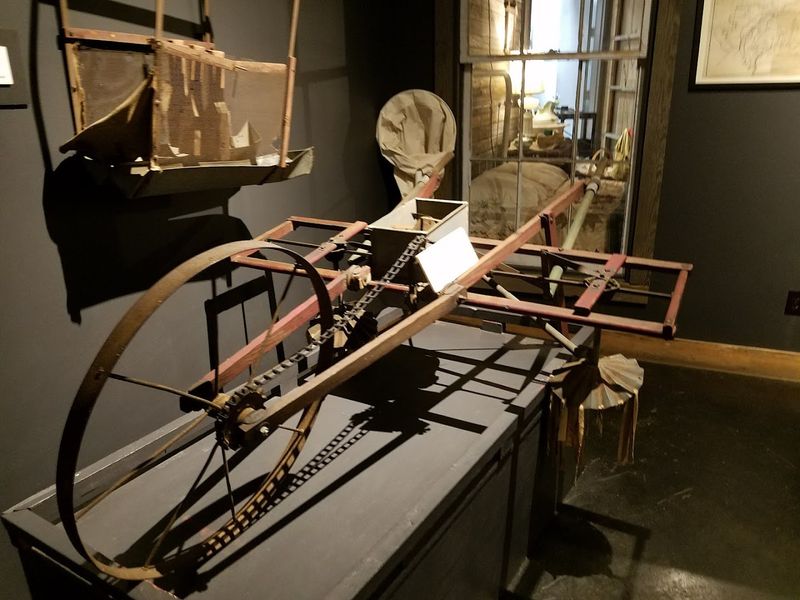
The first massive cotton picker I encountered made me stop mid-step and just stare at the engineering marvel taking up half the room. These aren’t small artifacts behind glass cases but full-sized pieces of agricultural equipment that once dominated South Carolina fields.
I walked around a mechanical cotton picker, examining the spindles and baskets that revolutionized harvesting in the mid-1900s. The museum somehow acquired these enormous machines and arranged them so visitors can appreciate their scale and complexity up close.
Each piece of equipment comes with explanatory plaques detailing its function, era, and impact on cotton farming efficiency. I found myself reading every single one, fascinated by how quickly technology transformed what had been backbreaking manual labor.
The machinery collection spans decades, showing the evolution from hand tools to mechanical giants that could harvest acres in hours. Photography enthusiasts love these exhibits because the vintage equipment creates dramatic backdrops that tell stories without words.
Seeing these machines indoors feels slightly surreal, like someone parked farm equipment in a living room and decided to build a museum around it.
Personal Tours Make Everything Click
Eddie Grant appeared within minutes of my arrival and offered a guided walkthrough that transformed my entire visit from casual browsing to genuine education. His knowledge runs deep, covering not just cotton facts but personal stories about local farmers and the industry’s regional impact.
I appreciated how he tailored explanations to visitor interest levels, going deeper into technical details when I asked questions about ginning processes. The personal attention made me feel less like a tourist and more like someone being welcomed into a community story.
Multiple reviews mention Eddie by name, praising his entertaining delivery and ability to make cotton history genuinely engaging. He has this gift for connecting historical farming practices to modern life in ways that stick with you long after leaving.
The museum operates on a small-town hospitality model where staff actually want to talk with visitors rather than just collect admission fees. I ended up spending an extra thirty minutes in conversation, learning about Bishopville’s agricultural heritage and local characters.
That personal touch turns a simple museum visit into a memorable experience that feels more like visiting a knowledgeable friend’s collection.
Admission Costs Less Than Lunch
I handed over four dollars at the front desk and immediately felt like I was getting away with something, given how much content awaited inside. Senior admission drops the price even further, making this one of the most budget-friendly educational stops in South Carolina.
The low cost removes any barrier to entry, encouraging families and road-trippers to stop without worrying about breaking the bank. I have visited big-city museums charging ten times more while offering less personalized attention and fewer surprises.
That affordable pricing reflects the museum’s community-focused mission rather than profit-driven tourism, creating an accessible cultural resource for locals and visitors alike. The gift shop offers reasonably priced items including cotton blankets that several reviewers specifically mentioned purchasing.
For the price of a fast-food meal, visitors gain access to both museums, personal tours, and hands-on exhibits spanning multiple aspects of regional history. I left feeling like I had discovered one of those rare travel bargains that actually delivers more value than expected.
The modest admission also means you can visit multiple times without financial guilt, perfect for locals wanting to bring different friends through the exhibits.
Location Makes It Perfect for Road Trips
Sitting just five minutes off I-20, the museum occupies that sweet spot where highway travelers can detour without losing significant time or mileage. I appreciate museums that respect my schedule by being genuinely convenient rather than requiring elaborate navigation through backroads.
The straightforward access from the interstate means you can spontaneously decide to visit without extensive planning or GPS gymnastics. Bishopville itself is small enough that finding the museum on West Cedar Lane takes minimal effort once you exit the highway.
Road-trippers heading between Columbia and Florence pass right by this exit, making the museum an ideal leg-stretcher that offers more substance than typical rest stops. I have made plenty of forgettable interstate detours, but this one actually added value to my journey rather than just burning time.
The location also pairs well with nearby Lee State Park, creating opportunities for full-day outings that combine nature and culture. Multiple visitors mentioned building day trips around both destinations, maximizing their time in the Bishopville area.
That highway proximity transforms the museum from hidden gem to accessible attraction that fits naturally into existing travel routes.
Historical Context Runs Deeper Than Expected
One reviewer mentioned how visiting as an African American brought painful recognition of ancestral struggles within the cotton industry’s history. The museum acknowledges this complex past rather than glossing over uncomfortable truths, presenting cotton’s story with appropriate historical weight.
I noticed how exhibits balance celebrating agricultural innovation with recognizing the human cost of cotton production throughout different eras. The displays never feel preachy but do provide context that helps visitors understand the crop’s complicated role in Southern history.
Learning about cotton’s economic impact means confronting its connection to larger historical narratives about labor, technology, and social change. The museum handles these themes with respect, allowing visitors to draw their own conclusions while providing factual information.
That depth of historical context elevates the experience beyond simple machinery appreciation into genuine cultural education. I found myself thinking about cotton’s legacy long after leaving, which indicates effective museum storytelling.
The willingness to present history honestly, even when difficult, demonstrates the kind of curatorial integrity that makes small museums valuable educational resources rather than just nostalgia repositories.
Compact Size Delivers Maximum Information
The museum’s modest footprint actually works in its favor, concentrating information and artifacts into a space you can thoroughly explore in about an hour. I have wandered massive museums where exhaustion sets in before reaching half the exhibits, so this manageable scale felt refreshing.
Every square foot serves a purpose, with displays arranged logically to guide visitors through cotton’s story without overwhelming them with endless rooms. The compact layout means you actually see everything rather than making tough choices about which wings to skip.
Families with young children especially benefit from the size, as kids can maintain interest and energy throughout the entire visit. I watched a six-year-old stay engaged from entrance to exit, which rarely happens in sprawling institutions requiring marathon attention spans.
The adjoining veterans museum adds content without creating fatigue, since both spaces remain human-scaled and thoughtfully curated. Together they offer satisfying depth without the bloat that sometimes afflicts larger museums trying to cover too much ground.
That efficient use of space proves you do not need endless galleries to create meaningful educational experiences, just smart curation and genuine passion for the subject matter.
Bishopville Itself Surprises Visitors
Exploring the museum led me to explore Bishopville itself, a small Southern town that punches above its weight in terms of character and local pride. The community clearly values its cultural institutions, supporting both museums and maintaining the kind of welcoming atmosphere that makes strangers feel noticed.
I grabbed lunch at a local spot after my visit and found myself in conversation with residents who genuinely cared that I had enjoyed the museum. That small-town hospitality extends beyond the museum walls, making the entire Bishopville experience feel warm and authentic.
The town’s proximity to both interstate travel and natural attractions like Lee State Park gives it surprising versatility as a destination base. I could easily imagine spending a full day in the area, mixing museum visits with outdoor activities and local dining.
Several reviewers specifically mentioned discovering Bishopville through the museum, then returning for other reasons after falling for the town’s charm. The museum serves as an ambassador for the community, introducing visitors to a place they might otherwise bypass completely.
Leaving Bishopville, I added it to my mental list of small Southern towns worth revisiting, places where authenticity still trumps tourist performance.