
The Antique Shop In Washington That’s So Ridiculously Big, You’ll Need A Game Plan Before Entering
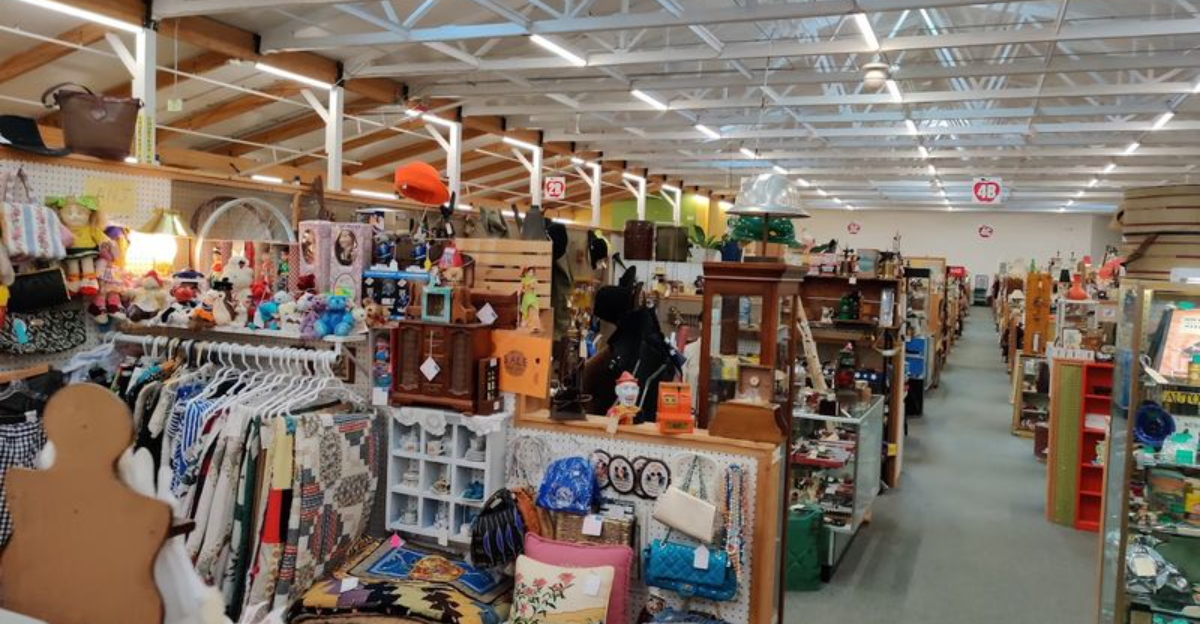
Getting lost shouldn’t feel this exciting, but here I am, circling a stack of mid-century chairs for the third time because I’ve completely forgotten where the exit is.
This building is essentially a black hole for anyone who loves old things, pulling you in with the siren call of tarnished silver and rare books. Navigating the aisles of such a massive antique shop in Washington is truly a high-stakes sport that requires the precision of a trained cartographer and the hunger of a competitive eater.
If you dive in without a strategy, you might spend the next six hours debating whether you actually need a taxidermy owl or a trunk from the roaring twenties.
Trust me, bring snacks and a sturdy pair of shoes for this wild, cluttered adventure. With 70,000 square feet of curated history spread across hundreds of booths, this shop on 100 Apple Annie Ave is less of a store and more of an entire world waiting to be explored.
The Origin Story Behind This Washington Gem
Back in 1996, a Wenatchee resident named Anne Dahl was running a small gift shop in the charming town of Cashmere, Washington, when she spotted something most people would have missed entirely.
Antique enthusiasts in the region had nowhere to both buy and sell under a single roof, and that gap in the market was practically begging to be filled.
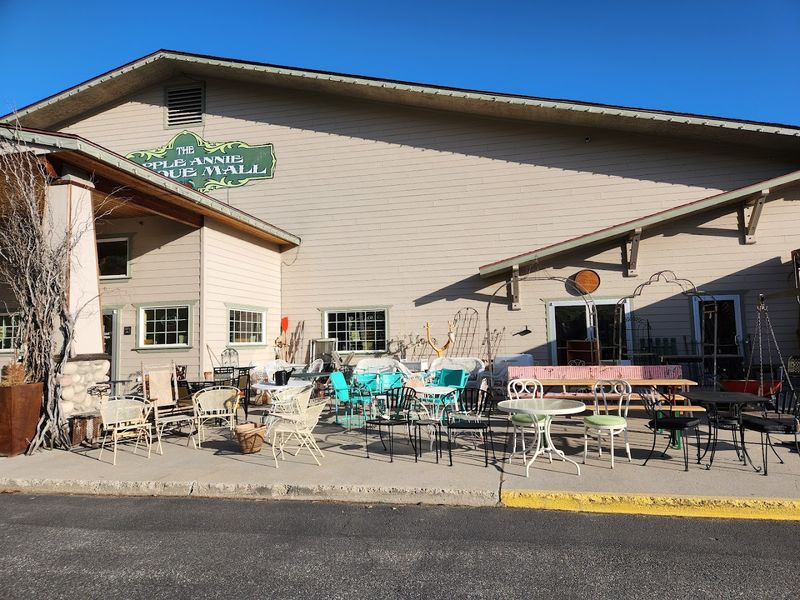
Anne turned her observation into action, and Apple Annie Antiques was born. Over the next decade, the business grew, changed hands, and eventually found its permanent home in a purpose-built structure completed in 2006. That building was designed from the ground up to offer wide aisles, superior lighting, and a layout that invites exploration rather than confusion.
Today, the Fowler family, led by Ron Fowler, stewards this beloved institution with the kind of care that shows in every organized booth and freshly stocked corner.
Knowing this backstory makes browsing feel even more personal, like you are part of a living community project that has been lovingly built over nearly three decades.
The Jaw-Dropping Size Of The Space
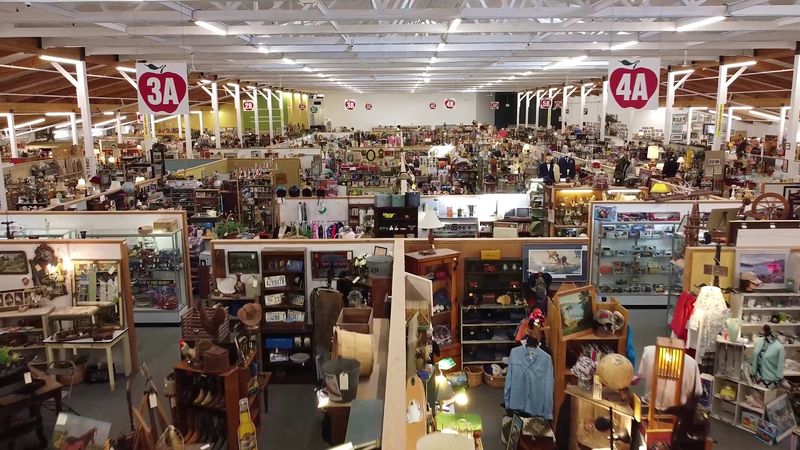
Seventy thousand square feet. Let that number settle in for a moment. That is roughly the footprint of a large warehouse store, except instead of bulk cereal and paper towels, every inch is packed with antiques, collectibles, and curated vintage treasures spanning multiple centuries.
When I first stepped inside, I did a full slow turn just to take in the scale. The ceilings are high, the aisles are wide, and the booths stretch in every direction like a well-organized city block that happens to be indoors.
There are more than 225 individual booth spaces spread across this single building, each one stocked by a different vendor with their own specialty and style.
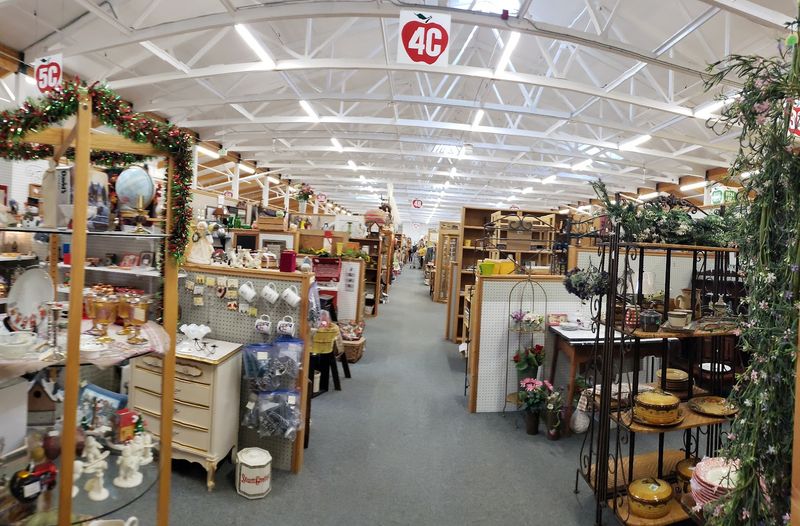
The thoughtful design means the size feels manageable rather than chaotic. Numbered sections help you track where you have been and where you still need to go.
Even so, most first-time visitors walk out realizing they covered only a fraction of what was available, which is a very good reason to come back again soon.
The Vendors And Their Stories
One of the most underrated pleasures of visiting Apple Annie’s is the chance to meet the vendors themselves. Between 120 and 150 individual sellers maintain booths here at any given time, and each one brings a completely different personality, expertise, and collection to the floor.
Some specialize in early American oak furniture, hauling in heavy, beautifully crafted pieces that anchor their booths like old friends. Others focus on Depression-era glassware, arranging delicate colored pieces so they catch the light just right.
A few vendors dedicate their entire space to vintage kitchenware, jewelry, pottery, or regional memorabilia that you simply cannot find anywhere else.
Chatting with a vendor who has spent years tracking down a specific type of 19th-century crockery is genuinely one of the highlights of the visit. Their passion is contagious, and their knowledge is deep.
Even if you do not buy a single thing from their booth, you will walk away with a story and probably a new appreciation for whatever they collect with such obvious devotion.
What You Can Actually Find Inside
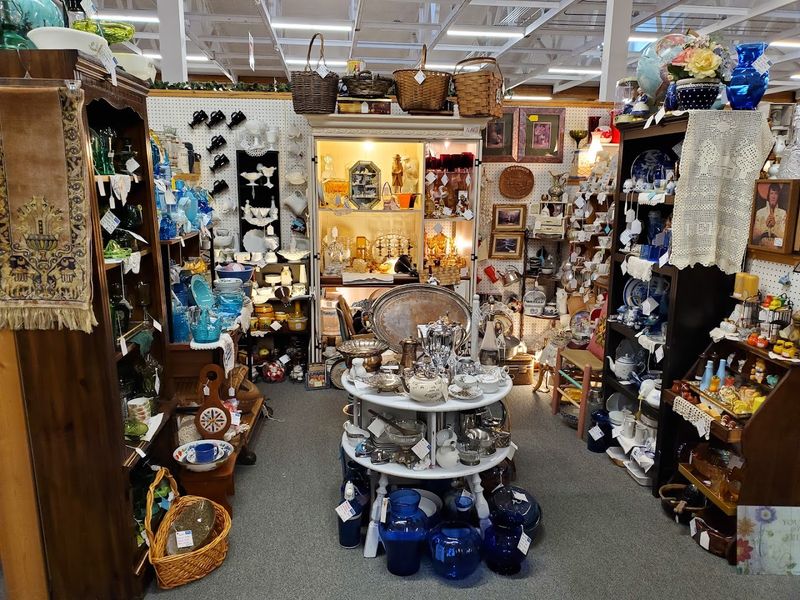
The inventory at Apple Annie’s reads like a greatest-hits list of American material culture across the past two centuries.
Furniture lovers will find themselves slowing down in front of substantial oak pieces, ornate Victorian chairs, and mid-century modern dressers that look like they belong in a design magazine.
Glass collectors can spend an embarrassing amount of time in booths stacked with Depression glass in every color imaginable.
Pottery and crockery from the 19th and 20th centuries appear throughout the floor in quantities that feel almost impossible. Vintage jewelry, sparkling in small display cases, catches your eye at unexpected moments as you wander through.
Beyond the big categories, the real magic lies in the unexpected finds. A stack of vintage postcards from Washington towns. A hand-painted wooden sign from a long-closed business.
A set of mid-century kitchen canisters in perfect condition.
The inventory turns over constantly, meaning repeat visitors almost always find something new. Going in with a focused wish list is smart, but staying open to surprises is what makes the experience genuinely memorable.
How To Build Your Game Plan
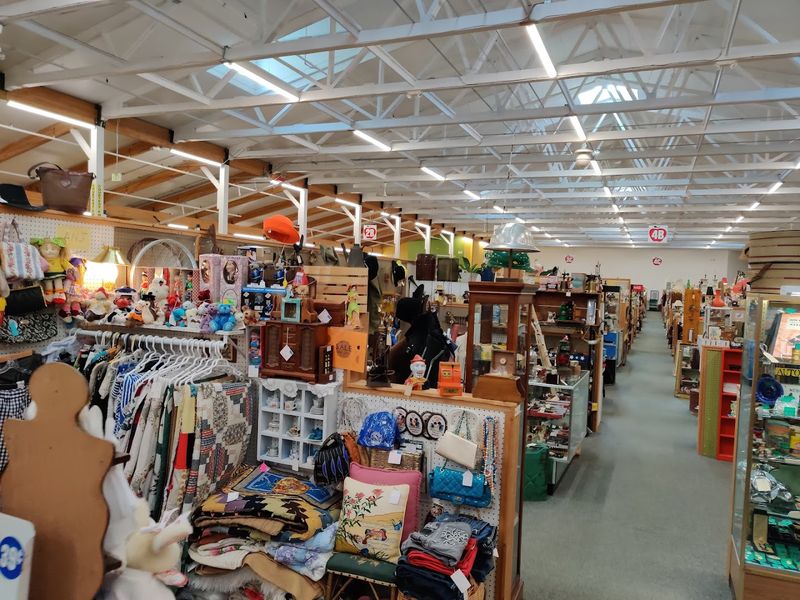
Walking into a 70,000-square-foot antique gallery without a strategy is a recipe for sensory overload and sore feet. Trust me, I learned this the hard way during my first visit when I wandered aimlessly and left feeling like I had missed the best parts entirely.
Start by deciding what you are actually looking for, even loosely. Having a mental category or two, such as furniture, vintage kitchenware, or collectible glassware, gives you a filter that keeps the experience focused without making it feel rigid.
Use the numbered section signs to track your path and avoid doubling back unnecessarily. Wear your most comfortable walking shoes without any hesitation, because you will cover serious ground.
Bring a tote bag or two for smaller purchases, and if you are eyeing furniture, measure your space at home before you go so you can make confident decisions on the spot. Budget more time than you think you need. Most visitors plan for an hour and stay for three, which honestly sounds about right based on my own experience here.
The Huckleberry Cafe Attached To The Gallery
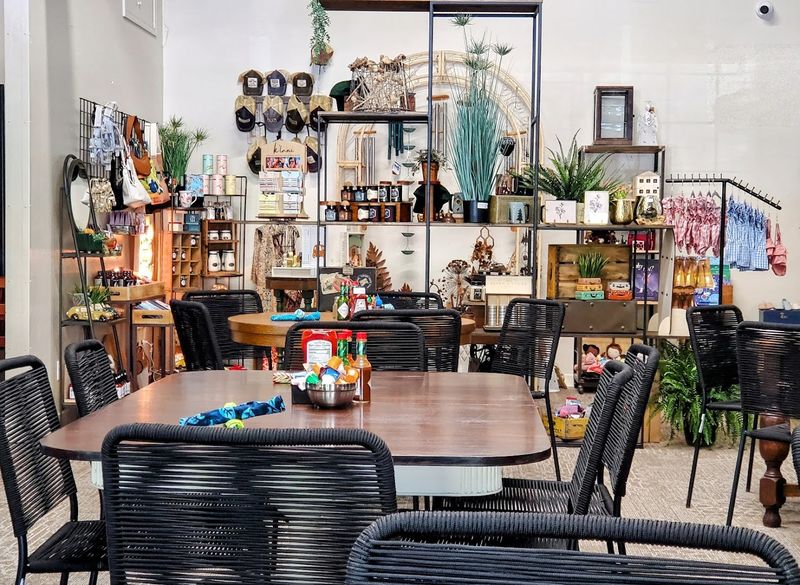
Somewhere around the two-hour mark of your visit, your energy will start to dip and your brain will need a reset. That is exactly when you will be deeply grateful that the Huckleberry Cafe sits right inside the Apple Annie’s building, ready to revive tired shoppers with coffee, snacks, and light meals.
The cafe has a relaxed, unpretentious vibe that fits perfectly with the overall atmosphere of the gallery. It is the kind of place where you can sit down, rest your feet, flip through photos of what you have already spotted, and make a plan for the sections you have not covered yet.
The name alone, Huckleberry, feels like a nod to the Pacific Northwest’s wild, forested soul.
I grabbed a coffee and a sandwich during my visit and found it was the perfect mid-adventure fuel stop. The brief pause actually sharpened my focus for the second half of my browsing session, and I ended up finding two of my best purchases after returning from the cafe refreshed and ready to keep going.
The Semi-Annual Flea Markets
If the indoor gallery is already an adventure, the semi-annual flea markets that spill out into the parking lot take things to an entirely different level of excitement.
These outdoor events draw in additional vendors who specialize in vintage items, antiques, and handmade crafts, creating a buzzing, festival-like energy that surrounds the entire building.
The atmosphere during these events is electric. Shoppers move between tables loaded with everything from vintage clothing and hand-thrown pottery to reclaimed architectural pieces and locally made goods.
The combination of indoor gallery browsing and outdoor market hopping means you could genuinely spend an entire day on the property without running out of things to discover.
If you can time your visit to coincide with one of these flea markets, I strongly recommend doing so. The events attract a lively crowd of collectors, casual browsers, and vendors who clearly love what they do.
Keep an eye on the Apple Annie’s website or social media pages for announced dates so you can plan your trip accordingly and arrive early for the best selection.
Cashmere, Washington As A Destination

Cashmere is the kind of small Washington town that rewards the traveler who takes the time to slow down and look around. Situated along U.S. Highway 2, it sits in the Wenatchee Valley surrounded by orchard-covered hillsides, the winding Wenatchee River, and the rugged backdrop of the Cascade Mountains.
The town itself is compact and walkable, with a historic downtown district that has a genuinely old-fashioned appeal.
Apple Annie’s sits at 100 Apple Annie Ave, making it easy to find as you drive through. After your visit to the gallery, the surrounding area offers plenty of reasons to linger, from riverside trails to local orchards selling fresh fruit depending on the season.
Cashmere is also a natural stop along the scenic Cascade Loop, one of Washington’s most celebrated road trip routes. Pairing a gallery visit with a drive through the mountains and valleys of this region turns a single shopping trip into a full Pacific Northwest adventure.
The landscape alone is worth the detour, and Apple Annie’s makes the stop unforgettable.
Hours, Access, And Planning Your Visit
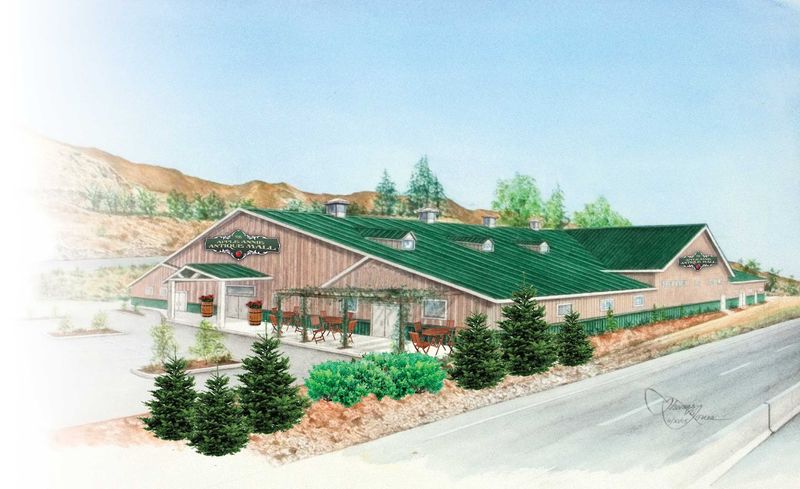
One of the most visitor-friendly things about Apple Annie Antique Gallery is how accessible it is throughout the year.
The gallery opens its doors seven days a week from 9 a.m. to 6 p.m., closing only on Thanksgiving and Christmas. That kind of consistent schedule makes it easy to work into a road trip or a weekend getaway without worrying about seasonal closures.
The address is 100 Apple Annie Ave, Cashmere, WA 98815, and parking is ample, which matters when you are planning to haul out a piece of furniture or a box of glassware.
The wide aisles inside are designed to accommodate strollers and mobility aids, making the space genuinely welcoming to a wide range of visitors.
Cell service inside the building is generally reliable, so you can look up reference prices, text a photo to a friend for a second opinion, or pull up your notes on what you were hoping to find.
Going on a weekday tends to mean fewer crowds and more time with vendors who are happy to share the history behind their pieces and negotiate on price.