
This Hidden Ohio Town Has The Kind Of History You Actually Want To Wander Through
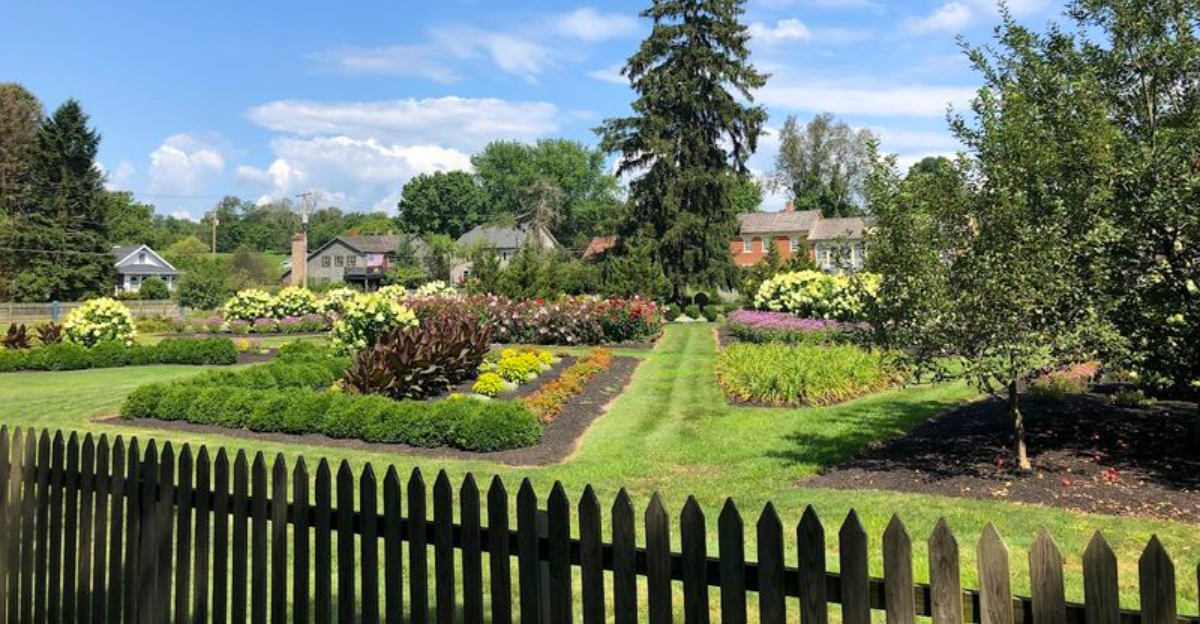
I did not expect a tiny Ohio village to make me question how much personality my own street has, but here we are.
This place does not try to impress you right away. It stays quiet, lets the old buildings do the talking, and somehow makes the past feel less like homework and more like something you accidentally wandered into on a very good day.
Is it flashy? Not even close.
That is exactly why it works.
You walk in expecting a calm historic stop, then realize the streets, garden, and centuries-old buildings still carry the feeling of a community that once built its whole world from scratch.
A Living Village With A Story Worth Knowing
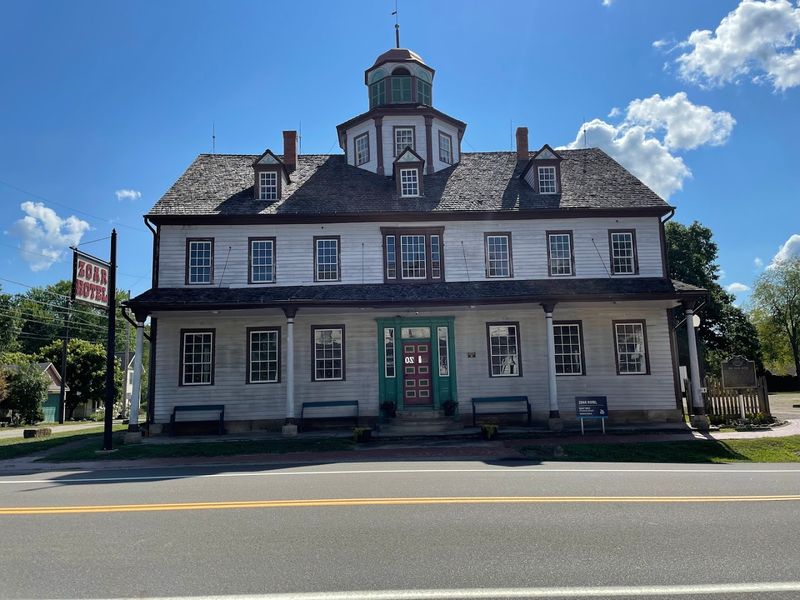
Most historic sites hand you a brochure and wish you luck. Zoar Village hands you two centuries of community history and then lets you walk straight through it.
The village was founded in 1817 by German Separatists seeking religious freedom and a chance to build something new. They called their settlement Zoar, a biblical name meaning place of refuge, and that intention shaped everything about how the community was designed and managed.
For roughly 80 years, the Zoarites operated as a communal society, sharing land, labor, and resources. Their cooperative system helped them not only survive but thrive, and they left behind an extraordinary collection of historic buildings and artifacts.
Today, the site operates as a living village with a museum complex, and many of the structures you tour contain furniture and objects connected to the original residents. That authenticity is rare and worth the drive alone.
The visitor center sits at 198 Main St, Zoar, OH 44697, right in the heart of Tuscarawas County.
The Garden At The Center Of Everything
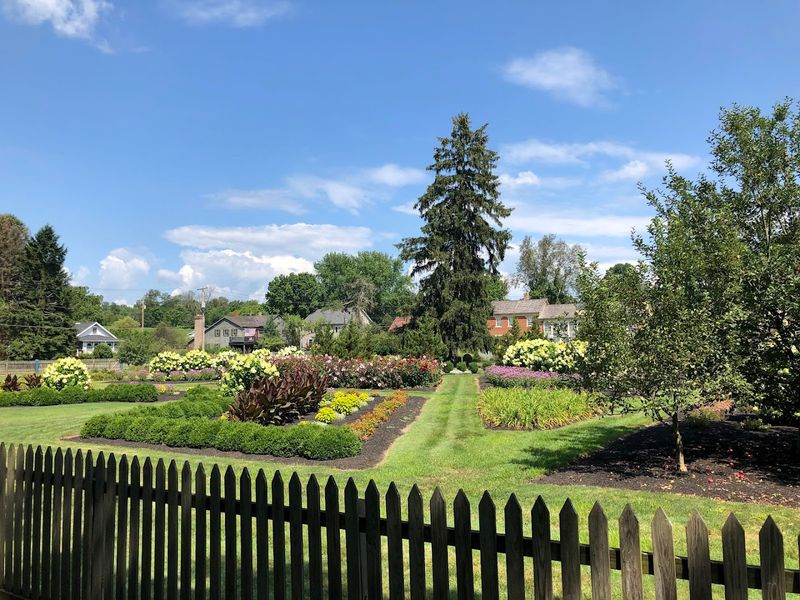
There is something almost meditative about standing at the edge of the Zoar garden and taking in the full picture.
The layout is centered around a spruce tree, with paths and garden beds arranged in a symbolic pattern tied to the Zoarites’ religious beliefs.
The Zoarites were deeply spiritual people, and their garden was not just decorative. Every plant, every path, and every section carried meaning that connected daily life to their faith in a very tangible way.
The spruce tree in the center represents everlasting life, while the paths radiating from the center symbolize different paths to heaven.
Visiting in warmer months means you are likely to see butterflies drifting between the flower beds while bees work quietly through the herbs.
Even visitors who came on a partial day with limited time made a point to walk through this garden, and it is easy to understand why. The combination of historical weight and natural beauty makes it a genuinely moving place to spend a quiet few minutes.
Few gardens carry this much meaning in such a compact and beautiful space.
Buildings That Carry Nearly Two Centuries Of History
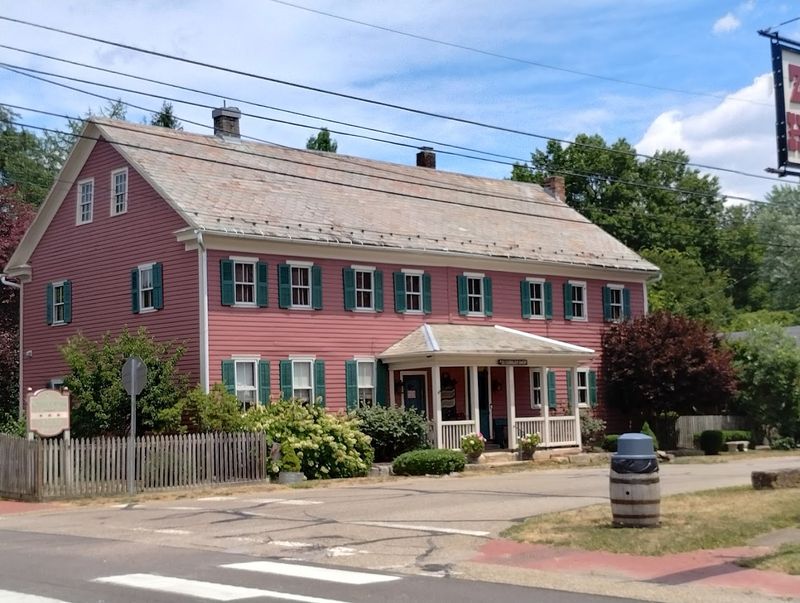
The architecture here is not a reconstruction or a careful replica. Many of these buildings are originals, and that distinction matters enormously when you are trying to connect with the past.
Number One House is one of the most visited structures on the tour. Built in 1835, it was originally intended as a home for the elderly of the Society, then became the home of community leader Joseph Bimeler after that plan changed.
The interior contains Zoar furniture, clothing, tools, pottery, baskets, and other articles used during the Society years, which gives every room a sense of quiet authenticity.
The tin shop, the blacksmith shop, and the bakery are also part of the historic village experience, and each one tells a different chapter of daily life in the commune.
Demonstrations and staffed buildings bring the space to life in a way that a static exhibit simply cannot.
Spending time around these structures feels less like touring a museum and more like borrowing a few hours from another century.
The Guided Tour Experience Worth Every Penny
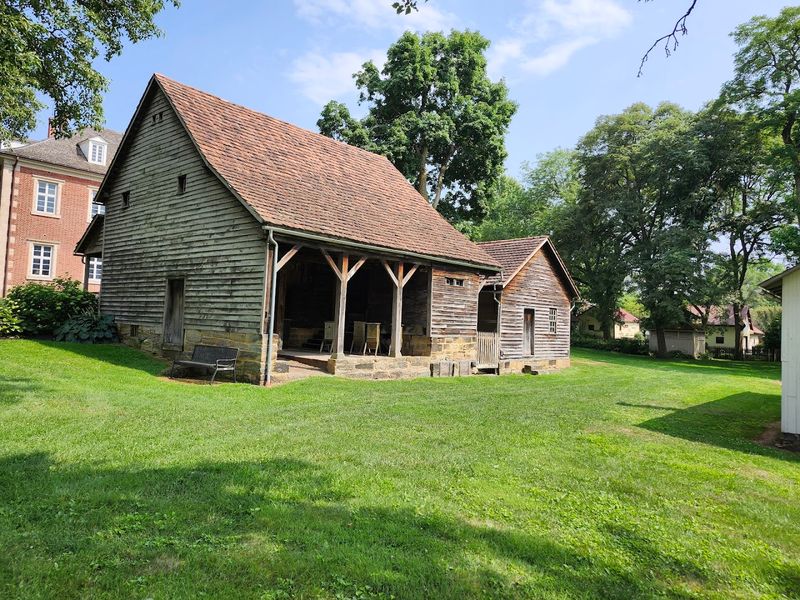
The guided tour at Zoar Village runs about 12 dollars per person, and nearly every visitor who has taken it says the price feels like a bargain by the time it ends. The guides here are not just reciting facts from a script.
Several guides have been connected to the village for decades, and some are actually descended from the original Zoarite families. That personal connection changes the entire texture of what they share.
Stories come with details and emotion that no printed sign could replicate.
Tour guides take their time, welcome questions, and often go beyond the standard talking points when visitors show genuine curiosity. Groups tend to be small enough that the experience feels personal rather than rushed.
The tour begins at the Zoar Store, which also functions as the visitor center, and from there you move through the key historic buildings with your guide providing context for each one.
For anyone who has ever felt bored by a traditional museum format, this kind of walking tour is a refreshing change of pace.
Good storytelling paired with real history is a combination that is genuinely hard to beat.
The Zoar Store And Visitor Center
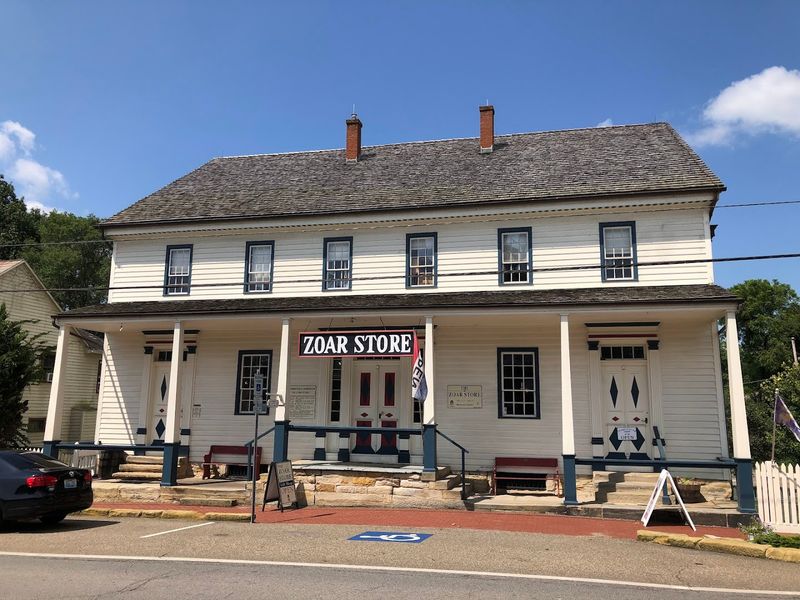
Every good adventure needs a starting point, and at Zoar Village, that place is the Zoar Store.
It serves as both the visitor center and the official launch pad for the historic tour, which means your first stop is also one of the most informative.
The staff and volunteers stationed here are genuinely enthusiastic about the history of the place. More than one visitor has mentioned spending 30 minutes or longer just chatting with the person behind the counter before ever setting foot on the tour route.
The store also carries a solid selection of items worth browsing, including books, local goods, and souvenirs that connect back to the village’s story. It is the kind of shop where you actually want to linger rather than rush through.
If you arrive and the tour has not started yet, the store is a comfortable and interesting place to wait. The staff can point you toward a map of the village, suggest a self-guided route for mobility-limited visitors, and give you a solid overview of what to expect.
A good welcome makes all the difference, and this place delivers one consistently.
The Bakery And Blacksmith Shop
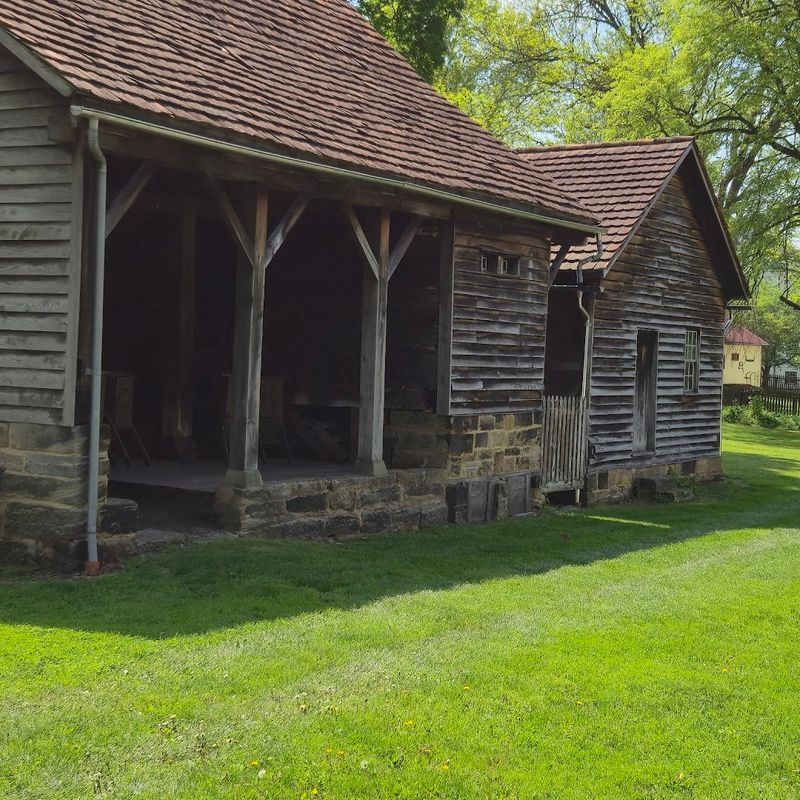
Two of the most sensory-rich stops on the Zoar Village tour are the bakery and the blacksmith shop. They each deliver something different and memorable.
The bakery is both a museum space and a retail stop during its operating season. Breads, pastries, and other baked goods are available during bakery hours, which currently run Friday and Saturday from 11 AM to 4 PM and Sunday from 12 PM to 4 PM from June through September.
There is something deeply satisfying about connecting a historic food space with something you can actually taste during your visit.
The blacksmith shop can bring visitors close to one of the practical trades that helped a self-sufficient community function.
Watching skilled craft work in a setting like this is a reminder of how much physical knowledge and patience went into building a village from the ground up.
Both spaces feel active rather than frozen, which is one of the things that sets Zoar apart from more static museum experiences. The village does not just show you history; it lets you smell it, hear it, and sometimes even taste it.
That kind of full-sensory engagement is exactly what makes a place worth returning to.
Special Events And Seasonal Celebrations
The village comes alive in different ways depending on when you visit. Planning your trip around one of the special events can turn a good day into a genuinely unforgettable one.
Christmas in Zoar is one of the most popular seasonal events, drawing visitors who want to experience the village wrapped in holiday traditions that feel rooted in the 19th century rather than the modern shopping calendar.
The atmosphere during these events is warm, communal, and entirely in keeping with the spirit of the original Zoarite community.
Ghost tours are also on the 2026 schedule, meeting at the Zoar Store before winding through the village by lantern light with haunted tales connected to Historic Zoar Village.
The tours run on select October dates, and free refreshments are available in the Zoar Store after each tour.
Other special programming, seasonal tours, speaker events, and heritage-focused gatherings appear on the calendar throughout the year, giving repeat visitors new reasons to come back.
Checking the event calendar before your trip is always a smart move here.
Walking The Village Beyond The Tour Route
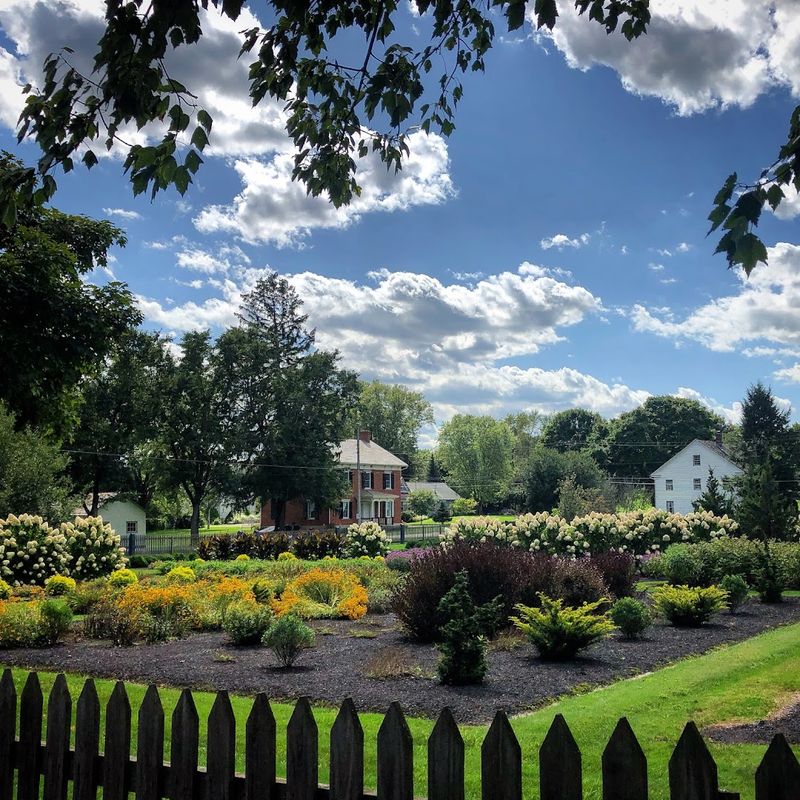
The official tour covers the main historic buildings, but some of the most rewarding moments at Zoar happen when you simply wander on your own.
The village is small enough to explore on foot in an afternoon, and the streets have a quiet, unhurried quality that is rare to find anywhere.
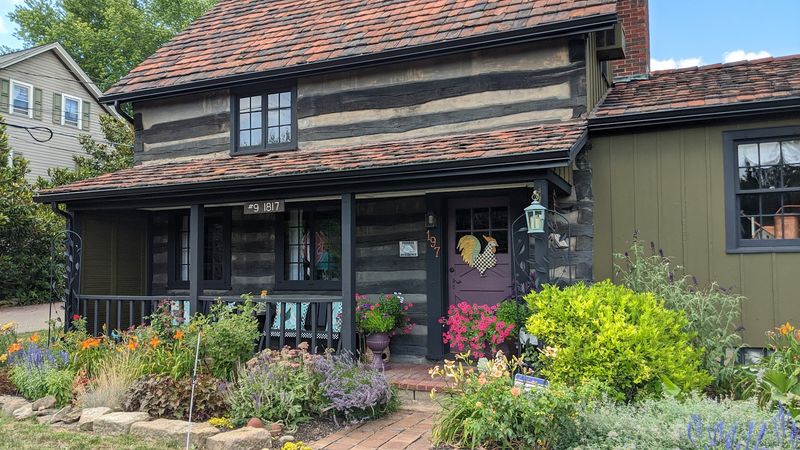
Many of the original 19th-century homes are still standing and privately occupied today. Some have been carefully restored to preserve their original character, while others wear the practical updates of modern living.
Either way, the streetscape as a whole feels like a place that history chose not to abandon.
A self-guided walk lets you set your own pace, double back to spots that catch your eye, and spend as long as you like in the garden without feeling like you are holding up a group.
For visitors with mobility considerations, the staff at the Zoar Store can suggest a driving route that covers the key highlights without requiring extended walking.
There is also a nearby section of the Towpath Trail for those who want to stretch their legs a little further after exploring the village itself.
Planning Your Visit And What To Expect
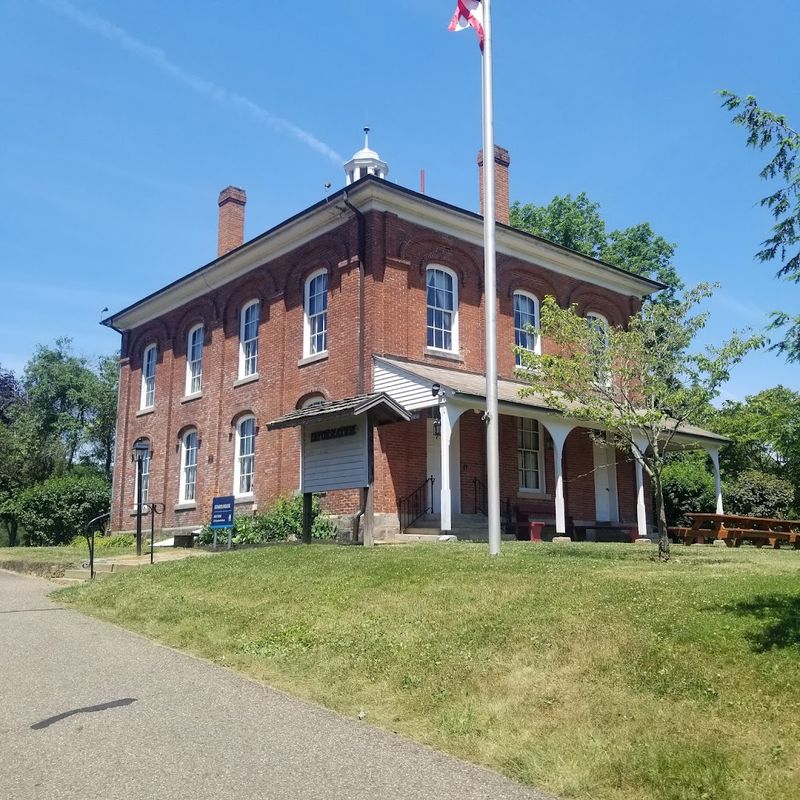
Getting your visit right starts with knowing a few practical details, and Zoar Village is easy to navigate once you know what to expect.
The Zoar Store is open March through December from Wednesday through Saturday, 10 AM to 5 PM, and Sunday from 12 PM to 5 PM.
The museum and tour schedule is more seasonal. Museum hours run on weekends in April and May, Wednesday through Sunday from June through September, and weekends in October, while the museum is closed from November through March.
Parking is available in a lot across from the visitor center, and the only public restroom on the grounds is located at that same lot, so keep that in mind before heading out on foot.
The village is not particularly stroller-friendly due to uneven terrain, though staff are welcoming and accommodating to families with young children.
Tour tickets are purchased through Historic Zoar Village, with guided tours currently listed at 12 dollars per adult and self-guided tours listed at 10 dollars per adult when available.
Self-guided tours are available May through September on Wednesdays and Thursdays from 11 AM to 3 PM.
The phone number for the site is 330-874-3011, and the website at historiczoarvillage.com has updated event listings and seasonal hours. A little planning goes a long way toward getting the most out of your time here.