
Step Into This Little Known Pennsylvania Riverside Trail And Discover A Hidden Gem
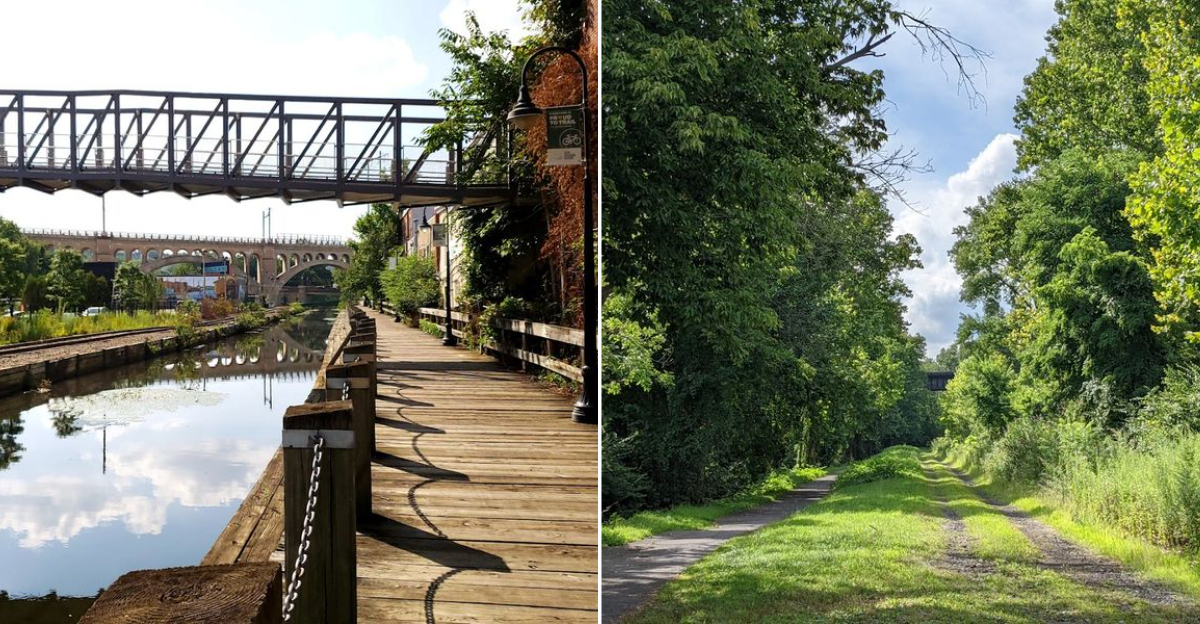
Some trails do not need big signs or dramatic hype to win you over. They just need a good river, an easy rhythm, and that satisfying feeling of finding a place that feels better than expected.
This Pennsylvania riverside walk has the kind of quiet pull that makes a simple outing feel like a small discovery.
It is the sort of route where the water keeps you company, the scenery does not try too hard, and the whole experience feels refreshingly low-pressure.
You can go for the fresh air, the views, the movement, or just the excuse to step away from the usual routine for a while.
The best part is how quickly it can turn an ordinary day into something worth remembering.
I have a weakness for trails that start casually and then surprise me halfway through, because those are the ones I end up recommending first.
History Runs Deep Along Every Mile
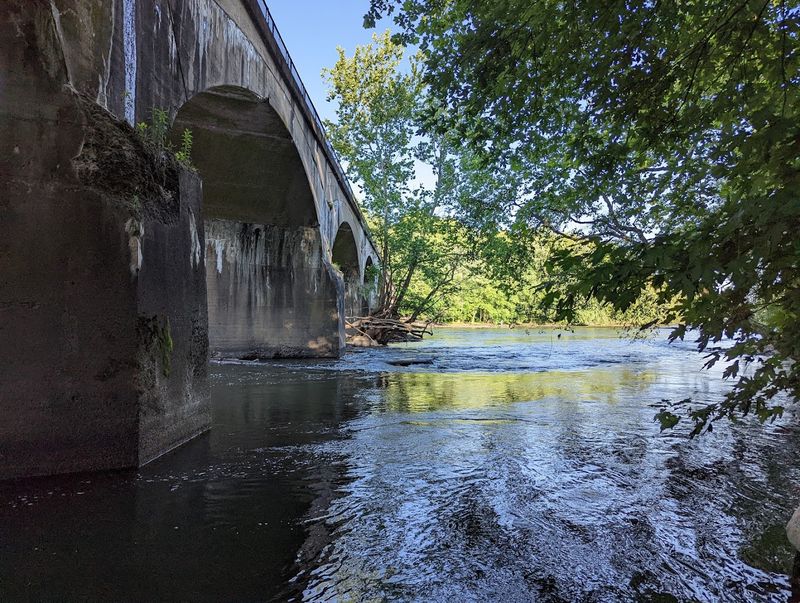
Long before the trail existed, the Schuylkill River was a working waterway that powered Pennsylvania’s early industrial economy.
Grist mills, iron furnaces, and textile factories once lined these banks, and many of their stone ruins still stand today as quiet reminders of a busy past.
The Schuylkill Navigation System, a network of canals and locks built in the early 1800s, helped move coal and goods from the interior of Pennsylvania down to Philadelphia.
Remnants of this engineering feat are visible in several spots along the trail, and they are genuinely fascinating to see up close.
History fans will find this trail surprisingly rich with stories that go well beyond a typical park visit.
Reading the landscape here feels a bit like flipping through a physical history book, one where the pages are made of stone walls and old canal locks.
A Trail That Stretches Farther Than You Think
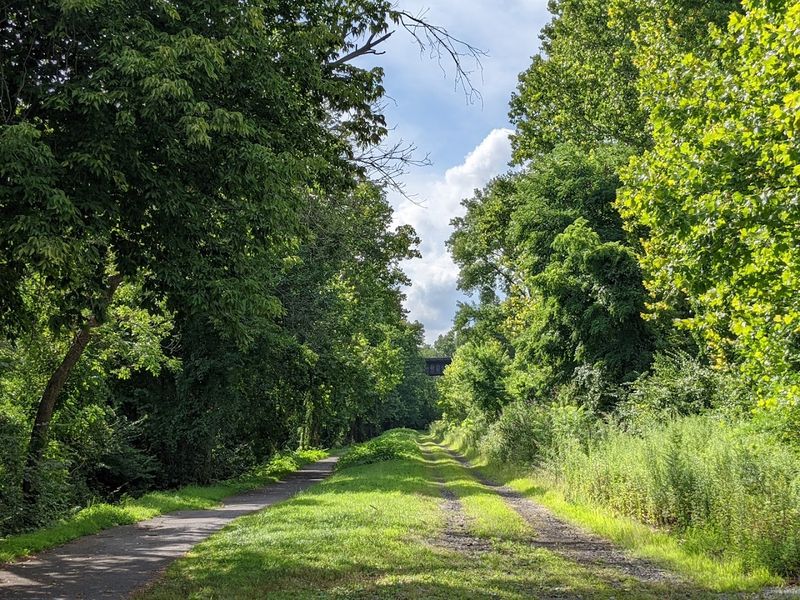
Spanning more than 80 open miles through southeastern Pennsylvania, the Schuylkill River Trail is not your average nature walk.
It is planned to stretch 120 miles from Frackville to Philadelphia, passing through a fascinating mix of urban neighborhoods, quiet suburbs, and open farmland.
The trail follows the Schuylkill River for much of its length, giving walkers and cyclists a beautiful companion throughout the journey.
You can hop on at dozens of access points, making it easy to explore just a section or plan a multi-day adventure.
The sheer variety of landscapes along this route keeps things interesting mile after mile.
One moment you are rolling past a historic mill town, and the next you are surrounded by nothing but trees, birdsong, and the sound of moving water.
Wildlife Sightings That Will Stop You Mid-Stride

The Schuylkill River Trail is a serious birdwatcher’s playground.
Great blue herons, bald eagles, and other water-loving birds are possible sights along the river corridor, especially in the quieter stretches north of Philadelphia.
White-tailed deer often graze near the trail edges in the early morning and late afternoon, and river otters have been spotted in certain sections.
The river itself supports fishing and wildlife watching, attracting anglers who set up along the banks throughout the warmer months.
Bringing a pair of binoculars on this trail is genuinely one of the best decisions you can make.
The habitat diversity created by the river, the floodplain forests, and the open meadows means that nearly every visit turns up something new and unexpected to observe here daily.
Cycling Is King On This Riverside Corridor
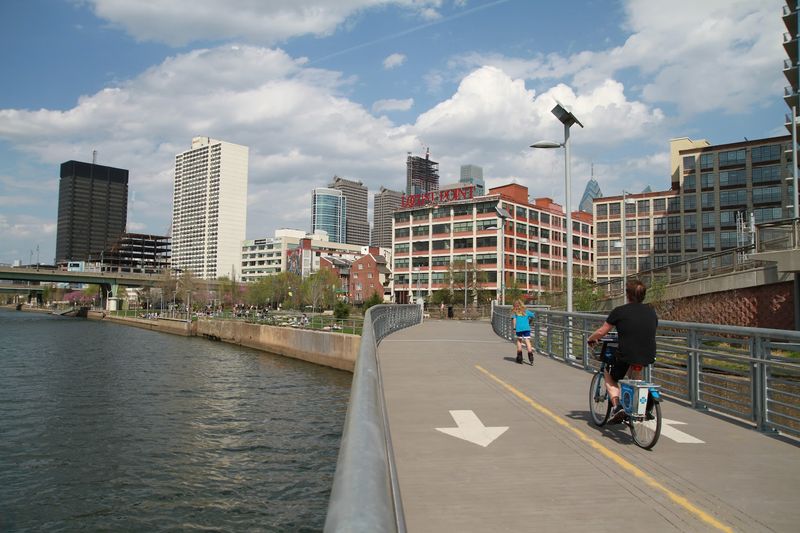
The Schuylkill River Trail is widely considered one of the best cycling trails in the northeastern United States.
Its paved and crushed-stone surfaces are well-maintained, relatively flat along many sections, and wide enough to accommodate both casual riders and serious cyclists.
Families with kids will find the gentler southern sections near Philadelphia ideal for a relaxed weekend ride.
Meanwhile, those looking for longer distances and a bit more challenge will appreciate the northern stretches through Berks County, where the scenery opens up and the crowds thin out considerably.
Trail towns along the route, including Phoenixville, Pottstown, and Birdsboro, offer convenient spots to stop, refuel, and rest before heading back out.
Pennsylvania has invested significantly in this trail infrastructure, and the result is a cycling experience that feels both polished and genuinely adventurous.
The Four Seasons Each Bring Something Different
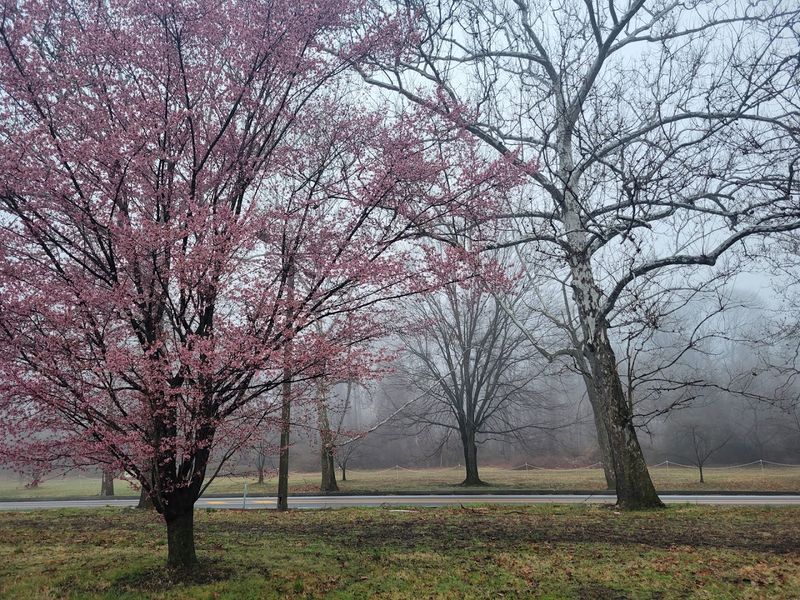
Spring along the Schuylkill River Trail brings wildflowers, migrating songbirds, and the satisfying smell of fresh earth after winter.
The river runs high and fast during this season, adding a dramatic edge to the scenery that makes even a short walk feel cinematic.
Summer is peak trail season, with long days perfect for extended rides and kayaking on the river itself.
Fall is arguably the most spectacular time of year, when the hardwood forests lining the trail transform into an absolute riot of orange, red, and gold.
Even winter has its appeal for those willing to layer up.
The bare trees reveal views of the river that are hidden during leafy months, and the trail traffic drops enough that you can enjoy long stretches of genuine solitude. Pennsylvania’s four seasons are all on full display here.
Towns Along the Way Are Worth Slowing Down For
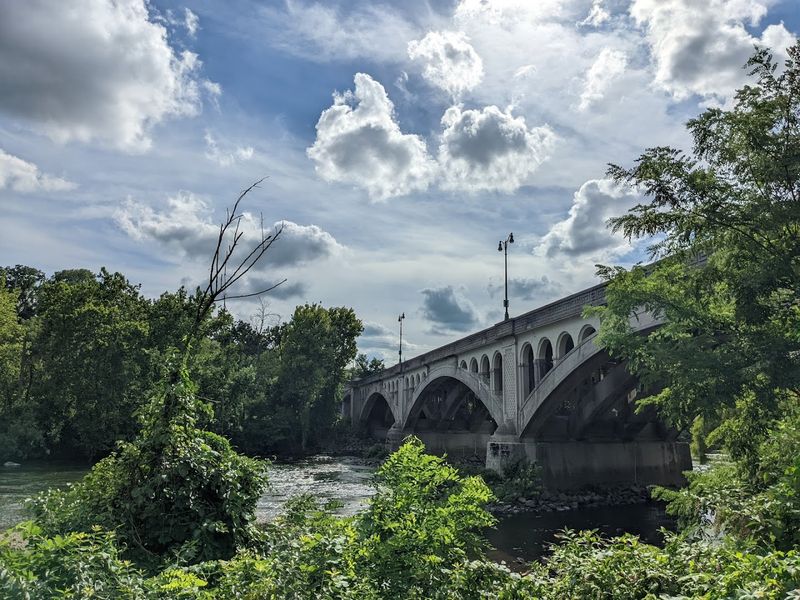
One of the most underrated aspects of the Schuylkill River Trail is how it connects a string of genuinely interesting small towns across southeastern Pennsylvania.
Phoenixville, for example, has transformed itself into a lively arts and culture destination with a historic downtown that rewards exploration on foot.
Pottstown offers a mix of Victorian architecture and community pride that gives visitors a real sense of Pennsylvania’s working-class industrial heritage.
Further north, the city of Reading provides a larger urban stop with museums, markets, and a waterfront park area right along the trail.
These towns are not just convenient rest stops; they are destinations in their own right.
Spending an afternoon wandering through one of these communities adds a human dimension to the trail experience that you simply cannot get from riding straight through without stopping.
Water Access Points Open Up a Whole New Adventure
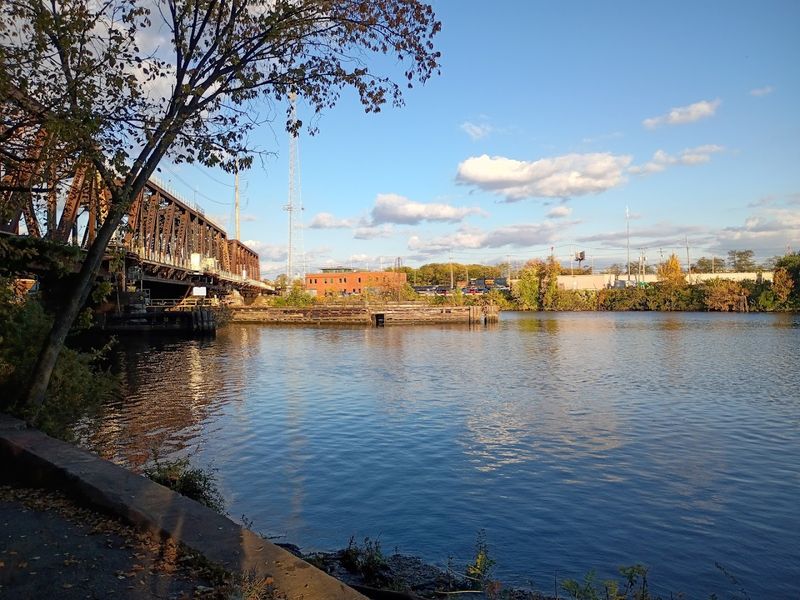
The Schuylkill River Trail is not just a land-based experience.
Multiple access points along the river allow kayakers and canoeists to launch directly from spots near the trail, turning a bike ride into a full multi-sport outing if you plan ahead.
The river has calm stretches for some beginner paddlers, but conditions vary, and shallow water, rocks, and dams require attention.
Some mapped access points include rentals or nearby outfitters, but checking conditions and safety rules first is smart, especially if you are new to this river’s changing moods.
Combining a trail ride with a river paddle creates a completely different relationship with this Pennsylvania landscape.
Seeing the same forested banks from the water rather than the trail path gives you a perspective shift that feels almost like visiting two separate places in a single afternoon.
The Trail Is More Accessible Than Most People Realize

Accessibility is one of the Schuylkill River Trail’s quiet strengths.
The paved sections and relatively flat grade along many segments make it usable for many people with mobility aids, families with strollers, and older adults who want a comfortable outdoor experience without rough terrain in practice.
Parking areas are plentiful and well-signed at major trailheads throughout southeastern Pennsylvania, and restroom facilities are available at several key points.
The trail also connects to public transit in Philadelphia, meaning you can reach it without a car if you are starting from the city.
This level of thoughtful infrastructure is not something every long trail can claim.
The fact that many Schuylkill River Trail sections work for a solo distance cyclist and a grandparent pushing a stroller is a real testament to how well key segments have been designed and maintained.
The Rail Trail Heritage That Built This Path
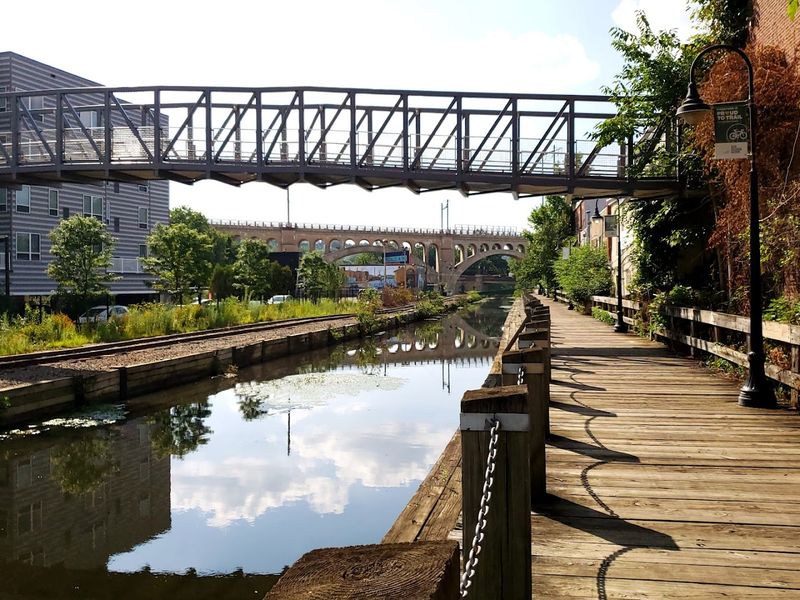
Much of the Schuylkill River Trail follows the path of former railroad corridors that once served Pennsylvania’s coal and industrial economy.
Rail trails like this one repurpose old rail beds into public greenways, and the Schuylkill corridor is one of the finest examples of this transformation in the Mid-Atlantic region.
Former rail corridors, including Pennsylvania Railroad rights-of-way, now provide much of the physical backbone of the trail.
Walking or riding these old rail beds connects you to an era when the rhythmic clatter of freight trains was the soundtrack of daily life here across the valley and along many parts of this corridor.
There is something quietly poetic about a path that was built for industry now being used for leisure, fresh air, and community connection.
The trail carries the memory of what this land once was while pointing clearly toward what it has become.
Planning Your Visit Is Easier Than You Expect
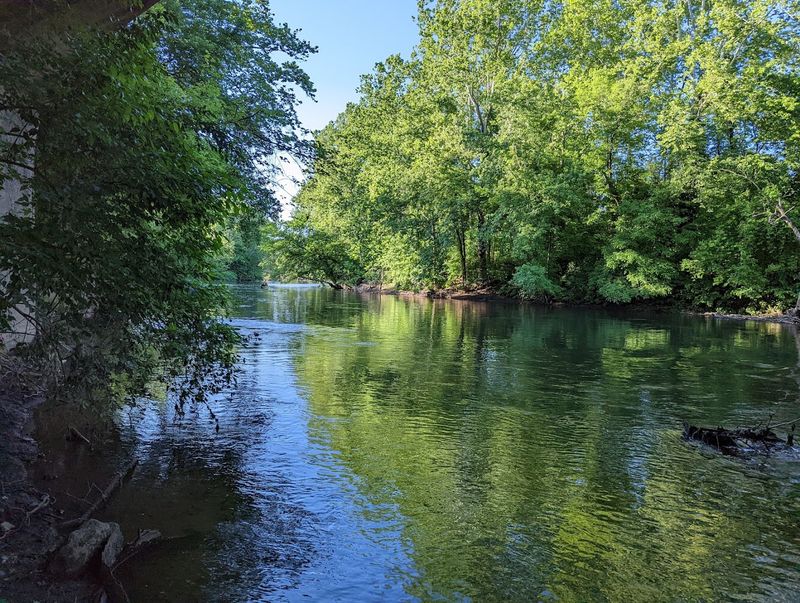
Getting started on the Schuylkill River Trail requires very little advance planning, which is part of its charm.
The Schuylkill River Greenways National Heritage Area organization maintains detailed maps, trailhead information, and event listings that make it easy to put together a visit no matter your experience level.
The trail is free to use and open daily from sunrise to sunset, with no permits required for walking or cycling.
Dogs are welcome on leashes, which makes it a popular spot for pet owners looking for a longer outing than a typical neighborhood park can offer.
Pennsylvania has worked to create unified trail signage, though some gaps and local sections still require attention from first-time visitors before heading out.
Packing a water bottle, wearing comfortable shoes, and showing up with a loose plan is honestly all you need to have a great day on this trail.