
The Crystal-Clear Lake In Maine That Looks Like It Belongs In The Caribbean
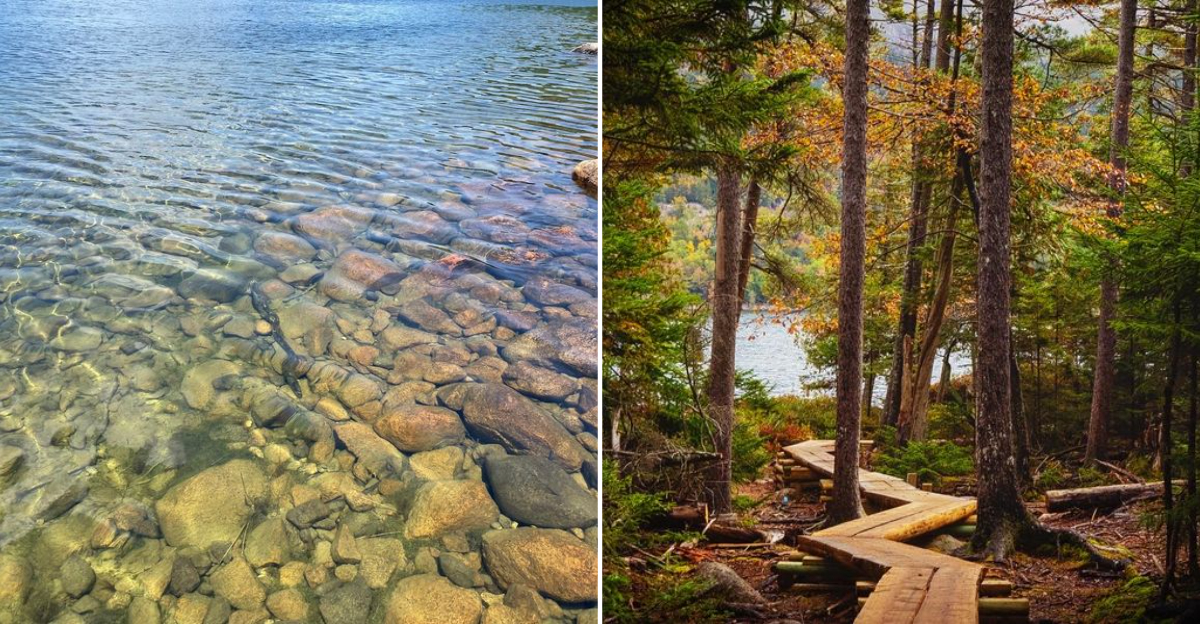
A lake in Maine can look almost unreal on the right day, clear enough that the rocky bottom seems close enough to touch. The water catches the light with a blue-green shine that feels more like a postcard than a quiet spot in Acadia National Park.
This place has pulled in curious visitors for well over a century, and it still knows how to stop people mid-walk. Ancient ice shaped it.
Famous rounded peaks frame it. A historic popover tradition made it even more beloved.
Add in glassy reflections, chilly depths, and some of the clearest freshwater in New England, and you have a place that feels simple at first glance but gets more fascinating the longer you look.
Glaciers Carved This Stunning Pond
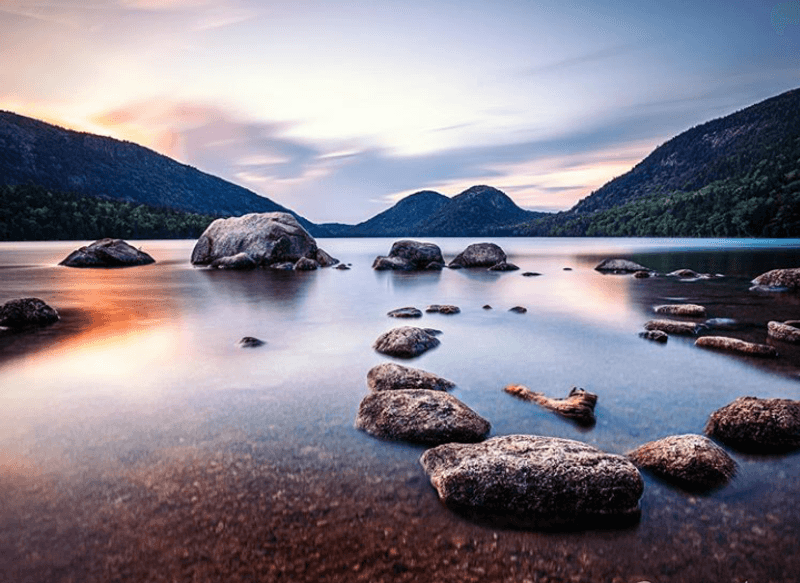
Long before any hiker ever set foot on its shores, an ancient force was quietly sculpting what would become one of the most photographed lakes in all of New England.
Jordan Pond was formed during the last Ice Age, when massive glaciers slowly ground through the granite bedrock of Mount Desert Island, carving out a deep basin that would eventually fill with cold, pristine water.
The result is a 187-acre lake that sits at roughly 274 feet above sea level, with a maximum depth of about 150 feet. That impressive depth plays a big role in why the water stays so remarkably clear and cold year-round.
The glacial origins also explain the rounded boulders scattered along the shoreline and the smooth, curved hills that frame the pond on its northern end. Every rock and ridge tells a story that stretches back thousands of years, making each visit feel like a quiet conversation with deep geological history.
Clearer Than You Expect
Most lakes in the northeastern United States carry a slight murkiness from algae, sediment, or runoff. Jordan Pond is a completely different story.
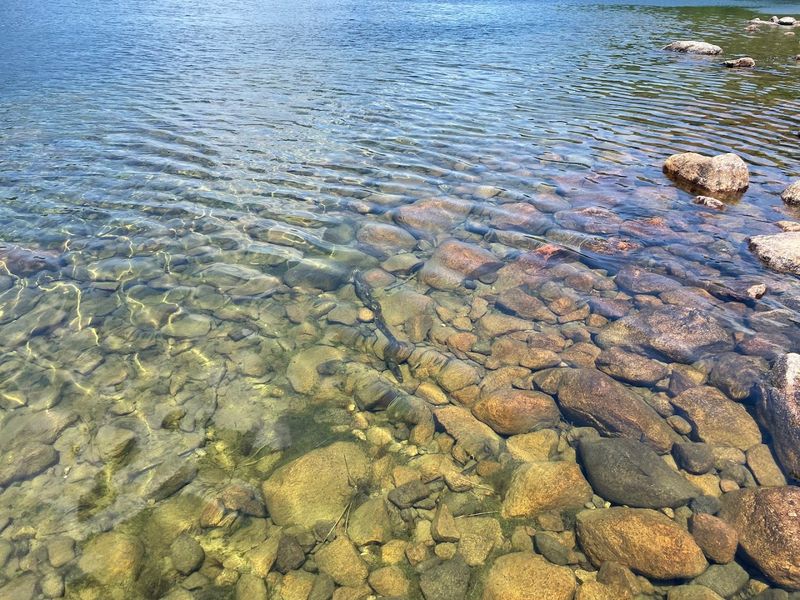
The water here is so transparent that on a calm, sunny day you can see the rocky bottom from the surface as if you were looking through a pane of glass.
Scientists have measured the water clarity at Jordan Pond and found visibility reaching depths of up to 50 feet in certain conditions. That level of transparency is rare for any freshwater body, let alone one located in a region that receives significant rainfall and seasonal runoff.
The reason comes down to the surrounding watershed. The land draining into Jordan Pond is largely protected within Acadia National Park, which means minimal agricultural activity, no residential development, and very little pollution entering the water.
Clean land equals clean water, and Jordan Pond is living proof that protecting natural areas around a lake makes all the difference for long-term water quality.
The Iconic Bubble Mountains
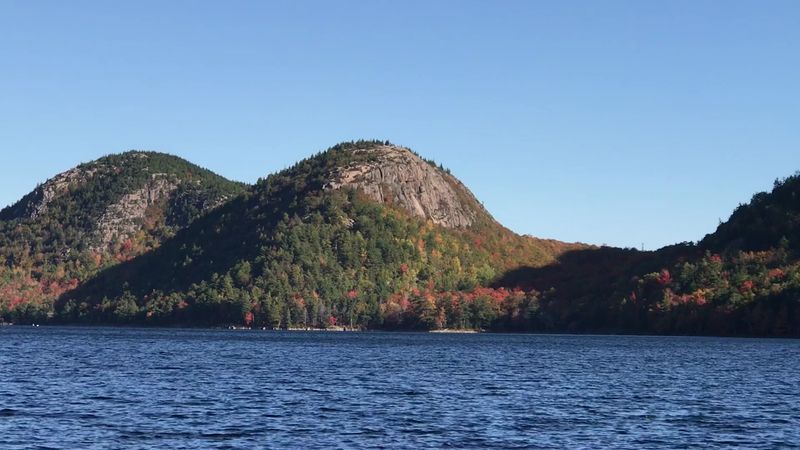
Standing at the southern shore of Jordan Pond and looking north is one of those travel moments that genuinely stops you in your tracks.
Rising symmetrically above the far end of the lake are the two Bubble Mountains, a pair of smooth, rounded granite peaks that look almost too perfectly placed to be natural.
North Bubble reaches about 872 feet in elevation, while South Bubble tops out at around 768 feet. Their rounded profiles are another gift from the glaciers, which polished the granite summits into the gentle dome shapes visible today.
On a still morning, their reflection doubles in the glassy water below, creating a mirror image that photographers absolutely love. Hikers can climb either summit as part of a longer loop from the Jordan Pond trailhead.
South Bubble is particularly well known for Bubble Rock, a large glacially deposited boulder perched dramatically near the summit edge, looking as though it might roll off at any moment but staying put for thousands of years.
Popovers With A View
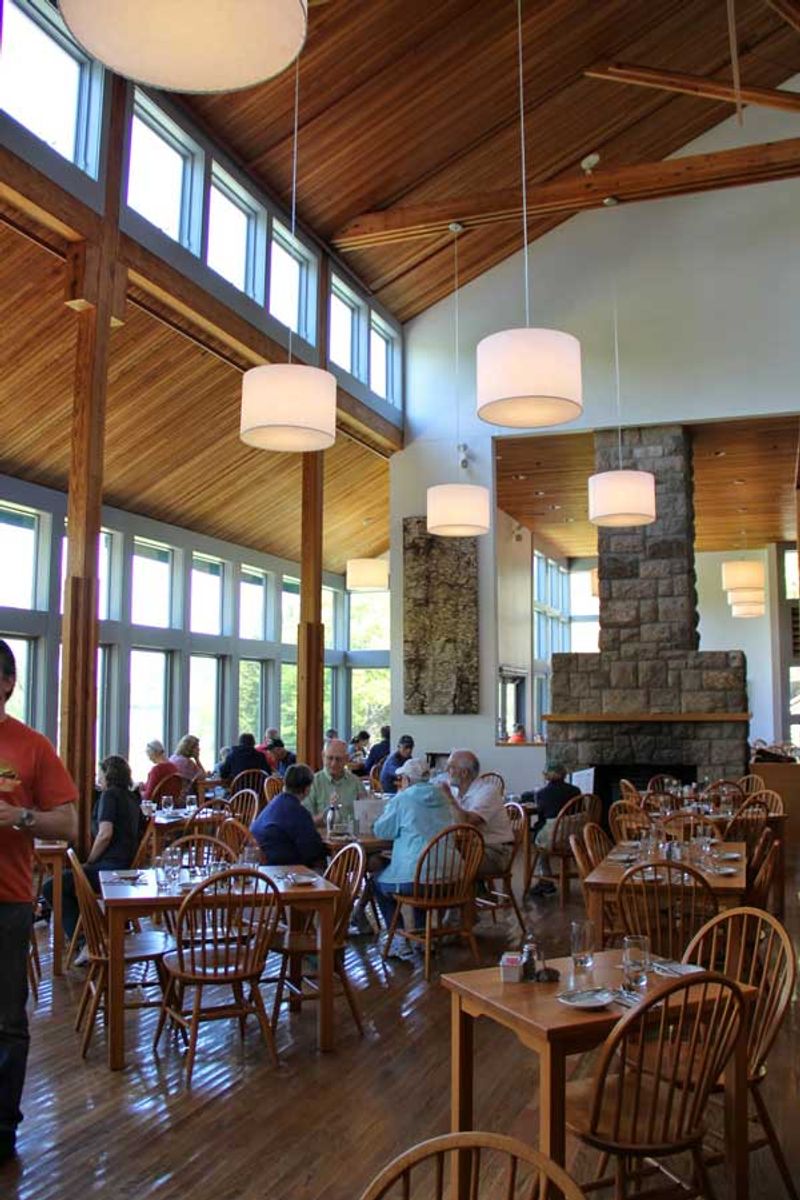
Few dining experiences in the entire National Park System carry the same old-fashioned charm as a meal at the Jordan Pond House.
The tradition of serving afternoon tea and fresh-baked popovers on the lawn overlooking the pond dates back to the late 1800s, making it one of the oldest continuously operating visitor traditions in Acadia.
The original structure burned down in 1979 and was rebuilt, but the spirit of the place remained intact. Today the Jordan Pond House serves lunch, tea, popovers, and seasonal dining options, with the outdoor lawn seating area being the most sought-after spot on the property.
Sitting outside with a warm popover, a pot of tea, and that panoramic view of the pond and the Bubbles is a combination that is hard to beat.
Reservations are limited during the summer season, and many tables are held for walk-in guests, so checking availability ahead of time is strongly advised.
The gift shop on site is also worth a browse, stocking a solid selection of Acadia-themed souvenirs and locally inspired products for visitors to take home.
The Trail Circles It All
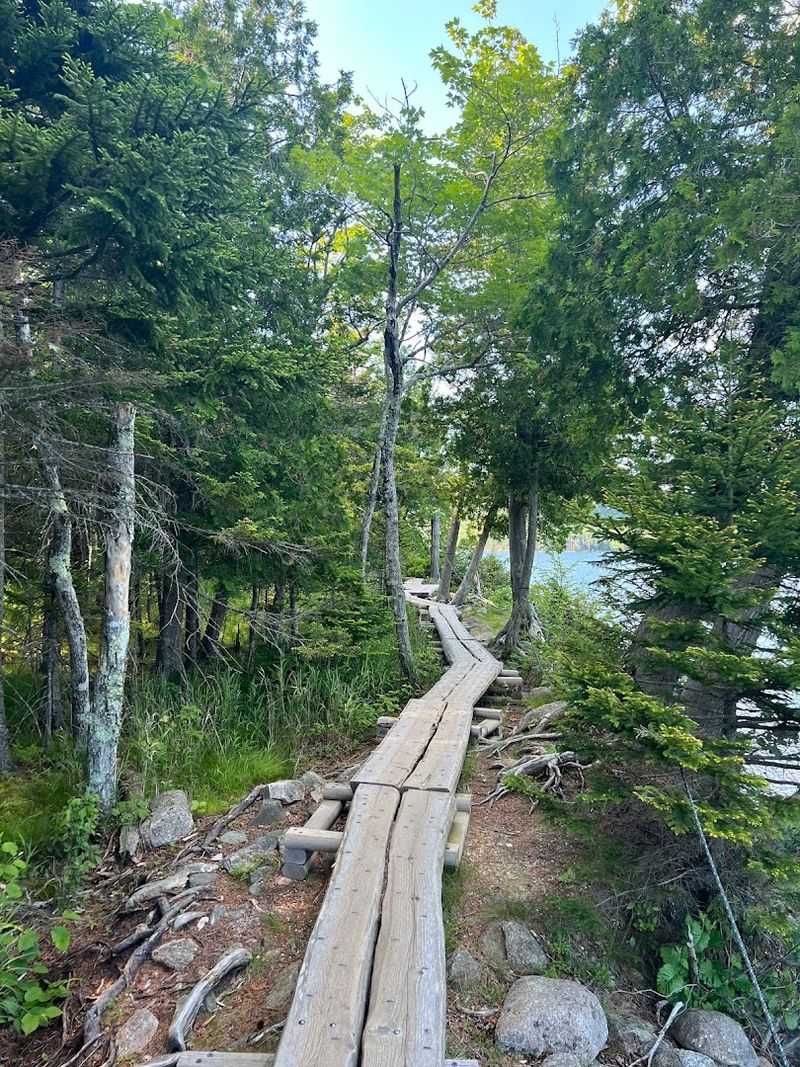
Not every great hike requires a mountain summit or a burning set of legs at the finish line. The Jordan Pond Loop Trail covers approximately 3.3 miles around the entire perimeter of the pond, and much of it is flat, well-maintained, and genuinely enjoyable for a wide range of ages and ability levels.
The southern half of the trail features a smooth wooden boardwalk that runs along the water’s edge, offering easy footing and great views across the pond.
The northern half shifts to a rockier, more natural path that requires a bit more attention underfoot, with some boulder scrambling sections that add a fun challenge without becoming overwhelming.
Hiking boots are recommended for the full loop, especially on the northern stretch where the terrain gets uneven.
The complete circuit typically takes between one and a half to three hours depending on pace and how many photos you stop to take. Starting early in the morning, around 7 to 7:30 a.m., helps you enjoy the trail before the midday crowds arrive in full force.
Skip The Parking Headache
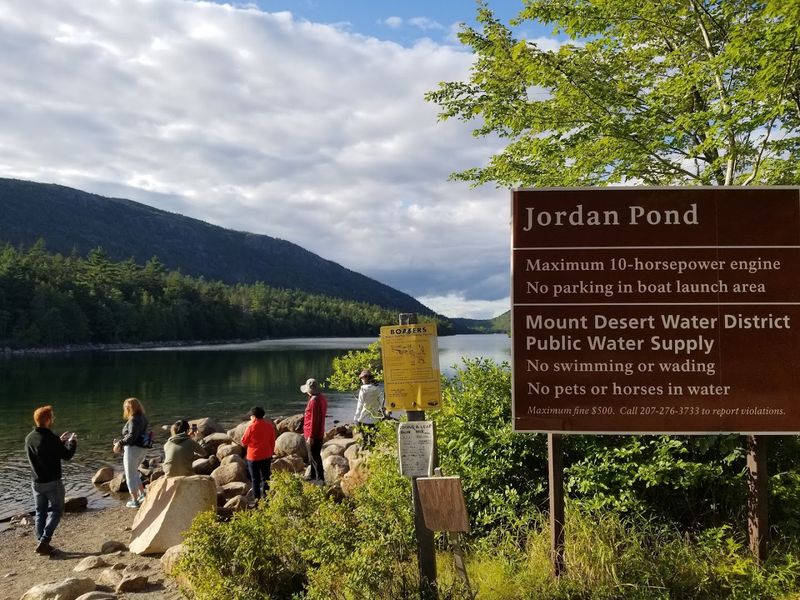
Jordan Pond is one of the most visited spots inside Acadia National Park, which means the parking situation can go from manageable to chaotic in a matter of minutes during peak season.
The lot at the Jordan Pond House fills up quickly, especially between 10 a.m. and 4 p.m. on warm summer days and during fall foliage season.
Arriving before 8 a.m. gives you the best chance of securing a spot without stress. If you miss that window, the free Island Explorer shuttle bus is a smart alternative.
The bus runs regular routes throughout the park and stops directly at Jordan Pond, saving you the frustration of circling a full parking lot and the environmental impact of extra vehicle traffic in a protected area.
Acadia National Park also requires an entrance fee, which is $35 for a seven-day vehicle pass at the time of writing. Planning your arrival time, having a backup transportation option, and checking the park’s official website for seasonal updates will make your visit considerably more relaxed and enjoyable.
Autumn Makes It Glow
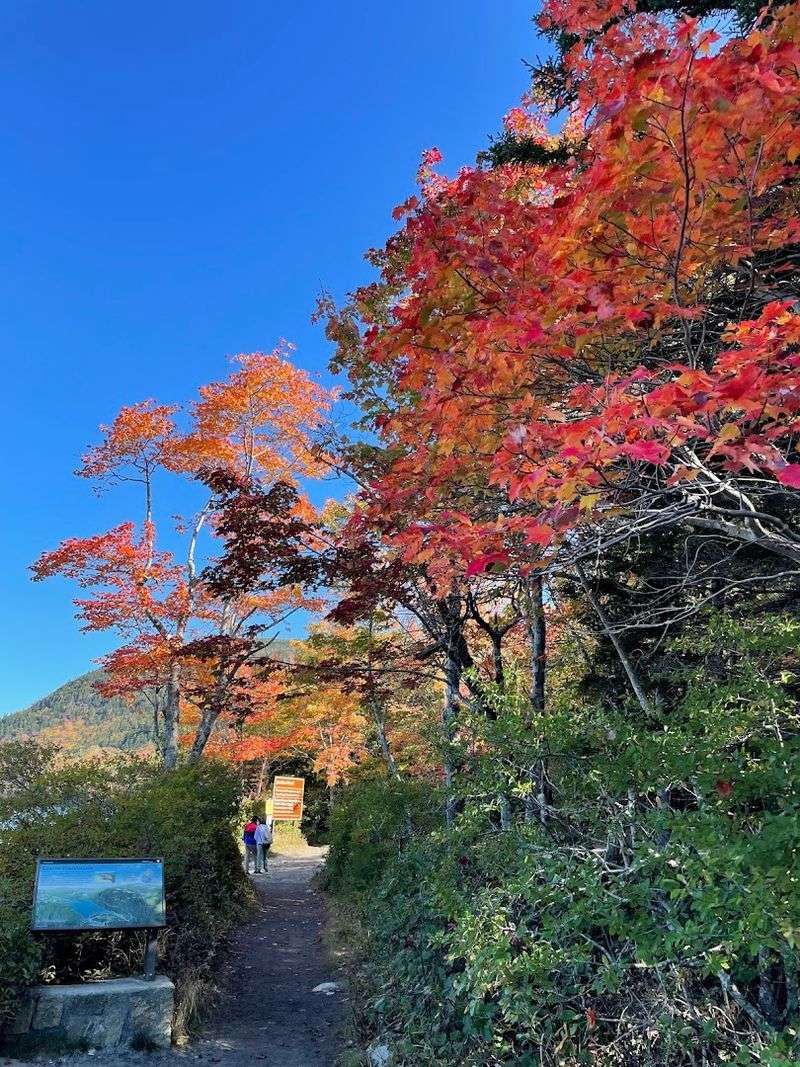
Summer gets a lot of attention at Jordan Pond, but autumn might actually be the season when the place looks its absolute best.
As September rolls into October, the forests surrounding the pond shift from green into a full palette of red, orange, gold, and amber, framing the crystal-clear water in colors that feel almost too vivid to be real.
The reflection of fall foliage in the still surface of the pond creates a layered visual that photographers travel long distances to capture. Morning visits during peak foliage season offer the calmest water and the softest light, which makes the reflections sharper and the colors more saturated in photographs.
Peak foliage in the Acadia region typically falls between late September and mid-October, though it varies slightly from year to year depending on temperature and rainfall patterns.
Visiting on a weekday rather than a weekend during this period can also help you enjoy a slightly less crowded experience, since fall is one of the park’s busiest seasons overall.
Quiet Visitors See More
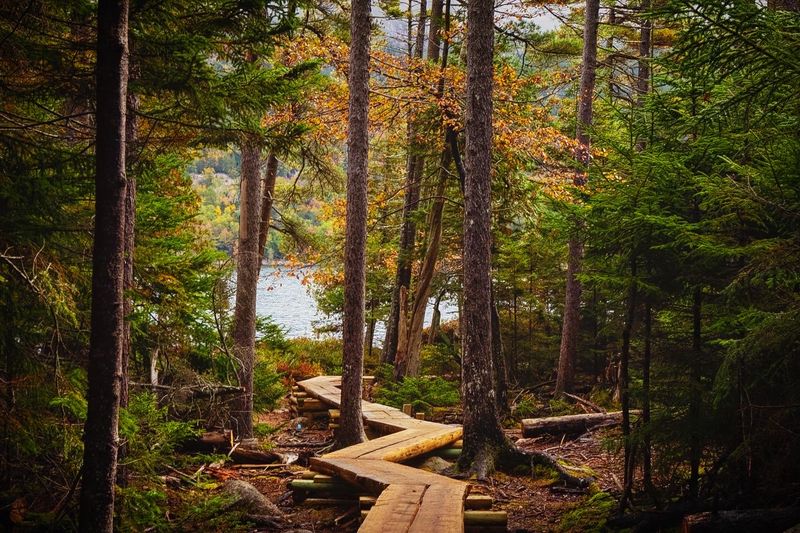
Jordan Pond is not just a pretty backdrop for hiking photos. The surrounding forests and wetlands support a surprisingly rich variety of wildlife, and patient visitors who move quietly along the trail are often rewarded with some memorable sightings.
White-tailed deer are commonly spotted in the early morning and evening hours near the tree line. Osprey and bald eagles patrol the water’s surface looking for fish, while loons occasionally paddle across the open pond with that haunting call that feels completely at home in a Maine landscape.
Smaller songbirds fill the trees along the trail, and various species of dragonfly hover above the water’s edge during warmer months.
The key to wildlife watching at Jordan Pond is timing and patience. Arriving at dawn gives you the quietest conditions and the highest chance of encountering animals before the trail fills with people.
Moving slowly, keeping noise low, and staying on the marked path also reduces your impact on the habitat, which helps protect the very wildlife that makes the experience so memorable.
It Gets Deep Fast
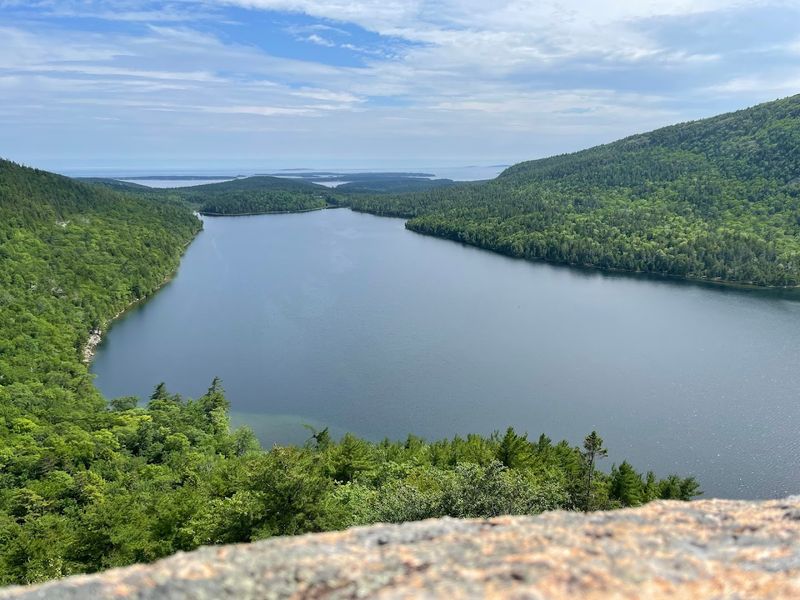
From the shore, Jordan Pond looks peaceful and approachable, with its clear water and rocky bottom visible near the edges. What surprises many first-time visitors is just how deep the water gets toward the center.
At its deepest point, Jordan Pond reaches approximately 150 feet below the surface.
That depth is part of what keeps the water so cold even during the height of summer. The deeper layers of the pond stay well below comfortable swimming temperatures year-round, which also limits the growth of algae and aquatic plants that would otherwise cloud the water over time.
Swimming is technically allowed in Jordan Pond, though the cold temperatures and rocky entry points mean most visitors stick to admiring the water rather than getting in.
The pond serves as a public water supply for Seal Harbor, which is another reason the surrounding land is so carefully protected and why water quality standards here are taken seriously by park management.
Small Planning Pays Off
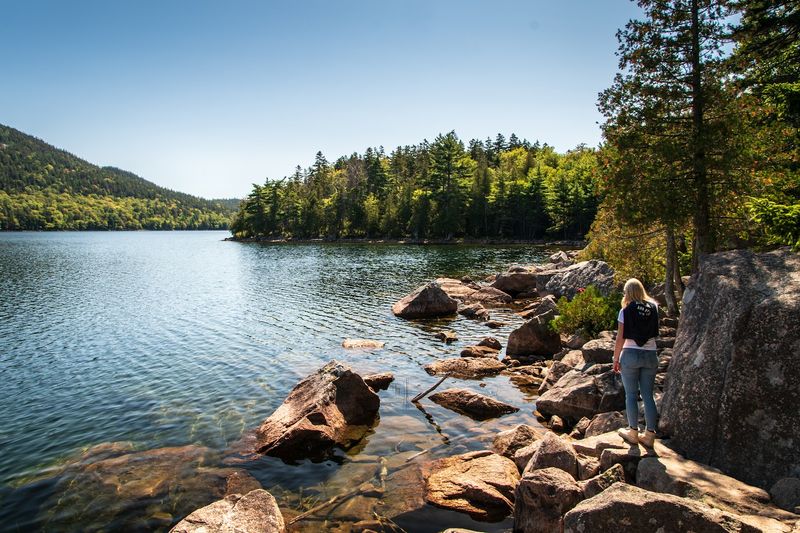
A little preparation goes a long way when visiting a place as popular as Jordan Pond. The single most effective thing you can do is arrive early, ideally before 8 a.m., to beat the parking rush and enjoy the trail at its most peaceful.
The light is also softer and more flattering for photography in the early hours.
Wear proper hiking footwear for the full loop, since the northern section of the trail includes rocky terrain and can be muddy after rain. Bring water and snacks if you plan to complete the entire circuit, as the hike takes between one and a half and three hours depending on your pace.
If a sit-down meal at the Jordan Pond House interests you, make a reservation well in advance during summer and fall. The grab-and-go section upstairs offers a quicker option with outdoor deck seating overlooking the pond.
The Island Explorer shuttle bus is free, reliable, and genuinely the most stress-free way to arrive if parking feels like too much of a gamble on a busy day.