
This Michigan State Park Protects Ancient Pines You Can Actually Walk Through
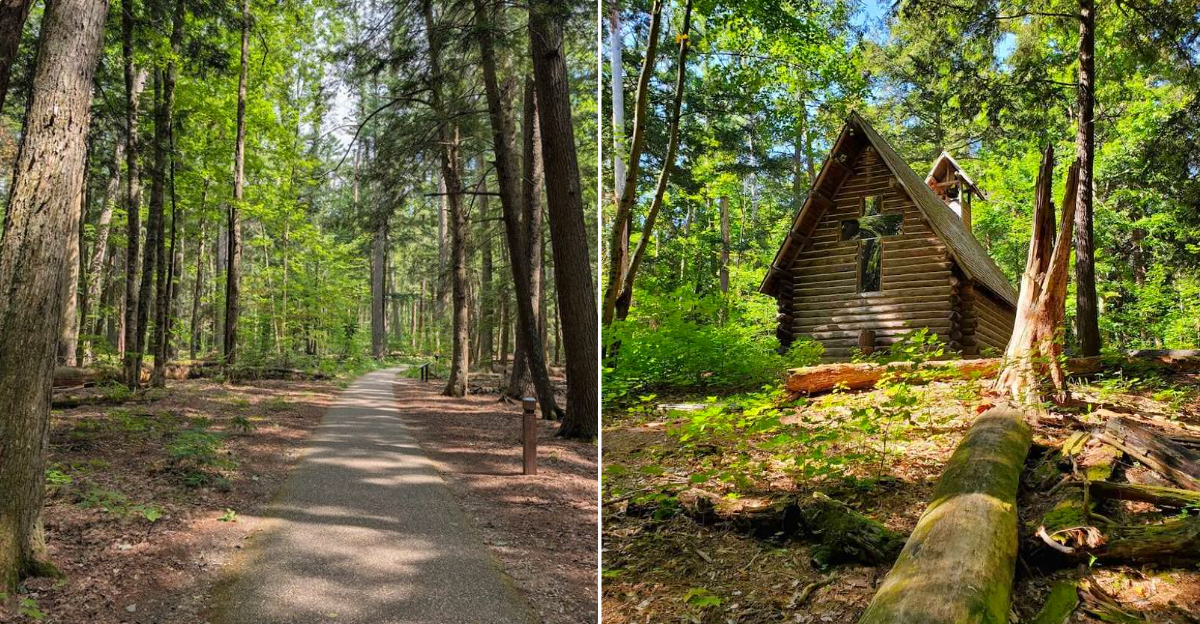
Standing among trees that were already old when the first loggers arrived changes how you think about time. The pines here stretch skyward in a way that no photograph captures, their bark ridged and dark, their canopy blocking the kind of sunlight that makes you squint in any clearing.
A short interpretive loop carries you past stumps wider than a dining table, plus the small museum at the trailhead holds exhibits telling the story of what Michigan lost and what this pocket of forest managed to hold onto.
The creek running through the preserve is shallow and fast, cold enough that stepping in feels like a reset you did not know you needed, plus the air smells like pine needles crushed underfoot for decades.
A forest trail in Michigan preserves pines that were already mature when the logging crews arrived, plus the canopy still filters light the same way it has for centuries.
Take The Old Growth Trail First
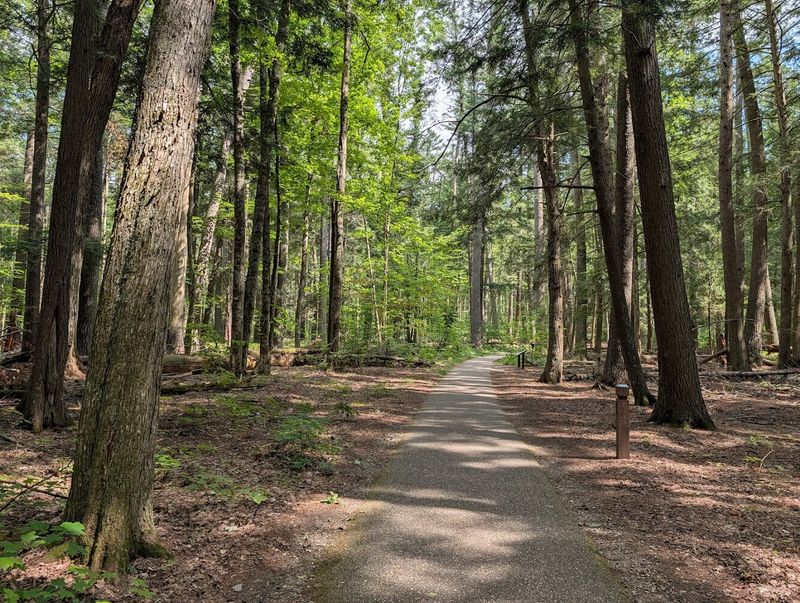
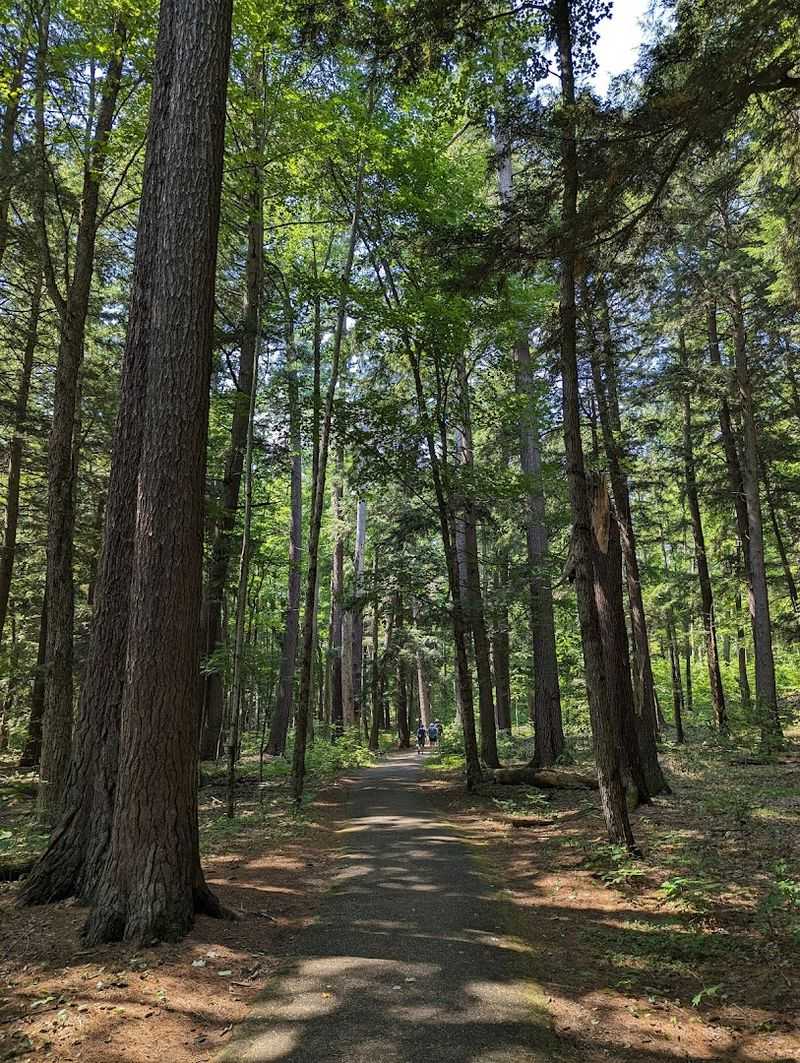
The smartest first move here is the paved Old Growth Forest Trail, because it delivers the park’s essential experience without any ceremony. At 1.25 miles, it is accessible, easy to follow, and lined with white pines, red pines, and eastern hemlocks that are roughly 350 to 425 years old.
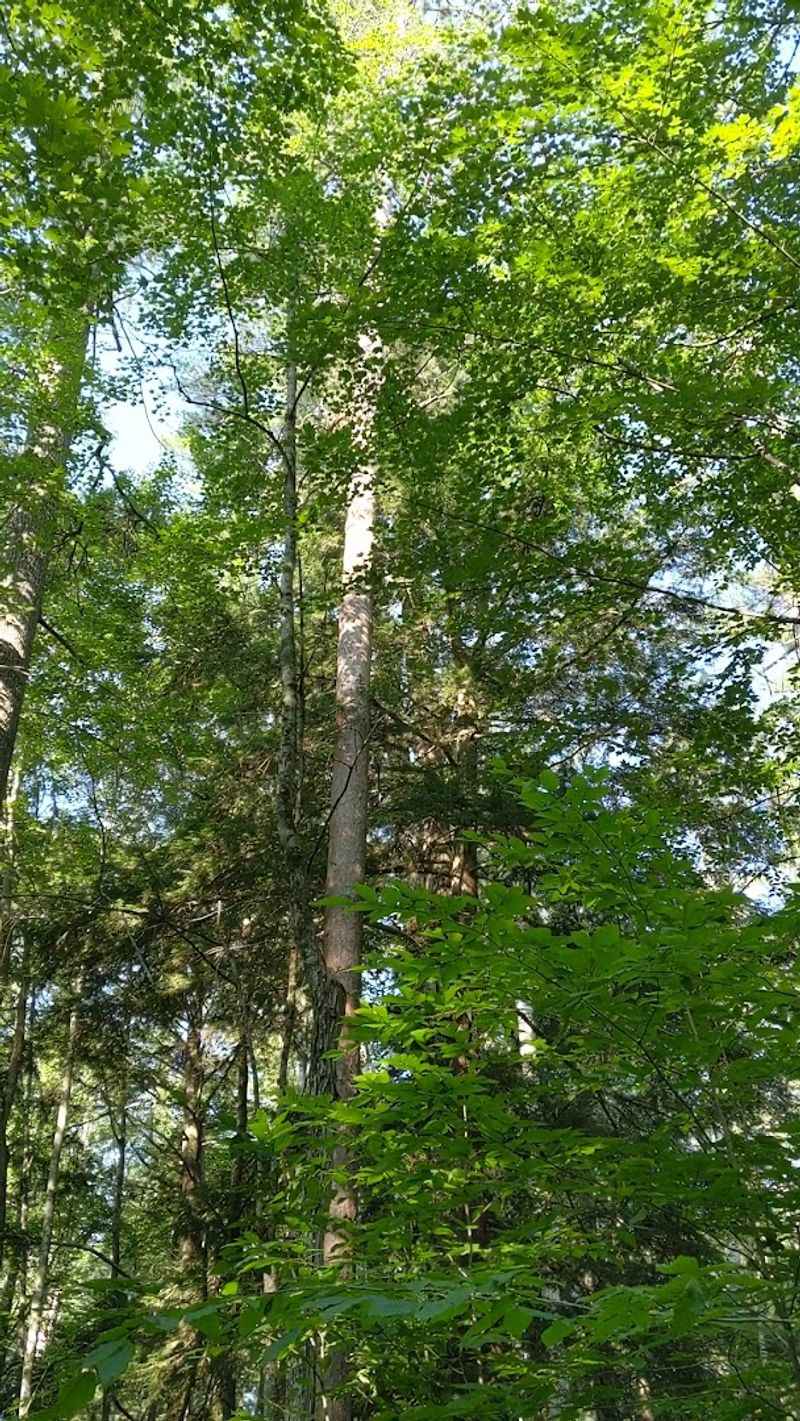
Some rise about 150 to 160 feet, which changes your sense of scale in a hurry. What surprised me most was the hush. Even with other people nearby, the grove seems to absorb noise and slow everyone down a notch.
Go early if you can, bring a camera that handles vertical scenes well, and give yourself time to stop looking ahead and start looking up instead.
M-93 Is The Warm-Up Before The Old Pines
Hartwick Pines State Park sits north of Grayling, Michigan, with the main park approach reached from M-93. From downtown Grayling or Interstate 75, head north and let the road carry you out of town toward deeper forest.
Once you reach the park entrance, follow the internal road toward the visitor center area rather than stopping at the first stretch of trees. The park is large, so the final few minutes inside the property matter as much as the highway approach.
Park near the Hartwick Pines Visitor Center if you are aiming for the old-growth forest trail or logging museum. From there, the paved trail begins close by, and the tall white pines take over the directions.
Start At The Visitor Center
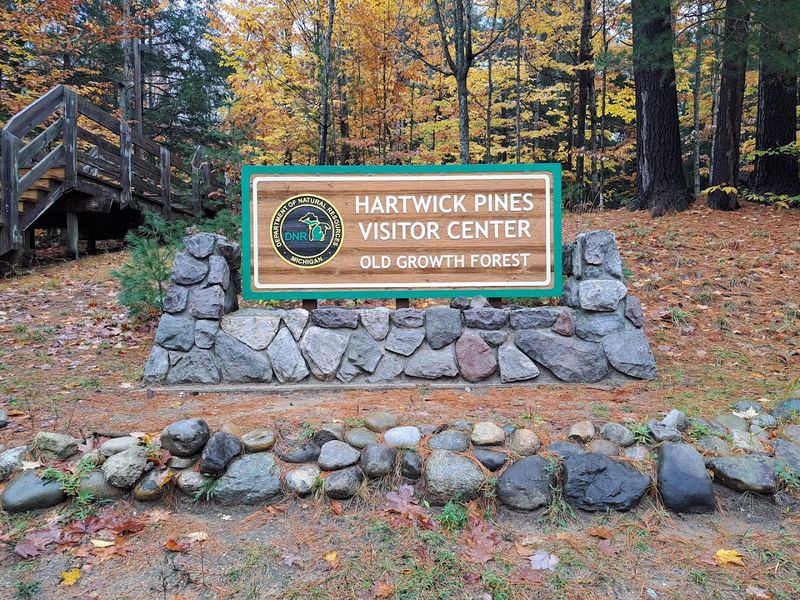
Before the trail, the visitor center gives the forest a useful backstory without draining away its mystery. The building is modern, accessible, and thoughtfully oriented, with large rear windows that frame the woods almost like a quiet stage set.
Inside, exhibits cover Michigan forests and wildlife, beginning with the Ice Age and moving toward the human story of logging and preservation.
This is one of those centers that earns your time because it helps you notice more once you step outside. If you are visiting with kids, curious adults, or anyone who likes context, start here and let the exhibits set the scale.
Then walk into the grove carrying better questions than the ones you arrived with.
Do Not Skip The Logging Museum
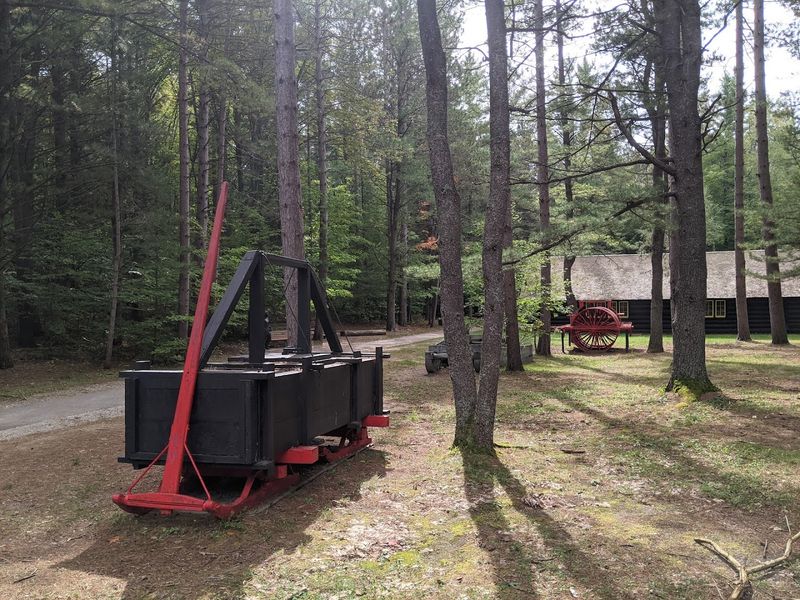
A quarter mile from the visitor center, the Logging Museum adds a necessary dose of human muscle and consequence to the day. The recreated camp buildings, including a bunkhouse, cook’s shack, and blacksmith shop, were built by the Civilian Conservation Corps in the 1930s and represent Michigan’s logging era from about 1860 to 1910.
Suddenly the forest is not only beautiful. It is also what survived.
I liked this area because it keeps the story from turning sentimental. Michigan once led the nation in lumber production, and the museum helps you picture the labor, appetite, and damage behind that fact.
If the steam-powered sawmill is operating during a summer event, make time for it. The noise says plenty.
Find The Chapel In The Pines
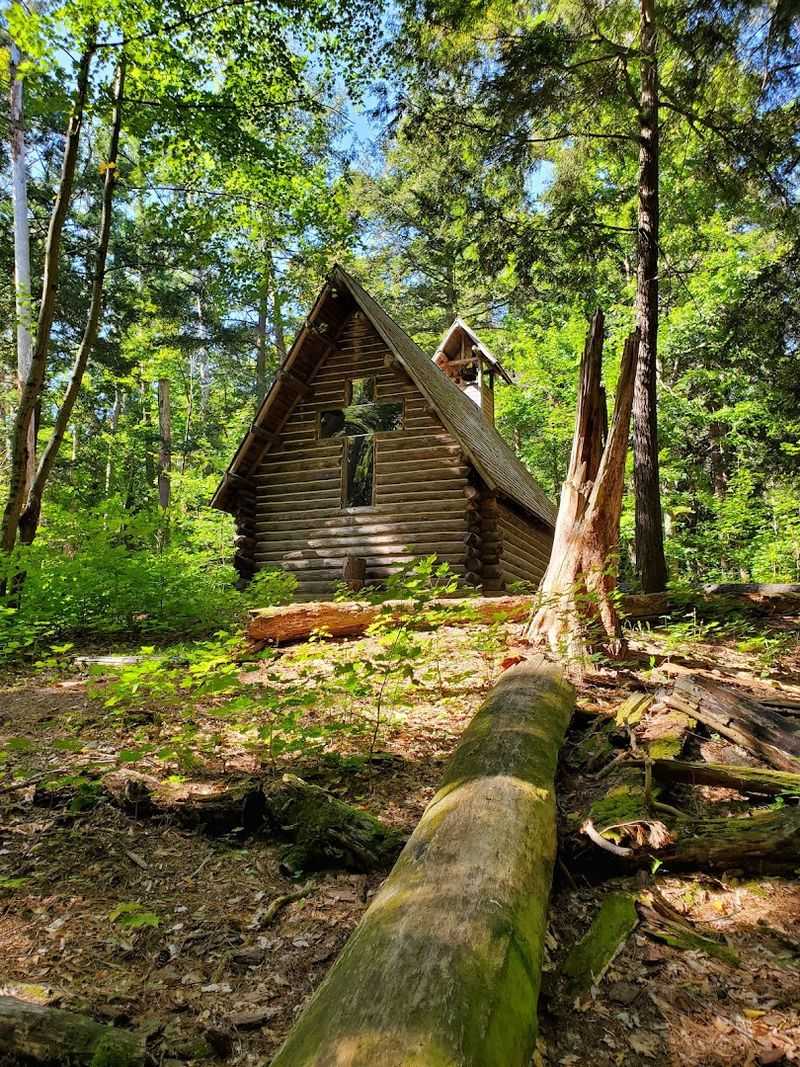
Tucked along the old-growth area, the Chapel in the Pines is easy to miss if you are moving too briskly, which feels like a lesson in itself. It is a small log structure with a plain, calming interior and a distinctive cross-shaped window that provides its central light.
The effect is simple, not theatrical, and that restraint suits the surrounding woods.
This stop works best if you treat it as a pause rather than a checklist item. People use it for reflection, and it is also available for weddings by reservation, which makes sense once you see how quietly beautiful it is.
You do not need much time here. You just need to stop fidgeting long enough for the place to do its work.
Understand Why This Forest Still Exists
Hartwick Pines feels miraculous until you learn how close places like this came to disappearing. Karen Michelson Hartwick purchased more than 8,000 acres in 1927, including the old-growth stand, and donated the land to Michigan as a memorial to her husband, Major Edward Hartwick.
She required protection of the forest, public access, a memorial building, and a museum preserving logging history.
That kind of foresight deserves more than a passing mention on a sign. It explains why you can stand among ancient pines in the Lower Peninsula at all, instead of merely reading about them in a book.
When you visit, treat the grove less like scenery and more like an inheritance. It was saved deliberately, and it still feels precious.
Notice The Storm Stories
Not every tree story here is triumphant, and the park is better for admitting that openly. The old-growth stand was once larger, but the Armistice Day storm of 1940 reduced it, leaving today’s 49-acre contiguous grove as a rare remnant of what had been about 85 acres.
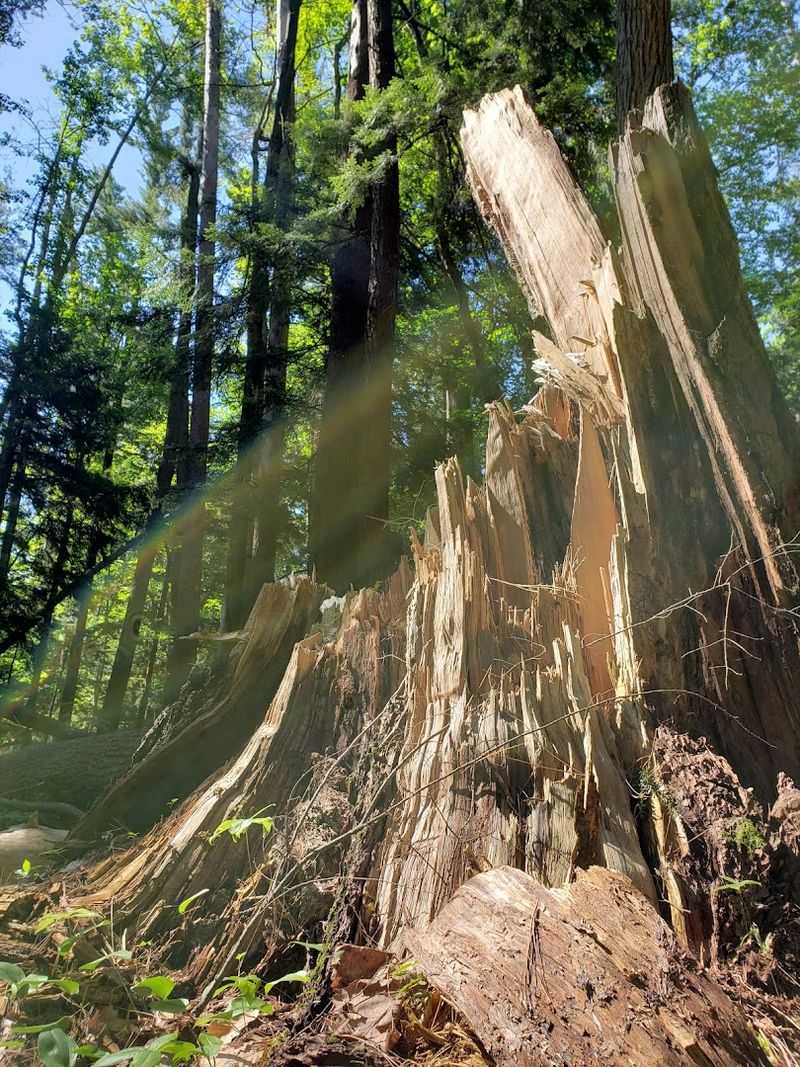
Later, the famous white pine called the Monarch was damaged in 1992 and died in 1996.
There is something bracing about seeing a place this revered also marked by weather, loss, and plain ecological reality. If you find the Monarch’s remaining stump, take a minute with it instead of chasing only the tallest living trees.
Hartwick Pines is not a fantasy forest. Its fragility is part of why it stays with you.
Plan For More Than One Trail
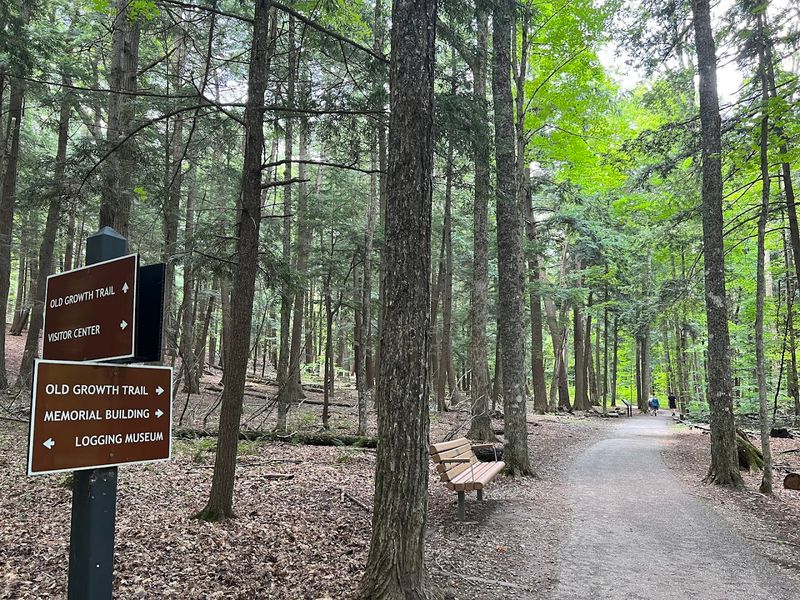
The old-growth loop may be the headline act, but the rest of the park deserves room in your schedule. Hartwick Pines covers nearly 10,000 acres, with rolling terrain, small lakes, and longer paths that move beyond the famous grove into a fuller picture of northern Michigan forest.
If you only do the paved loop, you understand the icon. If you add another trail, you understand the park.
That distinction matters. Trails beyond the pines reveal more varied textures, from mixed woods to wetter sections and broader quiet.
Bring decent footwear even if your first walk is paved, and carry a map or park info from the visitor center. The place expands nicely once you stop treating it as a single attraction.
Use The Park In Winter Too
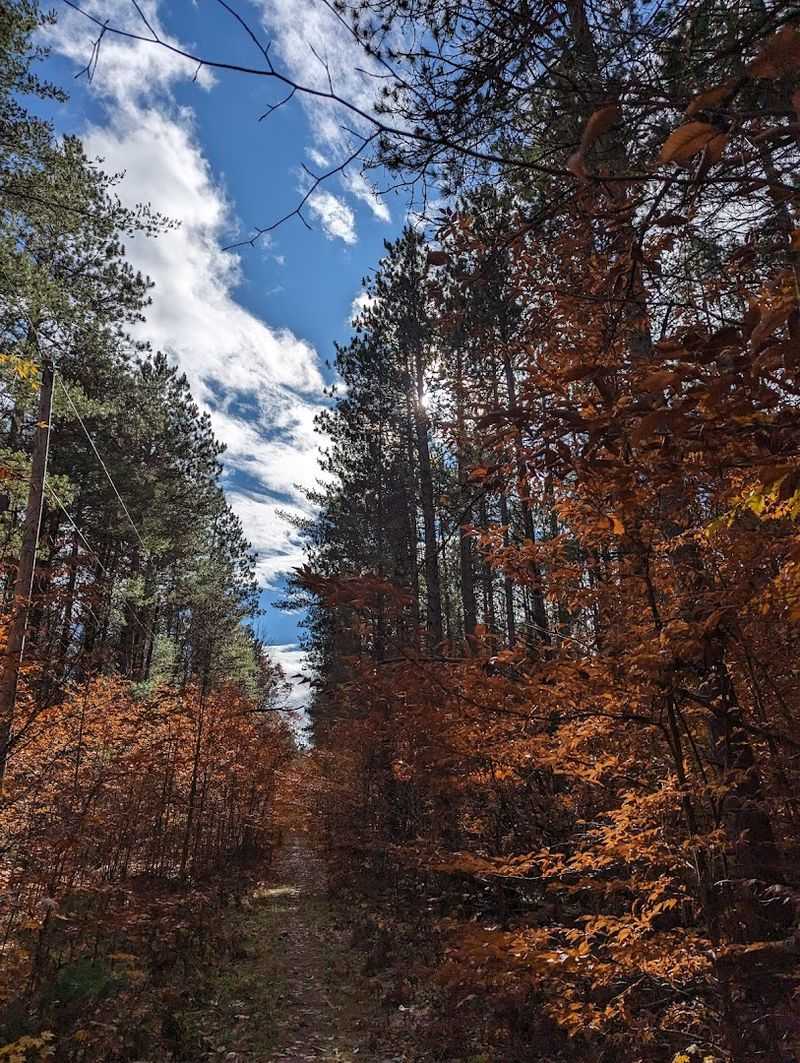
Snow suits this park. The ancient trunks look even more severe and elegant against white ground, and the quieter season sharpens the sense that you are entering a preserved world rather than just visiting a busy stop.
Hartwick Pines stays open year-round, with opportunities for cross-country skiing and snowshoeing on several trails. Winter turns the familiar grove into something spare and almost ceremonial.
If you go in cold weather, check visitor center availability ahead of time and dress for standing still as much as moving. The old-growth area is lovely in snow, but the longer ski and snowshoe routes add momentum when you want more distance.
I would happily choose this park for a winter half-day over many flashier summer destinations.
Bring The Practical Stuff
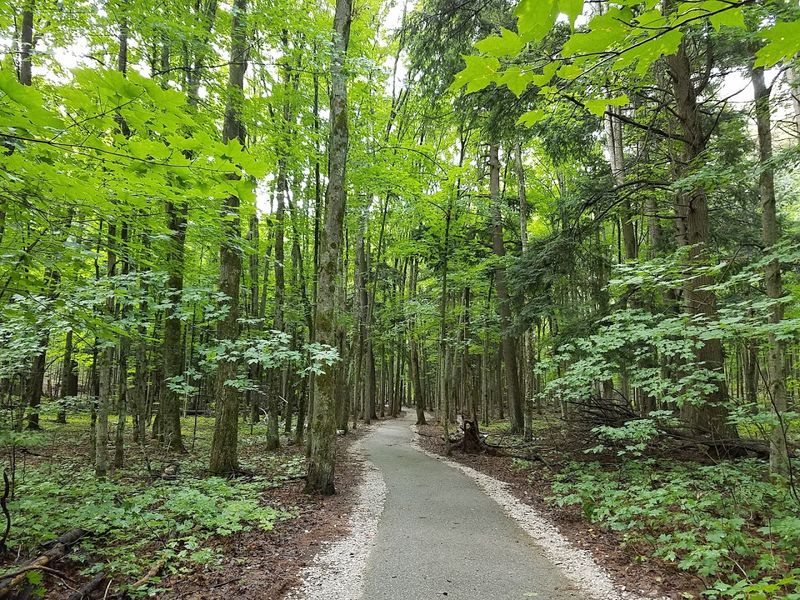
Hartwick Pines rewards a little preparation, and not in an intimidating way. A Michigan Recreation Passport is required for vehicle entry, mosquitoes can be lively in warmer months, and the scale of the trees encourages longer lingering than many people expect.
Water, bug spray, and a willingness to slow down will improve your day more than any fancy gear.
Because the park includes trails, museum stops, and places to simply sit, it helps to plan for a layered visit instead of a quick lap. Aim for comfortable walking shoes, even if you are focused on the accessible trail, and consider a picnic if the weather cooperates.
This is a park where practical choices quietly create a better mood.
Stay Long Enough To Hear The Place
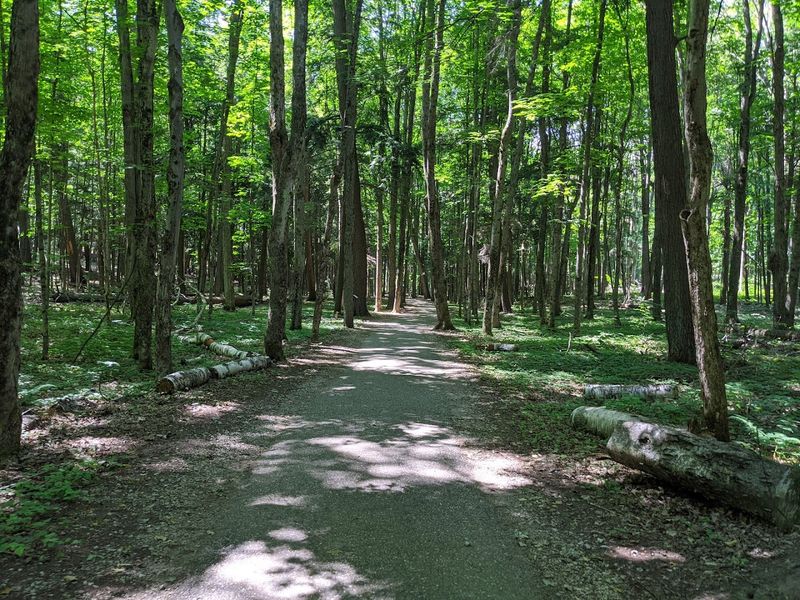
The best tip is not really logistical at all. Stay past the moment when you have taken the obvious photos, read the key sign, and mentally declared the place understood.
Hartwick Pines reveals itself in the second half hour, when footfalls soften, birds become more noticeable, and the trees stop feeling like specimens and start feeling like company.
That shift is why this park lingers in memory. Between the old-growth grove, the history of near-loss, and the accessible way the trail brings you inside it, the experience lands gently but deeply.
If you can, sit somewhere quiet before leaving. The park is not asking for reverence exactly. It is asking for attention, which may be harder and more useful.