
This Michigan Amusement Park Packs Old-World Charm Into A Single Afternoon
Some places do not try to be the biggest or the flashiest. They just do a few things well, over and over, until the whole experience feels like stepping into a storybook that someone actually lives in.
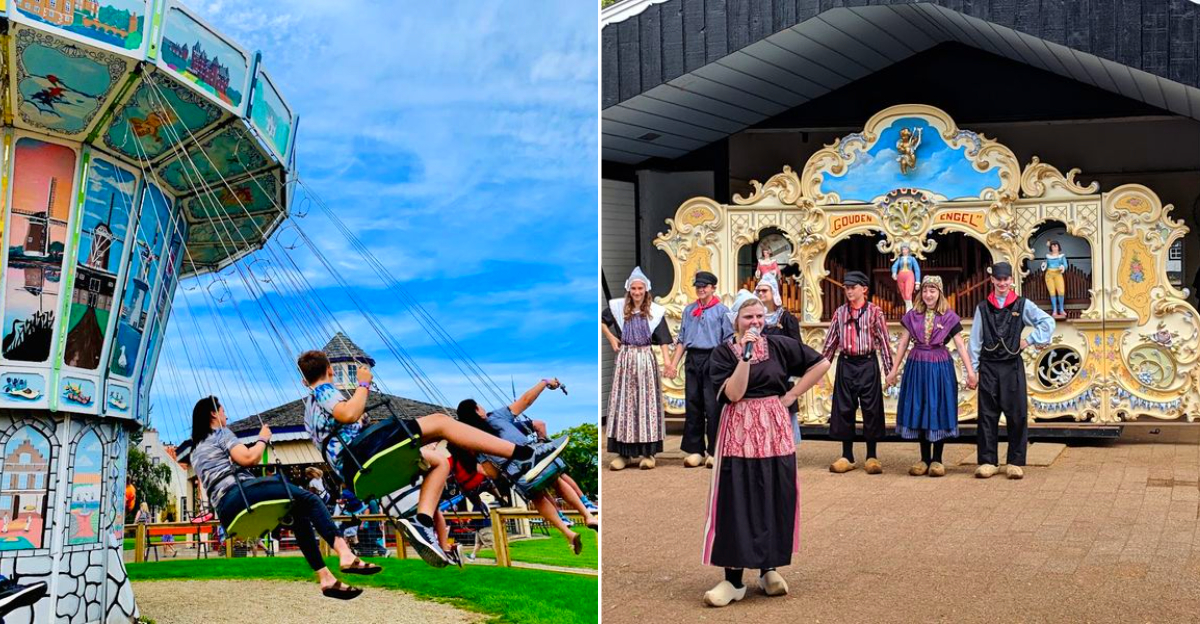
Wooden shoes get carved right in front of you, delftware painters work on plates you can take home, plus the carousel spins at a pace that lets kids ride three times without begging.
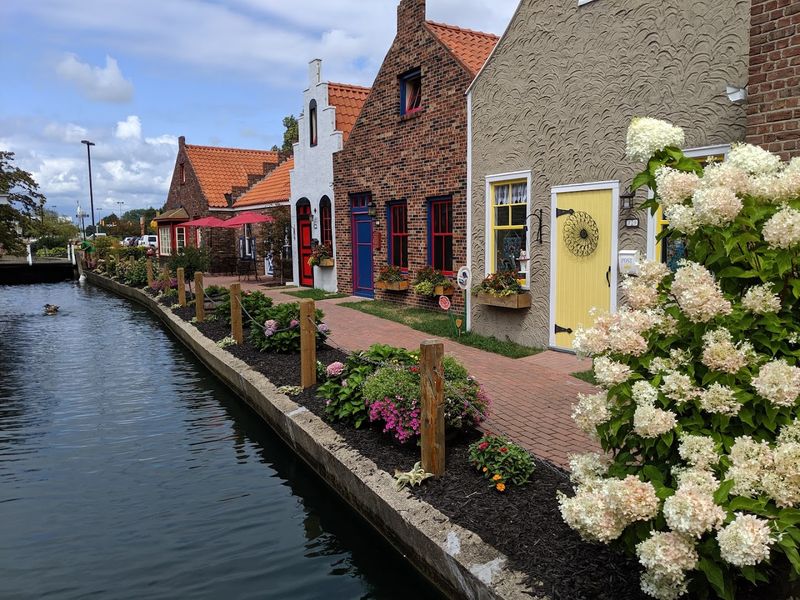
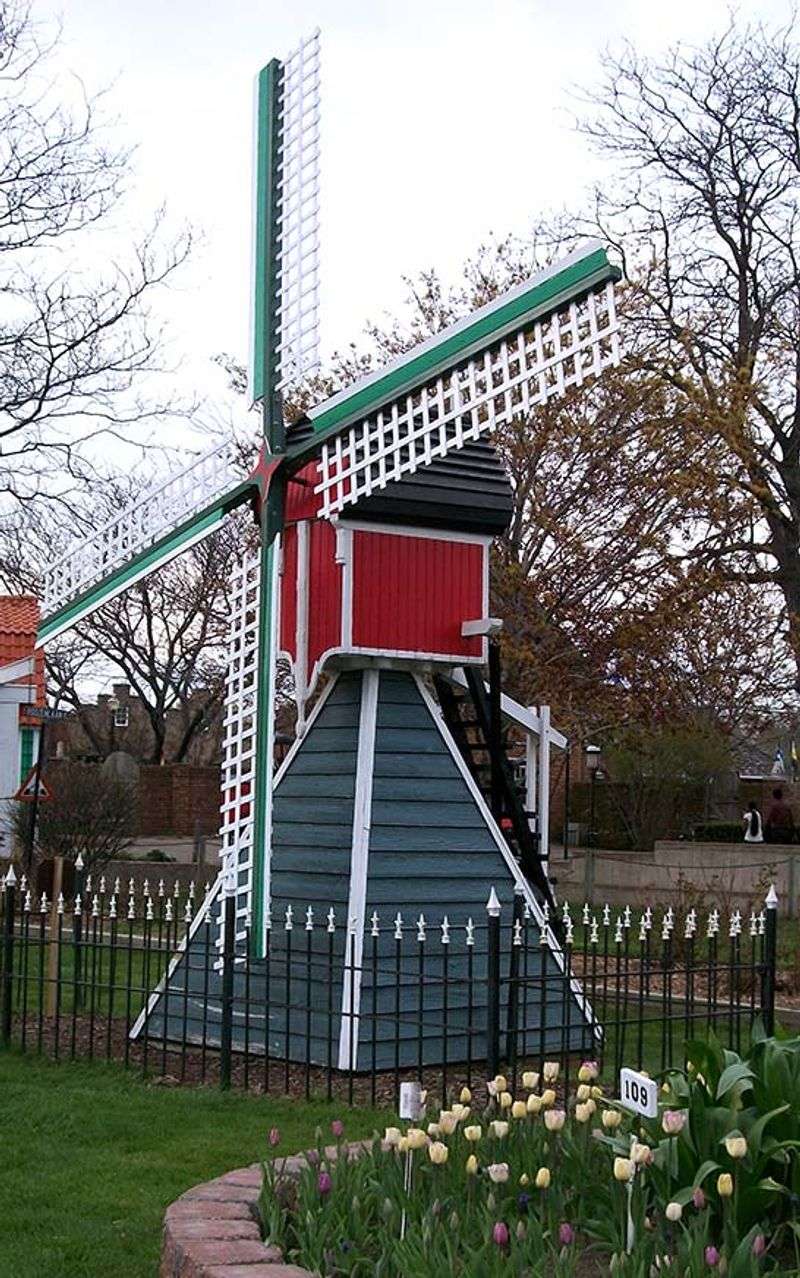
The architecture alone is really worth the visit, with steep-roofed buildings and flower beds that look transplanted from a village square across the ocean.
You can spend an entire afternoon here without ever noticing the time pass, plus the gift shop sells things you actually want to keep instead of the usual throwaway souvenirs.
Old-world charm at a compact amusement park fills a full afternoon, plus the wooden shoes come home with you in Michigan.
Arrive Early For The Best Rhythm
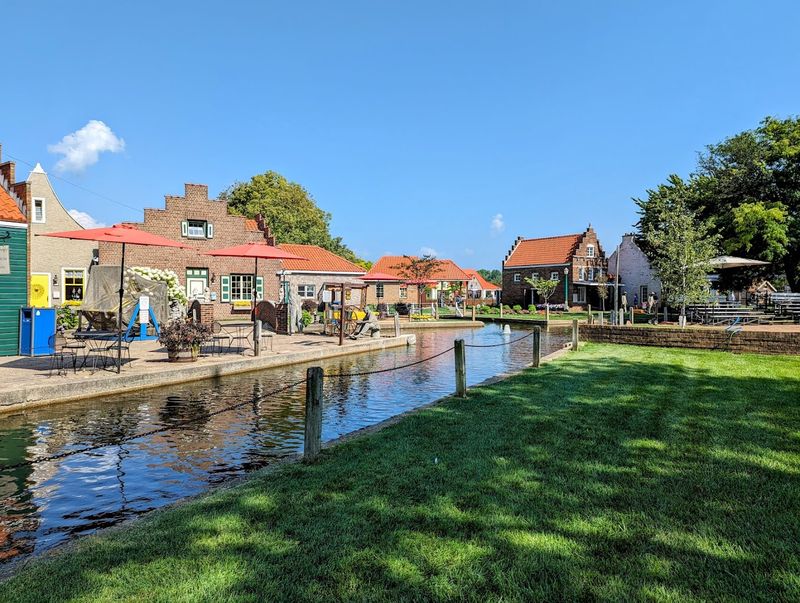
The smartest way to visit Nelis Dutch Village is to arrive close to opening, when the paths still feel roomy and the village reads more like a small town than a busy attraction.
That first half hour gives you time to notice the façades, flowerbeds, and canal-style details before rides start pulling attention elsewhere.
Because admission includes rides and demonstrations, the day works best when you treat it like a sequence instead of a sprint.
Start with a slow lap, check posted schedules, and then build your afternoon around shoe carving, dancing, and the street organ. The park usually opens at 9:30 AM in season, so an early start pays off quickly.
US-31 Drops You Right Into Little Holland
Nelis’ Dutch Village sits at 12350 James Street in Holland, Michigan, right at the corner of US-31 and James Street. From downtown Holland, head north toward James Street and let the route shift from city blocks to the busier roadside attraction zone.
Drivers arriving from outside town can use US-31 and watch for the James Street turn near the north side of Holland. The village is close to the highway, so the windmill-and-Dutch-rooftop arrival happens faster than expected.
Turn in from James Street and use the free parking area beside the entrance. Once the village buildings and signs appear, the car portion is over and the walkable Dutch-themed streets take it from there.
Treat The Dancers As The Heartbeat
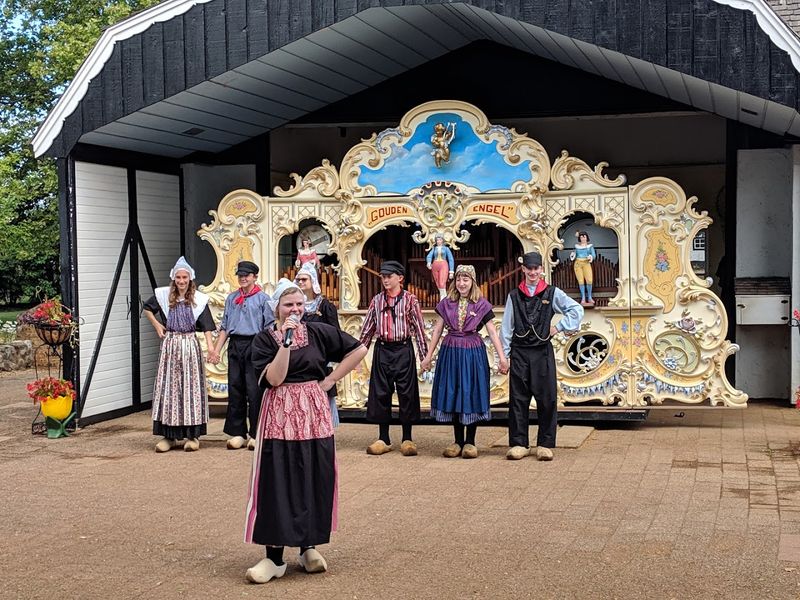
The liveliest energy in the park gathers around the Dutch dancers, whose performances keep the village from becoming a static display.
Traditional costumes, practiced steps, and the quick percussion of wooden shoes on the ground create a rhythm that carries farther than you expect through the small streets.
These shows are not just something to watch from a distance. Visitors are often invited to learn a few simple steps, which shifts the mood from spectatorship to participation in a matter of minutes.
I liked that the performance felt welcoming instead of precious, more community gathering than polished spectacle. Check the daily schedule early, because timing your lap around a dance performance makes the whole visit feel more animated.
Do Not Skip The Street Organ
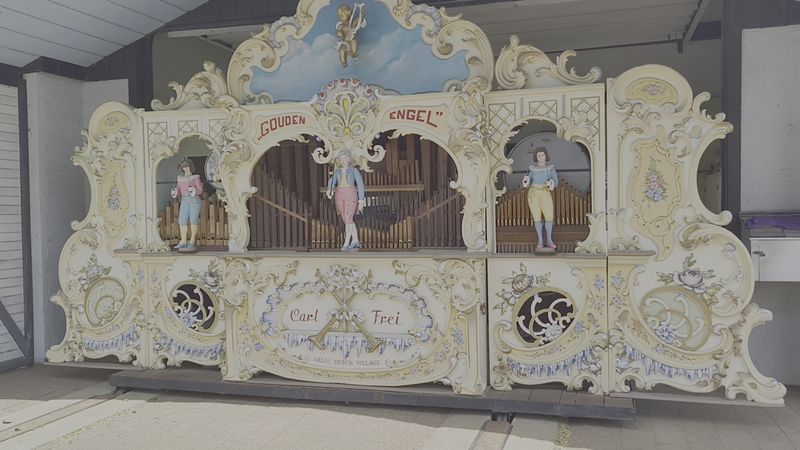
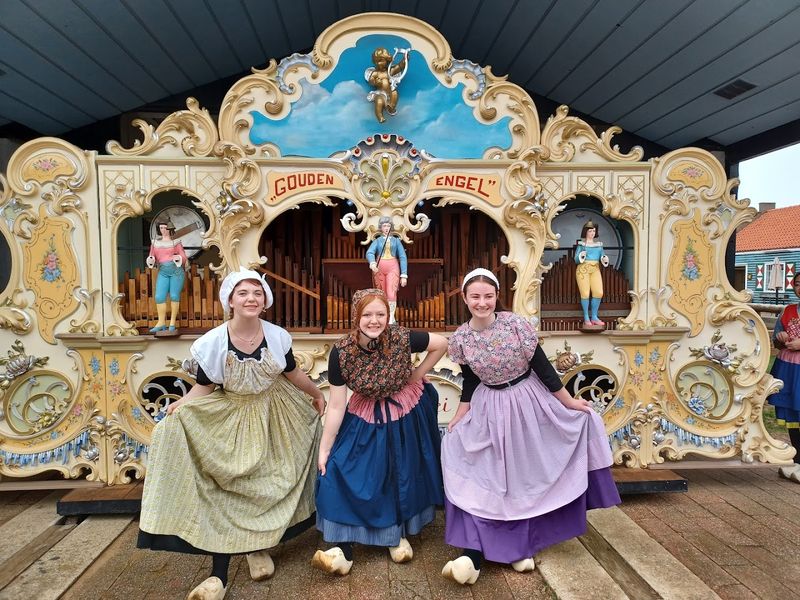
Few sounds define the place as clearly as the street organ, especially when its music drifts across the square before you can see it. Nelis Dutch Village features De Gouden Engel, an Amsterdam street organ dating to 1880, and hearing it in motion adds an unexpectedly transporting layer to the experience.
Its carved decoration is impressive, but the real effect is atmospheric. The bright mechanical music makes the village feel less like a set and more like a working performance space with its own pulse.
Stand nearby for a full tune instead of passing through, because this is one of those details that can seem quaint at first and then become strangely memorable. It ties architecture, movement, and heritage together beautifully.
Watch The Wooden Shoe Carving Demo
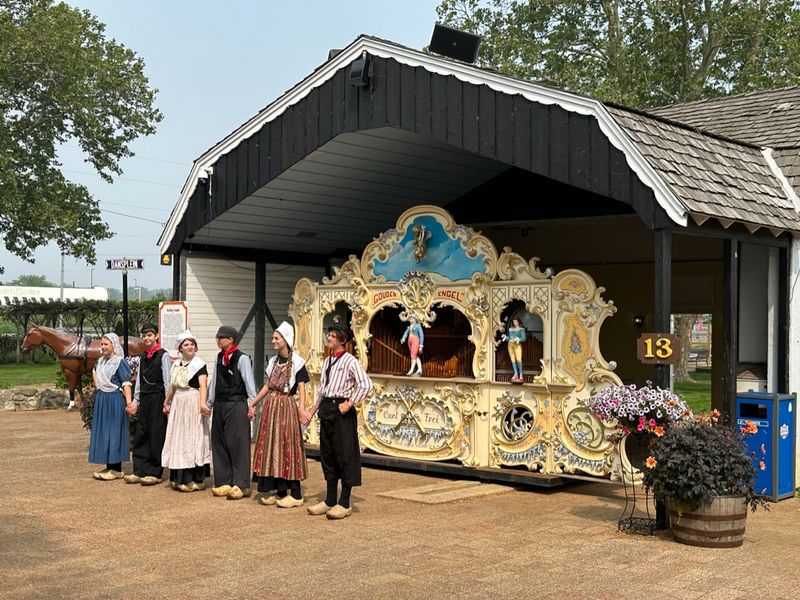
The wooden shoe carving demonstration is one of the clearest examples of how the park blends entertainment with actual craft history.
Watching a plain block of wood turn into a recognizable shoe makes the famous Dutch clog feel less like a souvenir and more like a practical object shaped by labor and tradition.
The demonstration uses antique equipment and clear explanation, which helps the process land with adults as much as children. There is something satisfying about seeing a cultural icon reduced to material, tool, and technique.
If you tend to rush past craft demos at attractions, resist that instinct here. This one is concise, concrete, and genuinely informative, and it gives context to the wooden shoes sold elsewhere in the village.
Save Time For Delftware And Craft Traditions
Just when the park risks being defined only by rides and costumes, the craft demonstrations deepen the story.
Delftware making is especially useful for that, because it introduces a slower, more exacting side of Dutch material culture and shows how decorative beauty depends on process, repetition, and patience.
The village presentation explains the steps behind the pottery tradition rather than treating the finished pieces as simple gift shop decoration. That difference matters. It turns browsing into informed looking, and informed looking usually makes a place feel more worth your time.
Pair this stop with the wooden shoe demonstration and you get a fuller sense of what Nelis Dutch Village does well: preserving heritage through visible, understandable work instead of abstract signage alone.
Balance History With The Rides
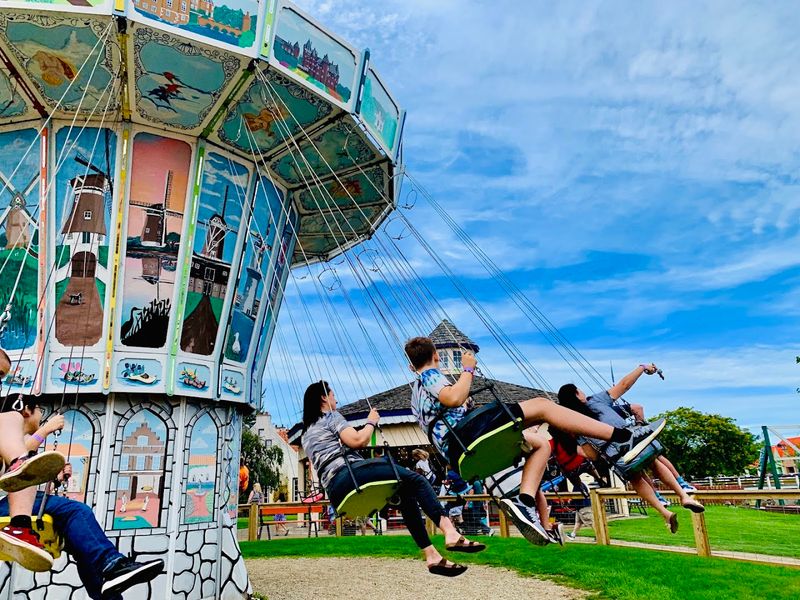
Nelis Dutch Village works best when you stop expecting a pure museum or a thrill-heavy amusement park. Its rides are modest, family-focused, and folded into the Dutch setting in a way that keeps the mood playful without overwhelming the historical theme.
That balance is part of the place’s charm. Children can move from the carousel or Ferris wheel to a cultural demonstration without the transition feeling abrupt, which is harder to pull off than it sounds.
Because the rides are included with admission, they function as easy punctuation marks between slower stops.
I would not plan the day around them alone, but I also would not dismiss them as filler. They are central to the half-day rhythm that makes the park approachable for mixed-age groups.
Make Room For The Petting Farm
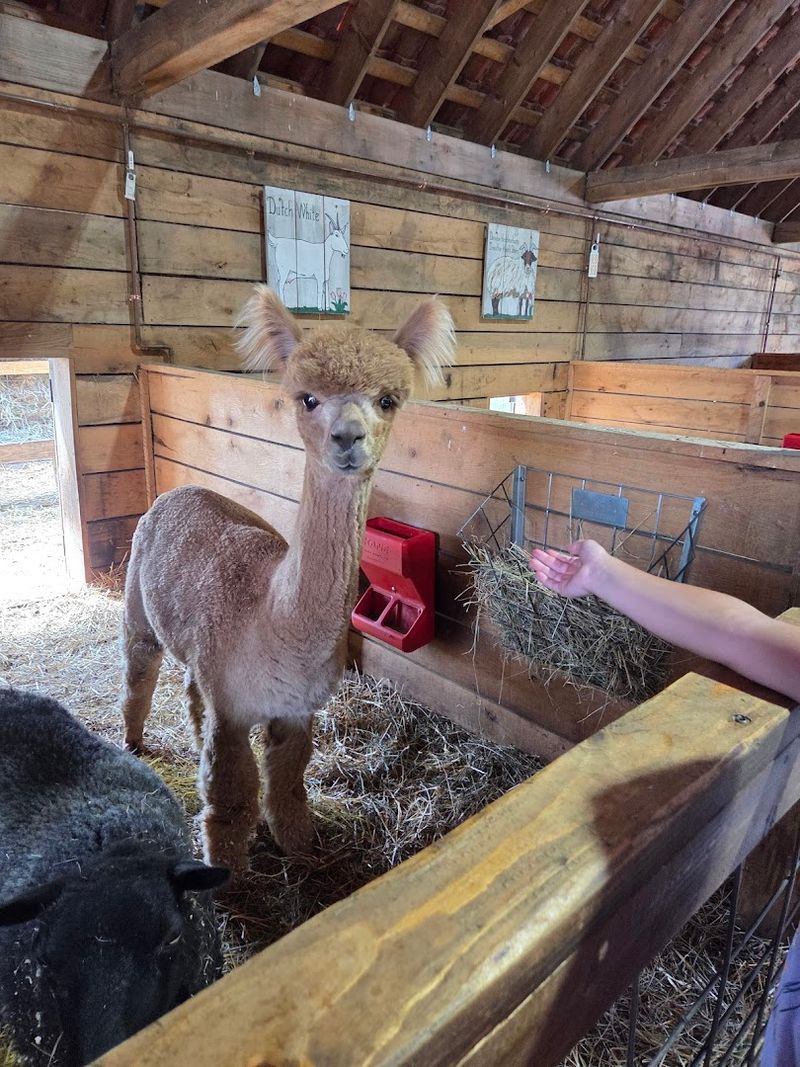
The petting farm adds a grounded, almost pastoral note that suits the village better than a slicker attraction would. Goats, bunnies, and alpacas give younger visitors an easy point of connection, and the area softens the pace when the central square starts feeling more energetic.
What I appreciated was how naturally the animals fit the overall experience. They do not feel tacked on as a distraction from the cultural material, but woven into a place interested in domestic life, work, and family-scale amusement.
If you are visiting with children, this stop can reset the day beautifully. Even without children, it offers a breather between demos and shopping, and that kind of built-in tempo change is one reason the park manages a full afternoon without becoming tiring.
Notice How Food Extends The Story
Food at Nelis Dutch Village is not merely fuel between activities. It carries the Dutch theme into a more sensory register, whether that means a warm stroopwafel, imported sweets, or savory items served at the Hungry Dutchman Cafe. The payoff is less about novelty than about continuity.
When the architecture, music, demonstrations, and snacks all point in the same cultural direction, the park feels more coherent and less like a checklist. De Koekjeshoek is the obvious sweet stop, especially for stroopwafels, while the cafe offers Dutch dishes alongside familiar options.
That mix makes the place friendlier for groups with different appetites. If you are pacing a three- or four-hour visit, a deliberate snack break helps keep the afternoon pleasant rather than overprogrammed.
Shop With A Little Curiosity
The shopping here works best when you approach it as part of the interpretive experience rather than the exit strategy.
Imported wooden shoes, Delftware, candies, and Dutch pantry items echo what you have just seen demonstrated, which gives the shops more context than the average themed attraction can manage.
The Wooden Shoe Shop is especially worth a look because it connects directly to the carving tradition elsewhere in the village. Personalization is available on site, which turns a novelty purchase into a more specific keepsake.
Even if you buy nothing, browsing sharpens your sense of the park’s priorities: craft, heritage, and family ritual. That coherence matters. It keeps the commercial side from feeling detached from the educational one.
Choose Your Season Carefully
Season changes the personality of Nelis Dutch Village more than you might expect, so timing deserves real thought.
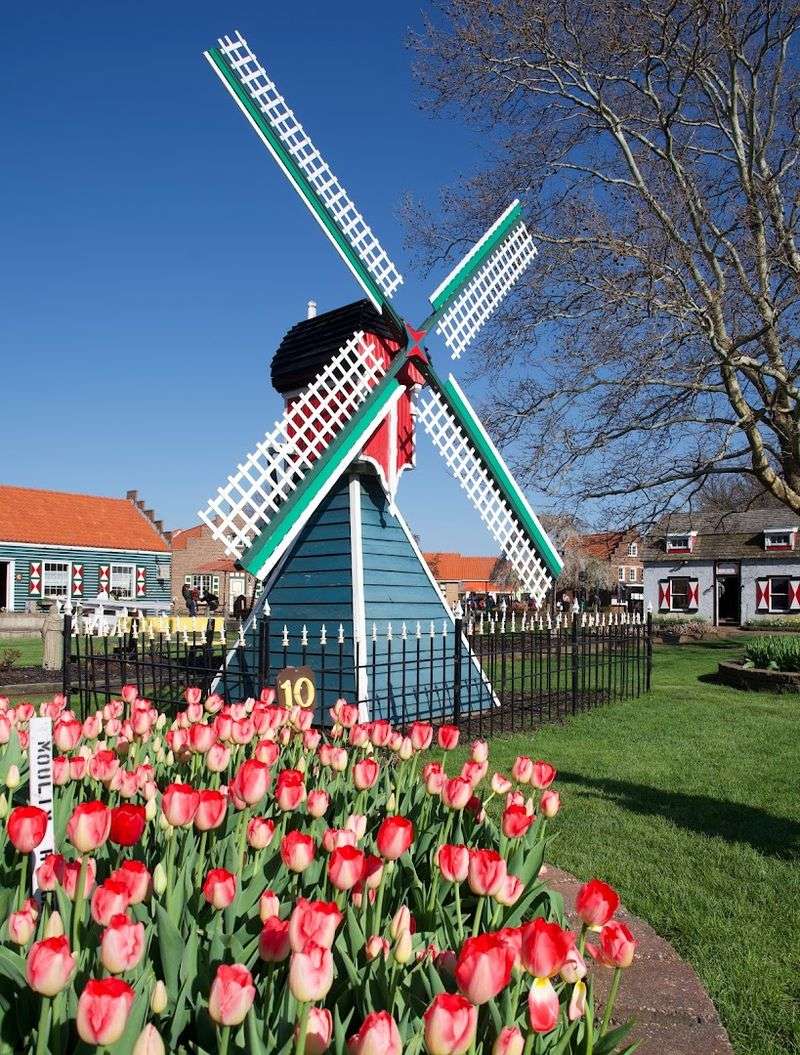
Spring is the obvious draw because tulips transform the grounds with color, especially during the broader Tulip Time period, but summer can offer a calmer, more leisurely version of the same place.
The main park generally operates from mid-April through early October, while the downtown store stays open year-round. That means a full village visit is a seasonal pleasure, not an all-weather default.
If flowers matter most, aim for bloom season and accept extra energy in the park. If your priority is a lower-key afternoon with space to linger at demonstrations and rides, choose a regular weekday later in the operating season. The experience will breathe differently.