
This Nebraska Museum Turns Kool-Aid Into The Most Colorful Road Trip Stop In The State
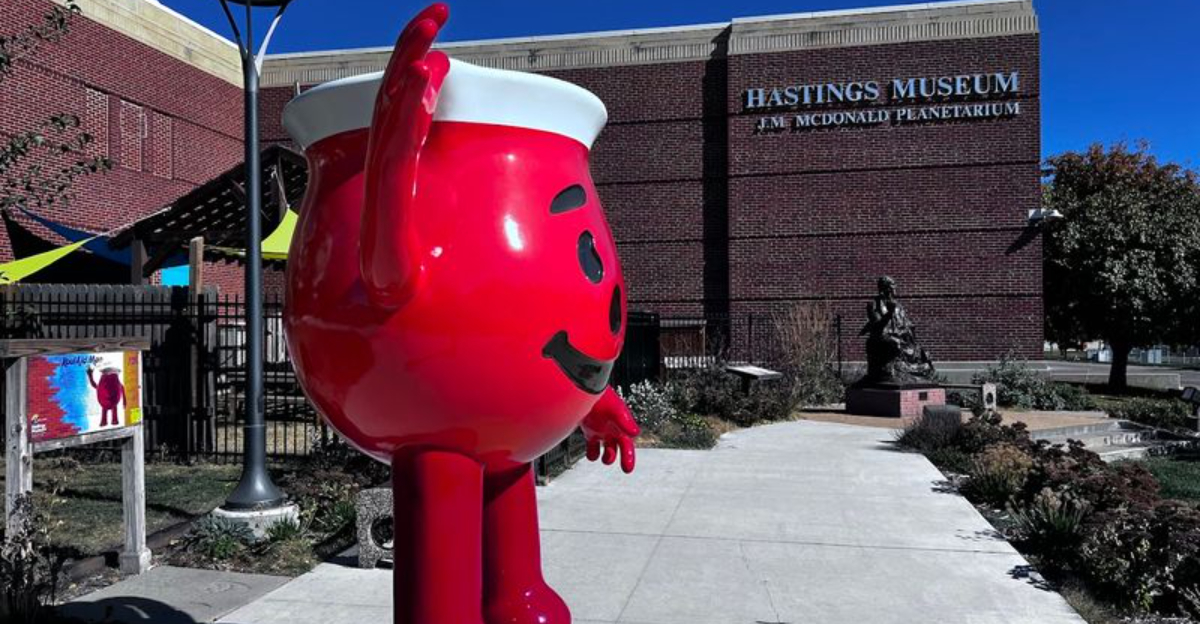
Breaking news for anyone who grew up with sticky fingers and a red smile. The Kool-Aid Man might have finally found his natural habitat.
In Hastings, Nebraska, a museum turns one of America’s most nostalgic drinks into a full-on, color-splashed road trip experience. Is it just a museum exhibit, or a time machine back to childhood summers and sugary chaos?
Inside visitors don’t just learn about Kool-Aid, they step into its story, from its local origins to its pop culture legacy.
Expect bold colors, playful exhibits, and enough nostalgia to make you question why adulthood ever stopped serving red drink in giant pitchers.
So why do travelers keep pulling over for this stop? Because sometimes the most unexpected museums are the ones that feel the most fun, and the most refreshingly unforgettable.
The Sweet Origin Story Of Kool-Aid That Started It All
Before Kool-Aid became the mascot-fueled, lip-staining legend we know today, it started as a brilliantly simple solution to a very real problem.
Back in 1927, Edwin Perkins was working with a liquid concentrate called Fruit Smack. It was flavorful, but those glass bottles were heavy, fragile, and a shipping nightmare.
So Perkins did what any creative thinker would do. He figured out how to remove the liquid entirely, leaving behind a concentrated, shelf-stable powder.
He priced each packet at just ten cents, making it affordable for nearly every household across the country. That decision alone changed the beverage world forever.
The drink was initially called Kool-Ade before the spelling was tweaked. It launched during a challenging economic era, yet it thrived because it was both affordable and fun.
Hastings Museum captures this origin story beautifully, walking visitors through the entrepreneurial spirit and clever thinking that made Kool-Aid a household name.
Seeing how one small idea grew into a global phenomenon genuinely gives you chills. Nebraska quietly gave the world one of its most colorful gifts.
Finding The Museum At 1330 N Burlington Ave In Hastings
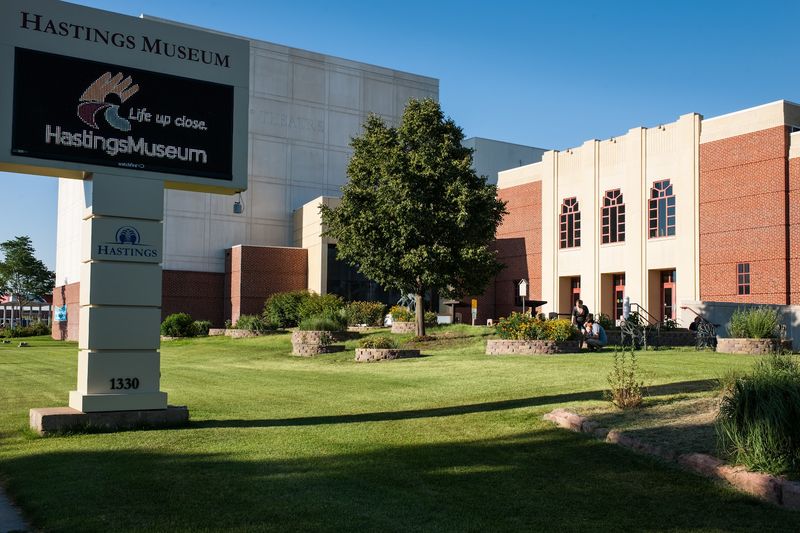
Pulling up to the Hastings Museum feels like arriving somewhere that means something. Located at 1330 N Burlington Ave, Hastings, NE, the museum sits adjacent to a lovely arboretum, giving the whole visit a peaceful, unhurried energy from the moment you step out of your car.
The building is larger than most visitors expect. It spans three full floors, each dedicated to a completely different world of discovery.
From the parking lot, you can already sense that this isn’t a quick twenty-minute stop. Plan for at least a few hours if you want to do it justice.
Hours run Monday through Thursday from 9 AM to 5 PM, with extended hours on Friday and Saturday until 7 PM, and Sunday hours from 1 to 6 PM.
The museum is easy to navigate and accessible throughout. First-timers often say they wish they had arrived earlier in the day just to soak in every corner.
The location feels perfectly placed in the heart of Nebraska, making it an ideal midpoint stop on any cross-state road trip.
The Kool-Aid Exhibit That Brings Nostalgia Rushing Back
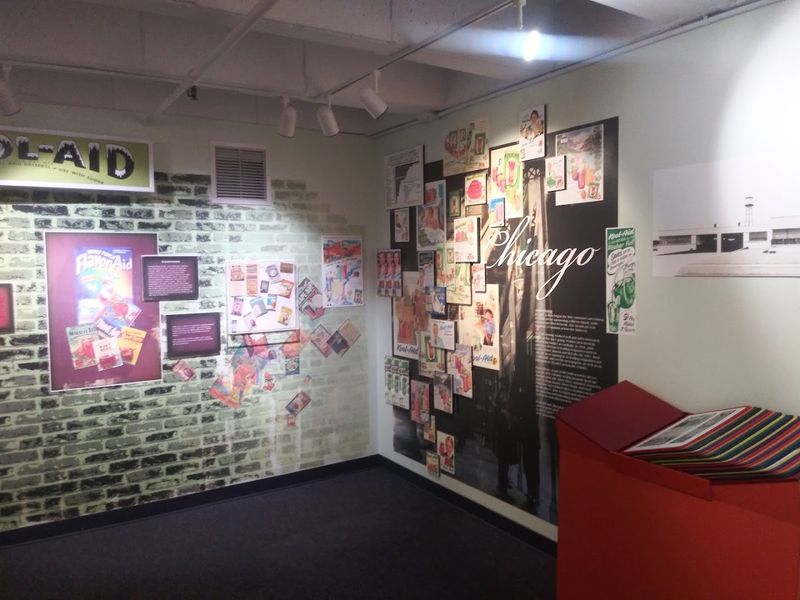
Walking into the Kool-Aid exhibit feels like cracking open a time capsule full of vivid colors and sugary memories. The display showcases original packaging, vintage print advertisements, and rare discontinued products that most people have never seen before.
Think bubble gum and sherbet varieties that only true Kool-Aid enthusiasts would recognize.
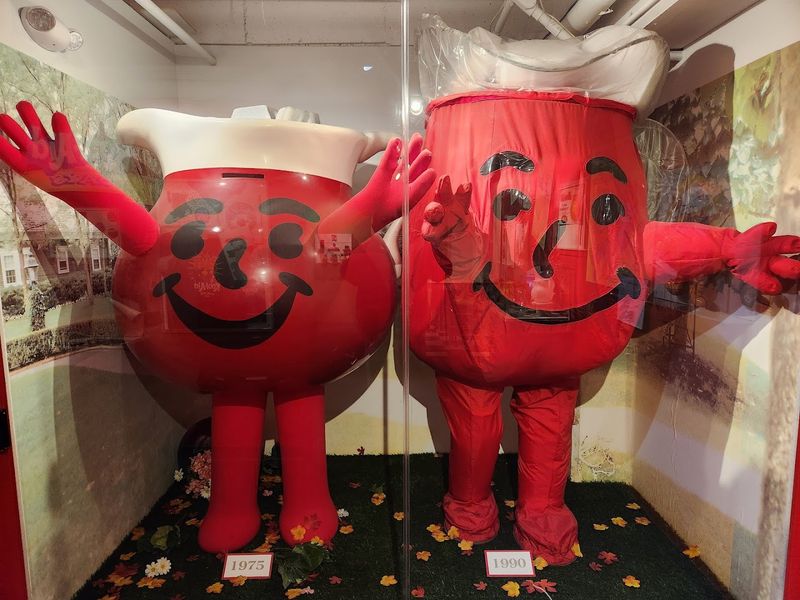
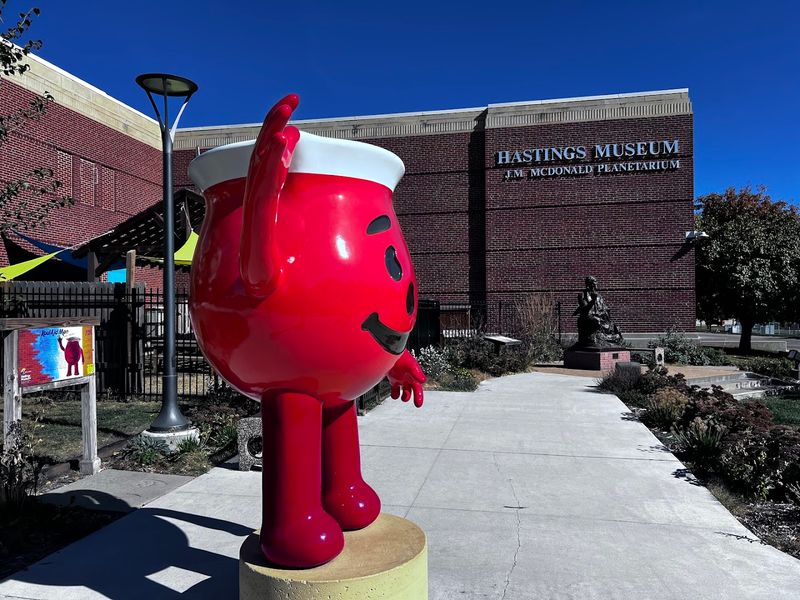
One of the most talked-about features is the Kool-Aid Man costume on display.
Standing face to face with that giant smiling pitcher is genuinely surreal in the best possible way. It’s the kind of moment you instinctively reach for your phone to photograph.
The exhibit also traces the evolution of the brand’s marketing over the decades. Seeing how the product was packaged and sold through different eras of American culture tells a surprisingly rich story about consumer history.
This isn’t just a tribute to a drink. It’s a tribute to creativity, accessibility, and the powerful role that simple pleasures play in everyday life.
Few museum exhibits manage to be both educational and emotionally resonant at the same time, but this one absolutely pulls it off.
The Ingenious Mind Behind The Colorful Packets
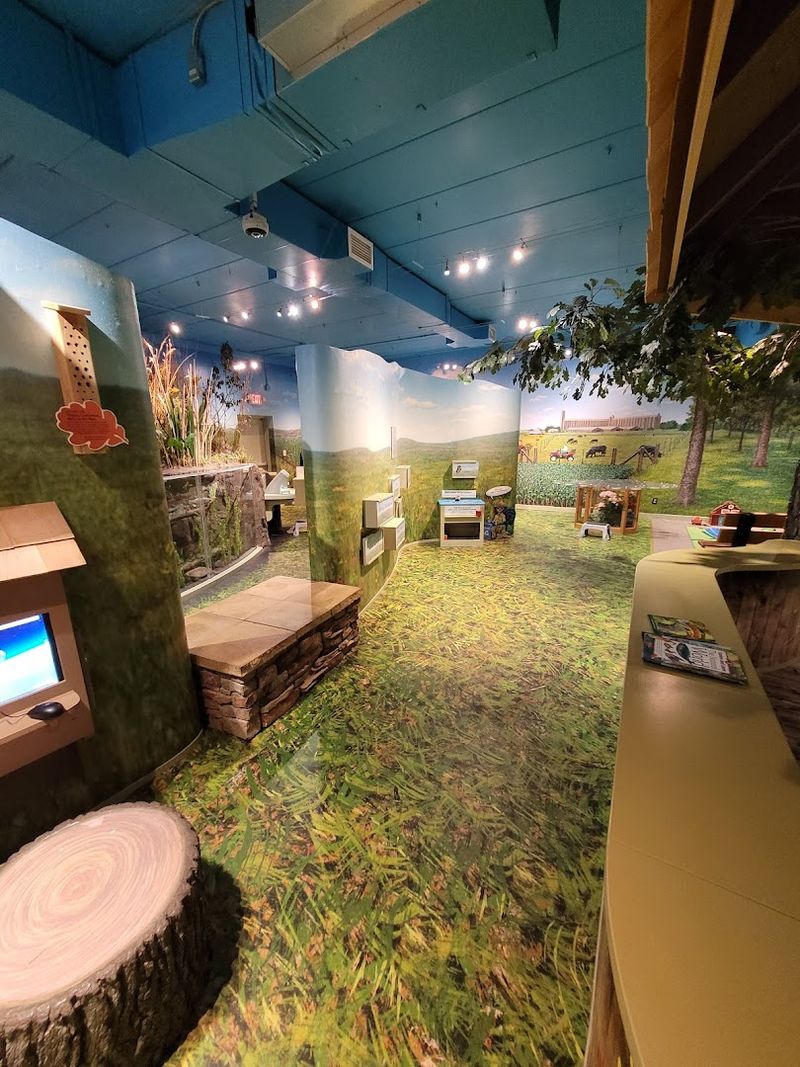
Not every inventor gets the recognition they deserve, but the Hastings Museum makes sure Edwin Perkins gets his well-earned spotlight.
Long before Kool-Aid, Perkins was already running a thriving mail-order business. He sold over 100 products under his Onor-Maid brand, ranging from food flavorings to household goods.
His genius wasn’t just in chemistry. It was in understanding what everyday people needed and finding smarter ways to deliver it.
When he noticed how popular Jell-O was as a powdered product, it sparked the idea that would eventually become his greatest achievement. He took that concept and applied it to beverages with remarkable results.
Perkins built his empire through persistence, observation, and a willingness to rethink what already existed. The museum captures this spirit beautifully, framing him not just as an inventor but as a genuinely forward-thinking entrepreneur.
His story resonates especially today, when innovation and accessibility feel more important than ever. Seeing his journey laid out from start to finish makes the Kool-Aid origin feel personal, human, and deeply inspiring.
He turned a simple idea into something that outlived him by nearly a century.
Where Nebraska Meets The Stars
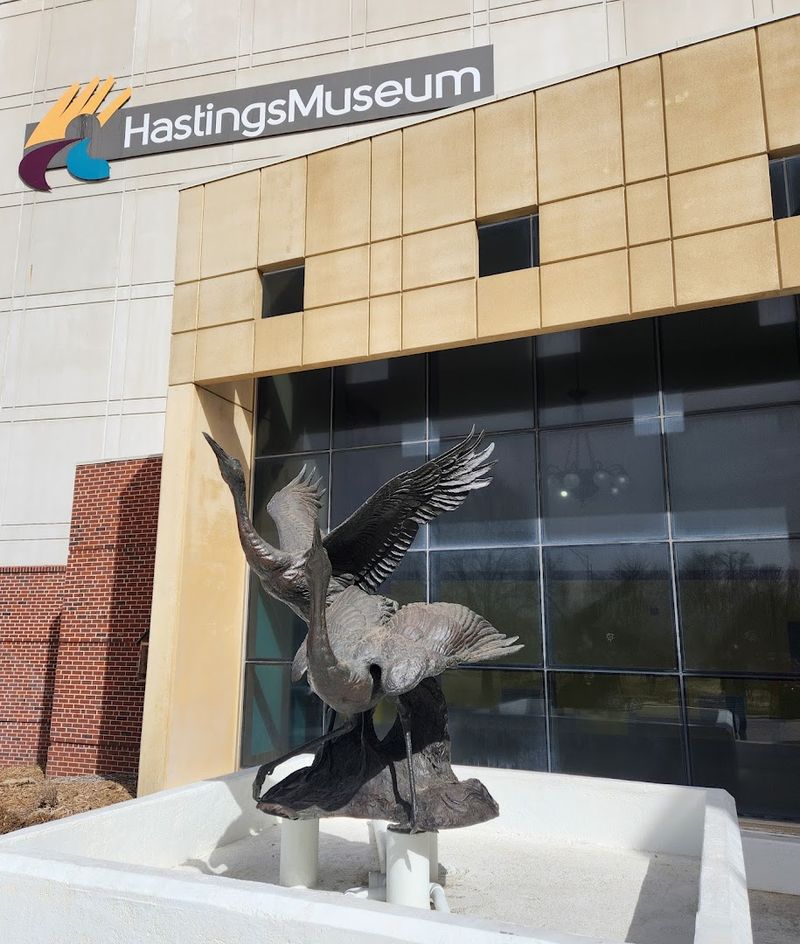
Swap the sugary nostalgia for something cosmic, because the J.M. McDonald Planetarium inside the Hastings Museum is genuinely breathtaking.
The state-of-the-art projection system transforms the domed ceiling into a living, breathing night sky. You can watch galaxies spiral, constellations emerge, and planets drift across the horizon in stunning detail.
What makes this planetarium particularly special is its flexibility. Visitors can request to view the stars as they appeared on a specific date, like a birthday or anniversary.
There’s also the option to observe the sun through a specialized telescope during certain programs. It’s interactive in a way that feels rare for a mid-sized museum.
The shows are perfectly paced and deeply immersive. Captioning and listening devices are available for those who need them, making the experience accessible to a wide range of visitors.
After spending time learning about a powdered drink invented nearly a century ago, gazing up at the universe feels like a natural, humbling contrast.
The planetarium reminds you that wonder comes in many forms, and this museum delivers all of them with quiet confidence.
Wildlife Dioramas That Freeze Nature In Stunning Detail
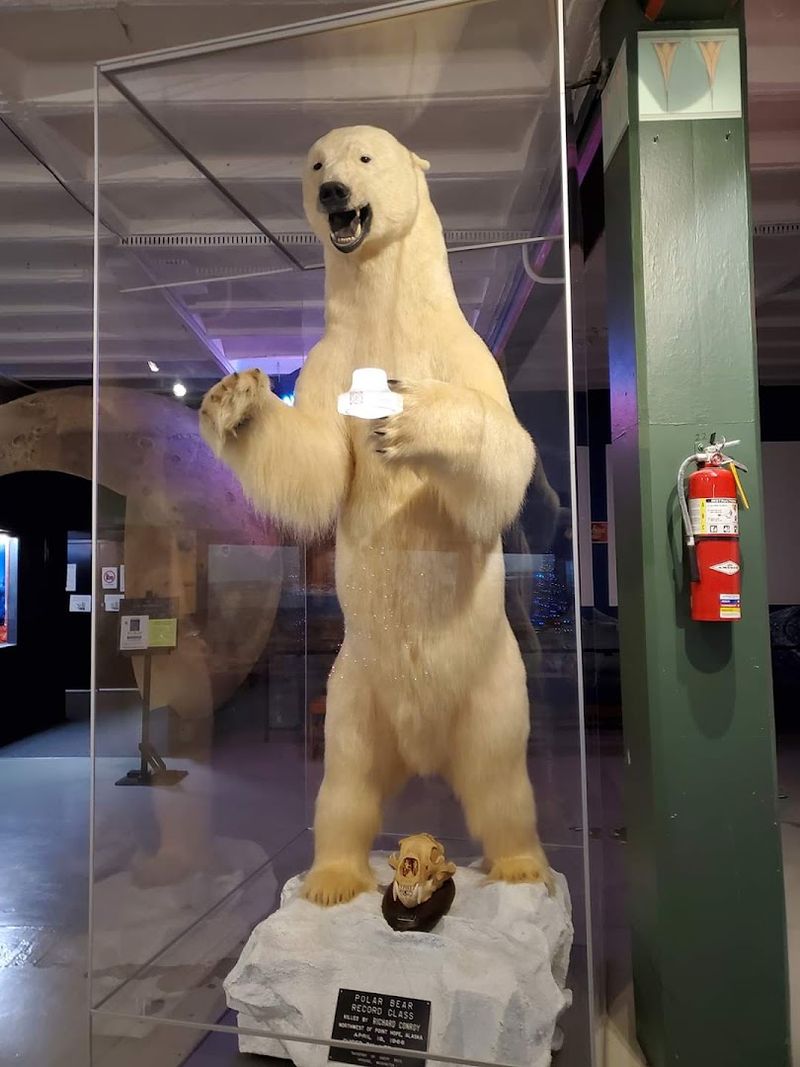
There’s something quietly magnificent about a perfectly crafted wildlife diorama. The Hastings Museum houses over 150 animals from across North America, each one displayed in a meticulously recreated natural environment.
These aren’t dusty, forgotten displays. They’re genuinely impressive works of art that feel almost alive.
Many of the dioramas were created during the 1930s and 1940s, which adds a fascinating layer of historical craftsmanship to the experience.
The painted backgrounds, the carefully arranged vegetation, and the lifelike animal poses reflect a level of detail that’s hard to find in modern museum settings. Standing in front of them, you almost expect something to move.
Each display tells a quiet story about the ecosystems that exist and have existed across this region. From towering elk to delicate prairie birds, the range is impressive and educational without ever feeling like a textbook.
This section of the museum tends to draw people in slowly, one diorama at a time, until suddenly you’ve spent forty minutes just wandering and observing. Nature has a way of demanding your full attention, and these displays understand that completely.
Fossils, Mammoths, And Ancient Seas
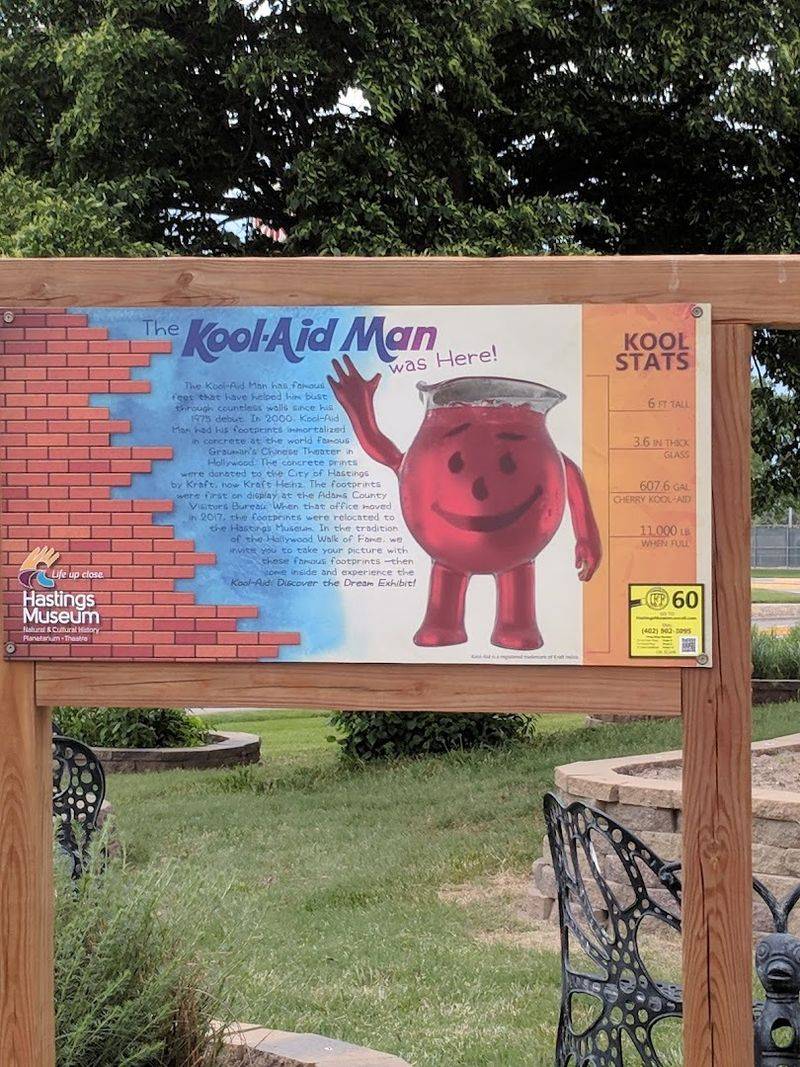
Long before Nebraska was farmland and highway, it was something far more dramatic. The Hastings Museum takes visitors back millions of years to a time when vast inland seas covered this very land.
The fossil exhibits include ancient marine creatures that feel almost impossible to imagine living where cornfields now stretch to the horizon.
The mammoth fossils are a particular highlight. Bones discovered right here in Nebraska give these displays a local authenticity that really lands.
Knowing that these massive creatures once roamed the same ground you’re standing on is genuinely humbling. It reframes the entire landscape in your mind.
The museum also features hidden gems throughout the exhibits, with drawers beneath the main displays that contain hundreds of additional specimens.
It rewards the curious visitor who takes time to explore every layer. This prehistoric section pairs beautifully with the rest of the museum, reminding you that Nebraska’s story didn’t start with pioneers or powdered drinks.
It started with ancient oceans and towering beasts, and the Hastings Museum tells that story with real depth and remarkable care.
Pioneer Life And Native American Heritage
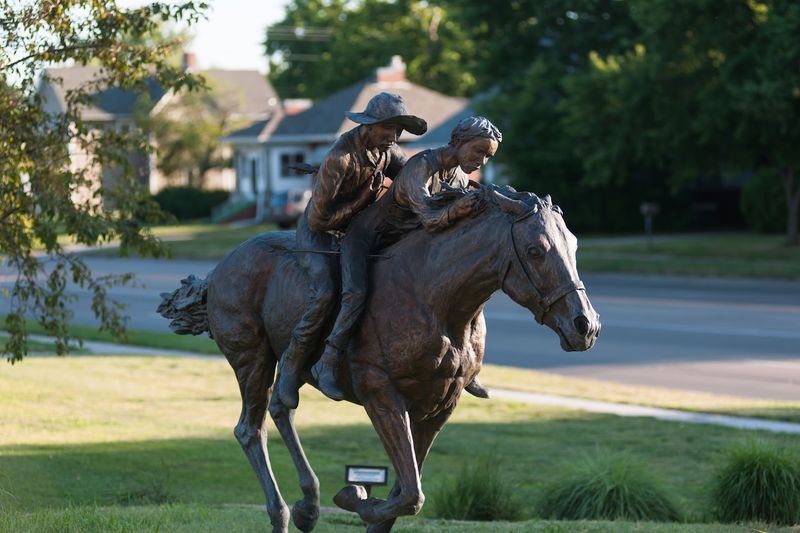
History hits differently when you can step inside it. The People on the Plains exhibit at the Hastings Museum does exactly that, offering visitors a chance to walk into a replicated log cabin and stand inside a recreated Native American tipi.
These aren’t just props. They’re carefully researched representations of real lives lived on the Great Plains.
The exhibit weaves together the stories of multiple cultures that have shaped this region over centuries. Native American artifacts sit alongside pioneer tools and early settler items, creating a layered narrative that feels respectful and genuinely educational.
You leave with a much fuller picture of what life on the plains actually looked and felt like.
There are also replicas of early Hastings storefronts and newspaper offices from the 1900s, giving the exhibit a surprisingly local and personal feel.
These details transform the space from a general history lesson into something specific and rooted in place.
The Hastings Museum understands that the best way to honor history is to make it tangible. This exhibit does that with warmth, thoughtfulness, and a real sense of storytelling.
The Lied Super Screen Theater And The Gift Shop That Seals The Deal
Just when you think you’ve seen everything the Hastings Museum has to offer, you remember there’s a massive theater waiting for you.
The Lied Super Screen Theater features a 65 to 70-foot-wide domed screen that makes every film feel genuinely cinematic. Educational nature films and special presentations are shown regularly, covering topics from deep-sea creatures to the wonders of the cosmos.
The combination of the planetarium and the super screen theater makes this museum feel more like an entertainment destination than a traditional learning institution.
Both experiences are immersive in completely different ways, and together they round out a visit that covers art, science, history, and pure spectacle all under one roof.
Before heading out, the gift shop is absolutely worth a browse. It carries Kool-Aid themed souvenirs, Nebraska-specific items, and educational keepsakes that make for genuinely thoughtful mementos.
It’s the kind of gift shop that doesn’t feel like an afterthought. It feels like a curated farewell.
The Hastings Museum earns its reputation as the largest municipal museum between Chicago and Denver, and every square foot of it makes a case for why Nebraska deserves a spot on your road trip map. Have you booked your visit yet?