
9 Wyoming Dinosaur Stops So Cool You’ll Act Like A Kid With Every Fossil You See
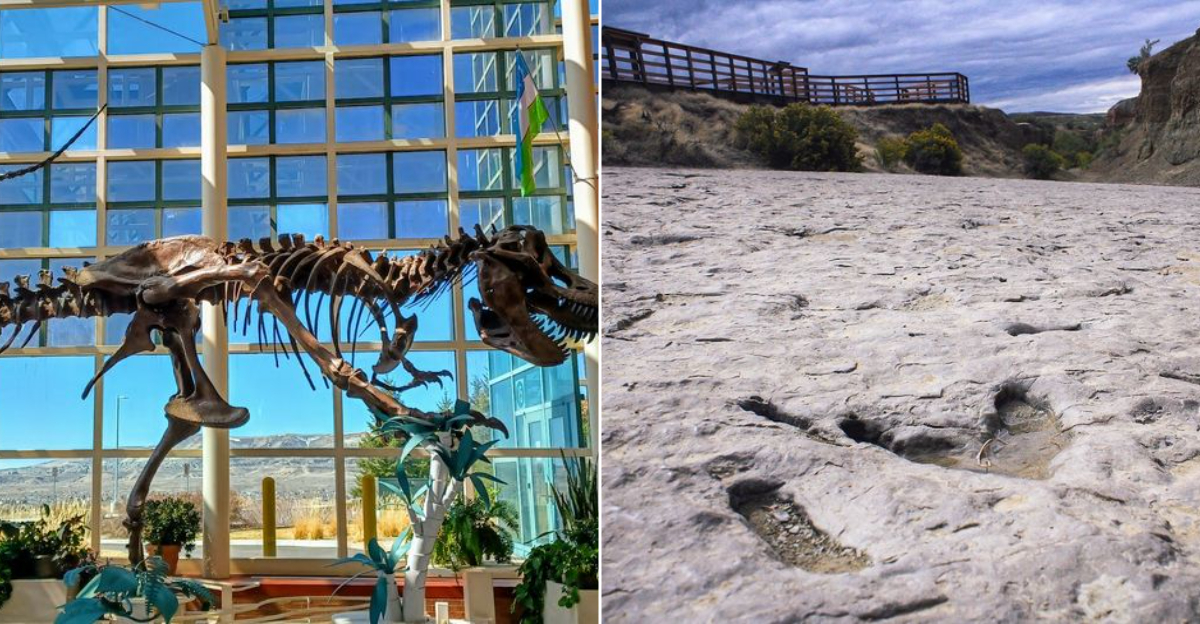
When was the last time a road trip made you feel like you were starring in your own dinosaur documentary? In Wyoming, that feeling is pretty much guaranteed.
So why do adults suddenly start pointing, gasping, and acting like wide-eyed kids around fossils?
Because these aren’t just old bones behind glass. They’re real pieces of prehistoric life scattered across landscapes that once belonged to giants.
From massive skeletons that tower over museum halls to fossil beds where you can literally stand where dinosaurs once roamed, Wyoming turns history into something you don’t just observe. You experience it. Is it educational?
Absolutely. Is it also ridiculously fun?
Even more so. Across the state, each stop reveals a different chapter of Earth’s deepest past, proving that science and wonder can happily share the same road trip.
Get ready to explore Wyoming dinosaur stops where every fossil feels like a front-row seat to prehistory. And yes, you’ll probably act like a kid the entire time.
1. Wyoming Dinosaur Center
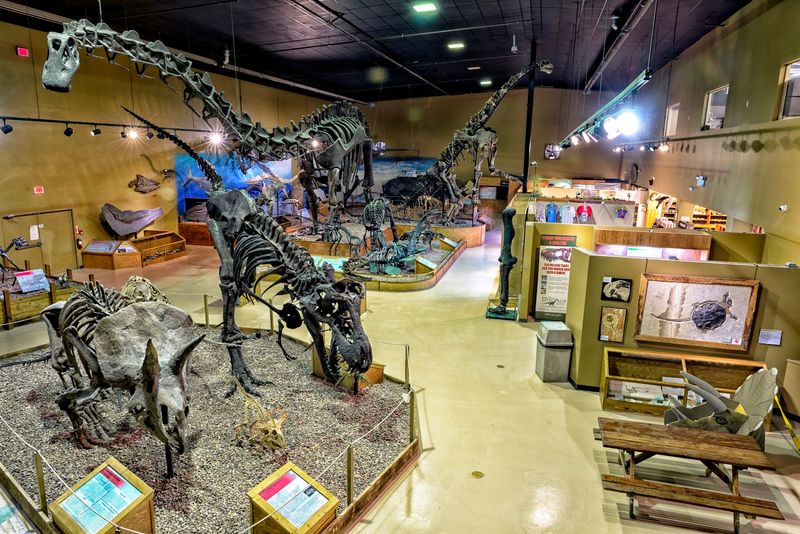
Some museums make you feel like you’re reading a textbook. The Wyoming Dinosaur Center makes you feel like you accidentally walked onto a movie set.
Located at 110 Carter Ranch Road in Thermopolis, Wyoming, this facility holds over 58 fully mounted dinosaur skeletons under one roof, and the sheer scale of it stops you cold the moment you walk through the door.
The star of the show is Jimbo, a 106-foot Supersaurus that is genuinely one of the largest mounted dinosaurs on the planet.
Then there’s Stan, a 35-foot Tyrannosaurus rex that commands the room with an authority that feels almost personal. The center also houses the Thermopolis Specimen of Archaeopteryx, one of only a handful of real Archaeopteryx fossils that exist outside of Europe.
What really sets this place apart is the Dig for a Day program. You can ride out to active excavation sites just ten minutes away and work alongside real paleontologists uncovering actual fossils.
The on-site preparation lab lets you watch scientists carefully preserving newly unearthed bones in real time. Over 14,000 bones have been recovered from nearby sites, and many are displayed right here.
This is not a place you rush through.
2. University Of Wyoming Geological Museum
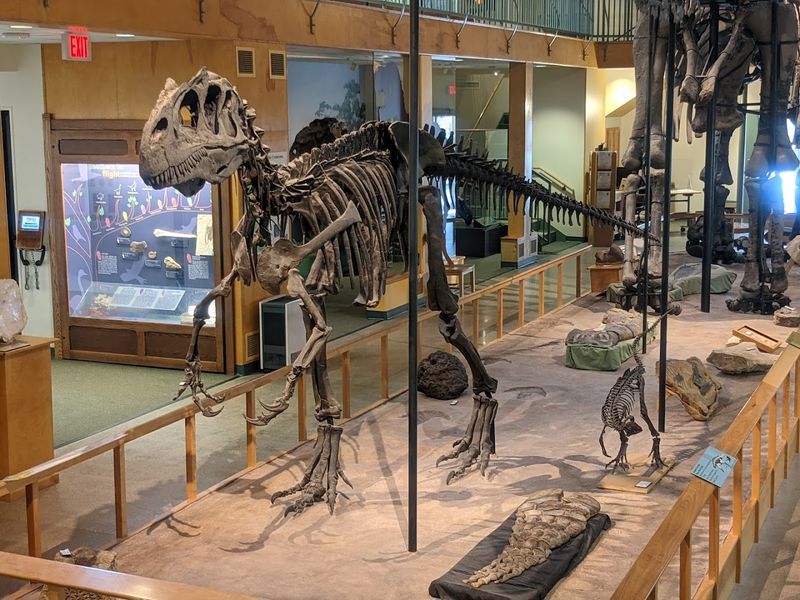
Walking into the University of Wyoming Geological Museum feels like stepping into the middle of a prehistoric argument between giants.
The centerpiece is a massive Apatosaurus skeleton that stretches across the main hall in a way that makes the ceiling feel low. This museum sits right on campus at 1000 E University Ave in Laramie, Wyoming, and it has been wowing visitors since the early 1900s.
The collection includes an Allosaurus, one of the most fearsome predators of the Jurassic period, posed in a posture that looks like it just spotted lunch.
There’s also a remarkable collection of Wyoming’s state fossil, Knightia, a small freshwater fish that once swam in ancient lakes across the region. The museum does a brilliant job of connecting Wyoming’s modern landscape to its ancient one.
Admission is free, which somehow makes the whole experience feel even more generous. The exhibits are thoughtfully arranged to take you on a journey through deep time, from early marine life all the way to the age of massive land animals.
Geology and paleontology overlap beautifully here, giving you a richer understanding of how the land itself shaped the fossils found within it. It’s one of those places that rewards curiosity at every turn.
3. Tate Geological Museum
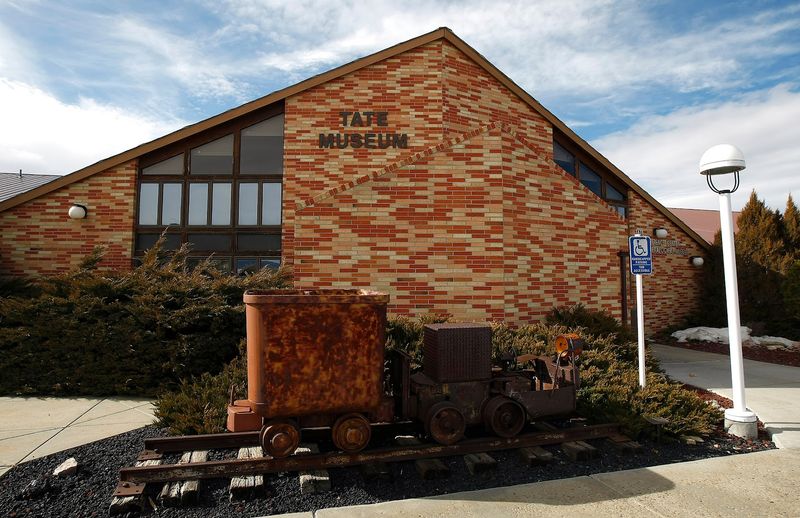
There’s something wonderfully unexpected about finding a world-class paleontology museum tucked inside a community college.
The Tate Geological Museum at 125 College Dr in Casper, Wyoming punches so far above its weight class that it regularly surprises first-time visitors who aren’t sure what to expect walking in.
The museum’s most celebrated resident is a nearly complete Triceratops skeleton that anchors the main exhibit hall with prehistoric authority.
Nearby, a mounted Edmontosaurus and several other Late Cretaceous specimens round out a collection that tells the story of Wyoming’s ancient ecosystems with impressive depth.
The fossil prep lab is a genuine highlight, giving visitors a window into the painstaking work of cleaning and preserving bones fresh from the field.
One of the coolest annual events here is the Tate Conference, a gathering that brings paleontologists from around the country to Casper to share new discoveries and research.
The museum also runs field programs that take participants out to real dig sites in the surrounding area. What makes Tate special is its commitment to making science feel accessible without dumbing anything down.
Every display is informative, every exhibit feels carefully considered, and the passion behind the whole operation is impossible to miss. Plan to spend more time here than you think you’ll need.
4. Paleon Museum
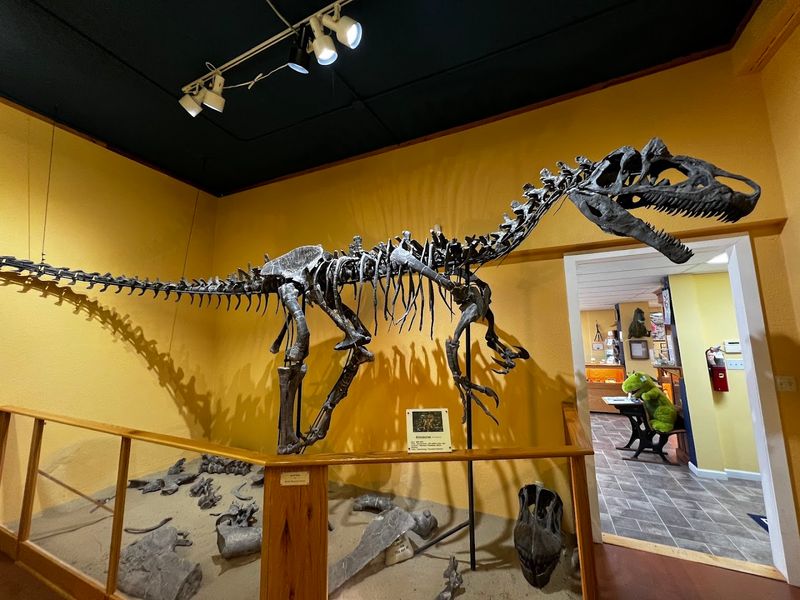
Glenrock, Wyoming is a small town that carries a surprisingly enormous prehistoric secret. The Paleon Museum at 506 W Birch St in Glenrock is one of those hidden gems that fossil enthusiasts talk about in hushed, reverent tones.
It’s compact, community-driven, and absolutely packed with genuine scientific significance.
The museum was built largely around local discoveries, including fossils pulled from the nearby Lance Formation, one of the most productive dinosaur-bearing rock units in North America.
Hadrosaurs, ceratopsians, and theropods all lived and left their bones in this part of Wyoming, and Paleon tells that story with real fossils and honest enthusiasm. The exhibits feel personal in the best possible way, like someone genuinely loves this stuff and wants you to love it too.
The Paleon Museum also offers field experiences that take you out into the actual landscape where these animals once roamed.
Glenrock itself sits in a region that has yielded remarkable specimens over the decades, and the museum serves as the community’s proud keeper of that legacy. For travelers driving through central Wyoming, skipping this stop would be a genuine mistake.
Small museums like this one often deliver the most memorable experiences precisely because everything feels close, real, and unfiltered by the polish of a larger institution. Come curious and leave completely fascinated.
5. Red Gulch Dinosaur Tracksite
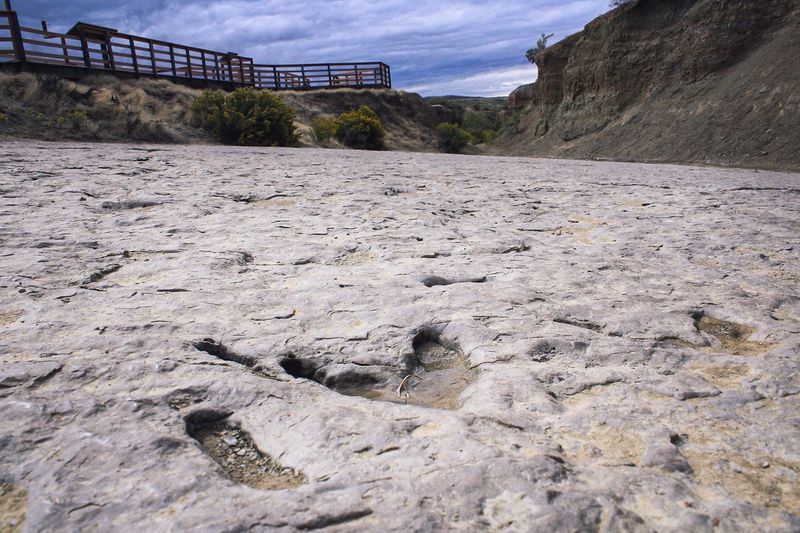
Forget looking at bones behind glass. At the Red Gulch Dinosaur Tracksite, you’re standing on the actual ground where dinosaurs walked, and that distinction hits differently than any museum exhibit ever could.
Located along the Red Gulch/Alkali National Back Country Byway near Shell, Wyoming, this site preserves hundreds of theropod footprints pressed into ancient Jurassic limestone roughly 167 million years ago.
The tracks were formed during the Middle Jurassic period, a time that is actually underrepresented in the North American fossil record.
That makes Red Gulch scientifically rare and genuinely exciting for anyone who follows paleontology. The three-toed prints range from a few inches to nearly a foot long, and seeing them clustered together across the rock surface sparks an immediate and visceral sense of connection to deep time.
A short interpretive trail loops through the site with informational panels that explain the geology, the animals that made the tracks, and what the landscape may have looked like all those millions of years ago. The Bureau of Land Management maintains the site, and entry is free.
Getting there involves a stretch of unpaved road, so a vehicle with decent clearance helps. The scenery along the way is spectacular on its own.
But arriving at the tracksite and crouching down next to a real dinosaur footprint is a moment that simply doesn’t get old no matter how many times you experience it.
6. Western Wyoming Community College Natural History Museum
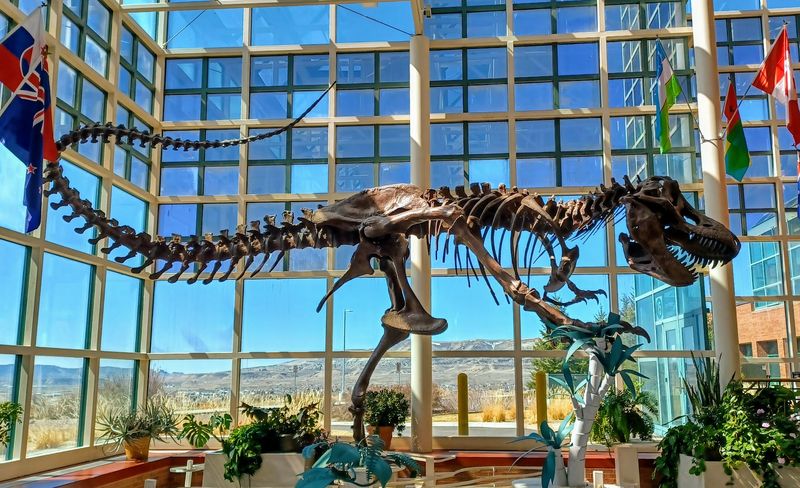
Rock Springs might not be the first place that comes to mind when you think about world-class natural history collections, but the Western Wyoming Community College Natural History Museum at 2500 College Drive makes a compelling case for a detour.
This museum holds a surprisingly rich collection of fossils, minerals, and prehistoric specimens that reflect the incredible geological diversity of southwestern Wyoming.
The region around Rock Springs sits near the Green River Formation, one of the most famous fossil-bearing deposits in the entire world.
That proximity gives the museum access to an extraordinary range of specimens, including beautifully preserved freshwater fish, ancient turtles, and plant fossils that paint a picture of a warm, subtropical ecosystem that once existed right here in Wyoming.
The displays connect the local landscape to its ancient past in ways that feel both educational and genuinely awe-inspiring.
The museum is free to visit and operates on the college campus, giving it an academic energy that feels refreshing and unpretentious. Exhibits are well-organized and thoughtfully labeled, making the science accessible without oversimplifying it.
For road-trippers crossing Wyoming on I-80, this stop offers a perfect opportunity to stretch your legs and completely recalibrate your sense of time.
Standing in front of a 50-million-year-old fish fossil from a lake that no longer exists has a way of putting everything into perspective in the most wonderful way possible.
7. Natural History Museum Of Wyoming
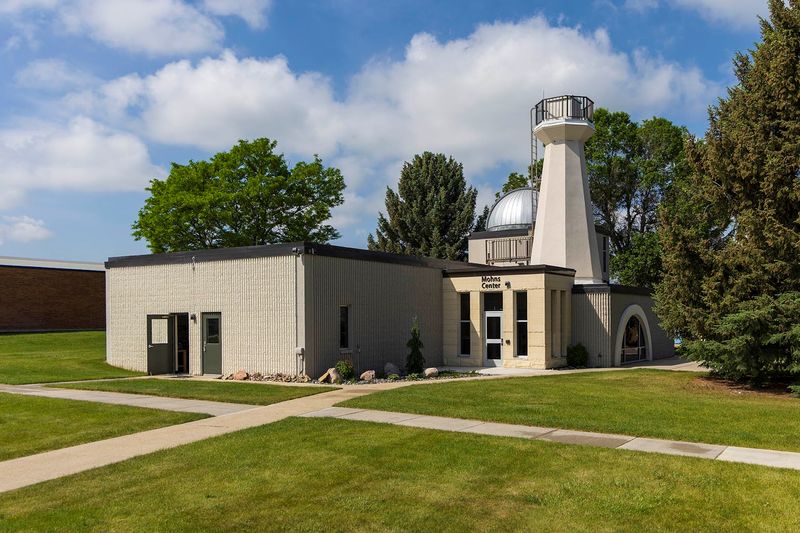
Sheridan, Wyoming sits in the shadow of the Bighorn Mountains, and the Natural History Museum of Wyoming at 1 Whitney Way fits perfectly into that dramatic setting.
This museum brings the prehistoric story of northern Wyoming to life with exhibits that cover everything from ancient mammals to the geological forces that shaped the region over hundreds of millions of years.
The Bighorn Basin, which lies just west of Sheridan, is one of the most paleontologically significant regions in North America. Early Eocene mammals, ancient crocodilians, and a remarkable variety of prehistoric creatures once called this landscape home.
The museum draws on that rich local heritage to build exhibits that feel grounded in place, connected to the actual land you can see outside the window.
One of the things that makes this museum worth the trip is its focus on the full sweep of natural history, not just dinosaurs.
The story of how Wyoming’s ecosystems evolved over time, from ancient seas to tropical forests to the high plains of today, is told here with clarity and real visual impact.
The museum also engages with the local community through educational programs and outreach that keep the science alive beyond the walls of the building itself.
Sheridan is a beautiful town with plenty to explore, and this museum is a genuinely rewarding place to anchor your visit around.
8. Fossil Butte National Monument Visitor Center
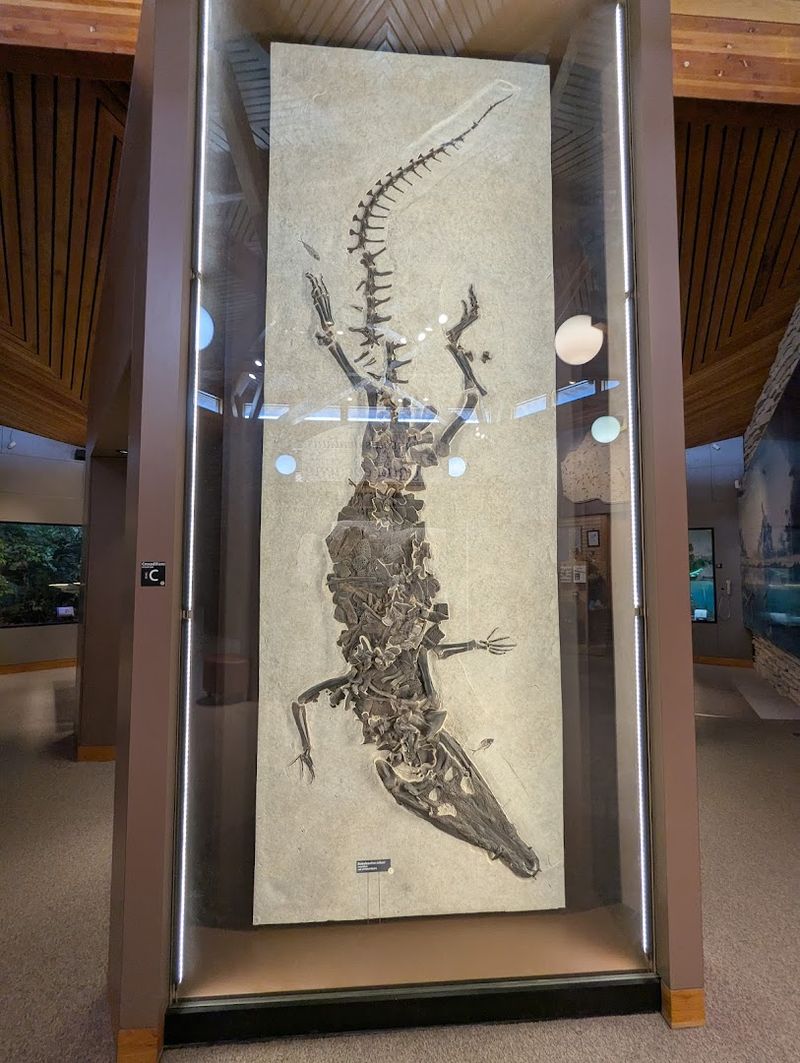
Fifty million years ago, a massive subtropical lake called Fossil Lake stretched across what is now southwestern Wyoming.
Today, Fossil Butte National Monument preserves the extraordinary record of everything that lived in and around that lake, and the Visitor Center at 864 Chicken Creek Road in Kemmerer is where that story gets told in spectacular fashion.
The Green River Formation, which underlies much of this area, is world-famous for producing stunningly detailed fish fossils.
But the real surprise is the sheer variety of life preserved here, ancient crocodilians, turtles, bats, birds, insects, and even plants that have been found in remarkable detail within the lake sediments.
The Visitor Center displays many of these specimens alongside exhibits that explain how the fossils formed and why this site is so scientifically important.
The monument itself covers over 8,000 acres of high desert landscape that is hauntingly beautiful in its own right. Hiking trails take you through the buttes where the fossil-bearing layers are exposed, giving you a direct look at the geology in context.
Rangers are knowledgeable and enthusiastic, and the interpretive programs offered throughout the season are genuinely engaging.
This is a place where the science and the scenery work together to create something that feels bigger than either one alone. Fossil Butte earns its national monument status in every possible way.
9. Fossil Lake Safari
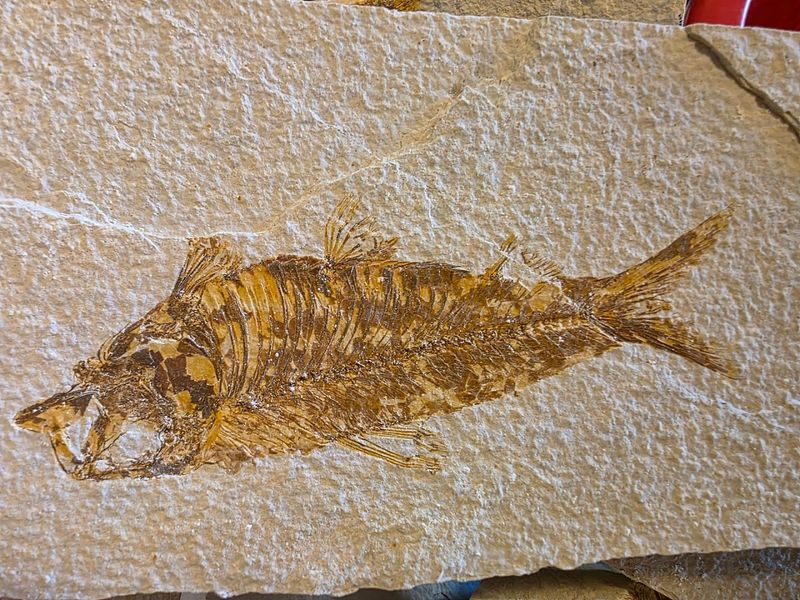
Here’s the thing about looking at fossils in a museum: it’s incredible, but there’s a part of your brain that keeps reminding you someone else found all of these.
Fossil Lake Safari near Field Road in Kemmerer, Wyoming fixes that problem entirely by handing you the tools and letting you find your own.
This is a working fossil quarry where you actually get to excavate real 50-million-year-old fish fossils from the Green River Formation yourself.
The experience is guided, approachable, and genuinely thrilling even for people who have never held a rock hammer before. You’re given a section of the quarry to work, along with the basic techniques needed to split the fine-grained limestone layers and reveal the fossils within.
Most participants find at least one fish fossil, and the quality of preservation in the Green River Formation is so extraordinary that the details can be breathtaking.
The best part? You get to keep what you find.
That changes everything about the experience. Suddenly you’re not just a visitor looking at someone else’s discovery, you’re a participant in the ongoing story of paleontology.
The site sits in a landscape that feels ancient and vast, which adds a layer of atmosphere that no indoor exhibit can replicate.
Fossil Lake Safari is the kind of experience that turns a casual interest in dinosaurs into a full-blown obsession, and honestly, who’s complaining about that?