
This North Carolina Gold Mine Lets You Walk Into America’s First Gold Rush Story
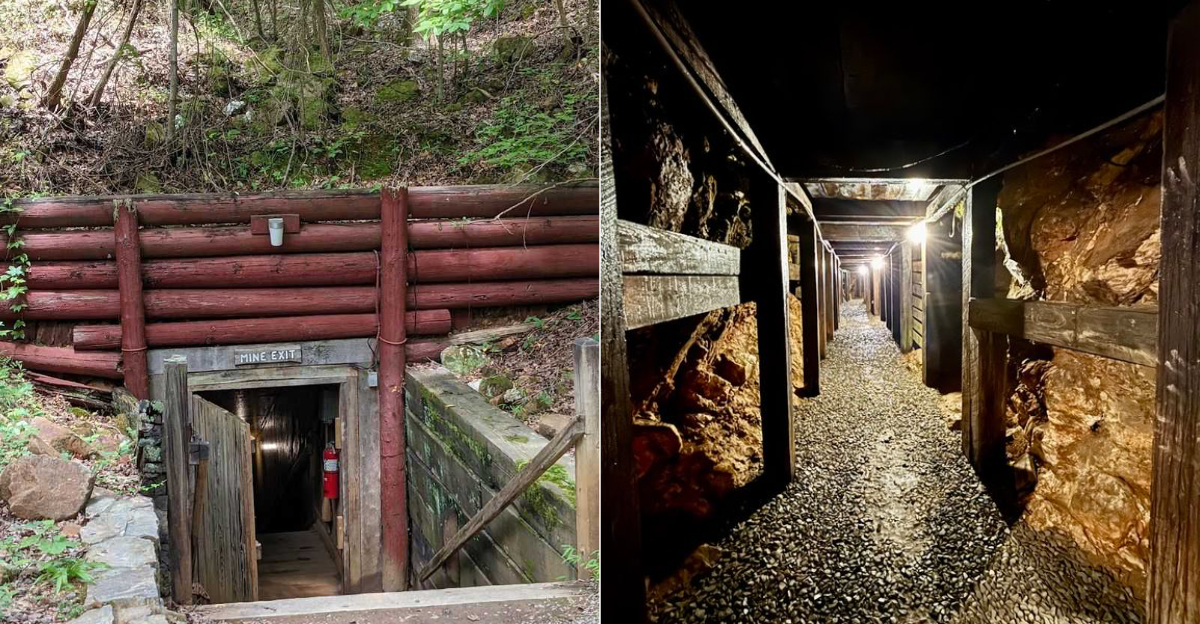
What if you could step into the exact place where America’s gold fever first began, and still feel echoes of it under your feet? Sounds like something out of a history documentary, right?
So why do people still travel to a quiet corner of North Carolina just to walk through an old mine?
Because this isn’t just any forgotten site. It’s where the nation’s first gold rush story started. Here visitors can explore historic tunnels, learn how a chance discovery changed American mining history forever, and trace the roots of a boom that would spread across the country.
Is it educational?
Absolutely. Is it also strangely thrilling to stand where real gold fever once began?
Even more so. Step inside, and you’re not just looking at history.
You’re walking through it, one tunnel at a time.
The Doorstop That Changed American History
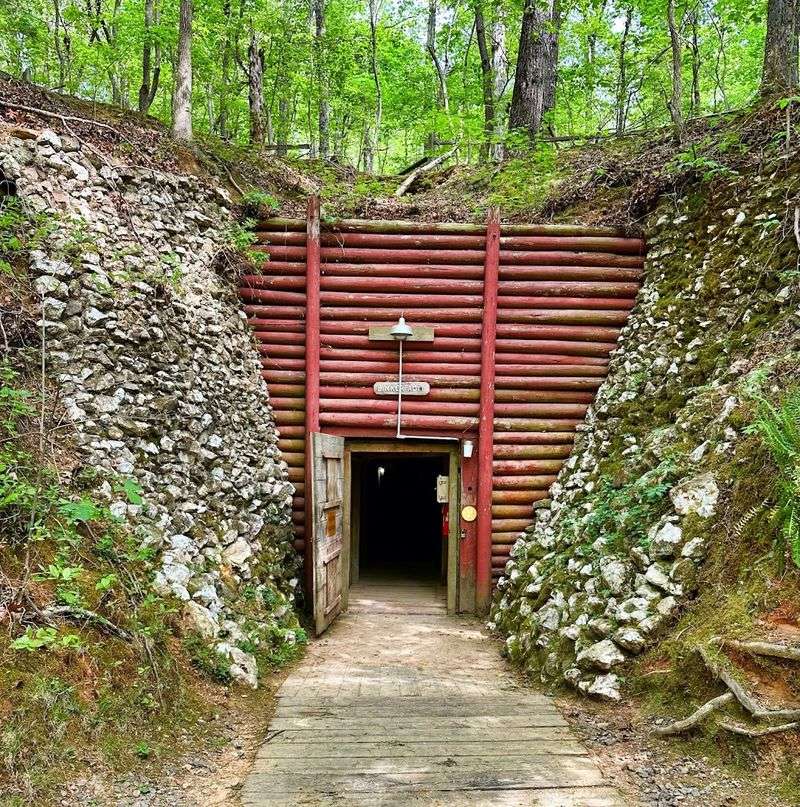
Nobody sets out to make history by accident, and yet that is exactly what happened here. In 1799, a young boy found a heavy, glittering stone in Little Meadow Creek and brought it home.
His family, having no idea what they were holding, used it as a doorstop for three full years.
When the family finally showed the rock to a jeweler in 1802, the truth came out fast. It was pure gold.
The father sold that 17-pound nugget for just $3.50, when its actual value was closer to $3,600. That gap in numbers is genuinely jaw-dropping.
That one innocent sale lit a fuse that nobody could put out. Word traveled quickly, and prospectors began pouring into the Piedmont region of North Carolina.
The state became the top gold-producing region in the entire country for decades. Before California ever entered the gold conversation, North Carolina was already running the show.
This origin story is not just a fun footnote in history books.
It is the foundation of an entire national chapter, and Reed Gold Mine is where it all physically began. Visiting here feels less like a field trip and more like standing at the starting line of something enormous.
Location And What To Expect On Arrival
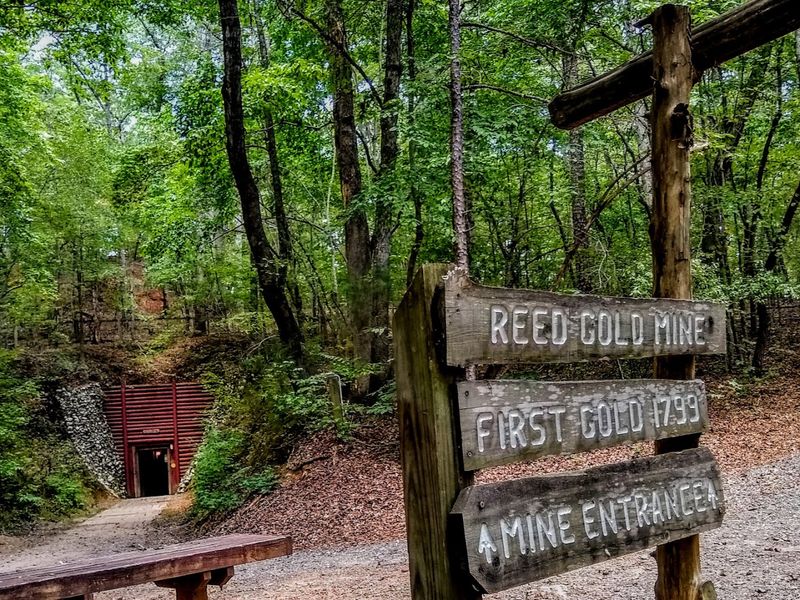
Pulling up to Reed Gold Mine for the first time gives you that quiet thrill of arriving somewhere genuinely important.
The site sits at 9621 Reed Mine Road in Midland, NC, tucked into the rolling Piedmont landscape of Cabarrus County. It is a North Carolina State Historic Site, which means admission to the grounds is free.
The visitor center greets you right at the entrance, and it sets the tone beautifully.
There is a helpful orientation area where you can grab maps, ask questions, and get your bearings before exploring. The property spans roughly 800 acres, so having a map in hand is a smart move from the start.
Tours of the underground mine run Tuesday through Saturday from 9 AM to 5 PM, and Sunday from 1 to 5 PM. Gold panning is available seasonally, typically from April through October, with a small fee per person.
Guided mine tours are also available for a modest charge.
The scale of this place surprises most first-time visitors. It is far larger and more layered than the average roadside historic site.
Coming with a loose plan and an open schedule is genuinely the best way to make the most of everything Reed Gold Mine has on offer.
The Restored Tunnel Tours
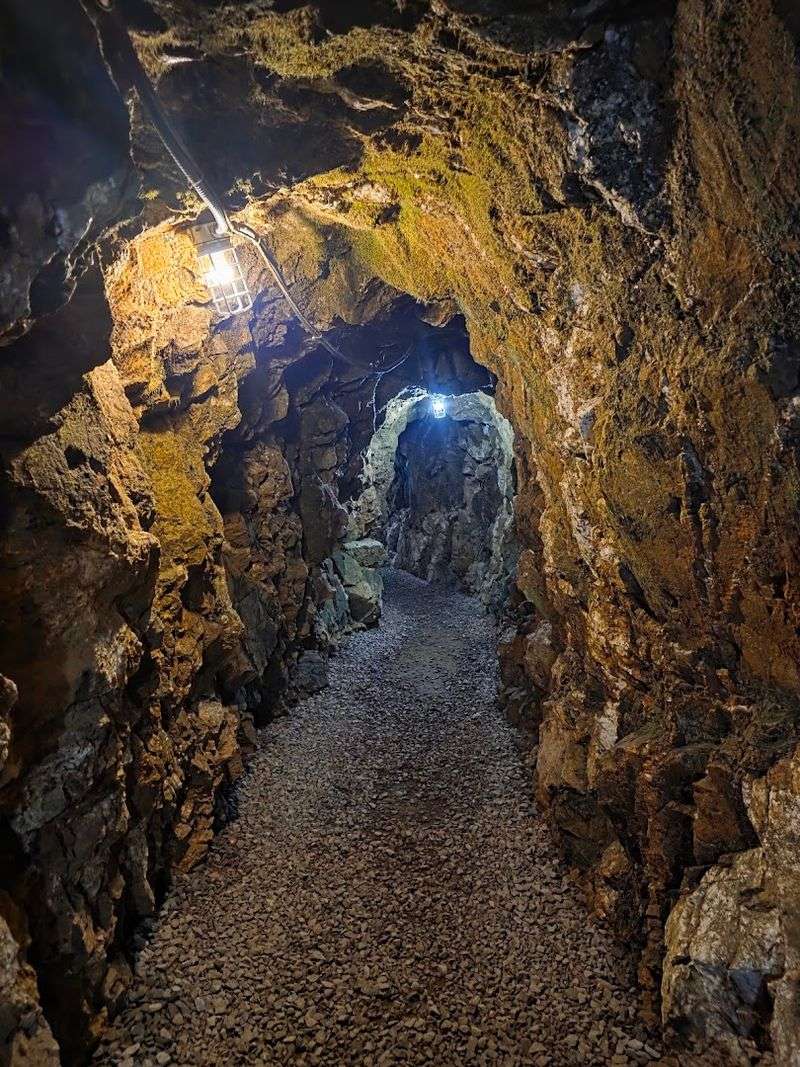
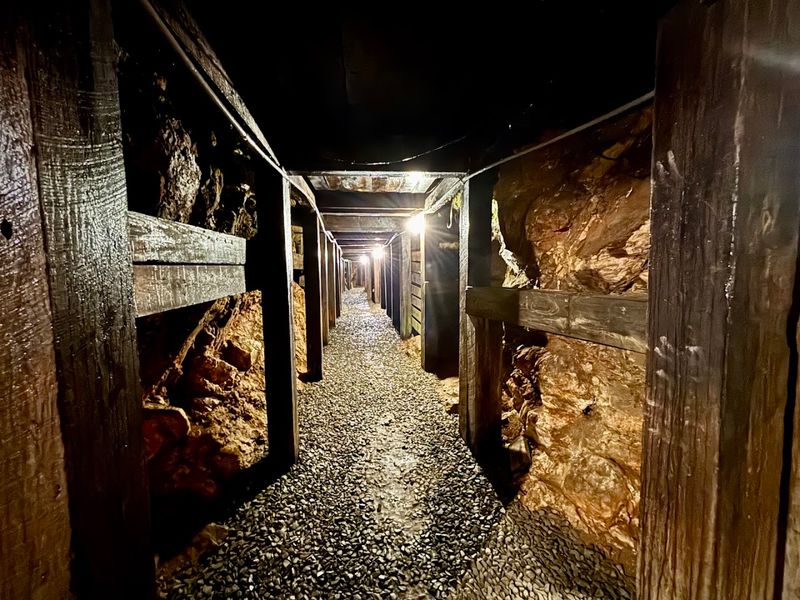
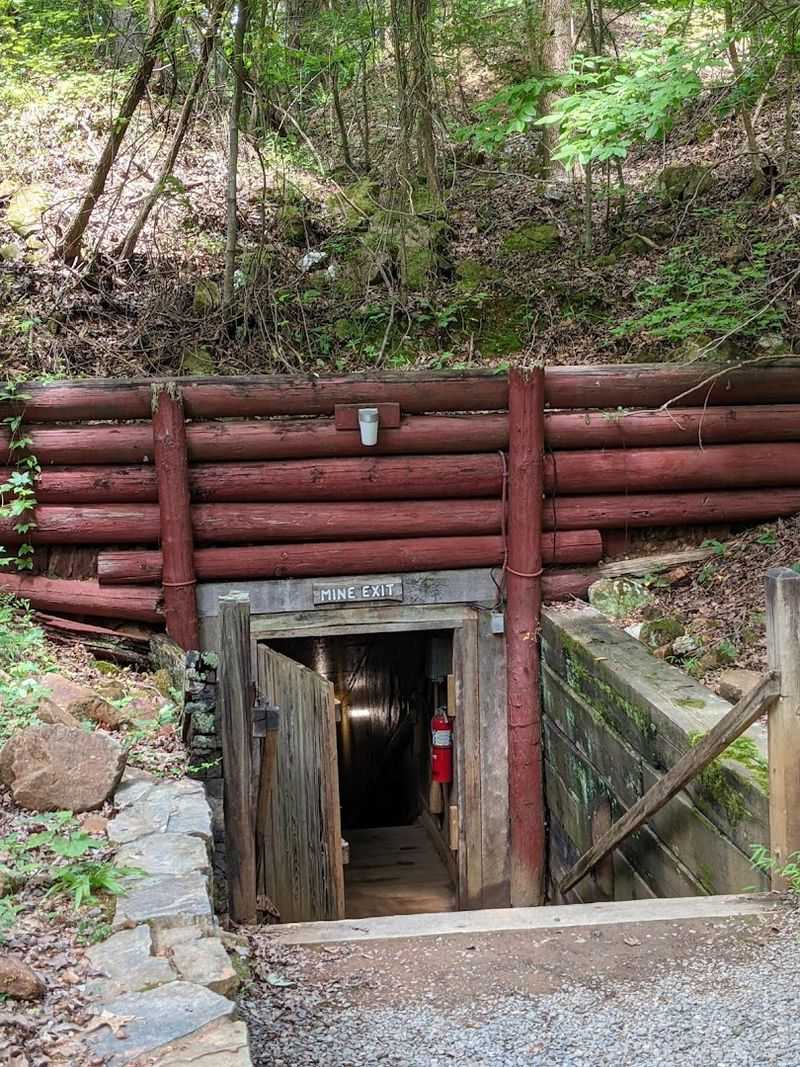
Stepping into the underground tunnels at Reed Gold Mine is one of those experiences that hits differently the moment it happens. The air changes instantly.
Even on a blazing summer day, the temperature inside the mine hovers around 55 to 60 degrees, which feels like walking into a natural air conditioner carved from solid rock.
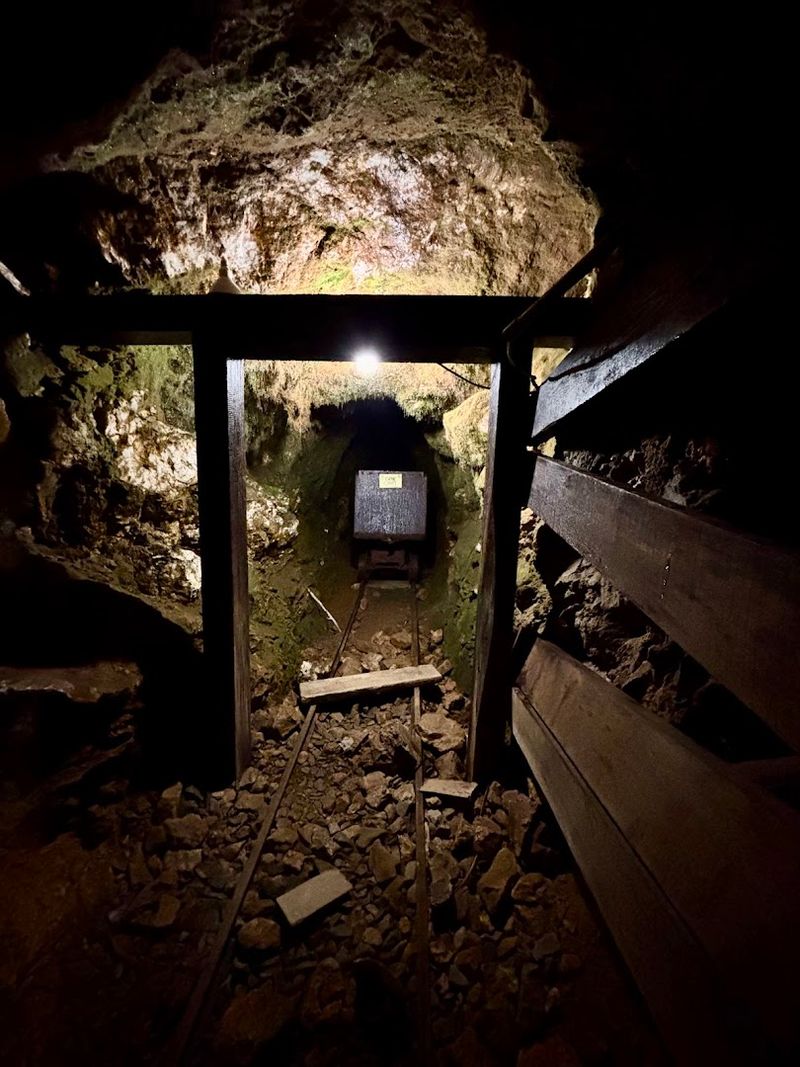
The tunnels themselves are the real historical shafts dug by miners in the 1800s, carefully restored and made safe for visitors.
Guided tours walk you through the passages, explaining how miners worked by candlelight, how they followed gold veins deeper into the earth, and what daily life underground actually looked like. The walls are damp, the quartz sparkles under flashlight beams, and the whole experience has a texture that no museum exhibit can fully replicate.
Tiny bats occasionally make an appearance in the upper reaches of the tunnels, which adds a genuinely wild element to the visit. Bringing a flashlight, especially a UV one, makes the walls absolutely come alive with sparkle.
The tour typically runs about 30 minutes and covers enough ground to leave you with a real sense of the physical effort gold mining demanded. This is not a simulated experience.
These tunnels held real miners chasing real gold, and that weight is felt with every step.
Your Shot At A Shiny Discovery
Gold panning is the kind of activity that sounds simple until you are actually standing there, swirling a pan of muddy creek water, completely convinced that the next swish is going to reveal a nugget the size of a grape.
Spoiler: it probably will not. But the thrill of the process is entirely real, and finding even a tiny gold flake feels like a genuine victory.
At Reed Gold Mine, panning is offered seasonally from April through October, with a small fee per person. The dirt used in the panning area comes directly from the stream adjacent to the mine, which means the gold is authentic and not artificially placed.
Attendants at the panning station walk visitors through the technique, showing how to swirl, tilt, and rinse until only the heaviest material remains at the bottom of the pan.
What you find, you keep. Gold flakes get placed into small vials provided on-site, and those little containers become instant souvenirs that money cannot quite replicate.
The panning area also sells gold panning kits and bags of pay dirt for anyone who wants to continue the experience at home.
On cooler days, the water at the panning station is sometimes warmed for comfort. Gold panning here connects you directly to the technique miners used in the 1800s, and that connection is worth every swirl.
Where The Story Gets Told Right
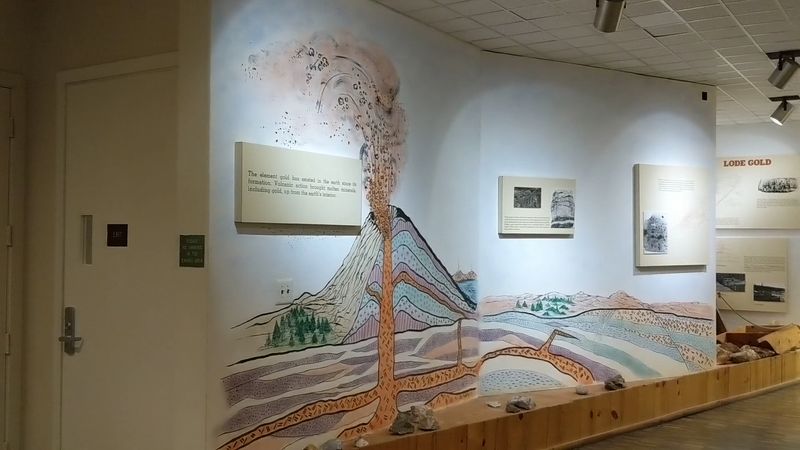
Before heading underground or grabbing a panning pan, the visitor center is the place to start. It functions as both an orientation hub and a genuinely engaging museum, and it earns its spot on the itinerary.
An orientation film plays regularly, walking visitors through the full arc of North Carolina’s gold mining industry from that famous 1799 discovery all the way through the 19th century.
The exhibit space is packed with real artifacts, geology displays, and detailed explanations of how gold forms, how it was extracted, and how it shaped the regional economy.
There are displays covering the technology used in different eras of mining, from simple placer panning to more complex hydraulic and underground operations. The progression of mining methods over time is genuinely fascinating, even for people who did not arrive thinking they cared about geology.
Admission to the museum and visitor center is free, which makes the depth of content here feel almost unreasonably generous.
A well-stocked gift shop sits inside the building, offering books, gold specimens, panning kits, and souvenirs. Picking up a site map here before exploring the grounds is highly recommended, because the property is larger than it looks.
The visitor center sets the context that makes every other part of the Reed Gold Mine experience land with more meaning and appreciation.
History Hidden In The Landscape
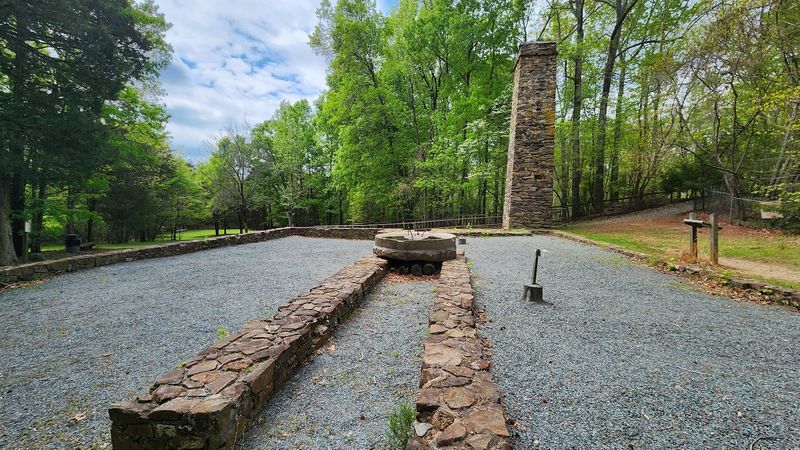
Not everything at Reed Gold Mine is underground. Several miles of well-maintained hiking trails wind through the property, and they carry their own layer of history at every turn.
Walking these paths means moving through the actual landscape where early placer mining took place, and the land still shows the marks of that activity if you know what to look for.
Along the trails, visitors can find the preserved foundation of an 1854 mill house, a restored ore-crushing stamp mill, and various archaeological remnants of the mining operation that once ran across this land. There are also informational markers throughout that explain what each area was used for during the height of the gold rush era.
The trails are rated as easy to moderate, making them accessible without requiring any special gear.
A creek runs through part of the property, offering a refreshing spot to pause on warm days. Picnic tables are scattered around the grounds, making it easy to pack a lunch and turn the visit into a full afternoon.
The natural setting is beautiful in its own right, with mature trees and wildlife adding a peaceful backdrop to the historical context.
Turtles, birds, and squirrels are frequent trail companions. Walking these paths feels like reading a chapter of history that no book could fully capture on its own.
The Biggest Finds In Eastern History
The 17-pound doorstop nugget is impressive enough to anchor a whole origin story, but Reed Gold Mine’s record books do not stop there.
Shortly after the initial discovery, an even larger find was made on the same property. A 28-pound gold nugget was unearthed, and it still holds the record as the largest gold nugget ever found east of the Mississippi River.
That number deserves a moment of appreciation. Twenty-eight pounds of solid gold, pulled from the Carolina soil, decades before California became synonymous with the gold rush.
The scale of what was happening in this quiet corner of North Carolina during the early 1800s was genuinely extraordinary. The state’s output during that period was significant enough to supply the Charlotte Mint, which opened in 1837 specifically to process the regional gold production.
Learning about these record-breaking finds inside the museum adds serious weight to the whole experience.
It reframes the narrative of American gold history in a way that surprises most visitors who assumed California was where it all started. North Carolina was not just a footnote.
It was the original chapter.
The nuggets found here did not just make a few families wealthy.
They changed the economic and historical trajectory of an entire region, and their story deserves far more recognition than it typically receives.
Why Reed Gold Mine Belongs On Every North Carolina Bucket List
Some places earn their reputation through hype, and others earn it through substance. Reed Gold Mine falls firmly into the second category.
It is a National Historic Landmark, a North Carolina State Historic Site, and the documented birthplace of American gold mining, all wrapped into one remarkably accessible destination.
The combination of free admission to the grounds, affordable tour pricing, authentic gold panning, underground tunnels, hiking trails, and a genuinely informative museum creates a value that is hard to match anywhere in the region.
It works for history enthusiasts, outdoor explorers, geology curious visitors, and anyone who has ever wanted to hold a gold flake they found themselves. The site manages to be both educational and genuinely entertaining without trying too hard at either.
Planning a visit is straightforward. The site is open Tuesday through Saturday from 9 AM to 5 PM and Sunday from 1 to 5 PM.
Comfortable walking shoes and a light jacket for the mine are the only real preparations needed.
The property at Reed Gold Mine is roughly 800 acres of living history, and every section of it rewards curiosity. If North Carolina history, outdoor adventure, and a little gold fever sound like your kind of afternoon, this place will not disappoint.
So when are you going?