
South Carolina’s Most Stunning State Park Boardwalk Will Take Your Breath Away
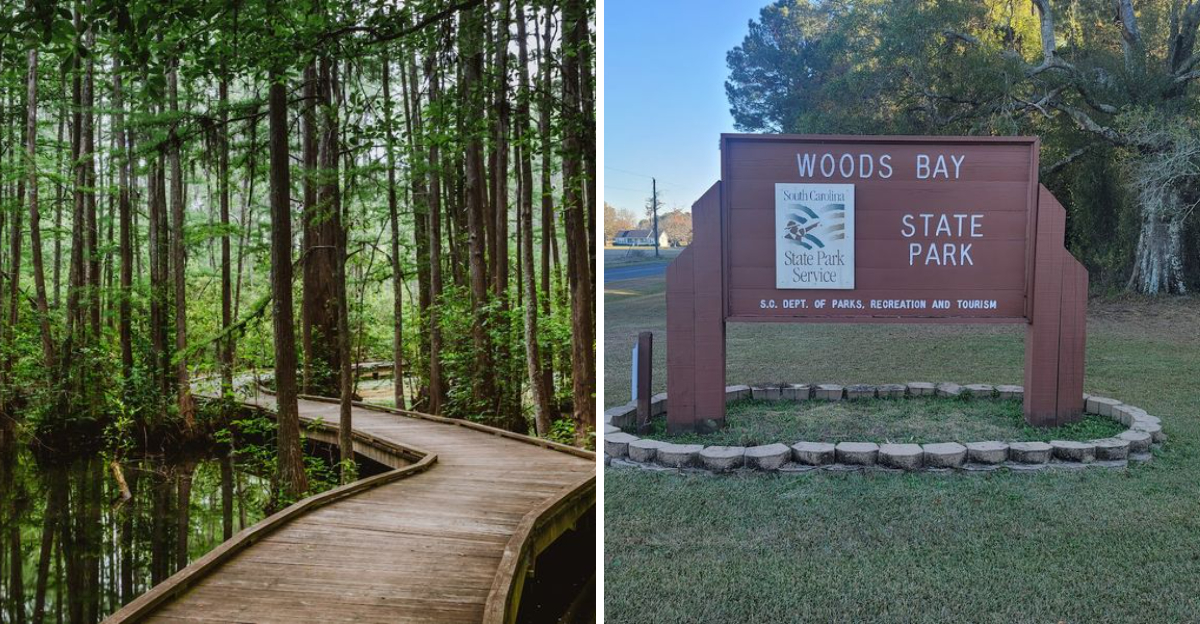
South Carolina is famous for beaches and mountain views.
This place feels like another planet.
One step onto the boardwalk changes everything. Sunlight filters through towering cypress trees.
Dark water reflects the forest like glass. The only sounds are birds calling overhead and the occasional splash somewhere out in the swamp.
It is peaceful, mysterious, and unlike anywhere else in the state.
That is what makes this park so unforgettable.
South Carolina is filled with beautiful outdoor destinations, but few immerse you in wild wetlands quite like this one. Every turn reveals another breathtaking view.
Every quiet moment makes you slow your pace. And every visit feels less like a walk and more like stepping into a forgotten corner of the natural world.
Leave the busy trails behind.
This South Carolina hidden gem proves that some of the state’s most extraordinary landscapes are found where the boardwalk begins and the wilderness quietly takes over.
The Carolina Bay: A Rare Geological Wonder
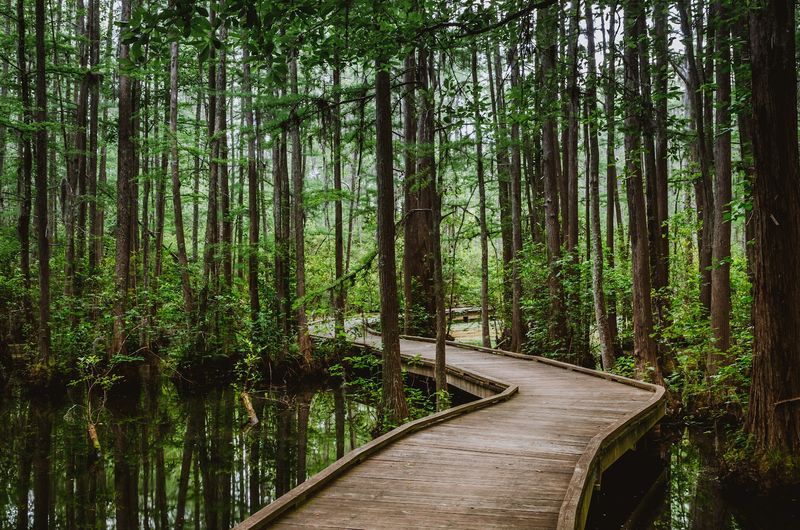
Not many people realize they are walking over a geological mystery when they step onto the boardwalk at Woods Bay State Park.
Carolina Bays are oval-shaped, shallow wetland depressions found almost exclusively along the Atlantic Coastal Plain, and scientists still debate exactly how they formed thousands of years ago.
Woods Bay protects one of the last remaining examples of this rare landform in South Carolina, making every visit feel like a quiet walk through natural history.
The bay itself is filled with dark, tannin-stained water that gives it an almost mirror-like appearance on calm mornings.
That dark water is not a sign of pollution but rather a natural result of decomposing plant material that releases tannins into the water, similar to a very strong cup of tea.
Standing at the edge of the boardwalk and looking out over this ancient, preserved landscape, I genuinely felt like I had stumbled onto something the rest of the world had forgotten to notice.
The Boardwalk: Walking On Water Through The Swamp
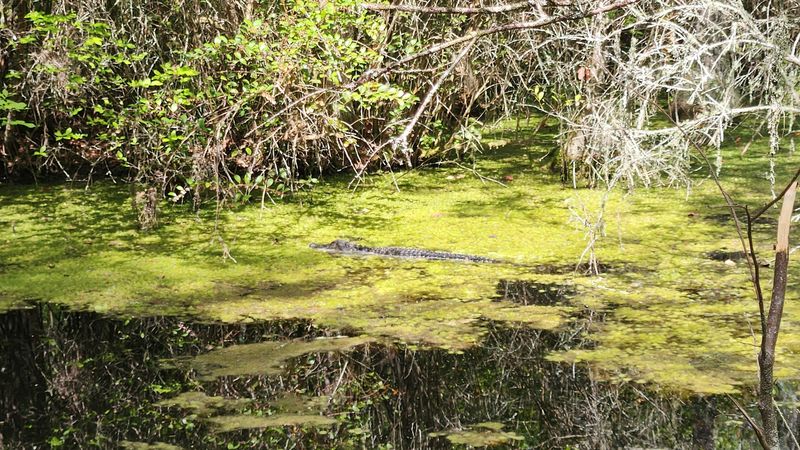
There is something almost surreal about stepping onto a boardwalk that seems to float directly over a living, breathing swamp.
The Mill Pond Boardwalk at Woods Bay stretches roughly 0.35 miles out into the preserved Carolina Bay, giving visitors a front-row seat to one of the most atmospheric wetland environments in the entire Southeast.
With no railings on portions of the boardwalk, every step carries a little extra awareness, and that heightened attention to your surroundings actually makes the experience richer.
I found myself slowing down naturally, scanning the dark water for turtles resting on half-submerged logs and listening for the deep, guttural call of bullfrogs hidden in the reeds.
Visitors have spotted alligators, water moccasins, and even snapping turtles just inches below the wooden planks, so keeping your eyes open is both a safety tip and a genuine reward.
The boardwalk turns an ordinary nature walk into something that feels a little bit like trespassing in the most beautiful way possible.
Alligator Encounters: Wild And Wonderfully Unscripted
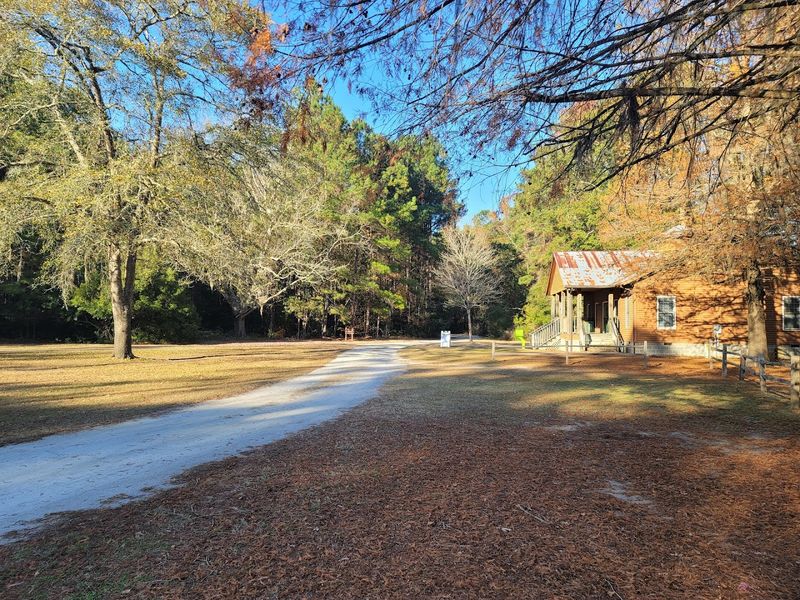
Few things sharpen your senses quite like spotting a real alligator just a few feet away from where you are standing.
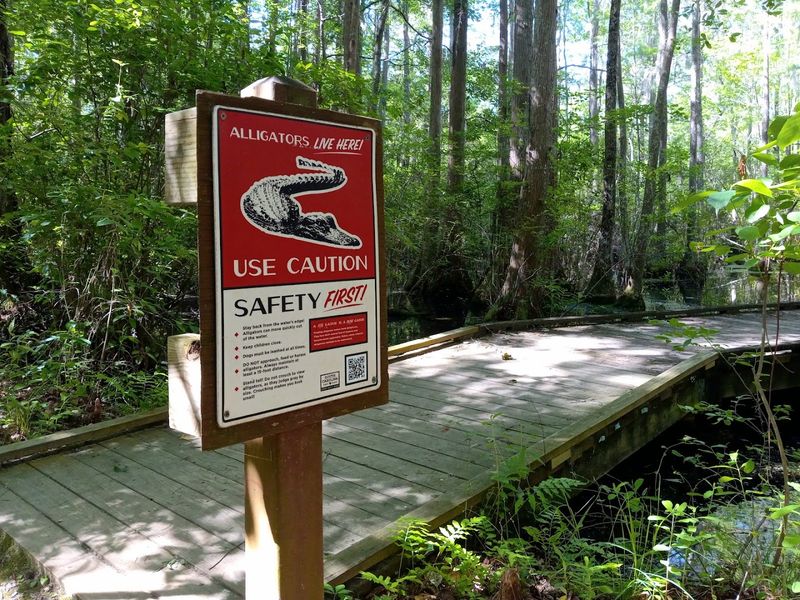
Woods Bay State Park is home to at least one resident alligator that visitors and rangers have frequently spotted sunning itself on or near the boardwalk, making every visit feel like a genuine wildlife encounter rather than a staged attraction.
Park signage reminds visitors to stay away from the water’s edge and to keep a close watch on children and pets, which is sound advice given how quietly these animals can move.
I watched one visitor freeze mid-sentence when a set of eyes appeared on the water’s surface about ten feet from the boardwalk edge, and the silence that followed was honestly more powerful than any guided tour narration.
Seeing an alligator in the wild is a humbling reminder that nature operates on its own schedule, completely indifferent to your timeline.
Plan your visit for a warm, sunny morning when alligators are most likely to be active and visible near the surface.
The Nature Trail: Roots, Ridges, and Real Wilderness
If the boardwalk is the headline act, the nature trail at Woods Bay is the deep-cut album track that rewards the fans who stay for the whole show.
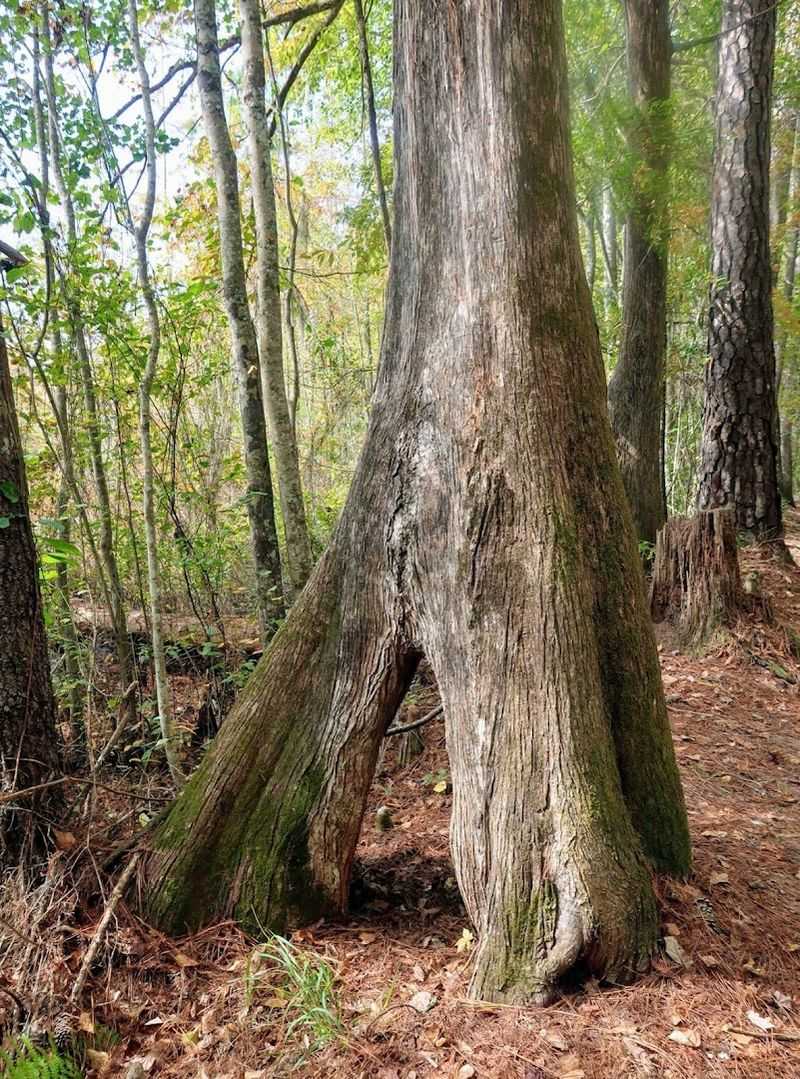
Stretching approximately two miles through varied terrain, the trail winds through a dense forest environment filled with exposed tree roots that make every step a small negotiation between you and the ground.
Reviewers have lovingly nicknamed it the “root-a-licious” trail, and after walking it myself, I can confirm that description is both accurate and oddly charming.
The forest canopy closes in tightly overhead, creating a cool, shaded corridor that feels completely separate from the outside world, even on a warm South Carolina afternoon.
Birds, skinks, snakes, and dragonflies appear regularly along the route, turning the hike into an informal wildlife survey for anyone paying attention.
Sturdy, closed-toe footwear is strongly recommended here because the uneven root network will test even confident hikers, and a twisted ankle is a poor souvenir from an otherwise excellent afternoon outdoors.
The Historic Grist Mill: A Story Carved In Old Wood
History has a way of sneaking up on you when you least expect it, and that is exactly what happened to me on the nature trail at Woods Bay.
Tucked along the hiking path are trail markers that tell the story of an old grist mill built sometime in the late 1800s, a structure that once served the surrounding rural community and now exists only as a quiet memory preserved in the landscape.
The man-made dam associated with the mill is still visible on the trail, and it adds a fascinating layer of human history to what might otherwise feel like a purely natural experience.
Standing beside that old dam, I thought about the families who once depended on it for grinding grain and how completely the land has reclaimed the space around it over the past century.
These kinds of small historical details are what separate a good state park from a truly memorable one.
Woods Bay manages to weave together natural science and local history in a way that feels completely effortless and genuinely engaging for curious visitors of all ages.
Wildlife Beyond the Alligator: A Surprisingly Packed Ecosystem
Most visitors arrive at Woods Bay hoping to spot an alligator, and many do, but the real wildlife story here is much bigger and far more layered than a single reptile.
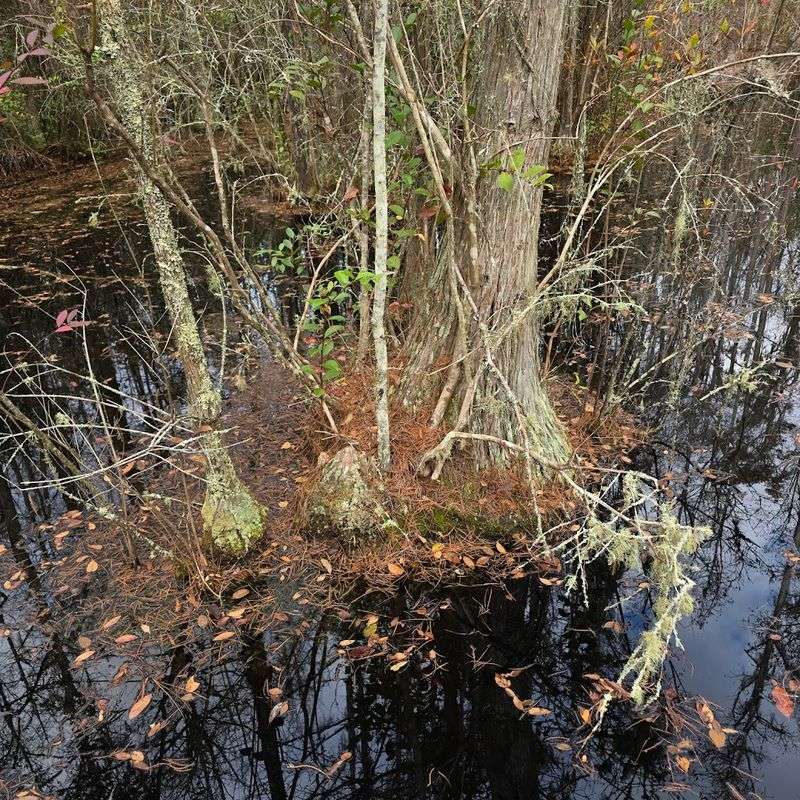
The preserved Carolina Bay ecosystem supports an impressive variety of species, including turtles sunning on logs, bullfrogs calling from the reeds, water moccasins gliding through the shallows, lizards darting across the boardwalk planks, and dozens of bird species moving through the forest canopy.
I counted three different turtle species on a single morning visit without even trying, which felt like a small personal victory and a testament to how healthy this ecosystem remains.
Dragonflies are especially abundant here, and on a calm summer morning the air above the boardwalk can look like a slow-motion aerial display in iridescent blue and green.
Bringing a pair of binoculars and a small field guide to Southeastern wildlife will transform a casual stroll into a deeply satisfying nature observation session.
The biodiversity packed into this compact park genuinely punches well above its weight class.
Canoe And Kayak Access: Paddling Through Preserved Wilderness

Seeing Woods Bay from the boardwalk is one thing, but slipping a canoe or kayak into that dark, mirror-smooth water and paddling directly through the preserved bay is an experience on an entirely different level.
The park offers a canoe launch area that gives paddlers direct access to the Carolina Bay waterway, allowing visitors to explore the wetland from a perspective that the boardwalk simply cannot provide.
I have seen reviews mention that kayak rentals are no longer available on-site, so bringing your own vessel is the current approach if you want to get out on the water.
Paddling quietly through a cypress swamp in the early morning, with mist sitting low over the dark water and herons lifting silently from the banks, is the kind of experience that stays with you long after the drive home.
The park recommends calling ahead at +1 843-659-4445 to confirm current water access conditions before loading up your roof rack for the trip.
This is the kind of paddling route that reminds you why public land preservation matters so much.
Best Time To Visit: Timing Your Trip For Maximum Reward

Choosing when to visit Woods Bay can make a significant difference in what you experience, and a little planning goes a long way at a park this close to nature.
Early spring and late fall tend to offer the most comfortable walking conditions, with cooler temperatures keeping the insects more manageable and the vegetation slightly less overgrown along the trail edges.
Summer visits are absolutely possible and the wildlife activity is at its peak, but packing serious bug spray is not optional when visiting a South Carolina swamp in July or August.
One reviewer described the insect situation as more intense than anything she had encountered in South Georgia or Florida, which is saying something and worth taking seriously before you head out.
Morning visits consistently reward early risers with active wildlife, calmer water surfaces ideal for spotting turtles and alligators, and cooler temperatures before the afternoon humidity settles in.
The park is open daily from 9 AM to 6 PM, so a mid-morning arrival gives you a comfortable window to explore everything without feeling rushed.
Picnic Area And Park Amenities: Simple Comforts In A Wild Setting
Woods Bay is not trying to be a theme park, and that honest simplicity is a big part of its charm.
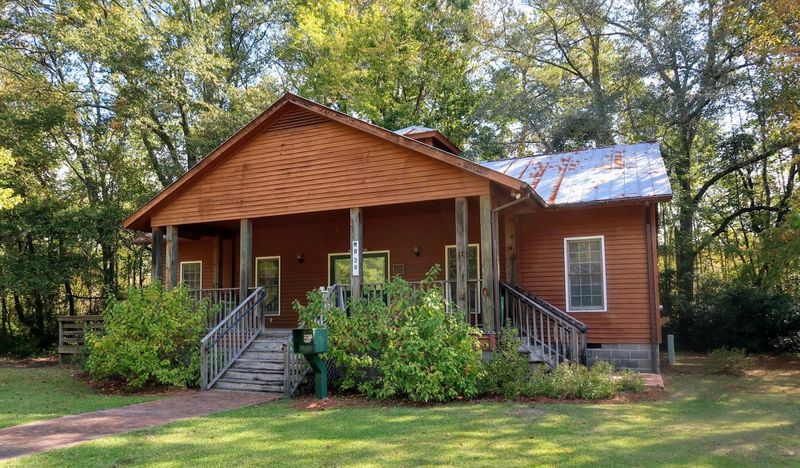
The park offers a covered picnic shelter, several picnic tables near the main building, clean public restrooms, and a large open field that provides a pleasant contrast to the dense swamp environment just a short walk away.
A small nature center and visitor area is also on the property, though it has been undergoing renovations, so checking current operating hours before your visit is a smart move to avoid any surprises.
The park also features a passport stamping station for visitors who collect South Carolina State Park book stamps, which adds a small but satisfying ritual to the end of any visit.
Parking is described by multiple visitors as plentiful, and the park rarely gets crowded, which means you can spread out and enjoy a genuine sense of peaceful solitude that is increasingly hard to find.
Packing your own snacks, water, and a blanket turns the picnic area into a genuinely restorative midday stop.
Planning Your Visit: Practical Tips for First-Time Explorers
Getting the most out of a visit to Woods Bay State Park starts with a few minutes of preparation that can completely change how the day unfolds.
The park is located at 11020 Woods Bay Rd, Olanta, SC 29114, and it sits a comfortable distance from the highway, which means arriving with a full tank of gas and your own food and water supply is genuinely recommended since nearby amenities are limited.
One reviewer specifically flagged that certain navigation apps may route drivers down unpaved back roads to reach the park, so using Google Maps directly rather than a third-party app is the cleaner approach for a stress-free arrival.
Wearing closed-toe shoes with solid grip is essential for both the root-covered nature trail and the boardwalk, which has been reported to have some uneven planking that requires careful footing.
The park rates 4.5 stars across more than 200 visitor reviews, which is a strong signal that the experience consistently delivers despite its small size and ongoing improvements.
Visiting on a weekday almost guarantees you will have the trails largely to yourself, which is exactly the kind of quiet this place deserves.