
This Easy Arizona Hike Leads To A Cave With Jaw-Dropping Views
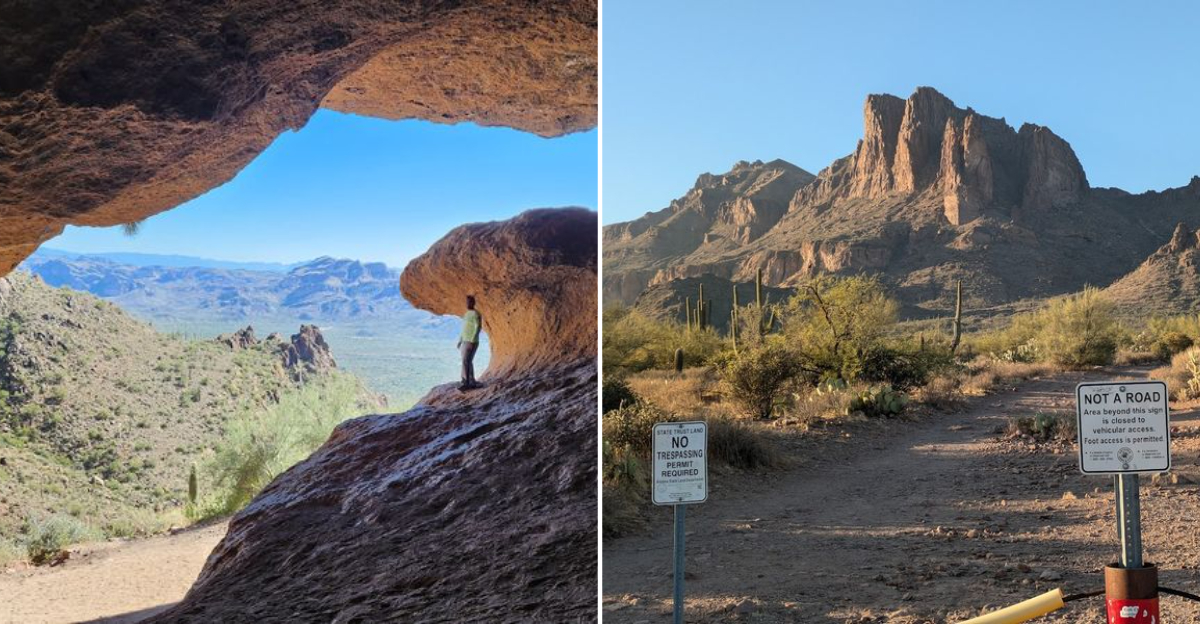
Most hikers talk about the destination, but for me, the Arizona trail that leads to the Wave Cave is all about the anticipation. I’d seen the photos circulating online, that iconic, wave-like rock formation framing the valley, and I was convinced it was heavily filtered.
Spoiler alert: it’s even better in person.
The trek is deceptively approachable, making it a favorite for those of us who love a good vista without having to commit to an all-day survival quest. I spent nearly an hour just sitting in the shade of that massive cave, pretending I was the main character in a sweeping desert epic.
Bring a snack, bring a friend, and maybe bring an extra memory card, because this Arizona landscape is truly a sight you’ll want to document forever.
This hike is one of those rare finds that rewards you with something truly spectacular without demanding weeks of training or expert-level fitness. I made the trip out here on a crisp November morning, and I can honestly say the views from inside that cave stopped me in my tracks.
Getting To The Carney Springs Trailhead
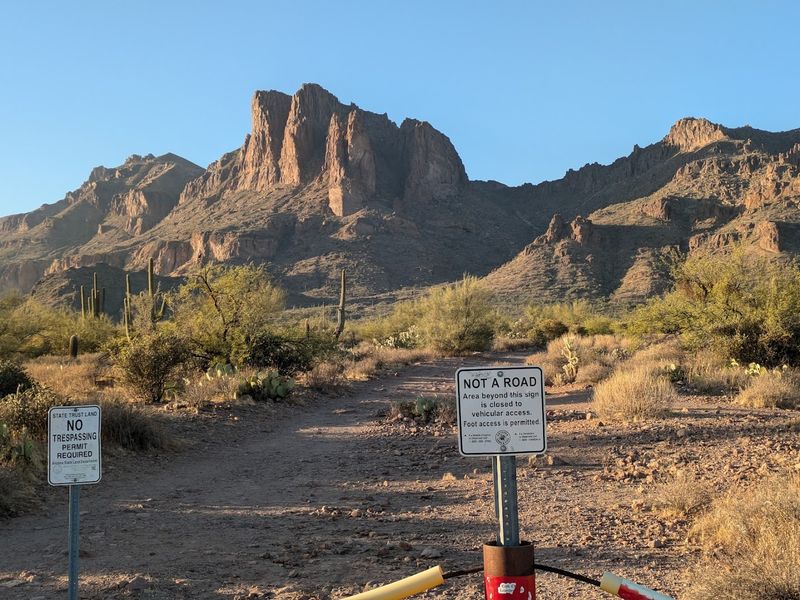
Finding the Wave Cave Trail starts with navigating a stretch of unpaved road that sets the tone for the adventure ahead.
The Carney Springs Trailhead is accessed via Peralta Road, and after turning off East Peralta Road, you will drive roughly 5.5 to 6.3 miles along a well-graded dirt road to reach the parking area. A high-clearance vehicle is the smart choice here, especially after rain, when the road can get soft and rutted.
Parking fills up fast, particularly on weekends and holidays. Arriving before 7 a.m. is not overkill at all. A recreational permit costing around $15 annually is required for parking on Arizona State Trust Land at this trailhead, and you can purchase it online before your visit.
Some hikers opt for the Lost Goldmine East Trailhead, located about 0.7 miles further down the road, which may not require a permit but does add extra walking distance. Either way, planning your logistics the night before makes the morning run much smoother.
The Sonoran Desert Scenery Along The Way
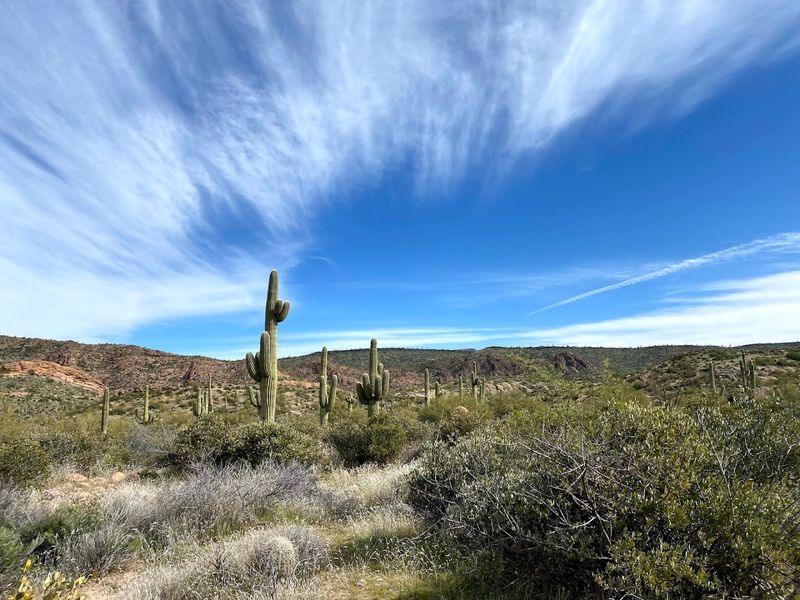
Before the trail gets steep, it treats you to a stroll through one of the most visually rich desert environments in North America. The opening stretch winds gently through classic Sonoran Desert terrain, where towering saguaro cacti stand like ancient sentinels and the rocky ground is dotted with prickly pear and cholla.
The Superstition Mountains rise dramatically in the background, their jagged ridgelines cutting a bold silhouette against the wide Arizona sky. On the morning I hiked, the light was golden and soft, and the whole landscape had a warm, amber glow that made every photo look like it belonged in a magazine.
This lower section of the trail is relatively flat and easy to walk, making it a great warm-up before the real climbing begins.
Take your time here, breathe in the clean desert air, and soak up the surroundings. The scenery only gets more dramatic as you gain elevation, so this first stretch is a satisfying preview of what is coming.
Trail Distance And Elevation Overview
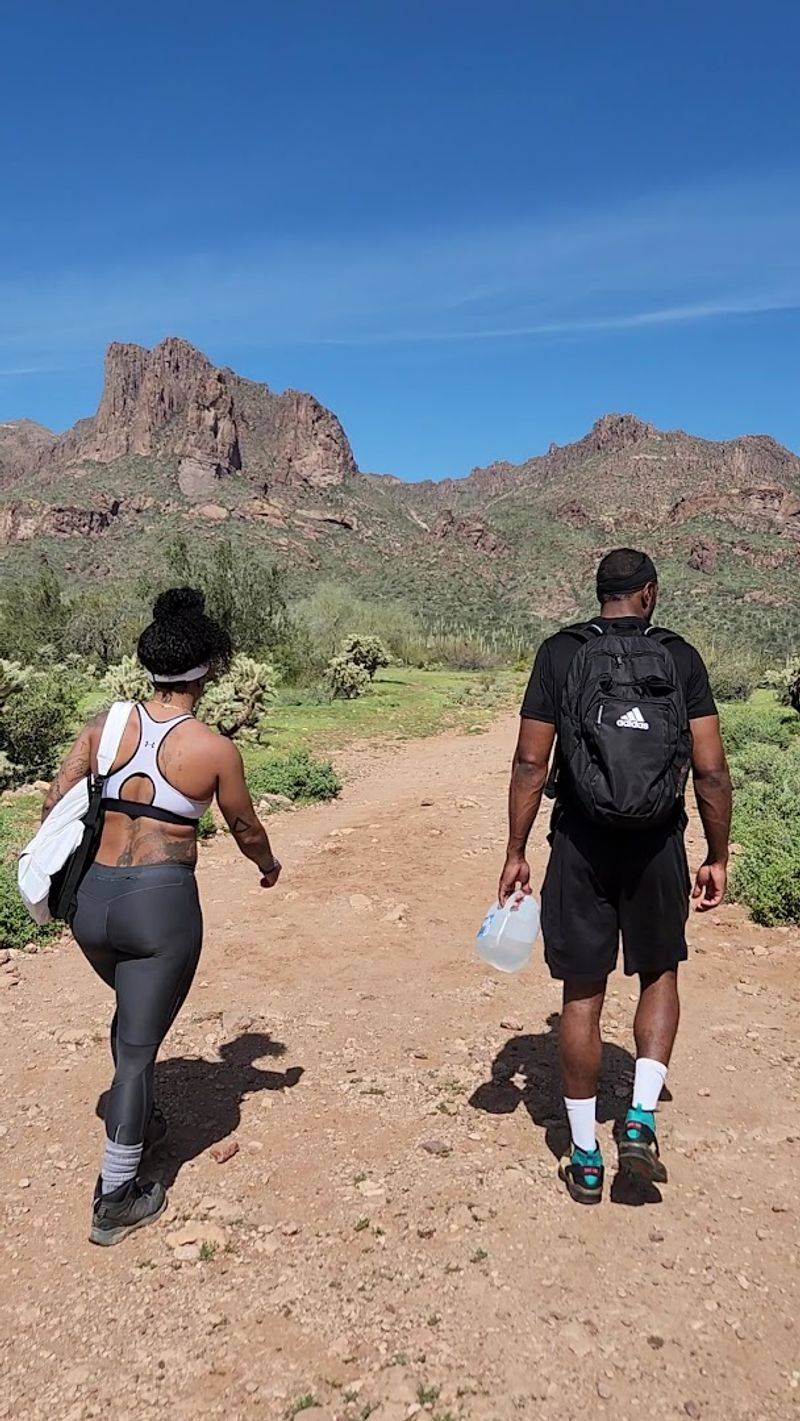
The Wave Cave Trail runs about 3 to 3.2 miles round trip, which sounds manageable until you factor in the 850 to 900 feet of elevation gain packed into that distance. The trail is rated moderate to challenging, and the steeper sections in the middle and upper portions of the hike make that rating feel accurate.
Most hikers complete the round trip in somewhere between 1.5 and 3 hours, depending on pace, fitness level, and how long you linger at the cave. I spent a good 30 minutes at the top just sitting inside the cave and taking everything in, and I do not regret a single minute of it.
The final push to the cave involves a short scramble over loose rocks, which requires using your hands in a few spots. It is not technical climbing by any measure, but it does keep you on your toes. Trekking poles help on the descent, when loose gravel has a way of testing your balance.
Navigating The Trail Without Getting Lost
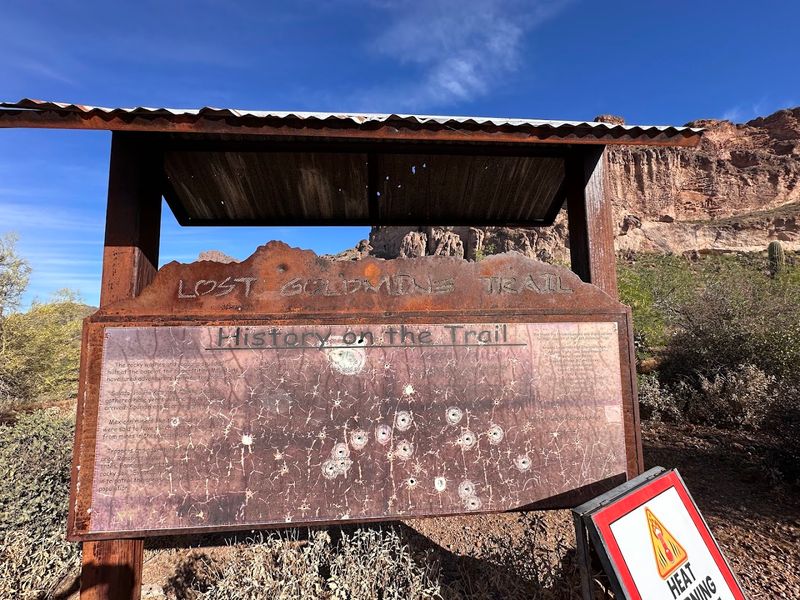
One of the more surprising challenges on this trail is staying on the correct path. The Wave Cave Trail has several sections where the main route blurs into a web of social paths created by hikers wandering off course.
Without paying attention, it is easy to find yourself heading in the wrong direction.
Cairns, which are small stacks of balanced rocks, serve as the primary trail markers along the route. Occasional white arrows painted on rocks also help guide the way. I found that slowing down at confusing intersections and scanning ahead for the next cairn kept me on track without any real stress.
Downloading an offline map or a GPS track before you leave home is genuinely one of the best things you can do for this hike.
Apps like AllTrails work well for this trail and give you a clear visual reference when the path gets murky. A little preparation here saves a lot of frustration out on the mountain.
Inside The Wave Cave Itself
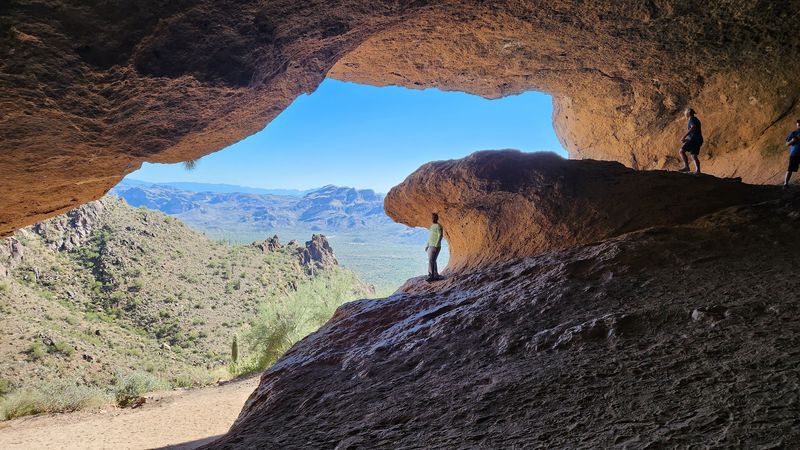
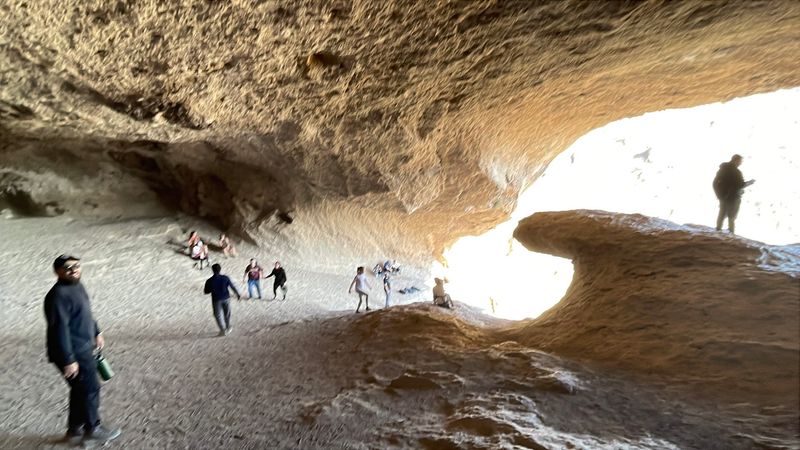
Nothing fully prepares you for the moment you step inside the Wave Cave for the first time. The cave is a natural rock overhang carved into the mountainside, and its ceiling curves overhead in a smooth, swooping arc that genuinely resembles a massive ocean wave frozen mid-break.
It is one of those geological quirks that makes you stop and stare.
The cave is large enough to shelter a small group comfortably, and the shaded interior offers a cool, breezy escape from the desert sun. Standing at the edge and looking out at the landscape below is the kind of payoff that makes every steep step worth it.
Many visitors strike playful surfing poses inside the cave for photos, and honestly, the backdrop is so dramatic that even the silliest photo ends up looking incredible. The rock formations surrounding the cave add texture and color to every shot.
This is one of those spots where you will want a wide-angle lens if you have one.
The Panoramic Views
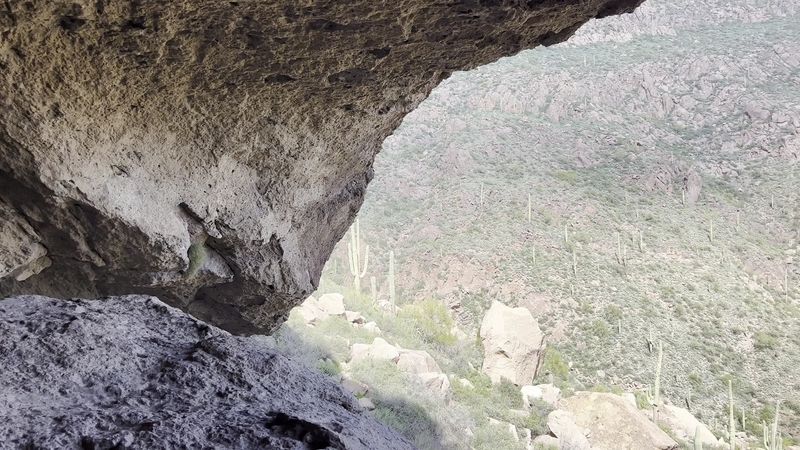
The views from inside the Wave Cave are the kind that make you forget you were ever tired from the climb. Spread out below is an enormous sweep of the Superstition Mountains and the broader Sonoran Desert, with ridgelines rolling away in every direction and the desert floor far beneath your feet.
On clear days, you can see for what feels like forever. The contrast between the dark cave ceiling above and the bright, sunlit desert below creates a natural frame that makes the view feel almost cinematic.
I stood at the edge for a long time, watching hawks circle on thermals and tracing the winding paths of dry washes far below.
Sunrise and sunset hikes are particularly popular here because the light transforms the entire landscape into something extraordinary. The warm tones of early morning or late afternoon hit the rocky terrain and turn everything gold and copper.
If your schedule allows, timing your visit around those hours will reward you with views that are hard to describe and even harder to forget.
Best Times Of Year To Visit
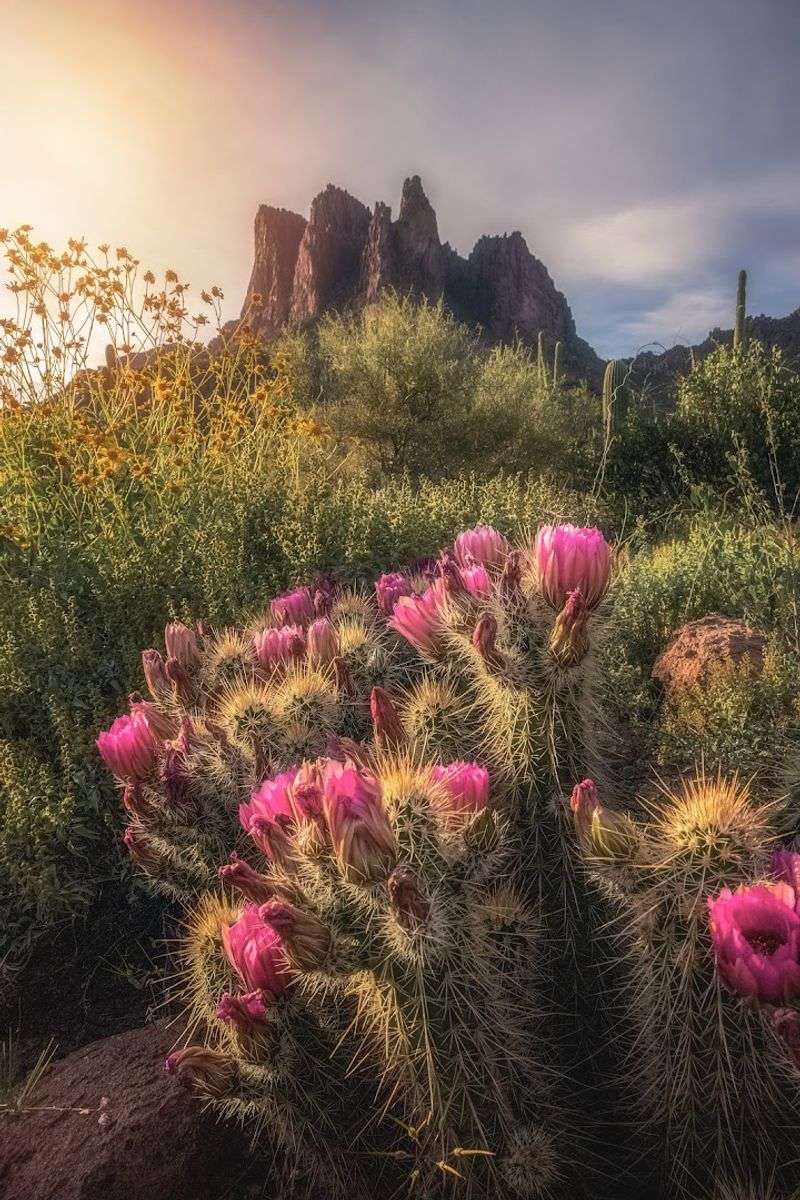
Timing your visit to the Wave Cave Trail makes a significant difference in how enjoyable the experience is. The sweet spot runs from late October through early April, when desert temperatures are comfortable and the air is crisp and clear.
Spring visits in March and April often bring blooming wildflowers to the desert floor, adding a splash of color to the already stunning scenery.
Summer is a different story. From June through September, daytime temperatures in the Superstition Mountains regularly climb well above 100 degrees Fahrenheit, and the trail offers almost no shade until you reach the cave. Hiking in that kind of heat without proper preparation is a serious risk.
Year-round, starting your hike early in the morning gives you cooler temperatures, thinner crowds, and the best photographic light. I arrived at the trailhead just after sunrise on my visit, and the trail was quiet and peaceful for the first hour.
By mid-morning, the parking lot was nearly full and the trail had noticeably more foot traffic.
Essential Gear And Safety Tips
The Wave Cave Trail does not require technical gear, but bringing the right basics makes a real difference. Water is the top priority. Carrying 2 to 3 liters per person is the standard recommendation, and that number should go up in warmer conditions.
The trail is exposed and sunny for most of its length, and dehydration sneaks up on you faster than you expect. Sturdy hiking boots with solid ankle support and good traction are worth their weight out here.
The rocky, uneven terrain and loose gravel on the descent make trail runners or casual sneakers a risky choice. Gloves are a smart addition for the scrambling section near the top, where you will be gripping rock surfaces.
Sun protection is non-negotiable. A wide-brimmed hat, quality sunscreen, and UV-blocking sunglasses should be in every pack.
Wildlife in the area includes rattlesnakes, coyotes, mountain lions, and bighorn sheep, so staying alert and watching where you step is always a good habit. Drones are prohibited in this federally designated Wilderness Area, so leave yours at home.
Leave No Trace And Respecting The Wilderness
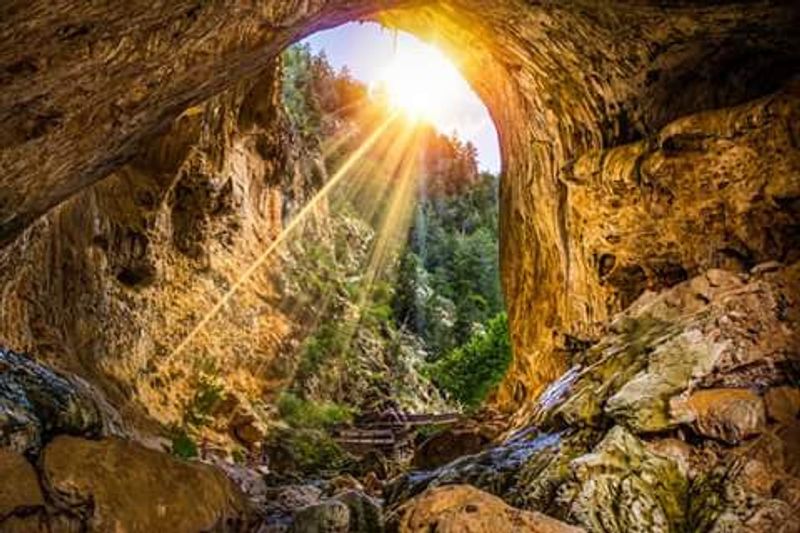
The Wave Cave Trail sits within a federally designated Wilderness Area inside Tonto National Forest, which means the land is protected and visitors carry a responsibility to keep it that way. The Leave No Trace principles apply here, and they matter more than they might seem in the moment.
One issue that rangers and regular visitors have flagged is graffiti and rock carving inside and around the cave. The rock formations took thousands of years to form, and marks left by visitors can last just as long.
Keeping the cave pristine ensures that everyone who comes after you gets to experience it the same way you did. Pack out everything you bring in, stay on the marked trail to avoid damaging fragile desert plants, and resist the urge to move or add to the cairns that mark the route.
Small choices add up across thousands of visitors each year. Treating this trail with care is the best way to make sure it stays as breathtaking and wild as it is today.