
The 15 Most Beautiful Small Towns In Virginia That Feel Frozen In Time
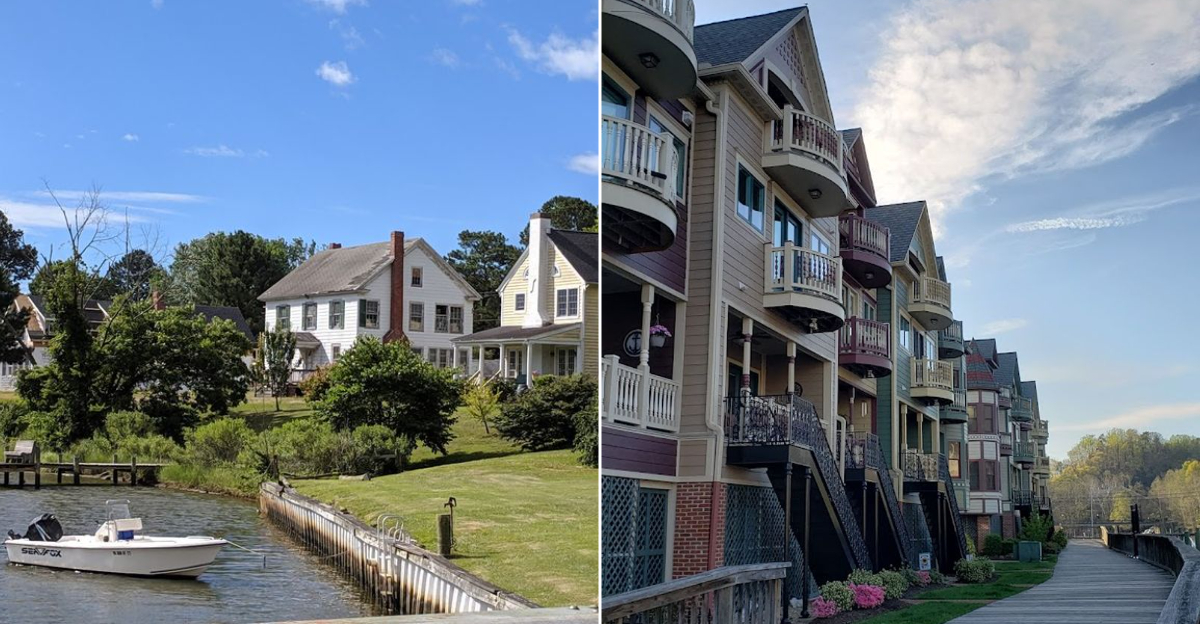
Ever wish you could hit pause on life for a little while? No traffic jams, no endless notifications, no rushing from one thing to the next, just charming streets, old buildings, and a slower pace that feels almost impossible today.
Virginia has plenty of places where time seems to have taken a coffee break and never came back.
These small towns are full of character, history, and little surprises around every corner. Think cozy main streets, centuries-old homes, local shops, and stories that have been passed down for generations.
They may not have skyscrapers or flashy attractions, but that’s exactly the point. Sometimes the best adventures are found in places where the biggest event of the day is discovering a hidden café or chatting with a local.
These Virginia towns prove that slowing down can still lead to unforgettable experiences.
1. Abingdon
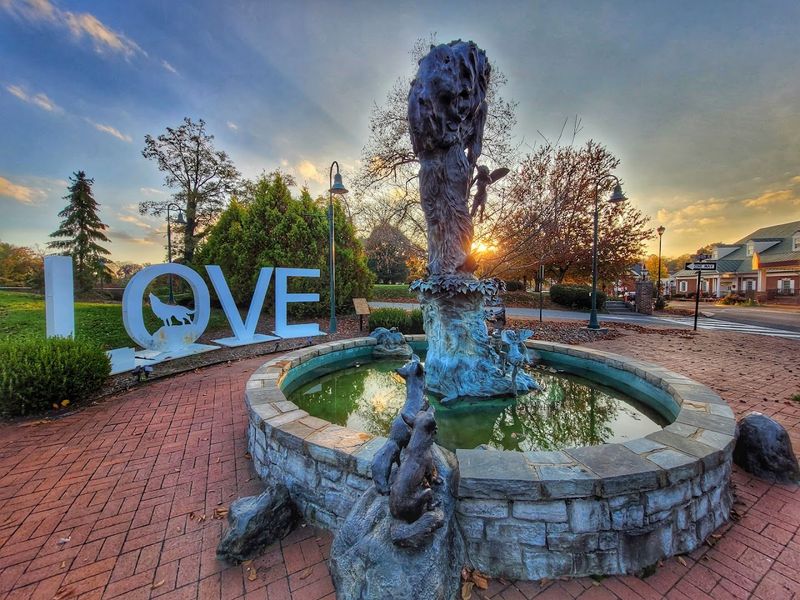
Step onto the brick sidewalks of Abingdon and you will feel like you have walked straight into another century.
This southwestern Virginia gem sits nestled in the Appalachian Highlands, and its Historic District alone has 145 contributing buildings listed on the National Register of Historic Places. Federal and antebellum architecture lines every block with quiet confidence.
The Barter Theatre, founded during the Great Depression, is the longest-running professional equity theatre in the United States. It holds the official title of State Theatre of Virginia.
That is not a small deal for a town this size.
The Virginia Creeper Trail stretches 34 scenic miles through forests, farmlands, and over old railroad trestles. It is one of the most celebrated rail-to-trail paths in the entire country.
The Tavern, built in 1779, still serves meals inside walls that have witnessed centuries of American history. Abingdon is not just charming.
It is legendary.
2. Lexington
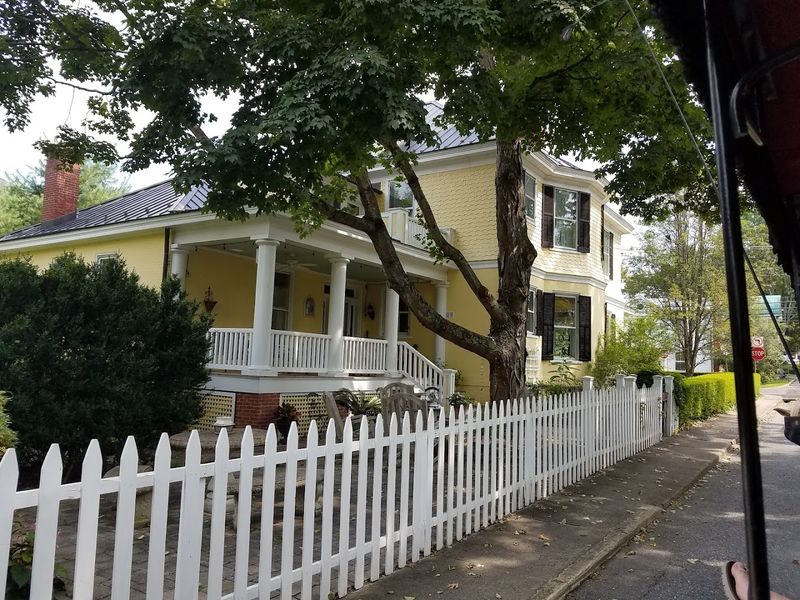
Lexington is the kind of town that makes academics feel poetic and poets feel scholarly. Tucked between the Blue Ridge Mountains and the Allegheny Highlands, it is home to both Washington and Lee University and Virginia Military Institute.
Two prestigious institutions sharing one small, gorgeous town is honestly unfair to everywhere else.
The downtown area is packed with independent bookshops, art galleries, and cafes that feel like they were designed specifically for slow Saturday mornings. The architecture is impeccably preserved, with 19th-century storefronts lining streets that feel genuinely unhurried.
You will not find a chain restaurant dominating every corner here.
Stonewall Jackson’s house still stands as a museum, and the Lee Chapel on the W&L campus is a stunning piece of American history.
The surrounding countryside offers rolling farmland and mountain views that photographers dream about. Lexington rewards visitors who take their time, wander without a plan, and let the town do the talking.
3. Cape Charles
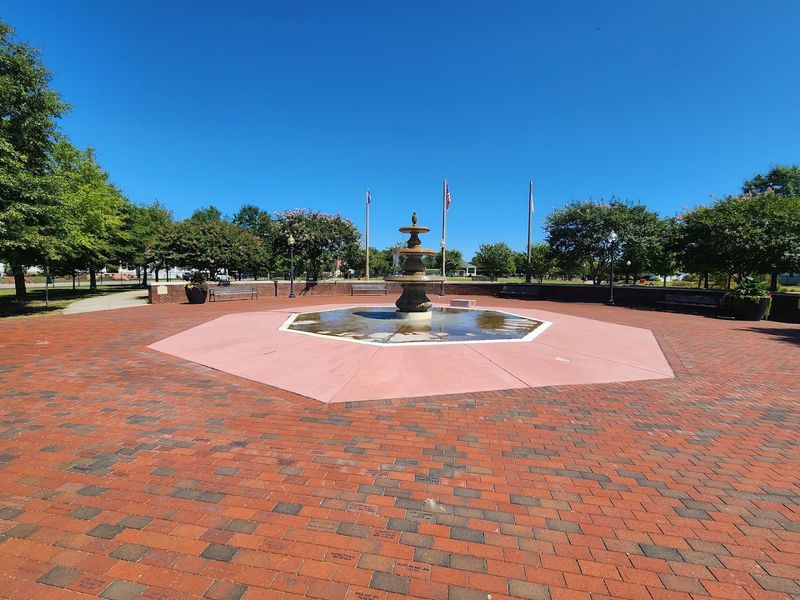
Cape Charles sits at the southern tip of Virginia’s Eastern Shore like a well-kept secret that locals are slowly letting the world in on.
This tiny railroad town was built in the 1880s and somehow retained nearly all of its original Victorian and Colonial Revival architecture. Walking through its streets feels like flipping through a beautifully illustrated history book.
The beach here is calm, clean, and gloriously uncrowded compared to the Atlantic-facing shores nearby. The wide sandy stretch along the Chesapeake Bay offers stunning sunsets that have a way of stopping conversations mid-sentence.
Bring a chair and absolutely no agenda.
Downtown Cape Charles has blossomed into a creative hub with art galleries, boutique shops, and farm-to-table restaurants that celebrate the Eastern Shore’s incredible seafood and produce. The historic district features one of the largest concentrations of turn-of-the-century architecture on the East Coast.
Cape Charles is the kind of place that quietly becomes your favorite town without even trying.
4. Middleburg
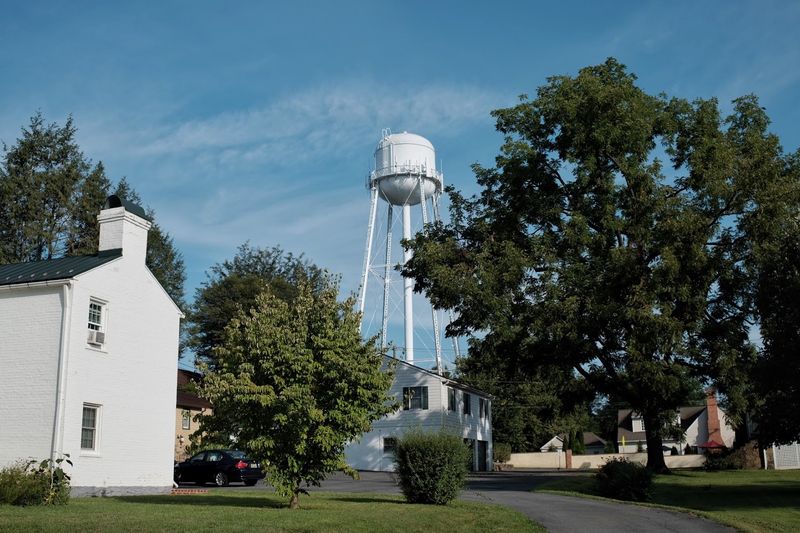
Middleburg is Virginia horse country royalty, and it knows it. Sitting at the heart of the Piedmont Hunt Country, this tiny town of fewer than 700 residents carries itself with the kind of quiet elegance that money cannot manufacture.
It has to be earned over centuries, and Middleburg has done exactly that.
The main street is lined with boutiques, tack shops, fine restaurants, and historic inns that have hosted everyone from presidents to poets.
The Red Fox Inn, dating back to 1728, is one of the oldest continuously operating inns in the United States. That alone earns Middleburg serious bragging rights.
Every fall, the Middleburg Classic Horse Show and the Virginia Gold Cup draw visitors from across the country. The rolling countryside surrounding the town is dotted with stone walls, grand estates, and paddocks full of thoroughbreds.
It is the kind of scenery that makes you want to slow down to about fifteen miles per hour and just look. Middleburg is effortlessly beautiful.
5. Smithfield
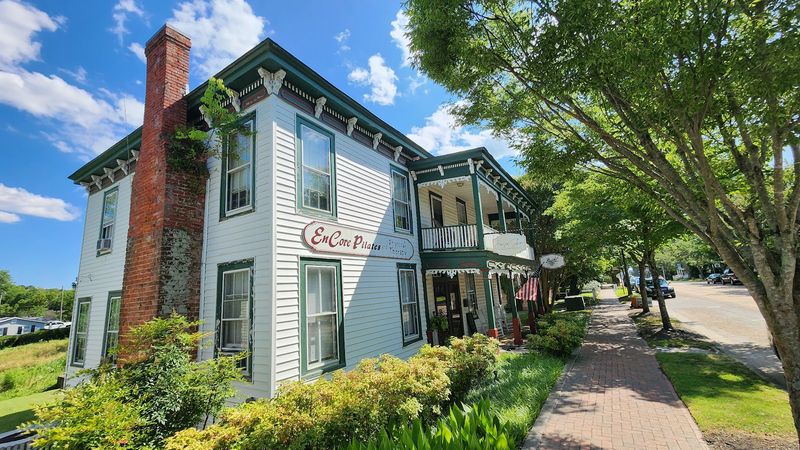
Smithfield is the kind of town that smells like history and tastes even better. Famous worldwide for its Smithfield ham, this Isle of Wight County gem has been curing its signature product since the 1700s.
But there is so much more to this charming waterfront town than its legendary culinary export.
The historic district stretches along Main Street with a remarkable collection of 18th and 19th-century architecture.
Windsor Castle Park, a stunning 800-plus-acre green space right in town, offers trails, wetlands, and sweeping views of the Pagan River. It is one of the most underrated parks in all of Virginia.
Isle of Wight County Museum tells the full story of the region with artifacts and exhibits that bring colonial life vividly to life.
The town’s connection to the Pagan River gives it a quiet, waterfront energy that feels completely distinct from busier coastal destinations. Smithfield is proof that a small town can carry a big, delicious legacy without losing any of its charm or character.
6. Onancock
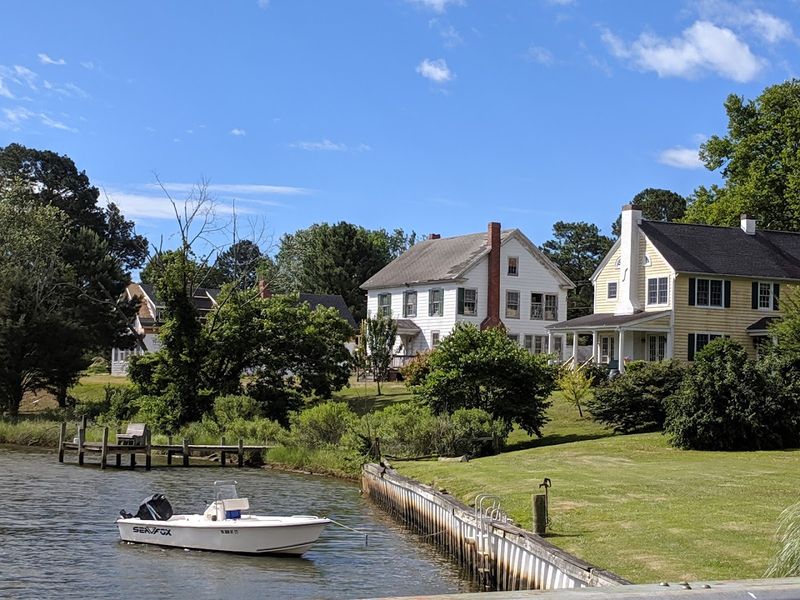
Onancock is the Eastern Shore’s best-kept secret, and anyone who has visited will tell you the same thing. This small waterfront town, whose name comes from a Native American word meaning foggy place, sits along a tidal creek that empties into the Chesapeake Bay.
The scenery is quietly spectacular in every direction.
Hopkins and Brothers Store, built in 1842, is one of the oldest continuously operating general stores in the United States.
It now serves as a wharf market and gathering place with real personality. The historic downtown is filled with Victorian homes, independent galleries, and cozy eateries that celebrate the Eastern Shore’s incredibly fresh seafood.
The wharf area is the social heart of Onancock, where kayakers, sailboats, and watermen share the same calm water. Tangier Island ferries depart from here, making Onancock a natural gateway to even more remote Chesapeake adventures.
The pace here is genuinely slow, the sunsets are outrageously beautiful, and the sense of community is something you can actually feel when you arrive.
7. Gordonsville
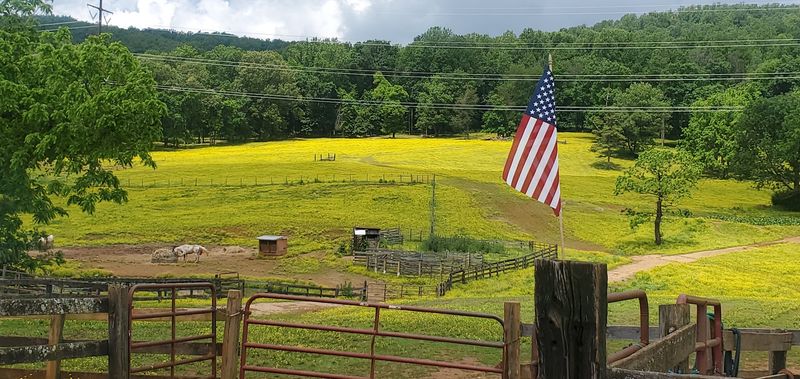
Gordonsville may be small, but its historical footprint is enormous. This Orange County town sits at the crossroads of two major 19th-century railroad lines, which made it one of the busiest exchange points in the entire Civil War era.
The Exchange Hotel, built in 1860, served as a major military hospital and is now a fascinating museum.
The downtown area retains its 19th-century character with brick storefronts, wide sidewalks, and an unhurried atmosphere that feels genuinely restorative.
Gordonsville is also famous for its fried chicken, a tradition rooted in the story of African American women who sold chicken through train windows in the 1800s. That legacy is worth celebrating loudly.
Surrounded by some of Virginia’s most beautiful wine country and farmland, Gordonsville serves as an ideal base for exploring the broader Piedmont region.
The town’s proximity to Montpelier, James Madison’s historic estate, adds another layer of significance to its already rich character. Gordonsville is small in size but enormous in the kind of stories that actually matter.
8. Scottsville
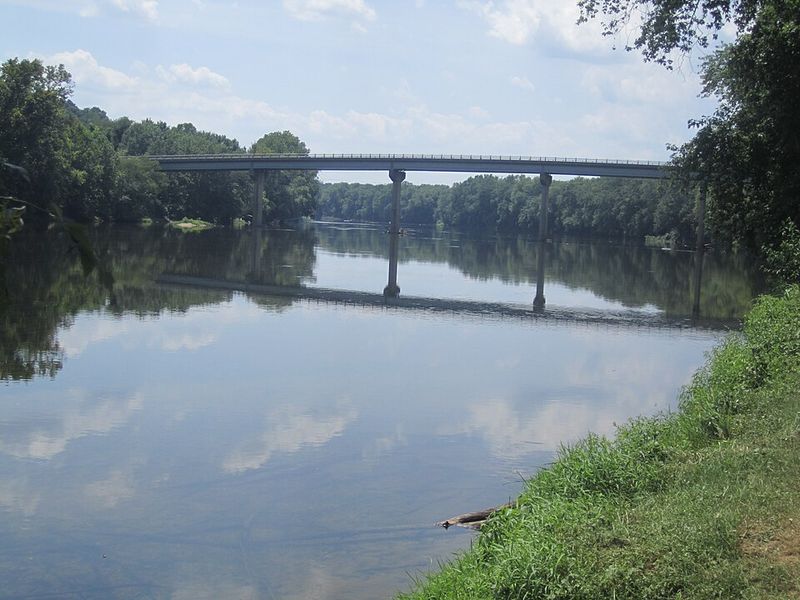
Scottsville sits along the James River like it has been waiting patiently for the world to notice it. This small Albemarle County town was once a thriving canal hub in the early 1800s, and evidence of that golden era is visible in its beautifully preserved downtown architecture.
The brick buildings lining Main Street are remarkably intact for a town this size.
The James River here is a magnet for outdoor enthusiasts. Tubing, kayaking, and canoeing are all popular activities on this stretch of river, and the scenery is absolutely breathtaking in every season.
James River Reeling and Rafting has been putting visitors on the water for years with well-earned enthusiasm.
The Canal Basin Square preserves the history of the Kanawha Canal era with interpretive signage and a charming park setting.
The town is also just a short drive from Charlottesville, making it an easy and rewarding day trip. But Scottsville has enough personality to deserve your full attention on its own terms.
The river alone is worth the drive.
9. Buchanan
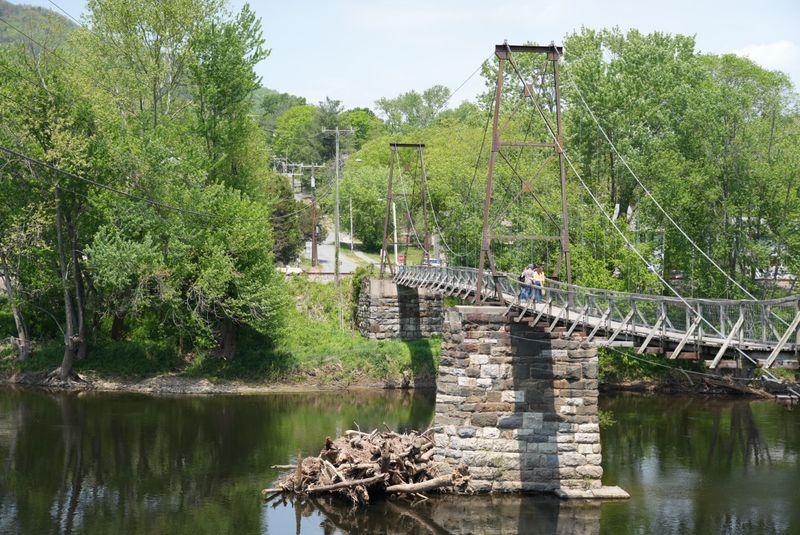
Buchanan is the kind of town that stops you in your tracks, and not just because of traffic. This Botetourt County gem sits right where the James River cuts through the Blue Ridge Mountains, creating a landscape so dramatic it almost feels theatrical.
The swinging pedestrian bridge spanning the James River is one of the most photographed spots in the entire Shenandoah Valley region.
The downtown area is compact but genuinely lovely, with 19th-century storefronts that have been thoughtfully preserved. The Buchanan area served as an important shipping hub during the canal era, and remnants of that industrial past add fascinating texture to the town’s story.
History layers here like sediment in the riverbed.
The surrounding mountains offer incredible hiking, and the James River provides kayaking and fishing opportunities that draw outdoor lovers year-round.
Buchanan is also a gateway to the Appalachian Trail, which passes through the nearby mountains. It is the perfect place to exhale, look up at the ridgeline, and remember why Virginia’s small towns are genuinely irreplaceable treasures.
10. Occoquan
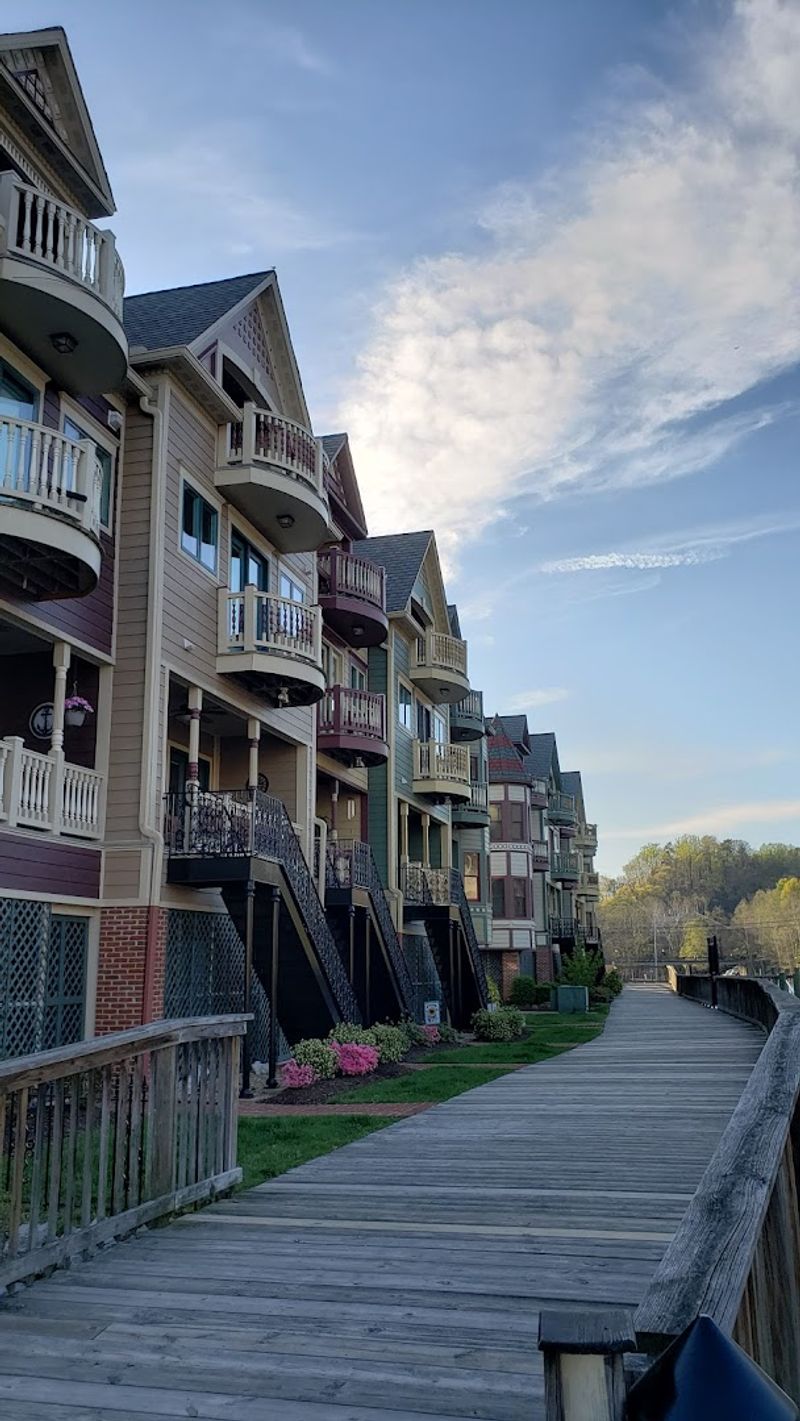
Occoquan is basically Northern Virginia’s best-kept secret, tucked along the banks of the Occoquan River just 25 miles south of Washington D.C.
The name itself comes from an Algonquin word meaning at the end of the water, and the setting absolutely delivers on that poetic promise. This tiny mill town feels like a complete escape from the suburban sprawl surrounding it.
The historic district is packed with artisan shops, antique dealers, galleries, and cozy restaurants crammed into 18th and 19th-century buildings. Mill Street, the main thoroughfare, runs parallel to the river and creates a walking experience that feels genuinely cinematic.
The whole town can be explored on foot in a leisurely afternoon, which is exactly the point.
Occoquan hosts numerous festivals and art events throughout the year that draw visitors from across the region.
The river views from the town’s waterfront are especially beautiful during fall foliage season. For anyone stuck in the D.C. metro grind, Occoquan is the kind of reset that a Saturday afternoon was literally made for.
Show up hungry and curious.
11. Washington
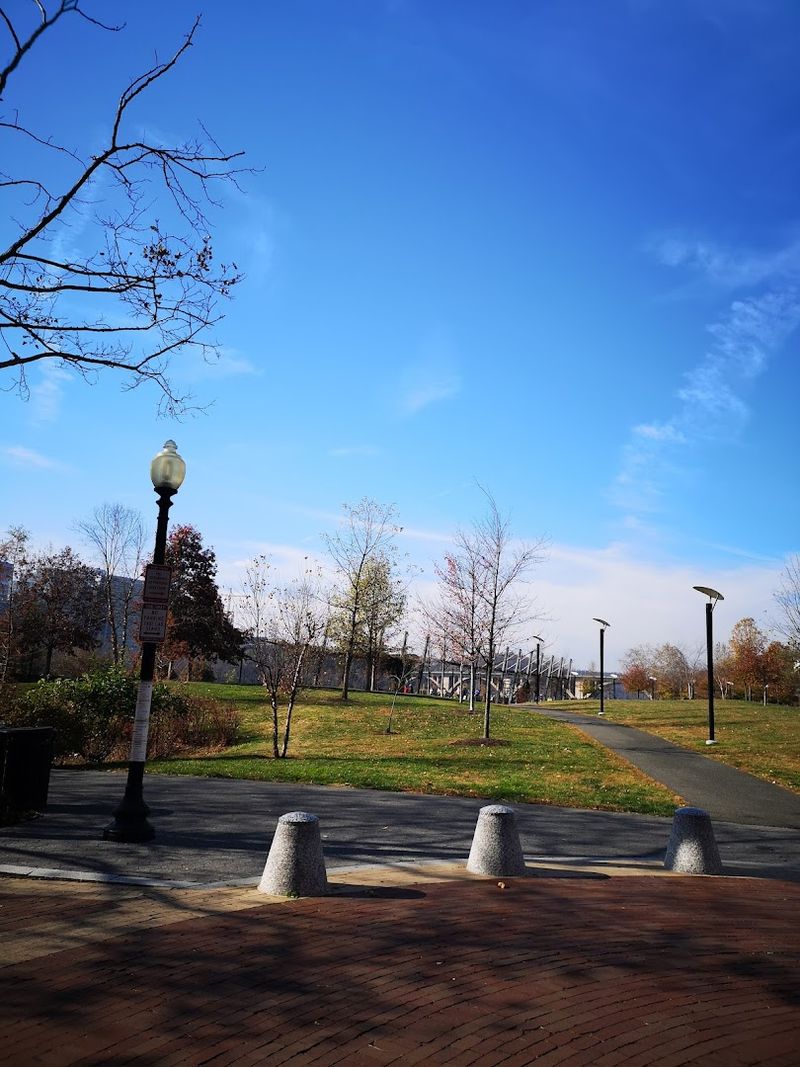
Washington, Virginia is not the capital of anything except effortless charm.
Known locally as Little Washington, this Rappahannock County village holds the remarkable distinction of being the first of the 28 towns named after George Washington to actually be surveyed by the man himself in 1749. That backstory alone deserves a slow clap.
The Inn at Little Washington, helmed by one of America’s most celebrated culinary figures, has put this tiny town on the international food map in a way few villages anywhere in the world can claim.
The surrounding countryside is a patchwork of farms, orchards, and mountain views that look like a painting someone forgot to hang up properly.
The village itself has just a handful of streets, but every inch feels intentional and deeply beautiful. Antique shops, a local museum, and the stunning Rappahannock backdrop make Washington a place that rewards slow exploration.
It is the kind of town where you arrive for lunch and somehow find yourself still there at sunset, completely unbothered about the schedule you abandoned.
12. Irvington
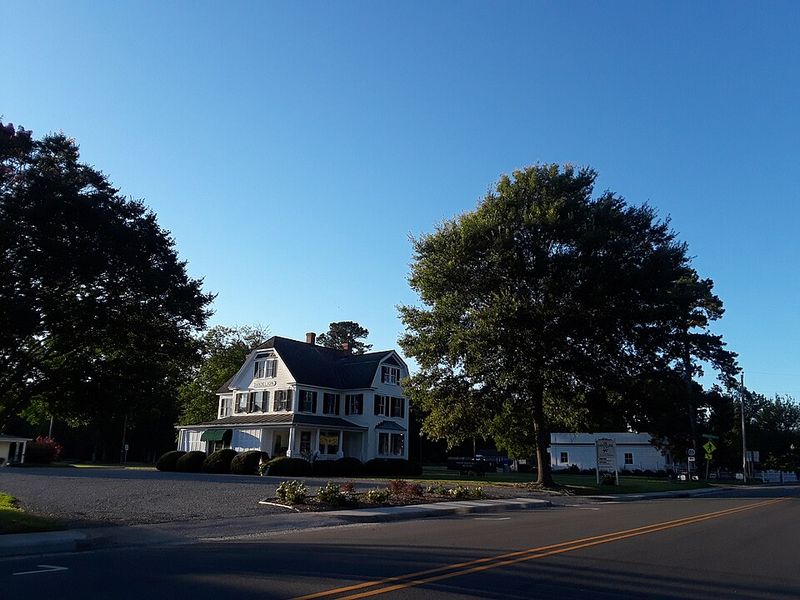
Irvington sits on the Northern Neck of Virginia like a postcard that never needed a filter. This small waterfront community on the Rappahannock River combines old-school Southern elegance with a genuine love of the water that permeates everything here.
The famous Tides Inn, a resort that has welcomed guests since 1947, anchors the town’s identity with graceful confidence.
The Steamboat Era Museum tells the compelling story of how steamboats once connected Northern Neck communities to the wider world, bringing goods, culture, and connection to this otherwise remote peninsula.
It is a surprisingly rich piece of Chesapeake Bay history that most visitors do not expect to find here.
Irvington’s Rappahannock River waterfront is perfect for kayaking, sailing, and simply watching the light change over the water at golden hour.
The town hosts the Irvington Farmers Market and various arts events that give it a lively community pulse beneath its quiet exterior. Irvington is one of those rare places where relaxation feels like an achievement worth bragging about.
13. Chincoteague
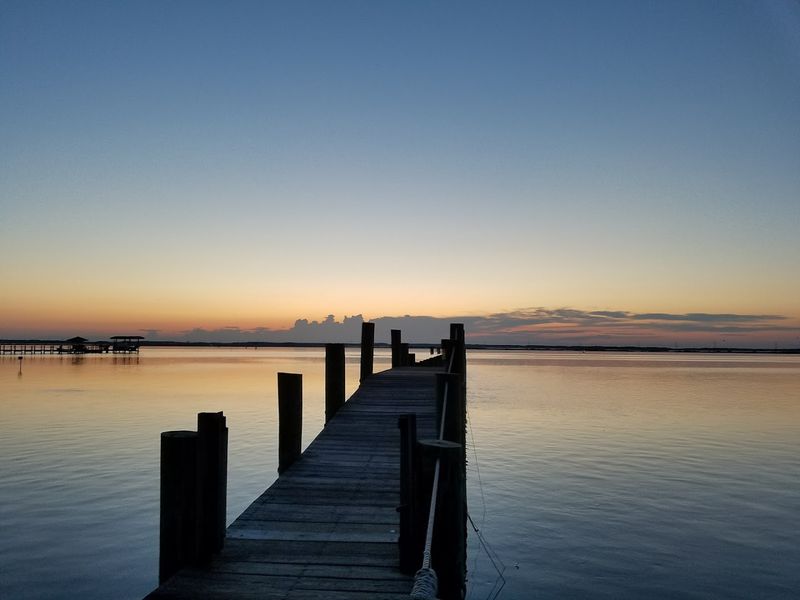
Chincoteague Island is where the wild ponies roam and the seafood is so fresh it practically introduces itself.
This barrier island town off Virginia’s Eastern Shore has been captivating visitors for generations, partly thanks to Marguerite Henry’s beloved novel Misty of Chincoteague, which turned the island’s famous wild pony herd into a literary legend. The ponies are absolutely real, by the way.
The Chincoteague National Wildlife Refuge, located on adjacent Assateague Island, protects miles of pristine beach, marshland, and forest that feel completely untouched by modern development.
The annual Pony Swim, held every July, draws enormous crowds to watch the wild ponies swim across the channel in a tradition dating back to the 1920s.
The downtown area along Maddox Boulevard and the waterfront channel is lined with seafood shacks, ice cream shops, and boutiques that have a charming, unhurried coastal energy.
Chincoteague Bay sunsets are the kind that make people genuinely emotional. This island does not just slow time down.
It makes you question why you ever let it move so fast in the first place.
14. Appomattox
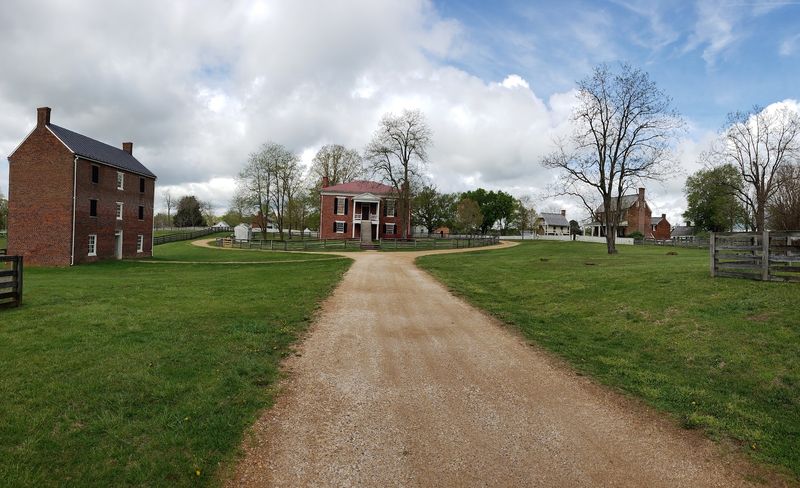
Appomattox carries the weight of American history in a way that very few small towns anywhere in the world can match.
This central Virginia town is home to Appomattox Court House National Historical Park, where one of the most pivotal moments in United States history unfolded in April 1865. Standing in that village feels genuinely profound, even on a perfectly ordinary Tuesday.
The reconstructed courthouse village preserves the layout and architecture of the 1865 settlement with remarkable authenticity.
The McLean House, where the historic surrender took place, has been faithfully restored and is open to visitors year-round.
The park’s interpretive programs bring the era to life with clarity and depth that textbooks simply cannot replicate.
The modern town of Appomattox surrounding the park has its own quiet appeal, with a welcoming small-town atmosphere and community events that celebrate both heritage and everyday life. The surrounding countryside is rolling, green, and deeply peaceful.
Appomattox reminds every visitor that understanding where we have been is the most powerful tool for appreciating where we are going together.
15. Luray
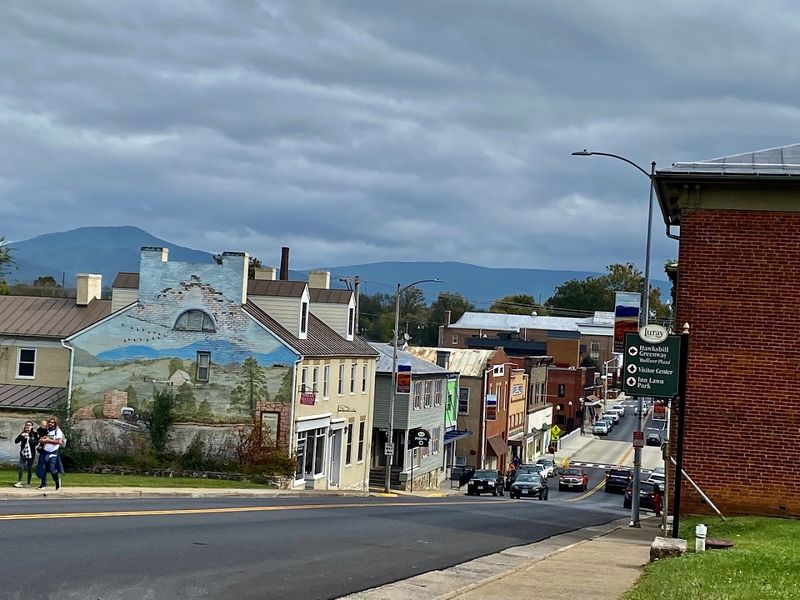
Luray is the kind of town that hides a literal underground wonder beneath its feet, and somehow the surface is just as impressive.
Nestled in the Shenandoah Valley between the Blue Ridge and Massanutten Mountain ranges, Luray is best known for Luray Caverns, the largest caverns in the eastern United States.
The stalactites, stalagmites, and the one-of-a-kind Stalacpipe Organ make it genuinely unforgettable.
The downtown area along Main Street has been experiencing a beautiful revitalization, with locally owned restaurants, artisan boutiques, and creative spaces filling historic storefronts with fresh energy.
The Hawksbill Greenway, a paved trail running through town along the Hawksbill Creek, connects neighborhoods and parks with a relaxed, walkable charm.
Shenandoah National Park is just minutes away, offering some of the most spectacular hiking and scenic drives on the entire East Coast.
Skyline Drive passes through the park with overlooks that will absolutely ruin you for ordinary landscapes forever. Luray is the rare small town that delivers underground magic, mountain grandeur, and small-town warmth all in one deeply satisfying package.