
12 Forgotten Stories From Missouri That Sound Almost Unreal
Missouri has a habit of hiding history in the most unexpected places.
A classroom that helped reshape American education, a young dreamer named Walt Disney before he became a household name, and a bridge test involving an elephant, yes, an actual elephant, sound less like history lessons and more like rejected movie scripts.
But that’s the strange, fascinating reality tucked inside the Show-Me State. Because behind the famous landmarks and familiar stories are forgotten moments that are almost too wild to believe.
Who knew a simple schoolroom could change the future, or that an elephant would become part of engineering history?
These are the kinds of stories that make you stop and say, “Wait… that really happened?” From unbelievable experiments to surprising connections with icons, Missouri’s past is filled with hidden chapters waiting to be rediscovered.
1. The Missouri Town That Introduced Sliced Bread To The World
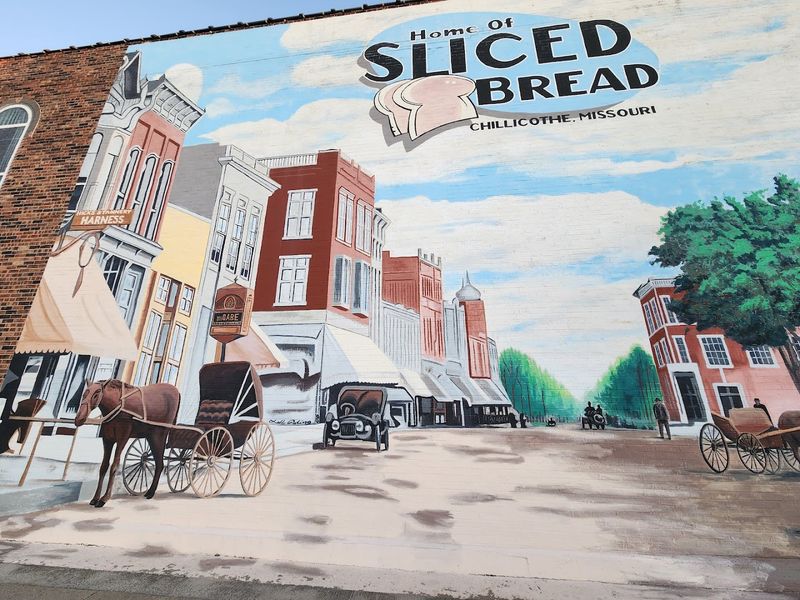
Here is a fun fact that will completely change how you look at your morning toast. On July 7, 1928, a small bakery in Chillicothe, Missouri, changed breakfast forever.
The Chillicothe Baking Company became the very first place in the world to sell commercially pre-sliced bread to the public.
The genius behind this moment was inventor Otto Frederick Rohwedder. He spent years perfecting an automatic bread-slicing machine that could cut a whole loaf cleanly and consistently.
The product was branded as “Kleen Maid” bread, and shoppers absolutely loved it.
Within just two weeks of its launch, sales at the bakery skyrocketed by an almost unbelievable 2,000 percent.
The invention also helped make the automatic pop-up toaster a household staple. Sliced bread became so popular that when a brief government restriction was placed on it during World War II, the public outcry was so loud that officials reversed the decision almost immediately.
Chillicothe did not just bake bread. It baked history.
2. The Man Who Helped Give Missouri Its Unusual Bootheel
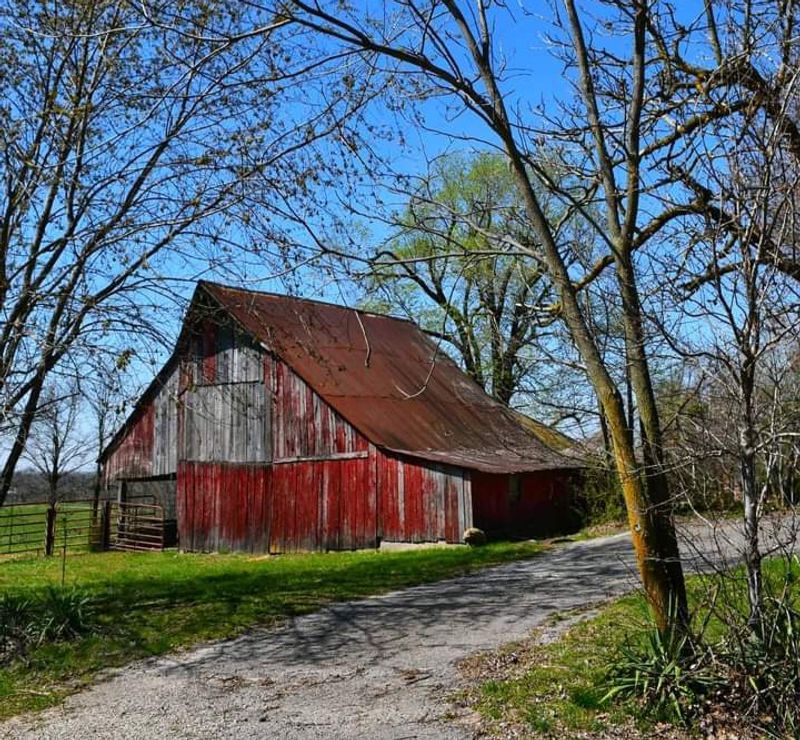
Look at a map of Missouri and you will notice something immediately. There is a quirky rectangular chunk hanging off the bottom southeastern corner that looks like it got lost on its way to another state.
That odd shape is called the Bootheel, and it exists largely because of one very determined landowner.
After the powerful New Madrid earthquakes of 1811 and 1812, many settlers abandoned the area. John Hardeman Walker stayed put, bought up land at low prices, and built a thriving cattle operation.
When Missouri was preparing for statehood, the proposed southern border would have placed his entire property inside Arkansas Territory.
Walker was not about to let that happen. He lobbied the Missouri territorial legislature and Congress with remarkable persistence, arguing that the region had stronger economic and cultural ties to Missouri’s Mississippi River communities.
His efforts paid off in a big way. When Missouri officially became a state in 1821, the border dropped southward just enough to keep Walker’s land inside Missouri.
One man’s determination literally redrew the map.
3. The St. Louis Classroom That Changed American Education
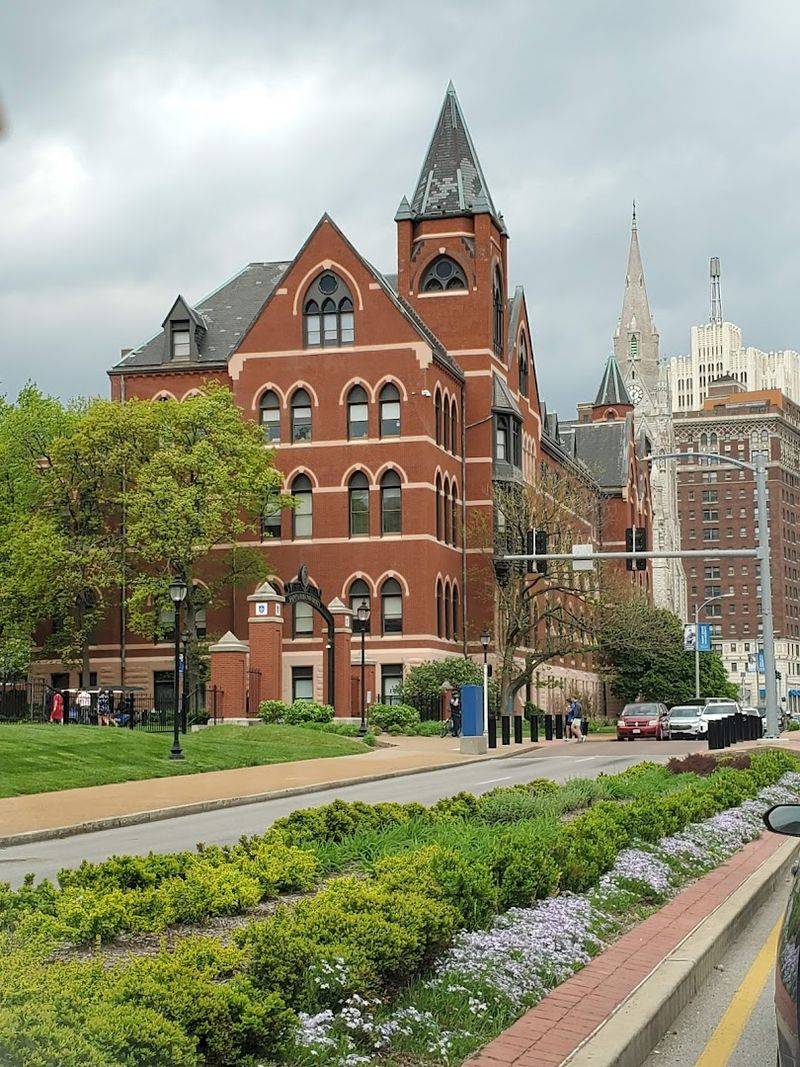
Before kindergarten was a normal part of American childhood, one woman in St. Louis decided that young children deserved better than waiting until first grade to start learning.
Susan Blow opened the first successful public kindergarten in the United States in 1873. Her classroom was inside the Des Peres School in the Carondelet neighborhood of St. Louis.
What makes her story even more remarkable is that she directed this kindergarten for eleven full years without ever collecting a single paycheck. Her inspiration came from the educational theories of Friedrich Froebel, which she studied directly in Germany.
She believed strongly that early childhood learning shaped everything that came after.
Blow did not stop at teaching children. She also trained other educators, spreading her methods throughout the city and eventually the entire country.
By 1883, every public school in St. Louis had its own kindergarten program. The city became a national model that other states eagerly followed.
Susan Blow turned one classroom into a movement that touched millions of American children, and her legacy still echoes in every kindergarten classroom today.
4. The Famous Mail Route That Started In St. Joseph
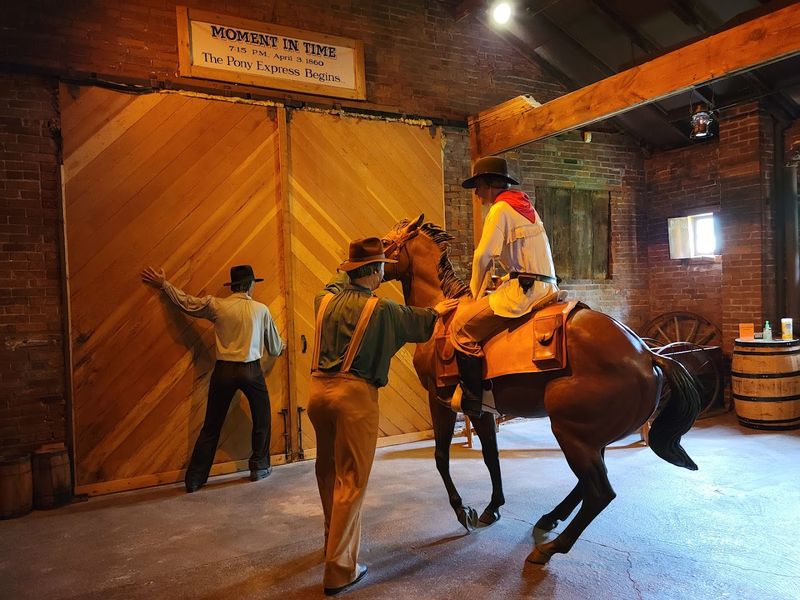
Long before email, text messages, or overnight shipping, there was a group of fearless riders who carried the mail across an entire continent on horseback. St. Joseph, Missouri, was the starting line for one of the most legendary communication systems in American history.
On April 3, 1860, the Pony Express launched its first official ride from this very city.
The goal was bold and ambitious. Riders would carry mail from St. Joseph all the way to Sacramento, California, using a relay system of fresh horses stationed along the route.
Before this service existed, getting a message to the West Coast could take weeks or even months. The Pony Express slashed that time down to roughly ten days.
The service was operated by the Central Overland California and Pikes Peak Express Company, and it captured the imagination of the entire nation.
Sadly, it was short-lived. When the transcontinental telegraph was completed in October 1861, the Pony Express became unnecessary almost overnight.
But its legend never faded. St. Joseph remains forever linked to one of the most thrilling chapters in American frontier history.
5. The Missouri Childhood That Helped Shape Main Street U.S.A.
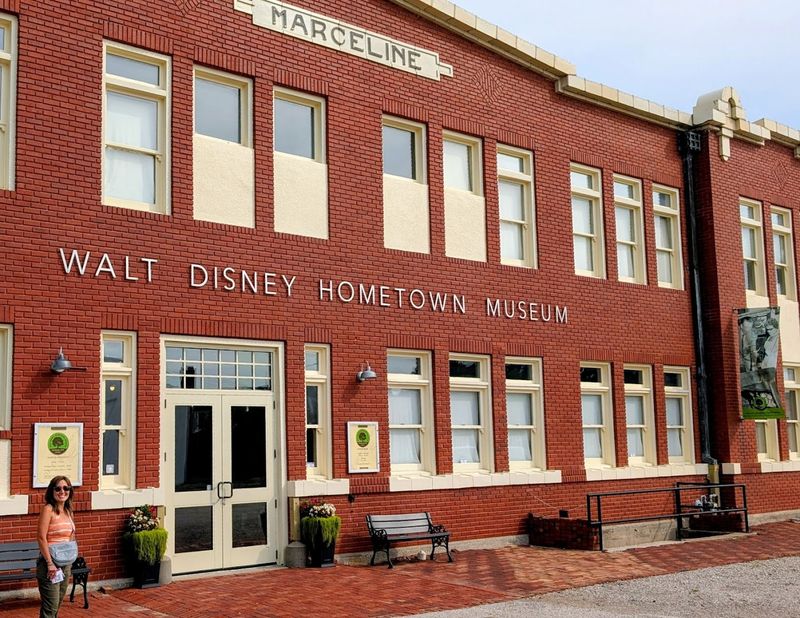
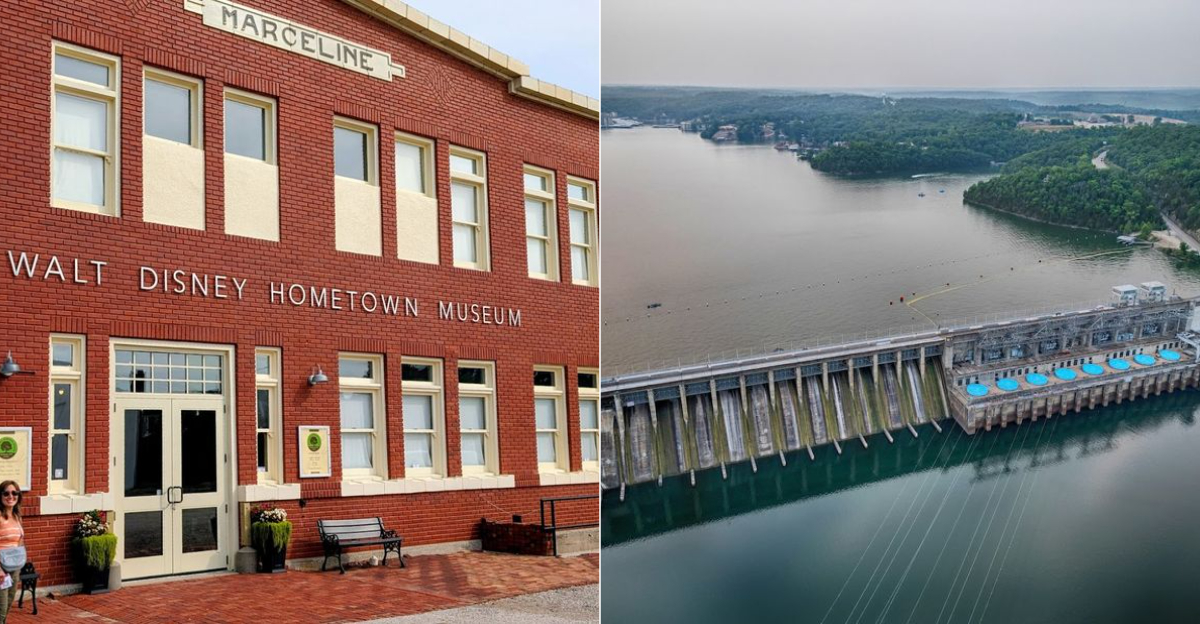
Every time someone walks down Main Street U.S.A. at Disneyland, they are actually walking through a memory. Specifically, they are walking through the childhood memories of Walt Disney, who grew up in Marceline, Missouri.
Walt arrived in Marceline from Chicago when he was just four years old, in 1906, and spent some of his most cherished early years there.
He often described those Marceline years as the happiest time of his entire life. The small-town warmth, the tree-lined streets, the friendly atmosphere of a tight-knit rural community all left a permanent mark on his imagination.
When he later designed Disneyland, he deliberately channeled those memories into the park’s most iconic entrance.
Walt wove his recollections of Marceline into television projects, films, and theme park attractions throughout his entire career.
The connection became so well recognized that in 1998, the main road through Marceline’s downtown was officially renamed Main Street USA in his honor. A small Missouri town planted a seed in a young boy’s mind, and that seed grew into one of the most beloved creative worlds in human history.
6. The Missouri Train Station That Was Once The World’s Largest
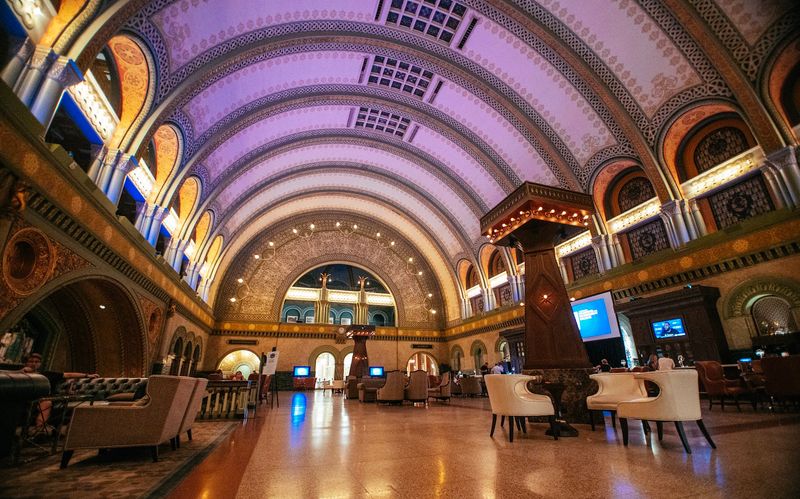
St. Louis Union Station was not just a train station when it opened in 1894. It was a statement.
A declaration that St. Louis was one of the most important cities in the world.
When its doors first opened, it held the title of the largest train station on the entire planet, and it wore that title with remarkable style.
The building featured 32 tracks and a train shed that covered an astonishing 11.5 acres. At its peak during the 1940s, the station handled around 100,000 passengers every single day.
Twenty-two different railroads used it as a hub, making it a beating heart of American transportation.
The architecture was breathtaking by any era’s standards. Built from Indiana limestone in a Romanesque Revival style, the station featured a 230-foot clock tower that could be seen from across the city.
Inside the Grand Hall, a 65-foot barrel-vaulted ceiling made every arriving traveler feel like they had stepped into a cathedral. St. Louis Union Station was not just the world’s largest train station.
It was one of the most spectacular buildings in America.
7. The World’s Fair Birdcage St. Louis Refused To Lose
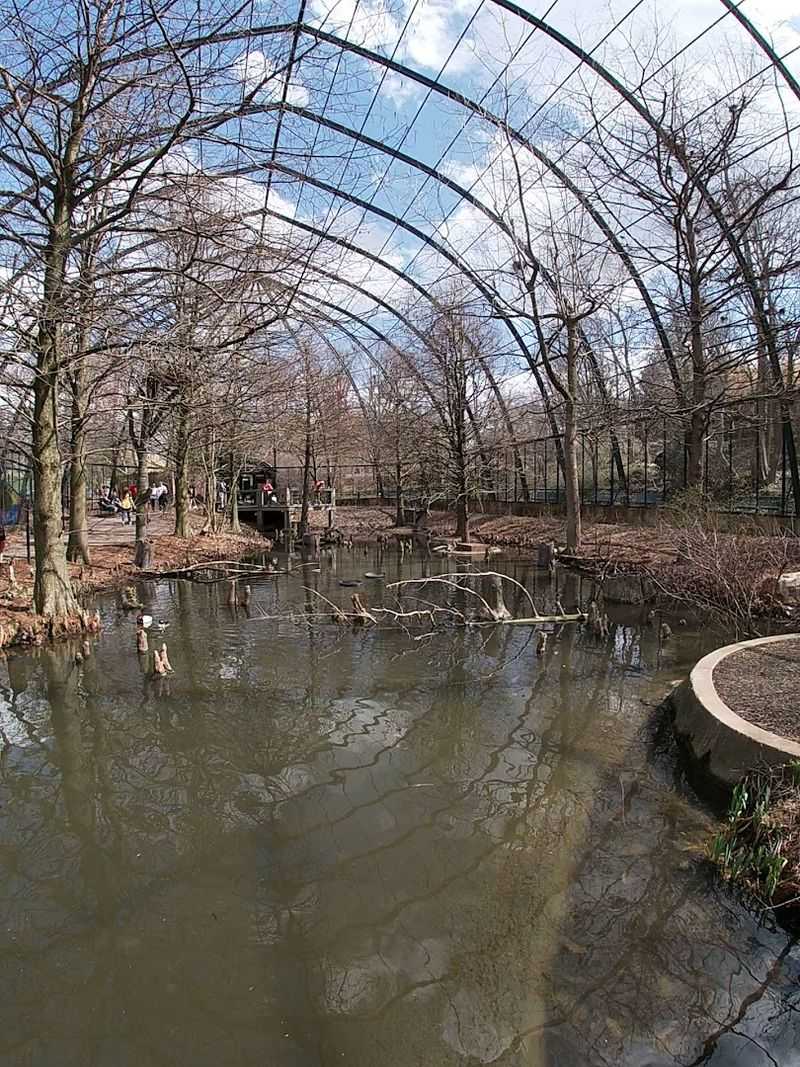
Sometimes a city falls so completely in love with something that it simply refuses to give it back.
That is exactly what happened in St. Louis during the 1904 World’s Fair. The Smithsonian Institution had commissioned an enormous Flight Cage for the fair, with the original plan being to ship it to the National Zoo in Washington, D.C., once everything wrapped up.
St. Louis had other ideas. Residents rallied together with real determination, and the city purchased the Flight Cage for somewhere between $3,500 and $6,000.
It was a bargain for something that measured 228 feet long, 84 feet wide, and 50 feet high, making it the largest aviary ever built at the time.
That single purchase turned out to be the spark that ignited the creation of the Saint Louis Zoo. The Flight Cage gave the city a reason to build something permanent around it, and the zoo grew from there into one of the finest free zoos in the entire country.
Today, the original Flight Cage still stands on what is known as Historic Hill, a beloved reminder that sometimes the best things happen when a city simply refuses to say goodbye.
8. The Missouri Bridge That Was Tested With An Elephant
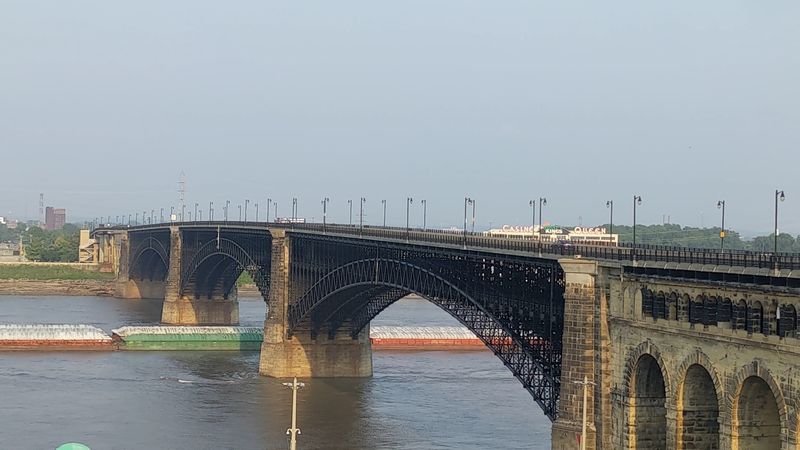
Forget ribbon-cutting ceremonies. When the Eads Bridge in St. Louis needed to prove it was safe, the people involved brought in an elephant.
In June 1874, just before the bridge officially opened, a circus elephant was led across the structure in front of a large and very entertained crowd.
The idea came from circus figure John Robinson, who understood that people of that era widely believed elephants had an instinctive sense for detecting unsafe structures. If the elephant walked across without hesitation, the thinking went, the bridge must be solid.
The elephant crossed without any trouble, and the crowd cheered enthusiastically.
Two weeks after the elephant’s debut, engineer James Eads sent 14 locomotives across the bridge simultaneously, just to drive the point home.
The Eads Bridge, which connects St. Louis to East St. Louis across the Mississippi River, was also a groundbreaking feat of engineering in another way. It was the first bridge in history to use steel as its primary construction material.
So the next time you cross a modern bridge, spare a thought for the elephant who helped make it all possible.
9. The Boy’s Tip That Led To Missouri’s First Dinosaur Discovery
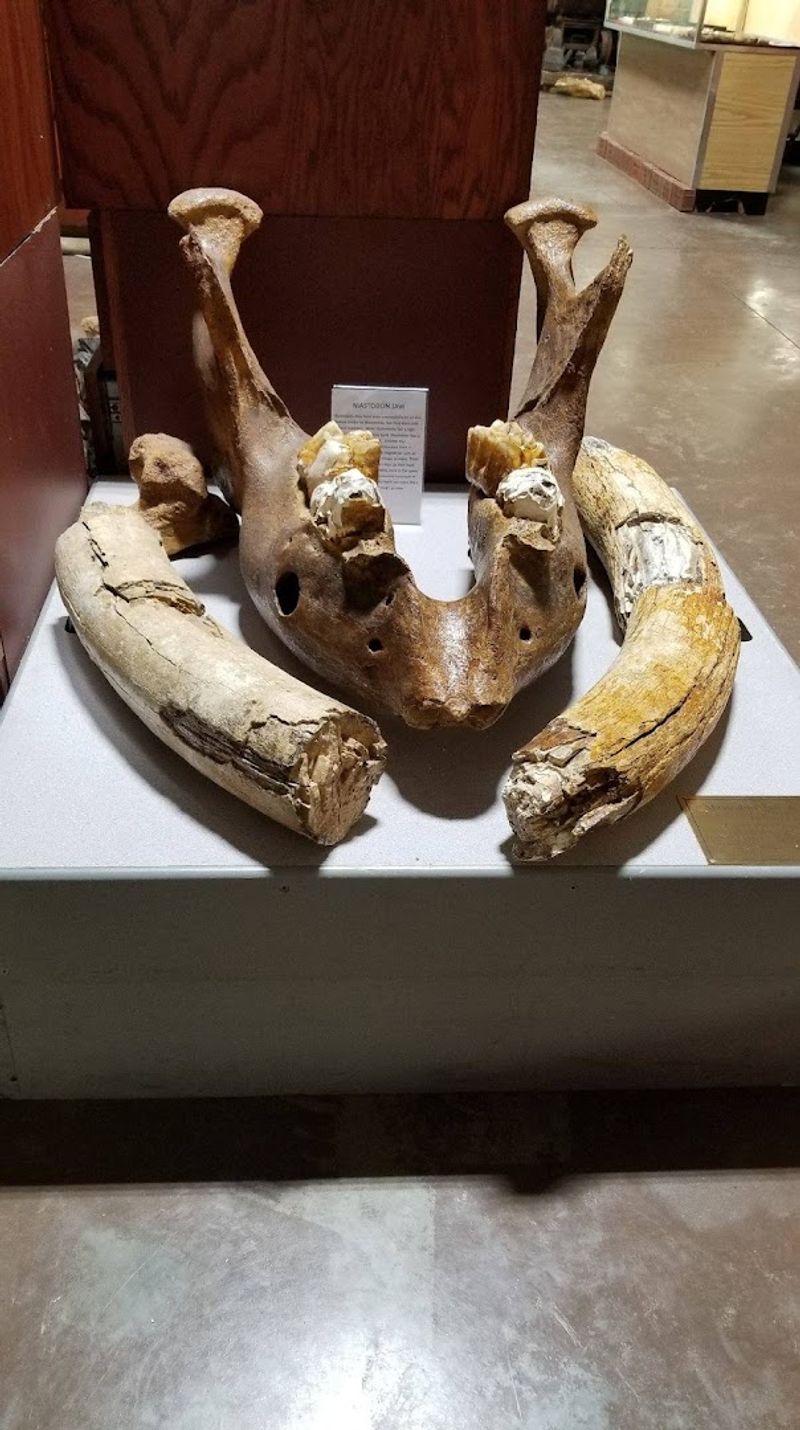
Missouri’s very first dinosaur discovery did not begin in a university lab or a formal excavation. It started with a curious boy and some strange bones his family had dug up while sinking a well.
In 1942, geologist Daniel Stewart was examining clay deposits near Glen Allen, Missouri, when a local youngster named Ole Chronister approached him with an interesting story.
The Chronister family had pulled some unusual bones from their property and had no idea what they were looking at.
Stewart recognized immediately that these were no ordinary remains. He carefully collected the fossils and sent them to the Smithsonian Institution for further analysis.
The results were extraordinary.
The bones turned out to belong to a previously unknown species of dinosaur, a duck-billed variety that was eventually named Parrosaurus missouriensis in honor of its Missouri origins. In 2004, Missouri officially declared it the state dinosaur, a title it holds to this day.
The Chronister site remains the only confirmed dinosaur locality in the entire state. One boy’s curiosity and one family’s well-digging adventure gave Missouri its most prehistoric claim to fame.
10. The Missouri Rivers That Inspired A New Kind Of National Park
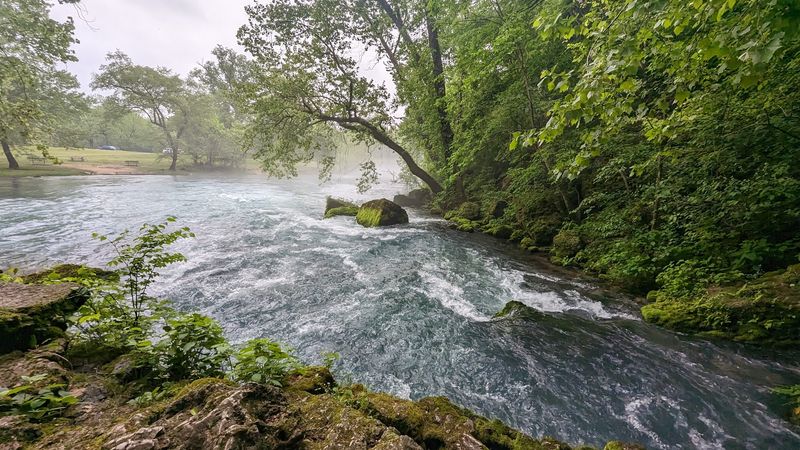
Not every national park is about mountains or geysers. Sometimes the most extraordinary thing a landscape can offer is water so clear it looks like liquid glass.
The Current and Jacks Fork rivers in Missouri’s Ozark Highlands are exactly that kind of extraordinary, and they inspired something entirely new in American conservation history.
On August 24, 1964, the Ozark National Scenic Riverways was officially established. It was the first national park unit in the entire country created specifically to protect a free-flowing river system.
The park stretches across 134 miles of these stunning waterways and covers around 80,000 acres of Ozark landscape.
The rivers are fed by natural springs, keeping them remarkably clear and cool even during the warmest months. Visitors can canoe, kayak, swim, and explore caves and springs throughout the park, including the spectacular Big Spring, one of the largest single-outlet springs in the United States.
Missouri did not just preserve a pair of beautiful rivers. It set a precedent for how the entire nation thinks about protecting its most treasured natural waterways.
11. The Private Dam Project That Created An Enormous Missouri Lake
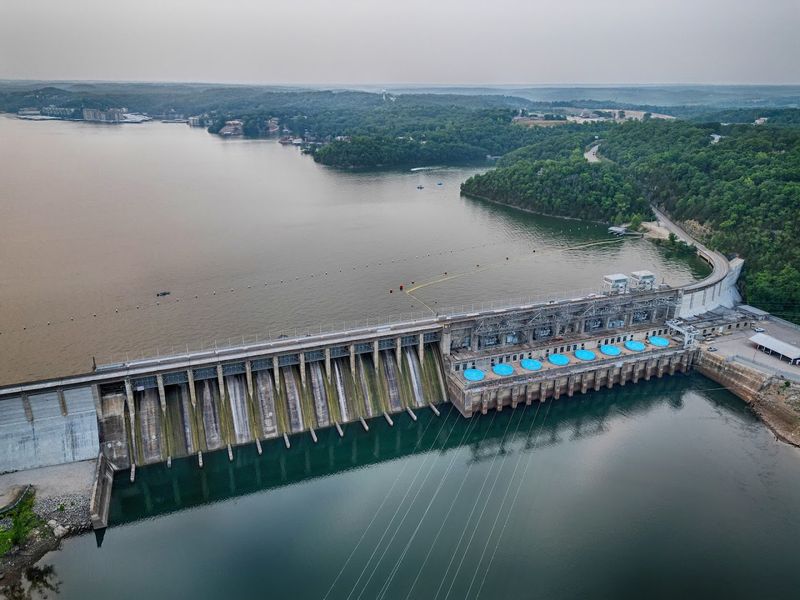
Most great lakes take thousands of years to form naturally. The Lake of the Ozarks took about two years and one very ambitious private company.
Construction of the Bagnell Dam began in 1929, and by 1931 the project was complete, impounding the Osage River and creating one of the most remarkable man-made lakes in American history.
The Union Electric Company, now known as Ameren, built the dam primarily to generate hydroelectric power for the surrounding region.
What they also created, perhaps without fully realizing it, was a recreational paradise. The lake covers a surface area of roughly 54,000 to 55,000 acres and boasts an almost unbelievable 1,150 miles of shoreline.
At the time of its completion, the Lake of the Ozarks was the largest man-made lake in the entire United States.
That is a staggering achievement for a project that was driven not by government ambition but by a private company’s need for power generation.
Today the lake is one of Missouri’s most beloved destinations, drawing visitors year-round for boating, fishing, and exploring its winding, endlessly fascinating shoreline.
12. The Airplane Jump Over Jefferson Barracks That Made History
On March 1, 1912, a man climbed into a biplane over Jefferson Barracks in St. Louis, flew up to 1,500 feet, and then jumped out on purpose.
That man was Albert Berry, and what he did that morning changed aviation history forever. Berry performed the first successful parachute jump from a moving aircraft, proving that humans could exit a plane mid-flight and survive.
The pilot that day was Anthony Jannus, who flew a Benoist biplane. Berry’s parachute was not stored in the way we think of parachutes today.
It was packed inside an iron cone that was attached directly to the underside of the plane. After jumping, Berry fell approximately 500 feet before the parachute deployed and carried him safely to the ground.
Hundreds of soldiers stationed at Jefferson Barracks watched the entire event unfold and erupted in cheers when Berry landed safely.
The jump demonstrated something that aviation pioneers had been theorizing about for years. Parachutes could be a genuine safety tool for aircraft.
Albert Berry’s leap of faith over a Missouri military base helped lay the groundwork for every parachute system used in aviation since. Which stories surprised you the most?