
This Abandoned Washington Hospital Is Among The Most Haunted Places In The State
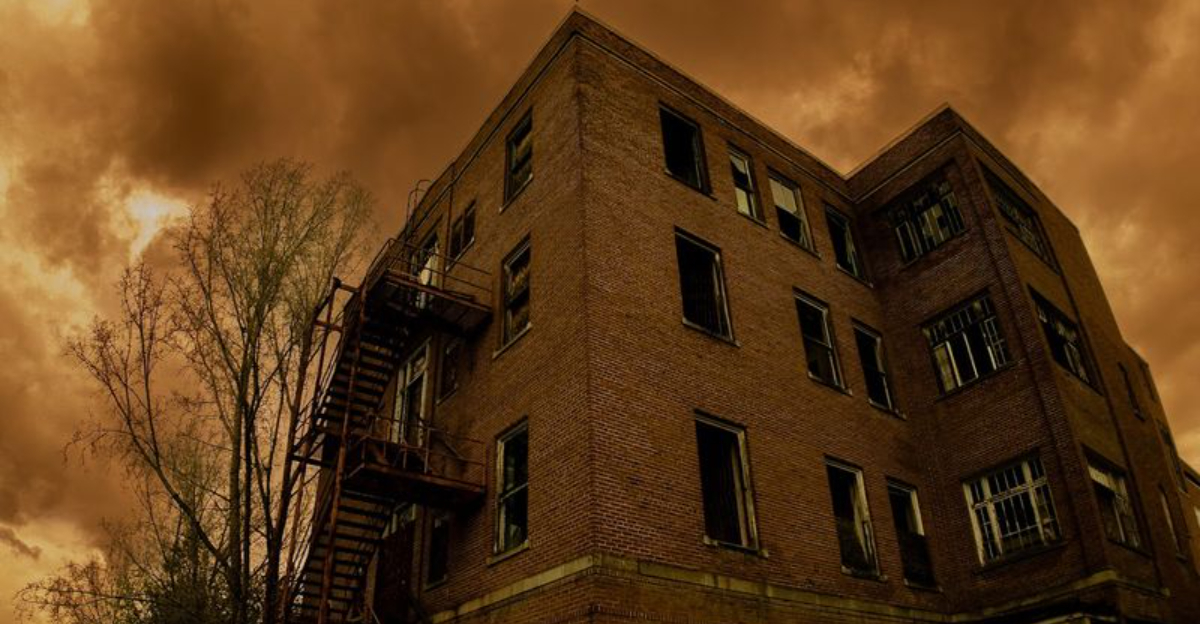
My confidence around haunted buildings usually lasts until the first door moves without anyone touching it. Then suddenly I remember every sensible reason I had for staying home. This abandoned Washington hospital has exactly that effect, even before you hear the stories attached to its empty rooms.
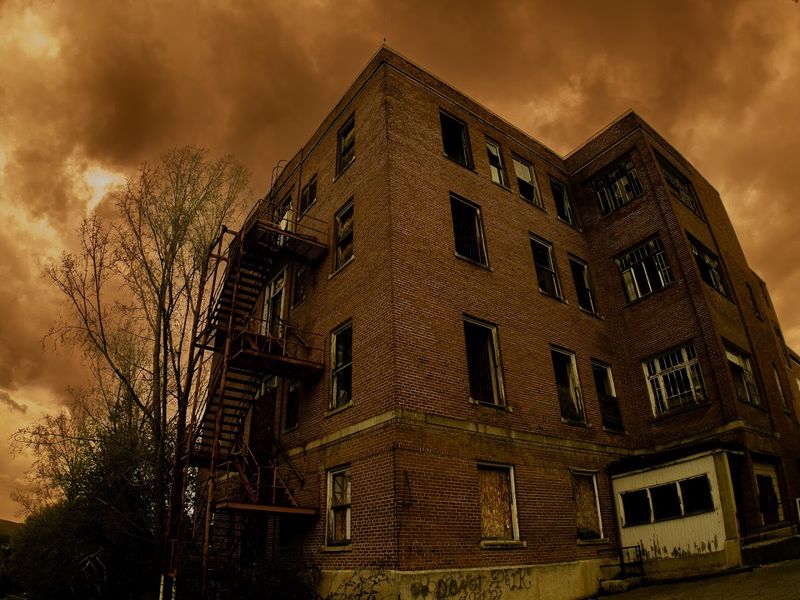
The weathered structure rises with the kind of presence that makes you slow down and stare. Broken windows, long corridors, and layers of faded paint give the building an unsettling beauty, while reports of strange voices and unexplained movement add another dimension entirely.
I am usually willing to blame old pipes, settling floors, or an overactive imagination. Still, some places make those explanations feel less convincing.
Washington has no shortage of eerie history, but this hospital carries a particularly heavy atmosphere that turns an ordinary visit into something much harder to shake.
The Origins Of St. Ignatius Hospital
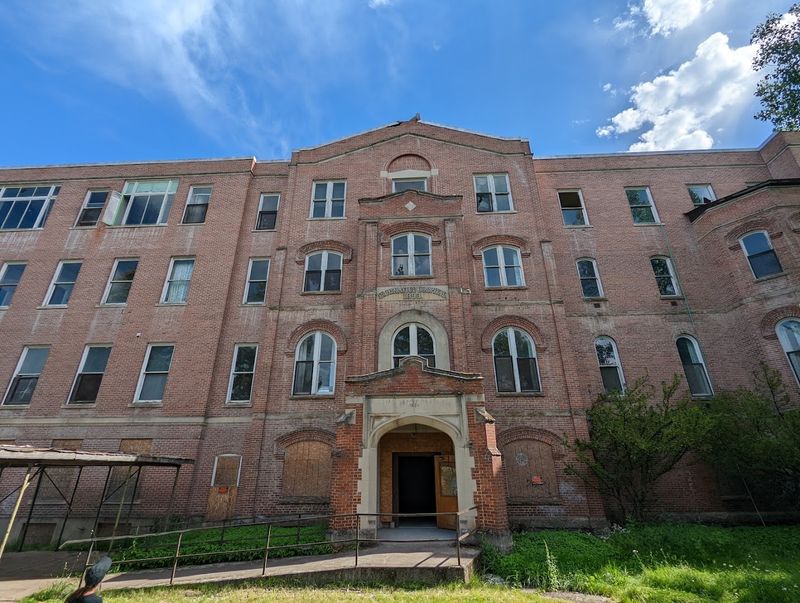
Founded in 1892 by the Sisters of Charity of Providence, St. Ignatius Hospital was one of the earliest healthcare facilities serving the Palouse region of eastern Washington.
The Catholic sisters traveled from Canada to establish medical care in this remote farming community, and their dedication shaped the hospital into a cornerstone of Colfax life for generations.
The original building was modest, but over the decades it expanded significantly to accommodate a growing patient population.
By the mid-20th century, the facility included surgical wards, a maternity wing, and a nurses’ residence. The hospital served the community for nearly a century before closing its doors in 1968.
What makes the origins especially fascinating is the sheer determination it took to build a functioning hospital in such a rural setting. The sisters relied on community donations, faith, and hard work to keep the facility running through wars, economic hardships, and medical advances.
That legacy of perseverance is woven into every brick of the building that still stands today.
The Architecture And Physical Layout
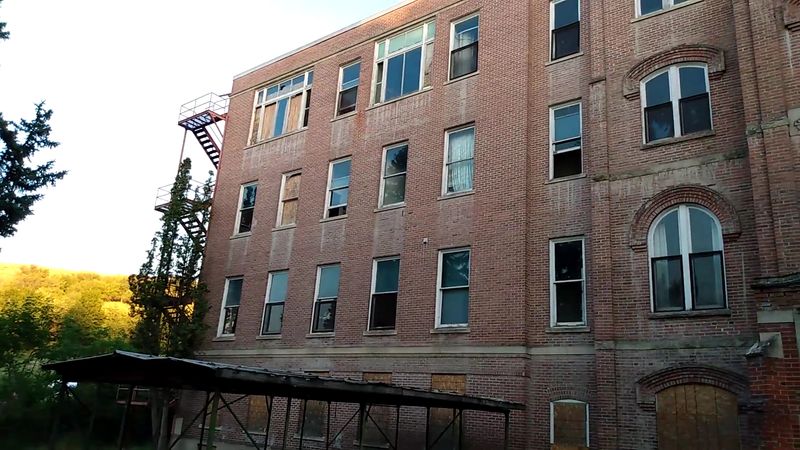
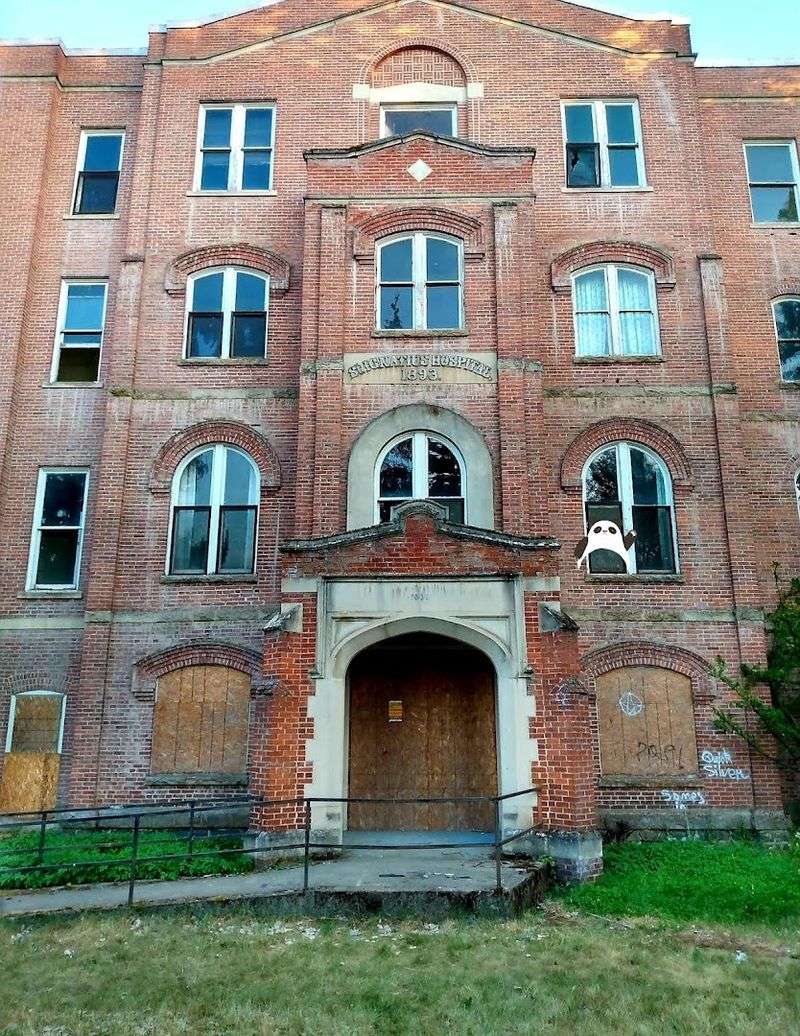
Walking up to St. Ignatius Hospital for the first time feels like stepping into a scene from a forgotten era. The building is a sturdy red brick structure that blends Catholic institutional design with early 20th-century medical architecture, featuring arched windows, heavy wooden doors, and a commanding presence on the hillside above Colfax.
Inside, the layout follows a classic ward-style floor plan common to hospitals of that period. Long corridors connect patient rooms, operating theaters, storage areas, and administrative offices across multiple floors.
The basement level, which reportedly housed the morgue, has become one of the most talked-about areas among paranormal investigators. Despite decades of abandonment, the bones of the building remain surprisingly intact.
Peeling paint, broken glass, and collapsed ceilings tell the story of neglect, but the structural walls have held firm.
Explorers who have documented the interior describe a haunting beauty in the decay, where light filters through cracked windows and casts long shadows across empty hallways that once buzzed with nurses and patients.
The Most Commonly Reported Paranormal Activity
Few places in Washington State generate as many consistent paranormal reports as St. Ignatius Hospital.
Visitors and investigators have described hearing footsteps in empty hallways, doors swinging open without any wind, and the faint sound of children crying in the upper floors where the maternity ward once operated.
Electronic voice phenomena, commonly known as EVPs, have been captured here repeatedly by different investigation teams over the years. Some recordings reportedly contain clear responses to direct questions, which investigators find particularly compelling.
Shadow figures have also been spotted moving through doorways and along the basement corridor near the former morgue area. One of the most frequently shared experiences involves a cold presence felt in Room 16, where patients reportedly spent their final hours during the hospital’s active years.
Visitors describe an overwhelming sense of being watched in that room even during daylight hours.
The Legend Of Sister Frederica
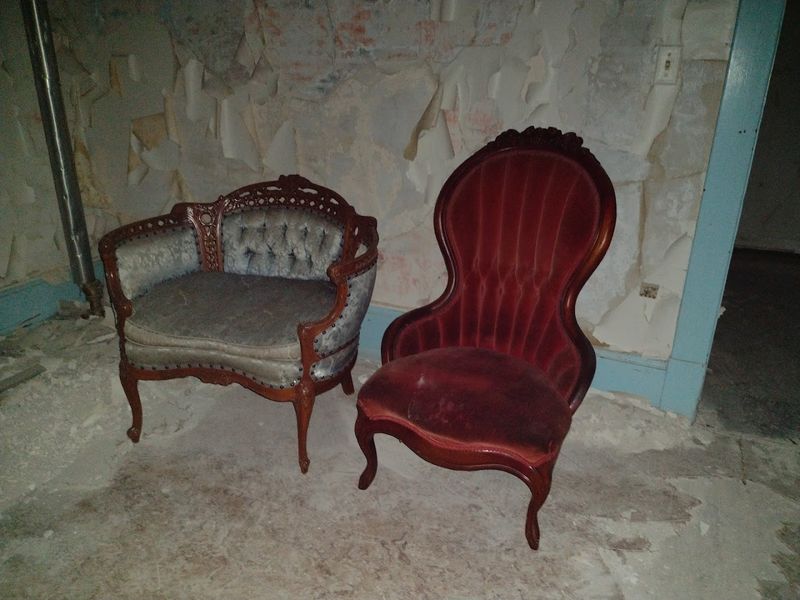
Among the many stories tied to St. Ignatius Hospital, the legend of Sister Frederica stands out as the most enduring. According to local accounts, Sister Frederica was a dedicated nurse who spent her entire life caring for patients at the hospital.
She reportedly refused to leave even as her health declined in her final years, insisting that her place was with the sick and suffering. After her passing, staff members at the time claimed to see a figure in a nun’s habit moving through the wards late at night, adjusting blankets and checking on patients.
These sightings reportedly continued for years after her official records show she had passed. When the hospital finally closed in 1968, some workers said they saw the figure standing at an upstairs window as they drove away for the last time.
Today, paranormal visitors specifically seek out the areas where Sister Frederica was said to work. Many report a calming but unmistakable presence in those rooms, as if someone still feels responsible for the well-being of anyone who enters.
Her story gives St. Ignatius a human dimension that goes far beyond typical haunted house lore.
Paranormal Investigations At St. Ignatius
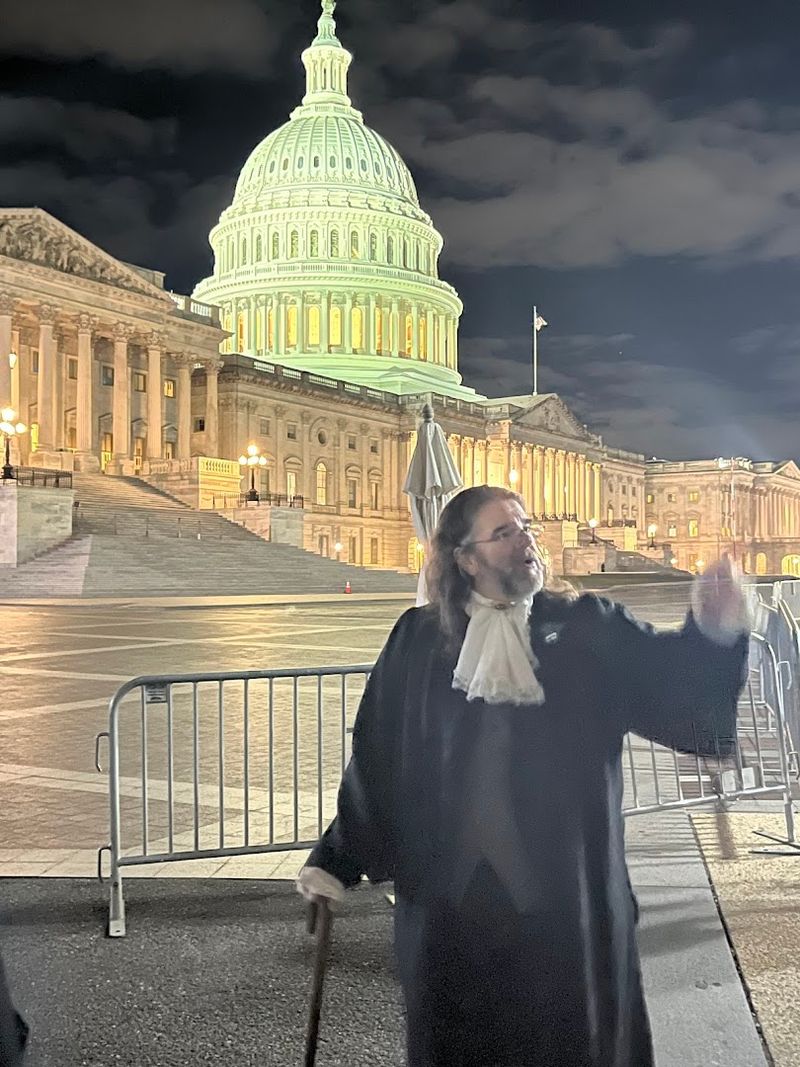
Over the years, St. Ignatius Hospital has attracted serious paranormal research teams from across the Pacific Northwest and beyond.
Several regional ghost hunting groups have spent entire weekends inside the building, setting up cameras, audio recorders, and electromagnetic field detectors throughout the floors to document any unusual activity.
The results from these investigations have been mixed but consistently intriguing.
Some teams report nothing unusual during their stay, while others come away with hours of footage showing unexplained light anomalies, temperature drops of up to 20 degrees in specific rooms, and audio recordings that resist easy explanation.
The basement near the former morgue tends to produce the most dramatic readings on EMF equipment. What sets investigations here apart from many other allegedly haunted locations is the reliability of the building’s documented history.
Investigators are not working from vague rumors but from actual hospital records, patient logs, and firsthand accounts from former staff members. That paper trail lends a layer of credibility to the research that makes St. Ignatius one of the more serious paranormal destinations in Washington State.
The Town Of Colfax
Colfax is the county seat of Whitman County, sitting in the heart of the Palouse, one of the most productive wheat-growing regions in the entire country. With a population of just over 2,700 people, it is the kind of tight-knit small town where everyone knows everyone, and local history is taken seriously.
The hospital was not just a building here; it was a symbol of community resilience for nearly a century. Many current residents have grandparents or great-grandparents who were treated at St. Ignatius, or who worked there during its active years.
That personal connection gives the abandoned building a weight that goes beyond ghost stories. For locals, it represents both pride in their community’s past and a complicated grief over a landmark left to decay.
The town itself is worth exploring if you make the trip.
The Whitman County Courthouse, a stunning example of Romanesque Revival architecture, sits nearby, and the surrounding Palouse landscape is strikingly beautiful in every season.
Colfax rewards slow, curious travelers who appreciate places with genuine stories rather than manufactured tourist appeal.
Visiting Tips And Safety Considerations
Before planning a visit to St. Ignatius Hospital, it is absolutely essential to understand the legal and safety landscape. The building is private property, and unauthorized entry is considered trespassing under Washington State law.
Anyone hoping to explore the interior should contact local authorities or the current property owners in advance to determine whether any legal access options exist.
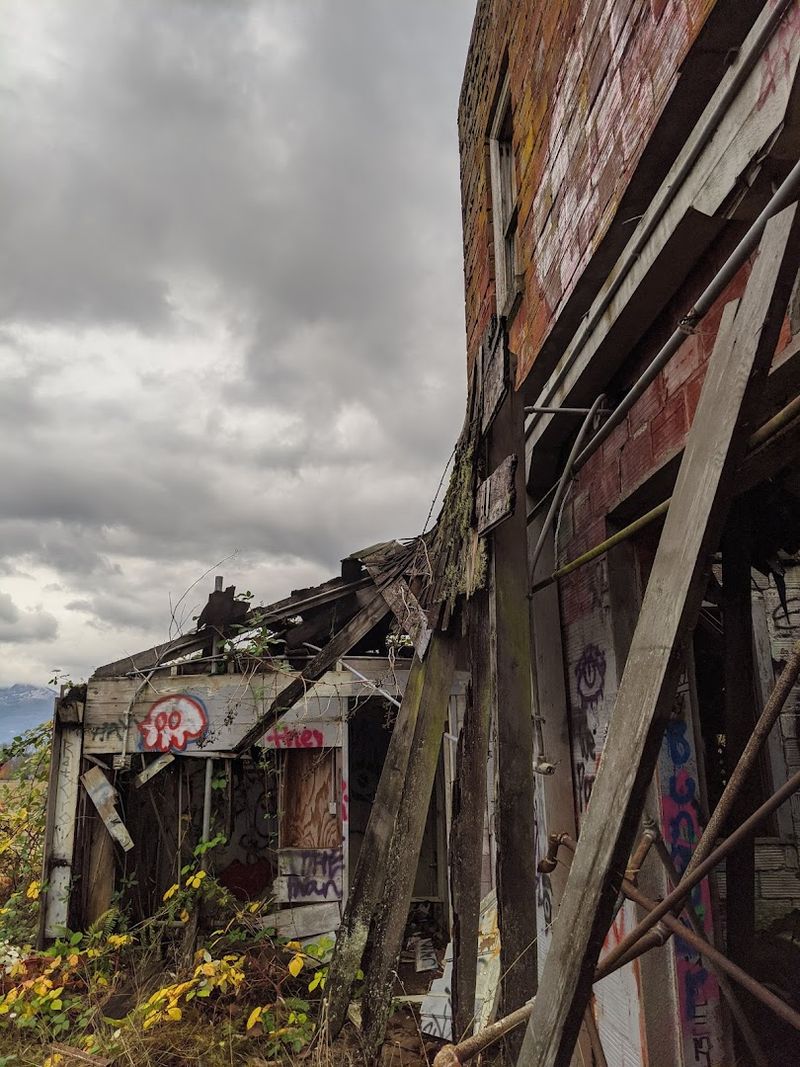
From a structural standpoint, abandoned buildings of this age carry real risks. Floors can be weakened by decades of water damage, ceilings may be unstable, and hazardous materials such as asbestos or lead paint could be present in a building constructed in the early 1900s.
Proper protective equipment and an experienced guide are not optional extras; they are genuine necessities. For those who prefer to experience the atmosphere without going inside, the exterior of the building is visible from the street and offers plenty of photographic opportunity.
The surrounding neighborhood has its own quiet character worth appreciating. Respecting the property and the community that surrounds it ensures that this remarkable piece of Washington history remains accessible for future generations of curious visitors.
Why It Stands Out Among Washington Haunted Locations
Washington State has no shortage of allegedly haunted locations, from the tunnels beneath Seattle to the historic hotels of the Olympic Peninsula. Yet St. Ignatius Hospital manages to hold its own against all of them because its story feels deeply personal rather than commercially packaged.
There are no ticket booths here, no guided ghost tours with theatrical lighting, just a raw and genuinely unsettling building with a century of human history inside its walls.
The combination of documented history, consistent independent witness reports, and the natural emotional weight of a former hospital creates an atmosphere that is difficult to replicate.
Hospitals carry a unique energy even when they are functional; abandoned ones amplify that feeling to an almost overwhelming degree.
Every peeling wall and rusted bed frame here once had a purpose tied to real human lives.
For anyone serious about exploring Washington’s paranormal landscape, St. Ignatius Hospital in Colfax belongs near the top of the list.
It earns its reputation not through legend alone but through the quiet insistence of history, architecture, and the kinds of experiences that visitors carry home long after they have driven away from Colfax.