
This Colorado Lake Trail Has A Waterfall Finish People Never Forget
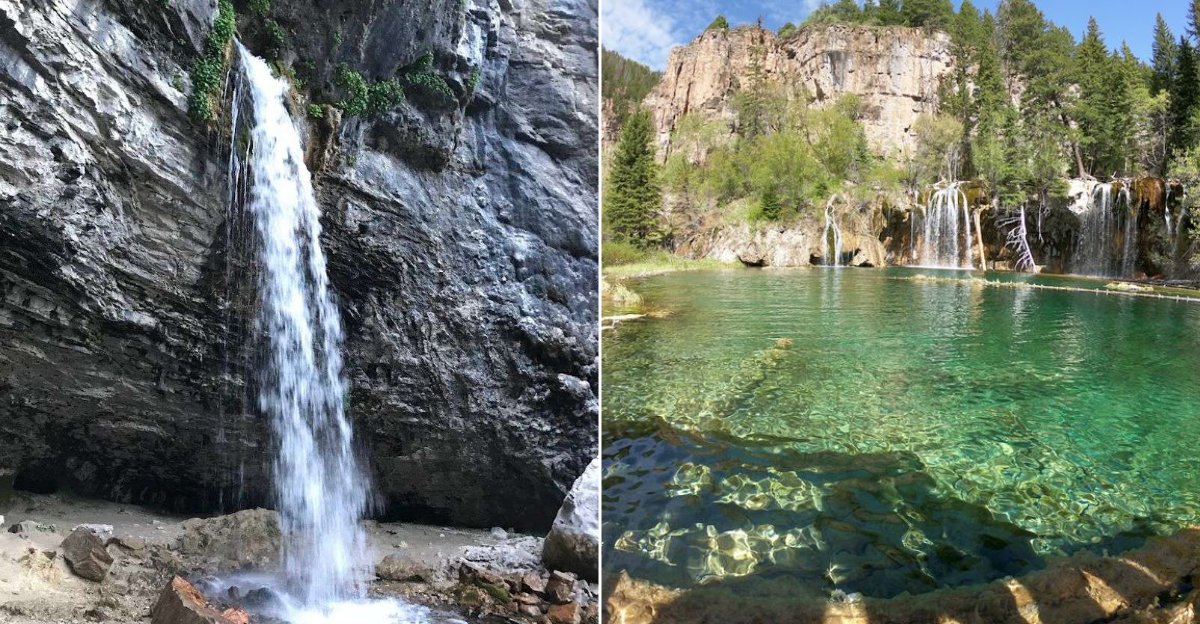
Some hikes do not just lead to a view; they make you earn a story. In Colorado, one canyon trail proves that a short distance can still feel like a full adventure, climbing hard through rushing water, stone steps, wooden bridges, and the kind of scenery that keeps pulling your eyes off the path.
The route is only about 1.2 miles, but with roughly 1,000 feet of gain, every switchback has something to say. Streams tumble beside the trail, rocks shine from years of passing boots, and the sound of waterfalls builds like a promise.
Then the finish arrives: a clear turquoise lake resting on a natural travertine shelf, with water spilling from above in a scene that feels almost unreal. What makes this part of Colorado so memorable is the tradeoff: burning legs on the way up, total silence when you finally see what was waiting.
The Trailhead Setup: What You Need To Know Before You Even Lace Up
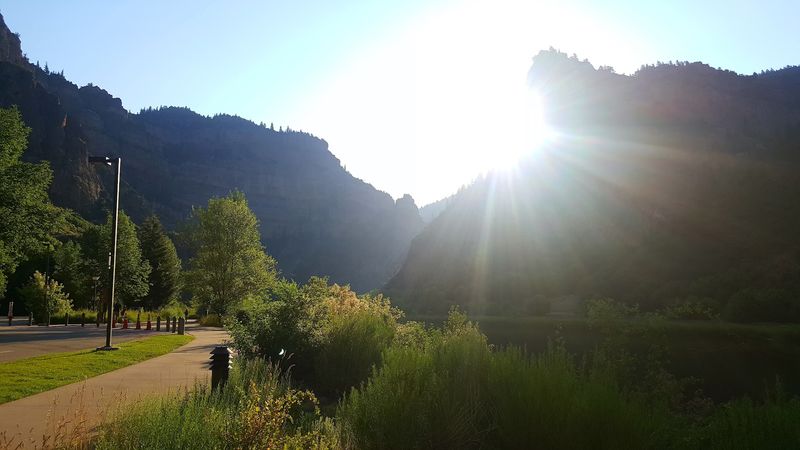
Before your boots hit the first rock, there is a detail worth knowing: the Hanging Lake Trail access requires advance reservations and a per-person fee, currently around twelve dollars. This is not a gatekeeping exercise for its own sake.
The system exists because the parking lot at the CDOT Rest Area off I-70 Exit 125 eastbound fills completely by early morning in summer, and the trail itself is narrow enough that unchecked crowds would turn a gem into a grind.
Reservations can be made online, and the process is straightforward. Logging in early on a Tuesday morning and locking in a slot takes only minutes, and staff at the trailhead are notably welcoming and organized.
Pro Tip: If you are driving eastbound on I-70, the exit is easy to catch. Westbound travelers need to exit, loop back, and re-enter eastbound, so factor that into your timing.
Restrooms are available at the rest area, and the signage for proper footwear and water requirements is clearly posted. Heed it.
The trail rewards preparation and punishes anyone who shows up in sandals with half a water bottle.
The Canyon Entrance: Where Glenwood Canyon Sets The Mood Immediately
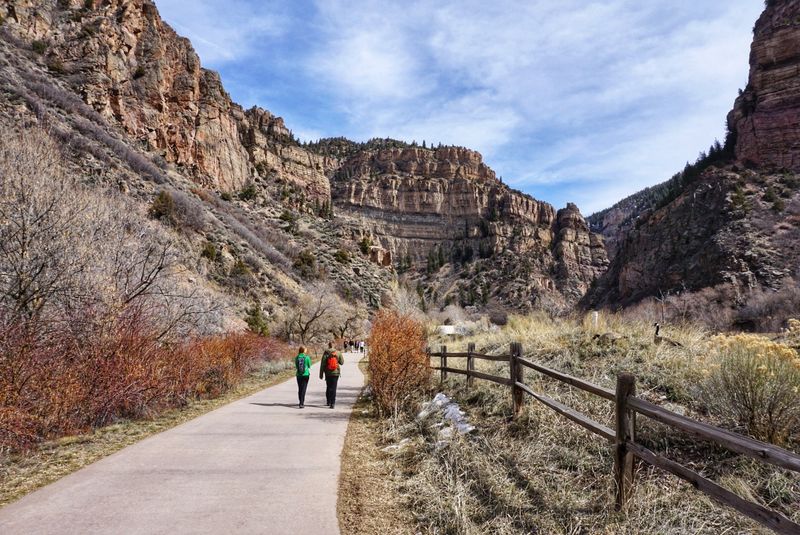
Glenwood Canyon does not ease you in gently. The moment you step away from the parking area, the canyon walls rise around you with a kind of geological confidence that makes your daily commute feel embarrassingly small.
The Colorado River runs alongside the lower path, visible and audible, doing its own thing entirely unbothered by the parade of hikers above it.
The paved trail near the rest area offers a pleasant riverside walk for those who want a twenty-minute stretch without the full commitment of the summit push. It is genuinely lovely on its own terms, lined with cottonwood and willow, and it gives you a preview of the canyon’s character before the rocky trail begins in earnest.
Why It Matters: Many visitors underestimate how much the canyon itself contributes to the experience. The vertical walls, the river noise, and the filtered canyon light make the lower section worth slowing down for rather than rushing through.
Even if someone in your group decides the upper trail is not for them, the canyon floor delivers more than enough scenery to justify the stop.
Seven Bridges And Countless Streams: The Trail’s Middle Miles Have Their Own Payoff
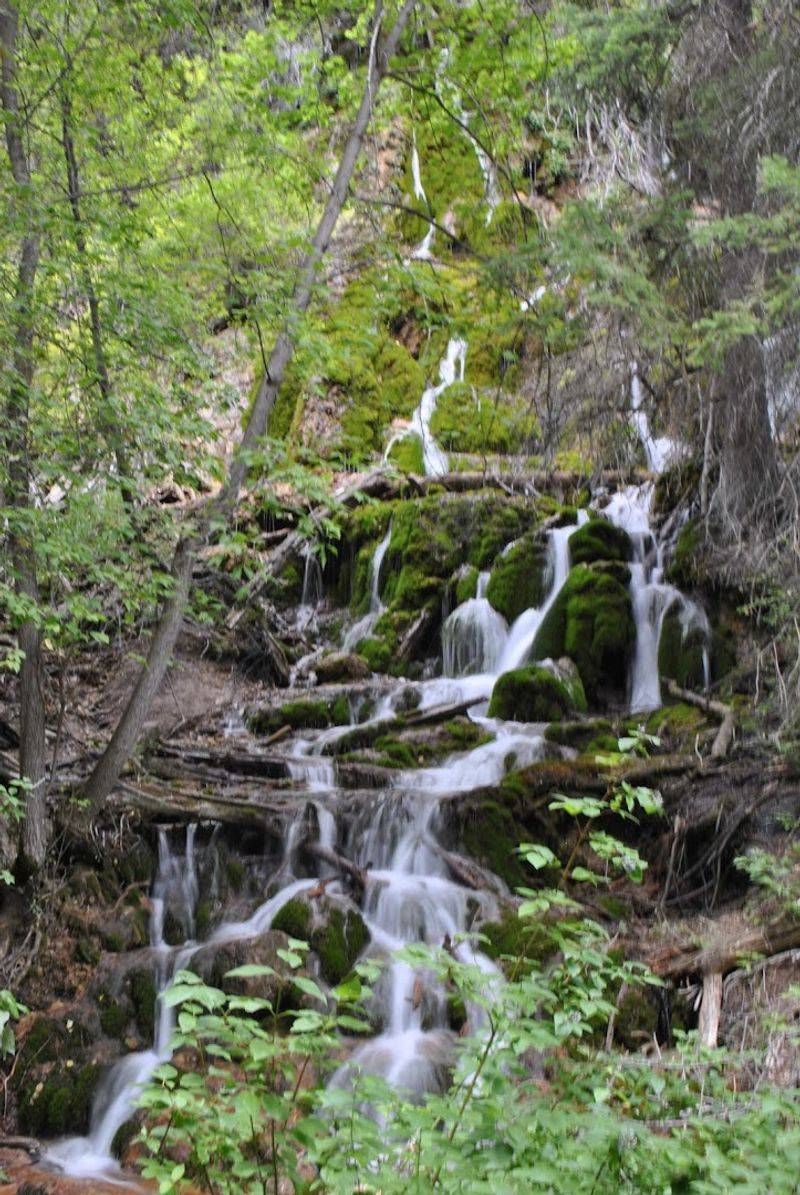
The trail crosses seven bridges on its way to the lake, and each one earns its place. Small waterfalls appear every few yards along the stream corridor, the kind that look like they were placed there by a set designer with excellent taste and an unlimited budget.
The sound alone is worth the entry fee.
Rock steps dominate the path, and they are not decorative. Some are large enough to require a genuine leg lift, which is where the trail earns its reputation as a workout rather than a stroll.
Children and older hikers have completed it, but the middle section demands honest effort and a sensible pace.
Best For: Hikers who enjoy a trail that rewards patience. Rushing this section means missing the cascades, the moss-covered boulders, and the way light filters through the canyon canopy in the late morning.
Bring more water than you think you need. The climb is well shaded for much of the route, but the exertion is real, and the elevation gain of roughly 1,000 feet over 1.2 miles does not care about your optimism.
The Final Climb: That Rock Staircase Is Not Bluffing
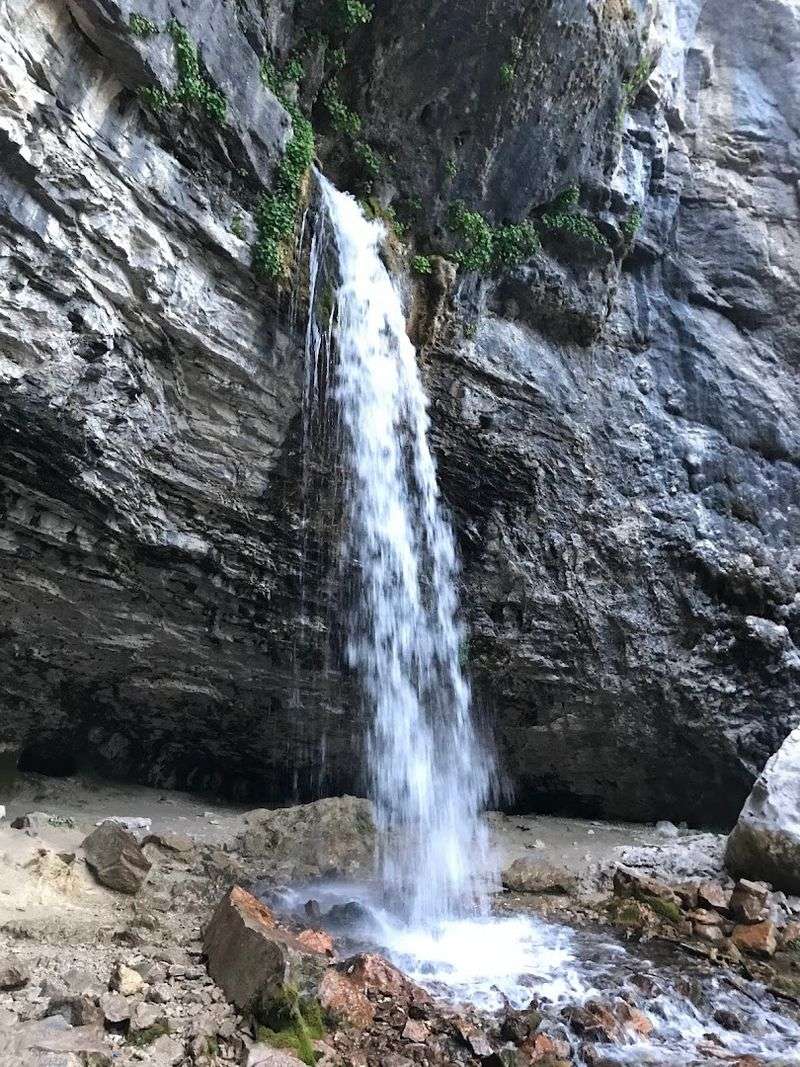
Near the summit, the trail abandons any remaining pretense of being moderate and sends you up a narrow rock staircase carved into the cliff face. A metal handrail runs the length of it, and it is genuinely useful rather than decorative.
If heights make you uneasy, staying close to the wall is the practical move, not the dramatic one.
This section is where the trail earns the word challenging in every description ever written about it. The steps are large, the exposure is real, and the footing demands full attention.
That said, the handrail is solid, the path is clearly defined, and the knowledge that the lake is thirty seconds away provides considerable motivation.
Common Mistakes to Avoid: Do not attempt this section in wet conditions without proper footwear. Trail running shoes or sturdy hiking boots are the right call.
Visitors who arrive in casual sneakers or anything with a smooth sole tend to find the final staircase significantly less enjoyable than those who came prepared. The warning signs at the trailhead are not theater.
They are practical advice from people who have watched the full range of footwear decisions play out in real time.
Hanging Lake Itself: The Turquoise Payoff That Justifies Every Step
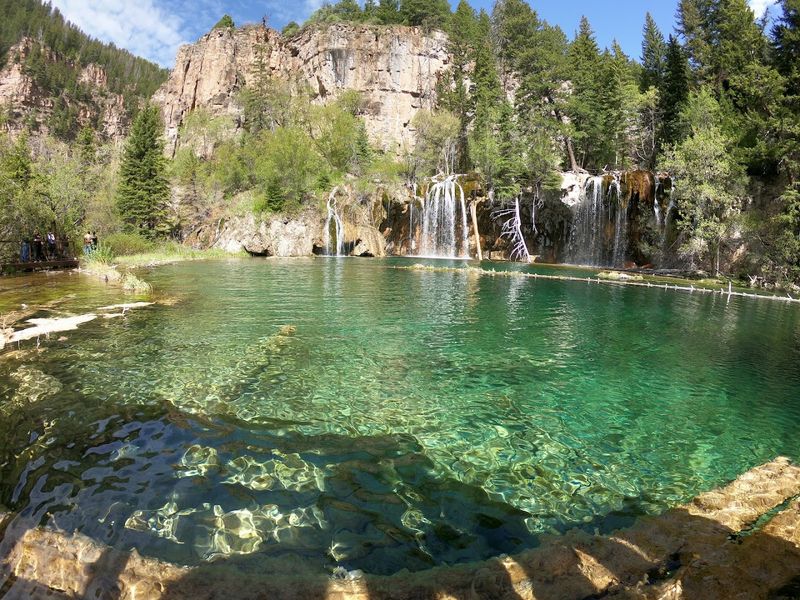
Nothing quite prepares you for the color of the water. Hanging Lake sits on a natural travertine shelf, and the mineral content gives it a turquoise clarity that photographs well but still manages to exceed expectations in person.
The lake is small, surrounded by a boardwalk and a few benches, and the scale of it feels almost private despite the foot traffic getting there.
Waterfalls feed the lake from above, and the largest one can be approached closely enough to feel the mist. Walking behind the main waterfall is possible and widely recommended by everyone who has done it.
The chipmunks near the lake are bold and photogenic and have clearly benefited from years of admiring visitors. Do not feed them regardless of how convincingly they ask.
Quick Verdict: This is the destination that earns every superlative thrown at it. The water clarity, the waterfall access, the boardwalk setup, and the sheer improbability of a lake perched up here in the canyon combine into something that does not feel like a standard Colorado hiking reward.
It feels like a specific, unrepeatable thing. Swimming is prohibited to protect the ecosystem, and the rule is worth respecting.
Planning Your Visit: The Logistics That Make Or Break The Morning
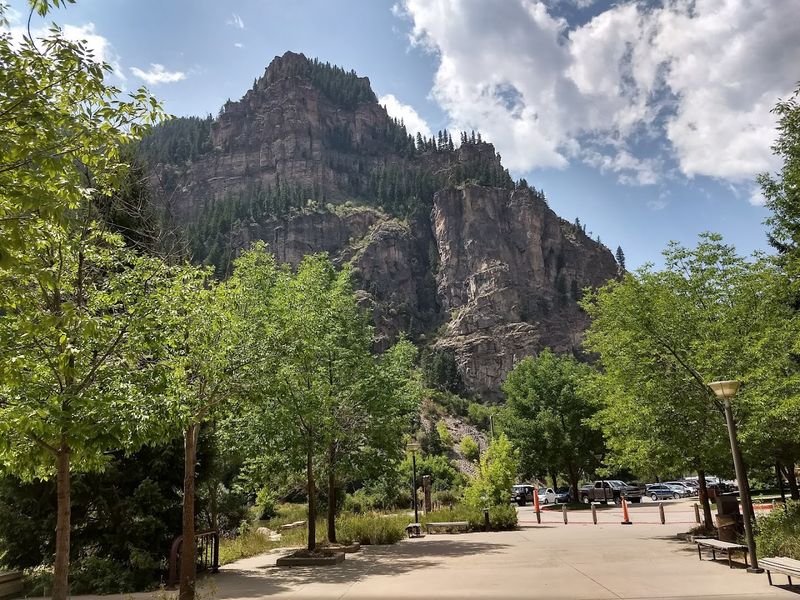
Summer mornings at the Hanging Lake Rest Area operate on a compressed timeline. The parking lot reaches capacity before most people have finished their first coffee, and there is no overflow option.
The reservation system exists precisely because showing up unannounced in July is a reliable way to spend your morning watching other people hike while you sit in a queue.
Booking ahead through the official reservation platform is the only sensible strategy. Slots open on a rolling basis, and mid-week mornings tend to offer more availability than weekends.
The fee structure is transparent, the staff are organized, and the whole operation runs with a smoothness that reflects genuine investment in the visitor experience.
Planning Advice: Pack more layers than the forecast suggests. Glenwood Canyon creates its own microclimate, and conditions at the lake can differ noticeably from the highway below.
Bring snacks, carry real water rather than relying on a single small bottle, and use the restrooms at the rest area before starting up the trail. There are no facilities at the lake.
Dogs are not permitted on the trail, which is worth confirming before you load the car with a Labrador who has been promised an adventure.
The Lasting Impression: Why People Keep Talking About This Hike Long After They Leave
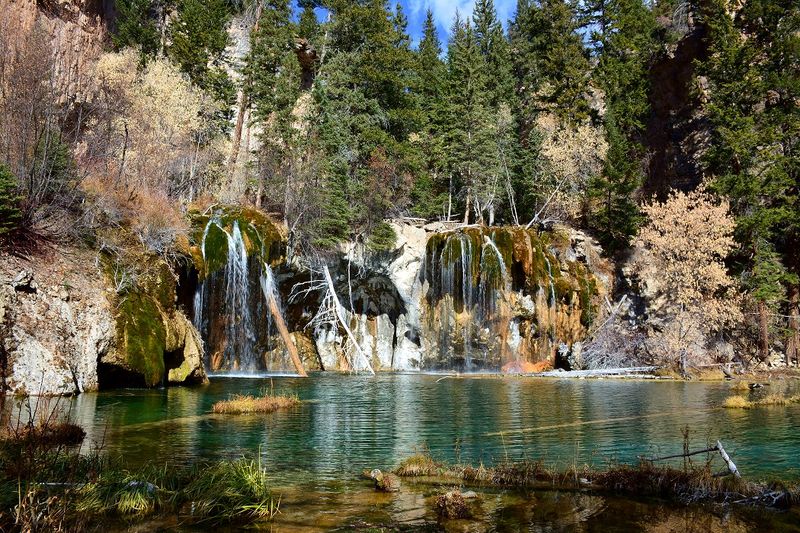
Most hikes deliver scenery. Hanging Lake delivers a specific memory.
The combination of the canyon approach, the stream-lined middle miles, the exposed staircase finale, and then that lake color makes the experience sit differently in the brain than a standard summit view. People describe it in terms usually reserved for places they visited on international trips, which says something meaningful about what Colorado has quietly been holding onto in this canyon.
The trail’s rating hovers around 4.6 stars across a large pool of visitors, which for a hike that genuinely challenges people and requires advance planning is a remarkable score. High satisfaction despite real effort is not a common combination, and it reflects how strongly the payoff lands.
Insider Tip: If your group includes anyone on the fence about whether the climb is worth it, the answer is yes, with the caveat that honest footwear and a full water bottle are non-negotiable entry requirements. The hike back down moves faster than the ascent, and the drive along I-70 through Glenwood Canyon afterward feels like a fitting curtain call for a morning that delivered exactly what it promised, and then a little more.