
15 Breathtaking Sacred Sites To Explore In Arizona
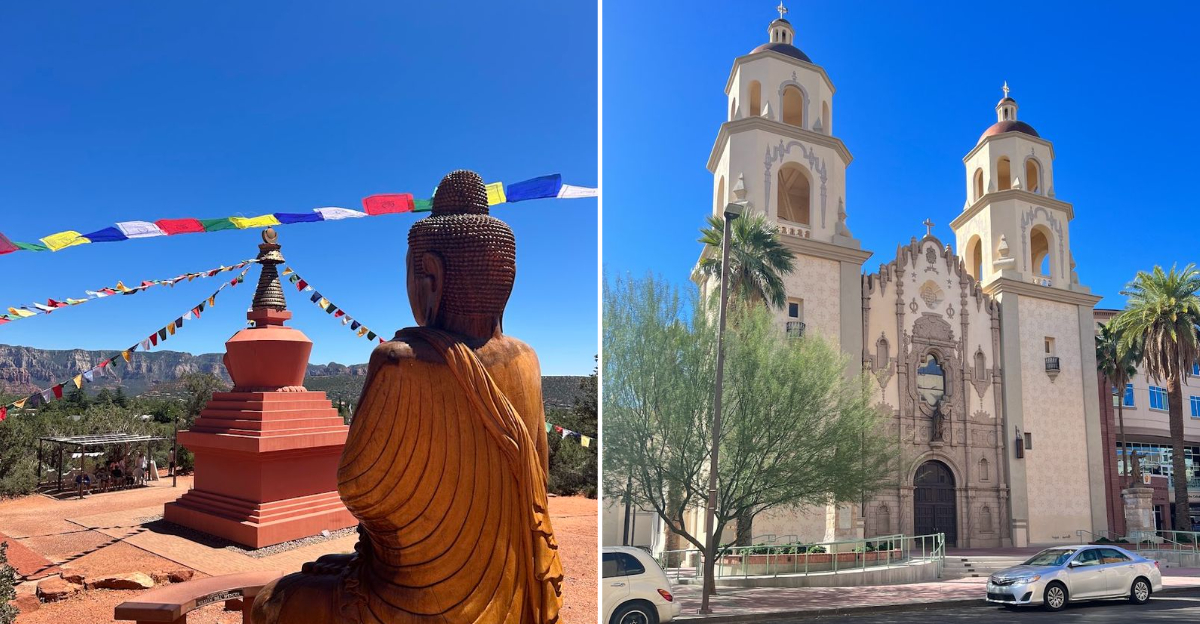
If you told my younger self that I’d spend my weekends hunting for vortexes and ancient petroglyphs, I probably would have laughed while clutching a lukewarm energy drink. Yet, here I am, perpetually dusty and utterly obsessed with the mystical allure of the high desert.
There is something transformative about standing at the edge of a canyon that has been held sacred for millennia.
It’s humbling, quiet, and honestly, a little bit spooky if you stay past dark. I’ve compiled a list of sacred sites in Arizona that moved me, challenged me, and made me realize that beauty is often found in the most prayerful places. Let’s head out into the wilderness and find some peace together.
Some of these sites belong to living Indigenous communities, some are active places of worship, and others invite quiet reflection from anyone who visits.
1. Canyon De Chelly National Monument, Chinle
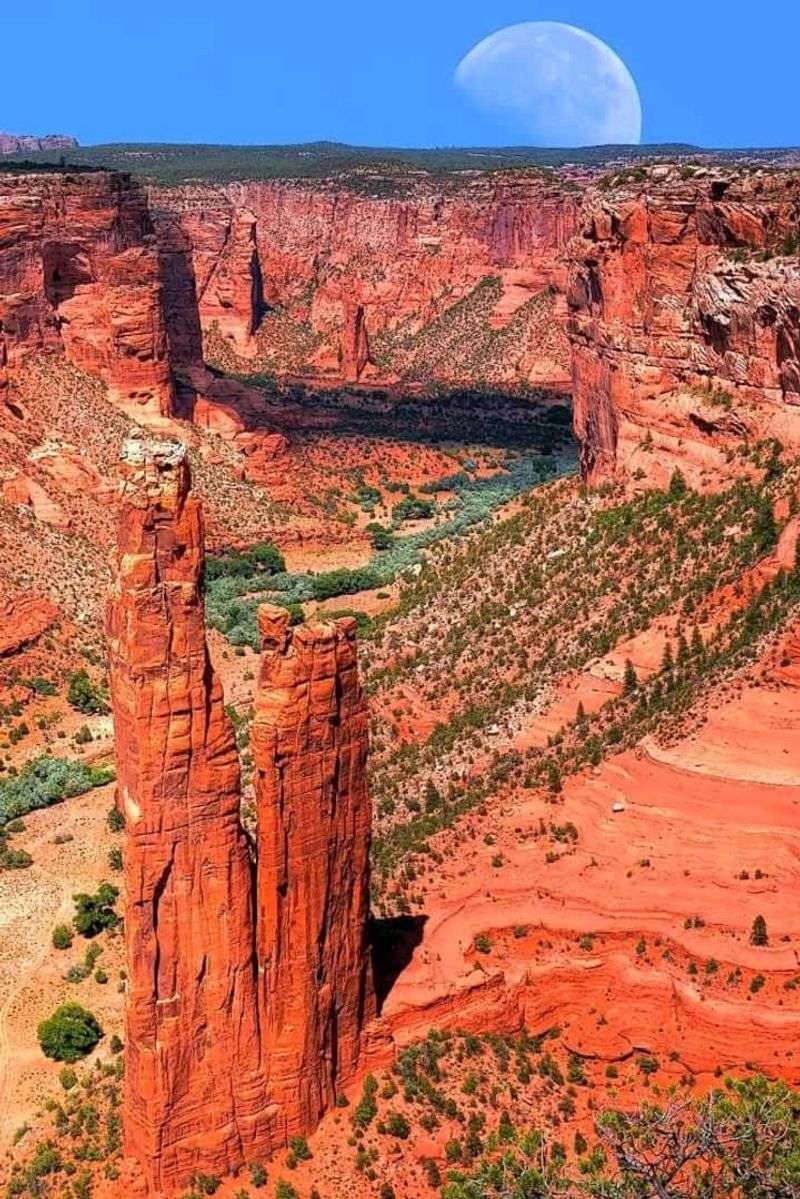
Few places carry the kind of living history that Canyon de Chelly holds. Located in Chinle, Arizona, within the Navajo Nation, this deeply spiritual landscape has been continuously inhabited for thousands of years, making it one of the longest-occupied places in North America.
The canyon walls rise dramatically, and the silence inside feels almost ceremonial.
The White House Trail and rim overlooks are open to independent visitors, offering stunning views without requiring a guide. However, most canyon-floor exploration requires you to hire a Navajo guide, which is honestly one of the best decisions you can make.
Your guide will share stories and cultural context that no sign or pamphlet could ever capture. Visiting with respect and curiosity makes this experience far more meaningful. Plan for a full day, bring water, and let the canyon speak for itself.
2. Monument Valley Navajo Tribal Park, Oljato-Monument Valley
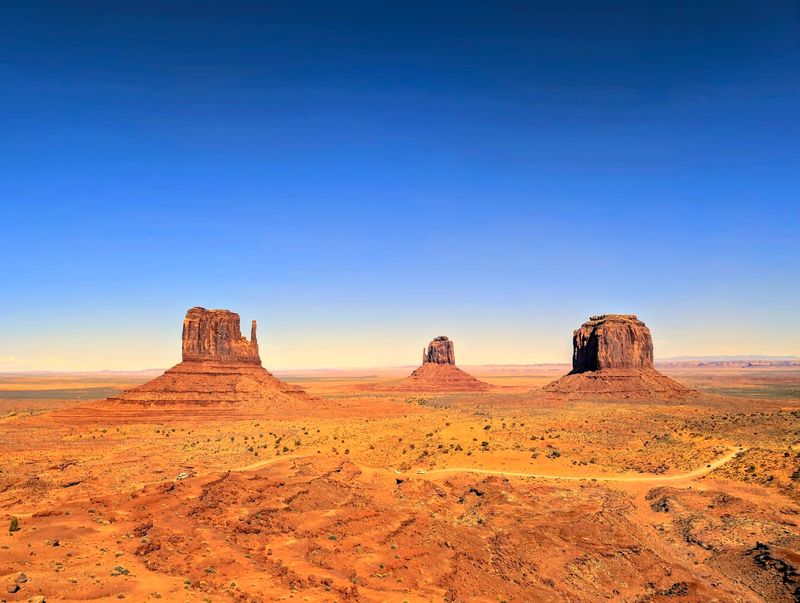
Standing at the edge of Monument Valley feels like stepping into a painting that has been slowly forming for 270 million years. Located near Oljato-Monument Valley on the Arizona-Utah border within the Navajo Nation, this landscape is far more than a famous backdrop for movies.
For the Navajo people, these towering sandstone formations are sacred land with deep spiritual significance. The 17-mile scenic drive is open on a seasonal schedule and takes you through the heart of the valley at your own pace.
Guided tours are the only way to access areas beyond the public loop, and those tours often reach quieter, more intimate corners of the park that most visitors never see.
Sunrise and sunset are the most magical times to visit, when the red rock glows like something lit from within. Book a guided tour in advance, especially during peak season.
3. Mission San Xavier Del Bac, Tucson
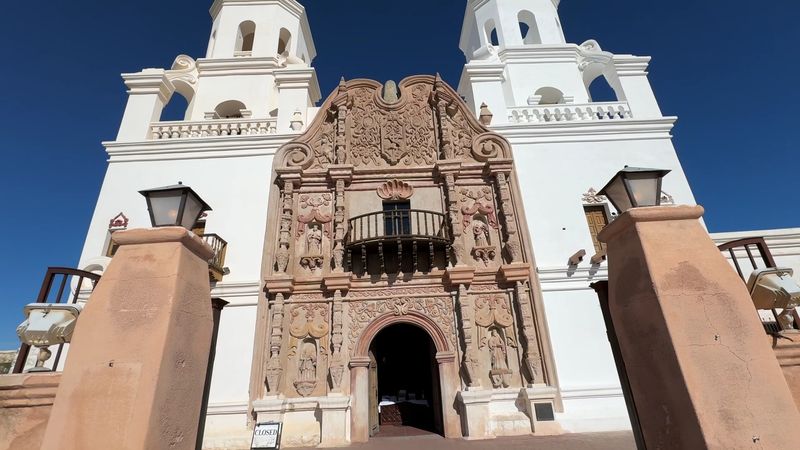
Nicknamed the White Dove of the Desert, Mission San Xavier Del Bac has been watching over the Sonoran Desert south of Tucson since the late 1700s.
Its brilliant white facade and intricately carved towers are genuinely stunning against the desert sky, and stepping inside reveals a sanctuary filled with richly painted walls, gilded altars, and centuries of devotion.
This is not a museum frozen in time. The mission remains an active Roman Catholic church serving the Wa:k community on the Tohono O’odham Nation, and daily masses are held regularly.
Visitors are welcome to explore respectfully, and the on-site museum offers helpful background on the mission’s complex history connecting Spanish, Mexican, and O’odham cultures.
The surrounding grounds include a small hill with a replica shrine worth climbing for a broader view. Arrive early on weekdays to experience the space at its most peaceful.
4. Chapel Of The Holy Cross, Sedona
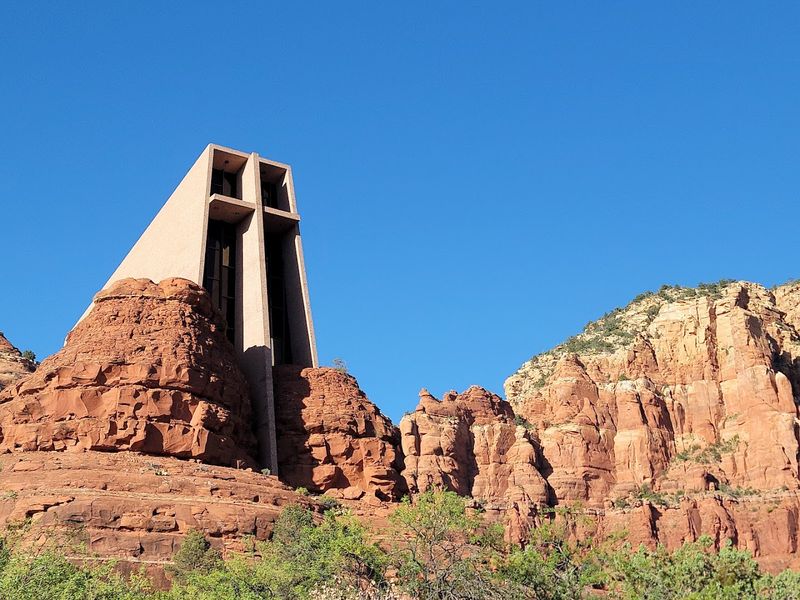
Architect Marguerite Brunswig Staude dreamed of building a chapel inspired by the Empire State Building, and what she eventually created in Sedona is something even more remarkable.
The Chapel of the Holy Cross rises directly out of the red rock buttes south of Sedona, its concrete walls and towering cross merging architecture with the natural landscape in a way that genuinely stops you in your tracks.
Built in 1956 and still an active Catholic chapel, it serves both the local community and the steady stream of visitors who come from all over the world. The interior is simple and quiet, which somehow makes the floor-to-ceiling window framing those iconic red rocks feel even more powerful.
The chapel is open seven days a week, and admission is free. Parking fills quickly on weekends, so arriving before 9 a.m. gives you a much calmer experience overall.
5. Navajo National Monument, Shonto
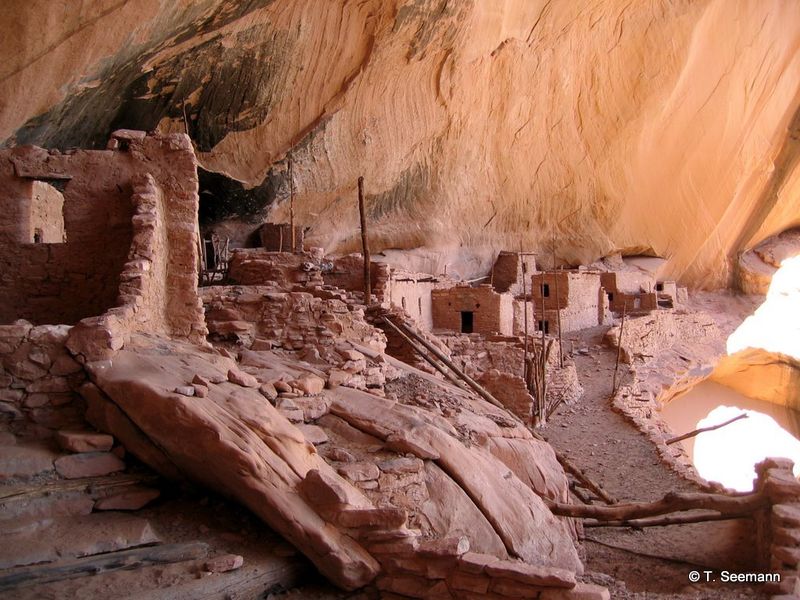
In a remote section of the Navajo Nation near Shonto, Arizona, Navajo National Monument protects three of the best-preserved Ancestral Puebloan cliff dwellings in the Southwest: Betatakin, Keet Seel, and Inscription House.
These sites are not just archaeological treasures. They retain deep spiritual meaning for the Hopi, Navajo, and other descendant communities who trace their ancestry directly to the people who built them.
Betatakin is accessible via a ranger-led hike that winds down into a breathtaking canyon alcove, while Keet Seel requires a longer backcountry permit trip that serious hikers find incredibly rewarding. Inscription House is currently closed to public visitation out of respect for descendant communities.
The park is open year-round, and the visitor center provides excellent cultural context before you head out on the trails. Permits for Keet Seel fill up fast, so plan well ahead of your visit.
6. Montezuma Well, Rimrock
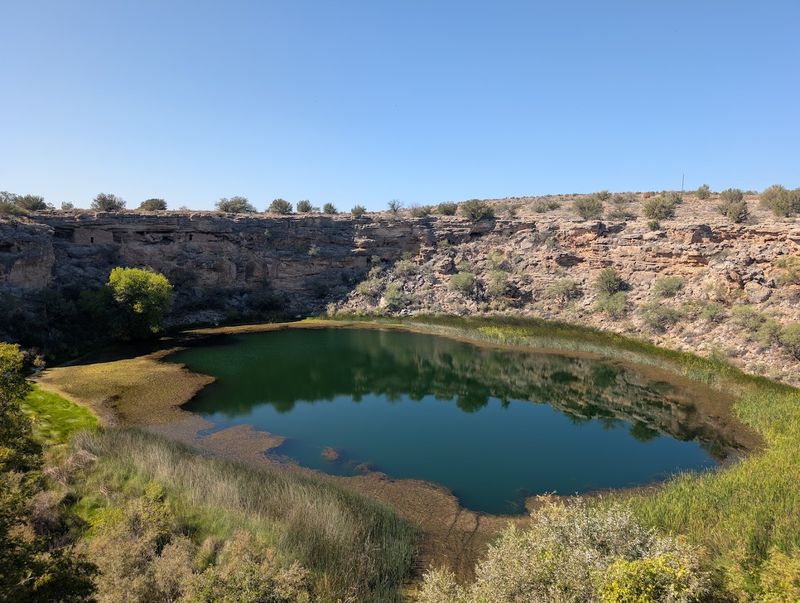
Despite the name, Montezuma had nothing to do with this place. Spanish explorers incorrectly linked it to the Aztec emperor, but this natural limestone sinkhole near Rimrock, Arizona, has a story that goes back far longer and belongs entirely to the Indigenous peoples of the Southwest.
For the Yavapai, Hohokam, and Sinagua communities, this spring-fed pool is a place of deep sacred significance.
The well discharges around 1.5 million gallons of water daily, and that water powered an ancient irrigation system whose channels are still visible along the trail. Cliff dwellings line the interior rim, and the whole loop trail takes about 45 minutes to complete at a relaxed pace.
Montezuma Well sits a short drive from Montezuma Castle National Monument, so combining both sites into one day trip makes excellent sense. Shaded areas are limited, so pack sun protection and plenty of water.
7. Amitabha Stupa And Peace Park, Sedona
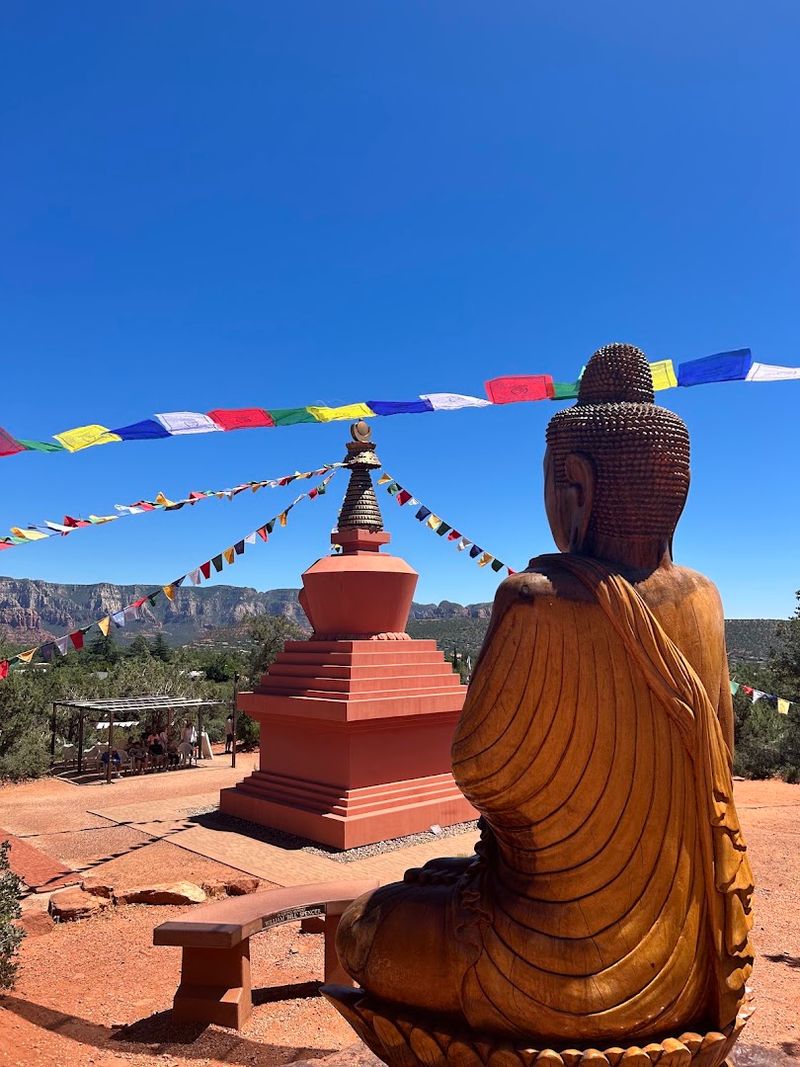
Colorful prayer flags flutter in the desert breeze, and a gleaming white stupa rises against the backdrop of Sedona’s famous red rocks.
The Amitabha Stupa and Peace Park sits on 14 acres in Sedona, Arizona, and was established by Tibetan Buddhist teachers as a place of healing, peace, and prayer for people of every background and belief.
The stupa itself was consecrated in 2004 and contains thousands of sacred objects and prayers sealed within its walls. Walking the grounds feels genuinely calming, and many visitors describe the experience as one of the most peaceful moments of their entire Sedona trip.
Smaller shrines and sacred objects are scattered throughout the park, inviting slow, thoughtful exploration.
The park is open daily during daylight hours at no charge, and dogs on leashes are welcome. This spot rewards those who slow down and actually take their time walking through it.
8. Mission San Jose De Tumacacori, Tumacacori
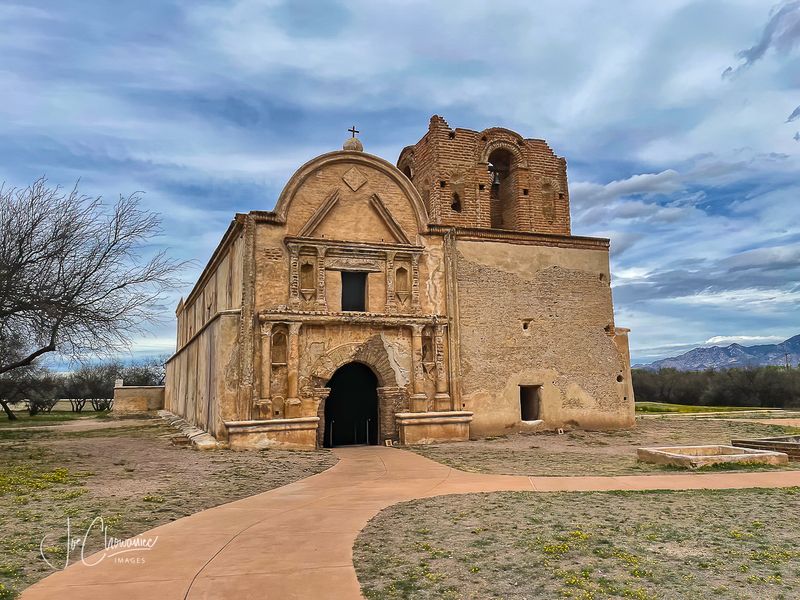
The thick adobe walls of Mission San Jose de Tumacacori have been standing in southern Arizona since the early 1800s, though the story of this place stretches back to the late 1600s when Father Eusebio Kino first established a mission among the O’odham people near Tumacacori.
What you see today is a beautifully preserved ruin that reflects centuries of O’odham, Spanish, and Mexican history layered on top of one another.
Tumacacori National Historical Park is open daily, and the visitor center does a wonderful job of presenting all three cultural perspectives honestly and thoughtfully. The church interior is partially roofed, and the plastered walls still show traces of the original painted decorations.
A traditional O’odham garden grows on the grounds, adding a living element to the experience.
A seasonal fiesta held each December brings music, traditional foods, and crafts to the grounds. The drive down from Tucson along the Santa Cruz River valley is lovely in its own right.
9. St. Anthony’s Greek Orthodox Monastery, Florence
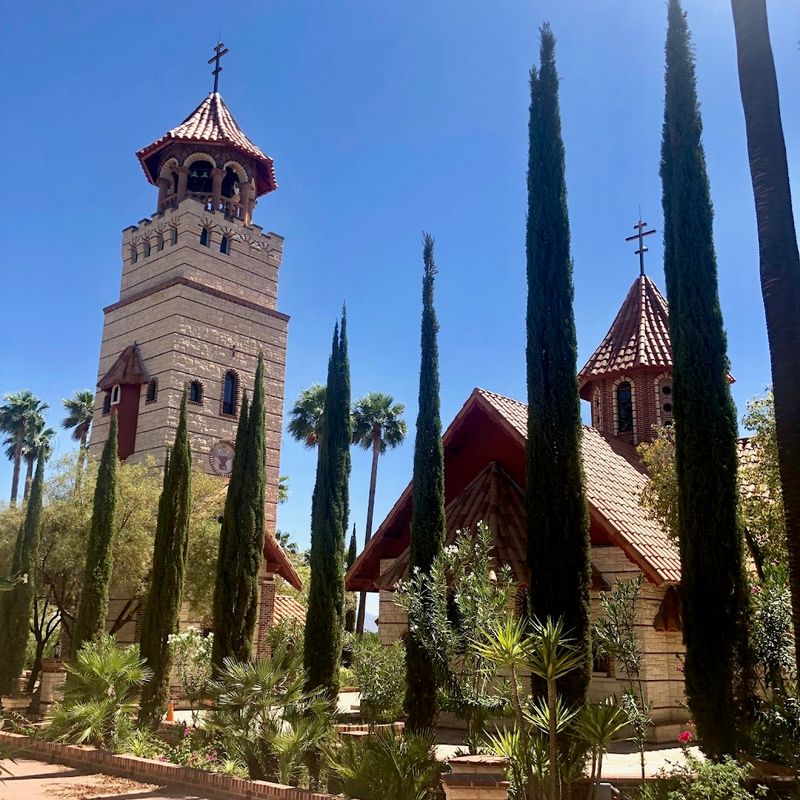
Somewhere between the desert scrub and the Sonoran sky south of Florence, Arizona, you will find one of the most unexpectedly lush and ornate places in the entire state.
St. Anthony’s Greek Orthodox Monastery opened in 1995 and has grown into a remarkable complex of churches, chapels, fountains, courtyards, and carefully tended desert gardens that stretch across hundreds of acres.
The Byzantine architecture feels almost dreamlike against the stark surrounding desert, and the sense of peace inside the grounds is immediate and genuine.
Day visitors are welcomed every day during designated afternoon hours, and the monks ask that guests dress modestly, with shoulders and knees covered. Women are asked to wear skirts rather than pants in certain areas of the complex.
Photography rules vary by location within the monastery, so pay attention to posted signs. This is a functioning monastic community, and respectful, quiet behavior makes the visit meaningful for everyone involved.
10. Window Rock And Navajo Veterans Memorial Park, Window Rock
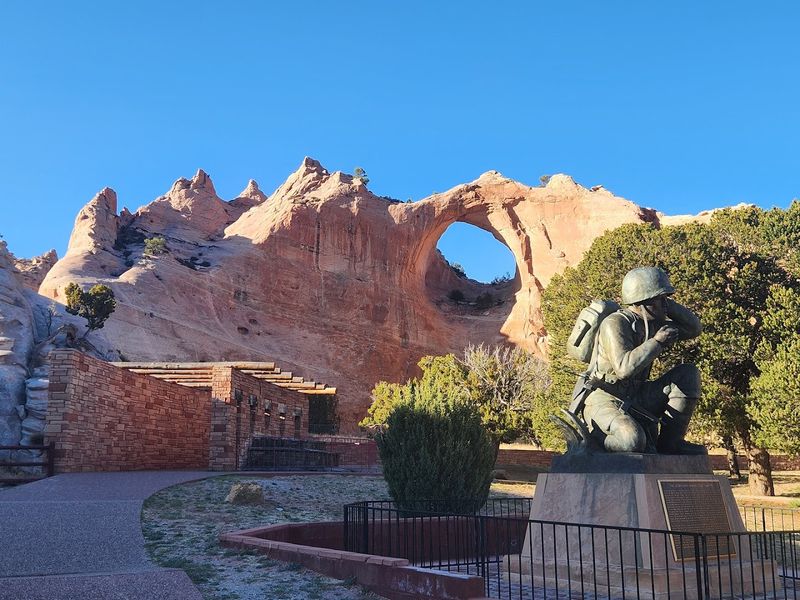
Window Rock is one of those places where natural wonder and cultural significance meet in a way that feels completely inseparable.
The natural sandstone arch, which gives this small Arizona town its name, has been sacred to the Navajo people for generations and sits at the heart of the Navajo Nation’s capital, also called Window Rock.
Beside the formation, the Navajo Veterans Memorial Park honors the men and women of the Navajo Nation who have served in the United States military, including the celebrated Navajo Code Talkers of World War II.
The circular memorial design and the plaza walkway carry symbolic meaning rooted in Navajo tradition and ceremony.
Navajo Nation Parks and Recreation manages the memorial park, and visiting is free. The nearby Navajo Nation Museum and Zoo are worth adding to your itinerary if you have extra time in the area.
11. El Tiradito Wishing Shrine, Tucson
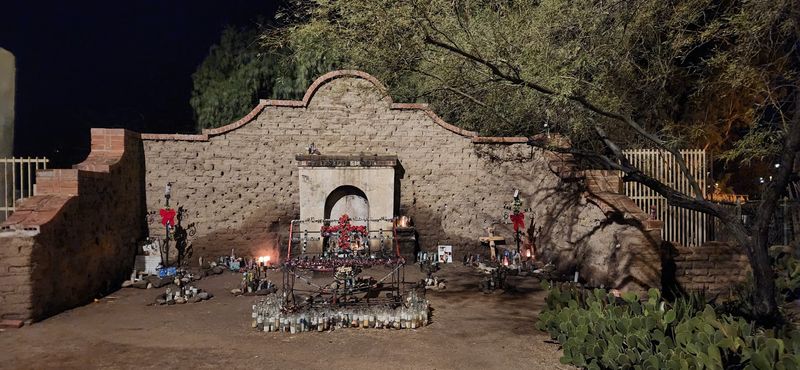
In the adobe streets of Tucson’s Barrio Viejo neighborhood, El Tiradito is unlike any other sacred site on this list.
It is the only shrine in the United States listed on the National Register of Historic Places that is dedicated to a sinner rather than a saint, and locals have been lighting candles and leaving prayers here for well over a century.
The legend behind the shrine involves a young man who met a tragic end and was buried where he fell, on unconsecrated ground. Over time, the community transformed that spot into a place of remembrance, hope, and petition.
Candles flicker day and night, and handwritten notes and small offerings cover the walls and ground.
El Tiradito is free to visit and open at all hours, making it easy to stop by during a walk through the Barrio Viejo historic district. Bring a candle if you have a wish to make.
12. Our Lady Of Solitude Monastery, Tonopah
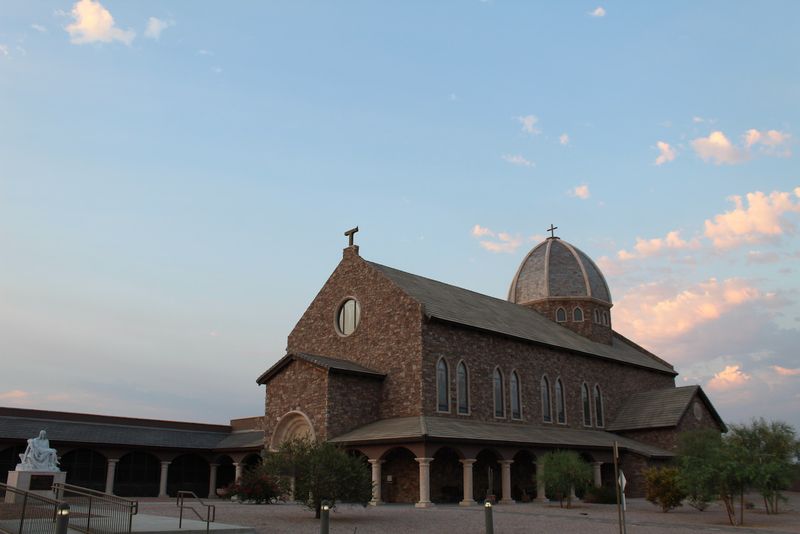
About 35 miles west of Phoenix near the small community of Tonopah, Arizona, a community of Poor Clare nuns maintains one of the most quietly powerful places in the entire state.
Our Lady of Solitude Monastery was established in 1967, and the sisters here have dedicated their lives to contemplative prayer in the middle of the open Sonoran Desert.
The setting is strikingly austere: flat desert, wide sky, and very little else. That simplicity is the whole point.
Visitors may attend scheduled prayer services and enter the chapel during its designated public hours, and the experience of sitting in that small, silent space tends to leave a lasting impression regardless of your personal faith background.
This is not a tourist attraction, and the monastery asks visitors to honor the community’s contemplative spirit. Coming with a genuine spirit of quiet and respect makes this one of the most unexpectedly moving stops you can make in Arizona.
13. Self-Realization Fellowship Phoenix Temple, Phoenix
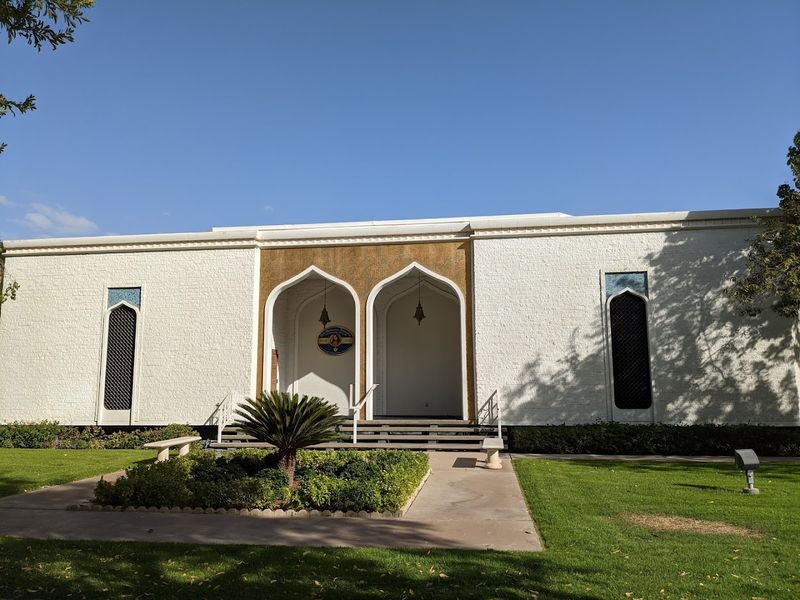
Right in the middle of one of the fastest-growing cities in America, the Self-Realization Fellowship Phoenix Temple offers something genuinely rare: real stillness.
Founded on the teachings of Paramahansa Yogananda, whose book Autobiography of a Yogi introduced millions of Western readers to Indian spiritual philosophy, the Phoenix temple serves as both a place of worship and a community meditation center.
The grounds include meditation gardens that are beautifully maintained and surprisingly lush given the surrounding desert climate. Tall palms, flowering shrubs, and quiet pathways create an atmosphere that makes the city outside feel very far away.
Weekly meditation and worship services are open to the public, and the temple grounds are currently open Tuesday through Sunday.
No prior experience with meditation or yoga philosophy is needed to visit. The temple welcomes curious newcomers warmly, and the garden alone is worth making the trip for, especially in the cooler months.
14. St. Augustine Cathedral, Tucson
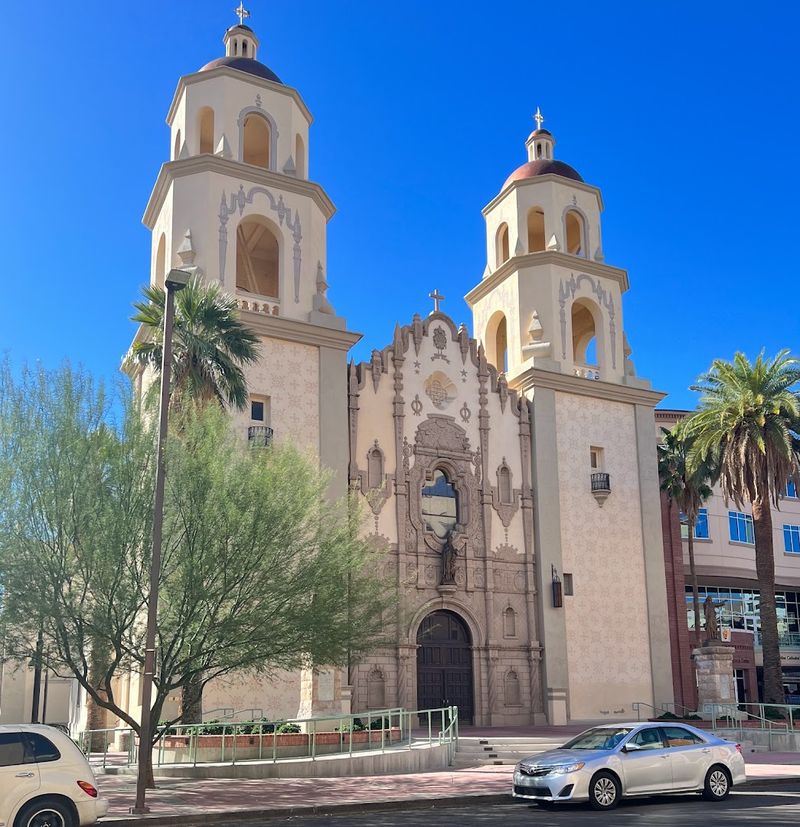
Downtown Tucson has no shortage of interesting architecture, but St. Augustine Cathedral has been commanding attention on Stone Avenue since its current facade was completed in 1936.
The sandstone exterior is carved with elaborate details including a figure of St. Francis of Assisi surrounded by native desert animals, a nod to the cathedral’s deep roots in both Spanish colonial and Sonoran Desert culture.
Step inside and the richly decorated interior lives up to the exterior’s promise. Stained glass windows, a dramatic altar, and a sense of soaring vertical space make this one of the most visually impressive active religious buildings in southern Arizona.
The cathedral serves as the mother church of the Roman Catholic Diocese of Tucson and holds regular weekday and weekend services.
Visitors are welcome outside of scheduled services, and the cathedral is free to enter. Combining a visit here with a walk through Tucson’s El Presidio historic district turns a quick stop into a genuinely satisfying half-day outing.
15. Cathedral Rock, Sedona
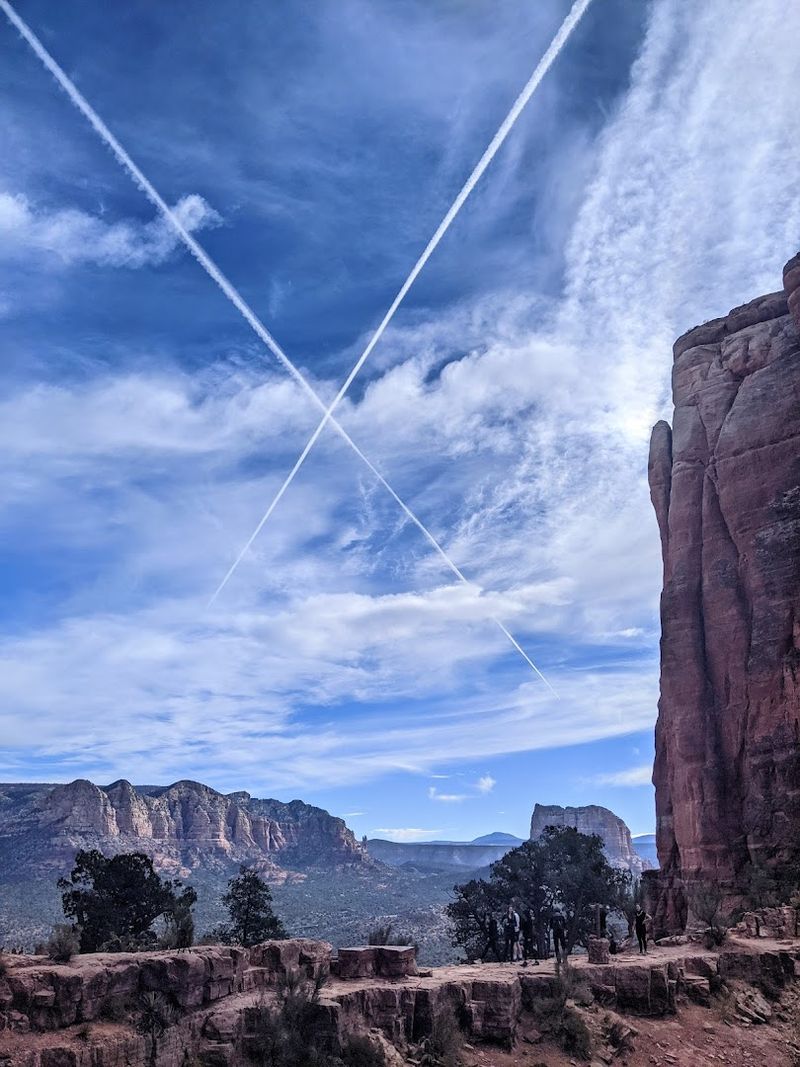
Cathedral Rock may be the most photographed formation in all of Sedona, but standing at its base, you quickly understand why people keep coming back.
The soaring red sandstone spires south of Sedona, Arizona, rise to about 4,967 feet and have been regarded within Sedona’s modern spiritual community as one of the area’s most powerful energy vortex sites, drawing meditators, hikers, and seekers from around the world.
The Cathedral Rock Trail is a short but steep scramble that rewards you with panoramic views of the surrounding red rock landscape.
The crossing at Oak Creek near the trailhead creates one of the most iconic reflection photos in Arizona, especially during golden hour. The site is managed by the Coconino National Forest and requires a Red Rock Pass for parking.
Wildfire-related restrictions have been active in the Sedona area in recent seasons, so always check current U.S. Forest Service closure notices before heading out. Conditions can change quickly in summer.