
This Free Pennsylvania Museum Showcases A Rembrandt, Tiffany Windows, And A Frank Lloyd Wright Room
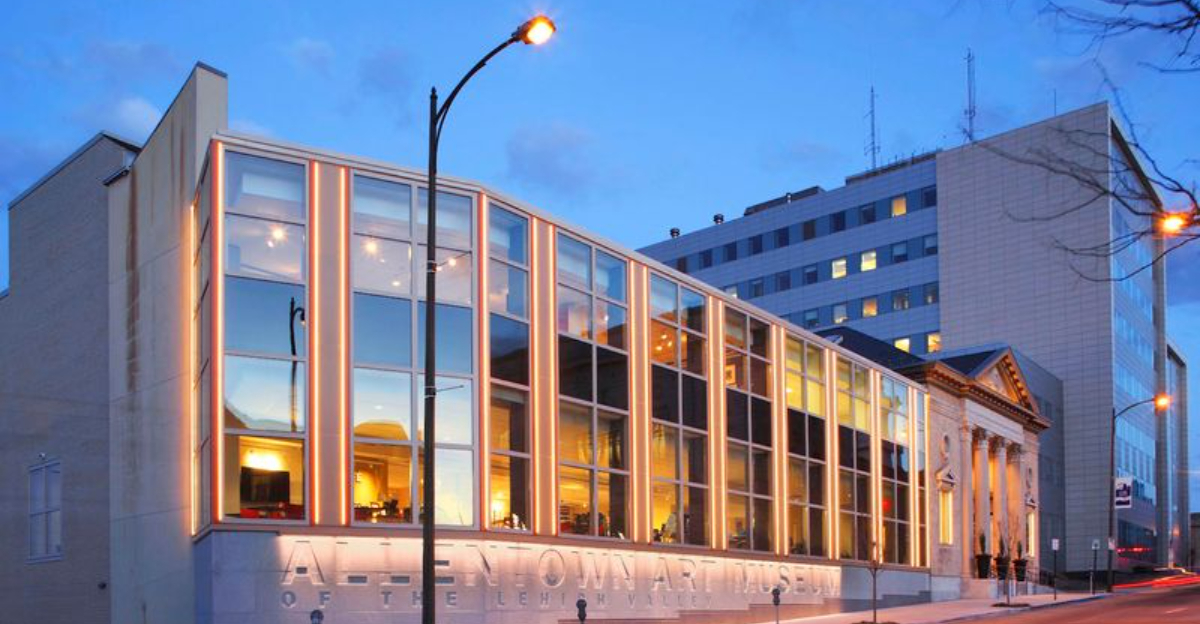
Free museum days already feel like a win, but this Pennsylvania stop takes that idea and quietly raises the stakes.
Inside, visitors can find famous artwork, glowing glass, striking design, and the kind of cultural surprises that make a casual visit feel much bigger than expected.
It proves you do not need a pricey ticket or a major-city itinerary to see something remarkable.
A quick afternoon plan can turn into a mini art escape, with every room offering a new reason to slow down and look closer.
That is the fun of a museum like this: it feels approachable, but still delivers the “wait, that’s here?” moment people love.
I would probably walk in thinking I only needed an hour, then lose track of time somewhere between the glass, the paintings, and the room I did not expect to find.
Free Admission That Actually Means Free
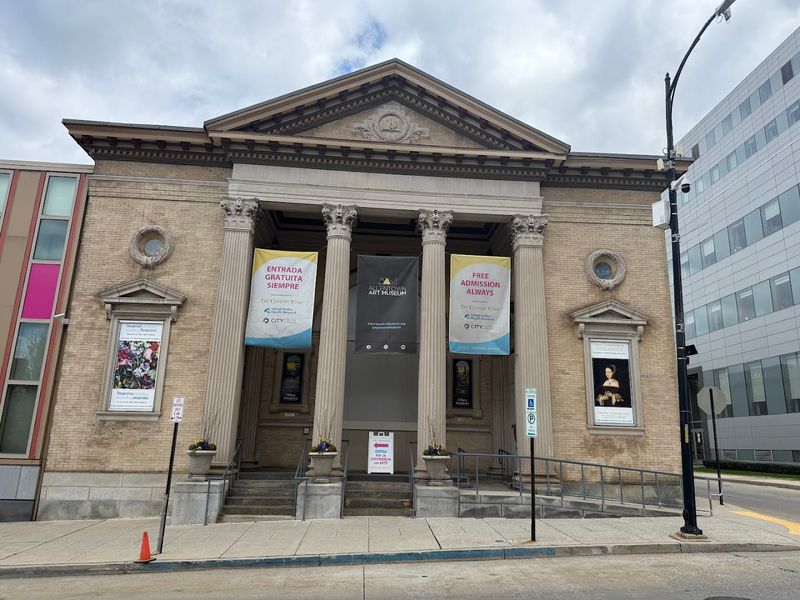
Some museums advertise free entry and then surprise you with a long list of fees once you are inside. At the Allentown Art Museum, free really does mean free.
The museum offers free admission to everyone, supported by a legacy gift and community partners that help keep the doors open without charging visitors at entry.
Nobody is going to stop you at the door if your wallet is thin that day. This approach reflects a genuine commitment to making art accessible to every resident and visitor in the Lehigh Valley region of Pennsylvania.
Families, students, solo wanderers, and curious retirees all walk through the same door without spending a cent on admission.
It is a refreshingly honest policy in a world full of fine print, and it means that a spontaneous Saturday afternoon visit costs nothing more than the gas to get there.
A Real Rembrandt Hangs On These Walls
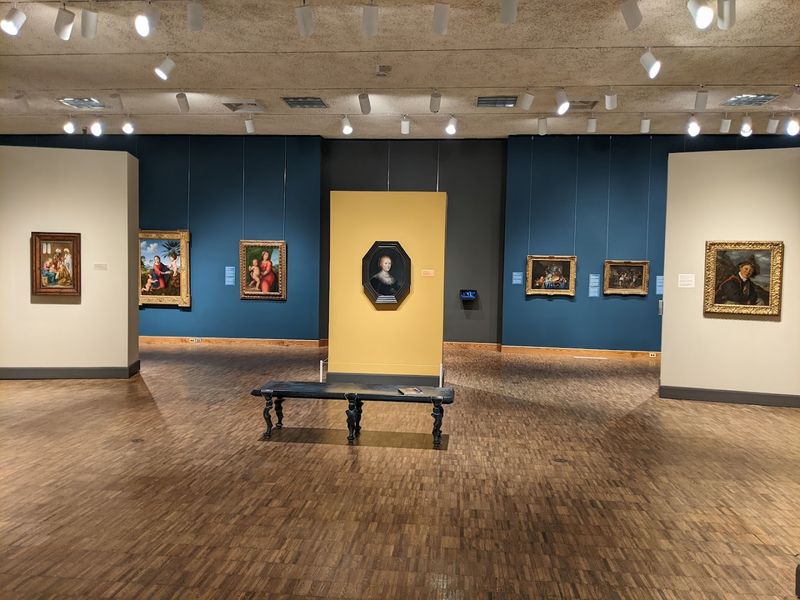
Not every mid-sized American city can claim to have a genuine Rembrandt van Rijn hanging in its local museum, but Allentown, Pennsylvania, can.
The Allentown Art Museum holds a work attributed to the Dutch master, and standing in front of it carries a quiet weight that is hard to describe.
Rembrandt painted in the 1600s, and the fact that his work survived centuries to end up in a free Pennsylvania museum feels almost surreal.
The painting draws art lovers who make the trip specifically to see it, and it tends to stop casual visitors mid-stride when they realize what they are looking at.
Great art has a way of shrinking the distance between centuries, and this particular piece does exactly that, pulling you into a world of shadow and light that Rembrandt made entirely his own.
Tiffany Stained-Glass Windows Worth Every Second
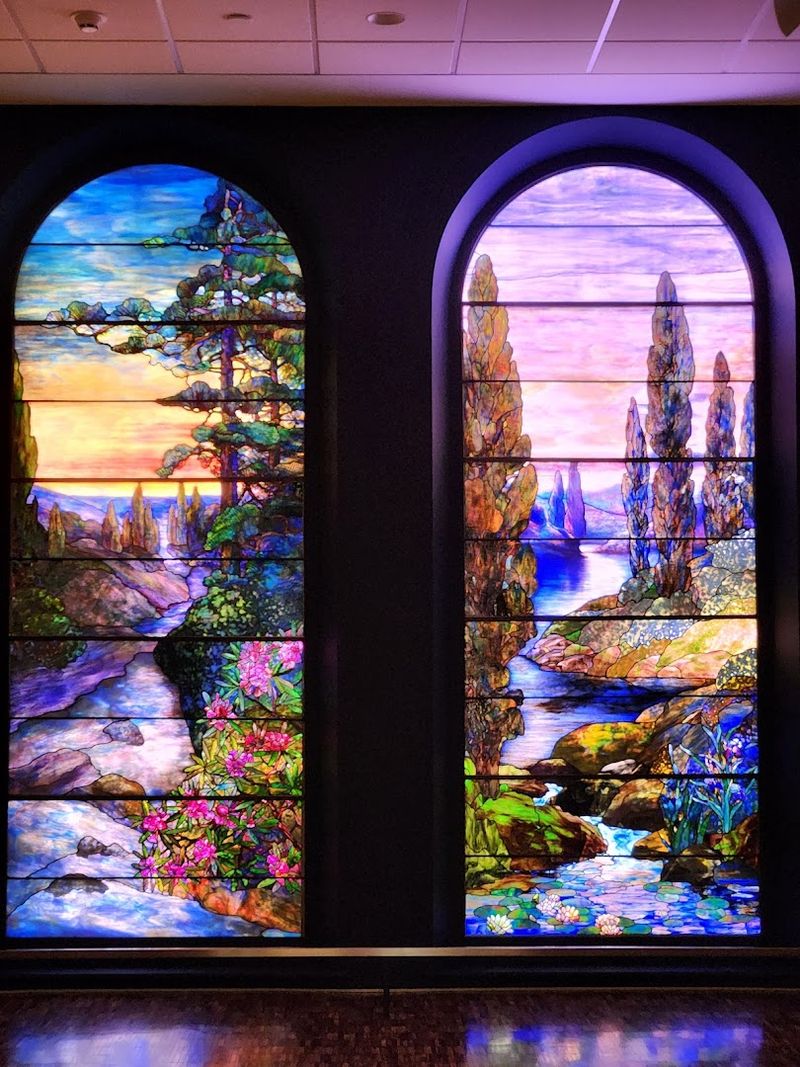
Tiffany Studios created some of the most recognized decorative art in American history, and the Allentown Art Museum houses two remarkable landscape memorial windows tied to that legacy.
The colors in those panels seem almost electric, shifting as the light changes throughout the day.
Visitors often linger far longer than they planned because the windows have a hypnotic quality that photographs simply cannot capture.
Tiffany glass has been celebrated for well over a century, and seeing it in person rather than in a book is a completely different experience.
The craftsmanship involved in each piece is staggering when you study the way individual glass segments are cut and joined.
Pennsylvania has many cultural treasures spread across the state, and these windows rank among the most visually spectacular.
They are the kind of thing you describe to friends and immediately wish you had better words for.
The Frank Lloyd Wright Room Is A Step Inside History
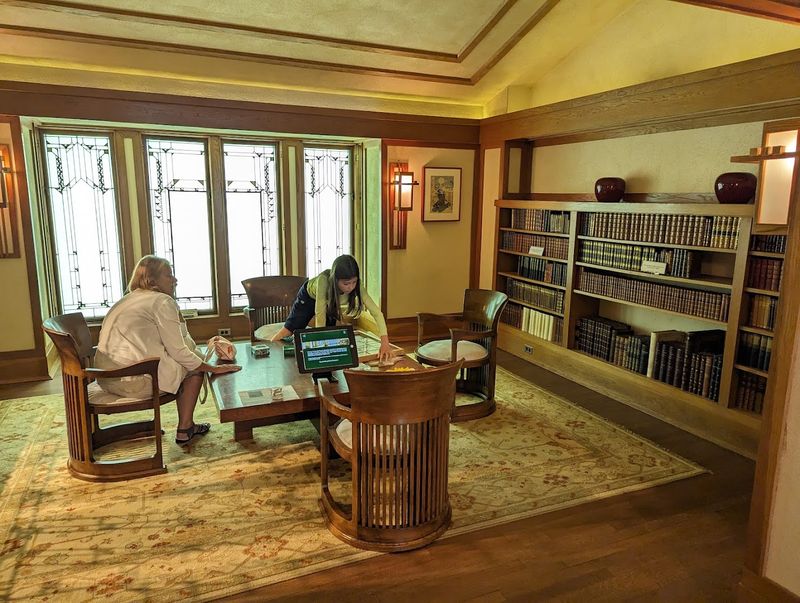
Frank Lloyd Wright is one of the most celebrated architects in American history, and the Allentown Art Museum contains something truly rare: a library designed by him.
The museum preserves the Library from the Francis W. Little House, originally designed between 1912 and 1915 and later relocated to preserve it for future generations.
Walking into it feels like stepping through a portal into Wright’s Prairie Style philosophy, where horizontal lines, natural materials, and geometric harmony replace anything fussy or overly ornate.
Architecture enthusiasts travel specifically to Pennsylvania to see this installation, and it is easy to understand why once you are standing inside it.
The proportions feel deliberate and calm, like the room itself is exhaling.
Very few museums anywhere in the world can say they contain a Wright interior you can enter and explore, which makes this feature alone worth the drive to Allentown.
Three Floors Packed With Diverse Collections
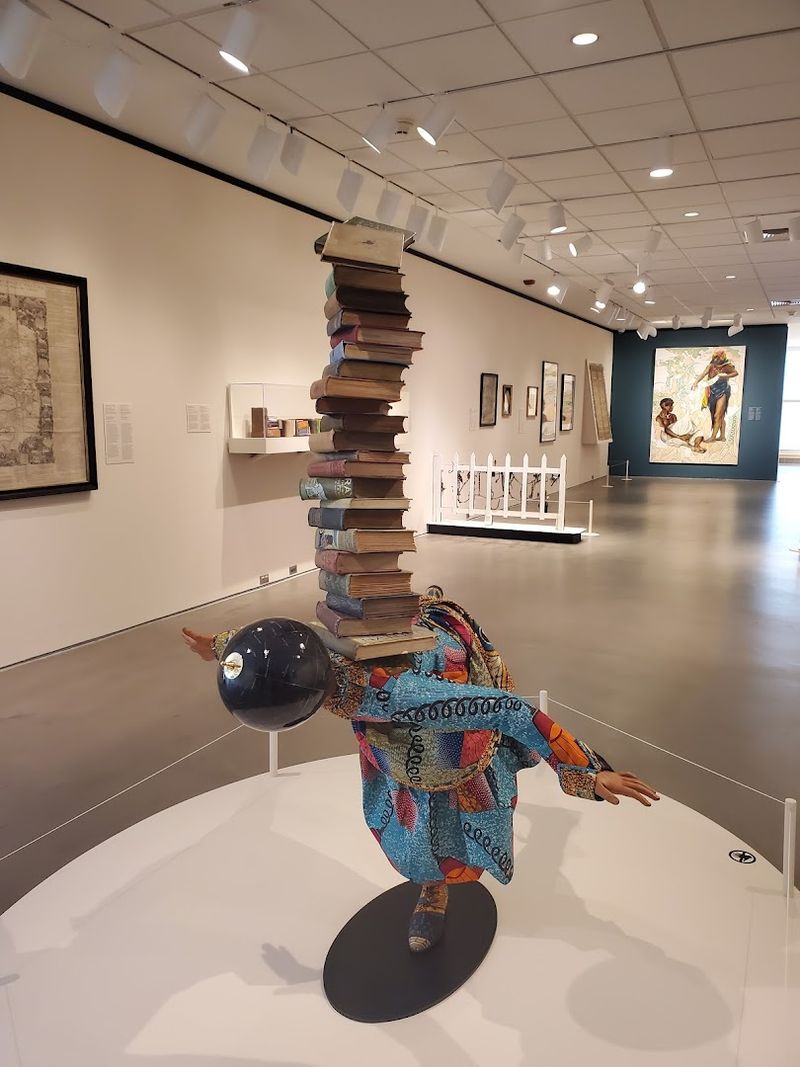
Three floors of art sounds like a lot, but the layout of the Allentown Art Museum makes the whole experience feel organized rather than overwhelming.
The first floor holds the bulk of the permanent collection, including European and American paintings that span several centuries.
Head upstairs and the mood shifts toward contemporary works, with pieces that challenge your assumptions and reward patient looking.
The lower level features works by local and regional artists, some of which are available for purchase, giving the space an approachable, community-connected atmosphere.
Every floor has its own personality, which keeps the visit feeling fresh rather than repetitive.
Pennsylvania has a rich tradition of supporting regional artists, and the museum honors that tradition by making sure local voices share space with internationally recognized names.
You can cover all three floors in about an hour, though most people find themselves slowing down well before the end.
Keith Haring Art Brings Bold Energy To The Collection
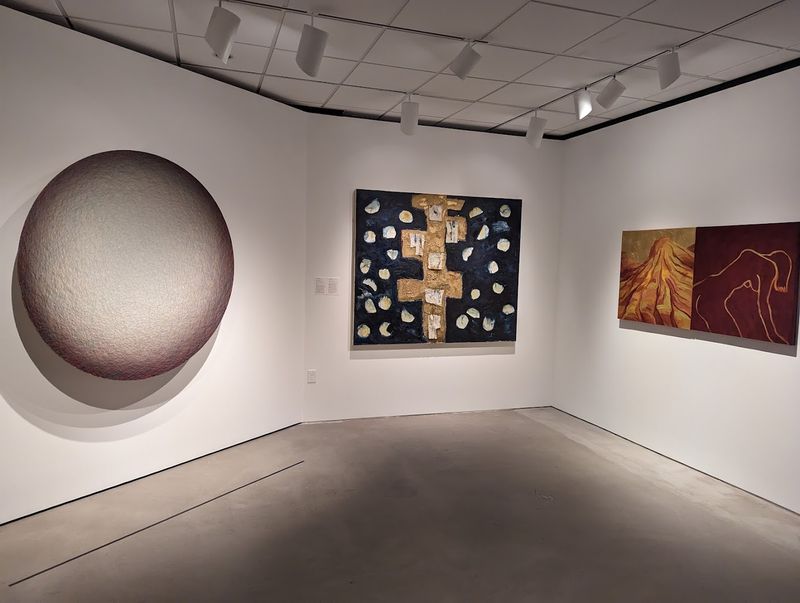
Keith Haring turned subway walls and city streets into canvases, and his graphic, high-energy style became one of the defining visual languages of the 1980s.
The Allentown Art Museum includes a Haring piece in its collection, and it lands with the same immediate visual impact that made his work famous decades ago.
Thick black outlines, vibrant colors, and figures that seem to be in constant motion create a conversation across the room with everything around them.
Haring believed art should be accessible to everyone, a philosophy that fits perfectly inside a museum that charges no admission.
Seeing his work in a Pennsylvania institution that shares that same open-door attitude feels like a genuine match.
Younger visitors often gravitate toward the Haring piece instinctively, drawn in by the energy before they even know the artist’s name, which is exactly what Haring would have wanted.
A Museum Store And Lounge Round Out The Visit
A visit to a museum is always better when you have somewhere to sit down and think about what you just saw, and the Allentown Art Museum offers exactly that with its Museum Lounge.
The lounge gives visitors a relaxed place to pause between galleries without needing to rush through the building.
It has an easygoing atmosphere that encourages you to linger rather than treat the visit like a checklist.
Nearby, the Museum Store stocks items inspired by the museum’s changing exhibitions and collection, including books, gifts, artful objects, and small souvenirs that make for meaningful keepsakes rather than generic tourist trinkets.
Pennsylvania museums of this size do not always invest in visitor amenities, so having both a lounge and a shop in one building adds a layer of comfort that elevates the whole afternoon.
Weekend Hours Make Planning Simple
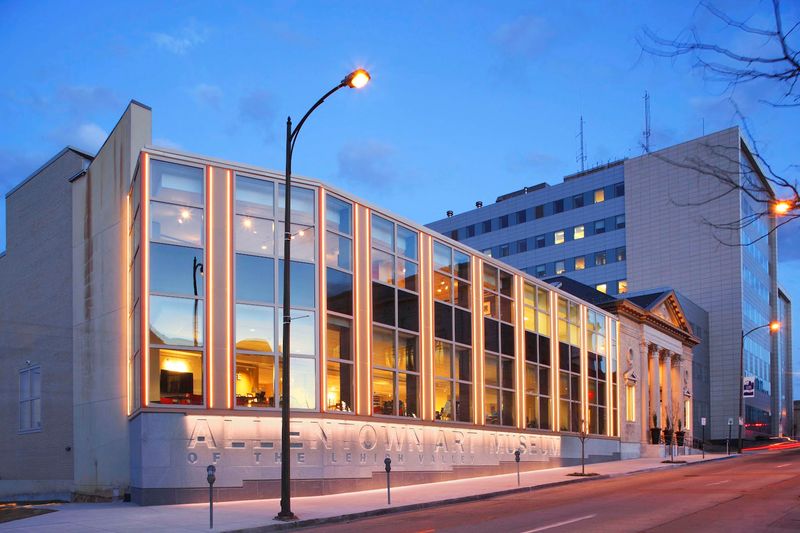
The Allentown Art Museum is open Thursday through Sunday, from 11 AM to 4 PM, which makes it a natural fit for a weekend outing without requiring complicated advance planning.
The museum is closed Monday through Wednesday, so checking the schedule before heading out is a smart move.
Arriving around opening time on a Saturday gives you the quietest experience, with plenty of room to move through galleries at your own pace.
Located at 31 North Fifth Street in Allentown, Pennsylvania, the museum sits in the heart of downtown, making it easy to combine with lunch or a short walk through the city.
Parking options are available nearby, and the building itself is straightforward to find.
Family-Friendly Programming Keeps Kids Engaged
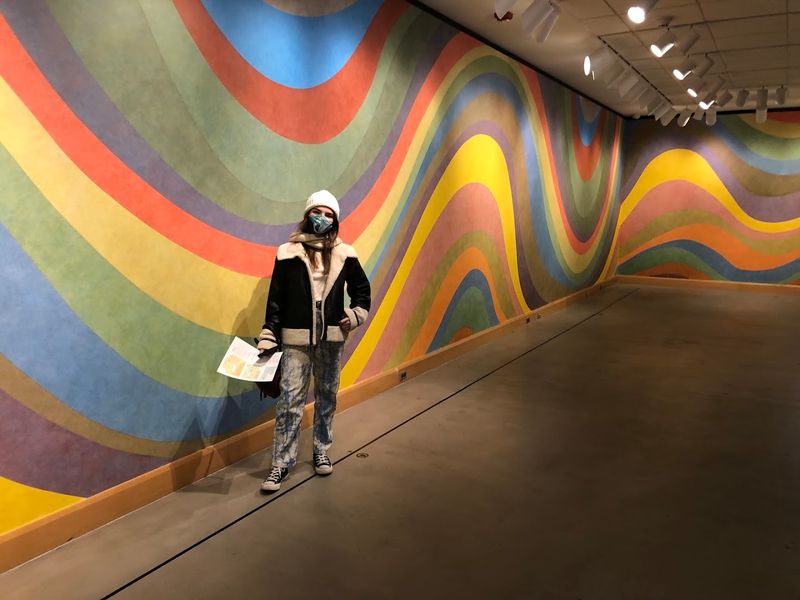
Art museums sometimes feel intimidating for families with young children, but the Allentown Art Museum works hard to make sure kids feel included rather than tolerated.
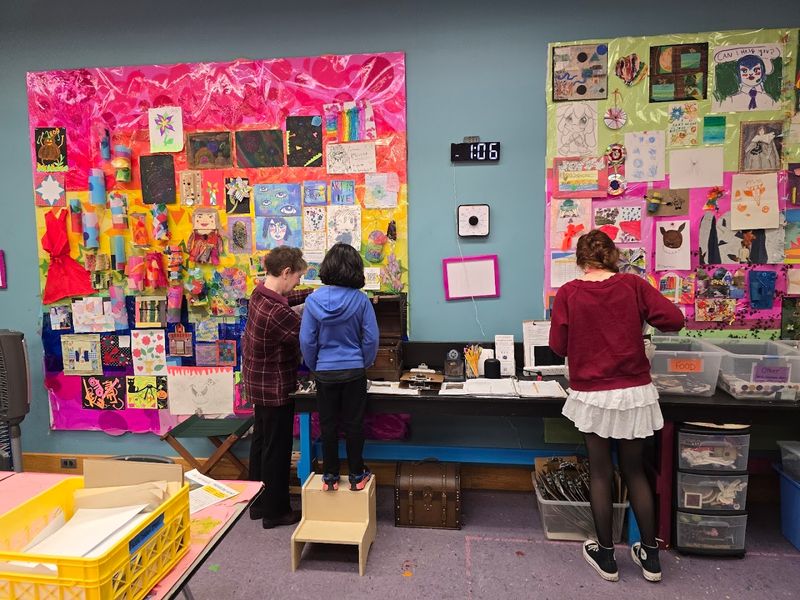
On Saturdays and Sundays, the museum offers hands-on ArtVentures activities in Art Ways Interactive Family Gallery, giving children something to do and create rather than just observe.
There is also a dedicated section upstairs aimed at younger guests, with content and displays scaled to their curiosity and attention spans.
Parents often find that children who arrive reluctantly leave talking about something that surprised them, which is a small miracle worth celebrating.
The museum’s approachable layout means kids are never far from something colorful, interesting, or interactive.
Pennsylvania families in the Lehigh Valley region have a genuinely strong cultural resource right in their backyard, and the Allentown Art Museum makes a real effort to ensure the next generation grows up comfortable in spaces like this.
Rotating Exhibitions Keep Every Visit Fresh
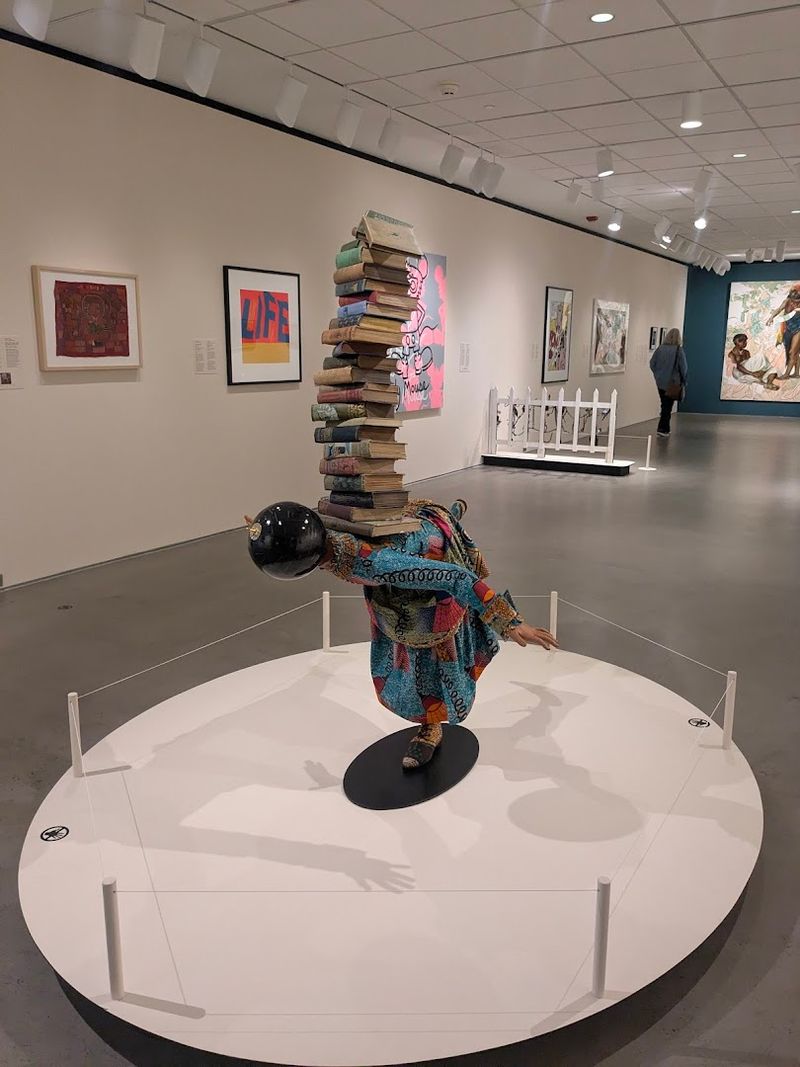
The permanent collection at the Allentown Art Museum is impressive on its own, but the rotating exhibitions and changing gallery installations are what give regular visitors a reason to come back throughout the year.
These temporary shows and refreshed displays bring new artwork, themes, and perspectives into a mid-sized Pennsylvania city, expanding the museum’s range well beyond a single permanent route.
The curatorial team clearly puts thought into selecting exhibitions that complement the existing collection rather than clash with it.
Each new exhibition reshapes the energy of the building, transforming familiar gallery spaces into something worth rediscovering. That sense of renewal keeps the experience from ever feeling stale.
For anyone who makes the Allentown Art Museum a regular part of their cultural calendar, the changing exhibitions serve as a reliable reason to return, and the free admission policy makes saying yes to another visit an easy decision every time.