
This Michigan Museum In Gaylord Is Packed Wall-To-Wall With Wildlife Displays
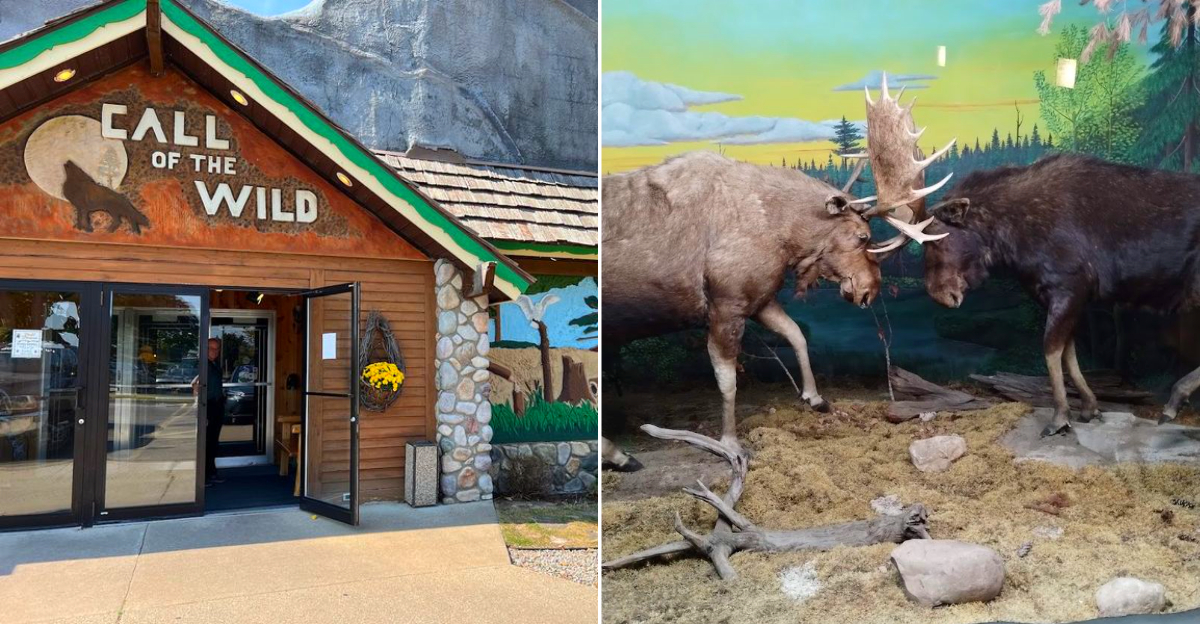
Walking through the front door does not prepare you for what comes next: room after room of full-body wildlife mounts positioned in naturalistic settings that make the animals look like they might blink.
A museum in northern Michigan has spent decades collecting, preserving, plus displaying North American species in ways that turn a casual roadside stop into something closer to a guided walk through the wilderness.
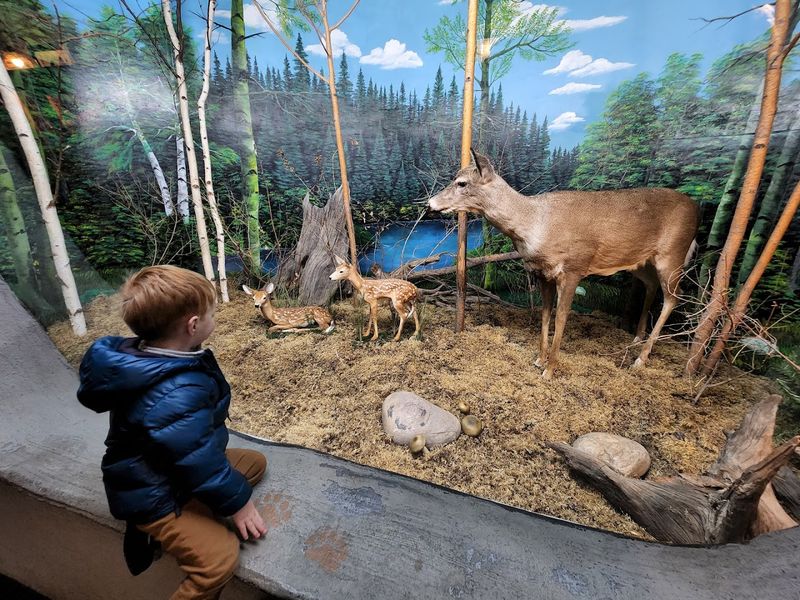
The building holds over sixty displays across thousands of square feet, each one arranged with painted backdrops, real vegetation, plus lighting that mimics the habitat where the animal actually lives.
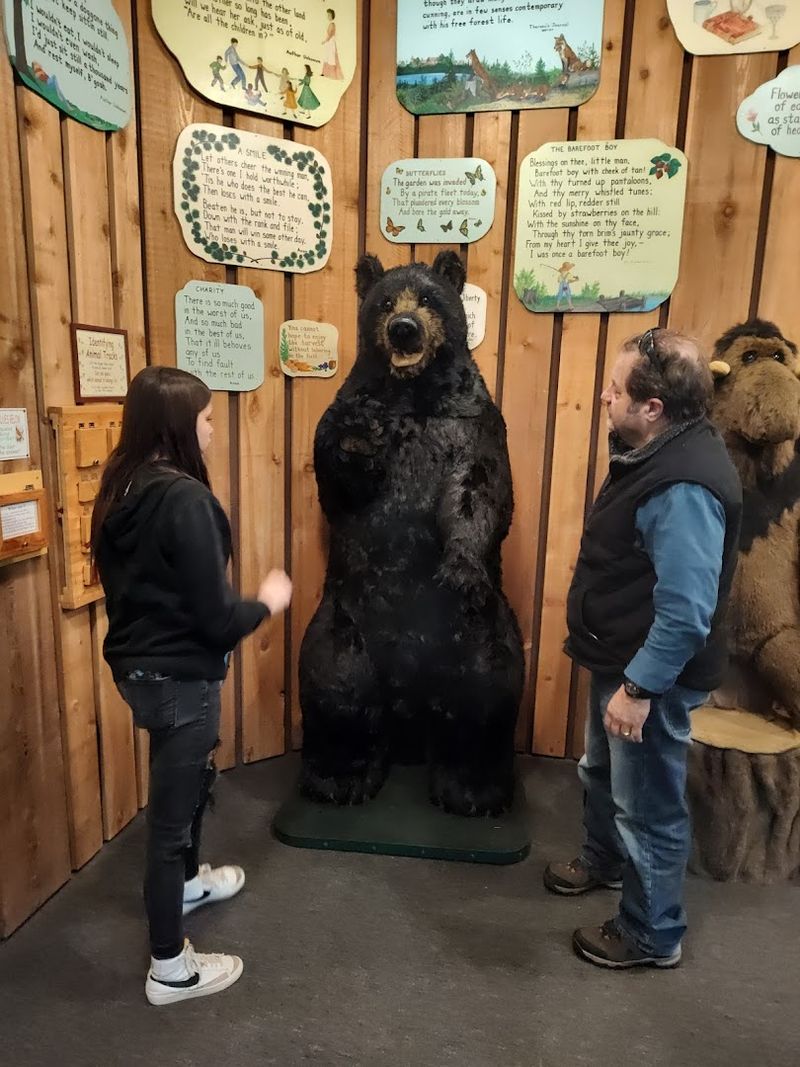
Visitors can stand inches from a grizzly without fear, examine a moose at eye level, plus watch children try to identify every species before reading the plaques.
The experience stays with you long after you drive back onto the highway in Michigan, where roadside attractions rarely deliver this level of craft.
Start By Looking At The Dioramas Slowly
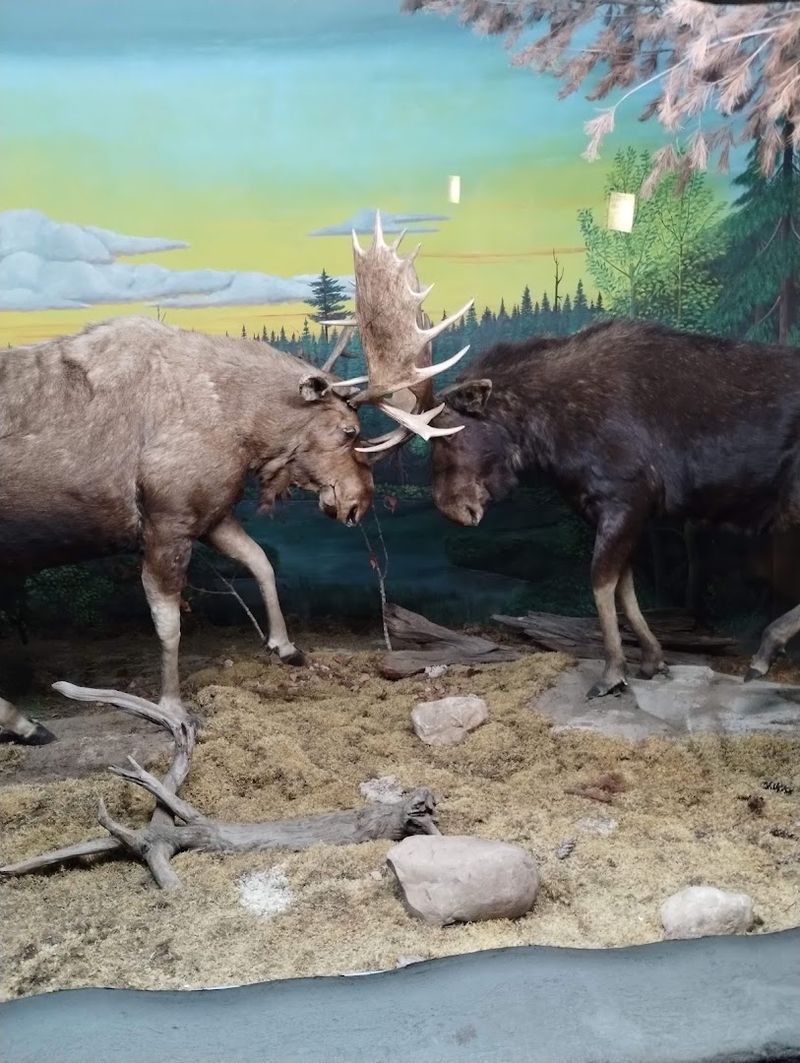
The first surprise here is scale. The museum is packed with more than 60 wildlife displays, and many are arranged as full scenes rather than simple mounts against a wall.
That matters, because the hand-painted backgrounds, real trees, rocks, and habitat details make each grouping feel like a frozen moment instead of a checklist.
If you rush, the museum can seem compact. If you slow down, you start noticing posture, spacing, and how the landscapes guide your eyes from one animal to another. This is the pace that makes the place work.
Give yourself time at the entrance and reset your expectations. It is not flashy, but it is carefully made, and that care becomes the real attraction.
Wisconsin Avenue Lets The Wildlife Roar Indoors
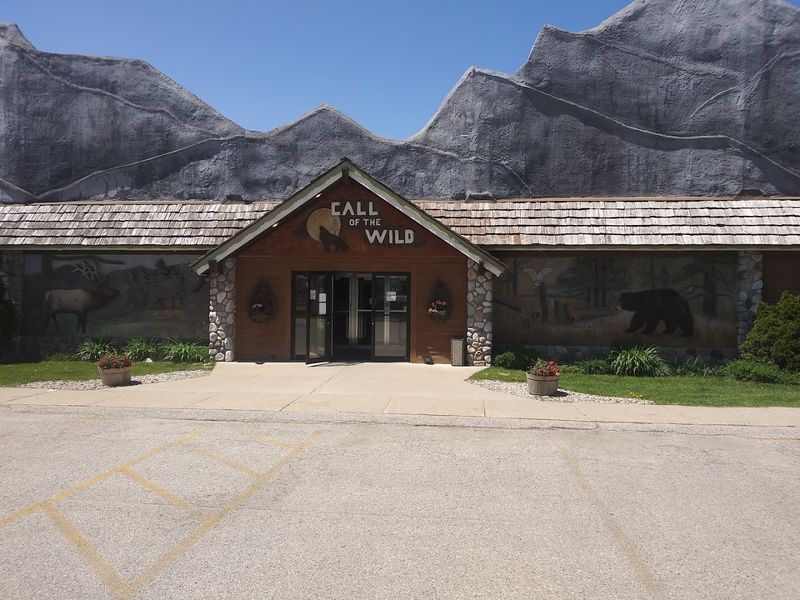
Call of the Wild Museum sits at 850 South Wisconsin Avenue in Gaylord, Michigan, along the city’s main visitor-friendly corridor. From I-75, head into Gaylord and work toward South Wisconsin Avenue as the route shifts from highway traffic into town.
The museum is easy to pair with nearby Bavarian Falls Park, so watch for the attraction signs rather than expecting a plain roadside museum stop. The building sits close to other family-friendly Gaylord stops, making the final approach feel more like a vacation strip than a quiet side street.
Turn in when the Call of the Wild sign comes into view and use the on-site parking. From there, the road has done its part, and the next step is straight into a room full of Michigan wildlife displays.
Use The Sound Buttons Instead Of Skipping Them
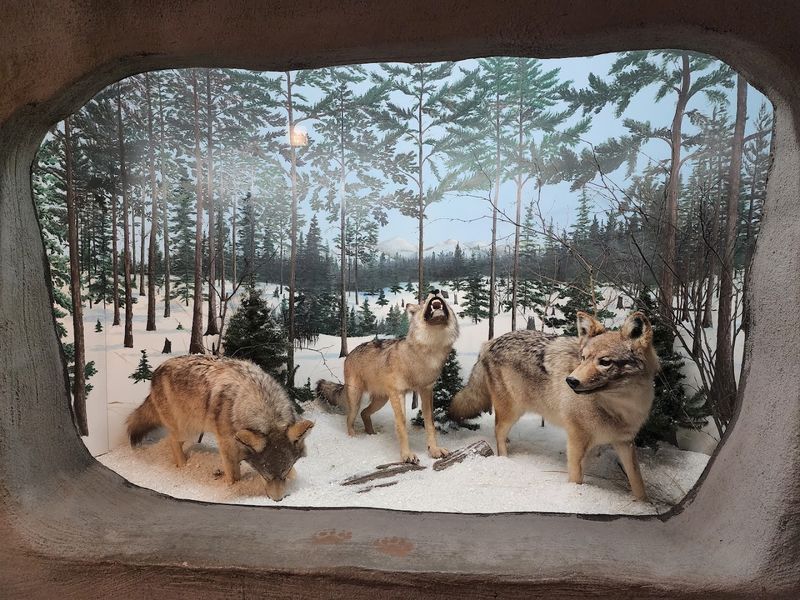
A museum full of still animals could easily feel hushed to the point of sleepiness, but this one has a useful trick. Many exhibits include buttons that play animal sounds, so an elk bugle or wolf call suddenly changes the mood of the room.
The effect is a little quirky and very effective. Those sounds break the glass-case feeling and pull children and adults closer to the labels. You are not just identifying species at that point.
You are connecting the animal to behavior, season, and habitat in a way that sticks longer than a paragraph on a plaque.
Press the buttons. They are part of the museum’s character, and skipping them means missing one of its smartest interactive features entirely.
Pay Attention To The Michigan Animals First
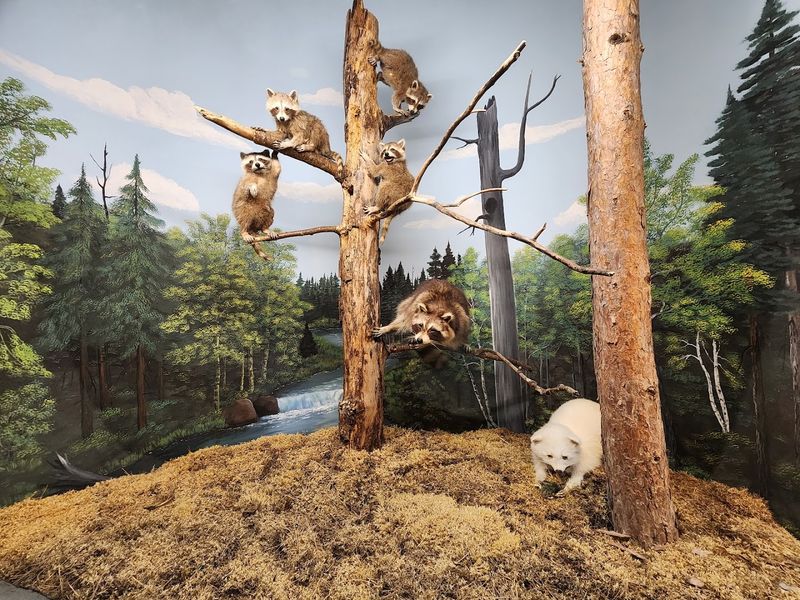
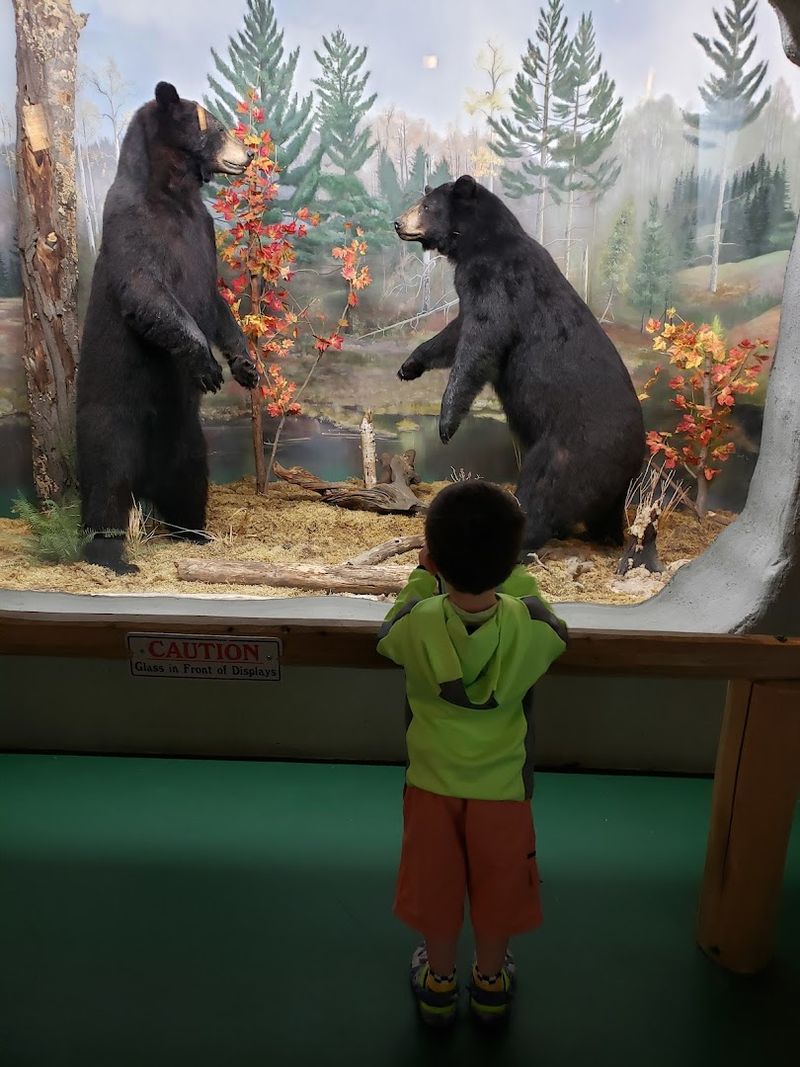
It is tempting to make a beeline for the biggest, most dramatic animals, but the local species are the museum’s strongest material. White-tailed deer, Michigan elk, black bears, wolves, raccoons, beaver, birds, and snapping turtles are presented with a level of familiarity that gives the whole place authority.
The local focus also suits Gaylord. You are not in a generic roadside attraction pretending to cover everything equally.
You are in a museum built around Michigan’s landscapes and creatures, and that regional specificity makes the displays feel grounded rather than random.
I would begin with the home-state animals, then branch outward. Once you understand the museum’s Michigan center of gravity, the out-of-state specimens make more sense as comparisons.
Notice How The Museum Expands Beyond Michigan
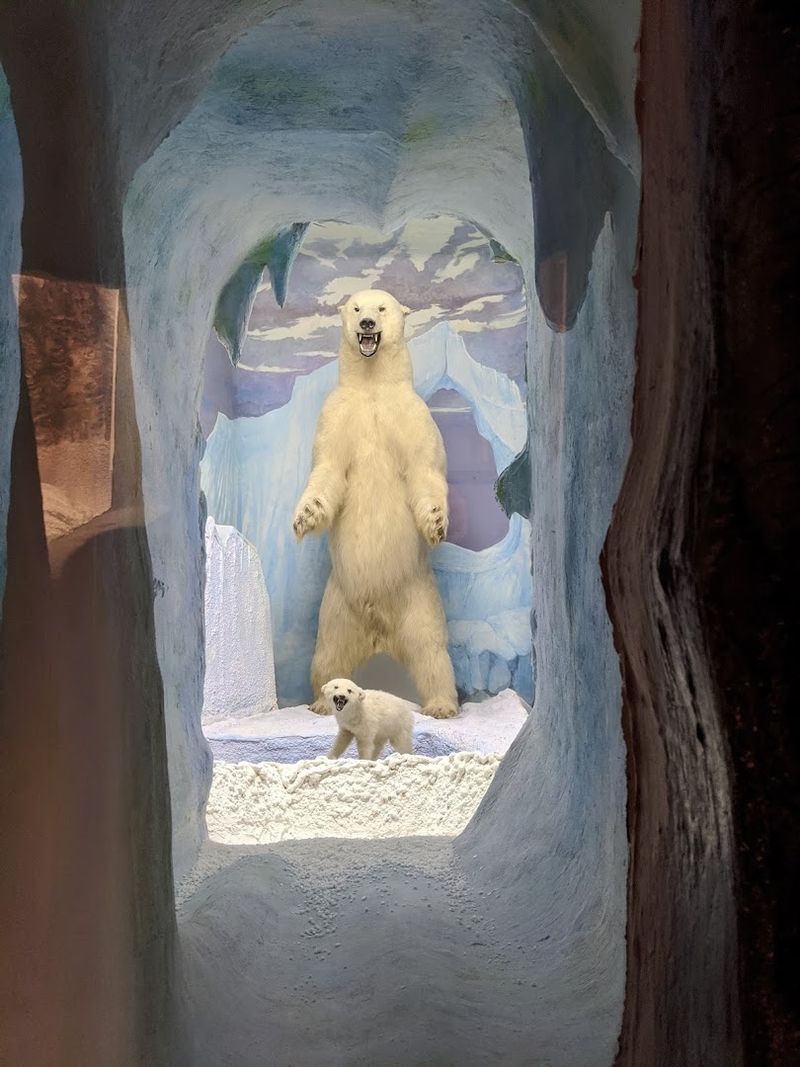
Beyond the Michigan core, the museum broadens its reach with North American animals from harsher and more distant environments. Seeing an Alaskan brown bear, a polar bear, or an arctic fox after studying Michigan species creates a useful contrast in size, fur, setting, and drama.
The shift feels deliberate, not decorative. That contrast also keeps the visit from becoming too predictable. A run of familiar woodland animals can blur together, but the larger northern specimens reset your attention.
Suddenly the museum is not only about recognition. It is also about comparison and the ways different habitats shape different bodies.
Do not treat these displays as side notes. They sharpen your understanding of the local collection by giving it a wider frame.
Read The History Panels Instead Of Just The Animal Labels
One of the museum’s quieter strengths is that it does not separate wildlife from regional history. Along the way, you encounter material about early Michigan fur trappers, including Joseph Bailly, as well as notes on conservation and the ways people once moved through these landscapes.
That context gives the exhibits more weight. Without those panels, the museum might read as pure display. With them, the rooms start connecting animals to trade, settlement, preservation, and the long human habit of interpreting the wild for practical reasons.
The result is not academic in tone, but it is more thoughtful than expected.
If you usually skim history text in small museums, resist that habit here. The story of Michigan is part of the museum’s structure, not background filler.
Bring Kids Straight To The Hands On Spaces
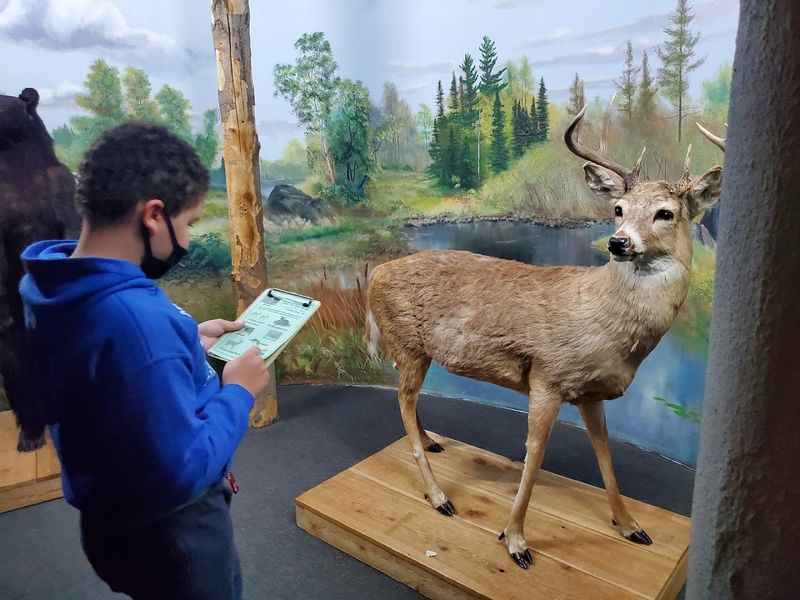
Families have a practical advantage here because the museum is set up to reward active looking. There is a Hands-on Learning Center, a Wildlife Theater, an interactive Great Lakes display, and a poetry and discovery room, all of which break up the visual density of the taxidermy halls.
Children are given more than one way to engage. The scavenger hunt is especially useful. Instead of drifting past displays, kids start scanning for details, shapes, and clues, which naturally slows the pace for everyone else too.
That changes the visit from passive viewing into a gentle game with educational payoff. If you are visiting with younger travelers, ask about activities right away. The museum works best when curiosity has a job to do.
Look Closely At The Craft Behind Each Scene
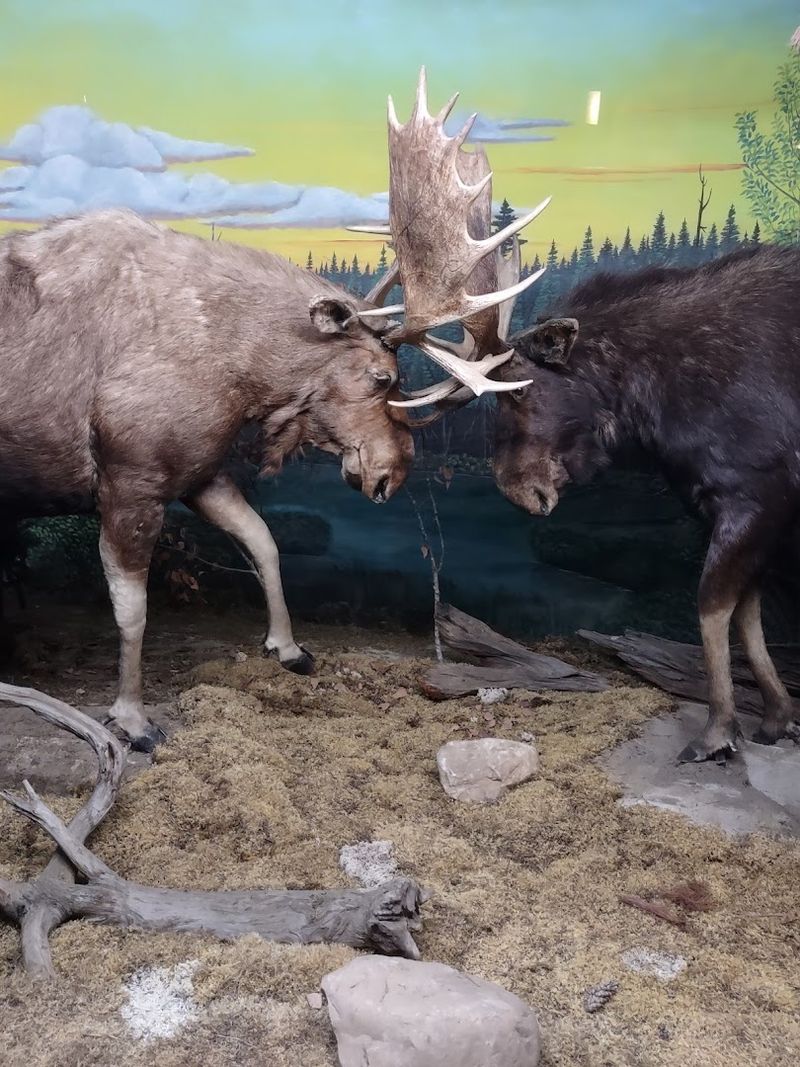
What stays with me most is not any single animal but the construction of the scenes themselves. The museum’s dioramas rely on hand-painted backdrops, natural materials, and carefully staged poses to blur the line between specimen and habitat.
In a larger institution, you might take that craftsmanship for granted. Here, it feels personal.
The technique deserves attention because it shapes your emotional response. A bear standing against a blank surface is information.
A bear set among rocks, timber, and painted depth becomes atmosphere, and atmosphere is what turns a short stop into a memorable one.
Spend a minute studying the transitions between foreground and background. That is where the museum quietly reveals its artistry and its confidence.
Plan Your Visit Around The Long Daily Hours
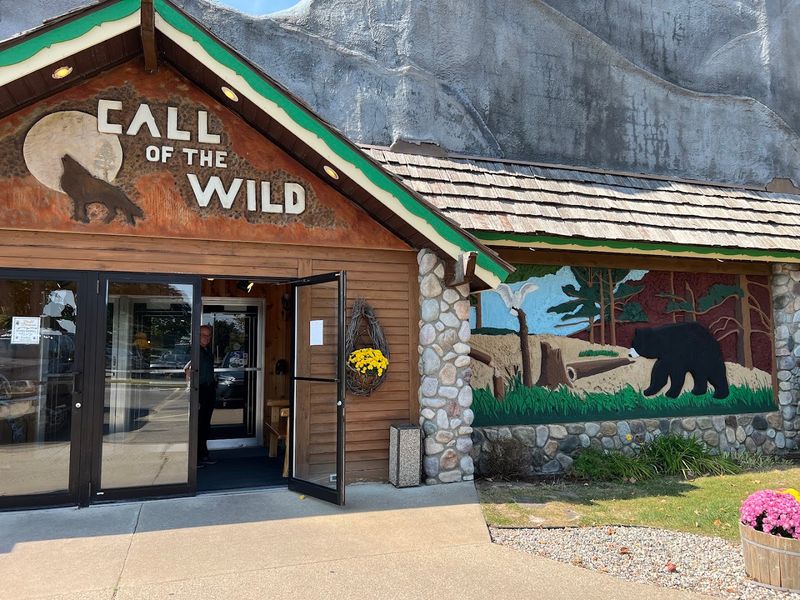
Practical details matter more here than they do at giant museums with fixed-tour pressure. The Call of the Wild Museum is open daily from 9 AM to 9 PM, which makes it unusually easy to fold into a road trip, a rainy afternoon, or a lingering evening in Gaylord.
That flexibility changes the mood before you even walk in. You do not need a complicated strategy. The museum can be done fairly briskly, but it also rewards a slower visit, especially if you read the historical material and use the interactive elements.
Because the hours are generous, you can choose your pace instead of borrowing one. That is my favorite kind of travel logistics: simple, forgiving, and quietly respectful of how people actually move through a day.
Save Time For The Gift Shop Without Treating It As An Afterthought
The gift shop is not a token exit corridor. It is a substantial part of the property, with an unmistakable Up North identity and a mix of souvenirs, wildlife-themed goods, apparel, books, toys, and Michigan-made items.
Even if you are not a dedicated shopper, it is worth a proper look because it extends the museum’s tone.
There is also a strong learning section for children, which makes this more useful than a shelf of novelty trinkets. The range can be practical as well as playful, especially if you want something regionally specific rather than generic travel merchandise.
I would leave a little energy for this last stop. After the exhibits, the shop feels less commercial than thematic, almost like a final room with cash registers.
Consider The Museum As Part Of A Bigger Family Stop
Although the museum is the main event, its location next to Bavarian Falls Park changes how you can use the stop. With mini golf and go-karts nearby, the address works well for families trying to balance an educational visit with outdoor movement and uncomplicated fun.
That adjacency makes planning easier, especially on longer northern Michigan drives. The important thing is not to let the neighboring attractions rush the museum. See the exhibits first while attention is freshest, then move next door if the day still has room.
In that order, the museum feels like a destination rather than a prelude. This combination is one reason the place fits so neatly into Gaylord travel. It gives different ages different tempos without sending anyone far from the same base.