
This Maine Beach Feels Remote, Protected, And Completely Worth The Effort
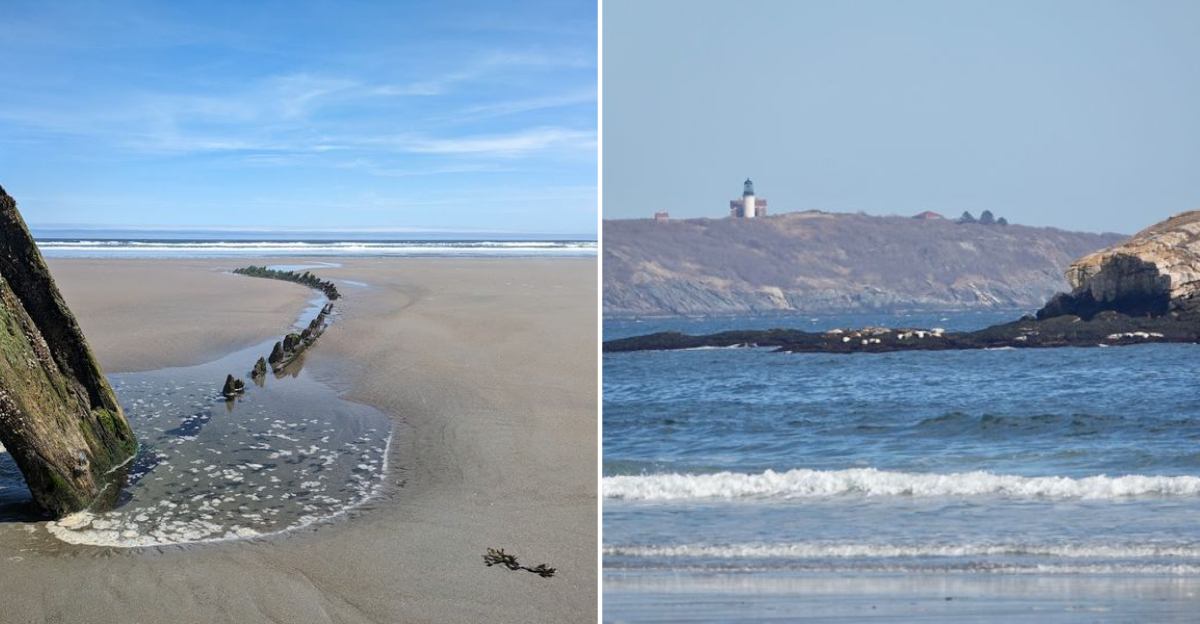
Maine still has places that feel almost hidden on purpose, and this quiet coastal escape is one of them. You will not spot it while cruising past, you cannot pull up beside it, and reaching the sand takes real effort.
The reward begins with a two-mile walk through forest, meadow, marsh, and salty air, building anticipation with every step. Then the trees finally open, the Atlantic appears, and suddenly the whole hike makes sense.
Wide sand, protected dunes, and a peaceful mood give this beach a rare kind of magic. It feels remote without feeling impossible, wild without feeling overwhelming.
Before lacing up your shoes and chasing this tucked-away Maine shoreline, these facts will help you plan smarter and enjoy every minute.
The Beach Makes You Earn It
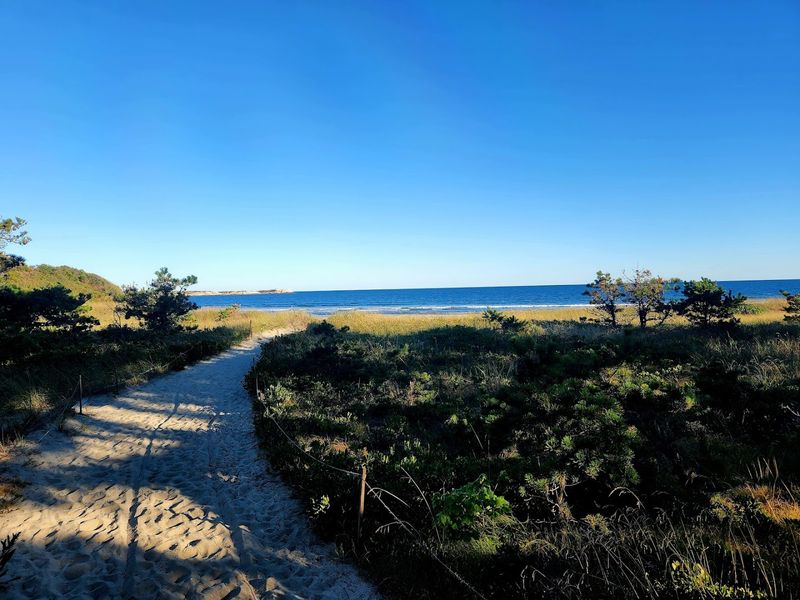
Not every beach makes you work for it, but the ones that do tend to stick with you the longest. The trail from the parking lot at Morse Mountain Road in Phippsburg, Maine, to Seawall Beach covers roughly two miles one way, making the round trip about four miles total.
The path travels along a mostly paved and gravel road that passes through shaded forest, open marshland, and rolling meadow before climbing over Morse Mountain itself.
The elevation gain is moderate, with a couple of noticeable hills that give your legs a real workout. Most hikers find the trail easy to navigate since it follows a clear road rather than a narrow footpath.
That said, the surface does have some broken pavement in sections, so solid footwear makes a real difference.
Private homes sit along parts of the trail, so staying on the marked path is important. Watch for posted signs and respect the boundaries.
The reward waiting at the other end makes every uphill step feel completely worthwhile.
Parking Is Strictly Limited And Fills Up Fast
Arriving early is not just a suggestion here, it is practically a rule. The small parking lot at the Morse Mountain trailhead is strictly limited, and on warm summer days it can reach capacity by 10 in the morning.
Once the lot is full, cars are turned away with no exceptions and no overflow options nearby.
The good news is that parking itself is free. There is a donation box at the lot, and contributing is a genuinely good idea since those funds go directly toward maintaining the trail and protecting the conservation area.
Think of it as a small thank-you for one of the most unspoiled beaches in New England.
Getting there by 8 in the morning on a summer weekend often means sharing the lot with just one or two other cars. That kind of head start puts you on the beach well before the crowds even think about showing up, which is exactly the kind of morning worth setting an alarm for.
The Summit View
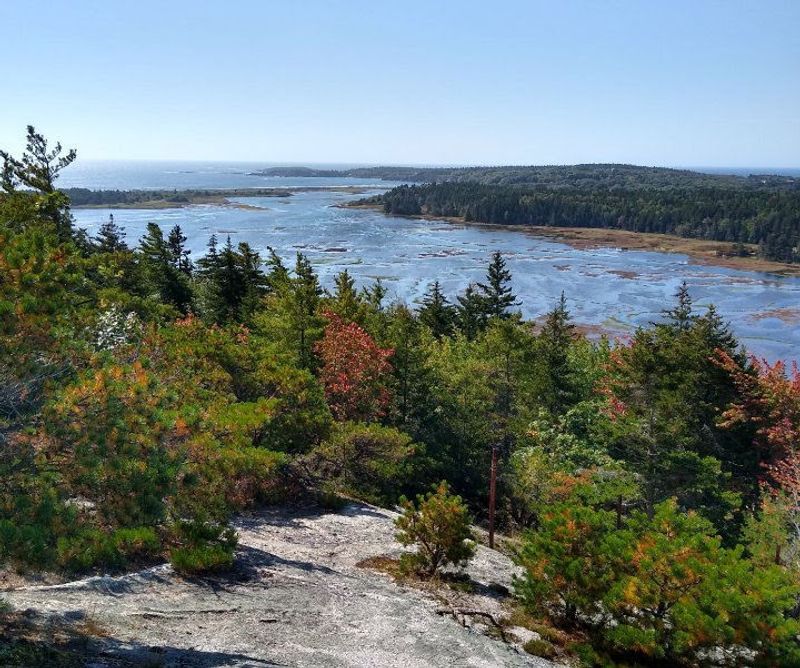
Somewhere between the trailhead and the beach, Morse Mountain offers a viewpoint that stops most hikers right in their tracks.
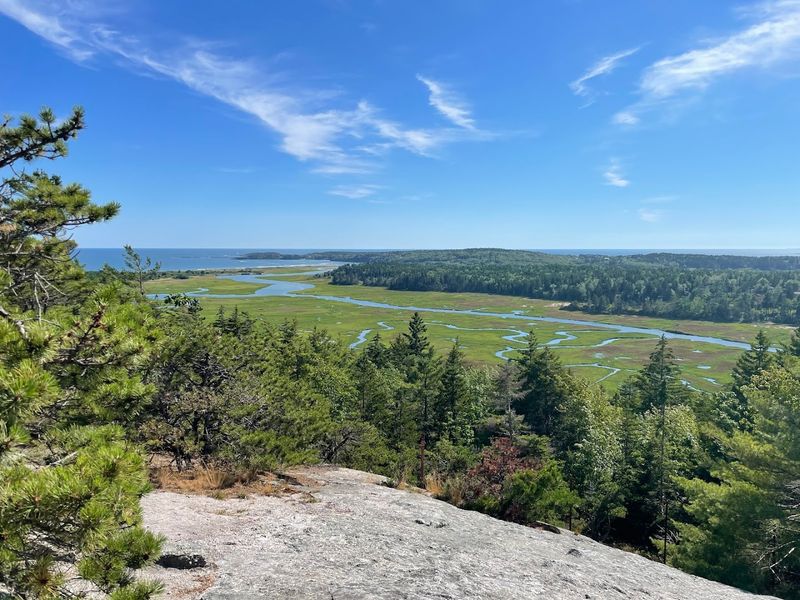
From the summit, the landscape opens up to reveal a sweeping scene of winding water channels, salt marshes, and a distant bay that stretches toward the horizon. On a clear day, some visitors report being able to see all the way to Mount Washington in New Hampshire.
The view is partially framed by trees and a private structure nearby, so it is not a completely open panorama, but the portions that are visible feel genuinely dramatic.
The contrast between the green marsh grass below and the blue water beyond gives the scene a layered, almost painted quality that photographs cannot fully capture.
Taking the short detour to the summit adds a bit of extra distance to the hike but rewards you with a perspective that the beach itself cannot offer. Standing up there, looking out over the Maine coast, you get the full picture of just how wild and beautiful this corner of the state really is.
Two Miles Of Quiet Sand
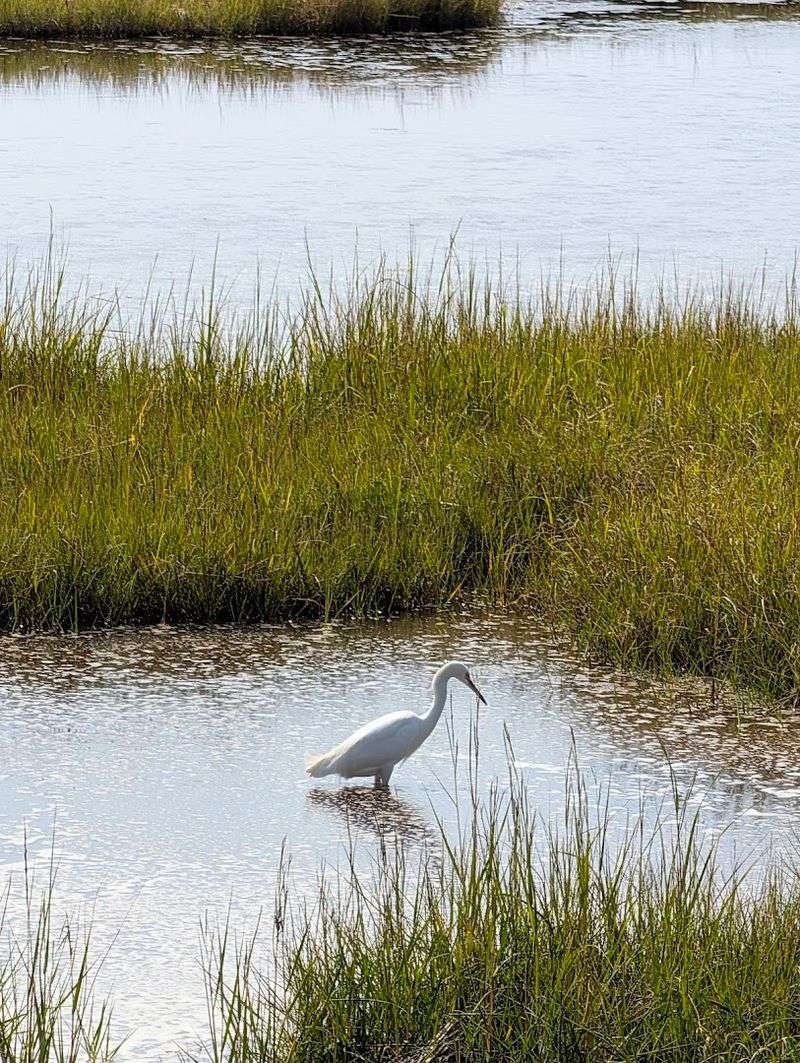
Two miles of sand, and sometimes just a handful of people to share it with. Seawall Beach runs from the Sprague River at one end to the Morse River at the other, giving visitors a broad, open stretch of coastline that feels genuinely spacious even on busier days.
The sand is soft and light-colored, and at low tide the beach expands dramatically, making the whole place feel even more vast.
The water is clear and clean, and the Atlantic here is refreshing in the way that Maine coastal water always is, meaning it is cold, bracing, and completely invigorating.
Swimming is popular, though there are no lifeguards on duty, so awareness of tides and currents is a personal responsibility every visitor needs to take seriously.
Sand dollars show up along the shoreline with some regularity, especially near the water’s edge at low tide.
Walking the full length of the beach and back is a satisfying way to spend a few hours, and if you head far enough left after reaching the sand, you will eventually walk right onto neighboring Popham Beach.
The Rules Protect The Magic
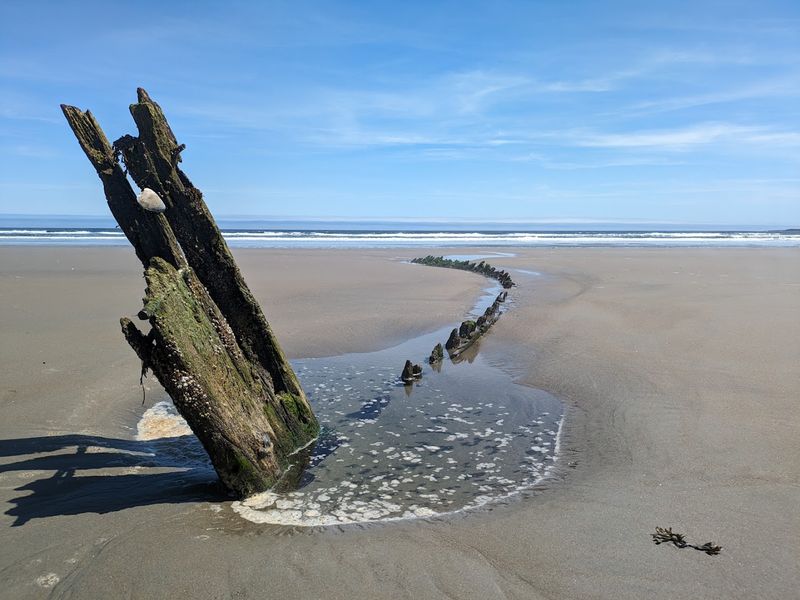
Seawall Beach sits within a protected conservation area, and that status comes with a specific set of rules that visitors are expected to follow carefully.
No dogs are allowed on the trail or the beach. No kites, no bikes, and no climbing on the rocks or running through the dunes.
These restrictions are not arbitrary, they exist to protect a genuinely sensitive coastal ecosystem.
Parts of the beach are marked as restricted zones on a posted map near the beach entrance. Those areas protect nesting shorebirds that rely on undisturbed dune habitat to raise their young.
Crossing into those zones, even briefly, can cause real harm to nesting activity that took weeks to establish.
Reading the rules on the official website before making the trip is strongly recommended. The conservation area is managed with care, and that care is exactly why the beach remains in such remarkable condition.
Visitors who respect the guidelines help ensure that future hikers will find the same unspoiled shoreline waiting for them at the end of the trail.
Bug Spray Is Not Optional

The trail to Seawall Beach passes through wetland and marsh terrain, which creates ideal conditions for mosquitoes, especially during the warmer months from late spring through midsummer.
Hikers who skip the bug spray often regret it within the first quarter mile, and by the time you reach the marshland section, the insects can become genuinely distracting.
Horse flies also make an appearance on the beach itself, particularly in the drier sand areas away from the waterline.
They are not constant, but they are persistent enough to be annoying if you are trying to relax and read a book in the sun. Packing a good insect repellent and applying it before you even start walking saves a lot of discomfort later.
Early morning hikers sometimes catch a break because the bugs tend to be less active before the air warms up. Going in late summer or early fall reduces the mosquito issue considerably as well.
Either way, a small bottle of repellent takes up almost no space in a day pack and makes the whole experience significantly more enjoyable from start to finish.
Low Tide Is The Sweet Spot
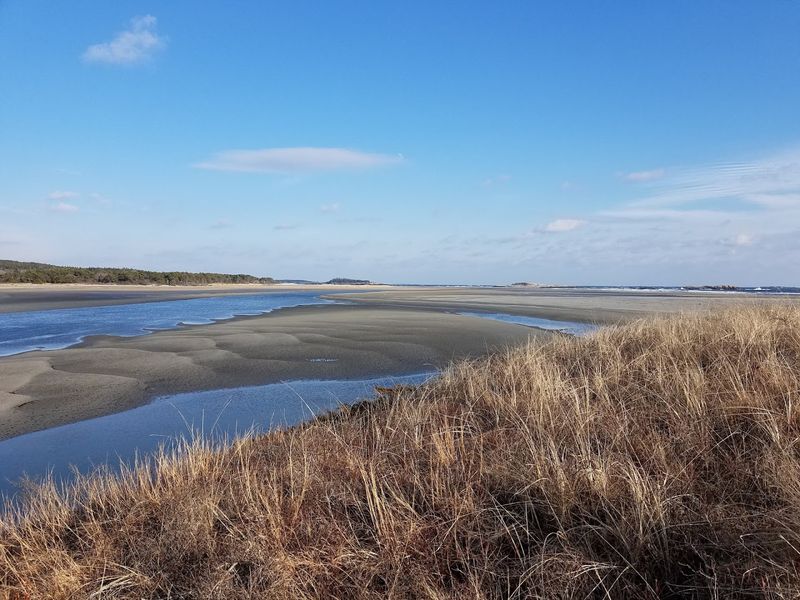
Checking the tide chart before heading out is one of the smartest things you can do to prepare for a visit to Seawall Beach.
At low tide, the beach expands into a wide, glittering expanse that feels almost endless. At high tide, the beach narrows considerably, and the experience shifts from spacious to cozy in a way that not everyone prefers.
Timing your arrival to reach the beach at least an hour before low tide gives you the best combination of space, sand dollar hunting, and shallow-water wading.
The Morse River at the far end of the beach becomes crossable at low tide, knee-deep at most, which allows adventurous visitors to wade across and connect with Popham Beach on the other side.
There is also a practical concern worth knowing: the access road near the trailhead can flood during certain tide conditions, particularly after storms.
Checking both the tide schedule and local weather before you go helps avoid any surprise detours. Planning around the tide turns a good beach day into a genuinely great one.
Bring Everything You Need
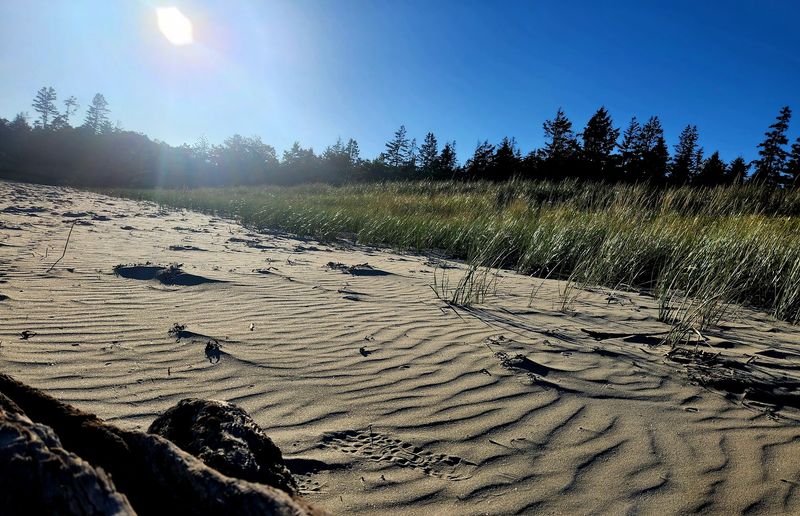
Seawall Beach is beautifully wild, and part of what keeps it that way is the complete absence of infrastructure.
Do not count on restroom facilities along the trail or at the beach. No outdoor showers, no changing rooms, no snack stands, and cell service may be spotty along parts of the route.
What you bring in is what you have, and what you bring in also comes back out with you.
Packing a full water bottle, or ideally two, is essential. The hike covers four miles round trip with some elevation, and on a warm day that adds up quickly.
Sunscreen, a hat, and a light snack make the outing far more comfortable, especially if you plan to spend several hours at the beach before hiking back.
The carry-in, carry-out policy is strictly observed, and keeping the beach clean is something every visitor contributes to simply by packing out their own trash.
Going in with realistic expectations and a well-stocked pack turns what could feel like a rough outing into a smooth, satisfying adventure that leaves you wanting to come back.
Wildlife And Natural Scenery
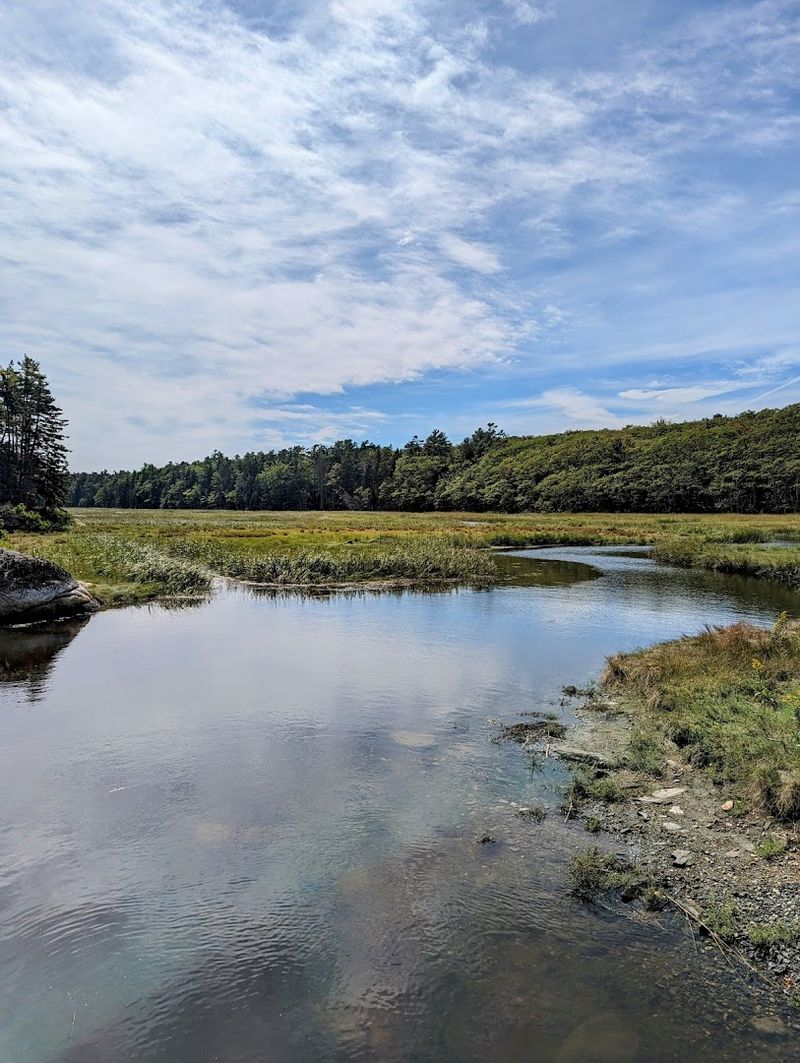
The trail to Seawall Beach passes through several distinct natural environments in quick succession, and each one brings its own wildlife and scenery.
Wooded sections give way to open marsh, where great blue herons and other shorebirds are commonly spotted wading through the shallow tidal channels. The transition from forest to marsh to open coast happens gradually and makes the hike feel like a tour through several different ecosystems.
On the beach, the restricted nesting zones protect populations of piping plovers and least terns, two shorebird species that nest directly on the sand.
Keeping a respectful distance from those areas gives visitors a chance to observe the birds without disturbing them, which is one of the more quietly rewarding parts of the experience.
The marsh views from the trail, particularly looking back toward the winding channels and the distant bay, are the kind of scenery that makes you stop walking and just stand quietly for a moment.
Maine coastal wildlife has a way of showing up when you least expect it, and this trail delivers that feeling reliably.
Winter And Off-Season Visits
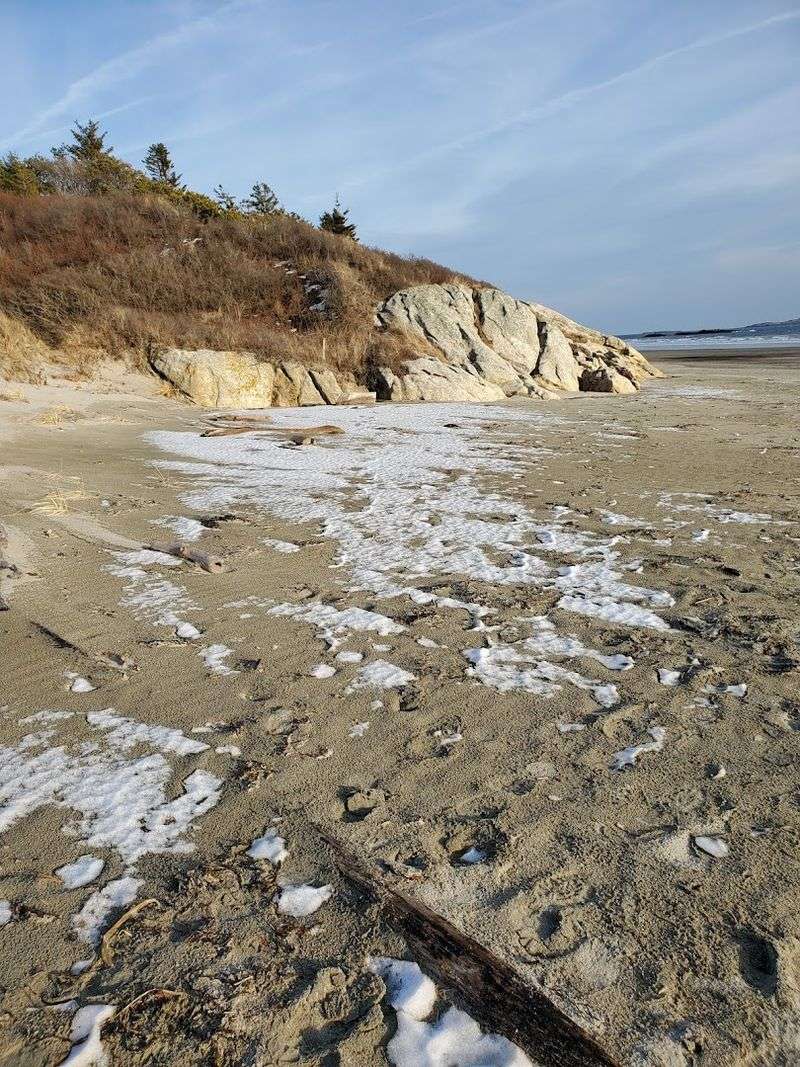
Most people think of Seawall Beach as a summer destination, but visiting in the off-season reveals a completely different side of the place.
In winter, the trail is quiet in a way that feels almost otherworldly, with bare trees, cold salt air, and the sound of waves carrying farther than they do in the warmer months. The parking lot, which fills up by mid-morning in July, might have just one or two other cars on a January morning.
Winter hiking here does require extra preparation. The trail can become icy after storms, and microspikes or traction cleats are strongly recommended for safe footing on the hills.
Layering up properly and checking weather conditions ahead of time keeps the outing safe and enjoyable rather than miserable. The mood at the beach in winter is raw and dramatic in a way that summer simply cannot replicate.
The ocean looks different under a grey sky, the sand feels colder and firmer underfoot, and the whole experience carries a kind of peaceful solitude that is hard to find anywhere else along the Maine coast. Some hikers actually prefer it this way.